


 Claim Ownership
Murphy's law if anything can go wrong....
Subscribed: 0Played: 0
Subscribe

© Veljko Massimo Plavsic
Description
This podcast is dedicated to the cases of bad practice that what goes around comes around,mean,if something should go wrong be sure it will...and in the worst of way and combination of factors....so enjoy my podcasts dedicated mainly to recalls but not exclusively
17 Episodes
Reverse

What is the function of the lug seat inserts on the recalled Honda Civic aluminum wheels?They are hard steel inserts that ensure a strong, secure fit for the lug nuts on the softer aluminum wheel.What could happen to the aluminum wheel if the lug seat inserts are missing when lug nuts are installed?The area where the lug nut installs could become deformed, causing the nuts to work loose.What could happen to the aluminum wheel if the lug seat inserts are missing when lug nuts are installed?The supplier's factory was in Italy.

Briefing on Misclassified Employment: The 'False Freelancer' PhenomenonExecutive SummaryThis document synthesizes an analysis of misclassified employment, commonly known as the "false freelancer" (falso autonomo) phenomenon. This issue arises when a worker, formally operating with a VAT registration (Partita IVA), is substantively treated as a subordinate employee. The primary motivation for employers is to circumvent the costs, legal obligations, and worker protections associated with traditional employment, such as social security contributions, paid leave, severance pay (TFR), and protection against unfair dismissal.The central legal tenet governing these cases is the Principle of Substance over Form (Principio di Effettività), where the actual day-to-day realities of the working relationship take precedence over the formal contractual title. Courts and labor inspectors disregard superficial "style clauses" asserting autonomy and instead focus on concrete indicators of subordination.The most critical indicators of a subordinate relationship are the employer's exertion of Directive, Control, and Disciplinary Powers. These are evidenced by practical signals including: the imposition of fixed work hours and locations; the mandatory use of company-provided tools (computers, email); constant monitoring of activity; organizational integration (inclusion in team meetings, organigrams); and the worker's complete lack of entrepreneurial risk, demonstrated by a guaranteed, periodic salary independent of results.Misclassification carries severe consequences. Employers face significant financial liabilities, including back-payment of contributions with hefty penalties, salary differences, and administrative sanctions, alongside substantial reputational damage. Conversely, workers who successfully prove their subordinate status gain access to all legal protections and benefits of employment, such as pension contributions, paid leave, unemployment benefits (NASpI), and TFR. The gig economy, particularly platform-based work like that of delivery riders, represents a modern frontier for this issue, with landmark legal rulings recognizing that algorithmic management can constitute a form of employer directive power.--------------------------------------------------------------------------------1. The Core Distinction: Subordinate vs. Autonomous WorkThe legal framework differentiates sharply between two primary forms of work, each governed by distinct articles of the Italian Civil Code. The misclassification of a worker arises when the substance of the relationship aligns with subordinate work, while the form is disguised as autonomous work.FeatureLavoro Subordinato (Subordinate Work - Art. 2094 c.c.)Lavoro Autonomo (Autonomous Work - Art. 2222 c.c.)Core PrincipleSubordination and employer direction (eterodirezione)Absence of a subordination constraintOrganizational RoleIntegration into the company's organizationStable integration is absent

Protocollo Operativo: Valutazione e Gestione dei Contratti di Collaborazione AutonomaIn base a 1 fonteProtocollo Operativo: Valutazione e Gestione dei Contratti di Collaborazione AutonomaIntroduzione e Obiettivi del ProtocolloIn un mercato del lavoro sempre più fluido, la corretta qualificazione dei rapporti di collaborazione rappresenta una necessità strategica e non un mero adempimento normativo. L'obiettivo di questo protocollo è fornire a manager e responsabili delle risorse umane strumenti operativi chiari per instaurare e gestire rapporti di collaborazione autonoma in piena conformità con la legge, mitigando i significativi rischi legali, finanziari e reputazionali associati al fenomeno dei "falsi autonomi". Questo documento non è una semplice guida, ma uno strumento di governance interna obbligatorio per la gestione del rischio. Guiderà l'utente dalla valutazione preliminare delle esigenze operative fino alla gestione quotidiana del rapporto, assicurando che la forma contrattuale rifletta sempre la reale sostanza della collaborazione.--------------------------------------------------------------------------------1. Principi Fondamentali: Lavoro Autonomo vs. Lavoro SubordinatoComprendere le distinzioni giuridiche fondamentali tra lavoro autonomo e lavoro subordinato è il presupposto indispensabile per ogni decisione corretta in materia di collaborazioni esterne. La legge, e di conseguenza gli organi ispettivi e i giudici, non si fermano alla denominazione formale del contratto stipulato tra le parti (nomen iuris), ma analizzano le concrete modalità di svolgimento della prestazione. Questo approccio, noto come Principio di Effettività, implica che la sostanza del rapporto prevale sempre sulla forma.
Il documento analizza una strategia aziendale diffusa in cui pratiche illegali di sfruttamento del lavoro vengono mascherate da iniziative legittime di "riduzione dei costi", "ottimizzazione" ed "efficienza". Emerge una netta dicotomia tra i metodi legali per aumentare la produttività (es. automazione, investimenti tecnologici) e le tattiche illecite che colpiscono i lavoratori più vulnerabili. Queste pratiche includono l'errata classificazione dei dipendenti come appaltatori indipendenti, l'abuso di contratti temporanei, la manipolazione degli orari part-time per negare i benefit e l'uso di clausole contrattuali ingannevoli.Tali strategie prosperano a causa della dipendenza economica dei lavoratori (il 78% vive di stipendio in stipendio) e della sistematica mancanza di conseguenze significative per le aziende, le cui sanzioni sono spesso irrisorie rispetto ai risparmi ottenuti. Si evidenzia una profonda ipocrisia aziendale: molte delle società che adottano queste pratiche coltivano parallelamente un'immagine pubblica di eccellenza e responsabilità sociale, ottenendo premi come "Best Place to Work". Lo sfruttamento genera gravi costi umani (salute mentale, stabilità familiare) e sociali (indebolimento delle economie locali). La soluzione proposta è l'azione legale, individuale e collettiva, presentata come lo strumento più efficace per costringere le aziende a modificare il loro comportamento, ristabilire i diritti dei lavoratori e innescare un cambiamento sistemico.--------------------------------------------------------------------------------1. Il Mito della Riduzione dei Costi e la Doppia Faccia delle AziendeIl discorso aziendale sull'efficienza e l'ottimizzazione nasconde spesso una realtà di sfruttamento. Il documento distingue nettamente tra due approcci alla riduzione dei costi:• Il Metodo Legale: Miglioramento dei processi, investimenti in tecnologia, automazione, ottimizzazione dei flussi di lavoro e formazione del personale. Queste strategie aumentano la produttività senza danneggiare i lavoratori.• Il Metodo Illecito: Sfruttamento di lavoratori in posizioni di debolezza attraverso contratti irregolari o illegali, violando le leggi sul lavoro per ridurre i costi diretti del personale.Molte aziende, anche quelle con marchi prestigiosi e una reputazione pubblica impeccabile, adottano sistematicamente il secondo metodo. Esiste una sconcertante discrepanza tra la loro immagine pubblica, accuratamente costruita attraverso campagne di marketing e iniziative di responsabilità sociale, e le pratiche operative private. Queste non sono azioni isolate di manager disonesti, ma strategie aziendali integrate, volte a massimizzare il valore estratto dal lavoro minimizzando al contempo tutele legali e benefit.2. Tattiche Comuni di Sfruttamento ContrattualeLe aziende utilizzano diverse pratiche ingannevoli per negare ai lavoratori i loro diritti fondamentali. Le più comuni includono:TatticaDescrizioneObiettivo AziendaleErrata ClassificazioneDefinire i dipendenti come "appaltatori indipendenti" pur mantenendo il pieno controllo sul loro lavoro (orari, metodi, attrezzature).Evitare il pagamento di contributi, straordinari, ferie, assicurazione sanitaria e altre tutele previste per i dipendenti.Abuso del Lavoro TemporaneoMantenere i lavoratori in uno status "temporaneo" per mesi o addirittura anni, anche se svolgono funzioni essenziali e permanenti.Negare i benefit, la sicurezza del posto di lavoro e i percorsi di carriera riservati al personale a tempo indeterminato.Manipolazione del Part-TimeProgrammare sistematicamente i lavoratori per un numero di ore appena inferiore alla soglia che definisce il lavoro a tempo pieno.Evitare l'obbligo legale di fornire benefit come l'assicurazione sanitaria, pur esigendo la massima disponibilità.

1.0 Introduction: The Distinction Between Cost Optimization and Labor ExploitationIn the corporate lexicon, "cost optimization" and "efficiency gains" are lauded as cornerstones of sound strategy. While these pursuits are fundamental to fiscal responsibility, a critical and often deliberately obscured line separates legitimate process improvement from illegal labor exploitation. The purpose of this analysis is to quantify the material risks inherent in deceptive labor practices, to frame them as a critical failure of corporate governance, and to present a clear business case for adopting ethical, compliant, and ultimately more profitable employment models.The core conflict under analysis is the dichotomy between genuine business improvements—such as process automation and employee training—and exploitative tactics designed to unlawfully strip workers of their rights. While the former creates sustainable value, the latter relies on misclassification and contract manipulation to generate superficial savings that conceal undisclosed material liabilities. This analysis will begin by identifying the specific tactics that constitute this high-risk approach.2.0 A Taxonomy of Deceptive Employment TacticsTo effectively mitigate risk, it is crucial to understand the specific mechanisms of exploitation. These are not isolated incidents but systematic practices constituting a portfolio of regulatory arbitrage, deliberately engineered to operate in the perceived gaps between labor law and enforcement capacity. These tactics are designed to strip workers of legal protections and shift operational risk onto the most vulnerable individuals. This section provides a taxonomy of the most common methods.2.1 Misclassification of Employees as "Independent Contractors"This practice involves classifying workers who function as employees under the "independent contractor" designation to unlawfully circumvent legal obligations. While a genuine contractor maintains control over their work, this tactic allows the company to exert employee-level control while denying employee-level rights and protections.

Comparative Analysis: BMW's Dual Starter Motor Recalls1.0 Introduction: Contextualizing BMW's Widespread Starter IssuesTwo concurrent but distinct starter motor recalls have placed BMW's component quality control and supply chain management under scrutiny, affecting over 345,000 vehicles. While both recalls concern starter motor failures, they stem from different root causes, involve separate component suppliers, and present varying levels of risk to vehicle owners. This analysis will dissect and compare these two significant events to provide a clear, fact-based understanding for automotive industry stakeholders. This document will begin with a detailed examination of the more recent of the two recalls before comparing it directly with its predecessor.2.0 In-Depth Profile: The Denso Component Recall (Overload-Related Failure)Understanding the specifics of this second, large-scale recall is strategically important. Its unique cause—electrical overload—and the failure of an initial software-based remediation attempt offer critical insights into component-level vulnerabilities and the complexities of modern vehicle electronics.2.1 Scope and ScaleThe key statistics for this recall are as follows:• Total Vehicles Affected: 145,102• Affected Model Years & Series: 2020 340i, 2020-2022 740Li, 2020-2025 840i, 2019-2020 X5, 2020 X6, and 2019-2020 X7.• Primary Engine Type: Straight-six engines.• Most Impacted Models: The BMW X5 accounts for over 80,000 units, and the X7 accounts for approximately 25,000 units.2.2 Root Cause AnalysisThe technical failure originates with the Denso-supplied starter; if the engine fails to turn over, repeated, unsuccessful start attempts can overload the starter's internal electrical system, leading to a critical overheating condition.

Recall ...a further one

The provided text outlines two distinct vehicle recalls issued by Peugeot and its affiliated brands under Stellantis, focusing on specific manufacturing defects that pose safety risks. The larger recall involves 18,479 Peugeot 3008 and 508 vehicles, along with thousands of corresponding Citroën, DS7, and Opel models, due to a serious battery overheating issue that presents a fire risk, necessitating either a software update to the battery management system or a full battery replacement. Separately, a smaller recall targets 4,001 Peugeot 3008 and 5008 vehicles manufactured within a specific two-month window in 2025 because the 48V heating cable connection was improperly tightened, potentially leading to heater failure or overheating. Authorized workshops will inspect the loose heating cable connection and adjust the torque, or replace the entire cable harness if signs of damage are detected.

The provided text highlights how **early climate models**, particularly those developed by **Nobel laureate Syukuro Manabe** starting in the 1960s, accurately **predicted several key aspects of global warming** decades before they were definitively observed. Despite their initial simplicity, these models correctly forecast phenomena such as **overall global temperature increase due to CO2**, the **cooling of the stratosphere**, **amplified warming in the Arctic**, a **greater warming effect over land compared to oceans**, and the **delayed warming of the Southern Ocean**. The article argues that this **proven track record of successful predictions** strengthens confidence in present-day climate science and its projections for future climate changes.

The provided text offers a comprehensive overview of the Earthquake Rings of Fire area, a geologically active region encircling the Pacific Ocean. It explains the geographical distribution of this area, highlighting the tectonic plate interactions that cause frequent earthquakes and volcanic eruptions. The document discusses the major countries and regions impacted and outlines the environmental consequences of volcanic activity, such as ash fallout affecting vegetation. Additionally, it details several notable historical earthquakes within the Ring of Fire and emphasizes the importance of preparedness and mitigation strategies for communities in these vulnerable zones.

The provided text from "Virtual Illusions: Unveiling the Fabric of Reality" questions the authenticity of our perceived existence, proposing that we might be living within a deliberately constructed virtual world. It critiques a society where superficiality dominates, leading individuals to prioritize appearances over substance, often without awareness of hidden dangers in consumer products. The source suggests that this distraction prevents critical thought while those in power manipulate events. Ultimately, it posits that natural disasters and environmental changes may serve as a harsh awakening, forcing us to confront the true, tangible reality of our world.

The source explores the escalating impact of the climate crisis, specifically focusing on how rising temperatures and extreme weather are threatening the future of outdoor events like concerts, sports, and festivals. It highlights the economic, social, and psychological consequences of this shift, including massive financial losses, community fragmentation, and increased isolation-related mental health issues. The text presents data on event cancellations and temperature increases, while also discussing technological innovations and policy changes—both governmental and individual—that could offer potential solutions or adaptations. Ultimately, the source underscores the urgency for collective action to mitigate climate change and prevent a future dominated by indoor, controlled environments.

This notification from Austria concerns Simplon bicycles, specifically various models including the Inissio Gravel Kiaro Disc and Pride II. The alert highlights a serious risk of injuries due to a flaw in the brake disc adapters. These adapters are prone to loosening over time, potentially causing the brake disc to detach, which compromises braking power and could lead to accidents. Consequently, the product does not comply with the General Product Safety Regulation, leading the manufacturer to recall the affected bicycles from end users and implement prior conditions for future marketing.

(SR/02106/25)Date: April 14, 2025 (Effective Date) Subject: Safety Recall of DS3 Crossback Passenger Cars due to EBS Valve Block Defect Source: Safety Gate Alert (SR/02106/25) - Notifying Country: France1. Executive Summary:This briefing details a safety recall initiated by France concerning specific DS3 Crossback passenger cars manufactured between May 25, 2024, and June 6, 2024. The recall, identified by company code NS9, addresses a critical defect in the Electronic Braking System (EBS) valve block. This defect, stemming from incomplete aluminum casting around the valves, poses a significant risk of injury due to potential brake fluid leaks, deactivation of stability control, and complete loss of brake control functions. The product fails to comply with EU regulations on motor vehicle approval and market surveillance. The manufacturer has initiated a recall of the product from end users.2. Key Information and Facts:Alert Number: SR/02106/25Notifying Country: FranceProduct Category: Motor vehiclesProduct Type: Passenger carBrand: DS automobilesModel: DS3 CrossbackEC-type approval/model: e22007/460639*31Production Dates of Affected Vehicles: May 25, 2024 - June 6, 2024Company Recall Code: NS9Country of Origin: FranceDate of Entry into Force (Recall): April 14, 20253. Risk Description - Nature of the Defect and Potential Consequences:The core issue lies within the EBS valve block, specifically concerning its construction:Manufacturing Defect: "The aluminium of the EBS valve block may not fully cast around the valves." This indicates a fundamental flaw in the manufacturing process of a critical braking component.Internal Brake Fluid Leak: This incomplete casting can lead to "an internal leak of brake fluid (from one or more of the 12 valve seats)." This internal leakage is the root cause of subsequent system failures.Reduction of Fluid Level and Stability Control Deactivation: The leak results in "a reduction of the fluid level and the deactivation of stability control due to damage to the pressure sensor." A compromised fluid level directly impacts braking performance, and the deactivation of stability control significantly reduces vehicle handling and safety, especially in adverse conditions.Complete Loss of Control Functions: Critically, the leaked brake fluid can "come into contact with the printed circuit board and result in the deactivation of all control functions (including the anti-lock system and electronic brake force distribution)." This outcome is severe, as it implies a complete failure of modern braking assistance systems, potentially leading to a total loss of braking effectiveness and control for the driver.Risk Type: Injuries. The described failures directly increase the risk of accidents and, consequently, injuries to vehicle occupants and others.
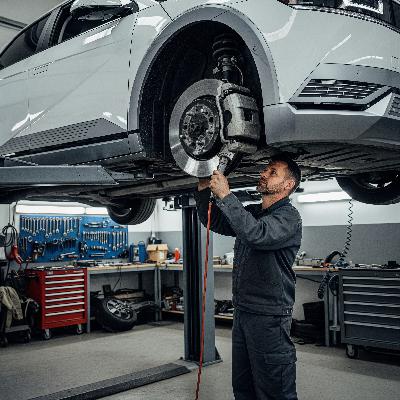
What is the core issue identified in the safety alert?The core issue is a software defect within the Integrated Electronic Brake (IEB) control system of certain Hyundai IONIQ 5 N vehicles. When the Left-Foot Braking (LFB) feature is engaged during specific driving maneuvers, this software can inadvertently trigger a depressurization of the Anti-lock Braking System (ABS).2. What are the potential consequences of this defect for drivers?The depressurization of the ABS leads to reduced braking performance. This means that the vehicle's stopping distances will be longer than a driver would anticipate, significantly increasing the risk of an accident and potential injuries.3. Which specific vehicle model and production period are affected by this recall?The recall affects the Hyundai IONIQ 5 N (NE N) passenger car, specifically model years 2023 and 2024. The production dates for the affected vehicles range from March 13, 2023, to December 11, 2024.4. How can owners identify if their vehicle is part of this recall?Owners can identify affected vehicles by checking their VIN (Vehicle Identification Number). The VINs included in this recall range from KMHKN818PRU000071 to KMHKR818XRU007329. The EC-type approval/model is e92018/85811054*05.5. What is "Left-Foot Braking" and how does it relate to this issue?Left-Foot Braking (LFB) is a driving technique where the driver uses their left foot to operate the brake pedal, typically while the right foot remains on the accelerator. This technique is often used in performance driving or certain racing scenarios. The issue described in the alert specifically arises when this LFB feature is "engaged" during particular maneuvers.6. What regulatory standard does the product fail to comply with?The product fails to comply with the "Regulation on the approval and market surveillance of motor vehicles and their trailers, and of systems, components and separate technical units intended for such vehicles" at the EU level.7. What measure has been taken by the economic operators in response to this safety alert?The economic operators, specifically the importer, have initiated a recall of the affected products from end users. This means that owners of the identified vehicles will be contacted to have the issue addressed.8. From which country does the recalled product originate?The recalled Hyundai IONIQ 5 N originates from the Republic of Korea.
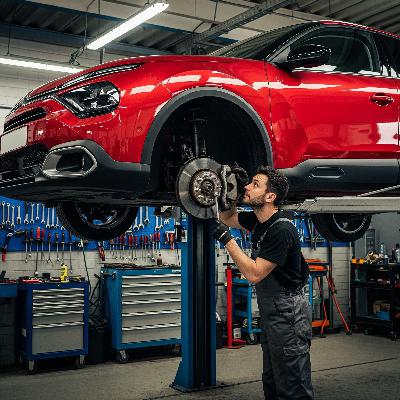
Subject: Analysis of Safety Gate Alert SR/02103/25 concerning Citroën C4 III and C4X passenger vehicles.Sources: Excerpts from "Notification_SR_02103_25_en.pdf" (Safety Gate Alerts)Executive Summary:This briefing details a critical safety recall initiated by France concerning specific Citroën C4 III and C4X passenger cars. The recall, identified as Alert number SR/02103/25, addresses a manufacturing defect in the Electronic Braking System (EBS) valve block that poses a significant risk of injuries due to compromised braking and stability control functions. The affected vehicles were produced between May 29, 2024, and June 5, 2024 (C4 III) and May 29, 2024, and June 3, 2024 (C4X). Measures involve a recall of the product from end-users, with an effective date of April 14, 2025. Products with this defect have also been identified in Croatia.Key Themes and Most Important Ideas/Facts:1. Product Identification and Scope of Recall:Product Category: Motor vehicles (Passenger cars).Brand and Name: CITROEN C4 III and C4X.EC-type approval/model: e92007/466816*21.Affected Production Dates:C4 III: May 29, 2024 - June 5, 2024C4X: May 29, 2024 - June 3, 2024Company Recall Code: NS9.Notifying Country: France, with products also found in Croatia.2. Nature of the Risk and Technical Description of the Defect:Risk Type: Injuries. This highlights the severity of the potential consequences to vehicle occupants and others.Risk Description: The core issue stems from a manufacturing flaw in the EBS valve block. "The aluminium of the EBS valve block may not fully cast around the valves."Cascading Failures due to Defect:Initial Leak: This casting defect "can lead to an internal leak of brake fluid (from one or more of the 12 valve seats)."Fluid Level Reduction & Stability Control Deactivation: The internal leak results "in a reduction of the fluid level and the deactivation of stability control due to damage to the pressure sensor." This directly impacts vehicle handling and safety.Contact with PCB & Loss of All Control Functions: Crucially, "The brake fluid could come into contact with the printed circuit board and result in the deactivation of all control functions (including the anti-lock system and electronic brake force distribution)." This represents a catastrophic failure mode, potentially leading to complete loss of essential braking and stability systems.3. Non-Compliance and Legal Provisions:Non-Compliance: The product "does not comply with the Regulation on the approval and market surveillance of motor vehicles and their trailers, and of systems, components and separate technical units intended for such vehicles." This indicates a breach of fundamental EU safety regulations for automotive components.Country of Origin: France.4. Measures Taken and Implementation Timeline:Measure Taken: "Recall of the product from end users" by the Manufacturer. This indicates a direct effort to retrieve and rectify the affected vehicles.Date of Entry into Force: April 14, 2025. This date suggests a lead time for the recall process to officially commence.Implications:This recall is critical due to the direct impact on primary safety systems (braking, stability control). The potential for complete deactivation of critical functions like ABS and EBD poses a severe accident risk. The wide range of affected production dates within a short window indicates a specific manufacturing batch or process issue. The identification of affected products in Croatia demonstrates the cross-border reach of this safety concern within the EU market. The effective date of the recall in April 2025 provides manufacturers and authorities with time to prepare for the logistical challenges of retrieving and repairing affected vehicles.

A safety alert issued by Germany details a recall of specific Kawasaki Ninja 500 motorcycles, manufactured between January 22nd and 24th, 2024, originating from Thailand. The core issue lies with a manufacturing defect where the clutch release lever might be improperly welded to the shaft, potentially leading to its breakage. This malfunction prevents the disengagement of the clutch, significantly elevating the risk of accidents and injuries for riders. Consequently, the product fails to comply with EU regulations for two- or three-wheel vehicles and quadricycles, prompting a recall from end-users, managed through the website ktisc.eu.
Comments

Download from Google Play

Download from App Store
 United States