


 Claim Ownership
Design for every mind
Subscribed: 0Played: 0
Subscribe

© Rosie Elvin
Description
The Design for Every Mind podcast explores how neurodiversity and mental health shape creativity across architecture, design, and the wider creative industries. Hosted by Rosie Elvin—ADHD coach, university lecturer, and founder of ADHD Focus—the show features conversations with architects, designers, and creative professionals from all disciplines. Together, we uncover how different minds approach the design process, share the ways neurodiversity has influenced their practice, and offer insights to help creative thinkers thrive
10 Episodes
Reverse
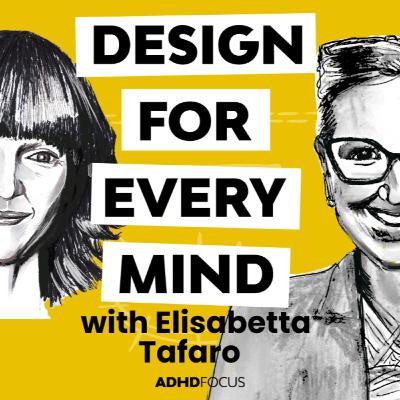
Join Elisabetta Tafaro, a PhD researcher, as she explores the intersection of heritage conservation and social justice. Discover how her late ADHD diagnosis transformed her approach to complex spaces like prisons and heritage sites, offering fresh insights into adaptive reuse and community engagement.Elisabetta shares innovative solutions in architecture that honour uncomfortable histories and foster social healing. Her stories reveal why reimagining difficult heritage isn’t just about buildings—it's about justice, identity, and resilience. Perfect for architects, historians, and anyone passionate about social justice, this episode offers a fresh perspective on how encountering discomfort in history and space can drive meaningful innovation
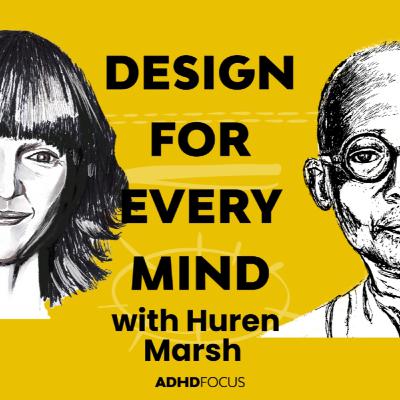
In this episode, I’m delighted to welcome Huren Marsh — a multi-disciplined artist, designer and educator whose work spans furniture, interiors and immersive installations.Huren shares his remarkable creative journey, from growing up in Jamaica and training as an engineer, to making a bold leap into art, design and education. We explore what it really means to follow your creative instincts, even when the “safe” path looks very different.Huren discusses decades of teaching across the UK, Vietnam and China, his powerful “show me” approach to learning, and why demonstration, curiosity and human connection matter more than rigid academic systems. We also talk openly about neurodiversity in education, the limitations of traditional assessment, and how many talented students are failed by structures that don’t reflect how they truly think or create.The conversation moves into social justice and design, including Huren’s work with prisons, his involvement with the Design Against Crime Research Lab.
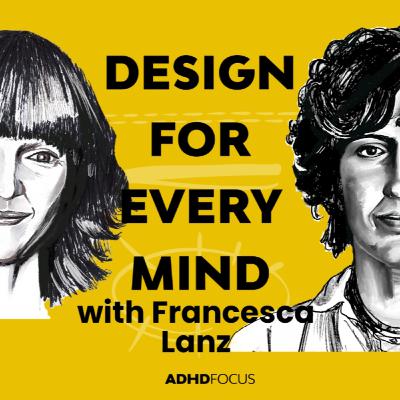
In this episode, Francesca Lanz, an Assistant Professor of Interior Architecture at Northumbria University, delves into the intricate layers of heritage and adaptive reuse. With a focus on the transformation of former asylums and prisons, Francesca shares her insights on how these spaces can connect the past and present, offering a platform for reflection and understanding. Her work highlights the importance of interdisciplinary approaches in architecture and the ethical considerations involved in preserving difficult histories Francesca can be found here - https://www.northumbria.ac.uk/about-us/our-staff/l/francesca-lanz/
In this episode, Rosie Elvin interviews Doug Gittens, a senior lecturer and course leader at Nottingham Trent University, about his experiences with dyslexia and neurodiversity in the field of design and education. Doug shares his journey from struggling in school to finding his passion in art college, and how his unique way of thinking has become a strength in his career. The conversation delves into the challenges and misconceptions around neurodiversity, the importance of self-awareness, and the strategies Doug has developed to navigate his professional lifeDoug can be found here: https://www.ntu.ac.uk/staff-profiles/architecture-design-built-environment/douglas-gittens
In this conversation, Lisa Wood, a personal stylist, discusses the impact of social media on personal style choices, emphasing the importance of understanding individual body types and the need for a curated wardrobe that prioritizes quality over quantity. She highlights the common issue of women feeling dissatisfied with their clothing choices due to the influence of influencers and the tendency to buy items that may not suit them. Lisa also points out that many women only wear a small percentage of their wardrobe regularly, suggesting a need for more thoughtful purchasing decisions.Lisa can be found here - https://www.lisalovesstyle.com/ And on Instagram - lisa.loves.style
In this episode of "Design for Every Mind," host Rosie Elvin welcomes Emma Davies, a Part Two architectural assistant at Chapman Taylor Architects. Emma shares her journey from Lincoln to Manchester, focusing on her master's thesis about neurodiversity in the workplace. Discover how Emma's passion for inclusion and wellbeing drives her innovative approach to architecture, creating spaces where everyone can thrive. Join us as we explore the intersection of design, neurodiversity, and personal expressionYou can find Emma at - linkedin.com/in/emma-davies-866a14175And on Instagram - https://www.instagram.com/emmadavies.archhttps://www.instagram.com/emmas.palette/Emma's project can be found here: https://www.msa.ac.uk/2025/profile/emma-davies/
In this episode, Rosie Elvin welcomes Stuart Mills, an advertising veteran with nearly 30 years of experience, who has transitioned from the fast-paced world of advertising to founding The Noisy Brain, a global social enterprise. Stuart shares his journey from working with renowned agencies like Saatchi & Saatchi and Ogilvy to advocating for mental and emotional health through creative expression. He discusses the impact of neurodiversity on his career, particularly how ADHD has influenced his creative process and personal growth. The conversation delves into the challenges and advantages of neurodivergent thinking in the workplace, the importance of self-care, and the healing power of creativity. Stuart also highlights the collaborative nature of The Noisy Brain, where personal stories are transformed into music, fostering a supportive community for mental health awarenessYou can find the Noisy Brain here - https://www.instagram.com/thenoisybrainer/
In this episode, Luisa Pereira Pires discusses her journey as an intersectional neurodivergent designer and the founding of the Neurodiversity Architecture Network. She highlights the barriers faced by neurodivergent individuals in education and professional practice, the importance of peer support, and the need for systemic changes in architecture education. Luisa emphasizes the value of interdisciplinary collaboration and offers advice for future architecture students, particularly those who are neurodivergent. The conversation concludes with a vision for the future of the Neurodiversity Architecture Network and the role of design in fostering inclusivity and understanding You can find more about Luiza here - linkedin.com/in/luisa-pereira-pireshttps://www.luisapereirapires.com/
In this episode, join Rosie Elvin as she sits down with Nidhi Panandikar, the innovative mind behind Playbook Studios. Discover how Nidhi transitioned from architecture to UX design, and how her passion for games led to the creation of a business that champions unrehearsed conversations and meaningful connections. Explore the impact of play on neurodiverse communities, and learn how games can transform learning and collaboration in both educational and professional settings. Tune in for an inspiring conversation about creativity, inclusivity, and the power of playYou can find Nidi here - linkedin.com/in/nidhi-panandikarhttps://www.playbookstudios.co.uk/
In the very first episode of Design for Every Mind, I sit down with illustrator and live graphic recorder Bex Gilbert, whose journey from high-pressure communications to creative entrepreneurship is as inspiring as it is relatable. I first met Bex back in 2006, when she was working for the British Red Cross and I had just returned to university to study for my postgraduate qualification in architecture. Even then, her creativity and energy stood out, but her career path took her deep into the world of crisis communications – covering events like the Grenfell Tower fire, the Manchester Arena bombing, and the Covid-19 pandemic. After years of carrying the emotional weight of other people’s stories, Bex reached a turning point. Picking up a sketchbook during lockdown, she discovered the power of visual storytelling – first as a personal outlet, and eventually as a whole new career. Today, she uses live illustration and graphic recording to help people understand, connect, and remember in a whole new way. In our conversation, Bex shares her story of career reinvention, the role of visual note-taking in learning and focus, and how following your creative instincts can open unexpected doors. It’s a reminder that the skills we quietly nurture in the background can sometimes lead us to the work we were meant to doBex can be found here - https://www.bexgilbert.com/
Comments

Download from Google Play

Download from App Store
 United States