


 Claim Ownership
The Journal of Clinical Psychiatry Podcast
Subscribed: 8Played: 13
Subscribe

© Copyright 2026 The JCP Podcast
Description
The Journal of Clinical Psychiatry Podcast explores the science, practice, and human side of mental health care. Hosted by Dr. Ben Everett, Senior Scientific Director at Physicians Postgraduate Press, the series brings together leading voices in psychiatry, neuroscience, and behavioral medicine to discuss the evidence shaping clinical care today.
Each episode features thoughtful conversations with JCP authors, academic experts, and frontline clinicians exploring disorders across the mental health continuum, from schizophrenia and mood disorders to anxiety, depression, and sleep-related conditions. By bridging research and real-world practice, the podcast delivers insights that empower psychiatrists, nurse practitioners, physician associates, and primary care clinicians to deliver better care for patients with mental illness.
Insightful. Evidence-based. Human-centered.
Each episode features thoughtful conversations with JCP authors, academic experts, and frontline clinicians exploring disorders across the mental health continuum, from schizophrenia and mood disorders to anxiety, depression, and sleep-related conditions. By bridging research and real-world practice, the podcast delivers insights that empower psychiatrists, nurse practitioners, physician associates, and primary care clinicians to deliver better care for patients with mental illness.
Insightful. Evidence-based. Human-centered.
11 Episodes
Reverse
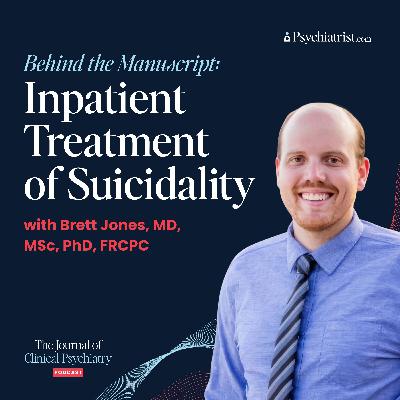
Psychiatric hospitals admit patients for severe mental illness and high suicide risk every day. While mental health professionals treat acute suicidality during these intense crises, standard depression medications can take weeks to work. Traditional clinical psychiatry often leaves vulnerable patients in danger after hospital discharge. Medical teams need rapid suicide prevention treatments to help stabilize psychiatric inpatients quickly.Learn about potential improvements to inpatient suicide care as Dr. Brett Jones, Medical Head of the Bipolar Disorder Clinic at Toronto’s Center for Addiction and Mental Health, reveals the results of his research review into the best evidence-based medical interventions.🎯 KEY EPISODE HIGHLIGHTS:🛑 RESEARCH BLINDSPOT [10:25]:"I think there are a lot of studies out there. I was reading, I was seeing the evidence, but the consensus as to what would be the most effective treatment and for whom really wasn't there."Hear Dr. Jones explain the massive missing piece in psychiatric care.🧠 CLINICAL BREAKTHROUGH [23:45]:"Some of the chronotherapy was something I actually didn't know about. That certainly is a low cost intervention. So that's quite promising if it turns out to be effective."See how simple sleep treatments change inpatient psychiatry.🛠️ STRATEGIC ACTION [34:50]:"We showed a good effect with a digital version of DBT… So we're going to look at trying to replicate that in a multicenter study."Get the exact details on digital therapy for hospital units.CHAPTERS:00:00 - Honoring Dr. Nolan Williams03:07 - Career Path into Psychiatry and Suicide Research07:59 - Why Inpatient Suicide Treatment Needs Better Evidence12:59 - Key Limitations in Suicide Intervention Research14:57 - Ketamine and Rapid Acting Treatments for Suicidality19:48 - Emerging Treatments Beyond Traditional Depression Care25:47 - Translating Research into Real World Inpatient Practice30:38 - Major Research Gaps and Need for Better Clinical Trials33:04 - Hospitalization as a Critical Window to Prevent Suicide37:41 - Up Next: Dr. Marc AgroninLinks:Full transcript and show notes: https://www.psychiatrist.com/jcp/ep10-inpatient-treatment-suicidality-brett-jones/ Journal of Clinical Psychiatry: psychiatrist.com/jcp/Inpatient Treatment of Suicidality: A Systematic Review of Clinical Trials:https://pubmed.ncbi.nlm.nih.gov/39832343/Dr. Brett Jones: https://www.linkedin.com/in/brett-jones-1b308260/?originalSubdomain=caCenter for Addiction and Mental Health: https://www.camh.caUniversity of Toronto Psychiatry: https://psychiatry.utoronto.ca#AcuteSuicidality #InpatientPsychiatry #ClinicalResearch
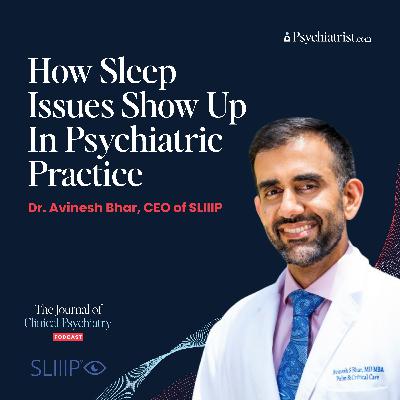
Feeling tired despite a full night's sleep? The problem may not be the hours you get, but the quality of your breathing. According to sleep medicine expert and founding physician of SLIIIP, Dr. Avinesh Bhar, many people dismiss fatigue, snoring, or frequent waking, using caffeine and over-the-counter aids to cope.This masks a deeper problem. Undiagnosed sleep-disordered breathing, like sleep apnea, is a silent driver of serious health issues, from heart disease to mental health conditions. Ignoring the root cause makes other medical treatments less effective, creating a cycle of declining health. 90% of people with mental health conditions also struggle with sleep issues. Getting help is easy at SLIIIP.com. No travel required. Insurance accepted.🎯 KEY EPISODE TAKEAWAYS:⚠️ THE SURVIVAL MODE TRAP [08:49]:"If you don't sleep well, your whole day changes in perspective. You are in survival mode, and you can't be your best self. You can't perform."Are you just surviving instead of thriving? Watch this segment to understand the biological cost of poor sleep and why feeling "just okay" is a major red flag for your health.✨ THE MENTAL HEALTH BREAKTHROUGH [29:24]:"If you're a therapist or psychiatrist managing mental health, you should also make sure the sleep is evaluated…otherwise, your improvements in mental health aren't going to reach the level that actually makes the patient feel like they've actually turned the corner.”Unlock better patient outcomes. See how integrating a sleep evaluation can be the missing piece in treating depression, anxiety, and PTSD effectively.⚡️ THE 2-QUESTION DIAGNOSTIC [59:40]:"'Are you sleeping well? Are you waking up refreshed?' If you have a 'no' to either one of those questions, the patient needs an evaluation."This is the simple, powerful framework you need. Listen to this section to learn the exact questions that tell you if it's time to refer a patient (or yourself) to a sleep specialist and how easy it is via www.sliiip.com. SLIIIP is making advanced sleep care fast & convenient, offering patients same week appointments with board-certified sleep medicine physicians instead of the months‑long wait typical of traditional sleep labs.CHAPTERS:00:00 - Introducing Dr. Avi Bhar03:48 - From ICU to Sleep Medicine and What Clinicians Miss06:52 - What Sleep Does Biologically and Why Quality Beats Hours13:23 - Sleep Myths That Keep You Sick and Tired16:24 - Sleep Hygiene That Works19:54 - When to Suspect a Real Sleep Disorder Beyond Stress23:00 - How Sleep Apnea Drives Heart, Metabolic, and Inflammatory Disease27:51 - Sleep and Psychiatry30:35 - Solving Access With Home Sleep Tests and Step-Based Care39:33 - The Ideal Telemedicine Sleep Care Pathway48:28 - Stop Masking Sleep Problems With OTC Aids and Melatonin52:33 - When to Retest and How Treatment Lowers Long-Term Healthcare Costs1:01:03 - Up Next: Dr. Brett JonesKey Takeaways:"Sleep is a reparative opportunity. It heals and repairs the trauma of the day. It's essential, not optional." "Quality and quantity of sleep matter. Sleeping 7-8 hours is good, but waking refreshed is key." "Sleep disturbances don't just coexist with illnesses; they can drive medical and psychiatric morbidity." "Evaluate sleep in patients with mental health issues. It's both a driver and symptom of psychiatric illness." "Speed and efficiency in sleep evaluation are crucial. It reflects the urgency and importance of the issue."Links:Full transcript and show notes: https://www.psychiatrist.com/jcp/ep9-sleep-issues-psychiatric-practice-avinesh-bhar/Journal of Clinical Psychiatry: psychiatrist.com/jcp/SLIIIP: https://sliiip.com/#SleepApnea #MentalHealth #SleepDisorders
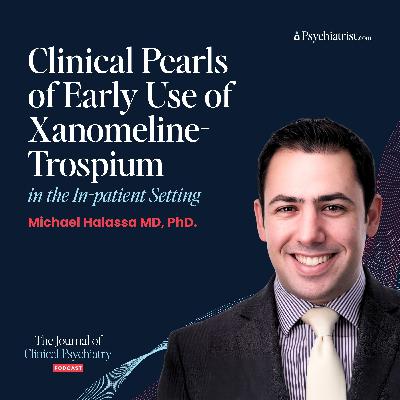
Ben welcomes psychiatrist Dr. Mike Halassa back to the podcast to discuss the shifting landscape of inpatient schizophrenia treatment. An early adopter of Cobenfy, Dr. Halassa shares real-world insights from his research published in Nature Mental Health in this conversation that bridges technical neuroscience with the high-stakes reality of managing acute psychiatric crises.The discussion focuses on Cobenfy’s muscarinic mechanism, the first novel approach to psychosis in seventy years. Dr. Halassa details his "dose-sparing" strategy, reducing reliance on traditional D2 blockers and their metabolic burdens, and he shares case studies of treatment-resistant patients who succeeded on this agent after clozapine failed. Finally, Ben and Dr. Halassa explore functional recovery, precision psychiatry, and the empathic connection required to treat society's most vulnerable individuals.Episode Highlights:00:00 - Welcoming Back Dr. Mike Halassa01:46 - ‘Spending a Day in Someone Else’s Brain’04:21 - Empathy, Parenting, and Staying Grounded in Psychiatry06:37 - Why Inpatient Psychiatry Works: Acuity, Speed, and Team-Based Care09:31 - Evaluating Acute Psychosis: Intake, Chronicity, and Treatment Decisions12:46 - Discovering XT as the First Novel Schizophrenia Mechanism in Decades16:19 - A Remarkable XT Case Study23:26 - XT Dosing Tolerability and Early Clinical Results30:15 - From Observation to Evidence: Identifying XT Response Patterns35:12 - Testing Negative Symptoms in Real Time on the Inpatient Unit40:33 - XT vs D2 Blockers for Positive and Negative Symptom Control50:28 - Redefining Success in Schizophrenia Through Functional Recovery54:15 - The Future of Precision Psychiatry and Treating the Whole Person56:42 - Up Next: Dr. Avi BharKey Takeaways:"Inpatient psychiatry demands quick thinking and rapid decisions. It's a critical care type environment.""I find my kids keep me grounded and empathetic. They're my window into empathy.""XT offers a fundamentally different way of engaging the system. It's not just another antipsychotic.""Seeing patients become more socially connected on XT is remarkable. It's a new light in their eyes.""Negative symptoms have been intractable. XT offers hope for functional recovery.""The multidisciplinary team is crucial in schizophrenia care. It requires coordination and dedication.""XT allows for dose sparing of traditional antipsychotics, potentially reducing side effects.""We must aspire to help patients engage with life fully, beyond just managing symptoms."Links:Full transcript and show notes: https://www.psychiatrist.com/jcp/ep8-early-use-xanomeline-trospium-michael-halassa/ Journal of Clinical Psychiatry: psychiatrist.com/jcp/Dr. Halassa’s Substack: michaelhalassa.substack.comThe Halassa Lab: https://halassalab.tufts.edu/Preliminary real-world predictors of response to muscarinic targeting in psychosis: https://www.nature.com/articles/s44220-025-00529-wReal-World Implementation of Xanomeline-Trospium in Schizophrenia: A Consensus Panel Report: https://pubmed.ncbi.nlm.nih.gov/41201439/
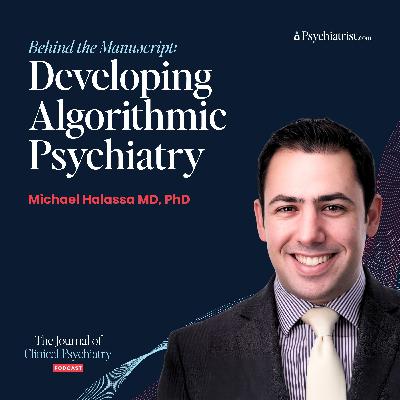
Host Ben Everett sits down with Tufts University physician-scientist Dr. Michael Halassa to discuss algorithmic circuit psychiatry. This framework aims to modernize mental health care by mapping subjective experiences onto objective neural computations. By shifting focus to brain circuit mechanics, they explore a new paradigm for treating complex psychotic disorders. This conversation redefines psychiatry as a data-driven, precision-oriented field of medicine.The episode moves beyond the "chemical imbalance" theory to examine the dynamics of excitation and inhibition. Dr. Halassa explains how large language models and machine learning provide new test beds for analyzing reasoning and belief updating, and that, by using "behavioral clamps" and task-based biomarkers, researchers can now operationalize delusions through the study of counterfactual decision-making. He also notes that causal circuit validation in animal models remains essential for identifying precise drug targets and improving clinical outcomes. The discussion finishes up by touching on emerging muscarinic therapies and the future of psychiatric training.Episode Highlights:00:00 – Why Algorithmic Circuit Psychiatry Could Modernize Mental Health Care02:36 – From Physics to Psychiatry: Building a Scientist-Clinician Lens05:52 – Decoding Brain Circuits With Computational Models and Modern Tools10:37 – Returning to Inpatient Psychosis Care and Reframing Clinical Reality14:47 – Moving Beyond “Chemical Imbalance” Thinking in Schizophrenia Treatment20:43 – Fixing Computational Psychiatry Limits With Mechanistic, Circuit-Based Models25:08 – Creating Task-Based Biomarkers to Measure Belief Updating and Reasoning29:10 – Operationalizing Delusions Through Counterfactual and Decision-Making Tasks33:59 – Translating Algorithms Into Drug Targets and Better Animal Research37:54 – Using LLMs and Machine Learning to Test Psychiatric Mechanisms In Silico44:57 – Redesigning Animal Models to Validate Causal Brain Circuit Algorithms53:03 – Training the Next Generation for Precision Psychiatry56:44 – Defining Clinical and Scientific Milestones for the Future of Mental Health CareKey Takeaways:"Psychiatry feels different from other fields. We don't have biomarkers to guide decision making.""The brain functions in packets of information sent between areas. It's more complex than a single synapse.""In psychiatry, you absolutely need a behavioral clamp. It's not just about resting state measurements.""Machine learning was inspired by neuroscience. Now, it helps us understand altered thinking in machines.""The burden is on us to train the next generation to tackle psychiatry's complexity.""Talking to patients like equals is my default. We're all vulnerable to mental illness.""Mental health is sidetracked by societal issues. We must agree we're all human beings."Links:Full transcript and show notes: https://www.psychiatrist.com/jcp/ep7-algorithmic-psychiatry-michael-halassa/Journal of Clinical Psychiatry: psychiatrist.com/jcp/“Developing algorithmic psychiatry via multi-level spanning computational models”:https://pubmed.ncbi.nlm.nih.gov/40300598/Dr. Halassa’s Substack: michaelhalassa.substack.comThe Halassa Lab: https://halassalab.tufts.edu/
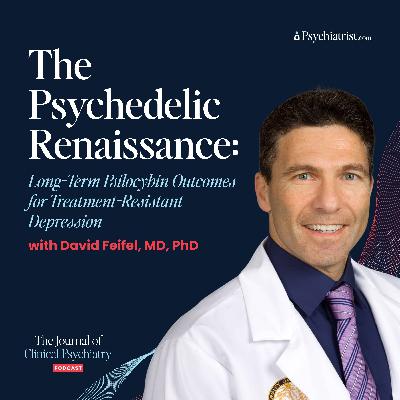
Dr. David Feifel, Professor Emeritus of Psychiatry at UC San Diego and founding president of the Kadima Neuropsychiatry Institute, joins the JCP Podcast to kick off the new "Psychedelics in Psychiatry" theme. A pioneer in the field who established the world’s first ketamine infusion program for depression, Dr. Feifel sits down to discuss the paradigm shift currently reshaping mental health care.In this installment of the Behind the Manuscript series, Dr. Feifel breaks down the findings of his recent JCP paper: “Results From a Long-Term Observational Follow-Up Study of a Single Dose of Psilocybin for a Treatment-Resistant Depression”. He explains the significance of the 25mg dose in preventing relapse over 52 weeks and offers a critical look at why traditional SSRIs are no longer enough. Beyond the data, the conversation delves into the nuances of "set and setting," the controversy of microdosing versus "heroic" doses, and the practical challenges clinicians face as the field moves toward interventional psychiatry. Dr. Feifel also challenges the traditional medical view of the placebo effect, arguing that harnessing expectation may be the key to the next generation of healing.Episode Highlights:00:00 - Dr. David Feifel and His Breakthrough Career02:13 - How Early Curiosity Led to Psychiatry Instead of Neurology07:33 - Balancing Clinical Practice With Research Innovation11:41 - Psychiatry Entering a Transformational New Era13:51 - Why SSRIs Fall Short and TRD Demands Better Solutions17:27 - What Makes Psilocybin the Leading Psychedelic Candidate20:25 - Why the Psychedelic Renaissance Is Surging Now25:42 - Microdosing Myths and the Power of Expectancy33:55 - How Set and Setting Shape Psychedelic Treatment Outcomes39:51 - Do Psychedelics Really Need Psychotherapy to Work48:58 - Inside the Phase 2 Study and How TRD Patients Were Enrolled56:04 - Why 25mg Psilocybin Delivered the Strongest Clinical Results1:05:39 - What Long-Term Follow Up Reveals About Relapse and Durability1:11:38 - How Clinicians Can Prepare for Psychedelic Medicine Adoption1:16:53 - Why the Future of Psychiatry May Rely on Harnessing Placebo PowerKey Takeaways:"Psychiatry is in the midst of a golden age revolution... I feel like every day I was going to war with Godzilla with a peashooter. Now I feel like we've got some real tools.""We’re in the midst of what I call the Cambrian explosion of treatments... a massive explosion of life forms after a long time of stagnation.""The concept of 'one and done' with psychedelics is dead. We aren't going to have patients come in one time and say, 'You're good for life.'""Doing ketamine is like doing psychotherapy, but you're both the psychotherapist and the patient at the same time."Links:Full transcript and show notes: https://www.psychiatrist.com/jcp/ep6-psychedelic-renaissance-david-feifel/Journal of Clinical Psychiatry: http://psychiatrist.com/jcp/Dr. David Feifel: https://www.linkedin.com/in/davidfeifel/Kadima Neuropsychiatry Institute: https://www.kadimanp.com/“Results From a Long-Term Observational Follow-Up Study of a Single Dose of Psilocybin for a Treatment-Resistant Episode of Major Depressive Disorder”:https://www.psychiatrist.com/jcp/long-term-follow-up-study-single-dose-psilocybin-treatment-resistant-episode-major-depressive-disorder/
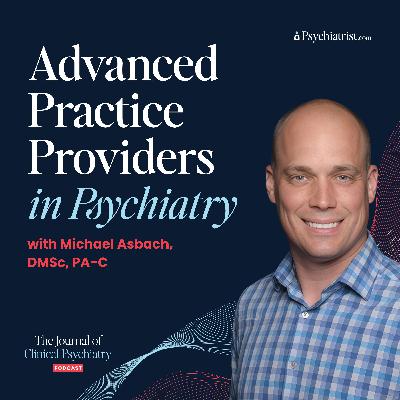
Dr. Michael Asbach, Associate Director of Interventional Psychiatry at the DENT Neurological Institute and a nationally recognized educator, joins The JCP Podcast to discuss the critical and expanding role of Advanced Practice Practitioners (APPs) in behavioral health. With a background that spans from sports medicine to leading interventional psychiatric programs, Dr. Asbach offers a unique perspective on how the medical model training of Physician Assistants (PAs) uniquely positions them to address the growing psychiatric workforce shortage.In a nuanced discussion, Dr. Asbach tackles the headlines and controversies surrounding the profession, including the recent British Medical Journal rapid review and the UK’s "Leng Report." He dismantles the concept of "scope creep," arguing instead for a model of "autonomous collaboration" that respects physician expertise while maximizing patient access. From the history of PAs emerging after the Vietnam War to the modern "Build, Baby, Build" approach to healthcare staffing, this episode provides a roadmap for how interdisciplinary teams can alleviate burnout and improve outcomes in the golden age of biologic psychiatry.Episode Highlights:00:00 – JCP Podcast Kickoff and Introduction to Dr. Asbach01:34 – Expanding PA Engagement and Education in Psychiatry03:22 – Career Origins and Choosing the PA Path Over Medicine05:11 – Discovering Psychiatry and the Appeal of Interventional Innovation08:46 – Mentorship, Research Culture, and Advancing Psychiatric Treatment12:28 – Understanding PA Training Models and Evolving Clinical Competency16:44 – Addressing Psychiatry Workforce Shortages Through Advanced Practitioners20:36 – Evaluating PA Outcomes and Challenges in Measuring Quality of Care29:24 – Rethinking Workforce Assumptions and Challenging Medical Dogma32:37 – Regulation, Role Clarity, and Key Takeaways from the Leng Report41:25 – Navigating Scope Creep Concerns and Physician Training Protection47:51 – Building Effective Interdisciplinary Psychiatric Care Teams56:44 – Supervision Ratios, Access Disruption, and Real-World Patient Impact1:00:04 – Burnout, Non-Clinical Career Paths, and Retaining Expert Clinicians1:08:09 – Future of Advanced Practice Providers and Closing ReflectionsKey Takeaways:"I think the future of advanced practice providers is going to be one that is collaborative, autonomous, and interdisciplinary.""We are blessed to be able to play such an important role in people's lives... and have this front row seat to their life longitudinally.""I’m very much a ‘build, baby, build’ approach to housing... Healthcare is very similar where the more people that we bring in as helpers, the better.""Psychiatry is... in this golden era of kind of firmly returning back to biologic origin... and the PA medical model means that PAs have taken pathophysiology, gross anatomy, fundamentals of medicine.""The absence of evidence is not the evidence of absence.""It’s not about replacing physicians... but rather adjusting regulations to reflect the modern healthcare environment."Links:Journal of Clinical Psychiatry: psychiatrist.com/jcp/Michael Asbach: https://www.dentinstitute.com/michael-asbach/White Coats of the Round Table: https://healthpodcastnetwork.com/show/white-coats-of-the-round-table/
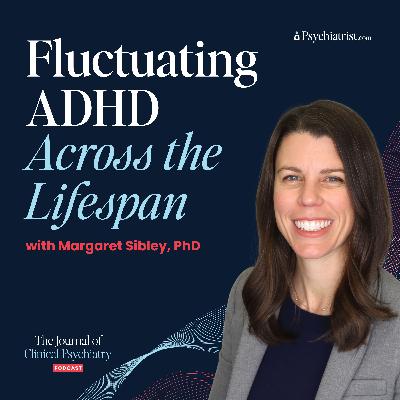
Fluctuating ADHD Across the Lifespan with Margaret Sibley, PhDDr. Margaret Sibley, Professor of Psychiatry and Behavioral Sciences at the University of Washington School of Medicine and a clinical psychologist at Seattle Children’s Hospital, joins The JCP Podcast to discuss the evolving understanding of the trajectory of ADHD across the lifespan. The recipient of the 2024 Paul Wender Best Paper Award, Dr. Sibley shares her journey from political science to clinical psychology and offers a behind-the-scenes look at the landmark Multimodal Treatment of ADHD (MTA) study.Challenging the traditional binary view of ADHD persistence versus remission, Dr. Sibley details the findings of her award-winning paper, revealing that for the majority of patients, ADHD follows a fluctuating course into adulthood rather than a static one. The conversation explores the critical role of "environmental fit," the complex interplay between anxiety and symptom management, and the distinct clinical profiles of those with persistent versus fluctuating ADHD. Today’s thoroughly enlightening episode offers vital nuances on how patient environments and comorbidities shape long-term outcomes beyond childhood diagnosis.Episode Highlights:00:00 – Introducing Dr. Margaret Sibley and the Paul Wender Best Paper Award02:41 – From Political Science to Psychology: A path to public health04:55 – The importance of engaging with patient advocacy groups like CHADD08:06 – A historical look at the Multimodal Treatment of ADHD (MTA) study11:59 – Why childhood treatment doesn't always predict adult outcomes20:17 – Challenging the myth of permanent remission vs. persistence24:53 – Defining the "Fluctuator": The most common ADHD profile28:15 – The "Gas and Brakes" analogy: The role of comorbid anxiety29:48 – Understanding comorbidities in severe, persistent ADHD31:45 – Clinical Pearls: Environmental fit and rising to the occasion34:09 – What’s next for the MTA studyKey Takeaways:"The fluctuators are really kind of like your bread and butter people with ADHD.""We should be thinking about environmental fit as a potential way to help people manage their ADHD better.”"Make sure that you read the Reddit threads about what people are saying that have a condition that you're working with.""Most people were looking at persistence as a finality, a single outcome... But it seems very dynamic.""The persistent ADHD group have many more comorbidities... and are much more impaired in their daily lives. And so this is sort of our severe ADHD profile.”"People do better in behavior therapy for ADHD if they have comorbid anxiety.""Parental psychopathology was a strong predictor of being in that 10% stable ADHD group.""When environmental demands were higher, people were more likely to be experiencing remission."“Make sure that you go out there and try to be non-judgmental about the lenses people see aspects of mental health through, even if it's different than what you were trained in or even what the science says.”Links:Journal of Clinical Psychiatry: psychiatrist.com/jcp/Dr. Margaret Sibley: https://www.margaretsibley.com/Dr. Sibley’s Award-Winning Paper: https://www.psychiatrist.com/jcp/fluctuating-adhd-multimodal-treatment-of-adhd-mta-study/
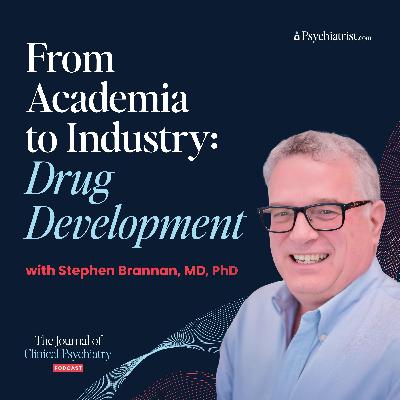
Dr. Stephen Brannan brings decades of experience from both academic psychiatry and leadership roles at top pharmaceutical companies to the JCP Podcast today. He details his transition from university research to industry, offering a candid look at the forces that drive innovation in mental health care. Dr. Brannan unpacks the complex process of bringing a new drug to market, using his work on treatments like Cobenfy (xanomeline-trospium) as a case study. The discussion covers the critical decisions in clinical trial design, from selecting the right patient populations to establishing meaningful endpoints that satisfy both regulatory bodies and clinical needs. He also addresses some of the most persistent hurdles in psychiatric research including the high placebo response rates that can obscure a drug's true efficacy and the operational complexities of running large, multinational studies. For clinicians seeking to better understand the evidence behind new medications, Dr. Brannan’s insights provide a unique level of enlightenment in the pragmatism, science, and collaboration required to advance patient care.Episode Highlights:00:00 - Introducing Dr. Stephen Brannan01:56 - From Pre-Med Doubts to a Career in Psychiatry06:51 - The "Push and Pull" from Academia to Industry08:50 - Advice for Young Psychiatrists Considering Industry10:56 - Pitfalls and Misconceptions of Pharmaceutical Work14:37 - Balancing Real-World Applicability and Regulatory Realities20:40 - The Science and Strategy Behind Cobenfy22:10 - Understanding and Mitigating the Placebo Effect28:57 - The Role of Expert Steering Committees32:38 - Designing Trials42:37 - The Nuances of Safety Surveillance in Clinical Trials53:27 - Reflections on the Future of Psychiatric TreatmentKey Takeaways:"I will not sacrifice quality for the sake of speed.""I've learned how to talk with people rather than just sort of barking an order.""We're a hell of a lot more alike than we're different.""The better we understand that and we're able to pick treatments based on biomarkers...that's going to make a huge impact.""That's extremely useful in psychiatry because it's rare when you first see somebody...you absolutely know what's going on. It usually takes time and patience and a tolerance for ambiguity.""You also want to be able to talk to people who will tell you what's wrong with your thinking.""You want your beachhead. And your beachhead is...what's the best segment of patients?"Links: Full transcript and show notes: https://www.psychiatrist.com/jcp/ep3-academia-to-pharma-stephen-brannanJournal of Clinical Psychiatry: psychiatrist.com/jcp/ Dr. Stephen Brannan: https://www.linkedin.com/in/steve-brannan-b7376019/
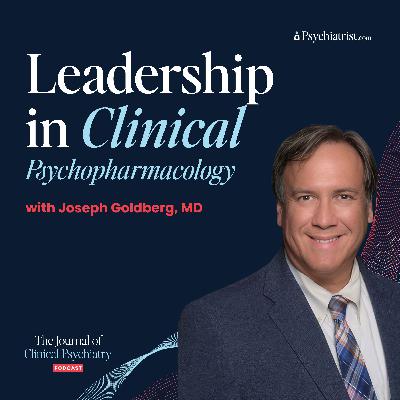
Dr. Joseph Goldberg, Clinical Professor at the Icahn School of Medicine at Mount Sinai and immediate past president of the American Society of Clinical Psychopharmacology (ASCP), shares insights from his remarkable career, from his beginnings in neuroscience to his influential leadership roles. Along the way, he explores the future of mental health, focusing on mentorship, innovative education, and translating research into patient-centered care.Throughout the episode, Dr. Goldberg recounts his unique journey into psychiatry, which began with studying frogs and led to a focus on bipolar disorder. He offers an insider’s view of the ASCP, detailing initiatives from his presidency, including task forces on ketamine and de-prescribing. A key highlight is ASCP’s revolutionary AI-enhanced "living textbook," a new approach to medical education designed to transform how clinicians learn about psychopharmacology, ensuring the latest knowledge is always accessible.Episode Highlights:00:00 - Introducing Dr. Joseph Goldberg, MD01:13 - From Frogs to Psychiatry: A Scientist’s Origin Story02:51 - Why Bipolar Became the Focus: Early Pharmacology Momentum04:20 - ASCP’s Patient-Centered Mission & Why It Became “Home”05:08 - Mentorship Pipeline: NCDEU Roots and Career Breaks08:10 - Leadership Model in Action & New President Anita Clayton11:17 - ASCP Task Forces: Ketamine/Esketamine and Deprescribing Guidance14:13 - CME 2.0 & AI “Living Textbook” (edYOU) for Psychopharm Education18:43 - Limbic Learning & Nasrallah Award: Make Education Stick20:18 - Early-Career Lift: Posters, Committees, New Investigator Awards23:18 - What’s Next in Psychopharm: Tangible Advances for Patients25:44 - ASCP × JCP Synergy & Membership Call to Action27:40 - Looking Ahead: Bridging Bench to Bedside with Future GuestsKey Takeaways:"The frogs brought me to med school, brought me to research in psychiatry and psychopharmacology, and, well, here I am today.""ASCP has always been my professional home, intellectually, scientifically, even socially.""It's really about the pragmatic translation of findings into clinical care, which just really spoke to my interest in the kind of 'so what' factor of what it is we do.""It's a living textbook in psychopharmacology, so it can be continually updated. We hope it's going to revolutionize the way we teach psychopharmacology.""Steve and I both call this 'limbic learning.' You remember things when they're presented in an impactful kind of way. It's almost like PTSD in reverse.""We live in a time and an era of true advances. We have things in our pharmacopeia now that did not exist 5 years ago.""This is a home. This is a place where I think you will find like-minded people. You'll make friends for life.""If you interact with ASCP or JCP, you will not ask the question, 'What does this have to do with my patients?'"Links: Full transcript and show notes: https://www.psychiatrist.com/jcp/ep2-clinical-psychopharmacology-joe-goldberg/ Journal of Clinical Psychiatry: psychiatrist.com/jcp/ Dr. Joseph Goldberg, MD: https://www.josephgoldbergmd.com/American Society of Clinical Psychopharmacology: https://ascpp.org/
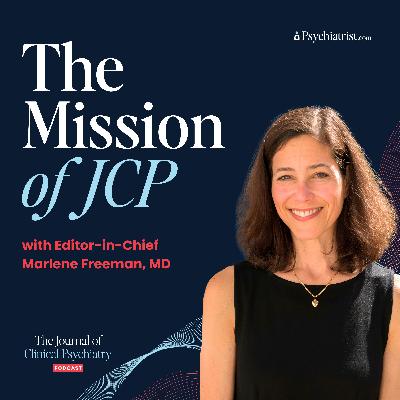
In its inaugural episode, the JCP Podcast features a foundational conversation with Dr. Marlene Freeman, Editor-in-Chief of The Journal of Clinical Psychiatry, in which she discusses the journal's core mission to empower busy mental health professionals with cutting-edge, evidence-based research. Providing insights into academic publishing, from the peer review process to the journal's vision for psychiatric education, today’s discussion offers essential listening for those at the intersection of clinical practice and scientific discovery.Dr. Freeman details her professional journey into women's mental health and perinatal psychiatry, and goes on to explore how the journal balances scientific rigor with clinical relevance to support shared decision-making in patient care. Navigating the complex publication landscape, the episode addresses industry-sponsored studies, the importance of diverse voices, and emerging trends like digital therapeutics, biomarkers, and the potential impact of artificial intelligence on psychiatric research. Episode Highlights:00:00 - JCP Podcast Mission for Busy Clinicians00:37 - Introducing Dr. Marlene Freeman, Editor-in-Chief02:36 - Choosing Psychiatry for Patient-Centered Impact04:19 - JCP’s Purpose: Clinician-Ready, Evidence-Based Guidance08:03 - Faster Access to Research: Summaries, Email TOCs, Podcasts, Specialty Sections11:33 - Shared Decision-Making in Practice & ASCP Corner Quick Reviews15:11 - What JCP Publishes & How Peer Review Ensures Clinical Quality25:11 - Promoting Diversity, Inclusion, and Ethical Publication Standards27:00 - Emerging Priorities: Novel Treatments, TRD, and Real-World Effectiveness30:24 - Digital Therapeutics & Biomarkers Must Prove Clinical Utility36:02 - AI in Publishing: Verify References and Read Full Papers40:00 - Clinician-First Perspective: Practice Informs Editing & Research42:03 - Editorial Impact and Evolving Ethical Responsibilities45:18 - Reflections on Leadership, Legacy, and Lifelong LearningKey Takeaways:"I really want to emphasize that a rejection of a paper doesn't mean it isn't high quality.""We want to be user-friendly to authors. We want to save them time. So if we're not a good fit for their paper, I'm very comfortable looking at whatever people want to send me in advance.""We want to make sure that we're making collaborative decisions with patients, but we have to make sure that we're offering good choices.""The work could not be done without peer reviewers.""You get so much out of reading the full paper. The introduction section is like a mini review of that topic and gives you so much more information.""We want to make sure that what we're putting out there is not a result of the financial investment that a company has made. We want it to be based purely on the research and what it has to add for patients.""We want to make sure that we are providing treatments that everyone can access.""I think that all the roles inform each other, but at the heart of it, I'm a clinician."Links: Full transcript and show notes: psychiatrist.com/jcp/ep1-mission-jcp-marlene-freeman Journal of Clinical Psychiatry: psychiatrist.com/jcp/ Interested in becoming a peer reviewer? psychiatrist.com/jcp/reviewers/
The Journal of Clinical Psychiatry Podcast explores the science, practice, and human side of mental health care. Hosted by Dr. Ben Everett, Senior Scientific Director at Physicians Postgraduate Press, the series brings together leading voices in psychiatry, neuroscience, and behavioral medicine to discuss the evidence shaping clinical care today. Each episode features thoughtful conversations with JCP authors, academic experts, and frontline clinicians exploring disorders across the mental health continuum, from schizophrenia and mood disorders to anxiety, depression, and sleep-related conditions. By bridging research and real-world practice, the podcast delivers insights that empower psychiatrists, nurse practitioners, physician associates, and primary care clinicians to deliver better care for patients with mental illness. Insightful. Evidence-based. Human-centered.
Comments


Download from Google Play

Download from App Store
 United States