


 Claim Ownership
Signaling Theory
Subscribed: 1Played: 0
Subscribe

© 2026 Rex Kirshner
Description
Signaling Theory is a roundtable with Rex Kirshner and a rotating group of builders who spend way too much time testing AI tools. They compare notes on what works for coding, how they manage context and workflows, what’s getting better fast, and what still breaks. Grounded takes, no evangelism.
21 Episodes
Reverse
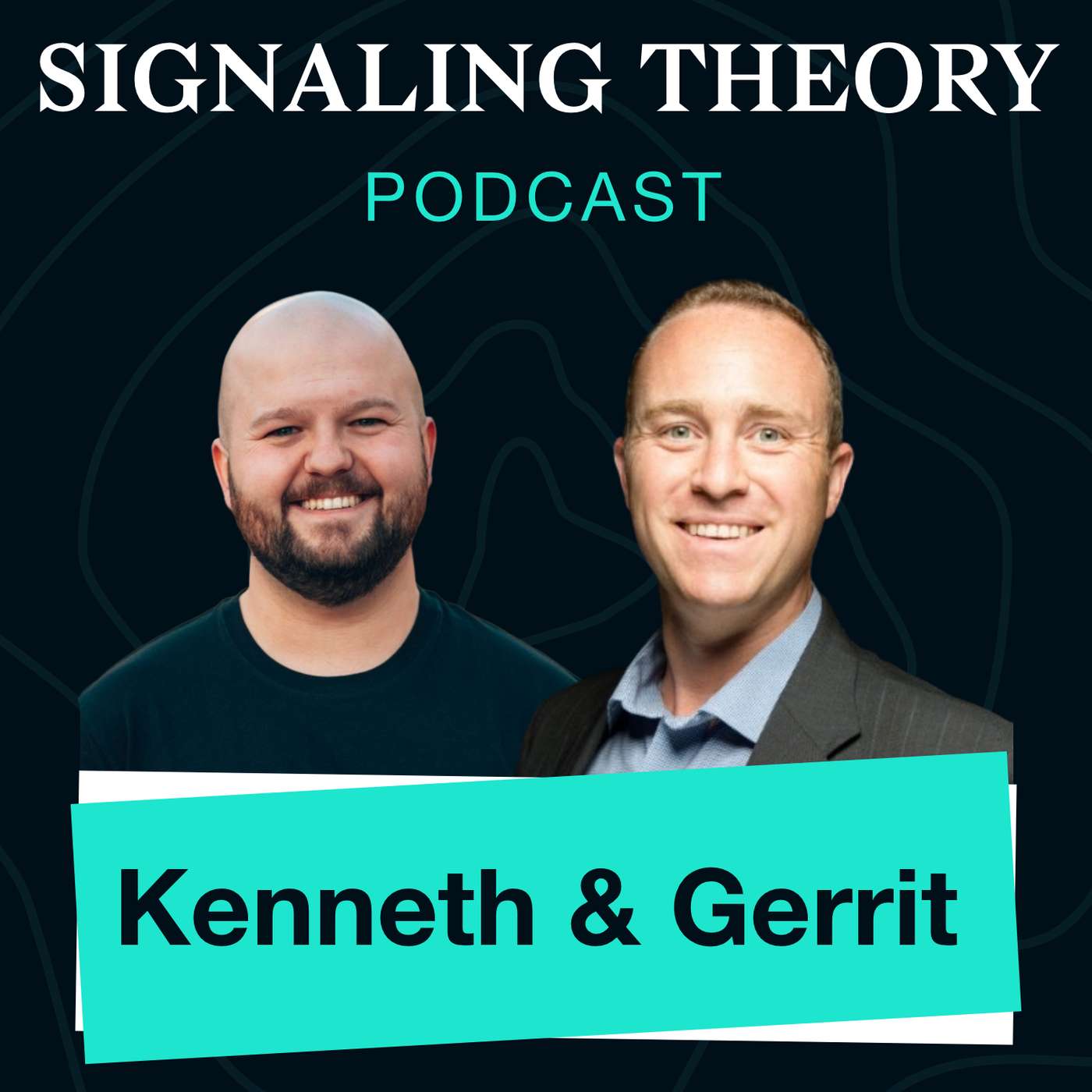
Rex is joined by Gerrit Hall and Kenneth Eversole for a wide-ranging conversation on what AI is already changing, what people are still getting wrong, and where this all might lead next. They dig into enriched datasets, agent swarms, software deployment, the limits of today’s tools, the coming pressure on jobs, and why the AI boom may look less like a scam and more like an early, messy version of a very real future. It’s a grounded conversation about intelligence, infrastructure, human leverage, and what becomes possible when software starts to feel less like code and more like a medium.
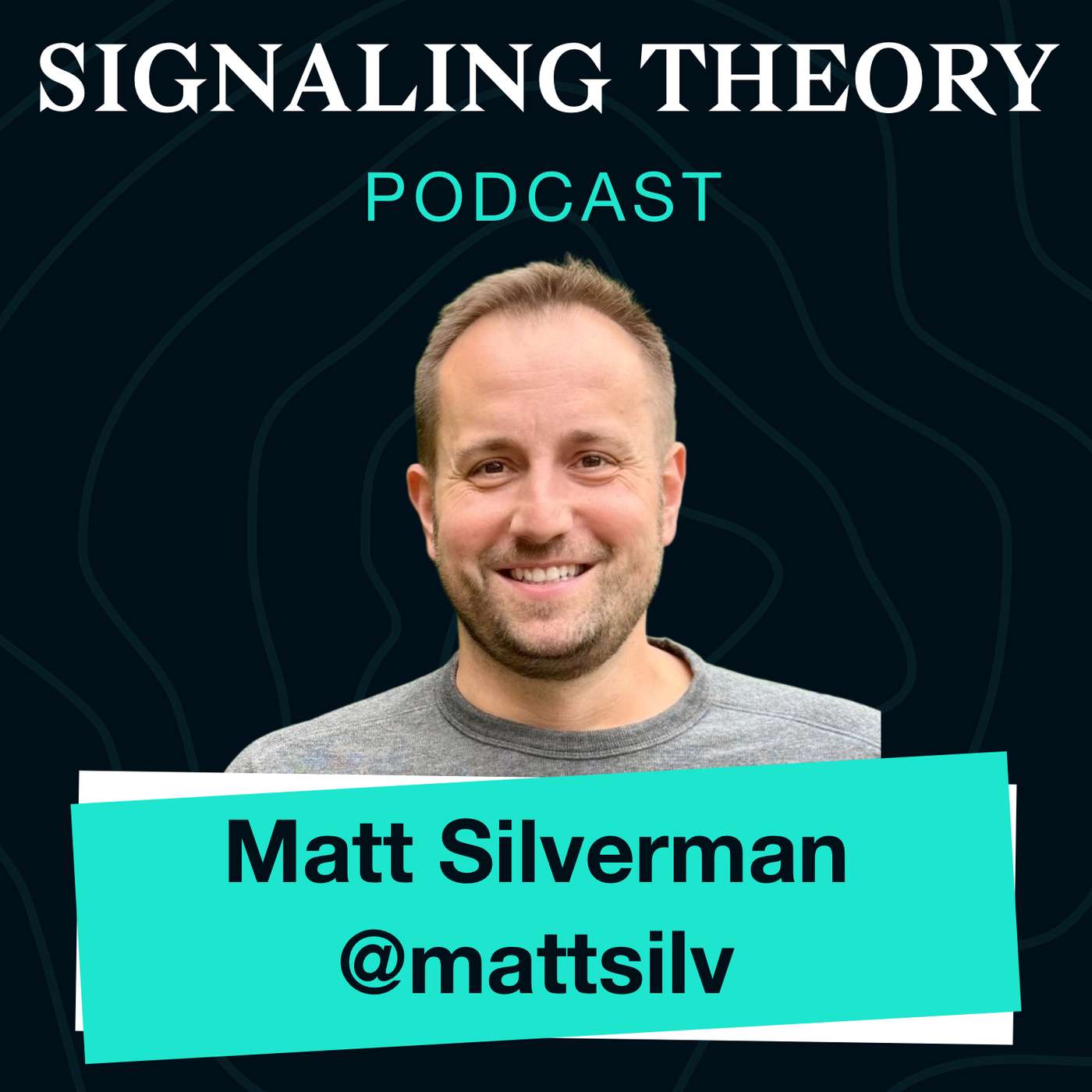
Rex sits down with Matt Silverman for a grounded conversation about what actually changes when AI agents become part of everyday work. They start with crypto’s uncertain role in an AI-first world, then get practical: voice-driven coding, parallel agents, custom internal tools, small personal apps, local models, and the idea that in a world where software gets rewritten constantly, the durable asset may be data, context, and trust—not the code itself.
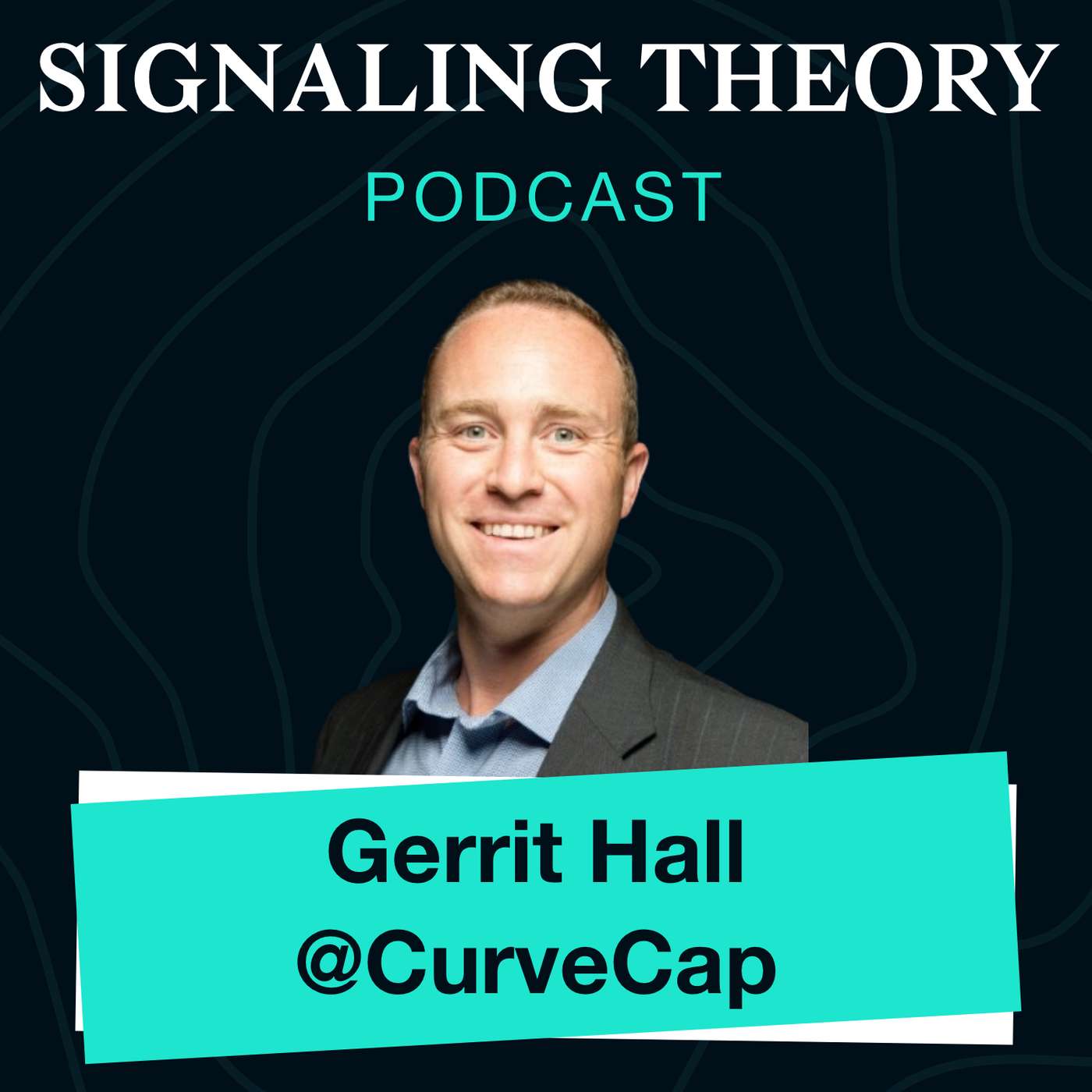
Rex sits down with Garrett in person in Denver for a wide-ranging conversation that starts at ETHDenver and ends at the future of AI agents as economic actors. They unpack the mood on the ground at a smaller, more subdued ETHDenver, debate whether Ethereum’s rollup-centric roadmap is being corrected or abandoned, and discuss why stablecoins may still be Ethereum’s clearest product-market fit. From there, the conversation pivots into AI: agentic coding, always-on tools like OpenClaw, what it means to build products for agents (not just with AI), and how financial rails may become essential infrastructure for machine users. Thoughtful, skeptical, and optimistic in equal measure.

This week’s episode is a little different: instead of an interview, I’m reading an essay I wrote called “Sitting at a Slot Machine,” a candid story about falling headfirst into “vibe coding,” building an increasingly elaborate AI Context System, and realizing that unlimited execution can be just as dangerous as it is exhilarating. I unpack the dopamine loop of constant progress, the slow creep of complexity disguised as productivity, and the hard pivot back to simplicity... where the real craft becomes pruning, not piling on, and a few tight, well-chosen habits beat any sprawling framework.
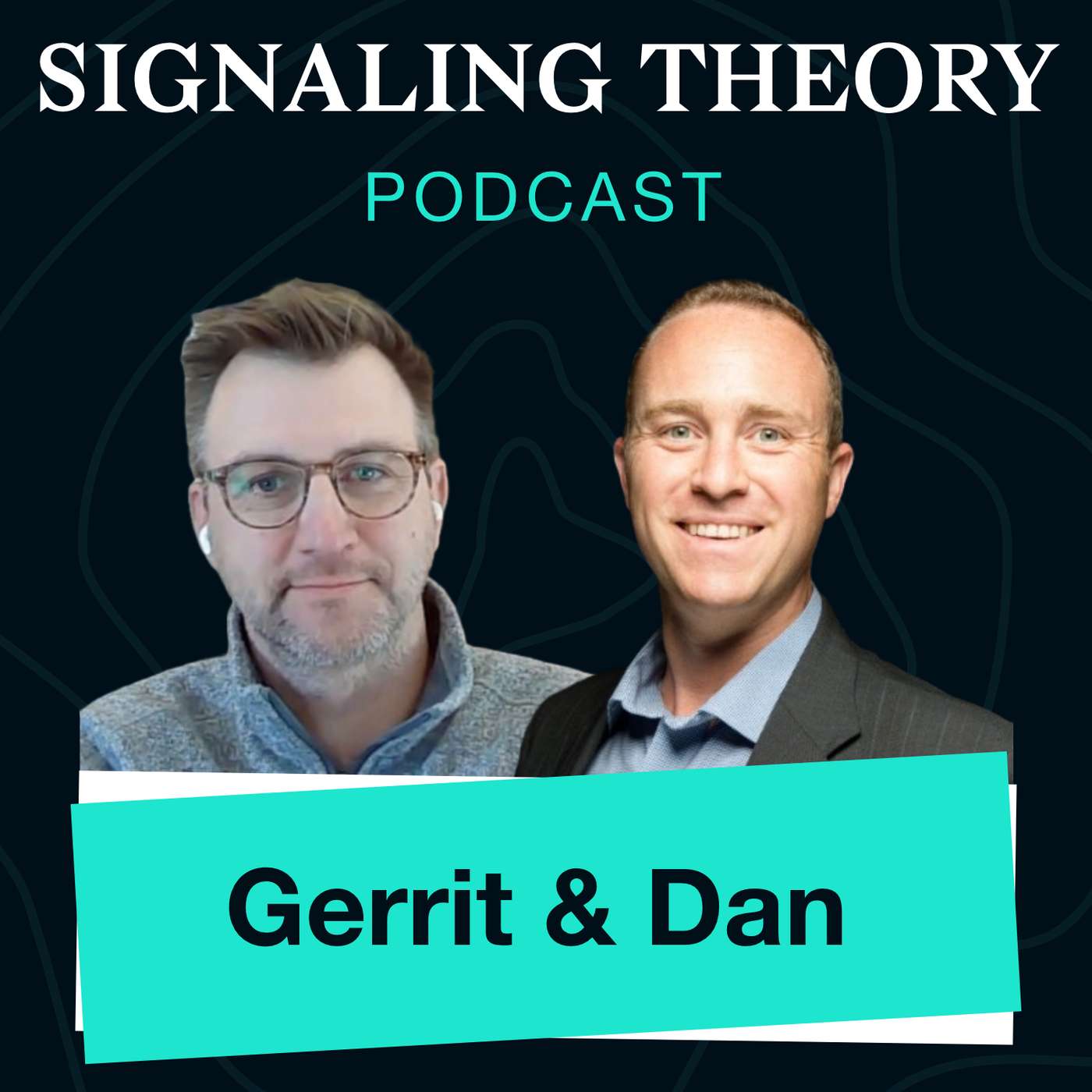
Crypto’s melting down, so Rex sits down with Dan and Gerrit for AI Tools: Round Three—a conversation about what’s actually changing in day-to-day work when models ship, agents run in parallel, and “sessions” start to feel like a lifestyle. They react to a big model-release day (Opus 4.6 + ChatGPT 5.3), compare Claude Code vs Codex for real coding work, and unpack why Claude feels so sticky: better UX, more glazing, and a dopamine-loop quality that’s hard to ignore once you notice it. From there it gets practical: managing context windows with dashboards and handoff files, building bespoke internal tools (like Rex’s “notification hub”), and watching weird new ecosystems form — Moltbook-style bot social networks, and even “Tinder for bots.”
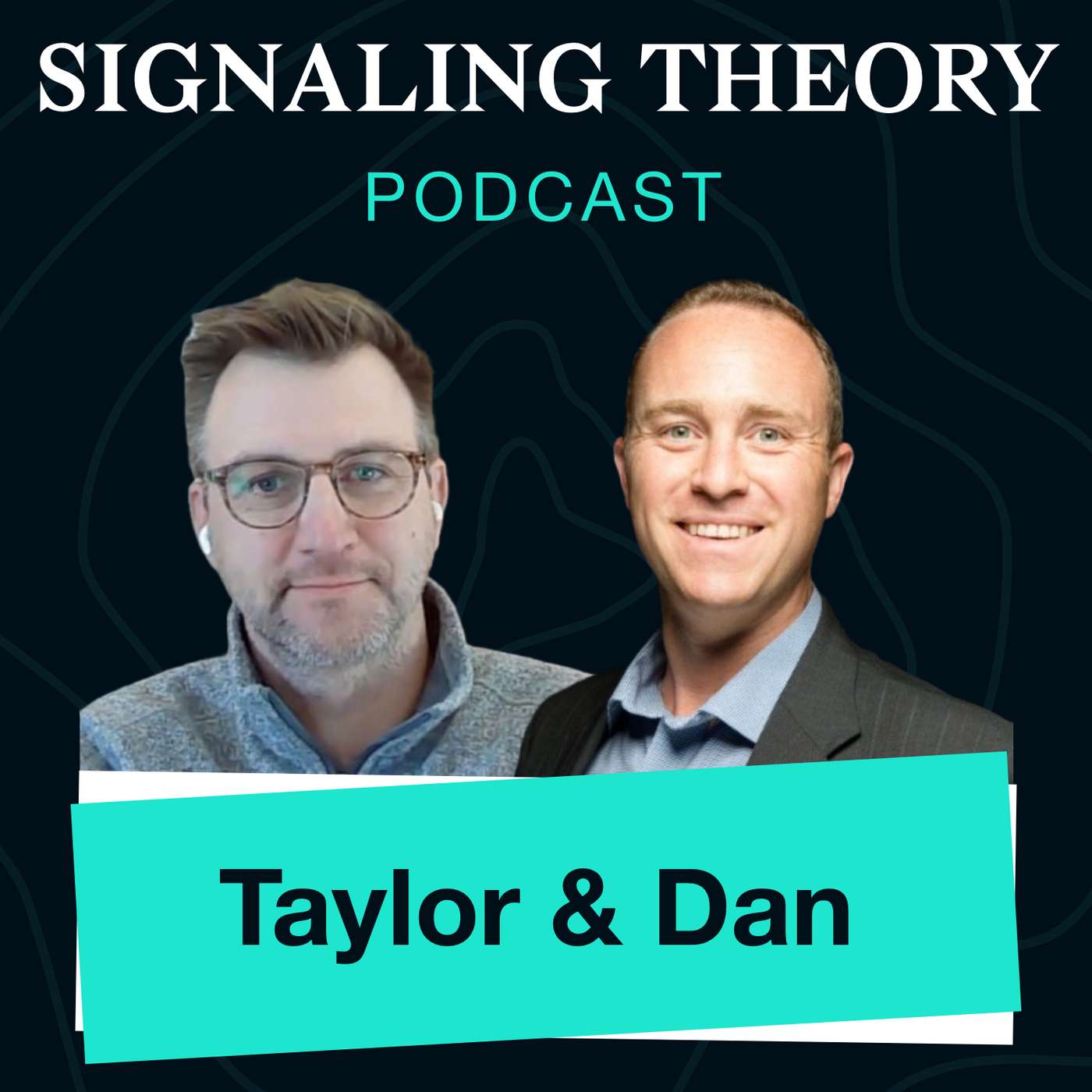
Are we building useful developer tools—or just feeding an addiction?In the second episode of our AI tools series, Rex, Dan, and Garrett dig into the internal systems they've built around Claude Code: markdown session logs, pre-commit hooks, context management strategies, and notification hubs. Dan shares war stories from running AI on helicopters inspecting power lines (including the time an agent changed his root password without asking). Garrett walks through his approach to scaling ten concurrent projects. And Rex asks the uncomfortable question: is all this meta-tooling actually helping, or are we just tinkering because it feels productive?The conversation moves to local LLMs—Qwen, DeepSeek, Mistral—and whether a $15-20k home lab makes sense when Claude iterates faster than anyone can keep up. The hosts wrestle with context window limits, the ROI of refactoring, and what it means that these tools are specifically designed to make you feel like you're accomplishing more than you are.
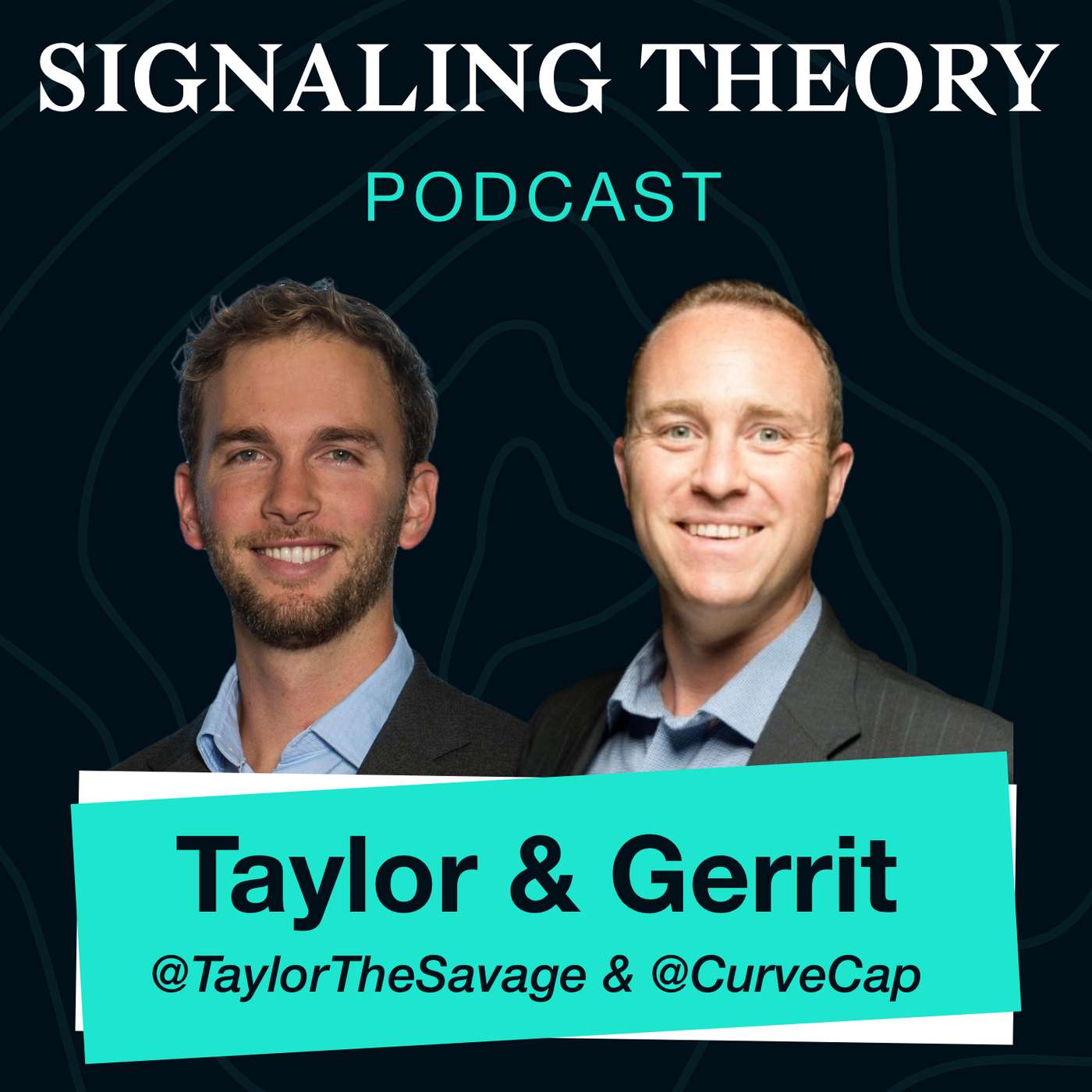
Rex digs into how AI coding agents are changing the way real teams build software. Taylor Savage and Gerrit Hall share the workflows, tools, and guardrails that actually work: from custom IDEs and inbox-driven agents to multi-pass code reviews, collaboration at “agent speed,” testing that matters, and keeping data safe. A grounded look at what to automate, what to supervise, and how to ship faster without losing the plot.
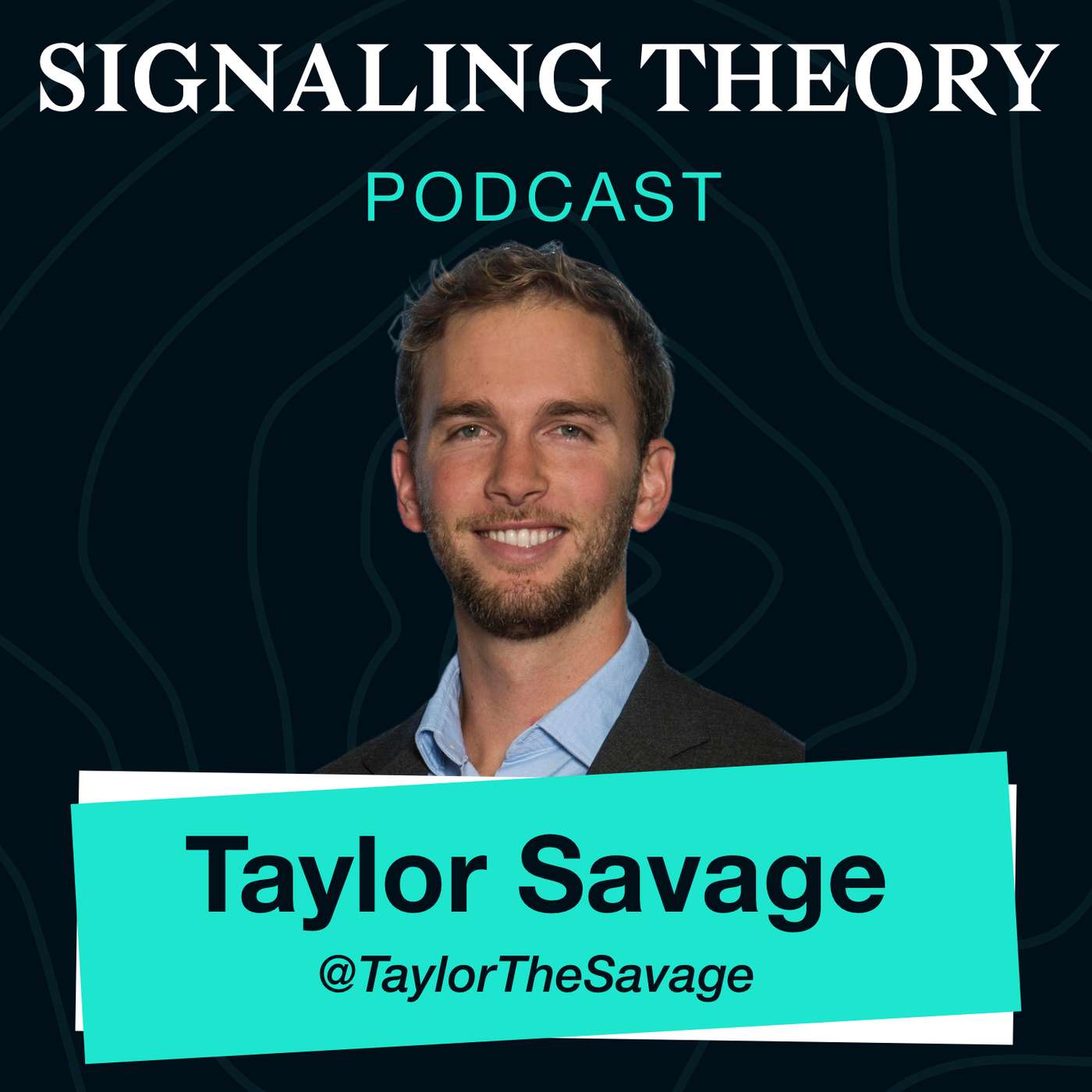
Rex brings on his longtime friend Taylor Savage — a lifelong “techie” turned software engineer and product manager — for a candid, outside-the-crypto-bubble conversation about what crypto actually looks like from the broader tech world. From an early Bitcoin birthday gift (and an early sale…) to the last decade of fraud “speed-runs,” they debate irreversibility, regulation, institutional adoption, and whether crypto’s real promise is narrow-but-real or mostly drowned out by hype and extraction.
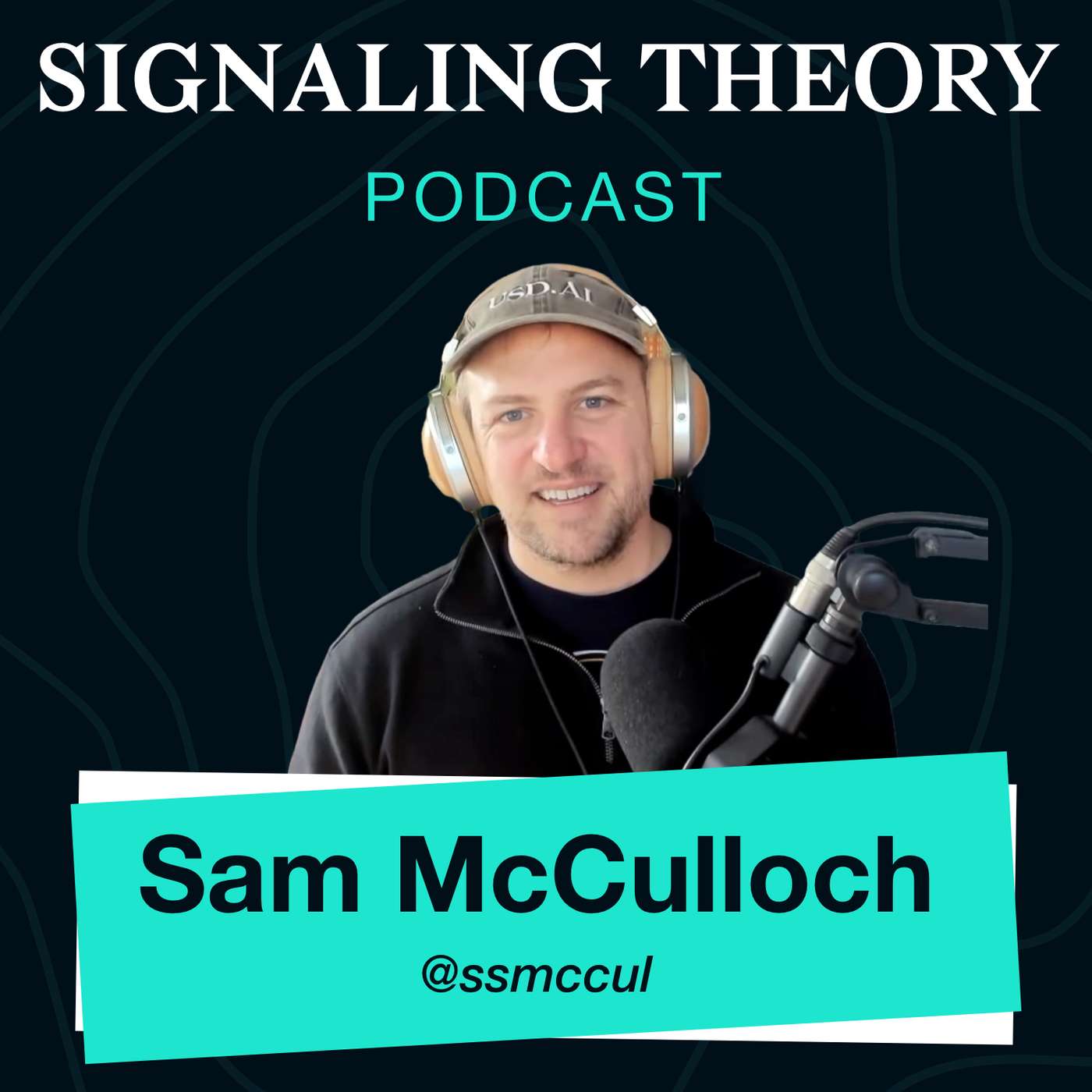
Rex sits down with Sam McCulloch (Growth Lead at USD.ai, formerly Leviathan News and Flywheel DeFi) to talk about what crypto’s been optimizing for—and what it should optimize for next. Sam argues the last couple of cycles rewarded extractive “attention finance” (meme coins, short-horizon speculation), and that the industry needs to reclaim a more constructive narrative: build real products, connect to real-world balance sheets, and make the rails useful outside of crypto itself. In the back half, they go deep on USD.ai’s thesis: bringing DeFi-style, programmatic lending to GPU infrastructure. Sam walks through how tokenized “title” to GPUs can stay productive inside data centers while changing hands—using familiar commercial-law concepts like warehousing and documents of title—so liquidations look more like transferring ownership than physically moving hardware.

Based rollups have been floating around Ethereum discourse for a couple years now, but the concept remains confusing even to people who understand rollups generally. The pitch sounds almost contradictory: use Ethereum's decentralized validator set to sequence rollups, but somehow still get the fast, smooth UX of centralized sequencers like Base or Arbitrum.Jason Vranek works on Fabric, building the infrastructure to make based rollups actually work. In this episode, he walks through the architecture piece by piece: what "based sequencing" actually means, why the original "total anarchy" designs had terrible UX, and how pre-confirmations and gateways solve that without re-centralizing everything.The conversation gets into the PBS (proposer-builder separation) analogy—just as builders abstract away MEV sophistication from validators, gateways can abstract away pre-confirmation complexity. Jason explains the transaction flow from user to blob, how proposer commitments enable coordination without requiring validators to become sophisticated, and why the real unlock isn't necessarily replacing centralized rollups, but enabling L1-to-L2 composability that doesn't exist today.They also discuss where things actually stand: Tycho is live on mainnet with a rotating sequencer set, the Fusaka hard fork just shipped a critical EIP for deterministic lookahead, Fabric is deploying a universal registry contract for proposer collateral, and real-time proving has gone from "years away" to "usable building block." Plus: why the end state probably isn't "all rollups become based," but rather a spectrum of designs that pick their tradeoffs deliberately.

Crypto has a user experience problem—and it's not just about complexity. Every phishing link, every airdropped scam token, every "is this email real?" moment is friction that keeps normal people out. Meanwhile, the industry keeps iterating on DeFi protocols while the debit card market sits there, largely untouched.Russell Castagnaro and Gardner are building Unicorn, a B2B2C platform that lets brands create complete Web3 experiences—onboarding, wallets, approved dApps—without exposing users to the chaos of the open blockchain. Think of it like the difference between AOL's curated internet and the raw Netscape browser: same underlying technology, radically different experience.In this conversation, Rex, Russell, and Gardner talk through what's actually broken about crypto UX (hint: it's not the wallet UI), why most brand NFT drops failed, and what kinds of companies are starting to get it right. They make the case that the real opportunity isn't convincing Delta to put their loyalty program on-chain—it's giving the next wave of competitors the tools to outflank them.The conversation also gets into identity, provenance, and why "sign in with Ethereum" might be the actual killer app. Plus: the role of stablecoins, why building in a bear market has its advantages, and what happens when AI agents need to transact.
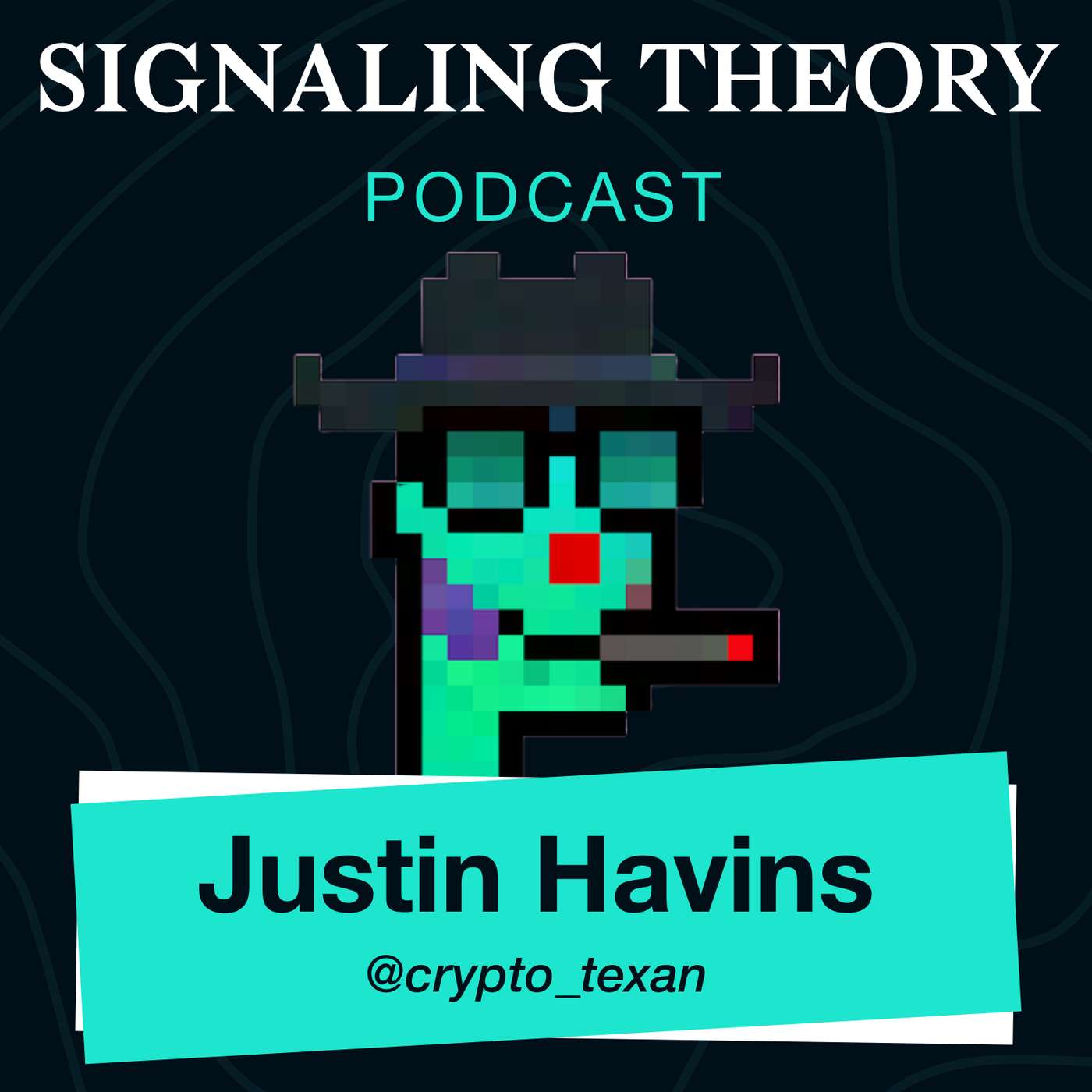
What does it actually mean to build a chain around DeFi—not just host DeFi apps, but bake decentralized finance into the architecture itself?Justin Havins spent 13 years in traditional banking before joining Polygon's DeFi team, and now he's helping lead Katana, a new L2 that's trying something different: sharing chain revenue directly with users who put their assets to work in DeFi protocols.In this conversation, Rex and Justin get into the mechanics of Katana's "DeFi flywheel"—vault bridge yields, chain-owned liquidity, VE tokenomics that span the whole chain—and what they learned from earlier experiments like Canto and Blast. They also talk honestly about where DeFi innovation has stalled since 2022, why regulatory uncertainty may have pushed us toward memecoins, and what it might take to get real momentum back.The second half gets more speculative: prediction markets, consumer apps, the role of abstraction in onboarding, and whether the intersection of AI and crypto is mostly hype or genuinely important. Justin walks through the risk stack of using DeFi on an L2 with vault bridge exposure, and they close with a look at what Katana is prioritizing in its grants program.
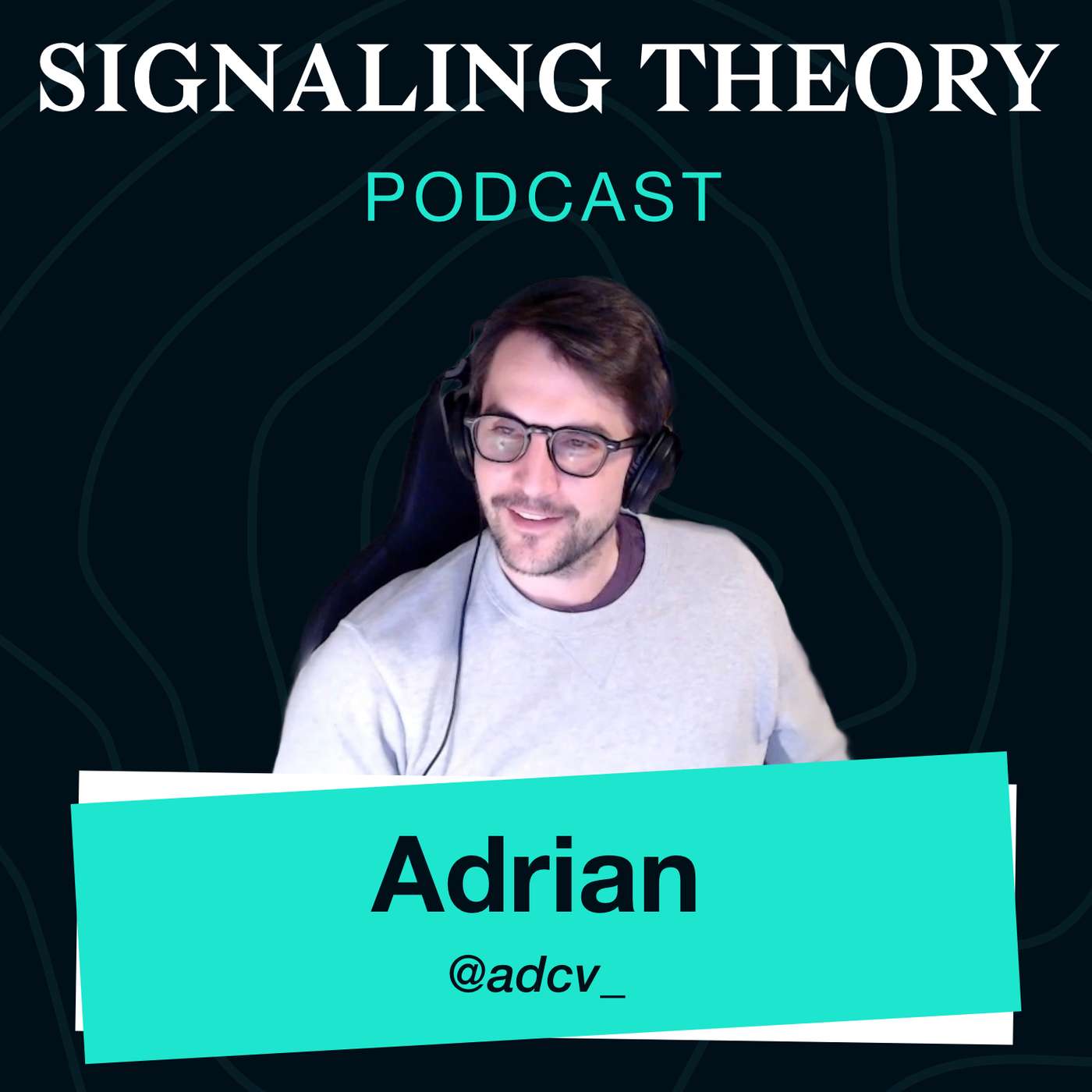
Stakehouse cofounder Adrian Steakhouse joins Rex to unpack what “curators” actually do: turning DeFi’s powerful—but nerd-only—primitives into infrastructure that feels like a normal financial product, including the behind-the-scenes rails powering stablecoin yield inside apps like Coinbase. From there, they get honest about why innovation feels slower post-2021, where the real open problems still are (insurance, first-loss capital, and credit), and why most crypto tokens fail to hold long-term value—while a handful (like Aave and Sky) look more “investable” because they embed clearer ownership or governance rights.They close with a grounded look at stablecoin profit pools, lessons from free banking history, why “depegs” are often misunderstood, and how “yield coins” (USDAI, Daylight, Ethena) could become a major new venue for capital formation—and risk.Reference Material: Wildcat Banking - https://x.com/nic_carter/status/1950984660290613655Fractional vs Full Reserve Business Models in Stablecoins - https://kitchen.steakhouse.financial/p/the-color-of-moneyToken Launches - https://kitchen.steakhouse.financial/p/token-launches-in-the-modern-eraStablecoins and Cryptodollars Hierarchy of Money - https://kitchen.steakhouse.financial/p/cryptodollars-and-the-hierarchy-ofSNB Balance Sheet - https://dune.com/steakhouse/snbSNB Philosophy on Bitcoin and Stablecoins - https://x.com/adcv_/status/1915754341870272603
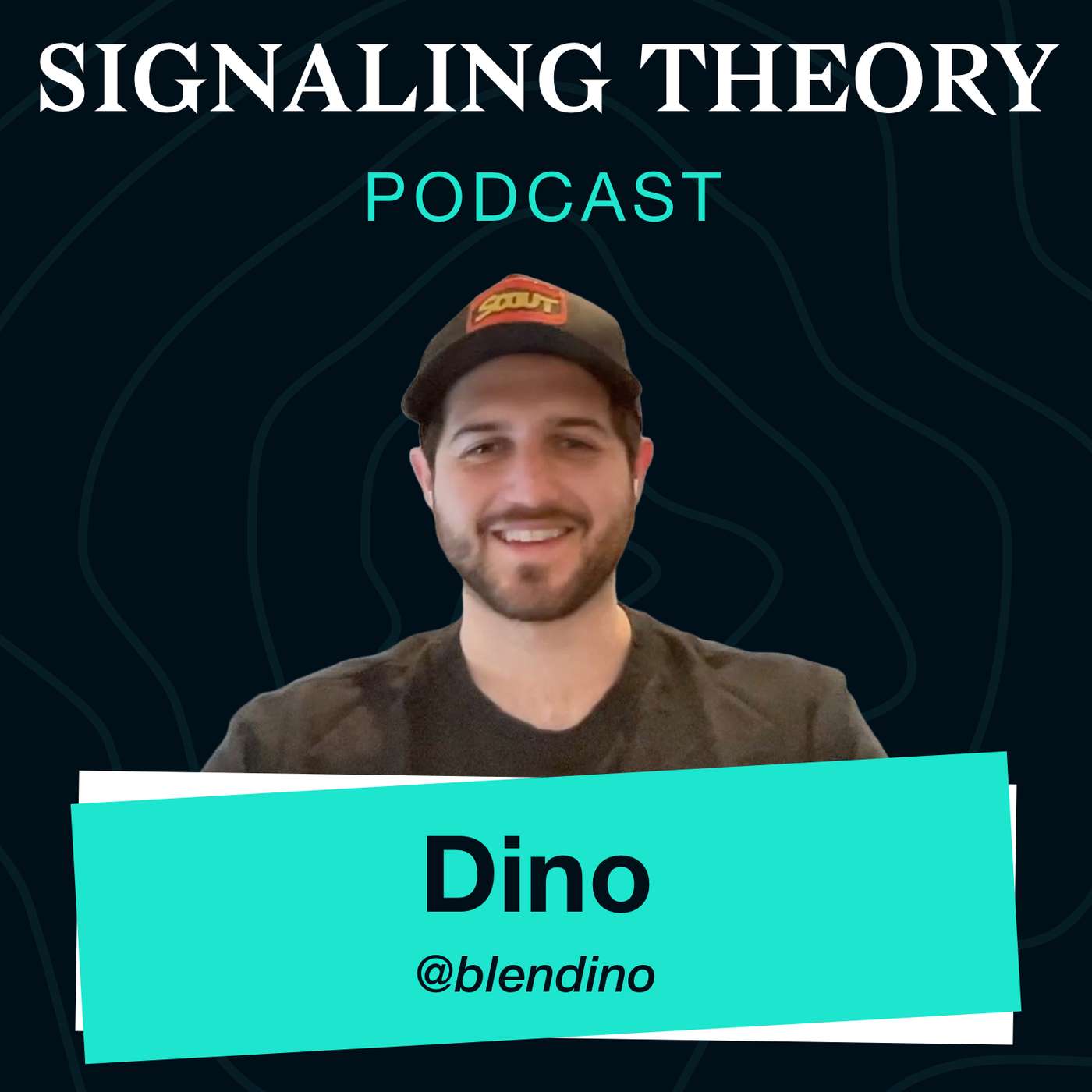
Rex sits down with Dino, co-founder of Fluent, to ask a simple but loaded question: what actually happened to the modular / “VM meta” everyone was so excited about? They trace how the narrative around modular blockchains went from red-hot to ice-cold, what still matters underneath the hype cycle, and why today’s real bottleneck isn’t infra anymore but product taste, startup execution, and culture. Along the way they talk about “price is the product,” the blurring line between good and bad actors, and why it’s so hard to attract serious builders who treat blockchains as boring backend tools rather than casinos. Dino also shares how Fluent and its Blended Builders Club are trying to cultivate “crypto Navy SEALs” and ship apps that normal people actually want to use, from creator markets to prediction platforms and new kinds of payments.
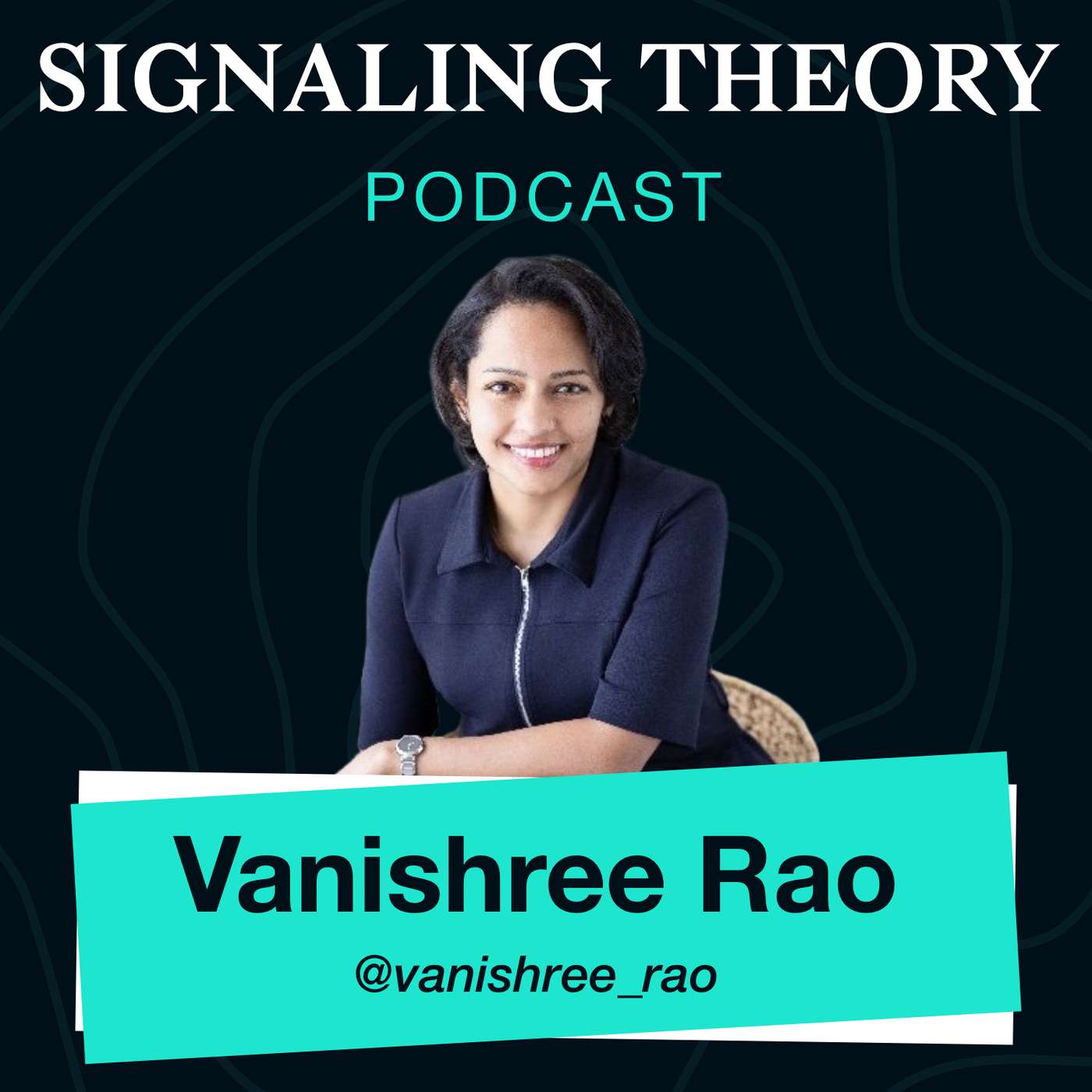
Rex talks with cryptographer Vanishree Rao, founder of Fermah, about what verifiable compute actually unlocks—and why the real story isn’t “ZK eats the world” just yet. They get into ZK vs trusted execution environments (TEEs), how oracles really fail in practice, why restaking got ahead of real demand, and what a universal proof market like Fermah is doing differently. It’s a grounded look at the compute layer under rollups, oracles, and AI agents—and where the next wave of applications might actually come from.
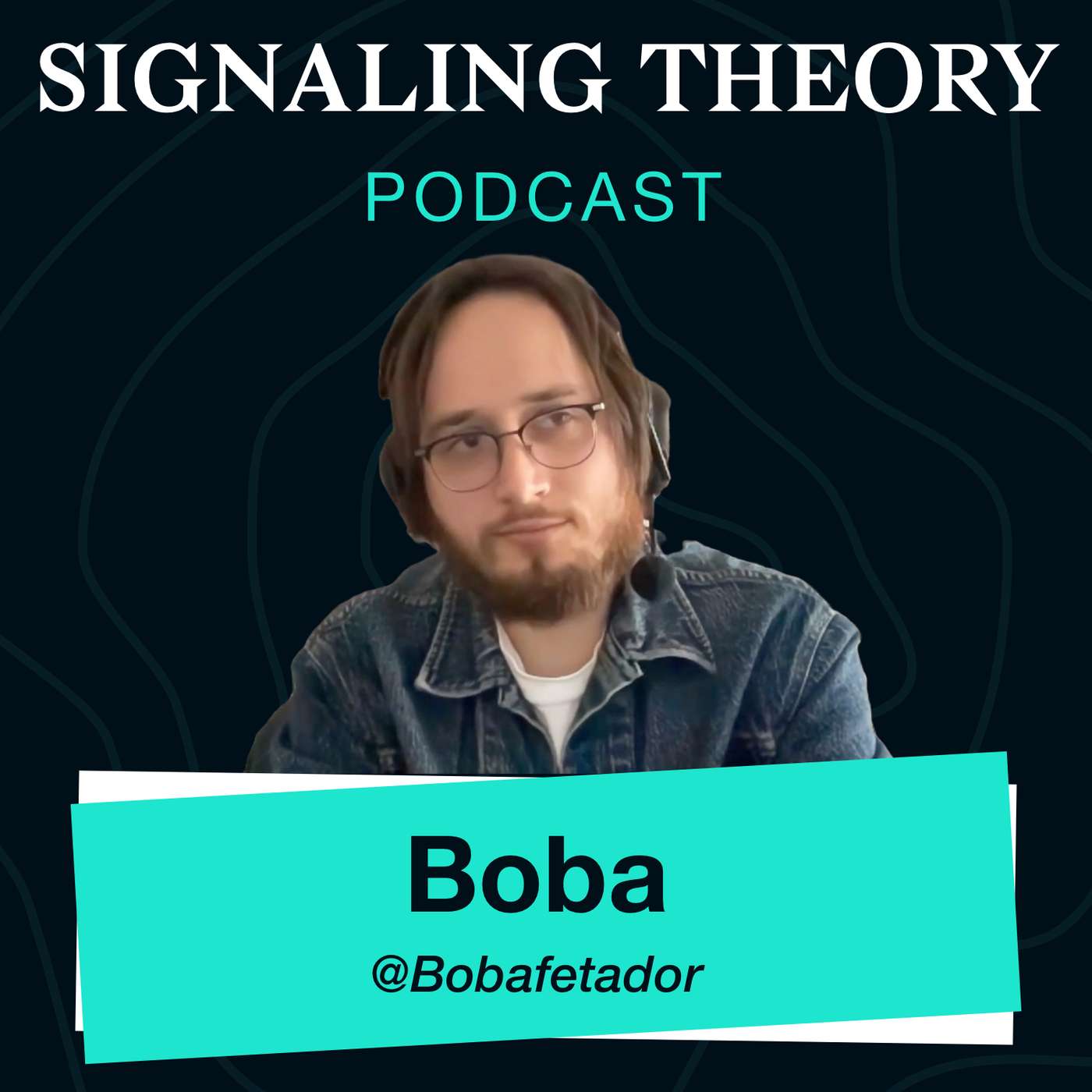
Drosera just shipped to Ethereum mainnet after two years of grinding weekends, audits, and architecture debates—and in this episode we unpack what they’ve actually built and why it matters. Boba, co-founder of Drosera, joins Rex to explain how “traps” let smart contracts watch on-chain conditions and automatically react, turning Ethereum into a far more expressive, always-on system without bolting everything onto a centralized backend. They dig into Drosera’s “L1.5 bandwidth layer” design, how shadow forks and ZK proofs make continuous off-chain execution verifiable on Ethereum, and why decentralization isn’t just about more nodes—it’s about who can realistically run them. The conversation closes with a candid post-mortem on restaking: what the original vision got right, how the incentives went sideways, and why ZK plus lean, grassroots communities may be a healthier path forward than hype-driven “crypto-economic security.”
Rex sits down with Fiddy — DeFi “trench warrior,” Curve and Lido contributor — to ask a simple but uncomfortable question: why do the vibes feel so bad this cycle? They trace the arc from the 2020 DeFi summer through Do Kwon, FTX, and the meme-coin era, and talk about what happens when years of extraction, broken experiments, and aggressive speculation finally catch up with a still-nascent ecosystem. Along the way, they dig into how Twitter’s algorithm shift and the rise of easy online gambling have siphoned energy away from “builder crypto” toward pure conflict and get-rich-quick schemes. From there, the conversation zooms out: institutions like Stripe and major banks are quietly building on crypto rails, often in ways that don’t yet feed value back to DeFi. Is that net-bullish, or does it threaten the credibly neutral, censorship-resistant core that drew so many to Ethereum in the first place? Fiddy shares his view on Ethereum as an “infinite garden,” the evolving role of the Ethereum Foundation, and why, despite ugly vibes and broken governance experiments, he’s still deeply optimistic about the long-term cultural and technical trajectory of the space.
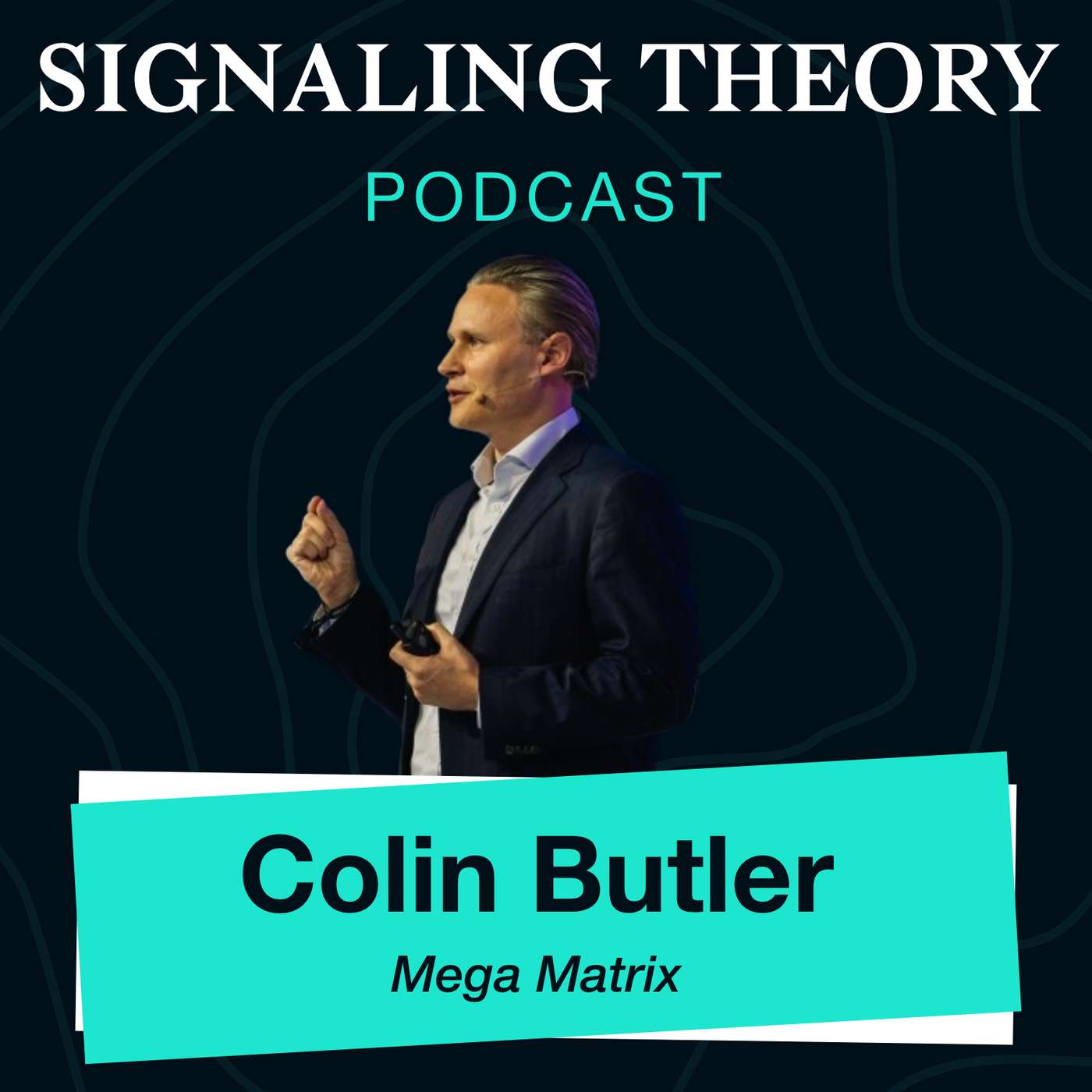
In this episode of Signaling Theory, Rex sits down with Colin Butler, co-founder of Mega Matrix, a digital asset treasury (DAT) focused on becoming the world’s leading publicly traded stablecoin company. They dig into why stablecoins might be a multi-trillion-dollar market by 2028, how value actually accrues across the stablecoin stack, and why governance tokens and cash-generating protocols could offer very different return profiles than today’s “number go up” narratives.From Ethena’s USDe and the basis-trade stablecoin model, to novel structures like STBL and ideas like GPU-backed stablecoins, Colin walks through where he thinks the next wave of innovation will come from—and how DATs can serve as the bridge between DeFi and traditional capital markets. The conversation also zooms out to talk about UX, interoperability, the role of big institutions like JPMorgan, Stripe, and DTCC, and why rewiring global collateral and payments rails with crypto is both incredibly exciting and inherently risky.
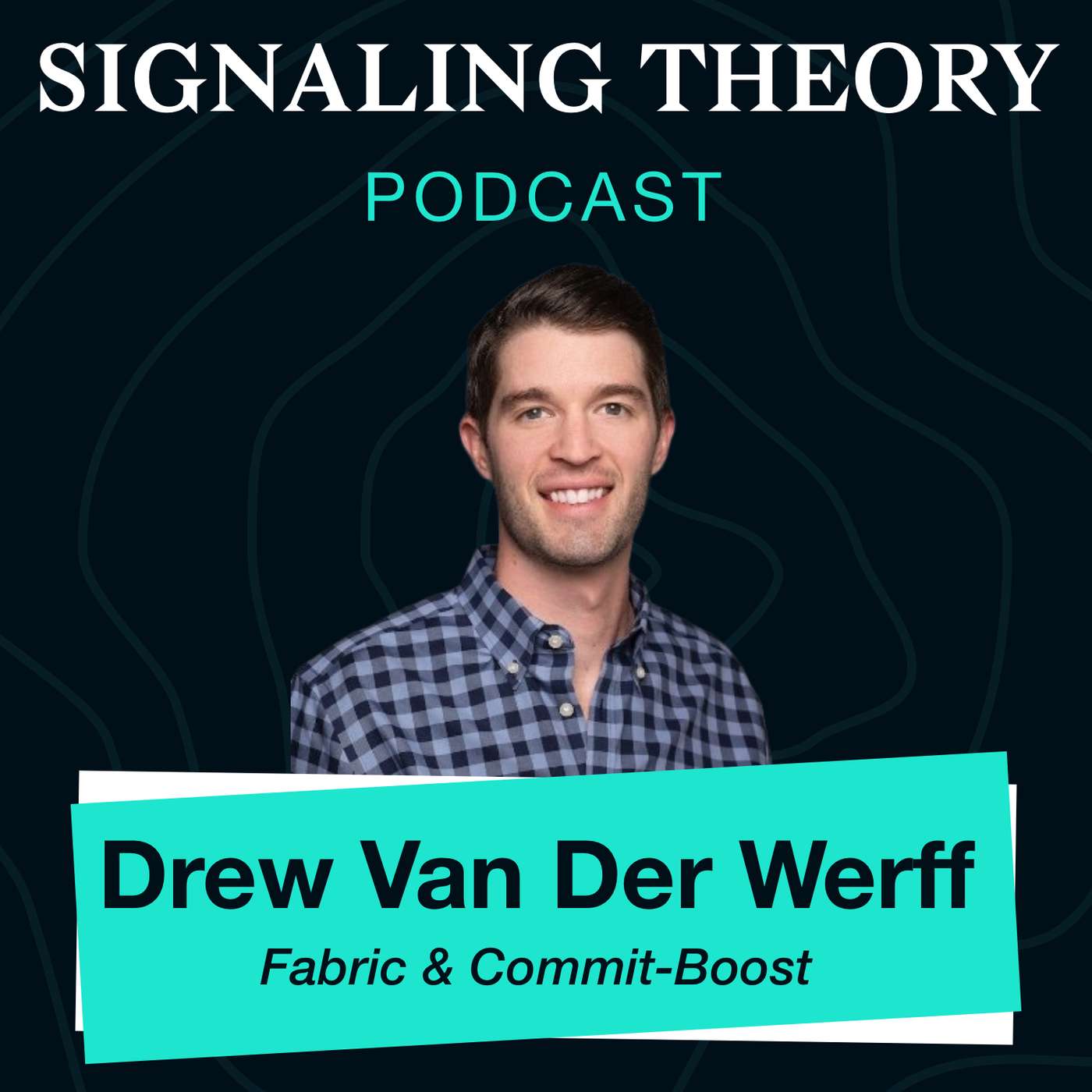
Rex sits down with Drew Van Der Werff, founder of Commit-Boost and Fabric, to talk about the future of Ethereum block production: from validator autonomy and pre-confirmations to full-slot auctions, inclusion lists, and what a more robust PBS pipeline might look like. They dig into how Commit-Boost turns the validator stack into an “app store” for block construction, why derivatives on blockspace could actually stabilize Ethereum, and where TEEs fit (or don’t) alongside ZK. The conversation zooms out to the state of the Ethereum social layer, the role of the EF and client teams, and why Drew splits his time between cutting-edge protocol work and running a very real-world American machine shop.Referenced Links:Previous conversation with Drew Van Der WerffOpportunities and Considerations of Ethereum’s Blockspace FutureGrounded Relay: Superpowers from Relay Coordination
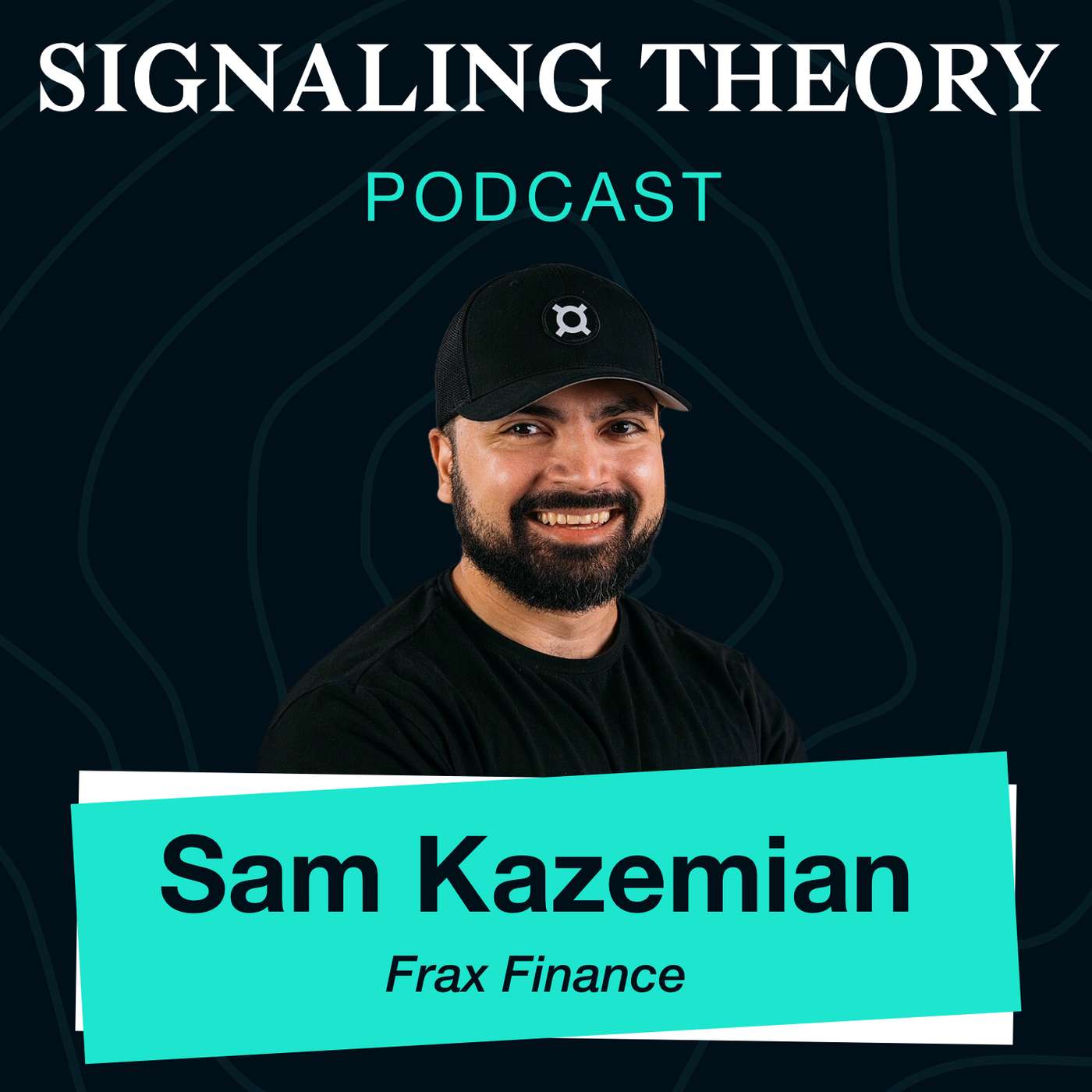
Stablecoins, then and now. Host Rex Kirshner sits down with Sam Kazemian, founder of Frax, to trace the anthropology of stablecoins from seigniorage-share thought experiments and DeFi flywheels to today’s issuer platforms, “genius-compatible” collateral, and vertically-integrated payment rails. They unpack lessons from the Terra collapse, why Frax split payment vs. yield-bearing units (FRAX vs. sFRAX), and how issuance partnerships became the new Curve wars. The second half gets spicy: stock (TVL/yield) vs. flow (payments/settlement) business models, whether branded stables like Hyperliquid’s USDH make sense, and a pragmatic take on CBDCs (“good” vs. Orwellian versions), exit/rage-quit guarantees back to credibly neutral chains, and what real decentralization must withstand—both technically and societally.

Comments

Download from Google Play

Download from App Store
 United States