


Between Two Psychs with Dr Adam McCartney and Mike Lane
Subscribed: 3Played: 2
Subscribe

© Dr Adam McCartney and Mike Lane
Description
In this podcast Adam and Mike address all your education questions. They show the power of thinking psychologically can have on resolving everyday issues within education, learning and in raising happy children.
19 Episodes
Reverse
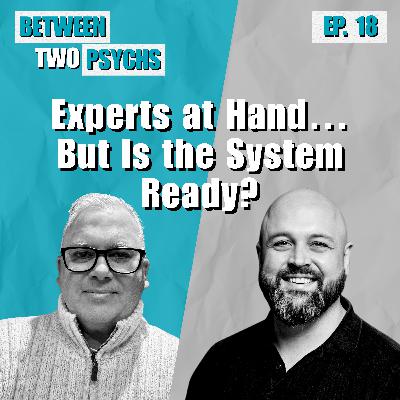
In this episode, we explore whether the “expert at hand” model can truly improve the S.E.N.D system, or whether it risks becoming another strong idea that struggles in practice.The conversation starts with a simple but important question… who actually is the expert? Rather than placing that label on one professional, the discussion reframes expertise as something shared. Teachers, SENCOs, specialists, families, and even the child all bring valuable insight and it’s only when those perspectives come together that meaningful support can happen.We also dig into the reality behind the policy. While the move towards inclusion and early intervention sounds promising, there are real concerns about how it will work in practice. Questions around funding, structure and collaboration remain unclear, and without those foundations, even the best intentions can fall apart.A key theme running throughout is relationships. When professionals know each other and understand how they work, support becomes more effective and families feel reassured. Without that, the system can feel fragmented, leaving parents and schools to navigate challenges alone.The episode also shifts perspective to the child’s voice, asking: what do you need to know and what are you going to do to help me? This question cuts through the complexity and brings the focus back to what really matters.Ultimately, the conversation highlights that real change won’t come from policy alone. It depends on people, on collaboration and on keeping the child at the centre of every decision.In This Episode, We DiscussWhat the “expert at hand” model really means in practiceWhy shared expertise matters more than individual rolesThe gap between policy ambition and real-world deliveryThe importance of relationships in effective supportWhy the child’s voice should guide decision-makingWhy This Episode MattersThe S.E.N.D system is under pressure, and change is needed. This episode reminds us that inclusion isn’t just about new frameworks it’s about how people work together, how trust is built and how consistently we focus on the needs of the child.Connect with Mike LaneWebsite: ridgewaypsychology.co.ukLinkedIn: Michael LaneConnect with MeInstagram: @dradammcartneyWebsite: dradammccartney.comYouTube: @Dr.AdamMcCartney
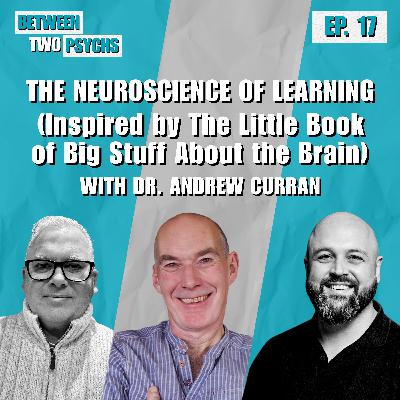
In this episode of Between Two Psychs, we’re joined by paediatric neurologist and author Dr. Andrew Curran to explore what the science of the brain can teach us about learning, relationships and emotional connection in education.Dr. Andrew shares insights from decades of studying the neurobiology of learning, explaining how the brain forms connections between nerve cells and why those connections depend heavily on emotional engagement.One of the central ideas in this conversation is that learning is not driven purely by intellectual processes. Instead, it is deeply influenced by the emotional brain.When students feel safe, understood and connected to the person teaching them, the brain becomes biologically primed to learn.We also explore the role of dopamine in forming new neural connections and how emotional relationships in the classroom can activate the systems that allow learning to happen.Dr. Andrew explains why the connection between teacher and student is not simply helpful it is central to how the brain processes and stores knowledge.The conversation also touches on the impact of trauma, stress, and attachment on both students and educators. These experiences can shape the patterns stored in the brain and influence behaviour, learning and emotional responses in the classroom.A powerful metaphor discussed in the episode is the idea of “facing the tiger,” representing the internal emotional patterns we all carry from earlier experiences.Understanding and reflecting on these patterns can help educators become more aware of what they bring into the classroom and how it affects the learning environment.When classrooms are built on trust, safety and understanding, they create the conditions where both students and staff can thrive.In This Episode, We DiscussHow learning happens at the level of neural connections in the brainWhy emotional relationships are central to effective learningWhy relational approaches in education support both learning and wellbeingWhy This Episode MattersEducation is often discussed in terms of curriculum, assessment and performance.Understanding how the brain forms connections helps us see why trust, safety and emotional engagement are not optional extras in education they are the foundation that learning is built upon.When schools create environments where both students and staff feel understood and supported, the conditions for meaningful learning become possible.Connect with Dr. Andrew Curran (Guest)LinkedIn: Andrew CurranConnect with Mike LaneWebsite: ridgewaypsychology.co.ukLinkedIn: Michael LaneConnect with Mike LaneInstagram: @dradammcartneyWebsite: dradammccartney.comYouTube: @Dr.AdamMcCartney
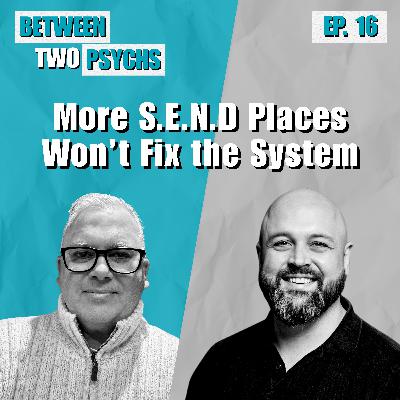
In this episode of Between Two Psychs, we explore a key question emerging from the S.E.N.D White Paper:Is creating more S.E.N.D places enough, or are we overlooking the workforce needed to support them?While significant funding has been announced to expand provision, we reflect on whether enough attention is being given to developing the professionals who make inclusion work in practice.Schools may gain more places, but without confident and supported staff, the pressure on the system could simply increase.A central theme in our conversation is capacity versus demand.We discuss the difference between sufficiency planning and workforce development and why focusing only on infrastructure risks missing the bigger picture.Inclusion is not just about creating space in the system it depends on skilled teachers, strong leadership, and collaborative professional support.We also explore how the role of educational psychologists may evolve.Rather than relying solely on traditional assessment models, we highlight the value of consultative approaches that help teachers understand the child’s perspective and build solutions together.This kind of work focuses on empowerment, helping school staff develop confidence and insight in their everyday practice.In This Episode, We Discuss:The difference between creating S.E.N.D places anddeveloping the workforceWhy capacity in the system matters as much as provisionThe role of consultation in empowering teachersPressures facing schools and leadership teamsWhy inclusion requires whole-system thinkingWhy This Episode MattersThe S.E.N.D system is at a turning point.The direction of reform suggests a move toward greater inclusion and belonging in schools, but the success of that vision will depend on how well professionals are supported to deliver it.Ultimately, meaningful reform is not just about expanding provision it’s about strengthening the people and systems that support children every day.Connect with Mike LaneWebsite: ridgewaypsychology.co.ukLinkedIn: Michael LaneConnect with MeInstagram: @dradammcartneyWebsite: dradammccartney.comYouTube: @Dr.AdamMcCartney
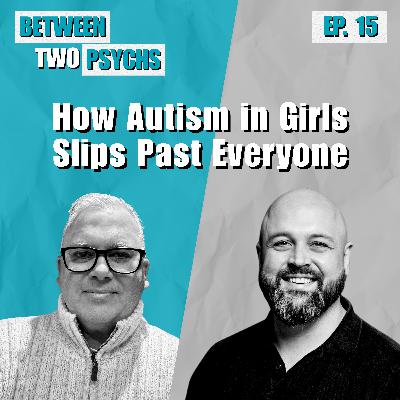
In this episode of Between Two Psychs, we explore a growing and important area of understanding within education and psychology autism in girls.Drawing directly from our reflections in practice, we talk about why this conversation feels relatively recent, and why so many girls have historically gone unseen. Much of what professionals were trained to recognise was based on more stereotypical presentations. In this episode, we challenge ourselves to look again.A central theme in our discussion is masking.We reflect on how many girls develop strong language skills and learn social scripts that help them blend in at school. On the surface, things can look settled and successful. Yet when we triangulate with home, a very different picture can emerge exhaustion, anxiety, emotional overwhelm and behaviours that seem to “appear” only outside of the classroom.We explore the idea of cognitive demand not just academically, but socially and emotionally. For many girls, navigating friendships, reading social nuance and maintaining control in uncertain situations carries a significant invisible load.In This Episode, We Discuss:Why autism in girls is often missed in school settingsThe role of masking and social scriptingDifferences between school presentation and home presentationHow imaginative play can appear typical while still being repetitive underneathThe cumulative cognitive and emotional demand girls may be managingWe also move into practical support.We talk about the importance of triangulation between school and home, noticing subtle patterns in play and interaction, and strengthening identity rather than focusing solely on social correction.Practical approaches discussed include:Lego therapy to develop perspective-takingSocial stories and comic strip conversationsEmotional intelligence interventions such as The TransportersThe homunculi (CBT-based avatar) approachRegular strengths-based reflections using “I noticed…” languageA key message we return to is simple: Autistic practice is good practice.When we prioritise communication, emotional literacy, predictability and identity, we improve outcomes not only for autistic girls, but for all children.Why This Episode MattersIf we only look for loud or stereotypical presentations, we risk missing girls who are quietly coping until they can no longer sustain it.This episode encourages us to look beneath the surface, to question assumptions and to recognise that behaviour is often a strategy for managing uncertainty and demand.Understanding autism in girls requires curiosity, reflection and collaboration and this conversation is part of that ongoing shift.Connect with Mike LaneWebsite: ridgewaypsychology.co.ukLinkedIn: Michael LaneConnect with MeInstagram: @dradammcartneyWebsite: dradammccartney.comYouTube: @Dr.AdamMcCartney
In this episode of Between Two Psychs, we respond to the newly published SEND White Paper and ask a question we don’t think is being asked clearly enough:If supervision isn’t part of the reform, are we simply increasing pressure on schools without increasing support?We explore the emphasis on inclusion, the proposed “expert at hand” approach, and the acknowledgement that many teachers do not feel confident supporting pupils with S.E.ND. Drawing on our combined experience and Gillian’s research into emotional wellbeing and teacher retention we reflect on what this reform could mean in practice.In This Episode, We Discuss Whether supervision is the missing ingredient in meaningful SEND reformThe emotional load teachers carry daily and how reform could intensify that pressureWhy training alone rarely leads to sustained practice changeWhat psychological safety actually looks like for teachers and TAsHow relationships drive inclusion before behaviour systems or attainment measuresThe risk of inclusion bases becoming seclusion spaces without relational workThe importance of empowerment, consultation and clarity of role across a school systemWhy This Episode MattersWe all recognise that the S.E.N.D system is under strain. Reform is needed. But reform without clarity, containment, and relational safety risks repeating familiar patterns under new language.I believe that if we want confident teachers, we must create spaces where they feel safe to reflect, question, and grow. Supporting children with S.E.N.D starts with supporting the adults around them.This episode offers a grounded reflection hopeful where there is potential, cautious where experience tells us to pause and focused on what we can do now to strengthen schools from within.Read the full S.E.N.D white paper here>> Supervision in Education Quality Standards Framework pdfConnect with Gillian Airey Goodwin (Guest)LinkedIn: Gillian Airey GoodwinInstagram: @gillianaireygoodwinConnect with Mike LaneWebsite: ridgewaypsychology.co.ukLinkedIn: Michael LaneConnect with MeInstagram: @dradammcartneyWebsite: dradammccartney.comYouTube: @Dr.AdamMcCartney
In this special episode of Between Two Psychs, we respond to the recent SEND White Paper leak and unpack what it could mean for schools, families, and professionals.With the clear understanding that this is speculative, we walk through the key themes emerging from the leak, including the proposed move toward a tiered system, the possibility of EHCPs being reserved for the most complex cases, and what reassessment at key transition points, particularly age 11, might signal for secondary schools.Drawing on our combined experience across education, we reflect on whether this is meaningful reform or a familiar cycle of policy returning in a new form. We explore the potential impact on inclusion, funding, accountability, and multi agency working, and ask the bigger question: will this actually strengthen collaboration between education, health and social care?In This Episode, We ExploreThe proposed shift from a binary EHCP system to a tiered approachWhat reassessment at Year 6 and transition to secondary could mean for funding and provisionThe increased focus and pressure on Key Stage 3 and secondary settingsFunding moving closer to schools and whether that creates opportunity or riskThe importance of outreach and upskilling mainstream staffMoving from an assessment heavy model to a consultation and empowerment approachWhy early intervention only works if there are genuine boots on the groundWhy This Episode MattersSEND reform affects real children, real families, and real professionals. While policy language can sound hopeful, meaningful change depends on structure, funding, and genuine collaboration.This episode offers a balanced, grounded reflection. Hopeful where it makes sense to be hopeful, cautious where experience tells us to be cautious. Above all, it reinforces the need for proper support around schools, shared responsibility across systems, and an approach that empowers professionals rather than overwhelming them.Connect with Mike LaneWebsite: ridgewaypsychology.co.ukLinkedIn: Michael LaneConnect with MeInstagram: @dradammcartneyWebsite: dradammccartney.comYouTube: @Dr.AdamMcCartney
In this episode, we sit down with teaching SENCO Tom Hodgson to explore why relationships sit at the heart of successful inclusion and how emotionally attuned practice can completely change a child’s journey in school.Drawing on real classroom experience, we reflect on the emotional demands of supporting children with complex needs and why connection must come before correction. Through a powerful case study, we unpack how one pupil moved from the brink of permanent exclusion to full integration through co-regulation, consistency and a strong team around the child.Together, we discuss why meaningful relationships, emotional literacy and shared staff values are essential for long-term change in schools.In This Episode, We DiscussWhy relationships must come before behaviour strategiesHow co-regulation helps prevent escalationA real case study from exclusion risk to full inclusionThe power of empathy, curiosity, and emotional attunementBuilding emotional literacy and helping children name feelingsWhy consistency across adults changes outcomesSupporting staff while working with complex pupilsHow everyday interactions become meaningful interventionsWhy This Episode MattersThis conversation invites educators to rethink behaviour through the lens of connection and safety. When children feel understood and supported by consistent adults, meaningful progress becomes possible both emotionally and academically.It also highlights the emotional load educators carry and why reflective practice, shared training and strong professional relationships are essential for sustainable, inclusive education.Connect with Mike LaneWebsite: ridgewaypsychology.co.ukLinkedIn: Michael LaneConnect with MeInstagram: @dradammcartneyWebsite: dradammccartney.comYouTube: @Dr.AdamMcCartney
In this episode of Between Two Psychs, we explore the realities of early years provision and the incredible work practitioners do despite increasing demands and limited resources. Drawing on experiences from educational psychology and early settings, we reflect on the pressures staff face and the psychological foundations that help young children feel safe, connected and ready to learn.A central theme is “reach before you teach” the idea that relationships, emotional safety, and connection sit at the heart of effective early years practice. We discuss how behaviour often communicates underlying needs such as anxiety, sensory differences or communication challenges, and why play remains essential for cognitive, social and emotional development.Alongside these reflections, we share practical strategies that support engagement and independence, including paired reading, attention buckets, visual timetables and pictorial communication systems.In this episode, we discuss:The challenges and strengths within the early years sectorWhy relationships and emotional safety underpin learningUnderstanding behaviour through function and developmental needsThe importance of play in cognitive and social growthPractical strategies to support attention, communication and routineHow predictability and co-regulation help children engage and learnWhy This Episode MattersEarly years practice lays the foundation for lifelong learning. This episode highlights that meaningful progress starts with connection, regulation and realistic expectations for both children and the adults supporting them. When children feel safe and understood, learning becomes possible and when practitioners feel supported, they are better able to meet the complex needs within modern early years settings.Connect with Mike LaneWebsite: ridgewaypsychology.co.ukLinkedIn: Michael LaneConnect with MeInstagram: @dradammcartneyWebsite: dradammccartney.comYouTube: @Dr.AdamMcCartney
In this episode of Between Two Psychs, we explore a question many educators quietly wrestle with: why do some children still struggle to engage, even when lessons are well planned, differentiated, and thoughtfully delivered?Drawing on classroom observations, psychological research, and real conversations with teachers, we unpack what it really means to be ready to learn. We look beyond lesson plans and curriculum demands to the emotional, physiological and relational factors that shape how children show up in classrooms and how teachers are supported (or stretched) in holding all of this at once.We reflect on the impact of stress, cognitive overload, post-pandemic baselines and rising expectations and why learning can’t be separated from nervous-system state, safety and trust. At the heart of the conversation is a simple but powerful idea: learning sits on top of regulation, belonging and relationships.In this episode, we discuss:Why strong lesson planning isn’t always enough to secure engagementHow stress shifts the brain from learning to survivalThe impact of post-pandemic stress on children’s readiness to learnDopamine, overstimulation and the learning brainBruce Perry’s work and why emotional state drives cognitive accessPolyvagal theory and the nervous system’s constant search for safetyWhy This Episode MattersThis episode invites us to rethink what “preparedness for learning” really means. It reminds us that learning is not just a cognitive task it is a relational, emotional and physiological process.When children feel safe, regulated and understood, they are far more able to tolerate challenge, uncertainty and moments of struggle. And when teachers are supported psychologically as well as professionally they are better able to hold the complex demands of modern classrooms.Preparedness for learning doesn’t start with the lesson.It starts with relationships, regulation and realistic expectations for children and for the adults who teach them.Connect with Mike LaneWebsite: ridgewaypsychology.co.ukLinkedIn: Michael LaneConnect with MeInstagram: @dradammcartneyWebsite: dradammccartney.comYouTube: @Dr.AdamMcCartney
The transition into Key Stage 3 is often described as a fresh start but for many young people, it’s where things quietly begin to unravel.In this episode of Between Two Psychs, we explore why the move from primary to secondary school can be such a vulnerable point, particularly for students who sit on the margins. We unpack the steady rise in exclusions between Years 7 and 9 and ask a deeper question: what does this transition feel like psychologically for children and what are schools unintentionally missing?We talk about the shift from one secure relationship to many, from nurture to independence and from feeling known to feeling lost in a much bigger system. Along the way, we explore concepts like learned helplessness, acceptance, autonomy and happiness and why behaviour is often a signal of unmet needs rather than defiance.This is a conversation about connection, belonging and helping young people develop a sense of direction inside a system that can feel overwhelming.In this episode, we discuss:Why exclusions rise so sharply during Key Stage 3The psychological impact of moving from one key adult to manyHow independence, when introduced too quickly, can increase distressLearned helplessness and its link to disengagement and EBSAWhy “promoting happiness” may be more useful than “reducing exclusions”The role of acceptance, shared identity and belonging in student wellbeingWhy some students thrive in transition while others struggleStarting transition work earlier, including the role of Year 5Evidence based supports like Friends for Life and Coping CatUsing thoughts feelings behaviour models to support reflection and goal-settingCommunity-focused goals versus purely academic targetsHow small-group and coaching conversations can prevent exclusionWhy teacher reflection, supervision and support matter just as much as student interventionWhy This Episode MattersKey Stage 3 is often the most overlooked phase in education but it’s where identity, belonging and disengagement begin to crystallise.This episode invites educators, leaders, and psychologists to look beyond behaviour and systems and instead focus on acceptance, connection and purpose. When young people can see where they fit, feel supported rather than dropped, and are helped to develop their own internal goals, school becomes something they can stay connected to not something they need to escape from.Because behaviour is rarely about refusal.More often, it’s about not feeling seen, safe or accepted.Connect with Mike LaneWebsite: https://www.ridgewaypsychology.co.uk/LinkedIn: https://uk.linkedin.com/in/michael-lane-4304a3123Connect with MeInstagram: https://www.instagram.com/dradammcartney/Website: https://www.dradammccartney.com/YouTube: https://www.youtube.com/@Dr.AdamMcCartney
In this episode, we sit down with Gillian Airey Goodwin to explore what burnout really looks like in education and why understanding our own psychology may be key to keeping educators in the profession.Drawing on Gillian’s Master’s research in mental health and wellbeing, alongside more than 30 years of experience in education, we reflect on the emotional demands teachers face, the role of emotional intelligence, and why coping alone is no longer enough. We explore how resentment, pressure and constant accountability can slowly erode wellbeing even in highly skilled, experienced professionals.Together, we discuss why structured reflection, psychological safety and meaningful supervision may be essential for educators to thrive, not just survive.In this episode, we discuss:What burnout looks like beyond exhaustionThe role of emotional intelligence in managing pressureWhy emotionally intelligent teachers still leave the professionInternal vs external support models in schoolsTrust, judgment and fear of being seen as “not coping”Why relationships with pupils keep educators goingWhy This Episode MattersThis episode invites us to rethink how we support educators. When teachers understand their own psychology, feel safe to reflect, and are genuinely listened to, wellbeing improves and so does the experience of children in the classroom.Educator wellbeing isn’t a “nice to have”. It’s fundamental to ethical decision-making, positive relationships and sustainable education systems.Connect with Gillian Airey Goodwin (Guest)LinkedIn: https://www.linkedin.com/in/gillian-airey-goodwin-b9b401239/Instagram: https://www.instagram.com/gillianaireygoodwin?igsh=ZGsxd3NzMXh3MHN1Connect with Mike Lane Website: https://www.ridgewaypsychology.co.uk/LinkedIn: https://uk.linkedin.com/in/michael-lane-4304a3123Connect with Adam McCartneyInstagram: https://www.instagram.com/dradammcartney/Website: https://www.dradammccartney.com/YouTube: https://www.youtube.com/@Dr.AdamMcCartne
In this episode, we explore why behaviour systems work for many students but not for those who sit outside the middle of the bell curve and what changes when we genuinely listen to a child’s story. We look at how timing, nervous-system regulation, curiosity, and relational repair help us move from confrontation to connection.We also reflect on the post-COVID social gap, why some young people struggle to engage with traditional approaches, and how simple relational moments greetings, attunement, and authenticity create safety in small but powerful ways.In this episode, we discuss:Why some students don’t respond to standard behaviour approachesHow dysregulation and shutdown affect when (and how) we talk“Connection before correction” as a foundation for repairA clear structure for restorative conversationsUsing thoughts–feelings–behaviour models to guide reflectionThe role of affirmation versus confrontationPractical tools: emotion coaching, comic strips, draw-and-talk, gaming-based dialogueHow curiosity lowers threat and builds trustWhy playfulness and authenticity matter in relational momentsWhy This Episode MattersThis episode invites us to rethink behaviour support through a relational lens. When we create space for young people to tell their story, conflict becomes a chance to understand, repair, and strengthen trust. Instead of focusing on control or consequences, we focus on connection, timing, and insight, because real change happens when students feel safe, heard, and valued.When we honour a child’s story, we open the door to growth, for them and for us.Connect with Mike LaneWebsite: https://www.ridgewaypsychology.co.uk/LinkedIn: https://uk.linkedin.com/in/michael-lane-4304a3123Connect with MeInstagram: https://www.instagram.com/dradammcartney/Website: https://www.dradammccartney.com/YouTube: https://www.youtube.com/@Dr.AdamMcCartney
In this episode of Between Two Psychs, we explore one of the most essential aspects of classroom life: Bonding and Attunement.We look at why relationships come before learning, how children “borrow” our nervous systems, and the practical ways we can help students move from emotional overwhelm into the calm, thinking brain.Drawing on attachment theory, polyvagal theory, developmental psychology, and real school examples, we break down what bonding and attunement look like in practice and why they matter now more than ever.What We Cover1. Why Relationships MatterHow we, as teachers and adults, often become key attachment figuresWhy secure relationships help children feel safe enough to learnWhy relational practice is vital in today’s education landscape2. Brains & LearningA clear explanation of polyvagal theoryHow the emotional and thinking brain interactWhat the amygdala, insula, and cingulate do during stressWhy many children sit in emotional mode longer than we think3. Attunement SkillsHow to see behaviour as communicationHow to tune into the message behind behaviourWhy naming emotions builds trust and internal templatesWhy curiosity strengthens connection4. Building BondsHow bonding differs from attunementWhy we work with “connection before correction”How low-demand, shared moments help students trust usWhy shared experiences strengthen classroom relationshipsKey Ideas We DiscussAttachment theoryPolyvagal theoryCo-regulation & self-regulationPACE modelTransference & counter-transferenceCarl Rogers’ relational principlesMirroring, matching & pacingMotivational Interviewing (OARS)Why This Episode MattersLearning can only happen when children feel safe, calm, connected, and understood. When we prioritise relationships, we make learning possible.This episode shows why relational practice isn’t optional, it’s foundational.Connect with Mike LaneWebsite: https://www.ridgewaypsychology.co.uk/LinkedIn: https://uk.linkedin.com/in/michael-lane-4304a3123Connect with MeInstagram: https://www.instagram.com/dradammcartney/Website: https://www.dradammccartney.com/YouTube: https://www.youtube.com/@Dr.AdamMcCartney
In this episode of Between Two Psychs, Adam McCartney and Mike Lane explore one of the most fundamental yet often overlooked aspects of school life: Individual Differences.From personality traits and identity development to group dynamics, belonging and routine, they unpack how children understand themselves, how they fit into a group, and how teachers shape that journey every single day.Drawing on psychological frameworks including the Big Five personality model, Self-Determination Theory, Tajfel’s social identity research, Bandura’s social learning theory, Bruner’s narrative identity, and early years work by Rogers and Dan Siegel, Adam and Mike show how inclusion is built in the subtle everyday moments: acceptance, modelling, routine, and relationships.This episode moves beyond labels or “learning styles” and examines the deeper question behind them:How do we create classrooms where every child feels seen, valued and able to be themselves without losing the cohesion that helps groups thrive?Through real school casework, practical examples, and warm reflection, they explore the challenges teachers face in balancing thirty personalities, diverse needs, and a curriculum and the surprising power of shared experiences, role play, collaborative tasks, and even simple rituals to build identity and belonging.In this episode, we discuss:✨ Why “individual differences” are really about identity, personality, and development✨ How the Big Five traits show up in everyday classroom behaviours✨ Why unconditional positive regard helps children feel safe, grounded, and ready to learn✨ How threat, trust and emotional safety connect to identity formation✨ What in-group/out-group dynamics look like in real classrooms✨ How social challenges escalate and how relational approaches reduce conflict✨ Why modelling is powerful: identity through Bandura’s social learning theory✨ The role of play, role-play and shared roles (builder/leader/worker) in forming identity✨ How collaborative and multimodal teaching supports mixed personalities✨ The impact of narrative: why what children say about themselves matters✨ Why routine isn’t only about predictability it’s about shared experience✨ How routine and rhythm build group identity and belongingPractical strategies for teachers:Using group work intentionallyRestorative conversationsCircles of FriendsGuided role playIdentity-safe classroom routinesThis episode invites educators to reflect on:How do we cultivate classrooms where differences aren’t just accommodated they’re celebrated?Where every child feels part of something bigger, yet confidently themselves?Because when children experience belonging, safety, acceptance and clarity, their identity can flourish and so can their learning.Connect with Mike LaneWebsite: https://www.ridgewaypsychology.co.uk/LinkedIn: https://uk.linkedin.com/in/michael-lane-4304a3123Connect with MeInstagram: https://www.instagram.com/dradammcartney/Website: https://www.dradammccartney.com/YouTube: https://www.youtube.com/@Dr.AdamMcCartney
In this episode of Between Two Psychs, Adam McCartney and Mike Lane take on one of the most debated areas in education: School Exclusions. Moving beyond headlines and assumptions, they explore what the data really shows, why so many young people reach crisis point, and crucially how schools can intervene earlier, more compassionately, and more effectively.Drawing on casework, psychological models and years of school-based practice, Adam and Mike unpack how factors like identity, belonging, trust, developmental stage and social context intersect with behaviour and why the story of exclusions is rarely just about “poor choices.”From the challenges of transition in Year 7 to the pressures of adolescence, resource limitations, and the complexities of trust and relationships in secondary settings, this conversation brings together data, humanity, and practical insight. It reminds us that when schools create predictable, relational, inclusive environments, young people are more able to engage, participate, and thrive.In this episode, we discuss:✨The data behind exclusions and what changed after 2014 and again post-pandemic✨Why secondary pupils are far more likely to be excluded than primary pupils✨ How identity development in adolescence can impact behaviour, belonging, and wellbeing✨Why transitions and unpredictability can fuel anxiety, avoidance, and disruption✨The role of acceptance, competency and peer approval in shaping behaviour✨How social communication needs (e.g., autism, ADHD) interact with expectations in secondary school✨Why exclusion is often linked to trust, self-worth, and unmet emotional needs✨How socioeconomic factors and wider community contexts affect exclusion rates✨The power of consistent relationships and predictability at Key Stage 3✨Resource bases, alternative provision, and how schools can build relational practice even without specialist spaces✨Practical approaches that help build connection and safety:– Emotion coaching– Motivational interviewing– Pastoral investment– Inquiry-based and cooperative learning✨Why restorative conversations need training, time, and structure not just good intentions✨How policies move from punitive to relational when they centre clarity, empathy, and shared responsibilityThis episode invites teachers, leaders, and SEN professionals to reflect on:How do we make school a place where students feel seen, safe, connected and competent?When that foundation is secure, behaviour improves not because young people fear sanctions, but because they feel they belong.Inclusion is not just about preventing exclusion it is about building environments where young people want to participate.Connect with Mike LaneWebsite: https://www.ridgewaypsychology.co.uk/LinkedIn: https://uk.linkedin.com/in/michael-lane-4304a3123Connect with MeInstagram: https://www.instagram.com/dradammcartney/Website: https://www.dradammccartney.com/Youtube:https://www.youtube.com/@Dr.AdamMcCartney
In this episode of Between Two Psychs, Mike and Adam explore what it really means to support neurodiverse children at home not from a textbook, but from the everyday realities of parenting, psychology and growing together.After exploring how schools and leaders can champion neurodiversity in earlier episodes, this time we bring the focus home. Drawing on Mike’s experience running parent programmes and Adam’s own reflections as both a psychologist and parent, we look at how small, consistent routines can help families create calm and connection in what can sometimes feel like chaos.Adam and Mike talk honestly about what happens when plans fall apart, when predictability disappears and when all you can do is pause, co-regulate and try again. Because every parent neurodiverse household or not knows that perfection isn’t the goal. Presence is.In this conversation, you’ll hear about:Why routine and predictability are powerful for creating calm and reducing anxietyHow visual timetables and social stories help children feel safe and preparedWhat co-regulation looks like in practice (and why it’s different for every child)The importance of forewarning and gentle communication during changeWhy consistency not complexity makes the biggest differenceAnd how teamwork between parents, schools and psychologists helps every child thriveThis episode is a gentle reminder that no one parents alone.Predictability and consistency aren’t just strategies they’re acts of love.Connect with Mike LaneWebsite: https://www.ridgewaypsychology.co.uk/LinkedIn: https://uk.linkedin.com/in/michael-lane-4304a3123Connect with Me (Dr. Adam McCartney)Instagram: https://www.instagram.com/dradammcartney/Website: https://www.dradammccartney.com/
In this episode of Between Two Psychs, Adam McCartney and Mike Lane continue their three-part series exploring psychology in education this week turning the spotlight on leadership. Moving beyond models and hierarchies, they unpack how psychological principles can shape more compassionate, empowered and inclusive school cultures.Drawing from Adam’s research on empowerment and communities of practice and Mike’s application of Maslow’s Hierarchy of Needs and the SCARF model, this episode explores how understanding human motivation, belonging and autonomy can transform the way leaders engage their teams and sustain inclusive practice.From headteachers navigating role identity to teachers finding their professional voice, this conversation bridges theory and lived experience reminding us that great leadership begins with self-awareness, trust and a shared sense of purpose.In this episode we talk about:✨How school leaders can apply psychological theory not just management frameworks to lead more effectively✨Adam’s empowerment model: aligning identity, role and control to create autonomy and trust✨Using communities of practice (Wenger, 1998) to understand how professionals learn and evolve together✨Why micromanagement undermines inclusion and innovation and how leaders can foster agency instead✨Mike’s application of Maslow’s Hierarchy of Needs to leadership: meeting physical and emotional needs before introducing change✨Exploring the SCARF model (Status, Certainty, Autonomy, Relatedness, Fairness) as a practical framework for safe, motivated teams✨The psychological importance of belonging and how fairness, recognition, and connection create cultures where staff thrive✨Why clarity of vision and ethos helps align every role in a school toward inclusion✨How leadership psychology mirrors what we know about supporting students: safety, trust and meaningful connectionThis conversation invites leaders, SENCOs and educators alike to look inward to understand not just what they lead, but how they lead. When schools build systems grounded in psychological safety, fairness and belonging, inclusion stops being a directive and becomes part of the culture.✨Resources Mentioned:Communities of Practice Etienne Wenger (1998)Maslow’s Hierarchy of NeedThe SCARF Model David Rock (2008)Connect with Mike LaneWebsite: https://www.ridgewaypsychology.co.uk/LinkedIn: https://uk.linkedin.com/in/michael-lane-4304a3123Connect with Me:Instagram: https://www.instagram.com/dradammcartney/Website: https://www.dradammccartney.com/Thank you for joining this episode of Between Two Psychs. Leadership begins with understanding people and psychology gives us the tools to lead with empathy, clarity and purpose.
In this episode, we sit down for a thoughtful conversation on what it truly means to create learning spaces where neurodiverse students can feel seen, safe, and supported. This conversation weaves personal experiences with practical tools exploring how small, intentional shifts in classroom practice can create profound ripples of inclusion.We explore how predictable structures, emotional safety, and sensory awareness can shape not just how students learn, but how they belong. From the power of ritual and routine to the nuance of identity in adolescence, this episode offers both grounding wisdom and actionable strategies for educators, caregivers, and anyone passionate about inclusive education.In this episode we talk about:✨Why inclusion in education must go beyond policy and into daily practice✨Common challenges faced by neurodiverse students and how to address them✨How predictable routines, rituals, and visual communication reduce anxiety and increase learning✨Using tools like visual timetables, “now and next” boards, and social stories to support transitions✨Understanding sensory processing and how it impacts a child’s readiness to learn✨The emotional landscape of adolescence and identity for neurodiverse students✨Building trust between students and educators to foster belonging✨The role of emotional intelligence programs, like Zones of Regulation and ELSA, in supporting classroom well-being✨Why inclusion isn’t an “extra,” but the foundation of thriving learning communitiesThis conversation is an invitation to slow down, see the classroom through the eyes of neurodiverse learners, and remember that inclusion begins with relationship, trust, and structure. When classrooms become spaces of safety and predictability, learning transforms from a task into a shared human experience.✨Resources Mentioned:Zones of RegulationEmotional Literacy Support Assistant (ELSA)Visual communication strategies & social storiesInclusion is not just about who is in the room it’s about how the room is built.Connect with Mike LaneWebsite: https://www.ridgewaypsychology.co.uk/LinkedIn: https://uk.linkedin.com/in/michael-lane-4304a3123Connect with Me:Instagram: https://www.instagram.com/dradammcartney/Website: https://www.dradammccartney.com/Thank you for listening and for being part of a movement that centers care, connection, and true inclusion in education.
Hi and welcome to “Between Two Psychs Podcast!” I’m Adam McCartney, and alongside Mike Lane, we’re two educational psychologists who love exploring how psychology intersects with education. This podcast is our space to reflect, discuss, and share insights on how understanding learning, behaviour, and wellbeing can make a real difference in schools.In this teaser episode, we introduce the podcast and explain why we started it. Our goal is to create a platform where conversations about education and psychology feel practical, relatable, and useful for anyone working with learners from teachers and school leaders to parents and educational psychologists themselves.We also explain how you can get involved by sending in questions, sharing your experiences, or suggesting topics you’d like us to explore. Along the way, we’ll feature guest appearances from professionals who bring their own perspectives, challenges, and stories from schools and classrooms.Connect with Mike LaneWebsite: https://www.ridgewaypsychology.co.uk/Linkedin: https://uk.linkedin.com/in/michael-lane-4304a3123Connect with Me:Instagram: https://www.instagram.com/dradammcartney/Website: https://www.dradammccartney.com/
Comments

Download from Google Play

Download from App Store
 United States