


 Claim Ownership
The IIoT Podcast - Powered by AI
Subscribed: 2Played: 1
Subscribe

© Henry Costa
Description
The IIoT Podcast is an AI-generated series inspired by the insights of Henry Costa. It explores how modern factories connect machines, data, and people to drive smarter, faster manufacturing. Each episode shares real lessons from global Industry 4.0 programs, offering practical perspectives on connectivity, cloud, and data-driven transformation. For deeper insights and articles, visit iiotblog.com.
94 Episodes
Reverse
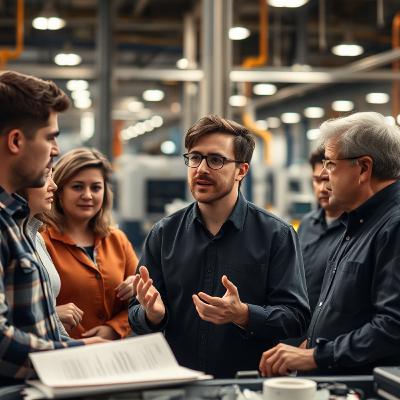
In this episode, we explore a simple idea that often gets overlooked in digital transformation: progress usually starts with basic, even “dumb” questions. Instead of jumping straight into tools and architectures, the focus is on slowing down and asking what really matters. Why do we need this data? Who will use it? What problem are we actually trying to solve? We talk about how skipping these questions leads to complex systems that look good but don’t deliver much value. And on the flip side, how simple, honest questions often uncover the real issues on the shop floor. It’s a calm, practical reminder that smarter manufacturing doesn’t begin with technology. It begins with clarity. For deeper reading and more real-world insights, visit iiotblog.com.

In this episode, we take a practical look at AIoT-driven autonomous systems in manufacturing and separate real progress from wishful thinking. The idea sounds simple: combine AI with connected machines so systems can make decisions on their own. But the reality is more nuanced. We explore where autonomy already works well, such as anomaly detection, adaptive process adjustments, and automated responses to known conditions. At the same time, we talk about the limits — messy data, changing production contexts, and the ongoing need for human judgment. It’s a grounded conversation about how autonomy grows step by step in industrial environments, not through big leaps but through careful improvements built on reliable data and clear process understanding. For deeper reading and more real-world insights, visit iiotblog.com.

In this episode, we step away from platforms, architectures, and dashboards to talk about the part of digital transformation that matters most: people. Technology often gets the spotlight, but real change usually depends on something quieter — trust, collaboration, and how teams actually work together. We explore why many transformation efforts stall even when the technology is solid, and how culture, incentives, and communication shape the outcome more than any tool. The conversation reflects on the idea that every digital system sits on top of a human system, and if that foundation is ignored, progress becomes fragile. It’s a calm, thoughtful look at the social side of transformation — the part that rarely appears in architecture diagrams but often decides whether change succeeds. For deeper reading and more real-world insights, visit iiotblog.com.

In this episode, we explore why i3X is starting to matter in conversations about industrial data interoperability. Many factories still struggle with systems that don’t easily talk to each other, leading to custom integrations that are hard to maintain. i3X approaches the problem from a different angle — focusing on shared models and reusable components so teams don’t have to rebuild the same connections over and over again. The discussion looks at what makes interoperability so difficult in manufacturing and why standards alone often aren’t enough. It’s a calm, practical look at how i3X could help simplify integration work and reduce the long-term complexity of industrial data systems. For deeper reading and more real-world insights, visit iiotblog.com.
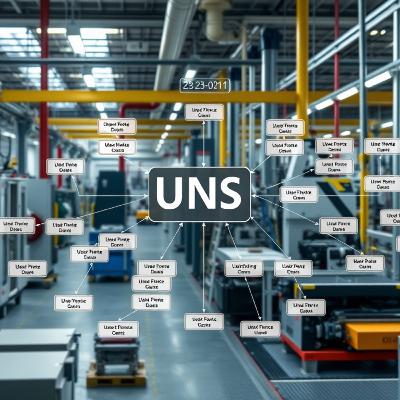
In this episode, we explore a simple but often overlooked idea: manufacturing AI only works when the data is ready for it. Before models, predictions, or chat interfaces, there needs to be structure, context, and reliable data flow. The discussion looks at how a Unified Namespace (UNS) and Sparkplug B help create that foundation by organizing machine data, maintaining state, and keeping systems aligned. We talk about why many AI experiments struggle when the underlying data architecture is messy, and how clear data structure can make advanced analytics far easier to build and maintain. It’s a calm, practical conversation about preparing factories for AI the right way — starting with the data layer. For deeper reading and more real-world insights, visit iiotblog.com.

In this episode, we explore how the Model Context Protocol (MCP) is changing what it means to “chat” with factory data. For a long time, conversational interfaces with industrial systems felt like demos — impressive for simple questions, but fragile when real engineering problems showed up. MCP begins to shift that. Instead of treating chat as a layer on top of data, it connects AI tools directly to structured industrial context. We walk through why factory data is often messy, fragmented, and hard to reason about, and how MCP can turn conversational interfaces into something closer to an engineering tool. The conversation stays practical, focusing on real shop-floor data and the challenges behind making it usable. For deeper reading and more real-world insights, visit iiotblog.com.
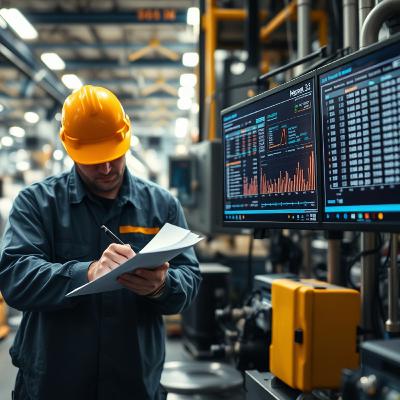
In this episode, we take a calm and honest look at a sensitive topic in manufacturing: your OEE numbers might not be telling the full truth. We explore why OEE often looks clean on dashboards but hides data gaps, inconsistent definitions, and signals that don’t reflect what’s really happening on the shop floor. From PLC tags that don’t match reality to manual overrides that skew performance, small issues can quietly distort the big picture. The discussion focuses on what usually goes wrong and how teams can rebuild trust in their metrics — not by adding more charts, but by fixing the foundation. If OEE feels more political than practical in your plant, this conversation will sound familiar. For deeper reading and more real-world insights, visit iiotblog.com.

In this episode, we explore what it really means to build an IIoT solution portfolio — not just choosing a platform, but turning it into something teams can actually use and scale. The conversation looks at why many portfolios stall after the technology decision, and how value only shows up when solutions become repeatable, understandable, and grounded in real operations. We talk about the gap between demos and day-to-day use, the role of standards and patterns, and why practice matters more than features. It’s a calm, practical reflection on moving from “we bought the platform” to “this is how we deliver results.” Less theory, more reality, and a few lessons learned along the way. For deeper reading and more real-world insights, visit iiotblog.com.
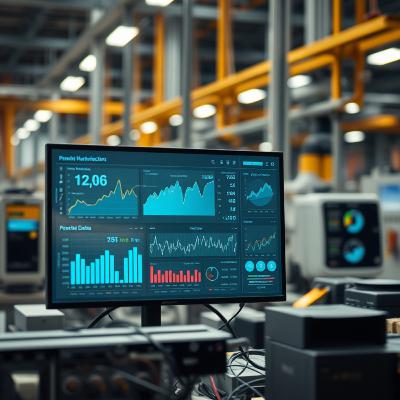
In this episode, we talk about a simple truth that trips up many IIoT projects: raw numbers don’t mean much without context. Streaming data from machines is easy. Understanding what that data represents, when it matters, and how it should be used is the hard part. We explore why context turns signals into insight, and how missing context leads to confusion, bad decisions, or dashboards no one trusts. The conversation walks through real shop-floor examples where the same value meant different things depending on the process, the state of the machine, or the moment in time. It’s a calm, practical look at why smarter manufacturing starts with better understanding, not more data. For deeper reading and more real-world insights, visit iiotblog.com.
In this episode, we share a thoughtful take on what really matters going into the ProveIt! Conference 2026. Instead of chasing announcements or polished demos, the focus is on expectations that feel more grounded: honest conversations, lessons from what didn’t work, and clearer proof of what actually delivers value in IIoT and manufacturing. The discussion looks at what makes events like this useful — real use cases, open dialogue between vendors and practitioners, and fewer slides that pretend everything is easy. It’s a calm, slightly curious reflection on what would make a conference worth the time for people working in the field, and what signals real progress versus noise. For deeper reading and more real-world perspectives, visit iiotblog.com.

In this episode, we talk about a quiet problem many factories are facing right now: valuable shop-floor knowledge walking out the door. As experienced operators retire or move on, a lot of practical know-how goes with them. We explore how AI and IIoT can help capture, share, and preserve that knowledge — not by replacing people, but by supporting the next generation. The discussion looks at real examples, like using data, context, and simple tools to document how work is actually done, not just how it’s written in procedures. It also touches on the limits, because not everything can or should be automated. It’s a thoughtful, human look at how technology can help keep experience alive on the shop floor. For deeper reading and more real-world insights, visit iiotblog.com.

In this episode, we talk about what it really takes to build an IIoT business case that people actually believe. Not a deck full of big numbers, but a clear story that connects technology to real operational problems. The discussion looks at where business cases often go wrong — vague benefits, unrealistic savings, or skipping the hard questions around cost, risk, and ownership. We also explore what helps instead: starting small, tying use cases to measurable outcomes, and being honest about trade-offs. It’s a calm, practical conversation for anyone trying to explain why an IIoT initiative is worth doing — especially to leaders who care more about impact than architecture diagrams. For deeper reading and more real-world insights, visit iiotblog.com.

In this episode, we explore why a Unified Namespace (UNS) is often described as the architectural backbone of modern IIoT systems. Instead of focusing on tools or vendors, the discussion looks at structure — how data is organized, shared, and understood across teams and systems. We talk about why UNS helps reduce duplication, simplify integrations, and create a single source of truth that both IT and OT can trust. The conversation also touches on common misconceptions, early mistakes teams make, and why UNS is more about discipline than technology. It’s a calm, practical look at how a clear data structure can make complex industrial environments easier to scale and maintain over time. For deeper reading and more real-world insights, visit iiotblog.com.

In this episode, we follow manufacturing data on its full journey — from sensors and PLCs on the shop floor all the way to cloud dashboards and analytics. It sounds simple, but the path is anything but. We walk through what actually happens in between: gateways, protocols, buffering, context, and the many places where things can slow down or break. The conversation focuses on real-world flows, not ideal diagrams, and explains why latency, reliability, and data quality depend on choices made early in the architecture. It’s a clear, practical look at how industrial data moves, why the “middle” matters most, and how small design decisions shape everything downstream. For deeper reading and more real-world insights, visit iiotblog.com.

In this episode, we take an honest look at the less visible costs of going cloud-native with IIoT — the ones that rarely show up in vendor presentations. Beyond compute and storage, there are data transfer fees, operational overhead, integration effort, and the long-term cost of moving data in and out of platforms. We talk about how these costs quietly add up over time, especially at scale, and why teams often discover them only after systems are live. The discussion isn’t anti-cloud. It’s about understanding trade-offs, asking better questions early, and designing architectures that stay sustainable in the long run. If you’ve ever been surprised by a cloud bill or struggled to explain it, this episode will feel familiar. For deeper reading and more real-world insights, visit iiotblog.com.
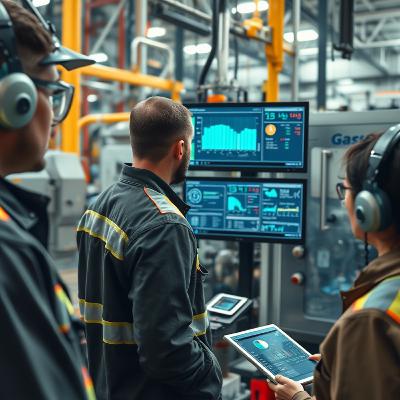
In this episode, we look ahead to the IIoT use cases that are gaining real traction as we move into 2026. This isn’t a wish list or a collection of shiny ideas. It’s a grounded look at where teams are actually investing time and effort — from maintenance and quality to energy, logistics, and operator support. We talk about why these use cases matter now, what’s making them easier to deploy than before, and where expectations still need to be realistic. The focus stays on practical value, not technology for its own sake. If you’re trying to decide where IIoT can make a difference next year, this conversation helps separate what’s promising from what’s still experimental. For deeper reading and more real-world insights, visit iiotblog.com.
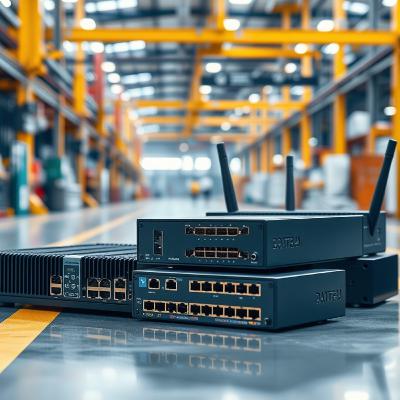
In this episode, we clear up a common source of confusion in industrial projects: the difference between an IIoT gateway, an edge computer, and an industrial router. These terms are often used interchangeably, but they play very different roles once you’re on the shop floor. We walk through what each device is actually designed to do, where it fits in an architecture, and why choosing the wrong one can quietly create problems later. The conversation stays practical and grounded, focused on real scenarios like connecting legacy machines, handling data close to equipment, and moving information securely to the cloud. It’s not about brands or specs, just about understanding purpose and fit. For deeper explanations and more real-world insights, visit iiotblog.com.
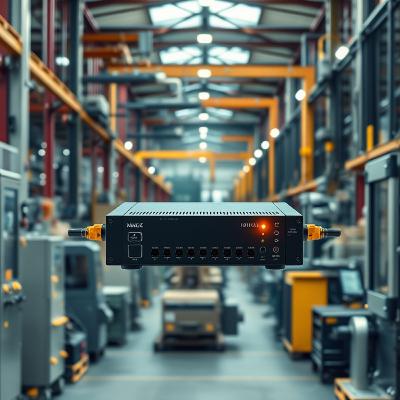
In this episode, we take a practical look at IIoT gateway devices that are worth watching as we move into 2026. This isn’t a ranking and it’s not about specs on a datasheet. It’s about how these devices behave in real industrial environments — connecting legacy machines, handling multiple protocols, surviving harsh conditions, and quietly doing their job every day. We talk about why gateways still matter, how their role is evolving, and what teams often overlook when choosing one. The focus stays on reliability, lifecycle, and fit for purpose, not marketing claims. It’s a calm, experience-based walkthrough for anyone building or modernizing shop-floor connectivity. For deeper reading and more real-world insights, visit iiotblog.com.

In this episode, we go back to a sugar mill in Brazil, at a time when IIoT wasn’t a term anyone used yet — but many of the same challenges already existed. It’s a reflection on early attempts to connect equipment, collect production data, and give operators better visibility into what was happening on the floor. The tools were basic, the networks were fragile, and most solutions were built with a lot of creativity and patience. We talk about what those early projects taught us about reliability, simplicity, and working closely with operations. It’s a reminder that while technology keeps evolving, the core problems in manufacturing often stay the same — and so do the lessons. For deeper reading and more real-world insights, visit iiotblog.com.

In this episode, we look at IT and OT integration through the lens of the pulp and paper industry. It’s a setting where uptime is critical, processes run continuously, and small changes can have big consequences. The conversation reflects on real lessons learned while trying to connect enterprise systems with shop-floor operations — where expectations often clash and assumptions get tested quickly. We talk about why integration is rarely just a technical problem, how trust between teams shapes outcomes, and why understanding the process matters as much as understanding the systems. It’s a calm, practical look at what actually helps IT and OT work together in heavy industry, without pretending there’s a one-size-fits-all solution. For deeper reading and more real-world insights, visit iiotblog.com.

Comments

Download from Google Play

Download from App Store
 United States