


 Claim Ownership
WonkCast: People Power Policy
Subscribed: 3Played: 36
Subscribe

© Child Welfare Wonk
Description
Conversations with Child Welfare Wonk Founder & President Zach Laris, spotlighting the people, ideas, and tensions shaping child and family policy.
www.childwelfarewonk.com
www.childwelfarewonk.com
43 Episodes
Reverse
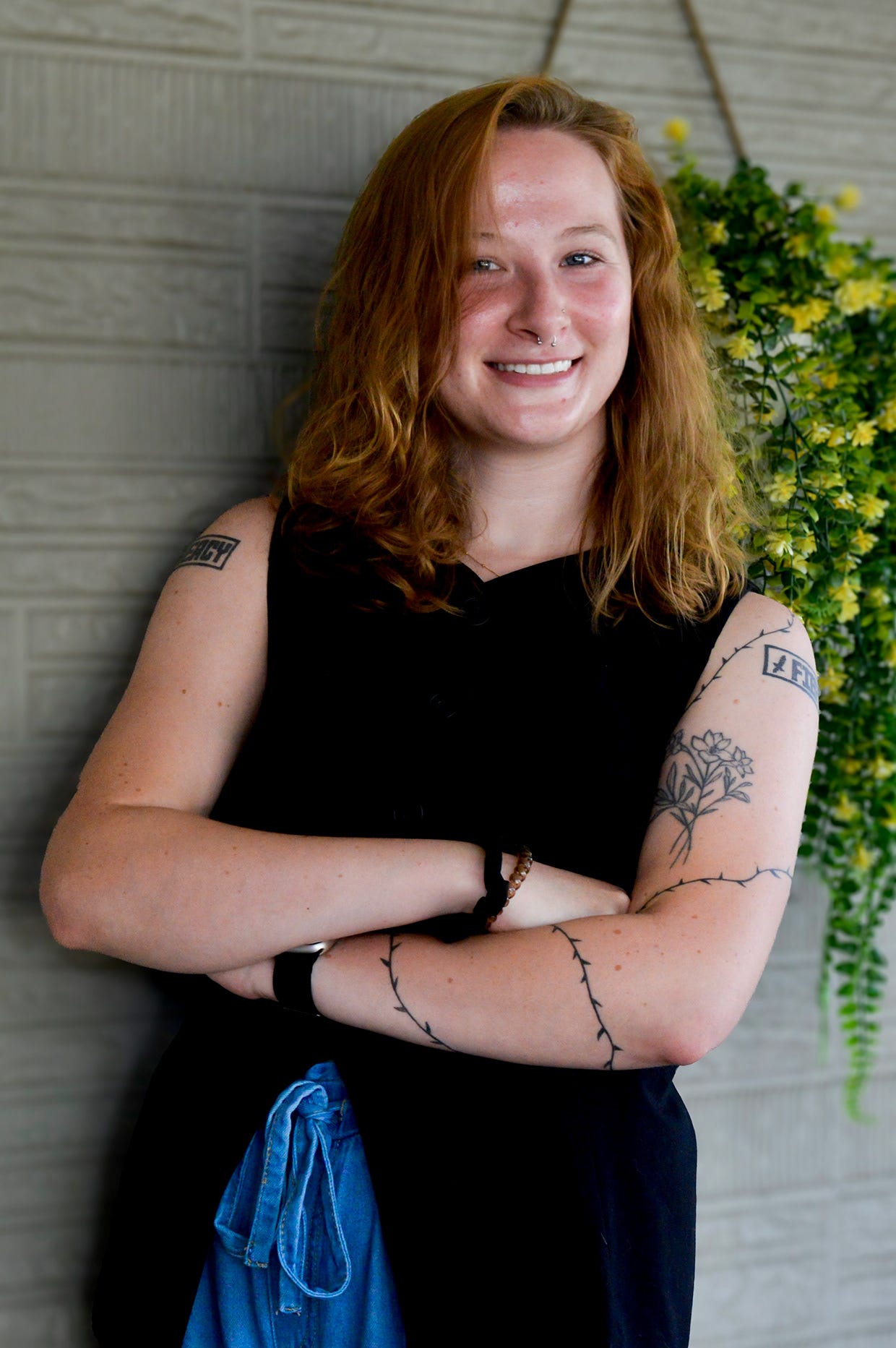
Episode #42: Sierra BurnsWelcome to our latest edition of WonkCast: People Power Policy.Turning an idea into an enacted policy takes years of infrastructure building, hard work, and well-timed luck.When something takes that much time and investment, it can feel like a culmination.By notching some big developments early in her advocacy career, today’s guest has learned that what feels like the peak is often actually just the end of the beginning.Sierra Burns has experienced a high-velocity advocacy trajectory, from successfully advocating to extend foster care in South Carolina, to being a guest of First Lady Melania Trump at the 2026 State of the Union address.We talked about what it takes to turn a policy from advocacy win into reality, what she’s learned from her advocacy for housing vouchers, and what it looks like to approach lived experience as a capability rather than an identity.As federal policymakers continue work on older youth policy, Sierra offers insights to inform current and future conversations, and to equip the next generation of advocates. This is a public episode. If you would like to discuss this with other subscribers or get access to bonus episodes, visit www.childwelfarewonk.com
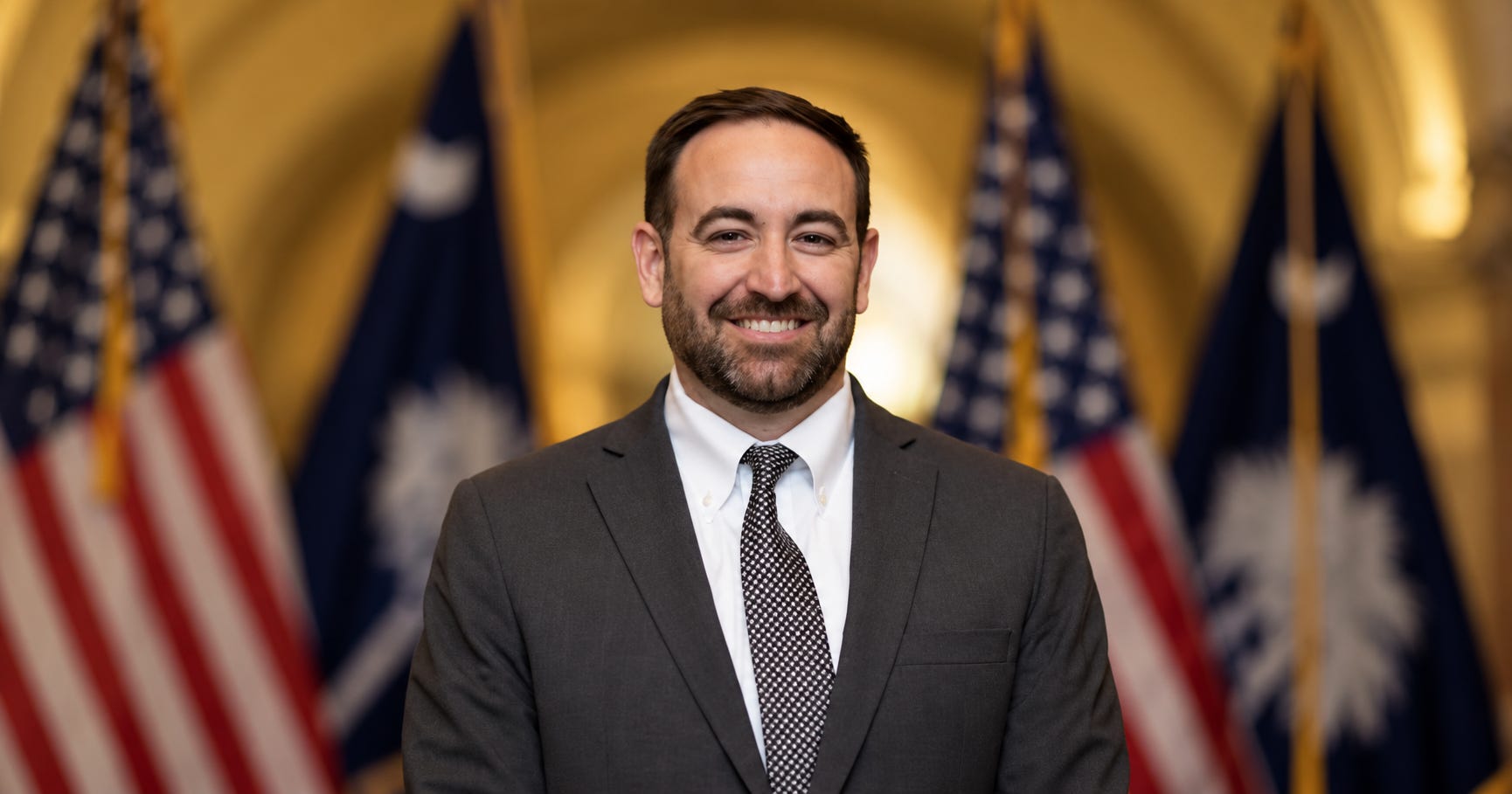
Episode #41: Mike LeachWelcome to our latest edition of WonkCast: People Power Policy.Public sector accountability can easily drift into process theater, rewarding caution over outcomes.Today’s guest ascribes this trend in child welfare to an institutional risk aversion that is as rational in the near-term as it is corrosive in the long-term.Mike Leach ran the South Carolina Department of Social Services underGovernor Henry McMaster, and held senior roles in Tennessee’s Department of Children’s Services. Today, he’s the Chief External Engagement Officer at Think of Us.We talked about the key role agency leaders play in shaping the decision making environment within their institution, and why seemingly rational decisions to reduce risk can create far worse outcomes in aggregate.We also talked about litigation and consent decrees, and how he sees them as both a symptom of these challenges and an amplifier of them.This conversation illuminates some of the top impediments to visionary leadership for agency leaders, and some of the strategies that have surmounted them.At a moment when Congress is looking to update the older-youth focused Chafee program, it’s especially instructive for anyone looking for new approaches. This is a public episode. If you would like to discuss this with other subscribers or get access to bonus episodes, visit www.childwelfarewonk.com

Episode #40: Vicki ShaboWelcome to our latest edition of WonkCast: People Power Policy.As we continue digging into paid leave, it’s a perfect encapsulation of a key question for child and family policy development; is policy design an overture to broker political compromise, or an instrument to memorialize one?Much policy and political debate assumes the former.If you look at the example of paid leave, there’s no shortage of punditry suggesting that the way to widen the tent of support is to channel your inner cattle auctioneer, offering various versions of your proposal that scale back who it covers or with how much until there’s support.Those are the kinds of strategies that are ready at hand when you see policy design as an invitation to compromise.Today’s guest instead presumes that political coalition formulation precedes policy design, treating it as a covenant that captures compromise.Vicki Shabo is a Senior Fellow at New America’s Better Life Lab, where she leads work on gender equity and paid leave and care policy and strategy.She has played a central role in shaping strategy related to paid leave at the national and state level, and the way media narratives portray caregiving.We talked about why moving too quickly to policy design ends up smuggling genuine disagreements over vision and values into the minutia of benefit mechanics.We also discussed how the durability of any policy often emerges from the way it changes people’s behavior over time.Regardless of your policy priorities and preferences, this underscores the central role of offering clear and contestable visions to advance any sustainable child and family policy. This is a public episode. If you would like to discuss this with other subscribers or get access to bonus episodes, visit www.childwelfarewonk.com

Episode #39: Dawn HuckelbridgeWelcome to our latest edition of WonkCast: People Power Policy.It takes real capacity to turn even the most popular idea into a durable agenda for action.Paid leave encapsulates many of the friction points requiring that capacity to take an idea from popular concept to durable enacted framework.Most Americans can tell you that we’re among only a handful of developed countries without a national paid leave policy, even though the concept has widespread support.Where divergence emerges is on why.There are earnest debates over the best way to develop a policy and why, how to craft engaging messages about it, and the advocacy and political strategy to advance one.What is less debatable is that paid leave has moved from popular idea to credible policy.A national proposal came within a vote of enactment in 2021. 13 states and DC now have mandatory paid leave policies, and another ten have voluntary ones.Whenever you see policy acceleration of that kind, it’s worth looking beyond the individual efforts and organizations to the infrastructure making them possible.Today’s guest plays a pivotal role in building the capacity meant to make paid leave inevitable.Dawn Huckelbridge is the Founding Director of Paid Leave for All, a national campaign advocating for paid family and medical leave.We talked about what infrastructure was necessary to create prominence and momentum for the issue of paid leave, what went into that capacity building effort, and why.The takeaways go beyond paid leave itself to the designing, building, and stewardship of infrastructure for any big policy target, which will be beneficial for anyone who has led or funded an advocacy campaign, or wondered why their powerful policy idea keeps hitting resistance. This is a public episode. If you would like to discuss this with other subscribers or get access to bonus episodes, visit www.childwelfarewonk.com

Episode # 38: C.A.S.E. Co-Founder & CEO Debbie RileyWelcome to our latest edition of WonkCast: People Power Policy.What does a system misunderstand when it treats all forms of loss as the same?Policy and practice are quick to label children as “complex” when they’ve had contact with the child welfare system.It’s worth asking ourselves how much of that complexity we’re creating when we connect them to a mental health system whose response to unique grief is often “it’s just loss.”Today’s guest has spent her career building an institution with scalable approaches to serving the foreseeable impact that child welfare involvement has on families.Debbie Riley is the Co-Founder and CEO of the Center for Adoption Support and Education, or C.A.S.E., an institution building the field of adoption competent mental health.We talked about the structural barriers and opportunities to coordinate mental health and child welfare systems, what role Medicaid can play, and how to design an understanding of ambiguous loss into how we serve children and families in the child welfare system.This is essential for anyone interested in creating the tactical roadmap from where you are to your future vision for how it could look different. This is a public episode. If you would like to discuss this with other subscribers or get access to bonus episodes, visit www.childwelfarewonk.com

Comments

Download from Google Play

Download from App Store
 United States