


 Claim Ownership
I'll Allow it Nevada
Subscribed: 1Played: 0
Subscribe

© 2023
Description
Nevada judicial education quick access podcast.
49 Episodes
Reverse
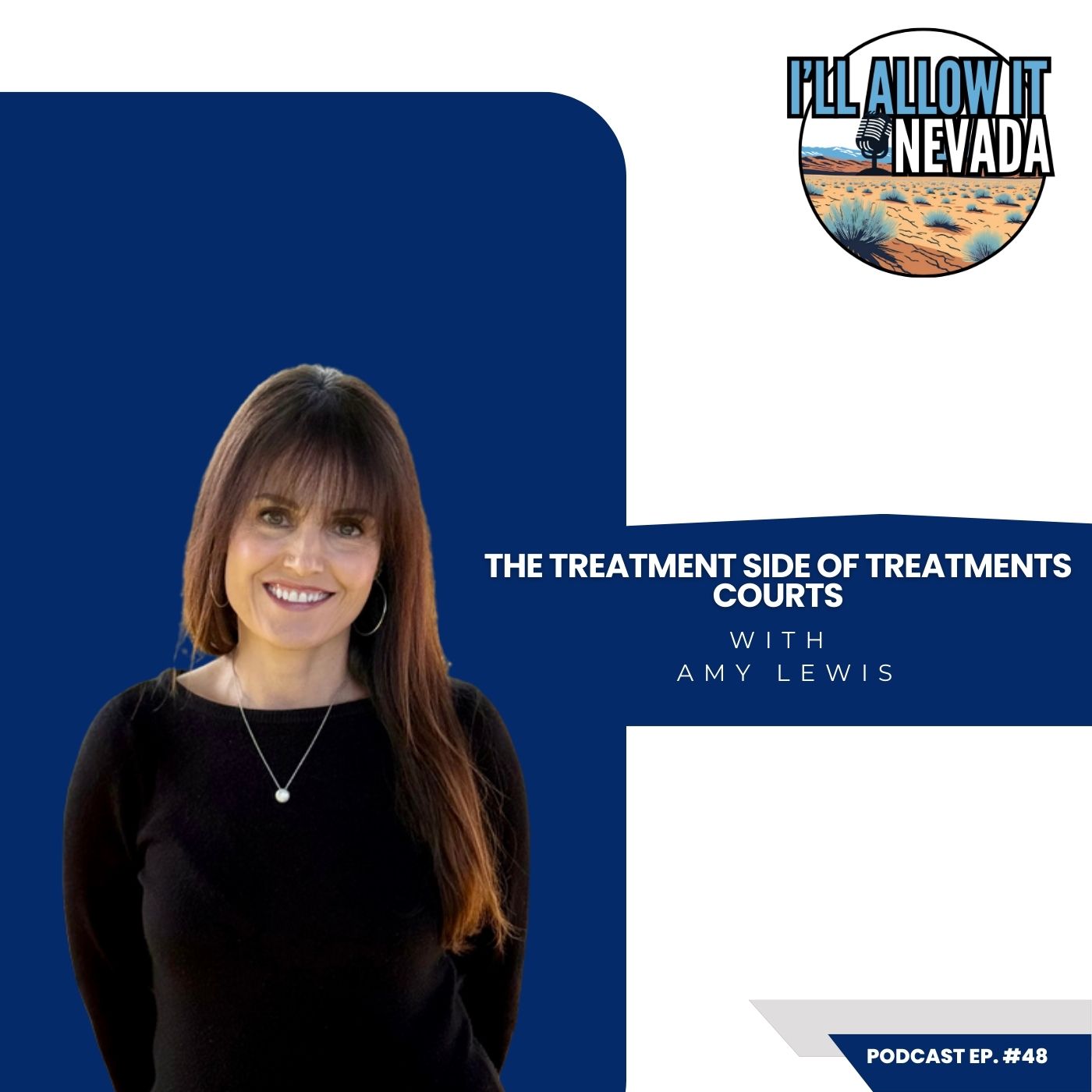
Description: Treatment courts are designed to support accountability, rehabilitation, and long-term recovery, but what does that look like from the treatment provider's perspective? In this episode of I'll Allow It, Nevada, we sit down with Amy Lewis, a seasoned provider working with treatment court participants, to explore how providers and courts collaborate to help individuals succeed. Amy shares insights on what makes these partnerships effective, the challenges participants face, and the opportunities to strengthen collaboration even further. Whether you're a judge, court staff member, or simply interested in how treatment courts operate, this conversation highlights the human side of the justice system and the crucial role treatment providers play in supporting recovery. State Bar of Nevada CLE Course ID: P_20251203_50632 Certificate of Attendance: https://ow.ly/ooSi50UnWjZ Learning Objectives: Describe the role of treatment providers in supporting treatment court participants, including the unique challenges and opportunities presented by court-involved clients. Identify strategies for effective collaboration between treatment providers and court staff, highlighting practices that enhance participant engagement and recovery outcomes. Recognize the impact of treatment court participation on long-term recovery, including examples of measurable progress and positive outcomes from the provider perspective. Faculty: Amy Lewis, Clinician Have an idea for an episode? We want to hear from you! Please fill out the topic suggestion form: https://forms.office.com/g/dxZgUWynAC Audience: Judges and court staff Legal professionals Educators Anyone interested in treatment courts CLE/CJE: 0.5 CLE/CJE credit hours are available until December 31, 2028.
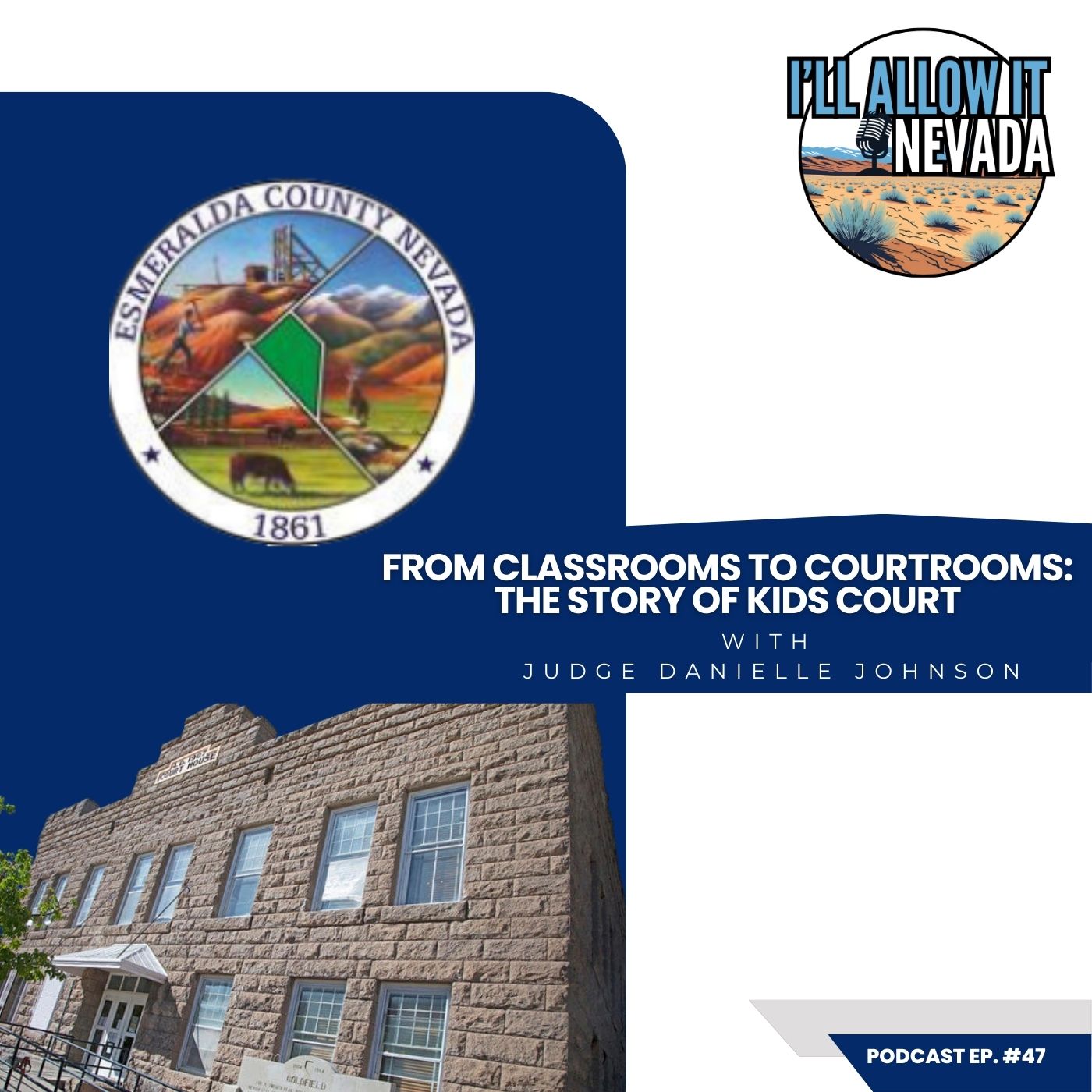
Description: What happens when a courtroom becomes a classroom? In this episode of I'll Allow It Nevada, Judge Danielle Johnson shares the story of Kids Court, the program she launched to help students better understand the justice system and their rights within it. Through weekly lessons and visits from justice professionals, Kids Court gives young Nevadans a chance to see behind the scenes and even participate in their own mock trial. Tune in for a conversation about education, empowerment, and community connection. State Bar of Nevada CLE Course ID: P_20251031_50632 Certificate of Attendance: https://ow.ly/ooSi50UnWjZ Learning Objectives: 1. Describe the purpose and structure of the Kids Court program and its role in promoting civic education in Esmerelda County. 2. Explain how early exposure to the justice system can shape students' understanding of the justice system. 3. Identify key strategies used by Judge Johnson to engage young learners in discussions about the justice system. 4. Recognize the value of judicial outreach programs in strengthening public trust and community connection. Faculty: Judge Danielle Johnson, Esmerelda County Justice of the Peace Have an idea for an episode? We want to hear from you! Please fill out the topic suggestion form: https://forms.office.com/g/dxZgUWynAC Audience: Judges and court staff Legal professionals Educators Anyone interested in kids court CLE/CJE: 0.5 CLE/CJE credit hours are available until December 31, 2028.

Description: On this episode of I'll Allow It, Nevada!, we are joined by Nevada Settlement Judge Ishi Kunin to explore the Nevada Supreme Court's Settlement Program, an alternative dispute resolution program designed to help parties resolve appellate cases through mediation. Settlement Judge Kunin explains how the program works, what parties and attorneys can expect when a case is assigned, and why mediation can be an effective and efficient path to resolution. Since its creation in 1997, the program has successfully settled over half of the cases referred to it, saving time, costs, and stress for those involved in appellate litigation. Whether you're an attorney, judge, or simply interested in how Nevada's courts promote collaboration and resolution, this episode offers a thoughtful look inside one of the judiciary's most impactful programs. State Bar of Nevada CLE Course ID: P_20251018_50632_1 Certificate of Attendance: https://ow.ly/ooSi50UnWjZ Learning Objectives: 1. Explain the purpose and structure of the Nevada Supreme Court Settlememnt Program. 2. Describe the role of a settlemement judge and how mediation differs from traditional appellate adjudication. 3. Identify the steps and procedures invloved when a case is referred to the Settlemement Program. 4. Recognize the advantages of mediation in the appellate process, including cost savings, risk reduction, and party-driven resolution. 5. Understand best practices for attorneys when preparing for participation in the Settlemement Program. Faculty: Ishi Kunin, Nevada Settlement Judge Have an idea for an episode? We want to hear from you! Please fill out the topic suggestion form: https://forms.office.com/g/dxZgUWynAC Audience: Judges and court staff Legal professionals Educators Anyone interested in mediation CLE/CJE: 0.5 CLE/CJE credit hours are available until December 31, 2028.
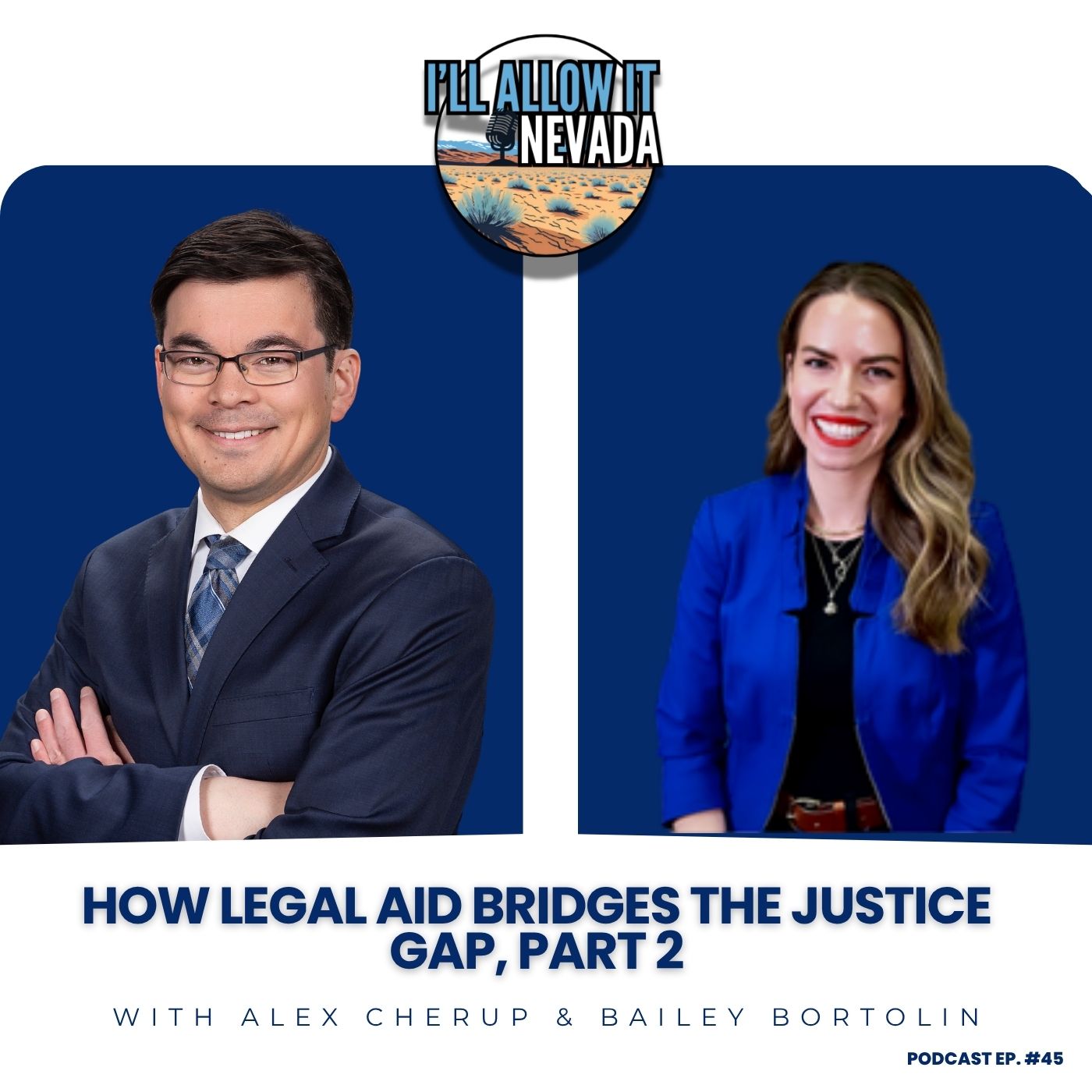
Description: Join us for part 2 of this episode of I'll Allow It Nevada, where we continue our conversation with two of Nevada's leading legal aid providers about their essential role in advancing access to justice. Alex Cherup and Bailey Bortolin discuss how legal aid organizations support Nevadans, the types of cases they handle, and the challenges faced in meeting growing community needs. The conversation also highlights how legal aid partners with the Nevada Supreme Court's Access to Justice Commission to bridge the justice gap and ensure that fairness and equity remain at the heart of Nevada's judicial system. State Bar of Nevada CLE Course ID: P_20250904_50632_1 Certificate of Attendance: https://ow.ly/ooSi50UnWjZ Learning Objectives: 1. Explain the mission and scope of Nevada's legal aid providers in serving vulnerable populations. 2. Identify the types of legal issues most commonly addressed by legal aid organizations in Nevada. 3. Discuss the challenges legal aid providers face in meeting the demand for services accross the state. 4. Assess the role of legal aid in promoting fairness, equirt, and confidence in Nevada's judicial system. Faculty: Alex Cherup, Nevada Legal Services Executive Director & Bailey Bortolin, Legal Aid Center of Southern Nevada Director of Advocacy Have an idea for an episode? We want to hear from you! Please fill out the topic suggestion form: https://forms.office.com/g/dxZgUWynAC Audience: Judges and court staff Legal professionals Educators Anyone interested in legal providers CLE/CJE: 0.5 CLE/CJE credit hours are available until December 31, 2028.
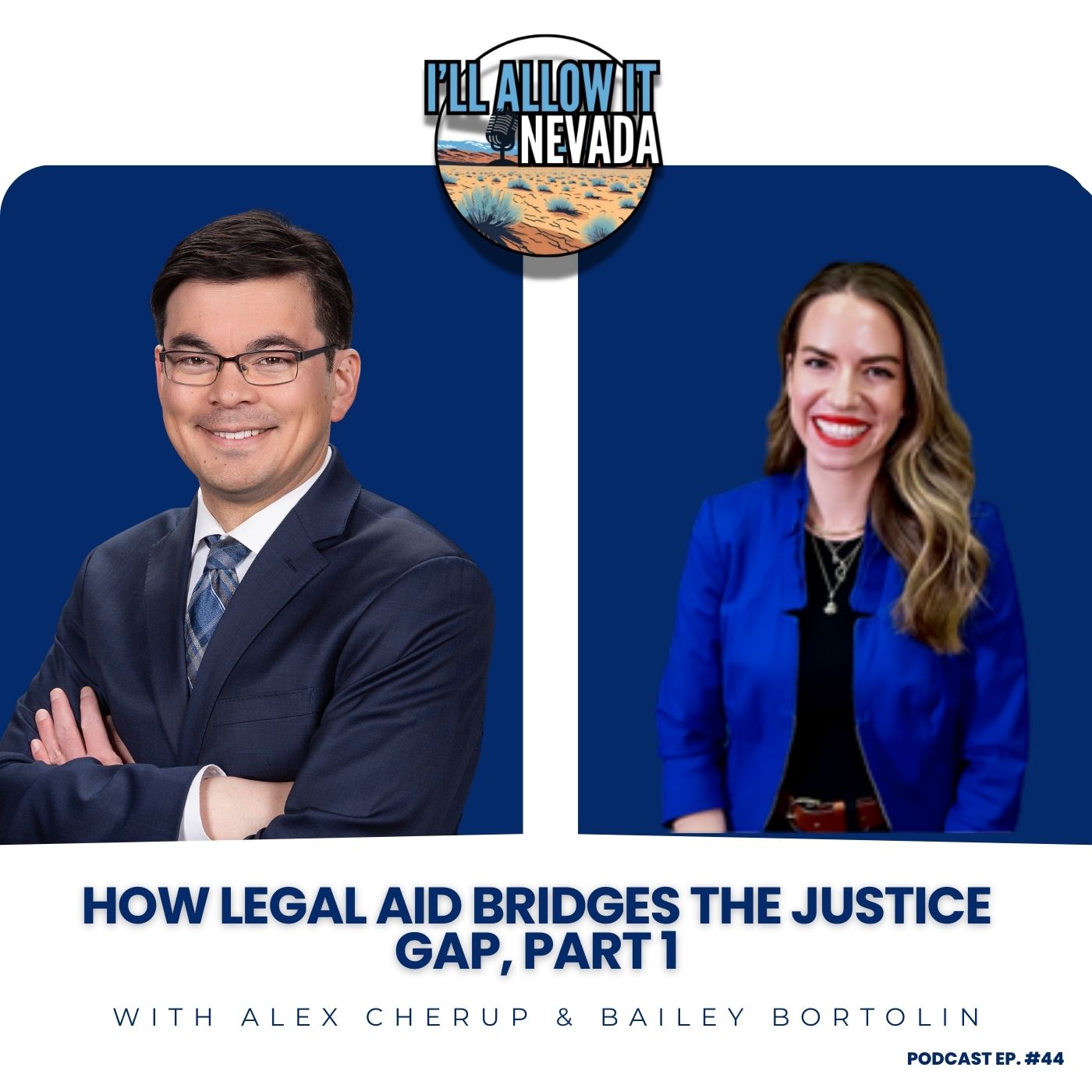
Description: Join us on this episode of I'll Allow It Nevada, where we speak with two of Nevada's leading legal aid providers about their essential role in advancing access to justice. Alex Cherup and Bailey Bortolin discuss how legal aid organizations support Nevadans, the types of cases they handle, and the challenges faced in meeting growing community needs. The conversation also highlights how legal aid partners with the Nevada Supreme Court's Access to Justice Commission to bridge the justice gap and ensure that fairness and equity remain at the heart of Nevada's judicial system. State Bar of Nevada CLE Course ID: P_20250816_50632 Certificate of Attendance: https://ow.ly/ooSi50UnWjZ Learning Objectives: 1. Explain the mission and scope of Nevada's legal aid providers in serving vulnerable populations. 2. Identify the types of legal issues most commonly addressed by legal aid organizations in Nevada. 3. Discuss the challenges legal aid providers face in meeting the demand for services accross the state. 4. Assess the role of legal aid in promoting fairness, equirt, and confidence in Nevada's judicial system. Faculty: Alex Cherup, Nevada Legal Services Executive Director & Bailey Bortolin, Legal Aid Center of Southern Nevada Director of Advocacy Have an idea for an episode? We want to hear from you! Please fill out the topic suggestion form: https://forms.office.com/g/dxZgUWynAC Audience: Judges and court staff Legal professionals Educators Anyone interested in legal providers CLE/CJE: 0.5 CLE/CJE credit hours are available until December 31, 2028.
Description: Join us on this episode of I'll Allow It Nevada as we discuss the Access to Justice Commission with Brad Lewis, Director of Access to Justice. We explore the Commission's mission to remove barriers and expand legal services for all Nevadans. From closing the justice gap to building partnerships with community organizations, Brad shares insights into how the Commission works to promote fairness, accessibility, and equity within the judicial system. Tune in to gain a deeper understanding of the challenges many face when navigating the courts and the efforts underway to make justice more accessible to everyone. State Bar of Nevada CLE Course ID: P_20250904_50632 Certificate of Attendance: https://ow.ly/ooSi50UnWjZ Learning Objectives: 1. Describe the mission and purpose of the Nevada Supreme Court's Access to Justice Commission. 2. Identify key barriers to accessing legal services faced by Nevadans, particularly underserved communities. 3. Explain the role of partnerships and initiatives in expanding access to justice across the state. 4. Assess the broader impact of access to justice initiatives on the fairness and equity of Nevada's judicial system. Faculty: Brad Lewis, State Bar of Nevada Have an idea for an episode? We want to hear from you! Please fill out the topic suggestion form: https://forms.office.com/g/dxZgUWynAC Audience: Judges and court staff Legal professionals Educators Anyone interested in access to justice CLE/CJE: 0.5 CLE/CJE credit hours are available until December 31, 2028.
Description: Join us on this episode of I'll Allow It Nevada as we discuss the Access to Justice Commission with Brad Lewis, Director of Access to Justice. We explore the Commission's mission to remove barriers and expand legal services for all Nevadans. From closing the justice gap to building partnerships with community organizations, Brad shares insights into how the Commission works to promote fairness, accessibility, and equity within the judicial system. Tune in to gain a deeper understanding of the challenges many face when navigating the courts and the efforts underway to make justice more accessible to everyone. State Bar of Nevada CLE Course ID: P_20250802_50632 Certificate of Attendance: https://ow.ly/ooSi50UnWjZ Learning Objectives: 1. Describe the mission and purpose of the Nevada Supreme Court's Access to Justice Commission. 2. Identify key barriers to accessing legal services faced by Nevadans, particularly underserved communities. 3. Explain the role of partnerships and initiatives in expanding access to justice across the state. 4. Assess the broader impact of access to justice initiatives on the fairness and equity of Nevada's judicial system. Faculty: Brad Lewis, State Bar of Nevada Have an idea for an episode? We want to hear from you! Please fill out the topic suggestion form: https://forms.office.com/g/dxZgUWynAC Audience: Judges and court staff Legal professionals Educators Anyone interested in access to justice CLE/CJE: 0.5 CLE/CJE credit hours are available until December 31, 2028.
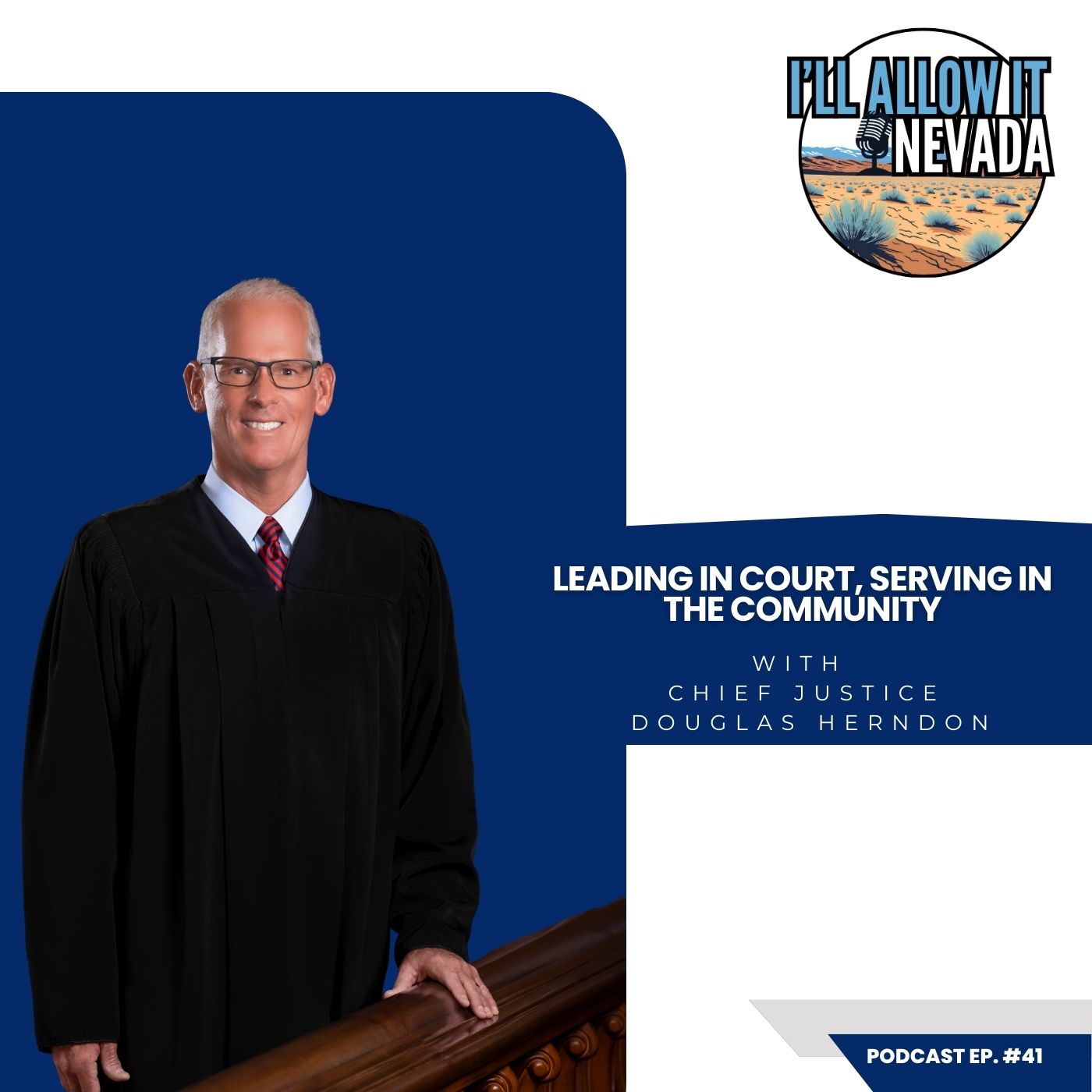
Description: In this episode of I'll Allow It Nevada, we are joined by Chief Justice Douglas Herndon to explore his journey from the trial bench to the Nevada Supreme Court. Chief Justice Herndon reflects on his years as a trial judge, the leadership roles that shaped his career and the lessons learned along the way. The conversation dives into the surprises of appellate work, the nuances of collaboration at the Supreme Court, and the weight of decisions that set precedent for the entire state. Chief Justice Herndon also shares why civics education remains one of his passions, and what he wishes the public better understood about the Court's role. Whether you're part of Nevada's legal community or simply curious about how justice is shaped at the top, this episode offers an inside look at the people, process, and perspective behind the Nevada Supreme Court. State Bar of Nevada CLE Course ID: P_20250813_50632 Certificate of Attendance: https://ow.ly/ooSi50UnWjZ Learning Objectives: 1. Describe the key differences between the role of a trial court judge and a Nevada Supreme Court justice. 2. Identify the primary adjustments faced when transitioning from a single-department judgeship to a multi-justice appellate court. 3. Recognize how prior trial court experience can inform and influence appellate decision-making. 4. Evaluate the importance of civics education and community outreach in maintaining public trust in the judiciary. Faculty: Chief Justice Douglas Herndon, Nevada Supreme Court Have an idea for an episode? We want to hear from you! Please fill out the topic suggestion form: https://forms.office.com/g/dxZgUWynAC Audience: Judges and court staff Legal professionals Educators CLE/CJE: 0.5 CLE/CJE credit hours are available until December 31, 2028.
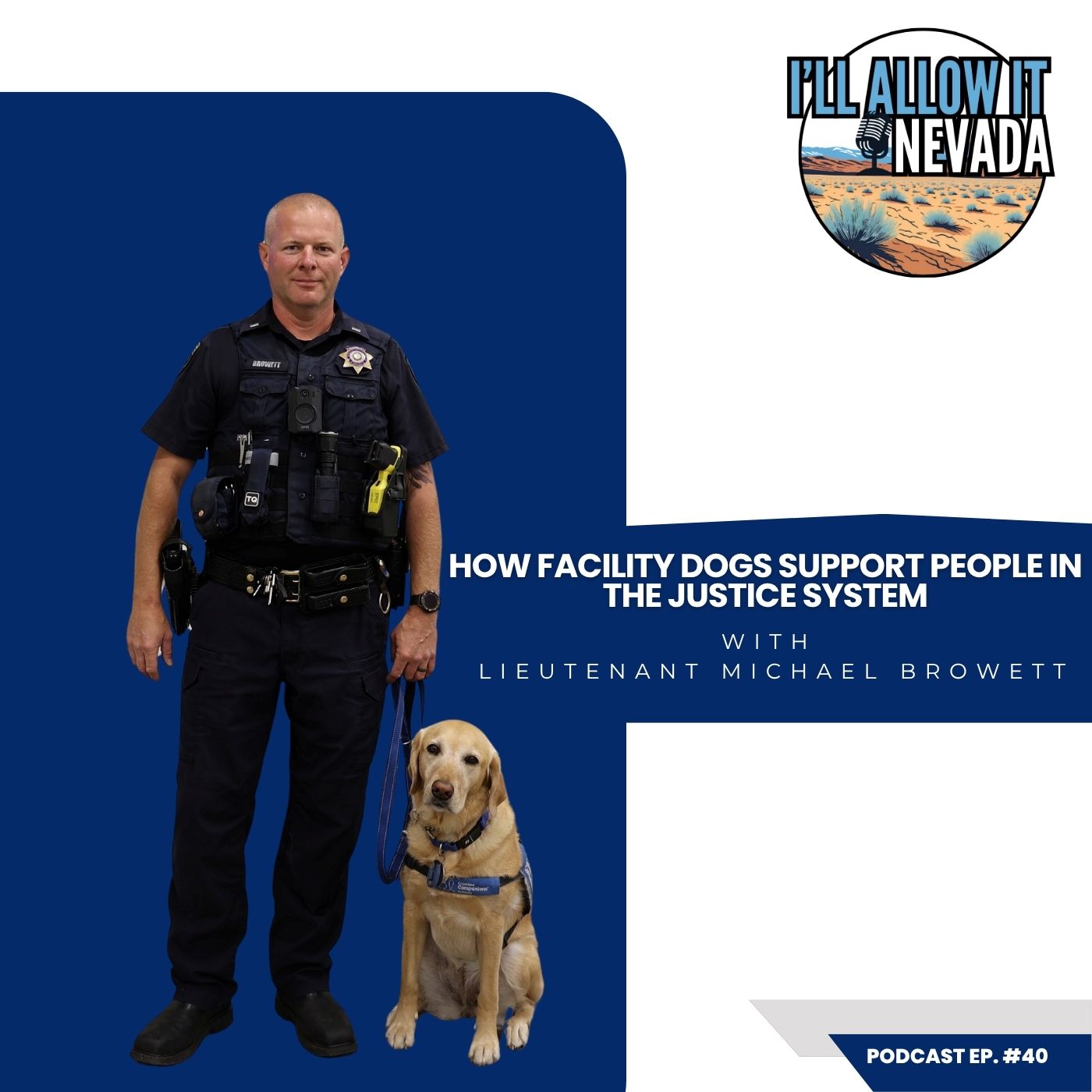
Description: In this episode of I'll Allow It Nevada, we explore the role of facility dogs in the justice system. Lieutenant Michael Browett, from the Reno Police Department, joins us to share how these highly trained canines support individuals involved in the justice system. We discuss how facility dogs are selected and trained, what sets them apart from other service animals, and the calming, supportive presence they bring to high-stress environments. Join us as we dig into how these dogs are impacting the experience of those in the justice system, one interaction at a time. State Bar of Nevada CLE Course ID: P_20250614_50632 Certificate of Attendance: https://ow.ly/ooSi50UnWjZ Learning Objectives: Define what a facility dog is and explain how it differs from other types of working dogs. 2. Describe the selection and training process for facility dogs. 3. Identify common environments where facility dogs are used within the justice system. 4. Recognize how facility dogs provide support to victims, witnesses, and justice system professionals. 5. Understand the handler's role and the importance of maintaining professional standards when working with facility dogs. Faculty: Lt. Michael Browett, Reno Police Department Have an idea for an episode? We want to hear from you! Please fill out the topic suggestion form: https://forms.office.com/g/dxZgUWynAC Audience: Judges and court staff Legal professionals Educators Anyone interested in facility dogs CLE/CJE: 0.5 CLE/CJE credit hours are available until December 31, 2028.
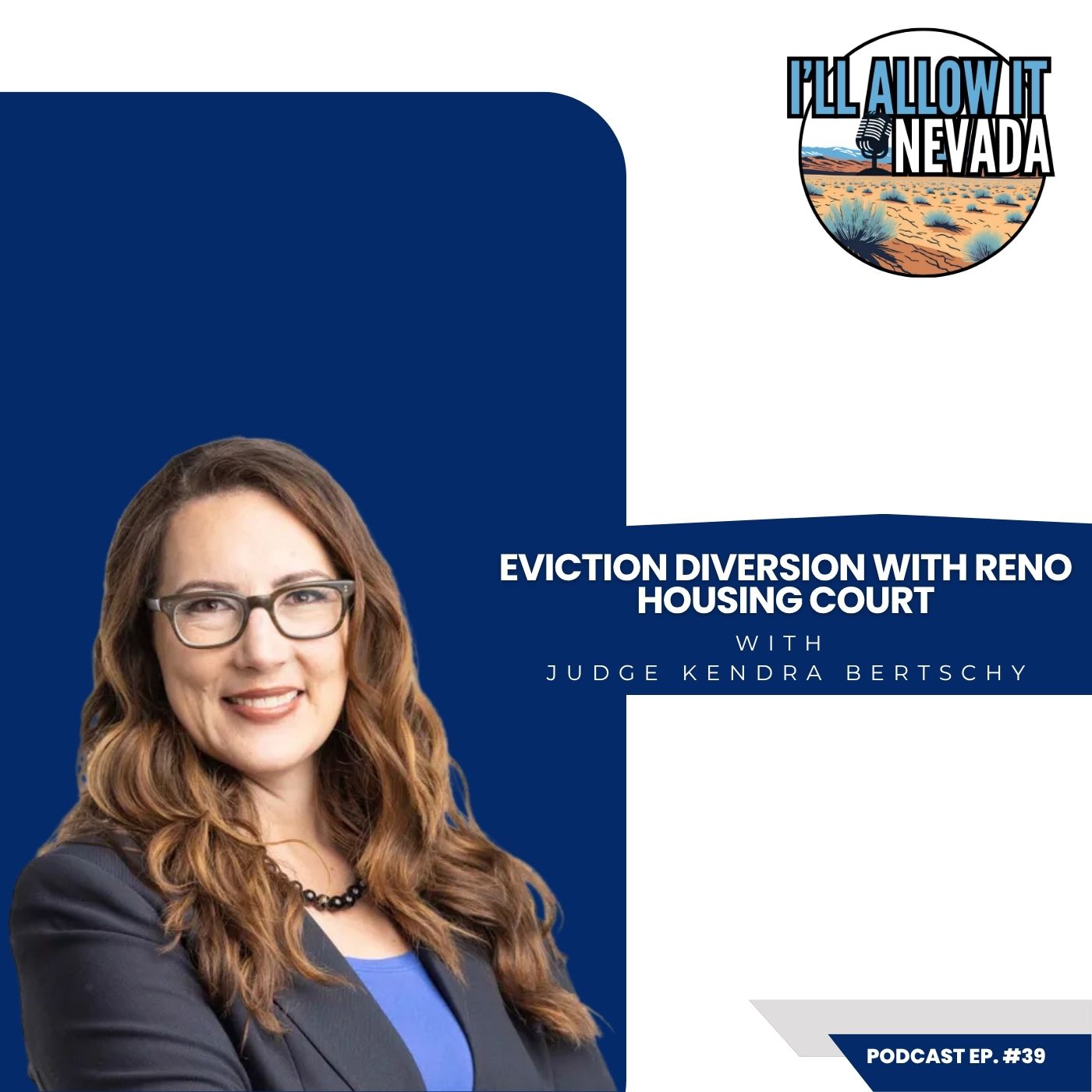
Description: Join us on I'll Allow It Nevada as we welcome Judge Kendra Bertschy of the Reno Justice Court to discuss the city's innovative eviction diversion program and the Housing Court's role in its implementation. Judge Bertschy explains how the program works, the criteria for participation, and the collaborative effort between courts and community partners to support both tenants and landlords. We also explore how wraparound services are helping prevent eviction, promote stability, and connect Nevadans with the resources they need to stay housed. State Bar of Nevada CLE Course ID: P_20250602_50632 Certificate of Attendance: https://ow.ly/ooSi50UnWjZ Learning Objectives: Understand the purpose and structure of Reno's eviction diversion program and Housing Court's role. Identify the eligibility criteria and support services available to tenants and landlords through the program. Recognize the collaborative role of the judiciary, city agencies, and community partners in preventing eviction and promoting housing stability. Explore how the court system addresses housing insecurity through early intervention, legal process adaptation, and resource coordination. Examine the impact of eviction on long-term housing prospects and the importance of early legal and financial intervention. Faculty: Judge Kendra Bertschy, Reno Justice Court Have an idea for an episode? We want to hear from you! Please fill out the topic suggestion form: https://forms.office.com/g/dxZgUWynAC Audience: Judges and court staff Legal professionals Educators Anyonr interested in eviction diversion CLE/CJE: 0.5 CLE/CJE credit hours are available until December 31, 2028.
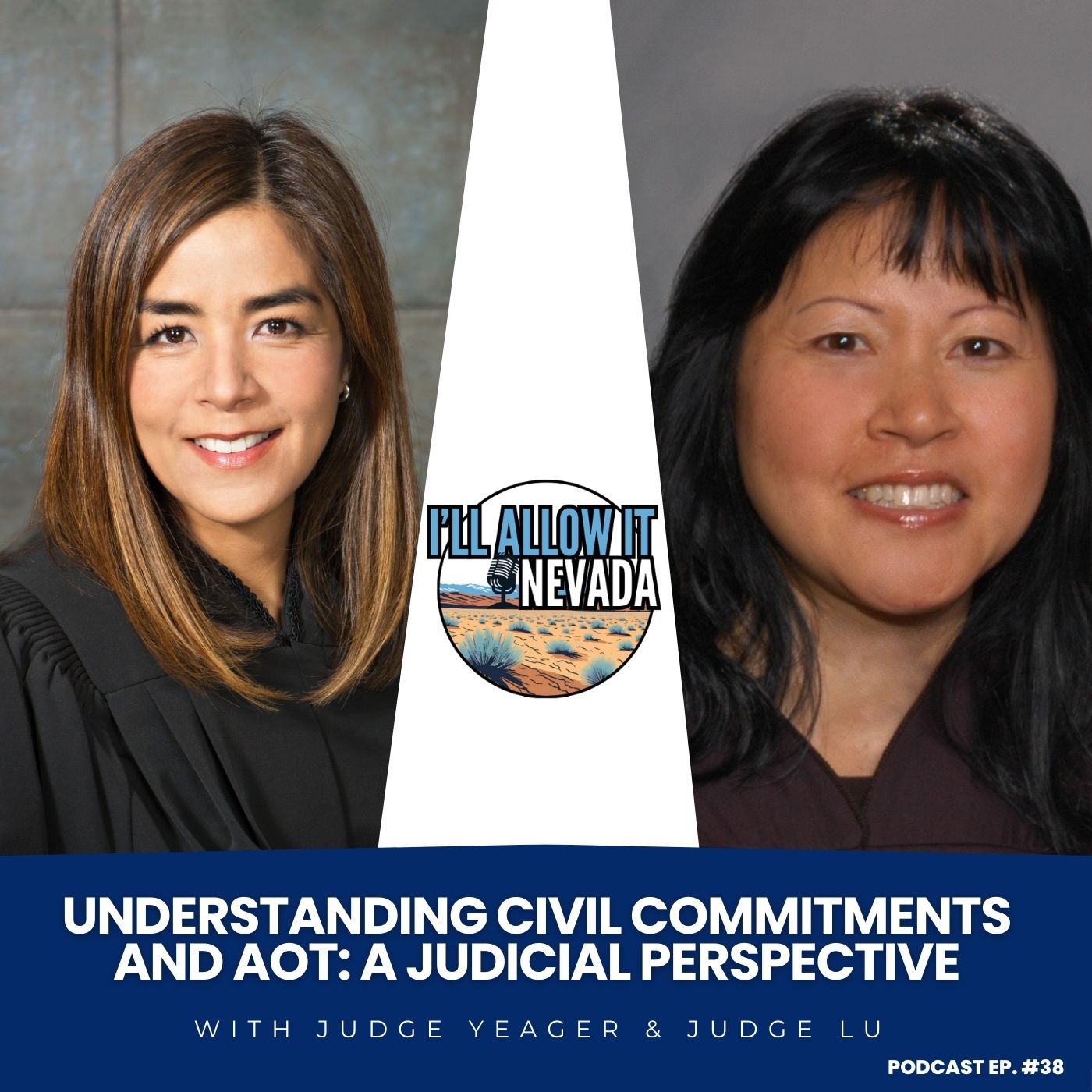
Description: In this episode of I'll Allow It Nevada, we welcome Judge Cynthia Lu of the Second Judicial District Court and Judge Bita Yeager of the Eighth Judicial District Court to the studio to explore civil commitments and Assisted Outpatient Treatment (AOT). Together, they unpack how these function in Nevada, the legal criteria involved, and the important role courts play in connecting individuals with serious mental illness to community-based care. The discussion also covers key processes such as walk-in petitions and mental health crisis holds, offering insight into how the legal system helps promote stability, prevent crises, and support individuals in maintaining safe and fulfilling lives in the community. Whether you're a legal professional, a mental health advocate, or simply interested in how Nevada's courts address mental health challenges, this episode offers valuable perspectives. State Bar of Nevada CLE Course ID: P_20250505_50632 Certificate of Attendance: https://ow.ly/ooSi50UnWjZ Learning Objectives: Describe the purpose and legal framework of civil commitments and Assisted Outpatient Treatment (AOT) in Nevada. Identify the criteria individuals must meet to qualify for AOT and the role of the judiciary in these cases. Explain the processes of walk-in petitions and mental health crisis holds as they relate to civil commitments. Recognize how AOT and civil commitments aim to prevent hospitalization, incarceration, and trauma by supporting individuals in community-based care. Discuss the impact of civil commitment proceedings on individuals, families, and the broader community. Faculty: Second Judicial District Court, Judge Cynthia Lu & Eighth Judicial District Court, Judge Bita Yeager Have an idea for an episode? We want to hear from you! Please fill out the topic suggestion form: https://forms.office.com/g/dxZgUWynAC Audience: Judges and court staff Legal professionals Educators CLE/CJE: 0.5 CLE/CJE credit hours are available until December 31, 2028.
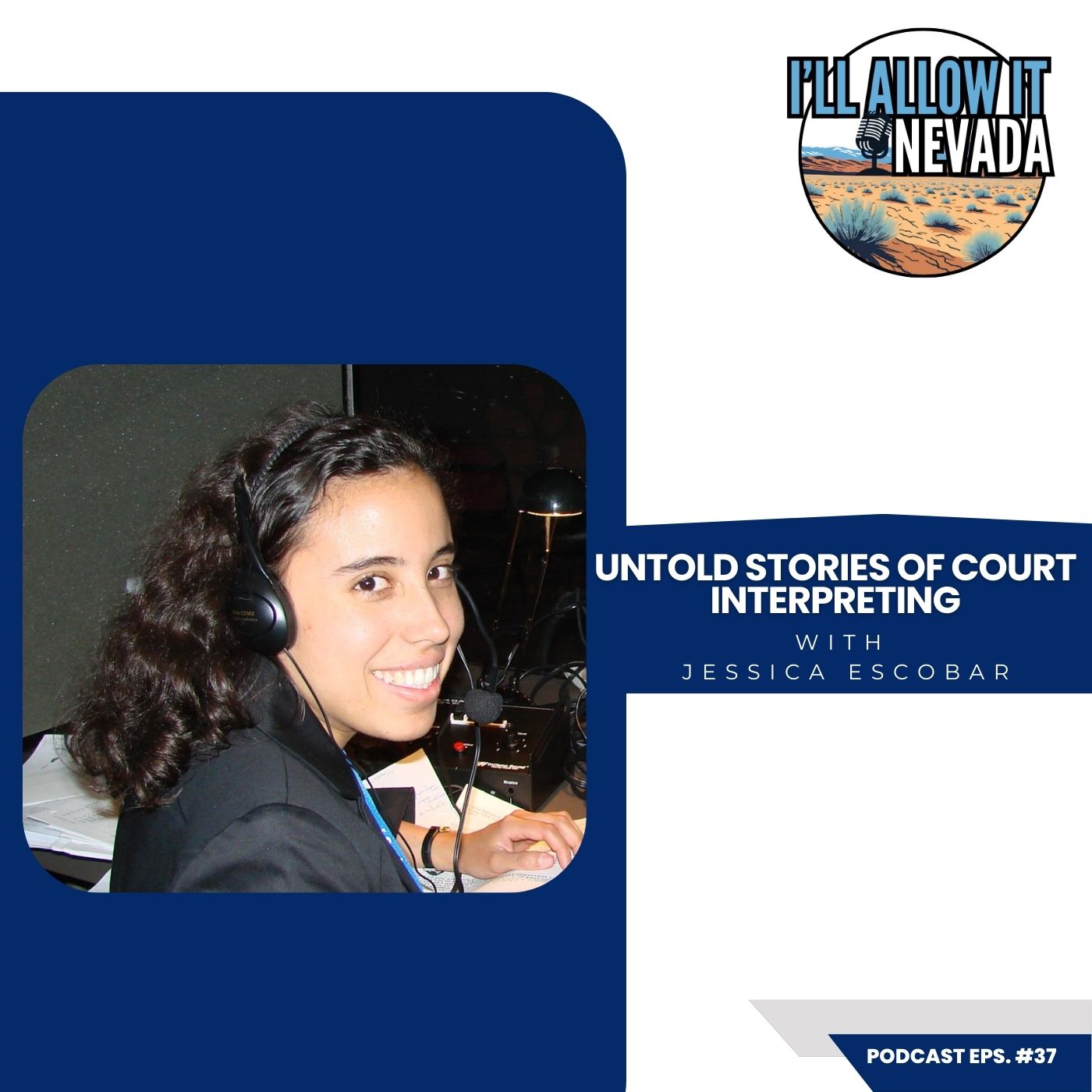
Description: In Part 2 of our conversation with Jessica Escobar, an experienced court interpreter for the Second Judicial District Court, we explore the deeply human side of courtroom interpreting. From emotionally charged testimony to traumatic case content, court interpreters often absorb the weight of the stories they help communicate. Jessica shares the unseen emotional toll of the job, the concept of vicarious trauma, and how interpreters carry the voices of others. This episode is a powerful reminder that interpreting is not just about language, it's about access, advocacy, and carrying stories that might otherwise go unheard. 🎙️ Part 1 offers a foundational look at the role of court interpreters. Be sure to listen if you haven't State Bar of Nevada CLE Course ID: P_20250404_50632 Certificate of Attendance: https://ow.ly/ooSi50UnWjZ Learning Objectives: Identify the primary responsibilities of court interpreters in legal proceedings. Describe the qualifications and skils required to accurately interpret in a courtroom setting. Explain the unique challenges court interpreters face. Assess the congnitive demands of interpreting in high-stakes legal environments. Recognize the critical role court interpreters play in protecting access to justice and ensuring meaningful participation for limited English proficiency (LEP) individuals. Faculty: Jessica Escobar, Court Interpreter, Second Judicial District Court Have an idea for an episode? We want to hear from you! Please fill out the topic suggestion form: https://forms.office.com/g/dxZgUWynAC Audience: Judges and court staff Legal professionals Educators Anyone interested in court interpreting CLE/CJE: 0.5 CLE/CJE credit hours are available until December 31, 2028.
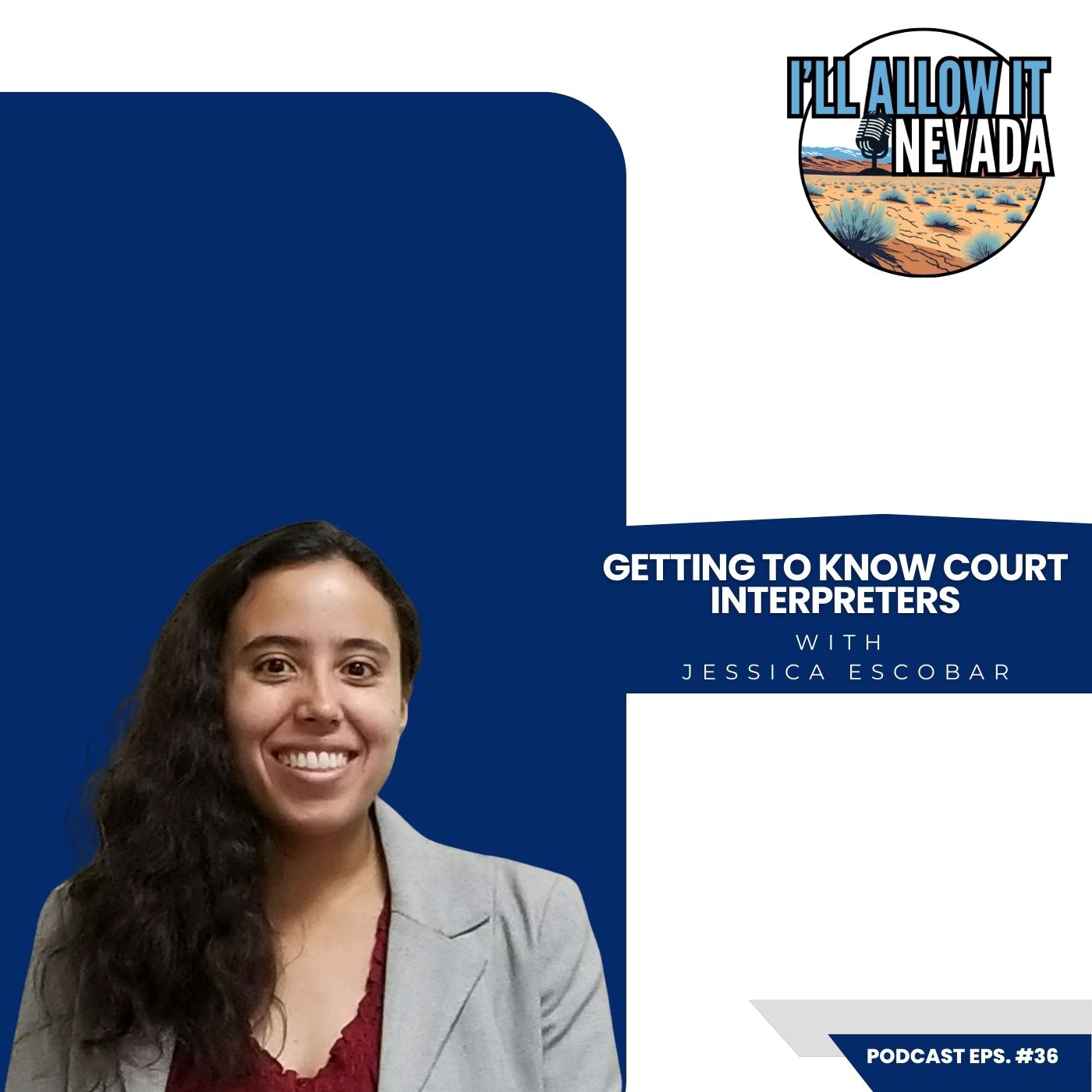
Description: In this episode of I'll Allow It Nevada, we are joined by Jessica Escobar, a court interpreter for the Second Judicial District Court, for an in-depth look at the essential role interpreters play in the courtroom. Jessica shares what it's like to interpret in legal settings, including the mental demands, the need for precision, and the unique challenges interpreters face when working in fast-paced, high-stakes environments. Tune in to gain insight into how interpreters help bridge the gap between language and justice, and why their role is essential in court proceedings. State Bar of Nevada CLE Course ID: P_20250331_50632 Certificate of Attendance: https://ow.ly/ooSi50UnWjZ Learning Objectives: Identify the primary responsibilities of court interpreters in legal proceedings. Describe the qualifications and skils required to accurately interpret in a courtroom setting. Explain the unique challenges court interpreters face. Assess the congnitive demands of interpreting in high-stakes legal environments. Recognize the critical role court interpreters play in protecting access to justice and ensuring meaningful participation for limited English proficiency (LEP) individuals. Faculty: Jessica Escobar, Court Interpreter, Second Judicial District Court Have an idea for an episode? We want to hear from you! Please fill out the topic suggestion form: https://forms.office.com/g/dxZgUWynAC Audience: Judges and court staff Legal professionals Educators Anyone interested in court interpreting CLE/CJE: 0.5 CLE/CJE credit hours are available until December 31, 2028.

Description: When navigating the legal system, people may not realize there's a crucial difference between legal information and legal advice. In this episode of I'll Allow It, Nevada, we meet with Emily Reed, Assistant Court Administrator for the Second Judicial District Court, to break down this important distinction. We discuss what court staff and legal professionals can and can't do, common misconceptions, and why understanding the difference is essential for anyone accessing the court's services. Tune in to learn how knowing the boundaries between legal information and legal advice can help you better navigate the courts. State Bar of Nevada CLE Course ID: P_20250228_50632 Certificate of Attendance: https://ow.ly/ooSi50UnWjZ Learning Objectives: 1. Describe the distinction between legal information and legal advice and why it matters. 2. Identify common examples of legal information versus legal advice and recognize the types of questions that fall into each category. 3. Recognize the challenges self-represented litigants face when seeking legal guidance and how they can access appropriate resources. 4. Assess the role of court staff in providing fair and impartial access to legal information. Faculty: Emily Reed, Assistant Court Administrator, Second Judicial District Court Have an idea for an episode? We want to hear from you! Please fill out the topic suggestion form: https://forms.office.com/g/dxZgUWynAC Audience: Judges and court staff Legal professionals Educators Anyone interested in court services CLE/CJE: 0.5 CLE/CJE credit hours are available until December 31, 2028.
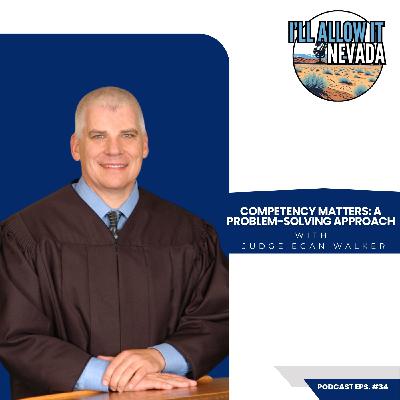
Description: In this episode of I'll Allow It, Nevada, we take a close look at Competency Court, an innovative program addressing delays in competency and restoration proceedings in Washoe County. Join our discussion with Judge Egan Walker as we explore how Competency Court combines collaboration, efficiency, and problem-solving to streamline cases, reduce backlogs, and provide meaningful alternatives to adjudication. From its mission to its impact on individuals and the community, this conversation highlights how the court is reshaping justice with fairness and compassion. State Bar of Nevada CLE Course ID: P_20250222_50632 Certificate of Attendance: https://ow.ly/ooSi50UnWjZ Learning Objectives: 1. Examine how Competency Court addresses delays in competency and restoration cases. 2. Discover how stakeholders work together within the court framework. 3. Identify the court's methods for streamlining cases and reducing backlogs. 4. Explore how diversion programs and treatment plans are used in suitable cases. 5. Analyze the court's effect on individuals and the Washoe County community. Faculty: Second Judicial District Court Judge Egan Walker Have an idea for an episode? We want to hear from you! Please fill out the topic suggestion form: https://forms.office.com/g/dxZgUWynAC Audience: Judges and court staff Legal professionals Educators Anyone interested in competency matters CLE/CJE: 0.5 CLE/CJE credit hours are available until December 31, 2028.

Description: In this episode of I'll Allow It Nevada, we explore transformative development in guardianship in Nevada with Kathleen McCloskey, Guardian Program Manager at the Supreme Court of Nevada Administrative Office of the Courts. Join us as we delve into the mission and impact of the Guardianship Program, a vital resource supporting Nevada's District Courts in managing guardianship cases. Discover how the program is ushering in a new era for guardianship in Nevada. Tune-in to learn how Nevada is improving its guardianship system to better serve its communities. State Bar of Nevada CLE Course ID: P_20241206_50632 Certificate of Attendance: https://ow.ly/ooSi50UnWjZ Learning Objectives: 1. Identify the purpose and functions of the Guardianship Program and its importance in supporting Nevada's District Courts. 2. Distinguish the various services offered, including financial reviews and investigations. 3. Learn about the creation of the Guardianship Compliance Office anfd its intended role in addressing guardianship challenges statewide. 4. Assess the Guardianship Program's impact on transforming guardianship in Nevada. Faculty: Kathleen McCloskey, AOC Guardianship Program Manager Have an idea for an episode? We want to hear from you! Please fill out the topic suggestion form: https://forms.office.com/g/dxZgUWynAC Audience: Judges and court staff Legal professionals Educators Anyone interested in guardianship CLE/CJE: 0.5 CLE/CJE credit hours are available until December 31, 2027.
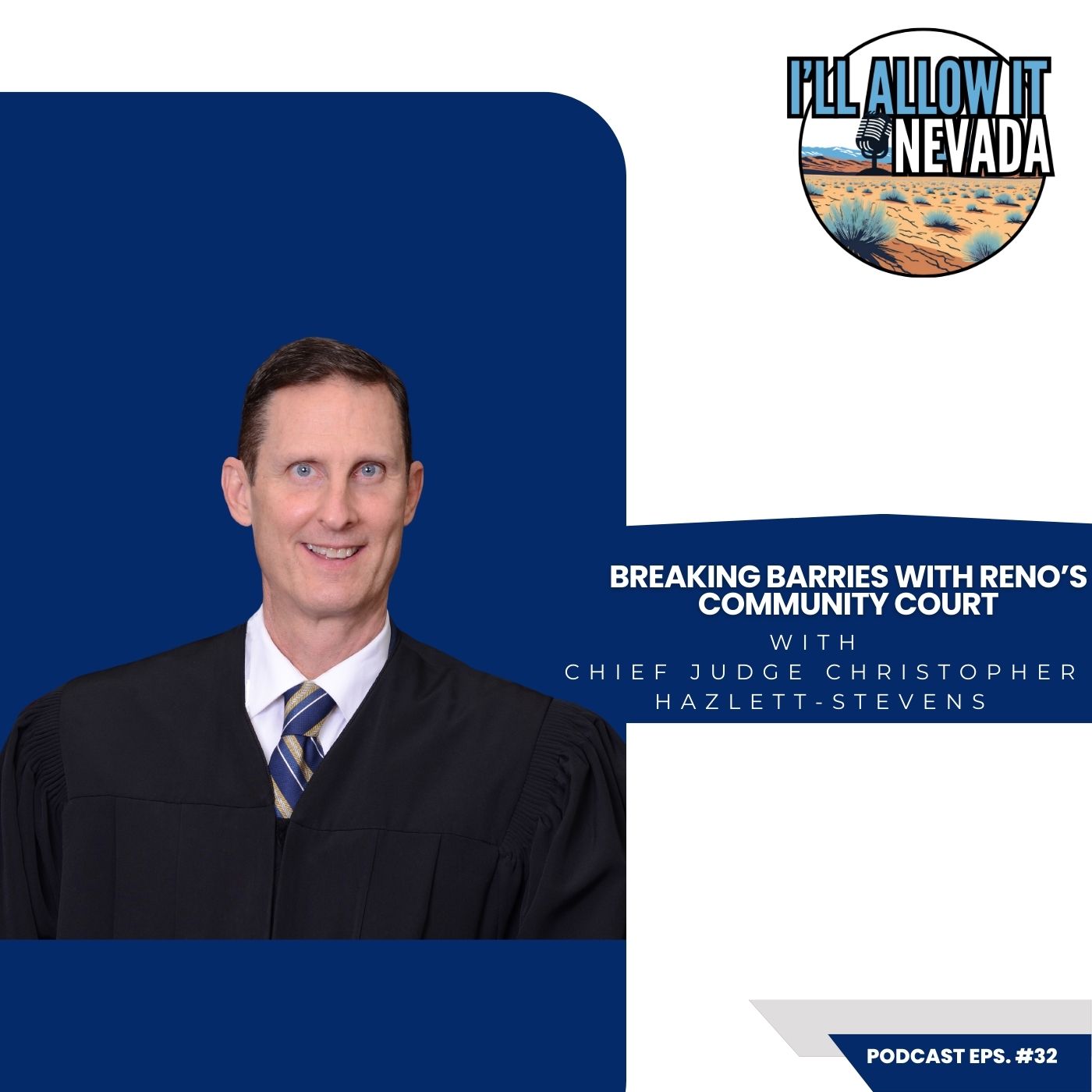
Description: Tune in to I'll Allow It Nevada as we are joined by Reno Municipal Court Chief Judge Christopher Hazlett-Stevens to explore an innovative approach to justice, Community Court. Designed to address quality of life offenses in Reno, this specialty court primarily serves the unhoused population by focusing on rehabilitation rather than punishment. Discover how this program collaborates with over 20 service providers to connect participants with critical resources like housing support, substance use treatment, mental health services, and more. Tune in to hear about the court's successes, challenges, and the profound impact it has had on the community since its inception in 2019. State Bar of Nevada CLE Course ID: P_20241025_50632 Certificate of Attendance: https://ow.ly/ooSi50UnWjZ Learning Objectives: 1. Identify the mission and goals of Community Court and how it addresses quality of life offenses in Reno's downtown area and city parks. 2. Assess how Community Court integrates the services of over 20 providers to offer participants immediate access to critical resources such as mental health care, housing assistance, and workforce development. 3. Recognize the significance of holding court sessions at the Downtown Reno Public Library and how this neutral, less formal setting benefits the process. 4. Discuss the successes of Community Court since its inception in 2019, including participant outcomes and community impact, while identifying ongoing challenges. Faculty: Reno Municipal Court Chief Judge Christopher Hazlett-Stevens Have an idea for an episode? We want to hear from you! Please fill out the topic suggestion form: https://forms.office.com/g/dxZgUWynAC Audience: Judges and court staff Legal professionals Educators Anyone interested in specialty courts CLE/CJE: 0.5 CLE/CJE credit hours are available until December 31, 2027.

Description: In this episode of I'll Allow It Nevada, host Seth Easley is joined by gaming law expert Jennifer Roberts to explore the fundamentals of gaming law in the Silver State. From its historical roots to its modern regulatory framework, Jennifer provides an insightful overview of the laws governing one of Nevada's most defining industries. Discover how gaming law intersects with other legal fields and the challenges posed by emerging technologies. Whether you're a legal professional or simply curious about the rules behind the games, this episode is your introduction to gaming law in Nevada. State Bar of Nevada CLE Course ID: P_20241101_50632 Certificate of Attendance: https://ow.ly/ooSi50UnWjZ Learning Objectives: 1. Identify what gaming law encompasses and how it intersects with other areas of law. 2. Recognize the evolution of gaming law in Nevada, including key legal milestones and regulatory developments. 3. Distinguish pressing legal issues in the gaming industry, such as the impact of new technologies. 4. Examine emerging trends in gaming, such as online gaming, and its impact on gaming law. Faculty: Jennifer Roberts Have an idea for an episode? We want to hear from you! Please fill out the topic suggestion form: https://forms.office.com/g/dxZgUWynAC Audience: Judges and court staff Legal professionals Educators Anyone interested in gaming law CLE/CJE: 0.5 CLE/CJE credit hours are available until December 31, 2027.
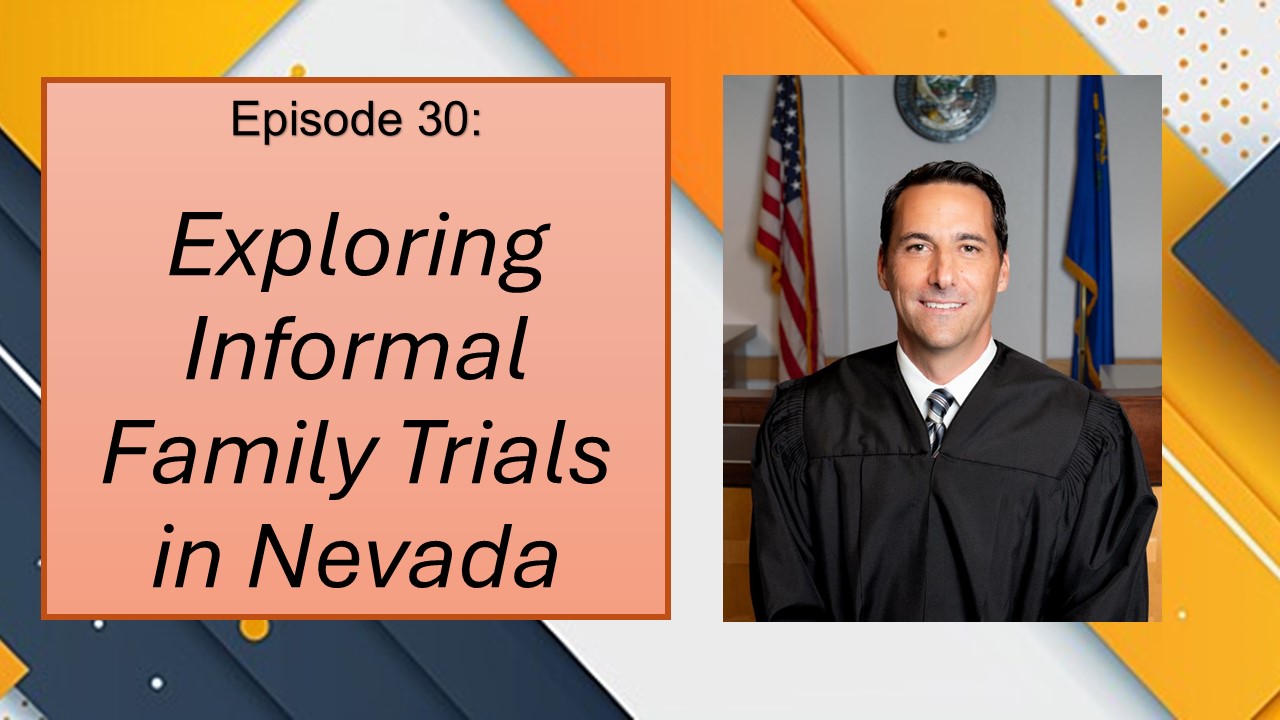
Description: Join us as we explore Nevada's innovative program for informal family trials, established under ADKT 0619. Joined by Judge Gregory Gordon of the Eighth Judicial District Court, we discuss how this new process aims to streamline family law proceedings, offering a simplified and accessible alternative to traditional trials. From understanding the unique elements of informal trials to examining the anticipated benefits and challenges, Judge Gordon provides valuable insights into how this approach could reshape family law in Nevada. Tune in to learn about the goals of the program, the types of cases it will impact, and how it will improve the family court experience for litigants and legal professionals alike. State Bar of Nevada CLE Course ID: P_20241108_50632 Certificate of Attendance: https://ow.ly/ooSi50UnWjZ Learning Objectives: 1. Explain informal family trials, including how they differ from traditional family law proceedings. 2. Analyze the rules governing informal family trials, including their procedural aspects and how they are intended to streamline the trial process. 3. Discuss the expected impact of informal family trials on participants, judges, and attorneys, as well as any potential challenges and concerns. 4. Distinguish the objectives behind implementing this pilot program and the potential benefits for family law litigants and the court system. Faculty: Eighth Judicial District Court Judge Gregory Gordon Have an idea for an episode? We want to hear from you! Please fill out the topic suggestion form: https://forms.office.com/g/dxZgUWynAC Audience: Judges and court staff Legal professionals Educators Anyone interested in family law CLE/CJE: 0.5 CLE/CJE credit hours are available until December 31, 2027.

Description: In this episode of I'll Allow It Nevada, we welcome three knowledgeable guests from the AOC - Emily Kuhlman, Charles Rahn, and Kimberly Williams - to explore the critical topic of ADA compliance in Nevada courts. We discuss how the Americans with Disabilities Act ensures equal access to justice by removing barriers for individuals with disabilities. From physical accommodations to virtual accessibility, our guests share insights into the courts' efforts to meet ADA standards, the challenges they face, and the resources available. Tune in to learn how Nevada courts are working to create an inclusive legal system where everyone can fully participate. State Bar of Nevada CLE Course ID: P_20240916_50632 Certificate of Attendance: https://ow.ly/ooSi50UnWjZ Learning Objectives: 1. Compute the Americans with Disabilities Act (ADA) and its role in ensuring equal access to justice. 2. Distinguish the measures Nevada courts have implemented to meet ADA requirements, including both physical and virtual accommodations. 3. Recognize the obligations of state and local government entities, including courts, under Title II of the ADA. 4. Identify challenges courts face in providing accessibility and how Nevada courts are addressing these issues. 5. Assess how Nevada courts are committed to evolving their practices to ensure ADA compliance and foster inclusivity. Faculty: Emily Kuhlman, Charles Rahn & Kimberly Williams Have an idea for an episode? We want to hear from you! Please fill out the topic suggestion form: https://forms.office.com/g/dxZgUWynAC Audience: Judges and court staff Legal professionals Educators Anyone interested in accessibility CLE/CJE: 0.5 CLE/CJE credit hours are available until December 31, 2027.

Comments

Download from Google Play

Download from App Store
 United States