


 Claim Ownership
Higgle: The B2B Sales Club
Subscribed: 2Played: 1
Subscribe

Description
This is Higgle: The B2B Sales Club Podcast, where we bring you actionable insights about sales RFPs, Sales Negotiations and difficult Procurement discussions. It's all about helping you win more deals, and hitting your sales quota.
We talk to sales leaders, brand leaders and procurement leaders about lessons learnt on their journey to win more sales deals and get better negotiated outcomes.
The podcast is hosted by Mike Lander, an ex procurement director and entrepreneur, talking to guests about their experiences - the good, the bad and the ugly.
Please subscribe to get updates when new episodes are released.
We talk to sales leaders, brand leaders and procurement leaders about lessons learnt on their journey to win more sales deals and get better negotiated outcomes.
The podcast is hosted by Mike Lander, an ex procurement director and entrepreneur, talking to guests about their experiences - the good, the bad and the ugly.
Please subscribe to get updates when new episodes are released.
122 Episodes
Reverse
Can you believe that small moments of trust and safety matter more than any sales technique? In this second of two parts with Mike Mears, we shift the focus directly into sales, leadership, and the psychology behind real influence. We explore what Mike has learned throughout his career, including why one-way communication fails and how dialogue reveals what leaders often miss. The discussion quickly moves into how assumptions quietly damage sales performance, why curiosity consistently outperforms pressure, and how traits can shape success in sales. As the episode continues, we get into the path of safety, trust, clarity, and challenge, plus why skipping any step undermines everything that follows. We unpack social pain, how easily it's triggered, and why the brain remembers it longer than physical injury. Mike explains why trust is fragile, how consistency outweighs charisma, and how even small facial expressions can create lasting damage. Mike leaves us by talking about how steady course correction beats dramatic intervention when it comes to motivating teams and driving growth. Topics covered during this episode include: How short, focused messaging followed by dialogue creates stronger organizational alignment. What employee involvement reveals about decision-making, ownership, and long-term performance. How leadership behaviours directly influence sales environments. Why making assumptions about sales performance shortcuts understanding and limits improvement. How curiosity functions as a skill that can be developed rather than a fixed trait. What safety, trust, clarity, and challenge look like as a natural psychological sequence. How unfairness, exclusion, or uncertainty can instantly derail productive sales conversations. The importance of avoiding unintentional social pain in everyday customer interactions. How small gestures, consistency, and "free gifts" establish psychological safety and trust. What reciprocity reveals about human behaviour across psychology and anthropology. Why trust depends on credibility, reliability, intimacy, and minimized self-interest. How subtle facial expressions can damage trust long after the moment passes. Why visual storytelling and metaphors make messages more memorable. Uncover the unseen forces influencing trust, motivation, and performance in this episode! Mike Mears on LinkedIn: https://www.linkedin.com/in/mike-mears-leadership-theoretician-4627a889/ The Check-in Cheat Code: https://piscari.com/wp-content/uploads/2026/01/Checkin-Cheat-Sheet.pdf The 15 Powerful Intrinsic Rewards: https://piscari.com/wp-content/uploads/2026/01/Intrinsic-Rewards.pdf
How do trust, certainty, and human behaviour decide outcomes when the stakes are extreme? In this first part of a two-part conversation, I'm welcoming Mike Mears, a former Chief of Human Capital at the CIA, to explore the hidden mechanics of leadership and human behaviour under immense pressure. We start with his unlikely path from West Point and Harvard Business School into covert intelligence work, and how that experience exposes patterns most people never get to see. From working undercover in dangerous environments to later building the CIA Leadership Academy, Mike shares stories that reveal how trust, fear, and certainty quietly drive human decisions before logic enters the picture. We examine how leaders influence behaviour when authority alone doesn't work, and why clarity matters more than motivation. Mike explains how the CIA studies cognitive bias, uncertainty, and insight moments in the brain, along with why those discoveries matter far beyond espionage. We also look into how certainty is created, why people hesitate even when solutions look obvious, and how small behaviours can shift outcomes in high-stakes situations. Topics covered during this episode include: How covert and overt roles inside the CIA create radically different leadership pressures. What operating in "denied areas" reveals about stress, risk, and decision-making under threat. Mike's transition into building the CIA Leadership Academy from first principles of human nature. How leadership training shifts when behaviours replace abstract values and traits. The importance of psychological safety as the foundation for trust and clarity. How cognitive bias influences judgment, even among highly trained intelligence analysts. The recruiting cycle of spotting, assessing, developing, and recruiting human assets. Why relationship development matters more than persuasion in high-risk commitments. How insight moments form in the brain outside logical, analytical thinking. Why certainty reduces perceived threat and unlocks forward movement. How reciprocity builds trust through consistent, meaningful exchanges. The limitations of traditional leadership levers like metrics and authority. Why simple human needs quietly mould engagement, motivation, and commitment. Listen now to explore how certainty and trust influence outcomes long before logic does! Mike Mears on LinkedIn: https://www.linkedin.com/in/mike-mears-leadership-theoretician-4627a889/ The Check-in Cheat Code: https://piscari.com/wp-content/uploads/2026/01/Checkin-Cheat-Sheet.pdf The 15 Powerful Intrinsic Rewards: https://piscari.com/wp-content/uploads/2026/01/Intrinsic-Rewards.pdf
Why is mass personalization with AI actually making it harder to win deals? I sit down with Freya Ward, Associate Managing Director at Headley Media, for her second appearance on the show to unpack how the B2B buying journey has fundamentally changed...and why so many sales strategies are now misaligned with reality. We dig into the shift toward long, independent research cycles and the rise of "hidden buyers" who shape decisions without ever speaking to sales. We explore why awareness, familiarity, and internal justification matter more than pushing for sales-ready leads, especially when buying committees are larger, risk-averse, and under pressure to justify decisions internally. We also get into the impact of AI, personalization, and data on trust. We examine why mass personalization often backfires, how buyer fatigue is quietly eroding confidence, and why more content doesn't always mean more influence. Freya breaks down the differences between first-party and zero-party data, how explicit intent changes engagement, and why true personalization still requires human effort. Topics covered during this episode include: The shift toward buyers completing most research independently before engaging sales teams. How elongated buying cycles now stretch from months into years for complex B2B purchases. Why hidden buyers like procurement, finance, legal, and HR influence decisions earlier. The growing size and complexity of B2B buying committees and internal decision dynamics. How trust and brand familiarity reduce perceived risk during internal justification stages. Why sales and marketing alignment becomes essential in modern buying environments. How AI enables scale but often creates noise instead of meaningful personalization. The erosion of buyer confidence caused by overwhelming content and generic outreach. What first-party data really represents in a remote, multi-device buying world. Why zero-party data provides clearer intent through explicit buyer-provided information. The role of content in supporting buyers during long research and evaluation phases. How ecosystem-based selling gains advantage through shared relationships and alignment. The importance of multi-channel presence across calls, email, social, and communities. Listen now to uncover what's quietly shaping buying decisions long before sales ever gets involved! Freya Ward on LinkedIn: https://www.linkedin.com/in/freya-ward/
Can a fairly short book really build authority faster than years of content marketing? Julie Trelstad, Head of US Publishing at Amlet.ai, joins me this week to unpack how books quietly remain one of the most powerful tools for building authority and trust. Julie shares insights from her decades of publishing experience to explain why a book doesn't need to be long or traditional to be impactful. We talk about narrow points of view, short-format books, and why speed to market often matters more than prestige. She shares how credibility is baked into authorship itself, and how professionals can carve out a "category of one" by publishing focused, practical ideas instead of overwhelmingly long reads. We then explore the real mechanics behind publishing today, including self-publishing, hybrid models, and why discovery almost never happens on Amazon. Julie also gives advice on how AI can support the writing process without replacing the author's voice, and why emerging ideas around digital rights and content licensing may redefine how expertise is monetized. Topics covered during this episode include: What defines a differentiated point of view within crowded business publishing categories. How shorter books deliver clarity, speed, and higher practical impact. Why worrying about redundancy often prevents experts from publishing at all. How AI tools can analyze existing content to uncover unique perspectives. The importance of writing with a specific reader clearly in mind. How professional editors can be utilized to convey your thoughts in business-focused books. The differences between self-publishing, traditional, and hybrid publishing models. Why Amazon works as distribution, but not as discovery. How email lists consistently outperform other book sales channels. What pricing strategies make low-friction book purchases more effective. How advertising only works once book pricing crosses certain thresholds. The practical cost ranges for editing and proofreading short-format books. How AI supports outlining, cleanup, and clarity without replacing authorship. The emerging value of licensing content for AI training and data usage. Why publishing now creates future revenue opportunities beyond book sales. Check out the incredible insights in this chat to discover how a short, focused book can instantly elevate credibility and open new opportunities! Julie Trelstad on LinkedIn: https://www.linkedin.com/in/julietrelstad
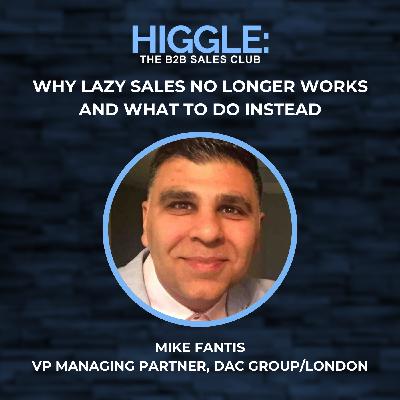
What actually cuts through when buyers ignore almost every email and call? I'm welcoming Mike Fantis, VP Managing Partner at DAC Group/London, to unpack what's really happening in modern sales and why so much outreach simply doesn't work anymore. We talk about how digital convenience has created lazy habits, from bulk emails to hollow personalization, and why buyers have learned to tune it all out. He explains that tactics are not as important as the fundamentals: value, relevance, and understanding how businesses actually operate. Mike explains why long-term relationship building, pipeline thinking, and showing insight before there's ever a brief are extremely important. We get into how pitches are really won before anyone enters the room, why chemistry and clarity matter more than volume, and how agencies lose by trying to be everything to everyone. Mike also shares insights on omnichannel disconnects, retail blind spots, and why answering today's brief isn't enough without planning for tomorrow's business reality. Topics covered during this episode include: How digital measurement created shortcuts and encouraged lazy sales behavior. Why bulk emails and mass outreach fail to create meaningful engagement. How buyer skepticism increases as personalization becomes automated. The reality of inbox overload and diminishing attention windows. Why building new relationships now requires long-term pipeline thinking. How existing clients and referrals drive the most reliable growth. What role intermediaries and pitch consultants play in modern briefs. How focused, research-led outreach has replaced high-volume activity. Observations about omnichannel and brand-to-local disconnects. How digital and physical teams create friction inside organizations. Why showing real-time customer insight creates immediate relevance. How pitches are shaped long before the formal presentation. The value of rehearsal, structure, and clear takeaways in presentations. Why differentiation depends on saying no and owning a clear position. Don't miss this conversation on standing out when everyone sounds alike! Mike Fantis on LinkedIn: https://www.linkedin.com/in/michaelfantis/
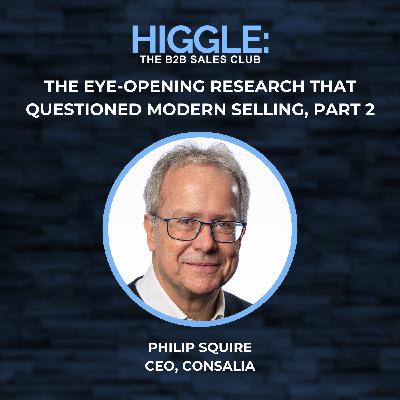
Can saying no to a perfect deal actually unlock a bigger win? I'm joined by Phil Squire, and we explore what really drives success in complex sales when trust, access, and credibility are on the line. We talk through research that shows dramatic shifts in win rates when teams focus on a small set of positive mindsets—and what changes when organizations stop chasing every opportunity. We dig into the real cost of bidding, why some tenders are unwinnable before they start, and how procurement processes can unintentionally block the very behaviors buyers say they value. Along the way, Phil shares a story that turns conventional sales logic upside down. We then move beyond stories into what's changed since the original research. I walk through how mindset can be measured, practiced, and developed over time, and why most sellers still fall short even when they think they're doing well. We explore why values are different from personality, how leaders shape behavior through systems and incentives, and why the rise of AI is raising expectations instead of lowering them. The conversation closes with a sharp look at originality, authenticity, and what it now takes to be genuinely credible in front of skeptical buyers. Topics covered during this episode include: How the research links specific sales mindsets to sharply improved win rates. The impact of choosing not to bid on deals with low probability of success. Why lack of stakeholder access makes it impossible to sell in a client-centric way. The true financial cost of pursuing large, complex tenders without relationships. The story of declining a tender and triggering a deeper buyer conversation. How early honesty reframes credibility before a formal bid even begins. What site visits can reveal that written tenders fail to capture. The hidden risks embedded in service expectations and contract structures. How insight-based feedback can reshape a tender without manipulating outcomes. The role of innovation conversations outside of formal procurement processes. What self-assessment data reveals about mindset gaps across sales teams. Why scoring well in one area fails without balance across all mindsets. How values differ from personality, and why values can change over time. The emerging tension between artificial intelligence and intellectual authenticity. Prepare to be fascinated when you hear why doing less can sometimes win you far more! Phil Squire on LinkedIn: https://www.linkedin.com/in/philipsquire/
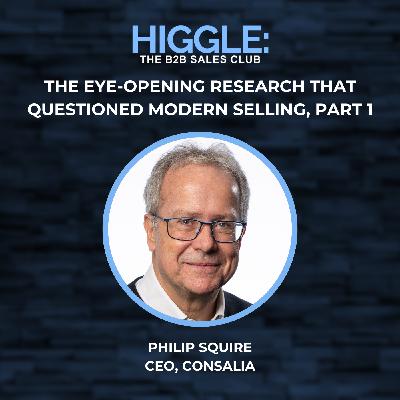
Why do most sales conversations quietly fail before anyone realizes what went wrong? Today, I sit down with Philip Squire, CEO of Consalia, to explore a research journey that begins with a deceptively simple question: how do customers actually want to be sold to? In this first of a two-part series, we go back to the early interviews that sparked his doctoral research, where senior buyers openly shared stories of sales conversations that worked (and far more that didn't). We reflect on the surprising intensity of their responses, the emotional energy behind their frustrations, and how a single off-script question revealed just how few salespeople are getting it right. We follow the evolution from early data collection into a much deeper inquiry about what really drives sales behaviour, checking out why traditional competency models fail to explain buyer dissatisfaction, as well as how a pivotal shift can reframe everything around values rather than tactics. Philip finishes up part one by giving a preview of some of his findings that challenge long-standing assumptions about selling. Topics covered during this episode include: The early background behind launching a research project focused on buyer perspectives. How initial customer interviews unexpectedly evolved into a much larger academic inquiry. What senior buyers revealed when asked to share real sales success and failure stories. How emotional intensity emerges when buyers describe poor sales experiences. What percentage of sales interactions buyers consider genuinely valuable. The realization that traditional sales training fails to address buyer frustrations. What patterns emerged after dozens of in-depth qualitative buyer conversations. Why early research findings feel disappointingly obvious and incomplete. Why behavioural analysis alone fails to explain consistent buyer dissatisfaction. The shift toward examining underlying values rather than observable actions. How culture affects behaviour, while core values remain consistent globally. The introduction of negative values that damage trust early in sales conversations. The contrasting positive values buyers associate with effective sales relationships. Why creativity and boldness only work when credibility is already established. Check out this episode to hear the research that reframes what buyers really respond to! Philip Squire on LinkedIn: https://www.linkedin.com/in/philipsquire/
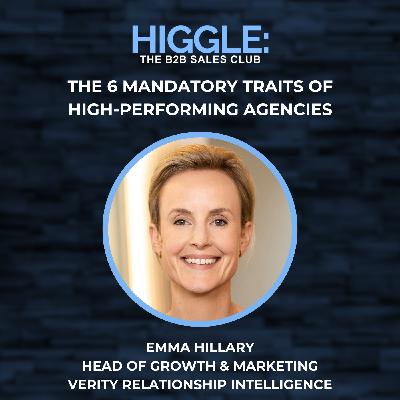
What happens when brilliant delivery is no longer enough to keep clients loyal? It's time to explore what truly drives sustainable agency growth by unpacking two decades of relationship data with Emma Hillary, Head of Growth & Marketing at Verity Relationship Intelligence. We focus on why great work alone no longer guarantees retention, even when client satisfaction appears high. Emma breaks down the findings of Verity's 2025 Relationship Report, which identifies six traits shared by high-performing agencies, challenging the assumption that results always come first. We dig into why understanding clients as humans, not just as briefs or businesses, creates a stronger foundation for trust, confidence, and long-term value. Emma explains what's happening beneath the surface of modern client–agency relationships, and we talk about efficiency complaints, post-pandemic pressure, and why relationships often become strained even when delivery improves. We examine the hidden cost of transactional behaviours, the imbalance that can form between clients and agencies, and how feedback can become a growth lever instead of a threat. Finally, we look into why team satisfaction is declining while client ratings rise, and what that tension reveals about the future of agency models. Topics covered during this episode include: How leaning into negative client feedback should uncover valuable insight instead of defensiveness. What relationship intelligence means beyond contacts, chemistry, or likability. How agencies attempt to commercialize relationships through measurement and benchmarking. Why Verity's research challenges the belief that work quality alone drives growth. How client expectations escalated after pandemic-era delivery pressures. What a confidence gap reveals about satisfaction today versus belief in the future. Why strategic vision and innovation strongly influence future client confidence. How talent shifts and "juniorization" of talent affect perceived strategic value. The importance of retention as a growth strategy rather than a defensive metric. Why organic growth is cheaper and more durable than constant new business wins. How inefficiency complaints now include emotional ease, not just process failures. What data reveals about experience outweighing output in recommendation decisions. How leadership care and recognition buffer against toxic client behaviour. The risks of parent/child dynamics forming in client relationships. How empathy, listening, and curiosity reset power imbalances. Uncover what really keeps clients committed beyond the work itself in this episode! Emma Hillary on LinkedIn: https://www.linkedin.com/in/emma-hillary-49b5aa9/
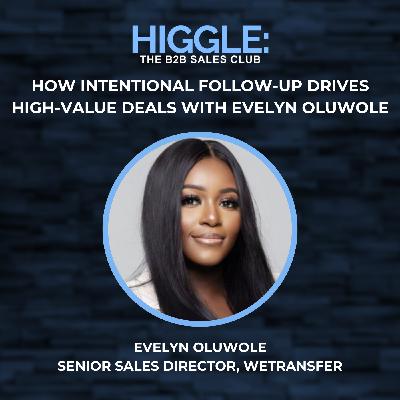
What if the biggest sales opportunities you're missing could be unlocked simply by changing how you follow up? We're talking with Evelyn Oluwole today, AKA "The Follow-Up Queen," digging into the experiences that shaped her journey to leading major global accounts. Evelyn, who is the Senior Sales Director at WeTransfer, challenges the assumptions many of us carry about what real selling actually requires. She opens up about why legitimately listening to potential clients still beats every piece of technology, how knowing just two pieces of information can transform a cold call, and why she believes sales remains the least-trained yet most business-critical profession. Evelyn then talks about her impressive expertise in follow-up conversations, along with why she thinks most deals fall apart not because of a bad pitch, but because the strategy afterward is weak or non-existent. She shares how timing, value, and multi-touch outreach can completely change the trajectory of a deal, and she breaks down a recent six-figure win that came from persistence, intention, and the right kind of visibility. We also discuss how AI can elevate, not replace, the work we do, and why using it well could become the next major competitive edge. Topics covered during this episode include: How listening is a foundational skill Evelyn learned from cold-calling small business owners. How using a person's name and business details earns the next 15 seconds of the call. How understanding research tools can sharpen your ability to personalize quickly. Why formal sales training disappears as sellers advance into senior roles. Why the lack of structured development weakens long-term sales effectiveness. How remote work reduces peer learning that once happened naturally in shared offices. The positives of experiencing embarrassment, and why it's something we're often missing out on. What makes follow-up become the defining indicator of genuine interest and commitment. How timing follow-ups depends on deal size, decision makers, and internal processes. Increasing response likelihood by adding value to every follow-up. How multi-channel touchpoints strengthen visibility and trust. A six-figure deal that Evelyn was recently able to secure through strong follow-ups. Why trust building requires relevance, credibility, and low self-interest. How AI eliminates tedious research and improves email structure and prioritization. How treating AI as a "bright intern" can optimize its usefulness. Listen now to discover the strategies that turn conversations into real opportunities! Evelyn Oluwole on LinkedIn: https://www.linkedin.com/in/evelynoluwole/ Evelyn Oluwole on Instagram: https://www.instagram.com/thefollowupqueen/

What if the key to closing more sales lies in understanding body language and reading the room effectively? Kevin Kelly, an international keynote speaker and author, takes us through his Three A's framework (awareness, attention, and action) in this episode. We explore the secrets to forming genuine connections with clients, where likability and trustworthiness take center stage. Curious about how self-awareness can boost your sales game? Kevin and I unpack this fascinating topic, offering compelling stories that highlight how understanding yourself can reshape your interactions and lead to greater sales success. As we navigate the evolving B2B sales landscape, we offer powerful insights on engaging buyers early and building lasting client relationships. Ever wondered how storytelling can revolutionize your sales conversations? Kevin shares captivating experiences, illustrating how aligning your narrative with clients' needs can transform them into loyal advocates. We also tackle the art of reading body language and why resilience and patience are key tools for any salesperson. Topics covered during this episode include: How presence, likability, and trustworthiness are crucial in forming client connections. Why self-awareness is vital for managing impressions and relationships in sales settings. How attention can be captured through compelling narratives. Why action, resilience, and persistence are essential in pursuing sales goals. A study that reveals a gap between perceived and actual self-awareness. Why lack of self-awareness affects communication, with a focus on listening and interaction. How B2B sales often begin with referrals, stressing the importance of early engagement. Why building friendships and transforming them into client advocacy is critical. Why storytelling aligns sales conversations with client needs, focusing on ROI. How collaboration and discussion documents engage clients in co-creative processes. Why resilience, patience, and consistent follow-up are keys to closing sales deals. Transform your approach to sales by mastering the Three A's framework and enhancing communication! Kevin Kelly on LinkedIn: https://www.linkedin.com/in/kevinkelly1/
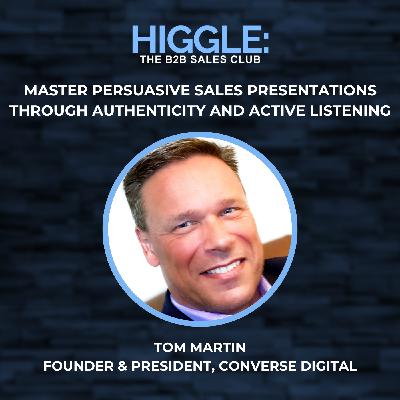
Could the power of active listening and effective questioning be the missing link to winning more sales? We're getting deep into the art of crafting persuasive sales presentations with the insightful Tom Martin, Founder & President of Converse Digital, in this episode. Together, we unlock the secrets of using authenticity and vulnerability to transform ordinary pitches into extraordinary ones. Are you tired of feeling like your presentations fall flat? Discover how embracing imperfections and structuring your arguments clearly can resonate more with your audience. Plus, Tom reveals the science behind managing your audience's cognitive load, ensuring your message sticks long after the presentation ends. We also explore the critical role of active listening in sales calls. Ever wondered why some pitches just don't land? We tackle the pitfalls of confrontational language and the magic of asking insightful questions. Tom and I uncover how truly engaging with clients can lead to unexpected insights and lasting partnerships, with tips that will allow you to revolutionize your sales approach and win over clients with genuine connections. Topics covered during this episode include: How embracing vulnerability and authenticity can enhance your pitch. Why being comfortable with imperfections can help forge genuine connections. How structuring arguments clearly enhances understanding and message retention in pitches. Why managing your audience's cognitive load is crucial for memorable sales pitches. How building a "yellow brick road" in presentations guides the audience through the argument. How active listening in sales calls uncovers crucial insights and enhances understanding. Why asking insightful questions can differentiate your agency and win accounts. How engaging in discovery calls can uncover unexpected insights during client interactions. How avoiding the word "why" can prevent confrontational language and foster productive dialogue. Why asking "what" or "how" questions encourages clients to share more information. Tune in to discover the secrets of crafting persuasive sales presentations and learn how authenticity and active listening can transform your pitch! Tom Martin on LinkedIn: https://www.linkedin.com/in/tommartinjr/

What are the often-overlooked red flags and chemistry factors that can make or break your agency's success in the RFP process? I'm thrilled to welcome Michelle Cleary, a seasoned marketing procurement professional with Anywhere Real Estate, to unravel the myths and unlock the potential of procurement in agency collaborations. Michelle shares her unique insights into how early engagement with procurement can transform it from a perceived bureaucratic hurdle into a strategic partner that adds immense value. We discuss the art of procurement, exploring how it can foster strong, successful relationships and elevate agency performance. As we continue on, Michelle sheds light on the complexities of the agency selection process and the nuances of running a successful RFP. She emphasizes the importance of embracing niche expertise and recognizing the value of team chemistry in building successful partnerships. Michelle offers practical advice on how agencies can stand out, adapt to client needs, and build trust through transparency and personal interactions. Topics covered during this episode include: How Michelle uses her expertise to challenge misconceptions about procurement in marketing. Why not over-relying on incumbent agencies can lead to better marketing outcomes. How niche expertise, especially in multicultural marketing, is a valuable asset in the US market. Why team chemistry is crucial in agency selection and successful partnerships. How Michelle provides actionable tips for agencies to stand out and build trust. Why listening and adapting to client feedback are essential during the RFP process. How understanding procurement's strategic value can unlock significant opportunities for agencies. Why procurement's relational approach can be either a challenge or a benefit for agencies. How transparency and personalization are key to successful engagement with procurement professionals. Don't miss this episode to gain actionable insights on navigating agency selection and RFP processes for standout marketing strategies! Michelle Cleary on LinkedIn: https://www.linkedin.com/in/michelle-c-b3828b9/
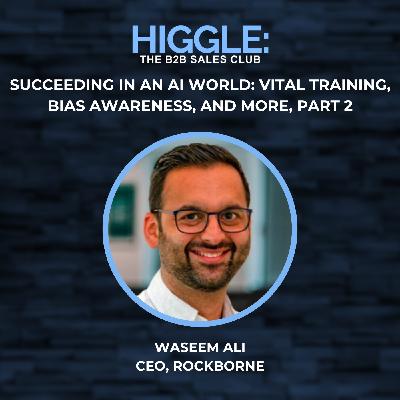
Could AI leaders be the new key players in achieving financial revenue targets, or is this just another tech myth? In the second of two parts, we welcome back Waseem Ali, former Chief Data Officer at Lloyd's and now CEO at Rockborne. Waseem offers an expert's perspective on the role of AI and data leaders, arguing for their potential to directly influence financial revenue targets. We discuss the myth of AI as the cure-all to everything in business, and highlight the essential role of high-quality data and human judgment in driving successful outcomes. As we explore further, we uncover the dynamic shifts in knowledge management driven by generative AI and its implications for businesses today. Waseem shares his journey from traditional content moderation to mastering sophisticated AI systems, emphasizing the ongoing need for training and data privacy. We examine how industry giants like Amazon leverage AI to fortify their competitive moats and enhance customer experiences. Tying the discussion back to the consulting industry, we talk about AI's dual potential to both reshape and empower traditional roles. Topics covered during this episode include: How AI is influencing business strategies across various industries. Why AI leaders should have revenue goals due to AI's business growth potential. How quality data and continuous model training are crucial for effective AI solutions. Why human judgment is vital in defining AI outcomes and embracing failures to drive growth. How generative AI is impacting knowledge management and business processes. Why safeguarding sensitive client data is imperative in AI applications. How companies at the forefront of technology such as Amazon use AI to strengthen their competitive advantage. Why AI could either reshape or empower traditional roles in the consulting industry. How businesses must strategically harness AI for operational and customer relationship benefits. Why cultural challenges can make or break new technology implementations in businesses. Join us as we explore the balance between AI innovation and human judgment in driving business success in today's rapidly evolving market! Waseem Ali on LinkedIn: https://www.linkedin.com/in/waseemali-data
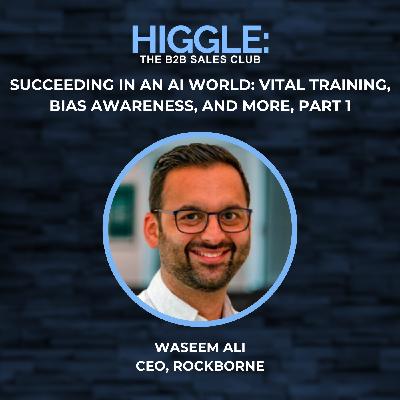
How can businesses ensure responsible innovation without getting lost in the AI hype, and what role does upping your skills play in this journey? Waseem Ali, former Chief Data Officer at Lloyd's and now CEO at Rockborne, is here to share his top insights on thriving in an AI-driven market. As we explore the ever-evolving landscape of job roles influenced by technological advancements, Waseem shares his thoughts on the critical importance of staying in-touch with AI and data literacy. Drawing from his extensive career in healthcare, consulting, and corporate leadership, Waseem emphasizes the need for a balanced blend of technical expertise and business acumen to navigate the future of work effectively. Throughout this first part of a two-part series, we uncover the challenges and opportunities businesses face as they juggle cost constraints while embracing generative AI technologies. Waseem shines light on the democratization of data skills across organizations, stressing that AI should serve as a tool for augmentation rather than replacement. We discuss the significance of upskilling contractors with AI literacy and equipping them with the right tools to enhance their roles. Waseem advocates for a workforce that adapts to technological advancements, ensuring AI expands job functions and opens new avenues for growth. Topics covered during this episode include: Why the recruitment landscape is changing with the rise of generative AI technologies. How businesses are balancing cost constraints with the need to adopt AI advancements. Why democratizing data skills across organizations is essential for growth. How AI can augment job functions rather than replace them. The reasons behind an increasing demand for training in AI and data literacy. How organizations can integrate AI responsibly to enhance their operations. Why bridging technical expertise with business acumen is crucial for successful AI implementation. How AI can assist in educational settings by automating tasks while maintaining human oversight. Why a workforce adaptable to technological advancements is necessary for future success. How organizations can navigate economic challenges while embracing AI technologies. Why human skills are important for translating AI concepts into actionable business strategies. Discover how AI is reshaping careers and learn strategies for staying ahead in this episode! Waseem Ali on LinkedIn: https://www.linkedin.com/in/waseemali-data
How can emotional intelligence and cultural sensitivity transform your B2B sales strategy in a world dominated by automation? Joining the podcast today is Oya Mustafa, the Chief Growth Officer at Not Normal Group. We get into a deep discussion about transformative power of emotional intelligence in B2B sales, discussing how human-centric approaches can outshine the surging trend of AI. Oya passionately shares her insights on building trust through genuine human connections and the crucial role of emotional intelligence and cultural sensitivity in business development. We explore the paradigm shift from transactional to transformational growth, highlighting the importance of long-term relationship building over short-term sales metrics. Oya and I scrutinize the limitations of AI in fostering genuine connections, emphasizing the need for patience, authenticity, and consistent brand narratives. Our conversation explains the importance of strategic engagement that transcends quarterly targets, advocating for sustainable success through enduring trust. Topics covered during this episode include: How emotional intelligence and cultural sensitivity are vital in differentiating businesses. How Oya emphasizes the role of trust in human-centric business development. How automation and AI have limitations in creating genuine human connections in sales. Why transformational growth should focus on trust and authenticity over immediate success. How aligning internal stakeholders is crucial to overcoming existing supplier relationships. Why intentional and authentic engagement strategies are necessary for sustainable success. How consistent and emotionally engaging brand narratives foster human connections. Why short-term sales strategies are inadequate for meaningful, lasting business development. How skepticism towards cold contacts necessitates genuine relationship-building efforts. Explore strategies for building lasting business relationships in the age of AI by listening to this enlightening episode! Oya Mustafa on LinkedIn: https://www.linkedin.com/in/oya-mustafa-3144612b/

Are you ready to discover the magic of combining scientific insights with emotional connections in brand strategy? Ulli Appelbaum, Founder & Chief Strategy Officer at First The Trousers Then The Shoes, joins us in this episode to explore the nuanced world of brand strategy. As he shares his wealth of experience in creating brand clarity and emotional connections, we examine how the science of brand associations can elevate a business beyond just its logo, turning it into a series of memorable connections. From discussing the 95-5 rule to understanding how charisma and honesty foster genuine client relationships, Ulli offers incredibly valuable insights for anyone looking to master the craft of branding. Ulli later reveals the blend of science and creativity that fuels successful brand strategies. He introduces the fascinating concept of building brand predisposition for future buyers and emphasizes the importance of differentiation in a crowded marketplace. We also explore how creative strategies can be inspired by unique influences, and how charisma and honesty can lead to long-lasting partnerships, even if it means admitting when you're not the best fit for a project. Topics covered during this episode include: How brand clarity significantly enhances business growth, and how it can be compared to a Japanese tea ceremony. Why scientific knowledge and experiential learning are crucial in brand strategy development. How brands need to be more than just logos. Why evidence-based marketing is essential for differentiating brands in crowded marketplaces. How the 95-5 rule emphasizes building brand predisposition for future buyers. Why emotional connections and authenticity are key in building client relationships. How charisma and honesty foster long-lasting partnerships. Why consistency, clarity, and emotional engagement are pivotal in building strong brand associations. How personality and team chemistry can impact the success of business pitches and presentations. The reasoning behind the name First The Trousers Then The Shoes. Listen to this episode for expert insights on building strong brand associations and learn why emotional resonance is key to winning over clients in a competitive market! Ulli Appelbaum on LinkedIn: https://www.linkedin.com/in/ulliappelbaum/
What secrets do expert negotiators use to transform conflicts into win-win situations? Andres Lares, Managing Partner of the Shapiro Negotiations Institute, joins us to share his wealth of negotiation experience in this episode. We explore the transformative power of empathy and emotional intelligence in achieving successful outcomes, as Andres emphasizes the importance of considering the other party's needs and transforming negotiations into collaborative efforts. By focusing on curiosity and the art of asking the right questions, we uncover strategies to build rapport and gather valuable insights, ultimately ensuring both parties walk away satisfied. We also talk about strategic collaboration, examining the dynamics between sales and procurement using models like the Kraljic matrix. We get into the importance of preparation and ethical conduct, discussing how understanding your BATNA can enhance leverage without sacrificing integrity. Through engaging examples, Andres also highlights the significance of trust and transparency. Topics covered during this episode include: How empathy and emotional intelligence will enhance your negotiation skills. Why considering the needs of both parties is required for collaborative agreements. How curiosity and strategic questioning build rapport and gather insights. Why strategic collaboration is vital in sales and procurement relationships. How the Kraljic matrix and Thomas-Kilmann model can be used to respond to conflict. Why preparation and curiosity are key to successful negotiations. How trading variables avoids fixed-sum scenarios and facilitates win-win outcomes. Why transparency and avoiding false deadlines are crucial for ethical negotiations. How leveraging BATNA influences negotiation power and confidence. Why building strong relationships is essential for resilience in market challenges. The PAID acronym that Andres used to guide preparation in negotiations. How negotiating ethically prevents eroding trust and maintains long-term relationships. Why understanding counterpart's alternatives is important for negotiation strategy. Enhance your negotiation leverage and ethical standards by exploring the valuable insights shared in this conversation with an absolute expert! Andres Lares on LinkedIn: https://www.linkedin.com/in/andreslares/
Are you curious about the strategies that can turn a simple proposal into a winning formula for sustainable agency growth? We're welcoming Anna Stone today, Head of Growth at True and a veteran in business development, to unravel the evolution of agency growth strategies from the days of cold calling to the modern era of video calls and personalized outreach. Anna shares her insights on how meaningful client engagement can transcend hard selling, emphasizing the importance of building genuine relationships. We dig into the necessity of adapting to new communication methods, while still maintaining the core principle of understanding client motivations. Anna and I explore the art of crafting a compelling business growth strategy, outlining the critical steps of identifying your business's core purpose and setting measurable goals to ensure sustainable growth. Our conversation highlights the significance of knowing your ideal clients and creating a clear, jargon-free elevator pitch that showcases your unique strengths. Finally, we uncover the intricacies of proposal writing, stressing the need to balance credibility with a warm human touch. Topics covered during this episode include: How Anna started her career at a cold calling agency, and how that space has evolved. How the tools for cold outreach have evolved whilst the importance of relationship building remains. How understanding the "why" behind client decisions can tailor effective sales strategies. Why transparent communication is essential in overcoming artificial processes in pitching. How to define your business's core purpose and set measurable goals for sustained growth. Why recognizing your ideal clients helps in crafting a clear sales message. How to create engaging proposal documents that utilize credibility and personalization. Why establishing credibility early is crucial in proposal documents to secure agency growth. How to use relevant case studies to highlight agency distinctiveness in proposals. Why relationship building remains a core principle in modern business development. How asking the right questions uncovers client motivations and enhances competitive advantage. Why having a distinctive agency identity contributes to long-term client relationships. Explore how modern communication methods can enhance your client connections and drive agency growth! Anna Stone on LinkedIn: https://www.linkedin.com/in/annastoneis/
What if listening is the ultimate skill missing from your sales toolkit? Brooke Pinkney, Managing Director at Broadley Speaking, joins us today to challenge the pitfalls of short-term thinking in sales strategies and emphasize the importance of patience and long-term planning. Brooke also examines the misconception that quick-fix solutions can resolve the complexities of significant B2B purchases involving multiple decision-makers. We discuss the need for businesses to accurately diagnose their sales challenges and engage in meaningful interactions over extended sales cycles, avoiding the trap of getting lost in endless planning. Shifting our focus to the realm of personalization, we explore how authenticity and genuine human connections are paramount in today's AI-driven sales landscape. Brooke advocates for prioritizing a select few prospects, allowing for deeper research and personalized outreach that resonates. We stress the critical importance of listening and turning sales interactions into conversations where prospects feel heard and valued. Topics covered during this episode include: Why success in B2B sales requires patience and a long-term, thoughtful approach. How short sprint campaigns often fail to address complex sales journeys. Why diagnosing fundamental sales problems is crucial for effective strategy development. How personalization and human connection are vital in today's AI-driven sales environment. How listening transforms sales interactions into meaningful conversations. Why building trust with senior buyers in remote settings is essential for lasting relationships. How LinkedIn Sales Navigator and ChatGPT can assist in researching and understanding prospects. Why authenticity and genuine interest are key to fostering trust and rapport. Why being proactive rather than reactive is vital in responding to sales opportunities. Discover how patience and personalization can revolutionize your B2B sales strategy! Brooke Pinkney on LinkedIn: https://uk.linkedin.com/in/brooke-p-09879084
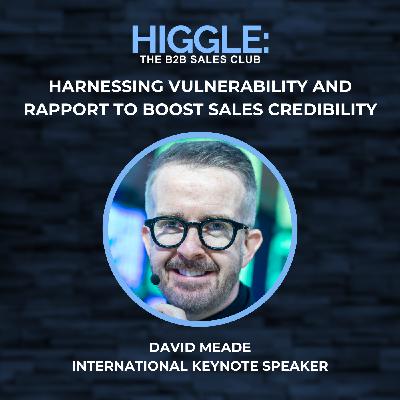
What simple daily practices can dramatically boost your sales success and negotiation outcomes? We're getting deep into the power of mindset and authenticity in this week's episode. Joining me is the insightful David Meade, an expert in high-performing teams, who sheds light on how small, daily changes can significantly impact sales outcomes. We discuss the importance of adopting a growth mindset to enhance openness and collaboration, which are essential for finding common ground in sales conversations. With reference to expert studies, we explore how building rapport before negotiations can boost trust and lead to more successful outcomes. To transition from salesperson to trusted advisor, we check out how to build a personal brand and thought leadership in today's attention economy. We highlight the importance of balancing competence with authenticity, and emphasize how vulnerability, through the pratfall effect, can enhance credibility and trustworthiness. Later, David gives tips on public speaking, such as the "Batman effect" to boost confidence and ensure your audience retains key takeaways. Topics covered during this episode include: How adopting a growth mindset enhances openness, collaboration, and success in sales conversations. Why building rapport before negotiations can increase trust and successful outcomes. How small daily changes, like arriving early, can improve sales efforts significantly. Why balancing competence with authenticity in sales can enhance credibility and trustworthiness. How acknowledging minor imperfections through the pratfall effect can boost relatability. Why becoming a trusted advisor involves building a personal brand and thought leadership. How the "Batman effect" can boost confidence during public speaking engagements. Why interactive reflection helps audiences retain key takeaways from presentations. How thorough research and human connection differentiate salespeople in today's attention economy. How practical advice on mindset, rapport, and authenticity supports navigating a dynamic business environment. Elevate your sales and public speaking skills by exploring the dynamic techniques discussed in this engaging podcast episode! David Meade on LinkedIn: https://www.linkedin.com/in/davidmeadelive/

Comments

Download from Google Play

Download from App Store
 United States