


 Claim Ownership
Flagship Podcast
Subscribed: 16Played: 180
Subscribe

Description
The Flagship Podcast brings you inside stories from the Canadian technology ecosystem. You'll hear from founders, investors, builders and learn about their triumphs, hardships and hard earned lessons.
You'll learn about strategies and tactics and about the human side and what it takes to build a thriving technology company which will hopefully help you on your journey.
You'll learn about strategies and tactics and about the human side and what it takes to build a thriving technology company which will hopefully help you on your journey.
47 Episodes
Reverse

In this episode of the Flagship Podcast, we sit down with Tyler Reid, co-founder and CEO of Xona Space, to explore the future of satellite navigation and why GPS as we know it is no longer enough. Tyler shares his journey from space-obsessed kid to Stanford researcher to venture-backed space founder, and explains how Zona is building a next-generation positioning system designed for centimeter-level accuracy, stronger signals, and built-in security. We unpack how modern infrastructure depends on timing and location, why GPS is vulnerable to jamming and spoofing, and what new satellite constellations unlock for autonomous systems, defense, data centers, and everyday devices. We also go deep on building a hard-tech startup: raising capital for space infrastructure, launching satellites, assembling the right team, and navigating the long road from research to orbit. If you're interested in space tech, deep tech startups, autonomous systems, or the new space economy, this episode is for you. Topics covered: Why GPS needs an upgrade How next-gen satellite navigation works Centimeter-level positioning and resilient timing Space infrastructure and low-Earth orbit constellations From PhD research to space startup Lessons from building a hardware + space company The coming wave of space innovation and lunar missions

What does it really take to build a unicorn-scale company from Canada? At North Star, the Unicorn Panel brings together founders behind global tech leaders to talk candidly about ambition, scaling, capital, leadership, near-death moments, and the realities behind the highlight reel. Moderated by Sophie Boulanger, this conversation goes beyond success stories and digs into the hard decisions: when not to sell, how to think about control and cap tables, scaling teams, surviving crises, and building companies with long-term impact. You'll hear firsthand lessons from founders who have built and scaled category-defining businesses across gaming, mobility, and healthcare technology Topics covered include: Early exit offers vs long-term ambition Scaling from startup to global platform Fundraising strategy and cap table discipline Hiring executives and leadership evolution Crisis moments and near failures Building and keeping tech champions in Canada AI, moats, and the future of company building Recorded live at North Star — Inspiring Entrepreneurs in Montréal.

Two of Montreal's most iconic tech founders — Dax Dasilva (Lightspeed) and Fred Lalonde (Hopper & Deep Sky) — sit down for a rare and candid fireside conversation on building global companies from Canada, surviving the founder rollercoaster, and using technology and capitalism to tackle world-scale problems. From bootstrapping and product-market fit, to IPOs, hypergrowth, culture, leadership, and climate action — this keynote goes deep into what it really takes to build enduring companies. This is not a highlight reel. It's an unfiltered operator conversation. In this keynote, they discuss: Bootstrapping vs venture capital journeys The hardest leadership transitions founders face How company culture is actually built (not what's written on the wall) Product-market fit stories from Lightspeed and Hopper Scaling teams from 10 → 1,000+ people Founder psychology, resilience, and decision-making under pressure Why trust is the ultimate currency with teams and boards Capitalism as a lever for large-scale positive change Climate, carbon removal, and building Deep Sk Conservation, Age of Union, and purpose beyond exits Speakers: Dax Dasilva — Founder & CEO, Lightspeed Fred Lalonde — Co-founder, Hopper; Founder, Deep Sky Recorded live in front of founders and students at North Star in Montreal. If you're a founder, operator, investor, or student thinking about building — this conversation is a masterclass in real-world company building.
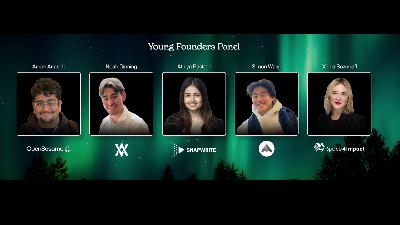
At North Star, we brought together top founders and emerging entrepreneurs for a candid panel on what it really takes to build in today's tech ecosystem — from first traction to scale, hard lessons, and unfair advantages. In this session, the panel shares practical insights on: How to get your first real customers Mistakes founders make early (and how to avoid them) Fundraising vs. bootstrapping decisions Building momentum with limited resources What great investors actually look for Tactical growth and execution tips If you're a founder, operator, investor, or student exploring startups, this conversation is packed with field-tested perspective and actionable advice. About North Star North Star is a founder-first gathering that brings together startup builders, investors, and students to share real stories, practical lessons, and ecosystem insights.
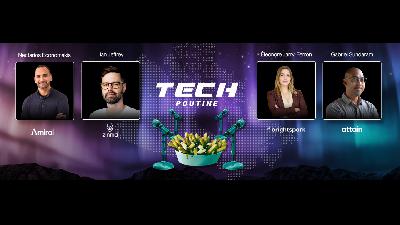
This is the North Star Pre-Show — recorded live as a Tech Poutine podcast session — where founders, investors, and ecosystem builders warm up the room before the main event with unscripted startup talk, real operator stories, and behind-the-scenes insights. This pre-show segment sets the stage for an exciting day filled with inspiration and insight from a dynamic lineup of entrepreneurs. Reflecting on last year's success, the hosts discuss the unique value of gathering experienced founders and ambitious young entrepreneurs, all while growing the event to new heights. Hear about keynote speakers Dax and Fred, as well as engaging panels with industry leaders like Adrian and LP. This episode captures the essence of Montreal's tech scene and the vibrant community driving it forward. About North Star North Star brings together hundreds of founders, students, and investors for high-signal conversations and practical startup insight. About Tech Poutine Tech Poutine is a live startup podcast focused on founders, venture, and the Canadian tech ecosystem.
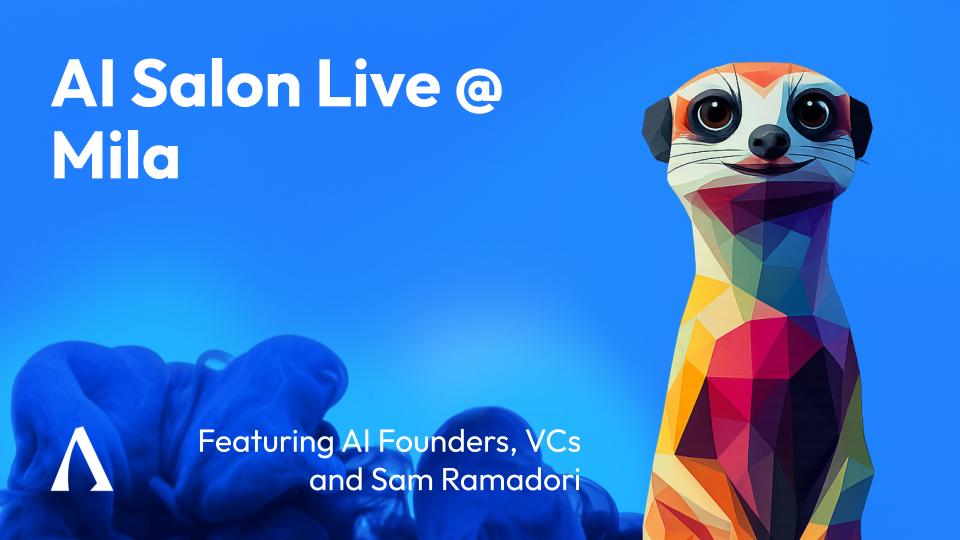
We closed out the year with a special live recording of the Flagship Podcast in collaboration with AI Salon at Mila, a packed evening featuring a Montréal VC panel, an AI founder roundtable, and a fireside keynote with Sam Ramadori (BrainBox AI, now co-president of Law Zero). Across all three segments, one theme dominated: AI is moving faster than any tech cycle before it, and Canada has a once-in-a-generation chance to lead. VC Panel, Navigating the AI Wave Investors from Inovia, White Star, and Amiral Ventures explored the chaos and opportunity of today's market. The AI cycle is "psychotic" in speed and scope, but the fundamentals still matter: strong teams, sticky products, real customer value. The best startups will use AI as an enabler, not the product, and differentiate through privileged data, deep domain expertise, and the ability to deliver ROI, not hype. Founder Panel, Building Real AI Companies in Montréal Budpress, Maxa, and Wrk shared candid takes from the front lines: why traditional SaaS is being rewritten, how open-source models and reasoning engines are changing the game, and why Montréal remains one of the best bases in the world for AI talent and cost-efficient scaling. The founders stressed that Canada must shed its "small market" mindset, big outcomes are possible here. Keynote with Sam Ramadori, AI, Climate, and Responsibility Sam recounted his unlikely journey from private equity to leading BrainBox AI through an acquisition, and why he's now dedicating himself to Law Zero, a nonprofit effort led by Yoshua Bengio to build safer, more reliable AI systems. His message was clear: Canada has extraordinary AI talent, but must rally around sovereignty, responsible innovation, and deeper collaboration to avoid being squeezed between global superpowers. The night ended with a message to the community: this is our moment. We have world-class research, world-class founders, and a fast-maturing ecosystem. If we choose ambition, and support one another, Montréal can be one of the defining AI hubs of this decade.
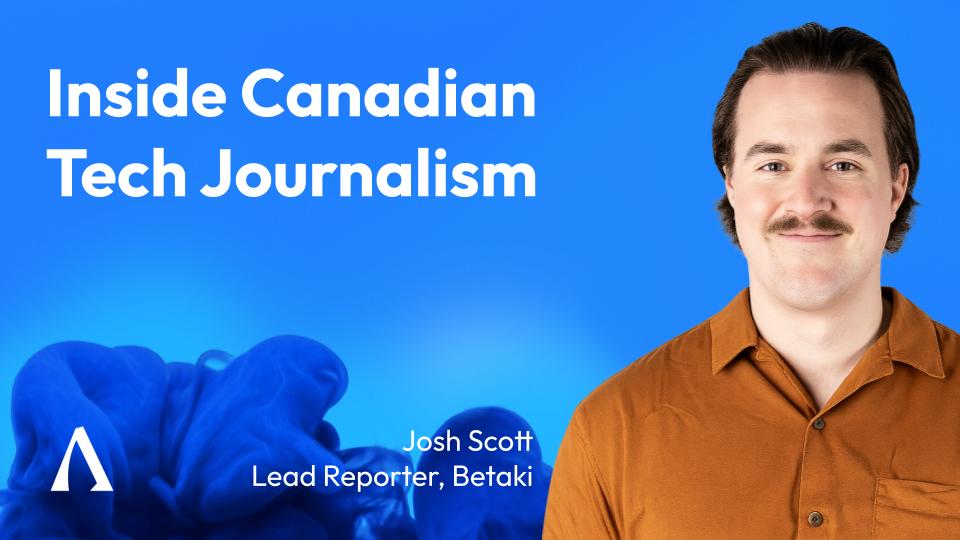
In this insightful episode, we turn the tables on Josh Scott from BetaKit, delving into his journey in journalism and passion for Canadian tech. Josh shares his early writing experiences, challenges in the industry, and the invigorating process of reporting on tech startups. We dive into engaging discussions on the evolution of journalism, the state of Canadian tech, the intricacies of venture capital, and the policy landscape shaping the tech industry. With candid reflections on past stories and predictions for future trends, Josh offers a compelling look at the importance of transparent reporting and the dynamic world of Canadian tech.

Étienne shared his journey from founding his own startup to becoming a VC. He talked about what pushed him to start a fund after exiting his company and the unexpected path that led him there. He reflected on his transition from founder life to joining a larger company, Hootsuite, and how that experience shaped his perspective as an investor. Étienne opened up about the lessons he learned along the way, the value of resilience, trust, and playing the long game in both building and backing startups. He also spoke about his partnership with Luis & Varun at Telegraph Hill Capital and their shared mission to support founders in Quebec. Real talk, honest stories, and practical takeaways, this one's for anyone thinking about their next chapter, whether it's starting up or stepping into VC.

In this episode, I spoke with Edouard Reinach, CEO & co-founder of Trampoline AI. We explore their journey, focused on revolutionizing the RFP response process using AI. The discussion covers the genesis of the company, challenges faced in the initial stages, and the pivotal switch to focusing on RFPs. Edouard provides insights into how their platform streamlines complex RFP responses, making the process faster and more efficient, particularly for remote and distributed teams. He highlighted the technology's benefits, like saving significant time and enhancing the quality of responses. The conversation also delves into the broader implications of AI in enterprise settings, the cultural aspects of building an AI-native organization, and the future trajectory of Trampoline.
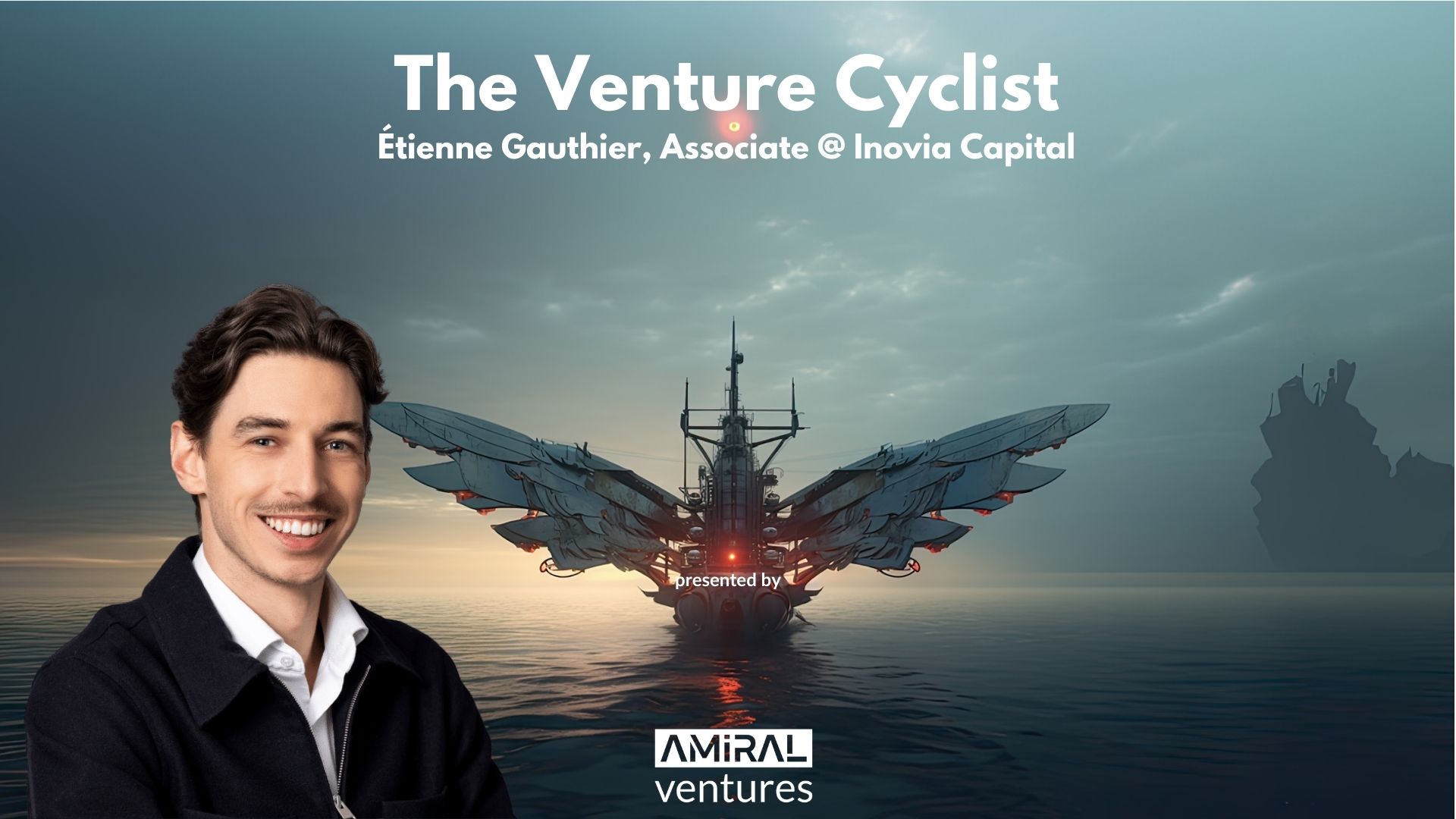
In this episode, I sat down with Etienne Gauthier, Associate @ Inovia Capital. We discussed our shared passion for cycling and its connection to his career in venture capital. We discuss his career path, touching on Etienne's background in management consulting, transition into VC, and current role at a prominent firm. We explored investment trends, particularly in AI and cybersecurity, and shared insights into their firm's differentiators and investment strategies. The conversation wraps up with advice for aspiring VCs on the importance of networking, building a personal brand, and developing essential skills like context switching.
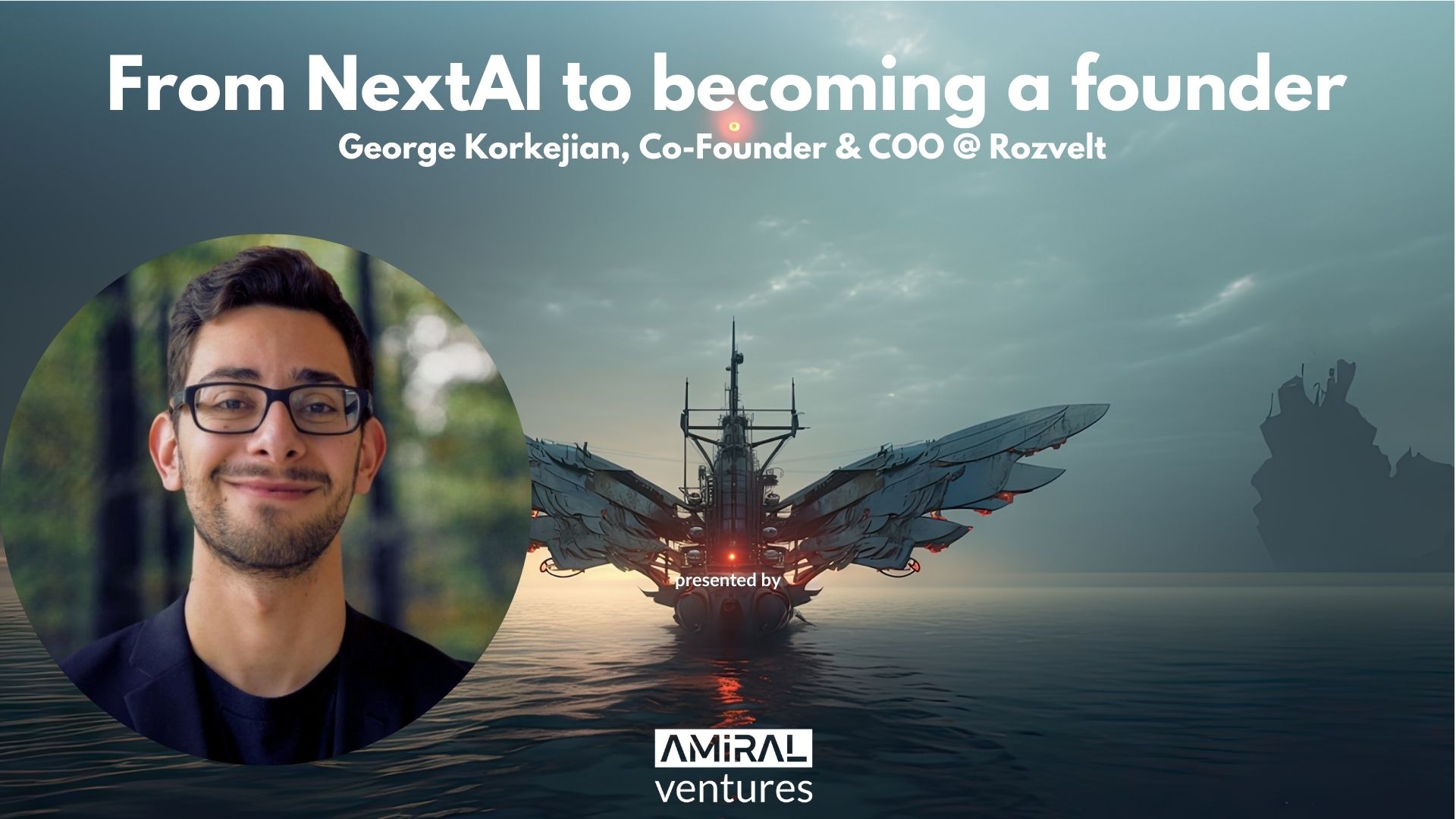
On this week's episode, I spoke with George Korkejian, co-founder and COO @ Rozvelt. We discussed his journey from working at Next AI to launching his own startup. We dove into George's experience in the Montreal entrepreneurial ecosystem, his pivot from supporting other founders to becoming a founder himself, and the motivations behind building Rozvelt, a revolutionary product aimed at filtering human breath for hunters and wildlife observers. The conversation covers the importance of aligning founder priorities, the unique challenges of creating hardware, and the innovative techniques used in field testing. George also shared insights into how Rozvelt has quickly gained traction and their ambitious plans for the future.
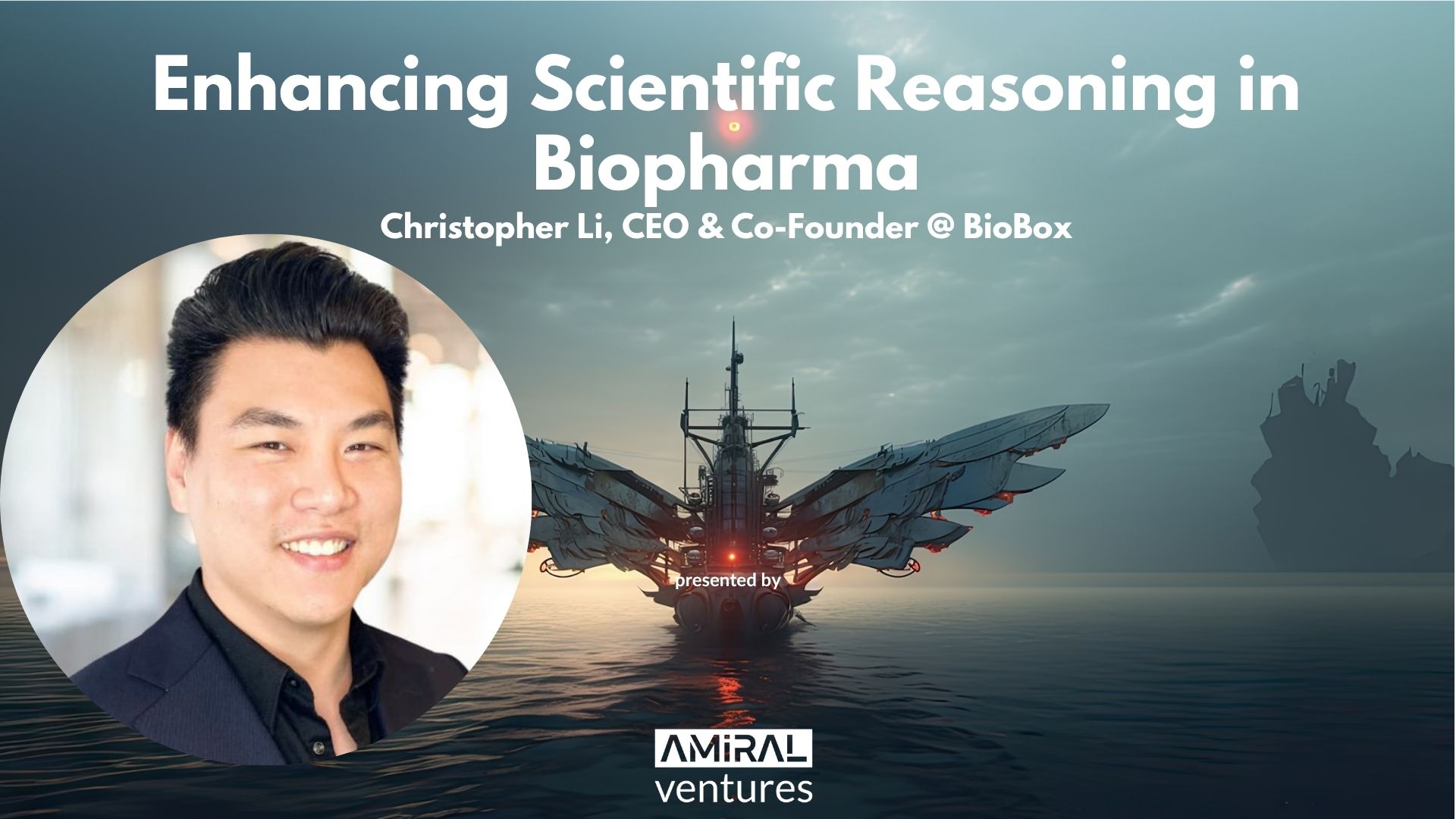
In this episode, Chris, co-founder of Bio Box, delves into the innovative solutions his company offers to the biopharma sector. Bio Box provides a knowledge and reasoning infrastructure for biopharma R&D, helping scientists scale up hypothesis generation and testing in early drug discovery. Chris explains how their platform integrates various biomedical data sources to enable quicker, data-driven decisions and improve collaboration across research teams. He also discusses the challenges and rewards of building a startup in the biotech industry, particularly in the Canadian context, and shares insights on the importance of productive science and reasoning in drug discovery. Furthermore, Chris provides a glimpse into Bio Box's customer engagement strategies, business model, and his vision for the future of the company. Whether you are a scientist, investor, or just curious about the intersection of biotech and AI, this episode offers valuable insights into the evolving landscape of biopharma research.
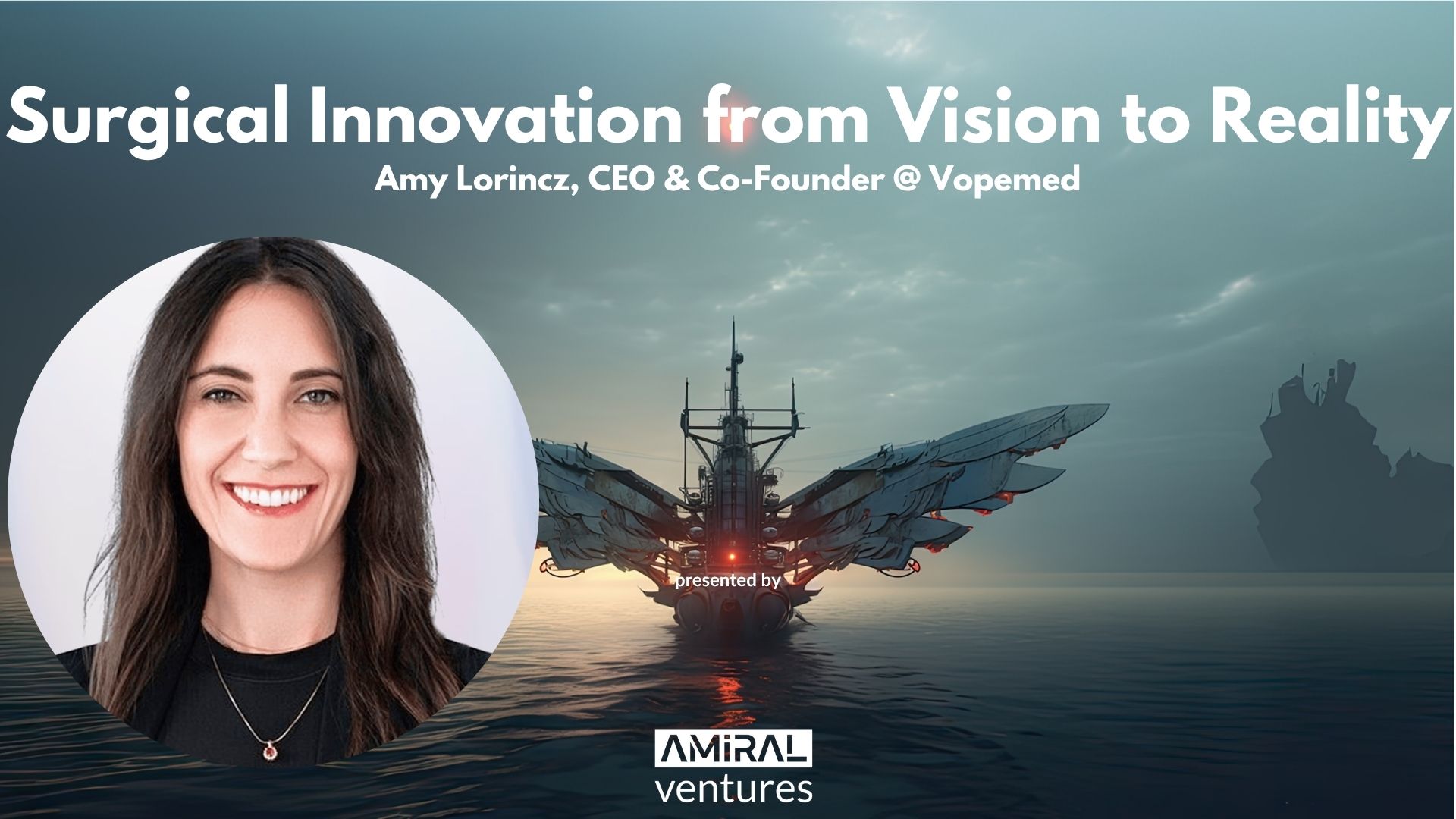
Amy discusses her pioneering work at Vopemed, a health tech company developing AI software to enhance visualization during minimally invasive surgeries. Amy explains the challenges surgeons face with traditional endoscopic cameras and how Vopemed's software addresses these issues by providing real-time enhanced image feeds. The conversation explores the company's first market focus on laparoscopic surgeries, the potential for expansion into other diagnostic procedures, and the dual go-to-market strategies involving OEMs and hospitals. Using a proprietary dataset, Vopemed's AI enhances surgical visuals, which can significantly reduce the stress and inefficiencies associated with surgical procedures. Amy also shares insights on the company's regulatory journey, the genesis of the company from her master's program, and the potential broader impacts of AI in the surgical field.
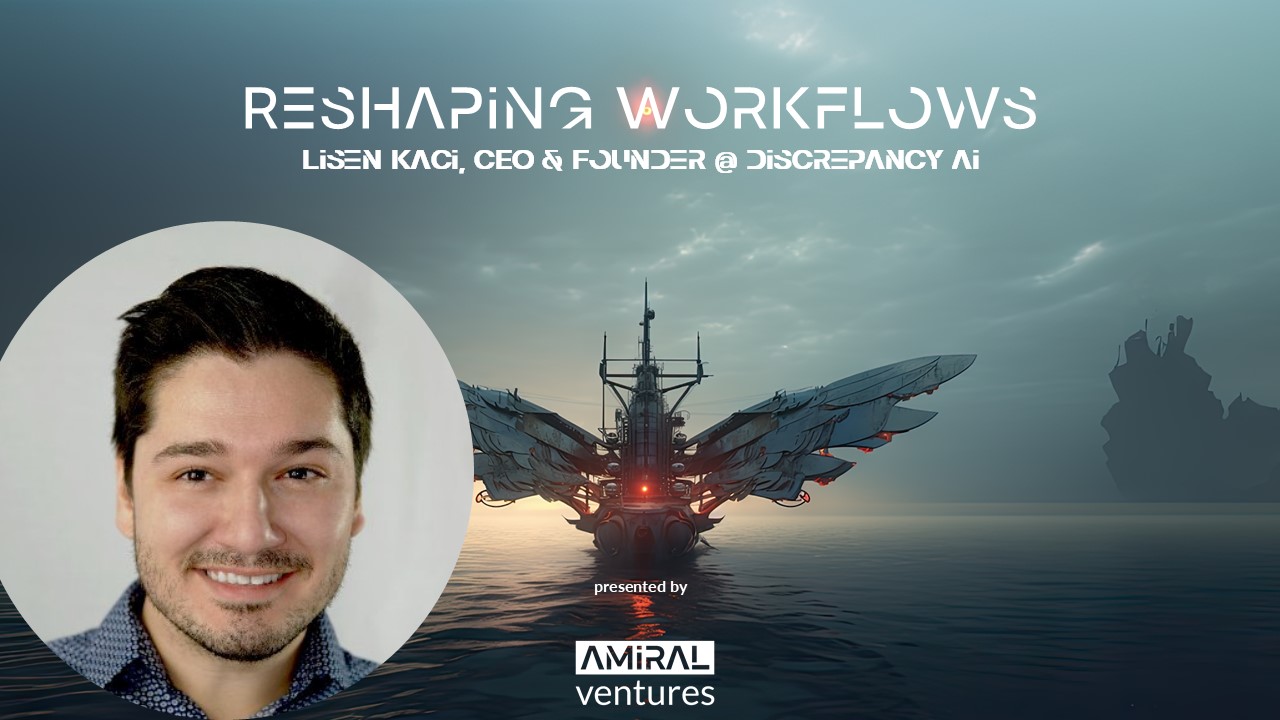
In this episode, we spoke with Lisen Kaci, the founder behind Discrepancy AI. Lisen talks about his journey from working as an AI engineer in document processing to founding his startup based in Toronto. He identifies key industry limitations with legacy OCR technologies and explains how Discrepancy AI is leveraging AI tool-chaining to convert any document into actionable structured data. Their innovative approach focuses on reducing manual review costs by over 80%. Lisen discusses various use cases, including income verification for rental and mortgage screening. He emphasizes their unique, no-code implementation that integrates seamlessly with existing systems. The conversation also touches on the future of AI, industry challenges, fundraising strategies, and Discrepancy AI's next product launch that aims to automate complex report generation.
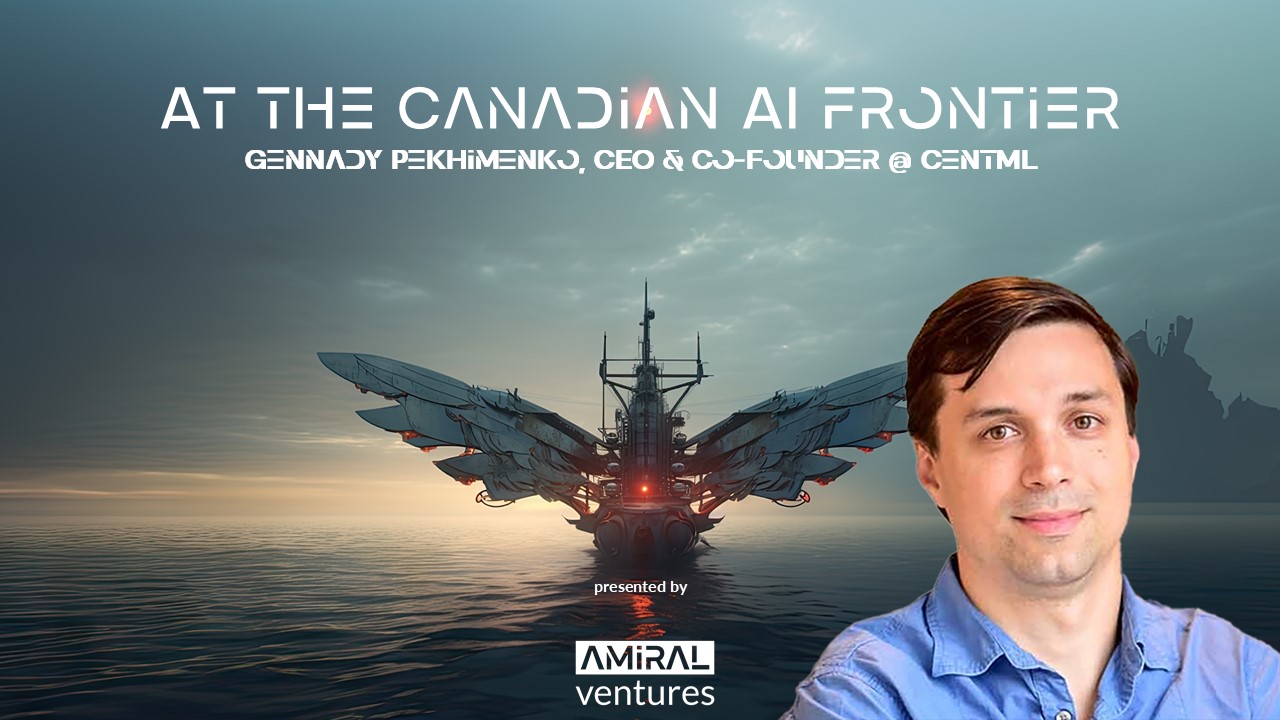
In this episode, I spoke with Gennady Pekhimenko, CEO & Co-Founder @ CentML - an AI company focused on optimization and efficiency. He successfully transitioned from academia to building one of Canada's leading AI companies. We discuss his background, starting with his educational background in computer science and his research at the University of Toronto and Carnegie Mellon University. Gennady raised $27 million in seed funding to take advantage of the AI wave. The conversation explores the development and optimization of AI technology, the challenges of turning research into scalable engineering solutions, and the realization of practical applications beyond the university setting. Gennady shares insights on the importance of efficiency in AI, the company's approach to optimizing hardware and software for AI models, and the experiences of raising funds and building a team. The episode offers a deep dive into the technical and strategic aspects of growing an AI company and highlights the significance of open-source models and innovations in the evolving AI landscape. The conversation explores the development and optimization of AI technology, the challenges of turning research into scalable engineering solutions, and the realization of practical applications beyond the university setting. Gennady shares insights on the importance of efficiency in AI, the company's approach to optimizing hardware and software for AI models, and the experiences of raising funds and building a team. The episode offers a deep dive into the technical and strategic aspects of growing an AI company and highlights the significance of open-source models and innovations in the evolving AI landscape.

I had the pleasure of moderating a panel at the recent Reseau Capital Annual summit on the topic branding for investment firms. My job was pretty easy, I got the chance to listen to the brilliant Whitney Rockley from McRock Capital, Amélie Foz-Couture from Diagram Ventures and Clement Bourgogne from Jolt Capital. They share some unique insights on grassroots marketing, relationship based messaging, adapting for new markets and much more. The panel discusses the importance and impact of marketing and branding in venture capital. Whitney shares the early grassroots marketing journey of Mac Rock, focusing on industrial software, and how their quirky, authentic videos and deep connections with entrepreneurs and LPs fostered a loyal following and facilitated significant deals. Amil Lee from Diagram explains their low-profile but relationship-driven strategy in the FinTech and climate tech sectors, emphasizing the power of personal outreach and alignment with their fund's strategy. Cleon shares how Jolt leverages its identity in deep tech and engineering, while highlighting the importance of staying true to core values. The discussion touches on the cost-effective nature of grassroots marketing, the importance of authenticity, trust, and consistency, and scaling branding efforts. They also stress the significance of data-driven thought leadership and firsts in maintaining a leadership position in a specialized fund.
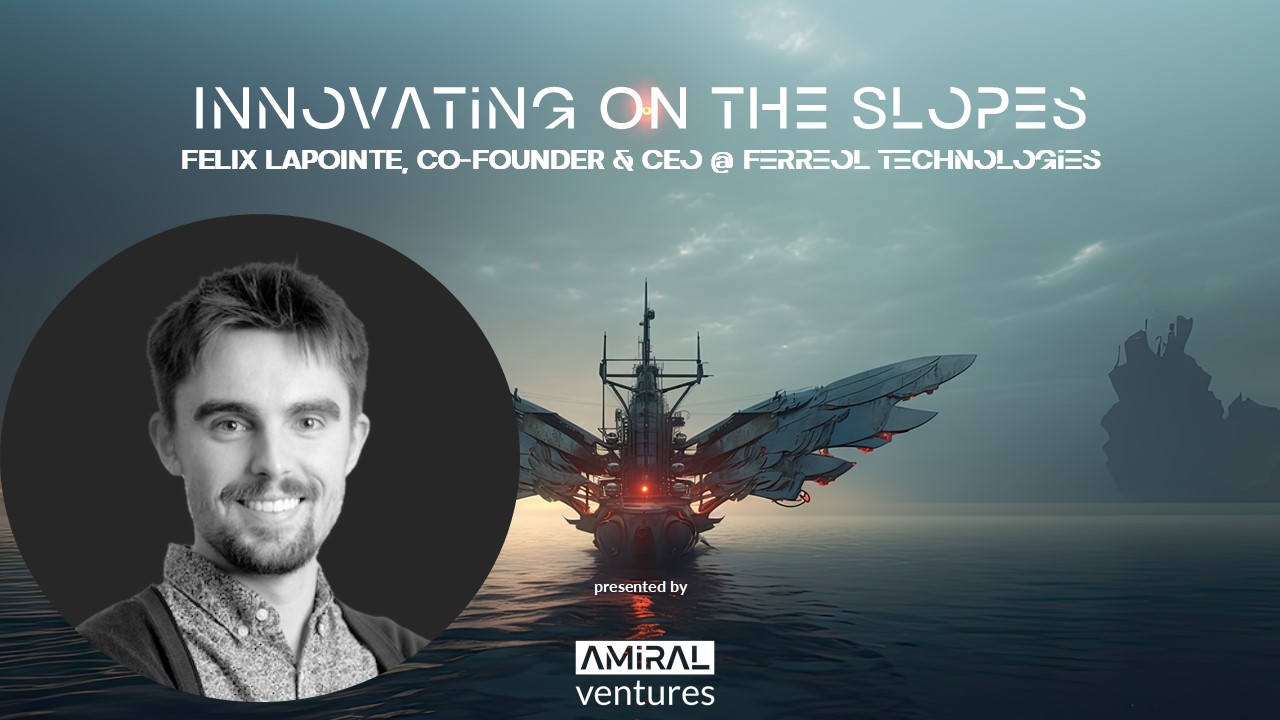
Dans cet épisode, nous découvrons l'histoire de Ferréol Technologies, une entreprise québécoise fondée en 2018-2019 par trois passionnés de ski et ingénieurs mécaniques de l'Université Laval. Nous apprenons comment Félix, Jonathan, et Étienne ont utilisé leurs compétences complémentaires pour créer des skis adaptés aux conditions de ski variées du Québec, tout en ayant une empreinte écologique réduite. L'entreprise, qui a démarré dans un garage, s'est rapidement fait connaître et est devenue la deuxième plus grande compagnie de ski au Canada. En parallèle, ils ont développé un alliage d'aluminium ultra-résistant, ouvrant ainsi des opportunités dans les industries du sport et de l'aérospatial à travers Ferréol Technologie. Félix partage également des réflexions personnelles sur l'entrepreneuriat, soulignant l'importance de la passion, de la persévérance et des relations humaines dans leur réussite.
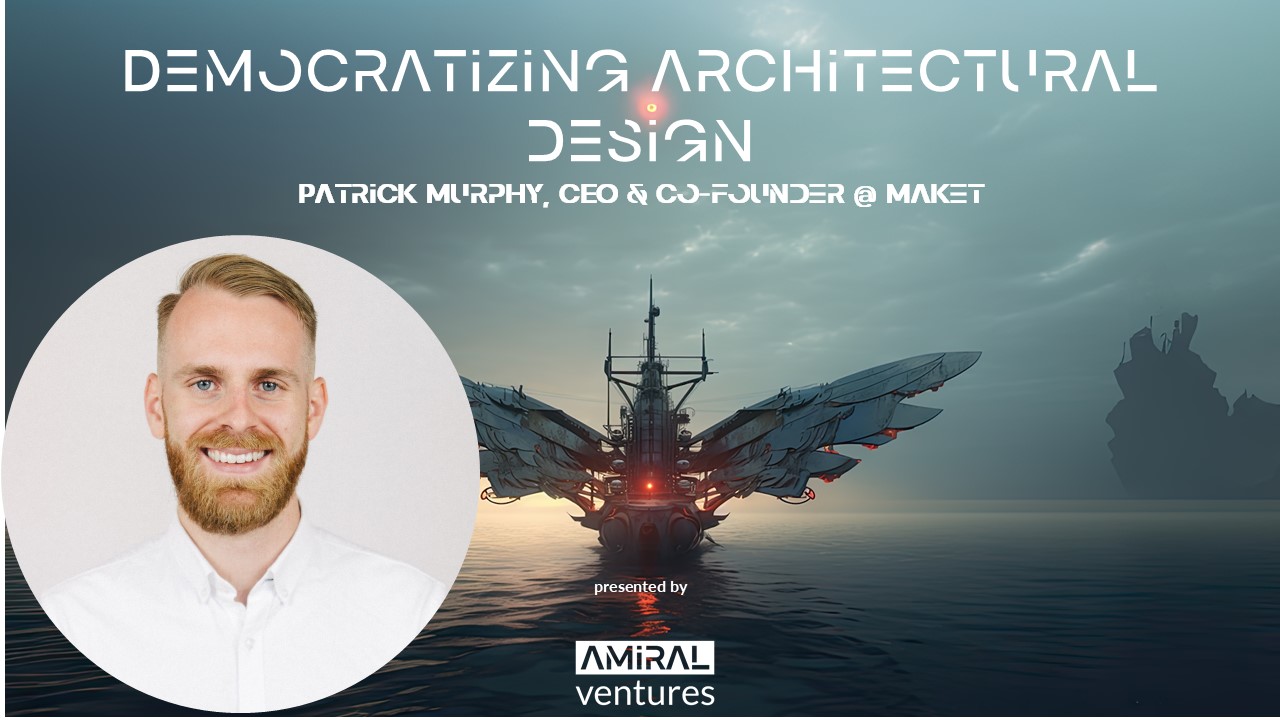
In this episode, Patrick Murphy, CEO& co-founder of the startup Maket, shares his vision of democratizing architectural design and planning. Inspired by Canva's transformation of graphic design, Maket aims to simplify and accelerate the architectural process using generative AI. Starting with residential design, the platform seeks to compress timelines and cut costs, providing both consumers and professionals with powerful tools. Patrick discusses the challenges of traditional methods, the advancements Make It has made since its inception in 2021, and the company's growth to over 670,000 users. We conclude with insights into navigating venture financing and the overarching ambition to revolutionize not just architectural design but the entire home building and renovation process.
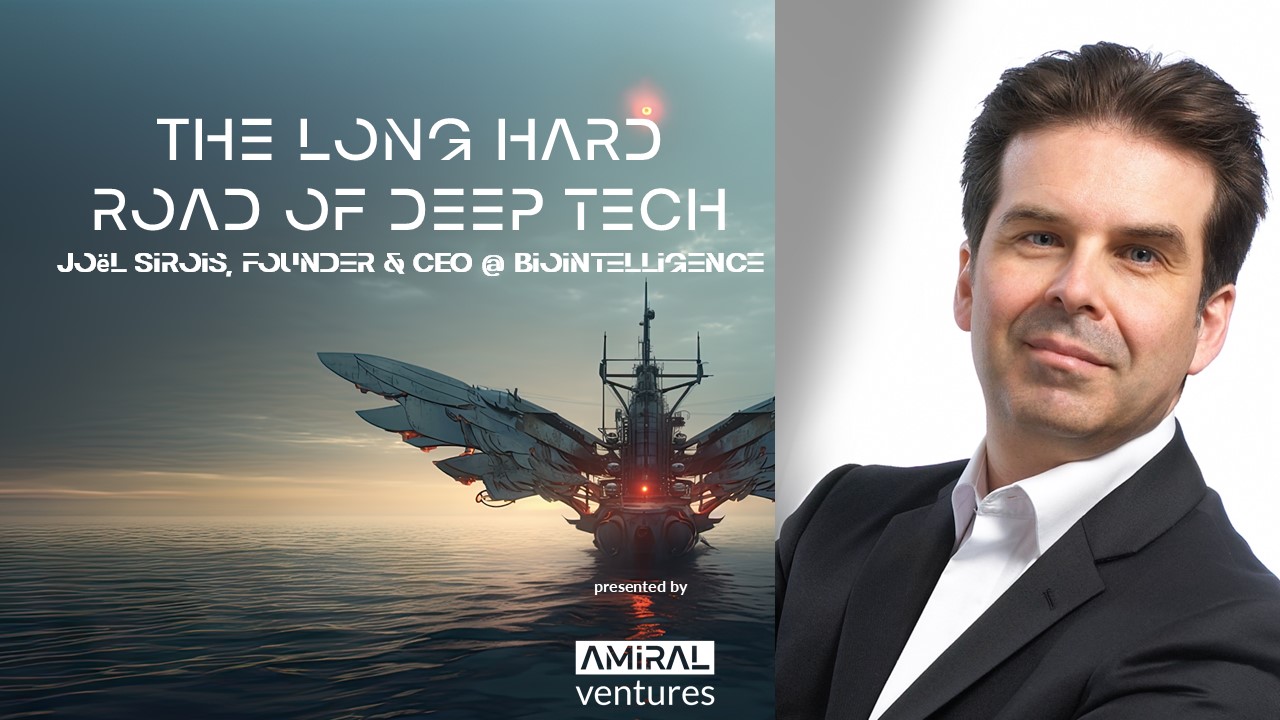
Joël discusses the inception and development of BioIntelligence which is focused on real-time data monitoring in industrial biotechnology. His journey began with a background in chemical engineering and years of experience in developing bioprocesses. Frustrated by the lack of real-time information in fermentation processes, Joël's team at the University of Sherbrooke developed a revolutionary optical probe technology. This innovation allows operators to monitor multiple parameters in real-time, significantly improving productivity, quality, and resource consumption in industrial biotechnological processes. We also talked about the strategic challenges of funding and scaling the company, emphasizing the importance of a clear vision and focus on core applications within the biotechnology industry. This is one of the conversations I've had on the podcast. I really enjoyed Joël's candor on what it takes to build a breakthrough startup.
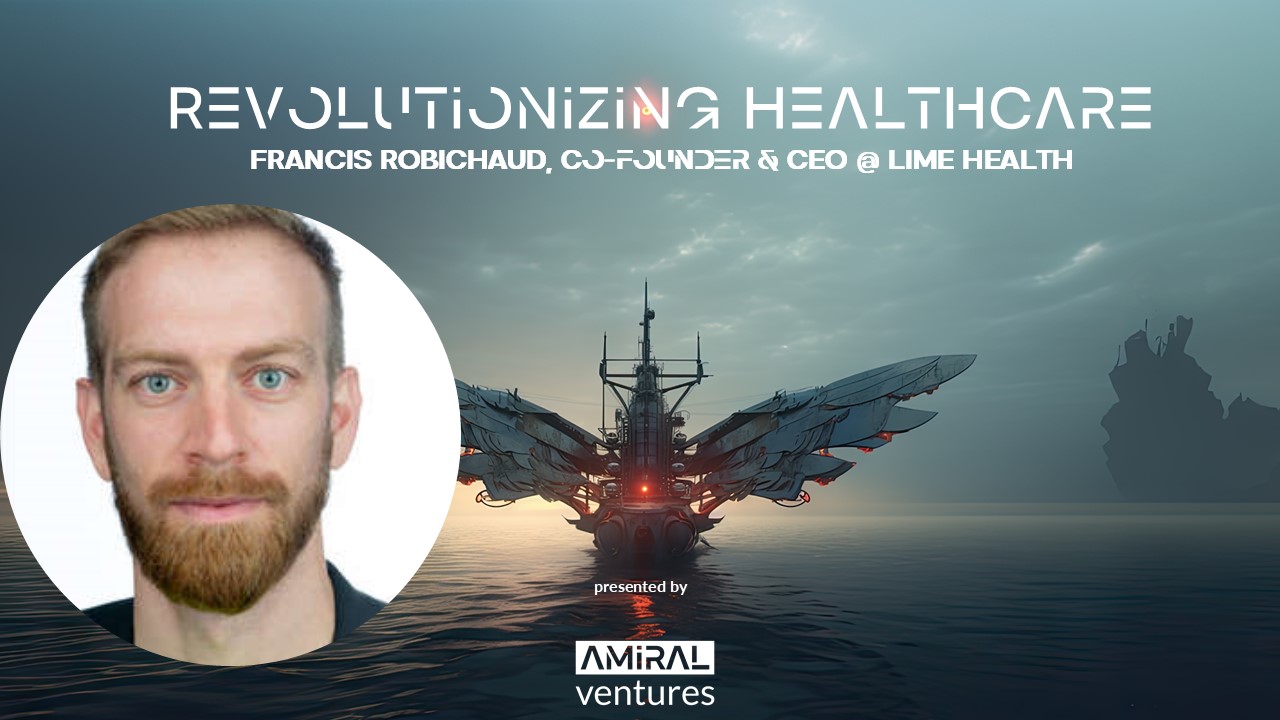
Un nouvel épisode dans la série des startups de Québec On a parlé avec Francis Robichaud, Co-fondateur et PDG @ Lime Santé. Francis discute de son parcours d'intégration de la technologie dans le système de santé pour améliorer l'expérience des patients et l'efficacité du système. En tant qu'ingénieur passionné par les soins de santé, Francis exploite les données et les commentaires des patients pour apporter des améliorations systémiques. Il explique l'approche de son entreprise en matière de numérisation du parcours du patient, d'optimisation de la communication et d'utilisation de l'IA pour de meilleurs résultats en matière de soins de santé. Francis aborde également les défis et les opportunités des systèmes de santé du Québec et des États-Unis, ainsi que l'importance de la responsabilité personnelle et de la transparence dans les soins de santé. La conversation s'étend à la stratégie de croissance de l'entreprise, à ses ambitions internationales et au rôle des outils novateurs dans la définition de l'avenir des soins de santé.

Comments

Download from Google Play

Download from App Store
 United States