


 Claim Ownership
MEM-EM: The Memorising Emergency Medicine Podcast
Subscribed: 3Played: 14
Subscribe

© MEM-EM
Description
An educational podcast designed for Emergency Medicine. The primary goal of this project is to accelerate the learning curve and decrease the knowledge translation window for trainees. MEM-EM is designed to complement official resources to help people prepare for examinations in Emergency Medicine and to maintain knowledge during practice. Content is structured to follow the RCEM 2021 curriculum but will be useful for ACEM trainees in Australasia and also portfolio pathway candidates in the UK.
61 Episodes
Reverse
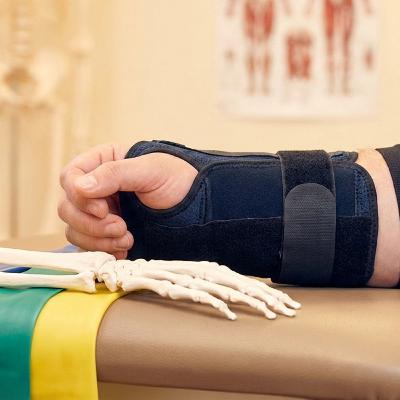
Executive SummaryForearm Complexity: "Simple" forearm fractures often harbour complex instability. Always image the joint above and below to rule out Monteggia (proximal) or Galeazzi (distal) fracture-dislocations.Paediatric Nuance: Children are not just small adults. Salter-Harris classification determines prognosis. Torus (buckle) fractures are stable and require minimal intervention, whereas supracondylar fractures (often confused with wrist/forearm pain) are emergencies.Occult Scaphoid: Up to 20% of scaphoid fractures are X-ray negative. Treat "Clinical Scaphoid Fracture" (snuffbox tenderness + axial loading pain) as positive to prevent non-union.BOAST Guidelines: Displaced distal radius fractures require reduction (block/Bier's) to restore radial height and volar tilt.
This briefing synthesizes key guidance and curriculum requirements for performing invasive and high-risk procedures within the Emergency Department (ED). The Royal College of Emergency Medicine (RCEM) has issued a Best Practice Guideline (October 2023) to provide pragmatic recommendations for ED clinicians, adapting the national NatSSIPs 2 standards for the unique, time-critical environment of emergency medicine (1).The core principles for all invasive procedures revolve around a triad of safety checks: obtaining patient consent (or acting in their best interest), independent verification of the procedure site by two practitioners (one of whom must be ST4 or above), and conducting a team brief to ensure all members understand the plan. The use of checklists, such as the modified 'NatSSIPs Eight', is strongly encouraged to ensure auditable compliance and account for significant risks. In time-critical emergencies where full compliance is not possible, clinicians must document their rationale.In parallel, the RCEM curriculum's Specialty Learning Outcome 6 (SLO6) defines the skillset required for EM physicians to proficiently deliver key life- and limb-saving procedural skills. It outlines a structured progression of learning and entrustment from ACCS to Intermediate and Higher training. Proficiency is developed through a combination of eLearning, simulated practice, and observed clinical performance, with assessment via tools like DOPS and logbooks. This ensures clinicians are prepared for both common and rarely performed critical procedures.
Hand injuries account for approximately 20% of all Emergency Department (ED) attendances in the UK. The complexity of hand anatomy means that seemingly minor surface wounds can mask debilitating injuries to tendons, nerves, or joints.Critical Takeaways:Position of Injury: Wounds must be explored through the full range of motion (ROM) to detect retracted tendon injuries.Fight Bites: Any laceration over the metacarpal head (knuckle) is a human bite until proven otherwise. These require aggressive washout and antibiotics due to high risk of septic arthritis.Rotational Deformity: Scissoring of fingers on flexion is the hallmark of malrotated metacarpal/phalangeal fractures and requires reduction/fixation.Kanavel’s Signs: Recognition of these four signs is vital for diagnosing flexor tenosynovitis, a surgical emergency.
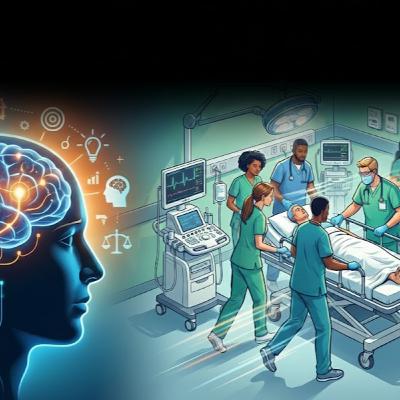
Effective teamwork within high-acuity environments, such as the Emergency Department (ED) caring for critically unwell patients, necessitates a paradigm shift away from traditional, hierarchical models of interaction. While leadership is often lauded, organizational reliability critically depends on the quality of followership. The common societal perception often portrays followers as passive, weak, or unmotivated individuals. In the healthcare context, this stereotype is not only misleading but poses a significant safety threat. A comprehensive strategy for improving teamwork requires the professional rebranding of followership from a subordinate role to that of an "Engaged Sentinel"—an essential, proactive safety layer.
Functional Friday = A guided mental workout for your mind This episode focuses on the crisis resource management and human factors a trauma team leader needs to master for coordinated effective patient care of sick patients. The principles can be applied to team leading in all resus situations.

Clinical Decision Rules (CDRs), also known as Clinical Decision Instruments (CDIs), are ubiquitous tools designed to standardise care, reduce low-value testing, and mitigate the effects of cognitive bias in the high-pressure environment of the Emergency Department (ED). Their value, however, is the subject of considerable debate among emergency medicine professionals.Proponents argue that CDRs are essential for addressing significant practice variation and promoting evidence-based, high-value care. They highlight evidence showing that well-validated rules, such as the Pulmonary Embolism Rule-Out Criteria (PERC) and the Pregnancy-Adapted YEARS algorithm, can safely reduce unnecessary imaging and hospital admissions, aligning with the principles of Choosing Wisely. They posit that CDRs serve as vital supplements to clinical reasoning, which alone has led to decades of excessive testing.Conversely, critics contend that the widespread adoption of CDRs has been deleterious to clinical decision-making. They argue that most CDRs are never proven to be superior to, or even as effective as, a trained physician's clinical judgment. A common pitfall is an emphasis on high sensitivity at the expense of specificity, which can paradoxically increase overall testing. Furthermore, the evidence base is often weak; very few CDRs have undergone rigorous impact analysis in randomised controlled trials to prove they improve patient-oriented outcomes in real-world settings.The practical application of CDRs is also fraught with risk. Clinicians frequently misapply them by ignoring crucial inclusion and exclusion criteria ("indication creep") or by misinterpreting one-way "rule-out" tools as being directive for further testing. This can lead to unintended consequences, such as the widespread belief that any patient over 65 with a head injury requires a CT scan, a misapplication of the Canadian CT Head Rule.Ultimately, CDRs are not a replacement for the honed expertise of an emergency physician. Their judicious use requires a deep understanding of each rule's derivation, validation, performance characteristics, and intended population. Effective implementation is not a passive process but requires a structured, department-wide approach involving education, stakeholder buy-in, and continuous monitoring. This briefing document synthesises the arguments for and against CDRs, providing a framework for their critical appraisal and responsible application in clinical practice.
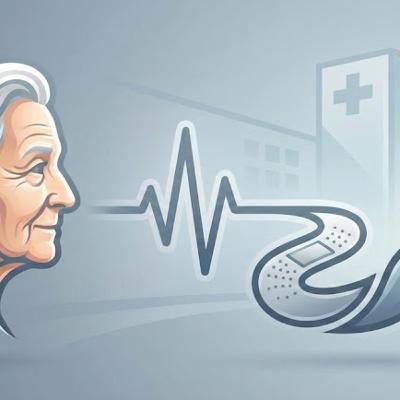
Executive SummaryThis document provides a comprehensive briefing on the assessment and management of "Silver Trauma"—significant injury in patients aged 65 and over. This patient demographic now constitutes the majority of major trauma cases in the UK, frequently presenting after low-energy falls (<2 metres). The core challenge lies in their diminished physiological reserve, multiple comorbidities, and polypharmacy, which blunt the typical signs of severe injury, leading to systemic under-triage, delayed diagnosis, and disproportionately high morbidity and mortality.The fundamental principle of care is a shift from an injury-centric to a patient-centric, holistic model. Key best practices include mandatory triage modification with early senior clinician involvement, universal screening for frailty (Clinical Frailty Score) and delirium (4AT test), and the adoption of modified physiological thresholds for shock. A Systolic Blood Pressure < 110 mmHg, a Heart Rate > 90 bpm, or a venous lactate > 2.5 mmol/L are critical indicators of occult hypoperfusion requiring aggressive intervention.Management requires a multidisciplinary team (MDT) approach initiated in the Emergency Department, incorporating geriatric principles into the standard trauma survey. This includes proactive management of geriatric syndromes (summarised by the PINCHME mnemonic: Pain, Infection, Nutrition, Constipation, Hydration, Medication, Environment), optimised analgesia with a focus on regional blocks, and a low threshold for comprehensive CT imaging. The use of structured screening tools, such as the 'Shake, Rattle, Rock and Roll' assessment, is advocated to detect occult truncal and head injuries. This integrated pathway aims to address the patient's intrinsic vulnerability concurrently with their acute injuries, thereby improving outcomes and ensuring they receive safe, high-quality, and dignified care.
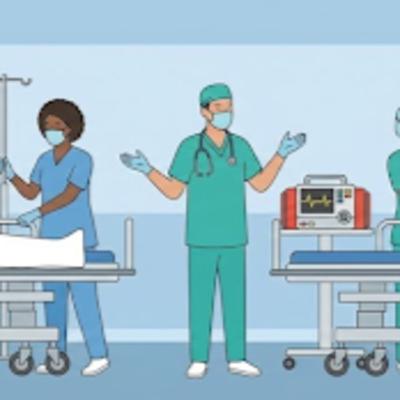
Effective team leadership in the high-stakes environment of an emergency department (ED) resuscitation bay is defined less by technical prowess and more by the mastery of non-technical skills. Crisis Resource Management (CRM), a discipline originating from the aviation industry, provides a robust framework of behavioural and cognitive skills designed to optimise team performance and mitigate human error. Evidence indicates that communication failures are the primary root cause in over 70% of sentinel events, and human factors contribute to 60-70% of all clinical errors [1,2]. This document synthesises core principles of CRM and human factors, providing a practical blueprint for the ED team leader.The most critical takeaways are the necessity of proactive preparation, structured communication, and continuous situational awareness. The Zero Point Survey—a framework for preparing Self, Team, and Environment before patient contact—is a foundational tool for shifting from a reactive to a proactive stance. Mastery of communication techniques, particularly Closed-Loop Communication, is non-negotiable for ensuring clarity and reducing errors; its use has been shown to accelerate task completion by a factor of 3.6 [3].Effective leaders maintain strategic oversight, or "drone vision," fostering a shared mental model through techniques like "flying by voice" and regular team updates. They must also actively manage their own and their team's cognitive load, implementing strategies to mitigate common cognitive biases such as search satisficing and confirmation bias. This requires creating a culture of psychological safety where all team members feel empowered to speak up using tools like graded assertiveness. Ultimately, these skills are not innate; they are cultivated through deliberate practice in simulation, structured feedback using models like Advocacy-Inquiry, and a commitment to continuous system improvement.
This protocol provides a systematic, evidence-based framework for the assessment, diagnosis, and initial management of adult patients presenting to the Emergency Department (ED) with symptoms suggestive of Acute Coronary Syndrome (ACS). It is intended for use by all emergency department clinicians within this NHS Trust to ensure a standardised, timely, and effective approach to a common and high-risk clinical presentation.

This episode outlines the South West Initiative for Traumatic Intracranial Event Evaluation (SWIFTIEE), a new regional protocol for managing adult patients with minor traumatic brain injuries (MTBI) who have abnormalities on CT head imaging. The initiative aims to standardise care, improve hospital flow, and enhance patient safety by addressing ambiguities in current NICE NG232 guidance regarding the definition of 'surgically significant' and 'clinically important' radiological findings.
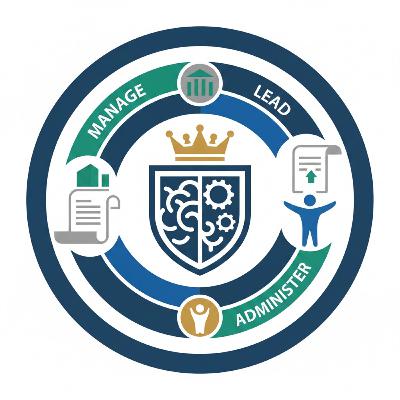
Executive SummaryAchieving Specialty Learning Outcome (SLO) 12 requires a transition from clinical competency to system leadership. This document synthesizes the RCEM CARES strategic framework (addressing system pressures) with the EMLEADER development programme (building personal capability).Critical Takeaways:Strategic Alignment: Operational decisions must align with the RCEM CARES pillars (Crowding, Access, Retention, Experience, Safety) to advocate effectively for resources and safety.The EMLEADER Mindset: Leadership is not a title but a practice. You must demonstrate proficiency across the programme's core domains: Leading Self, Leading Teams, and Leading Systems.Governance as Safety: Moving from "admin" to "assurance"—using incidents and complaints to drive the Quality Improvement (QI) agenda.Compassionate Leadership: Retention is a critical safety issue. Leadership must focus on staff wellbeing to maintain a functioning workforce.
Executive SummaryThis briefing document provides a comprehensive guide to the Royal College of Emergency Medicine (RCEM) Quality Improvement (QI) assessment, a core component of the 2021 curriculum. Specialty Learning Outcome (SLO) 11, "Participate in and promote activity to improve the quality and safety of patient care," represents a fundamental shift from a single examination hurdle to a continuous, longitudinal assessment of QI and patient safety skills throughout training.Critical Takeaways:Continuous, Longitudinal Assessment: QI is no longer an isolated event but is "spiralled" through training, requiring evidence of engagement at every stage (Core, Intermediate, and Higher). This approach, supported by educational principles of "interleaving" and "spacing," embeds QI into daily practice and prevents post-exam disengagement.The Quality Improvement Assessment Tool (QIAT): The primary mechanism for recording and assessing annual QI activity is the QIAT, a standardized reporting form available on the Kaizen ePortfolio. A well-constructed QIAT is detailed, typically covering the equivalent of 7–8 pages.Focus on Methodology: The assessment has shifted from traditional audit to a focus on mastering and applying systematic QI methodologies, such as the Model for Improvement (MFI) with Plan-Do-Study-Act (PDSA) cycles. The emphasis is on demonstrating an understanding of the improvement journey.Broadened Project Scope: QI projects are no longer limited to narrow clinical topics. Projects addressing education, environmental sustainability, staff wellbeing, cost-saving, pre-hospital care, or overseas settings are now suitable, significantly expanding the range of available topics.Progressive Competency: Expectations evolve with the trainee's level of seniority. Core trainees focus on participation and understanding basic principles; Intermediate trainees progress to data analysis and evaluation of change; and Higher trainees are expected to demonstrate project leadership.Assessment and Sign-Off: The QIAT is reviewed annually by the trainee's Educational Supervisor (ES). For trainees in Higher Specialist Training (ST4-6), there is additional oversight to ensure standards are met, which for some transitional trainees involves a regional QI panel.
Executive SummarySpecialty Learning Outcome (SLO) 11 represents a fundamental shift in the Royal College of Emergency Medicine (RCEM) curriculum, moving away from a single examination hurdle to a continuous, longitudinal assessment of Quality Improvement (QI) and patient safety.Critical Takeaways:Continuous Assessment: QI is no longer an isolated event; it is "spiralled" through training, requiring evidence of engagement at every stage (Core, Intermediate, and Higher).Methodology Focus: The emphasis has shifted from simple audit to mastering QI methodologies (e.g., PDSA, Driver Diagrams) and understanding the "journey" of improvement.The Tool: The Quality Improvement Assessment Tool (QIAT) on Kaizen is the primary mechanism for recording and assessing this activity.Scope: Projects are no longer limited to clinical topics; they can cover education, environmental sustainability, wellbeing, or cost-saving.
Executive SummarySpecialty Learning Outcome (SLO) 10 of the Royal College of Emergency Medicine (RCEM) curriculum frames research not as an academic option, but as a core component of clinical excellence for the modern Emergency Medicine (EM) clinician. The fundamental goal is to transition trainees from passive consumers of evidence into active, proficient participants within the research ecosystem. Mastery of SLO 10 is assessed continuously and requires demonstrated proficiency across three key domains: Critical Appraisal, Active Research Participation, and robust Data Management.Critical Takeaways:Core Requirement: Trainees must provide evidence of proficiency in interpreting data (Critical Appraisal), contributing to studies (Active Participation through recruitment and consent), and managing data in compliance with legal and ethical standards (Good Clinical Practice, General Data Protection Regulation).Standard Evidence: Achieving a standard rating requires specific portfolio evidence, including the Applied Critical Appraisal Form (ACAF), Journal Club Feedback (JCF), a valid Good Clinical Practice (GCP) certificate, and recruitment logs for National Institute for Health and Care Research (NIHR) portfolio studies.Path to Excellence: Excelling beyond the mandatory requirements involves assuming leadership roles. High-impact strategies include completing the NIHR Associate Principal Investigator (PI) scheme, acting as a site lead for a Trainee Emergency Research Network (TERN) project, and disseminating original work through regional or national presentations and peer-reviewed publications.Data Governance: Adherence to the Caldicott Principles and GDPR is non-negotiable and must be evidenced through training and reflective practice. A working knowledge of specific EM research ethics, such as Deferred Consent, is essential.

Executive SummarySpecialist Learning Outcome (SLO) 9, "Support, supervise and educate," is a fundamental component of the 2021 Royal College of Emergency Medicine (RCEM) curriculum, marking the trainee's transition from a pure clinician to an integrated leader and educator [1]. Achieving competence in SLO 9 requires demonstrating the ability to safely delegate tasks, provide constructive feedback, facilitate learning within the clinical environment, and support the wellbeing of the multidisciplinary team. Excellence in this domain involves progressing to educational leadership, evidenced by activities such as evaluating teaching, championing multi-professional education, leading debriefs, and creating educational resources.The core of SLO 9 is structured around three pillars: Support (pastoral care and team wellbeing), Supervise (maintaining patient safety through effective clinical oversight and delegation), and Educate (formal and informal teaching). Evidence for these competencies should be collected proactively and integrated into daily clinical shifts rather than waiting for formal teaching opportunities. Key strategies include using ACATs to assess leadership, conducting brief "sniper" teaching observations on the shop floor, and reflecting on the delivery of feedback. Trainees must meet specific, escalating expectations as they progress from ACCS to Higher Specialty Training (HST), with a focus shifting from basic teaching skills to leading the department and formal educational leadership.
Executive SummaryThis document provides a comprehensive synthesis of the core principles, strategic frameworks, and practical requirements for mastering the Royal College of Emergency Medicine (RCEM) Speciality Learning Outcome (SLO) 8, "Lead the ED Shift." Achievement of SLO 8 signifies the critical transition of a technically proficient clinician into a strategic system operator, capable of ensuring departmental safety, efficiency, and quality of care.Key Takeaways:The System Operator Mandate: SLO 8 is the capstone leadership outcome, requiring the integration of clinical acumen with high-level operational command. The focus shifts from individual patient care to managing the entire department's capacity, patient flow, and risk portfolio (3, 4).Proactive Shift Preparation: Effective leadership begins before the shift starts. This includes personal fatigue mitigation strategies rooted in shift work science and leading a structured, multidisciplinary daily safety huddle to establish a shared mental model and proactively identify risks (8, 10).Operational Command and Flow Management: The primary operational duty is managing patient flow to mitigate the known harms of overcrowding (12). This is achieved through maintaining situational awareness via well-designed Visual Management Boards (VMBs), implementing tactical flow interventions (e.g., streaming, case management), and utilising system-wide metrics like "Clinically Ready to Proceed" (16, 17, Source 2).Tactical Leadership in Resuscitation: In high-acuity scenarios, the leader must embody the "Director, Not Doer" principle. By stepping back from performing procedures, the Trauma Team Leader (TTL) preserves the cognitive capacity required for strategic oversight, decision-making, and effective team coordination (20).Primacy of Non-Technical Skills (NTS): Mastery of NTS—including situational awareness, structured communication (SBAR), closed-loop delegation, and strategic team leadership—is the foundation of patient safety and high performance (23, 27).Crisis and Escalation Management: The shift leader must be proficient in activating predefined escalation policies during periods of severe crowding and leading the department through major incidents. This requires a structured approach (e.g., the SELF, SPACE, STAFF, STUFF, SPECIALTIES, SAFETY, SYSTEM mnemonic) and the ability to navigate the ethical complexities of transitioning to crisis standards of care (32, 34, Source 2).Evidencing Mastery: Competency must be documented through a robust portfolio of evidence, including workplace-based assessments and, critically, high-quality reflective practice that demonstrates leadership in systemic and quality improvement initiatives (37, 38).

Executive SummaryThe effective management of organ dysfunction and failure is a cornerstone of Emergency and Critical Care Medicine. This briefing document outlines the essential knowledge and procedural steps for ACCS trainees to achieve competence and excel in this critical domain, corresponding to RCEM curriculum code ACCS LO 3 / SLO 1.Key takeaways include the imperative to recognize impending organ failure before physiological decompensation by looking beyond vital signs and utilizing tools like NEWS2 and lactate trends. A structured, critical-care-focused Airway, Breathing, Circulation, Disability, Exposure (A-E) assessment is paramount. This involves anticipating the need for advanced airway management, differentiating respiratory failure types, defining shock states with the aid of Point of Care Ultrasound (POCUS), and initiating neuroprotective measures.Initial management focuses on timely organ support. Cardiovascular support requires judicious fluid challenges with balanced crystalloids, followed by the early initiation of peripheral vasopressors to maintain a Mean Arterial Pressure (MAP) > 65mmHg. Respiratory support involves escalating from standard oxygen to High-Flow Nasal Oxygen (HFNO) or Non-Invasive Ventilation (NIV) where appropriate, with a low threshold for recognizing treatment failure. Renal protection is achieved through strict fluid balance, maintaining perfusion, and ceasing nephrotoxic medications.Excellence in this area transcends basic management; it involves advanced physiological reasoning, such as understanding fluid responsiveness versus tolerance and calculating the Shock Index. Furthermore, superior performance is demonstrated through strong team leadership, employing closed-loop communication, developing a shared mental model, and making timely, appropriate decisions regarding escalation to Critical Care or establishing a ceiling of care.

Specialty Learning Outcome 7 (SLO 7), "Deal with complex and challenging situations in the workplace," is a continuous and mandatory component of Royal College of Emergency Medicine (RCEM) training, representing the pinnacle of professional competence for an Emergency Physician [1, 2]. Mastery of this outcome signifies a transition from a clinical proceduralist to an autonomous leader capable of managing the multifaceted challenges inherent to the Emergency Department (ED). This requires a demonstrable integration of clinical excellence with robust professionalism, advanced communication, ethical acumen, and systemic leadership [2, 3].The core requirement for mastery, particularly at Higher Training levels (Entrustment Levels 3 and 4), is the ability to manage complex clinical, interpersonal, and systemic challenges with no supervisor involvement [4]. This autonomy must be evidenced through consistent, high-quality performance in four key domains:Advanced Communication and Conflict Resolution: Expertly de-escalating patient aggression, navigating high-stakes professional disagreements, and structuring difficult conversations (e.g., breaking bad news, managing complaints) using established frameworks [4, 12].Non-Technical Skills (NTS) and Crisis Management: Systematically applying NTS, including Arousal Management to control personal stress responses and team cognitive load. Utilizing practical mnemonics and frameworks like 5S (Self, Staff, Stuff, Space, Safety) for preparation and LIPS (Label, Important Points, Priorities, Strategy) for situation reports enhances team performance in crises [10, 11].Ethical Acumen and Legal Governance: Applying structured ethical frameworks, such as the Four Principle Approach (Autonomy, Beneficence, Non-maleficence, Justice), to navigate bedside dilemmas involving consent, capacity, triage, and professional misconduct, all while operating within UK legal parameters [4, 7].Systemic Leadership and Flow Management: Moving beyond individual patient care to manage departmental crowding and patient flow at a macro-level. This involves using data, implementing evidence-based process improvements, and demonstrating Macro-Situational Awareness to drive system-wide change [2, 8, 22].Demonstrating mastery for the Annual Review of Competence Progression (ARCP) requires strategic evidence generation. High-quality reflections on critical incidents using models like "What? So What? Now What?", detailed Extended Supervised Learning Episodes (ESLEs) capturing autonomous leadership, and Multi-Source Feedback (MSF) from external colleagues are essential [4, 6, 26]. Engagement in structured debriefing, both hot (e.g., STOP5) and cold (e.g., TRiM), provides further evidence of a commitment to team resilience and institutional learning [31].
Executive SummaryThis briefing document provides a comprehensive guide for Acute Care Common Stem (ACCS) trainees in Emergency Medicine to achieve excellence in the learning outcome of providing safe basic anaesthetic care and procedural sedation. Mastery extends beyond pharmacology to encompass meticulous preparation, environmental optimization, airway stewardship, and human factors. Excellence is defined by proactive preparation, creating a safe environment before the patient is present.Key principles for safe practice include a profound understanding of sedative agents (Propofol, Ketamine, Midazolam, Fentanyl), their physiological profiles, and potential complications. Adherence to national guidelines, such as those from the Royal College of Emergency Medicine (RCEM) and the Academy of Medical Royal Colleges (AoMRC), is fundamental, treating procedural sedation with the same vigilance as general anaesthesia. The procedural framework is structured into five phases: Knowledge Foundation, Preparation, Execution, RSI Assistance, and Recovery.Essential steps for every procedure involve a formal airway assessment using the LEMON mnemonic, a thorough equipment check using the SOAP-ME checklist, and a structured team brief. Capnography is mandatory for breath-by-breath ventilation analysis, as pulse oximetry has a significant lag time. Pre-oxygenation via high-flow nasal cannulae (apnoeic oxygenation) is the most critical step to prevent desaturation. Post-procedure, vigilant 1:1 monitoring must continue until the patient returns to their baseline, as a significant number of airway complications occur during recovery. Evidence for this competency is gathered through Direct Observation of Procedural Skills (DOPS), Case-Based Discussions (CbD), simulation, and a comprehensive logbook.
Executive Summary: Transitioning from Exposure to Entrustment This report details a best-practice, longitudinal roadmap designed for Emergency Medicine (EM) doctors in training to achieve Specialty Learning Outcome (SLO) 6: Deliver Key Procedural Skills, adhering rigorously to the RCEM 2021 curriculum and its assessment frameworks. The foundational strategic shift articulated within the 2021 curriculum is the elevation of assessed quality—measured by the RCEM Universal Entrustment Scale—over mere quantity or procedural volume.[1, 2]The methodology emphasizes the critical need for Simulation-Based Mastery Learning (SBML), formalized through adoption of a systematic progression model such as the OASIS framework, to ensure structured, deliberate practice, the attainment of proficiency milestones, and the integration of crucial non-technical skills.[3, 4] A specific focus is placed on Point of Care Ultrasound (PoCUS), where the curriculum mandates explicit modality sign-offs and clarifies that verified clinical competence (Entrustment Level) is the primary determinant of progression, taking precedence over indicative scan volume.[2] Successful implementation of this roadmap requires strict adherence to assessment protocols, including the correct delineation between technical assessment (Direct Observation of Procedural Skills, DOPS, filed in SLO 6) and cognitive/contextual assessment (Case-based Discussions, CbDs, or Acute Care Assessment Tools, ACATs, filed in SLO 1).[5, 6]

Comments

Download from Google Play

Download from App Store
 United States