


 Claim Ownership
MedEvidence! Truth Behind the Data
Subscribed: 14Played: 230
Subscribe

© 2026 MedEvidence! Truth Behind the Data
Description
Welcome to the MedEvidence! podcast, hosted by Dr. Michael Koren. MedEvidence, where we help you navigate the real truth behind medical research with both a clinical and research perspective. In this podcast, we will discuss with physicians with extensive experience in patient care and research. How do you know that something works? In medicine, we conduct clinical trials to see if things work! Now, let's get to the Truth Behind the Data. Contact us at www.MedEvidence.com
394 Episodes
Reverse

Send a text Endurance training coach Owen Shott joins cardiologist Michael Koren to discuss electrolytes. The two experts discuss the role of electrolytes in the body and in the commercial marketplace. They review what electrolytes are, the major electrolytes we need, why they may be depleted in some athletes, and how to restore electrolyte balance. They also review major supplement brands in an unbiased, non-sponsored manner, examining electrolyte composition across products and noting that ...

Send a text Dr. Michael Koren joins Kevin Geddings to talk about the heart. They discuss the origins of Valentine's Day and how high cholesterol can affect the cardiovascular system, including the heart. Then Dr. Koren transitions into talking about new investigational cholesterol therapies being researched - including gene editing. The doctor explains what cholesterol is, how gene abnormalities can affect cholesterol levels, how new investigational gene editing techniques may target these ab...

Send a text Dr. Erich Schramm and Dr. Michael Koren lead a presentation on diabetes and obesity in front of a live audience. The doctors talk about the role willpower plays, how ultra-processed foods hijack our brain, and what a healthy diet looks like. They also discuss the myriad signaling molecules in the body that tell us we're hungry or full and when to digest all that food. The doctors also touch on the growing line of medications that are being used to control diabetes and obesity, and...

Send a text Dr. Michael Koren joins Kevin Geddings to talk about what the Super Bowl can teach us about medicine. The doctor discusses on how players get two weeks off to prepare (and heal) for the Super Bowl. He then relates this to a growing trend in investigational medicine where pharmaceutical companies are searching for longer-term medications for blood pressure and other conditions that only need to be taken once a month or less. The hope is that this "time off" from taking medicines wi...

Send a text Dr. H. Jackson Downey sits down with MedEvidence!™ to give the low-down on keeping your lipoprotein(a) numbers down. Lipoprotein little a, also called Lp(a), is a really, really, really, really, really bad cholesterol that is genetically determined, meaning exercise and diet don't help lower the numbers. Instead, Dr. Downey explains, clinical trials are looking into investigational medications for this bad type of cholesterol. Dr. Downey describes the ins and outs of Lp(a) and how...

Send a text Dr. Michael Koren joins Kevin Geddings to relate his latest reading - the biography of the "father of the atomic bomb," J. Robert Oppenheimer - to medicine. He shares the sentiment that science is the practice of making the complex understandable, and explains that this is also the goal of medicine. The doctor explains the process of medicine as an effort to distill complicated circumstances into comprehensible, actions; on both the individual level and - with clinical trials - on...
Send a text Dr. Mitchell Rothstein goes over the FibroScan, a liver scanning technology that produces fast and cheap measurements of liver fat content and fibrosis. Dr. Rothstein reviews what the FibroScan is, how it works, the process of getting a FibroScan, and what the results mean. The doctor explains when you should get a FibroScan, what to expect from the process, and the accuracy compared to invasive liver biopsies. Be a part of advancing science by participating in clinical research. ...

Send a text Dr. Michael Koren joins Kevin Geddings to offer the solace of taking control of your medical future in these uncertain times. The doctor reminds listeners that when news is stressful and chaotic, doing things that impact you and your life can help reduce anxiety. He suggests that taking advantage of free screening exams at clinical research sites may help people make sense of the otherwise mysterious and can help find solutions to problems they weren't even aware of. Be a part of ...

Send a text Dr. Erich Schramm joins Kevin Geddings to discuss a new study which aims to lower the incidence of childhood obesity. Somewhere around 1 in 3 children are overweight or obese, and this condition greatly increases the risks of serious health consequences later in life, including diabetes, high blood pressure, high cholestrol, and metabolic disorders. Dr. Schramm talks about what is being done today in the world of clinical research that may help children struggling with obesity tod...

Send a text Dr. A. Mark Fendrick joins Dr. Michael Koren to discuss his life and legacy promoting value-based insurance design (VBID). VBID is the idea is that procedures which are neccecary should cost patients less than thsoe that are optional, and is seen in the US with many insurance plans offering 100% coverage of preventative services. Dr. Fendrick recounts his career and how he managed to get VBID language in healthcare laws under both Republican and Democratic legislatures, and that f...

Send a text Dr. Michael Koren joins Kevin Geddings to explain what "Phase 1" means in the context of clinical research. The doctor talks about how phase 1 is the first time a new investigational treatment is used in a person, but that there is an enormous amount of work that happens before a medication gets to that point. He also discusses the other phases of research, concerns about safety, and why clinical research is so important. Be a part of advancing science by participating in clinical...

Send a text Dr. Noelle Pomeroy, PhD, joins Dr. Erich Schramm to discuss mental health, particularly from the perspective of relationships. The two discuss the value of therapy and the importance of talking with an expert in areas that are new to us, and then get into sexual health and relationships. They talk through the changes that happen as people age, the challenges that pornography can create for chronic users, and how intimacy can change over the life of a relationship. Dr. Pomeroy then...

Send a text Dr. Michael Koren joins Kevin Geddings to discuss atrial fibrillation. This heart condition is caused by rapid, irregular heartbeats originating in the upper chambers and is a critical risk factor for strokes. Dr. Koren talks about the current standard-of-care medicines for atrial fibrillation, blood thinners, and their shortcomings. He finishes with an explanation of how clinical trials are looking for new ways to lower the risk of stroke in those with atrial fibrillation w...

Send a text Dr. Paul Miller joins Dr. Michael Koren to discuss ongoing research in the field of psychology. Dr. Miller expounds on the complex interplay between genetic predisposition, trauma, and the way the brain misprocesses memory, and the potential negative psychological outcomes. Dr. Miller then discusses treatments and the changing treatment landscape, including techniques that mimic rapid eye movement (REM) sleep to help process memories in a less traumatic way, and newer medications ...
Send a text Dr. Michael Koren joins Kevin Geddings to give some advice on easy-to-accomplish resolutions for the new year. The doctor gives three resolutions: Get an advanced cholesterol Lp(a) checkGet a fatty liver testDo an Alzheimer's screeningThese are easy resolutions that can help guide health decisions for the year and beyond. Be a part of advancing science by participating in clinical research. Have a question for Dr. Koren? Email him at askDrKoren@MedEvidence.com Listen on Spotify ...
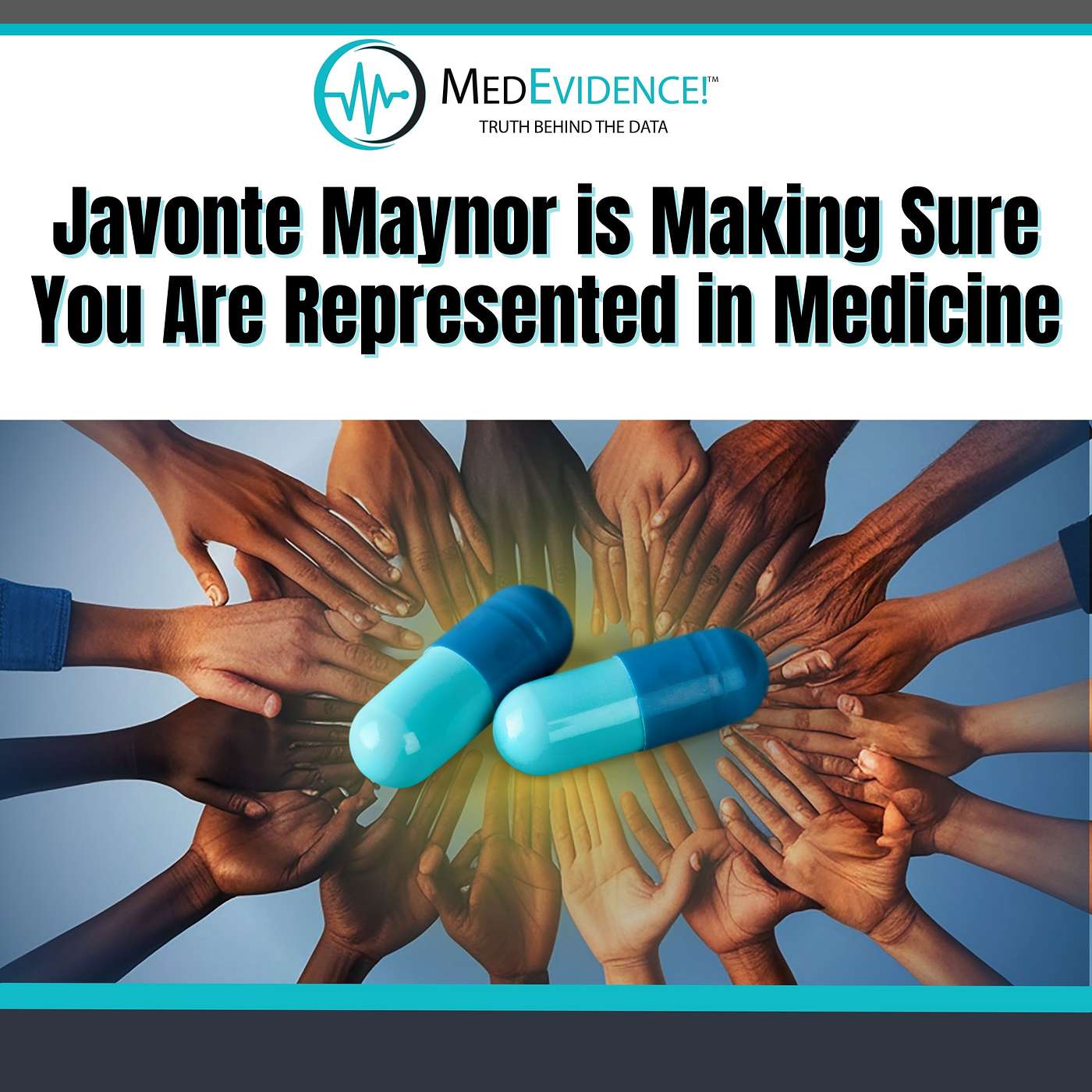
Send a text Javonte Maynor joins Dr. Erich Schramm to talk about Mr. Maynor's journey from Division I basketball to starting and running a clinical research site. The entrepreneur talks about his passion for clinical research, representation, and how historically low representation of minorities is a design choice which can be remedied. The duo discusses methods of increasing diversity, trust, and good patient outcomes and how those three ideas are intrinsically linked. They finish the conver...
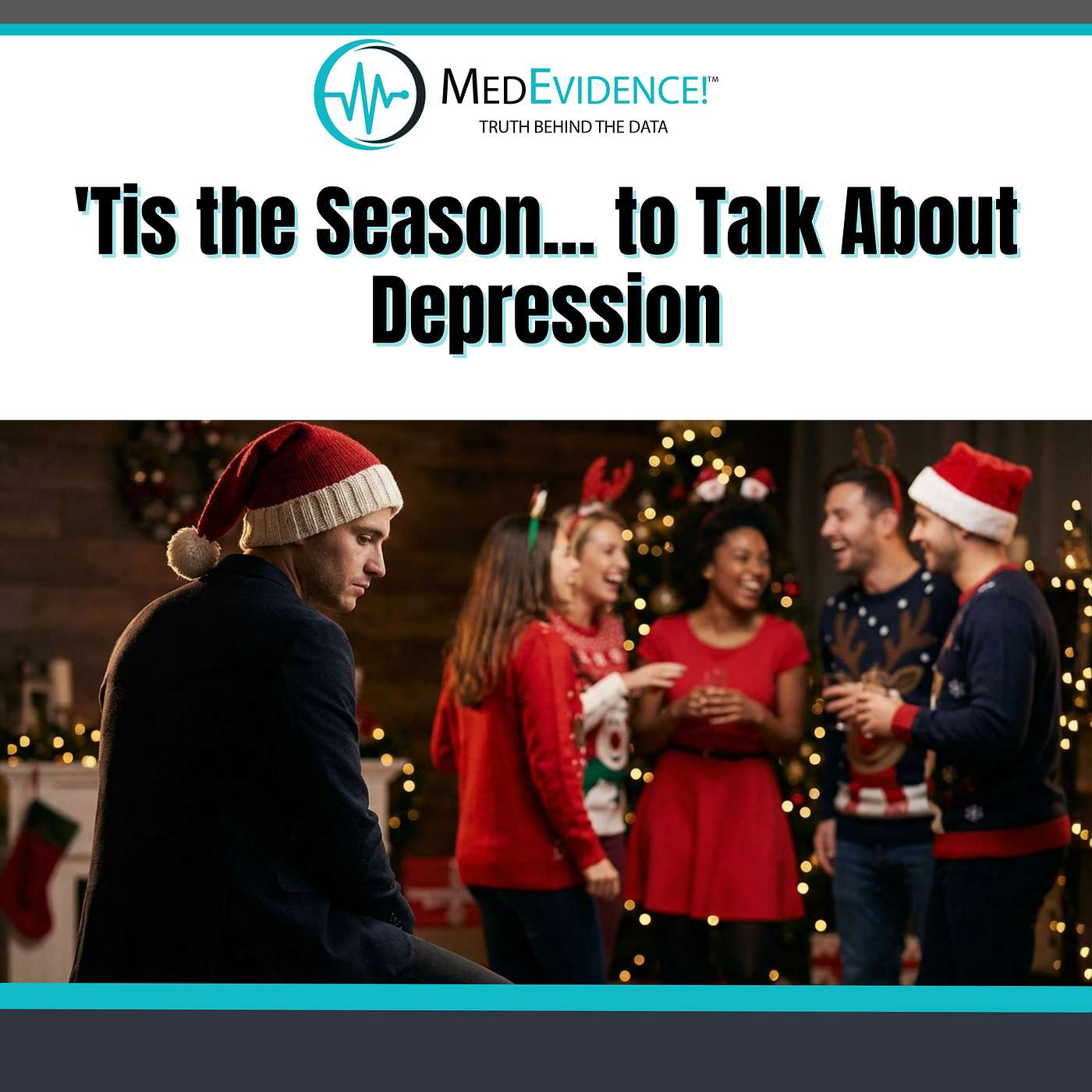
Send a text Dr. Heather Luing joins Dr. Michael Koren to talk about depression. They discuss what it can feel like, why December is associated with a spike in depression cases, and what's going on inside the body and brain that makes this disorder so challenging. The duo of doctors also explore new and emerging medications in the depression field, including several that target completely new pathways in the brain and may provide relief for people who have not found help with older medications...
Send a text Dr. Michael Koren joins Kevin Geddings to answer the question: What does it mean to be medically ready for the holidays. The doctor discusses how the holidays are fun, but changes in schedules can throw off precise medical routines. The doctor explains that people need to plan around limited pharmacy hours, dietary challenges, and risks of excessive alcohol consumption. As long as you are prepared, you're medically ready for the holidays! Be a part of advancing science by particip...
Send a text There's not a lot that we both need to do and get paid to do. Dr. Michael Koren joins Kevin Geddings to discuss one of the most beneficial parts of clinical research: getting paid to do what you should be doing anyway. As an example, the doctor talks about Lp(a), a really, really, really, really bad cholesterol that increases the chances of having a heart attack and stroke. Dr. Koren explains that most people haven't had an Lp(a) test done because traditional cholesterol medicatio...
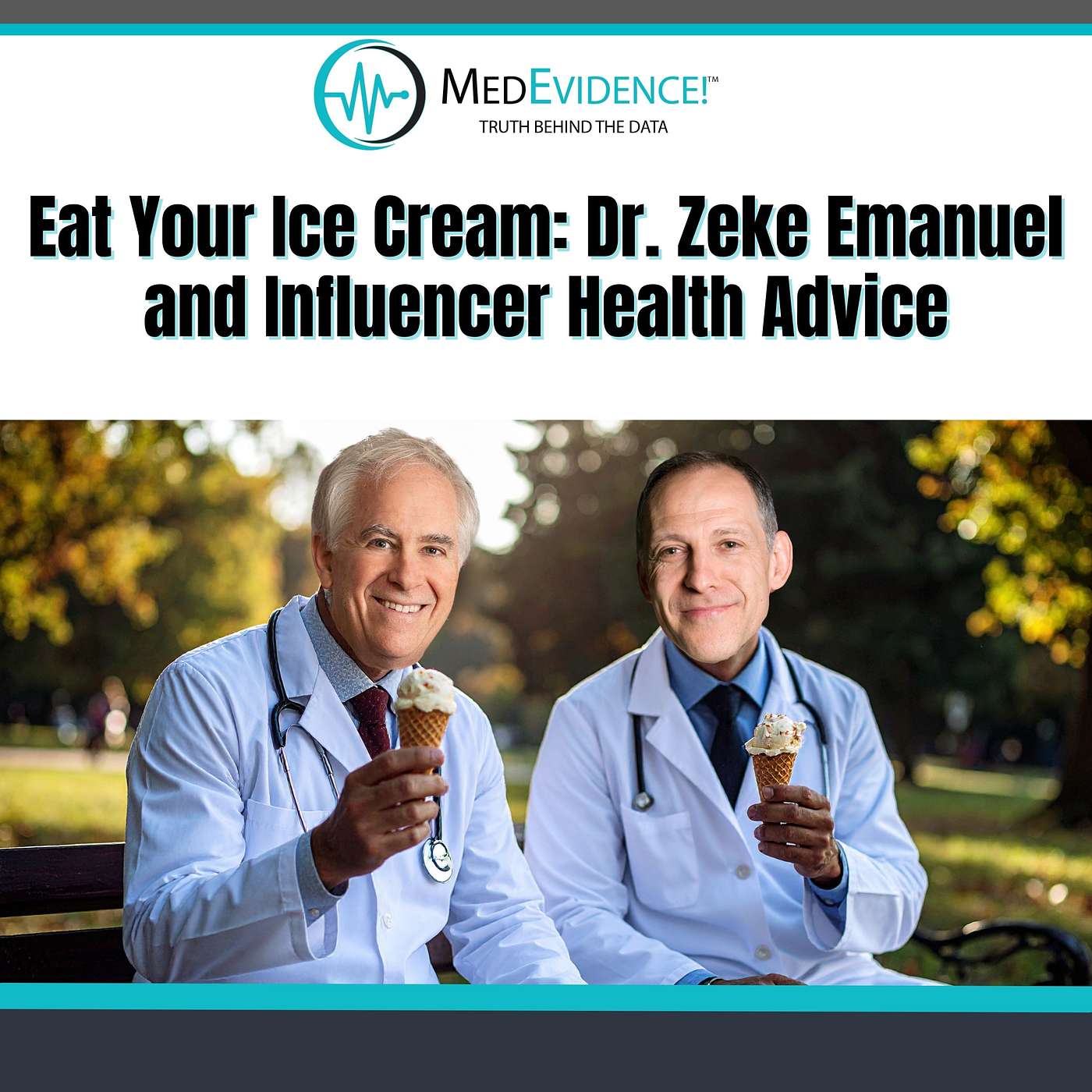
Send a text Dr. Zeke Emanuel joins Dr. Michael Koren to discuss his new book Eat Your Ice Cream: Six Simple Rules for a Long and Healthy Life. Dr. Emanuel explains how frustrated he is at trendy, influencer-style health advice and how it accentuates intense, short-term "miracle fixes," which are almost always for sale and rarely have medical benefits. He explains his philosophy, and the philosophy of Benjamin Franklin: that, in order to make substantive change, you have to focus on one thing ...

Comments

Download from Google Play

Download from App Store
 United States