


 Claim Ownership
Wild Wonders
Subscribed: 1Played: 4
Subscribe

© Copyright Wild Wonders
Description
Discover the wild like never before with Wild Wonders — your ultimate show for exploring the fascinating world of animals and nature.
Each episode dives deep into the most amazing creatures on Earth — from powerful predators to mysterious sea life — revealing their hidden secrets, survival skills, and untold stories.
If you love wildlife, adventure, and learning about our planet’s most incredible beings, you’re in the right place! 🌍
Join us for captivating animal facts, wildlife documentaries, and stories that will make you see nature in a whole new way.
Each episode dives deep into the most amazing creatures on Earth — from powerful predators to mysterious sea life — revealing their hidden secrets, survival skills, and untold stories.
If you love wildlife, adventure, and learning about our planet’s most incredible beings, you’re in the right place! 🌍
Join us for captivating animal facts, wildlife documentaries, and stories that will make you see nature in a whole new way.
189 Episodes
Reverse
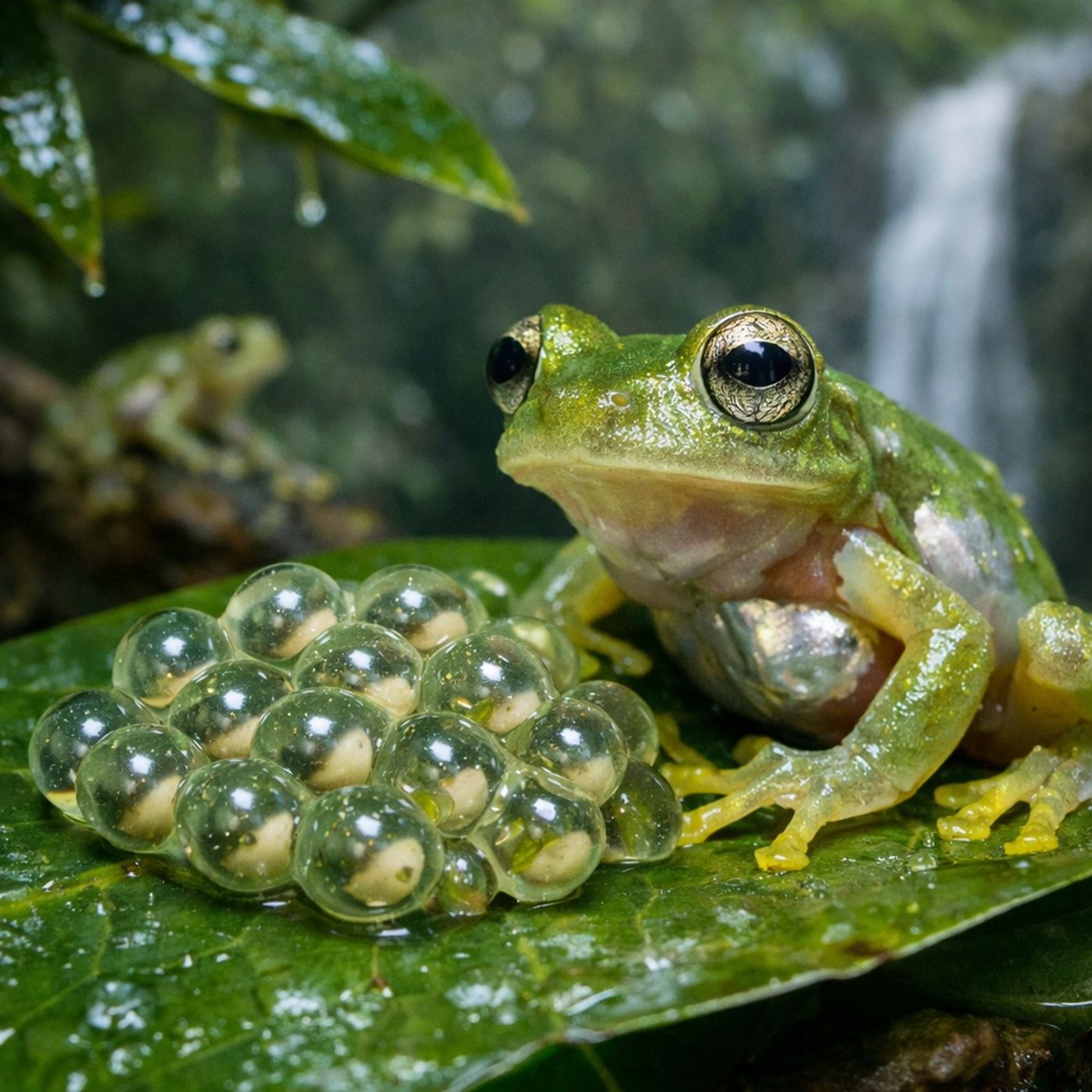
Glass frogs, native to Central and South America, achieve near transparency by storing most of their red blood cells in a liver shielded by reflective crystals, allowing them to evade predators. Males provide paternal care by guarding eggs until hatching. Despite these adaptations, the species is threatened by habitat loss, climate change, and the illegal pet trade, making conservation efforts crucial for their survival.You can listen and download our episodes for free on more than 10 different platforms:https://linktr.ee/wild_wonders1Produced by:https://www.podcaistudio.com/
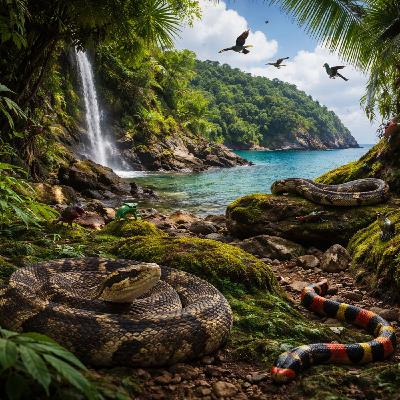
Gorgona Island, off the Colombian coast, is a biodiverse region known for its dense population of venomous snakes, including fer-de-lance, coral snakes, and Colombian boas. Once a Spanish refuge and later a prison, it is now a protected national park supporting ecological recovery. The island highlights the importance of wildlife conservation in its terrestrial and surrounding marine ecosystems.You can listen and download our episodes for free on more than 10 different platforms:https://linktr.ee/wild_wonders1Produced by:https://www.podcaistudio.com/
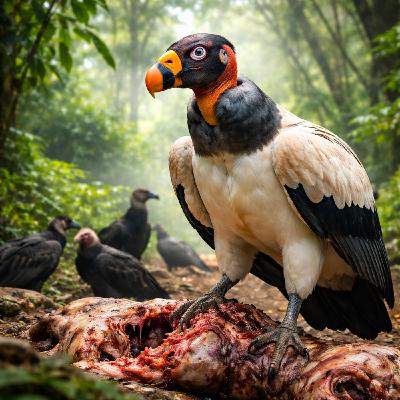
The king vulture is a brightly colored scavenger of Central and South America, recognized for its multi-colored head, strong beak, and massive wingspan. It consumes carcasses that other scavengers cannot, often cooperating with smaller birds in a mutual feeding relationship. The species exhibits unique nesting behaviors and lifelong mating habits but faces threats from habitat loss and poaching.You can listen and download our episodes for free on more than 10 different platforms:https://linktr.ee/wild_wonders1Produced by:https://www.podcaistudio.com/
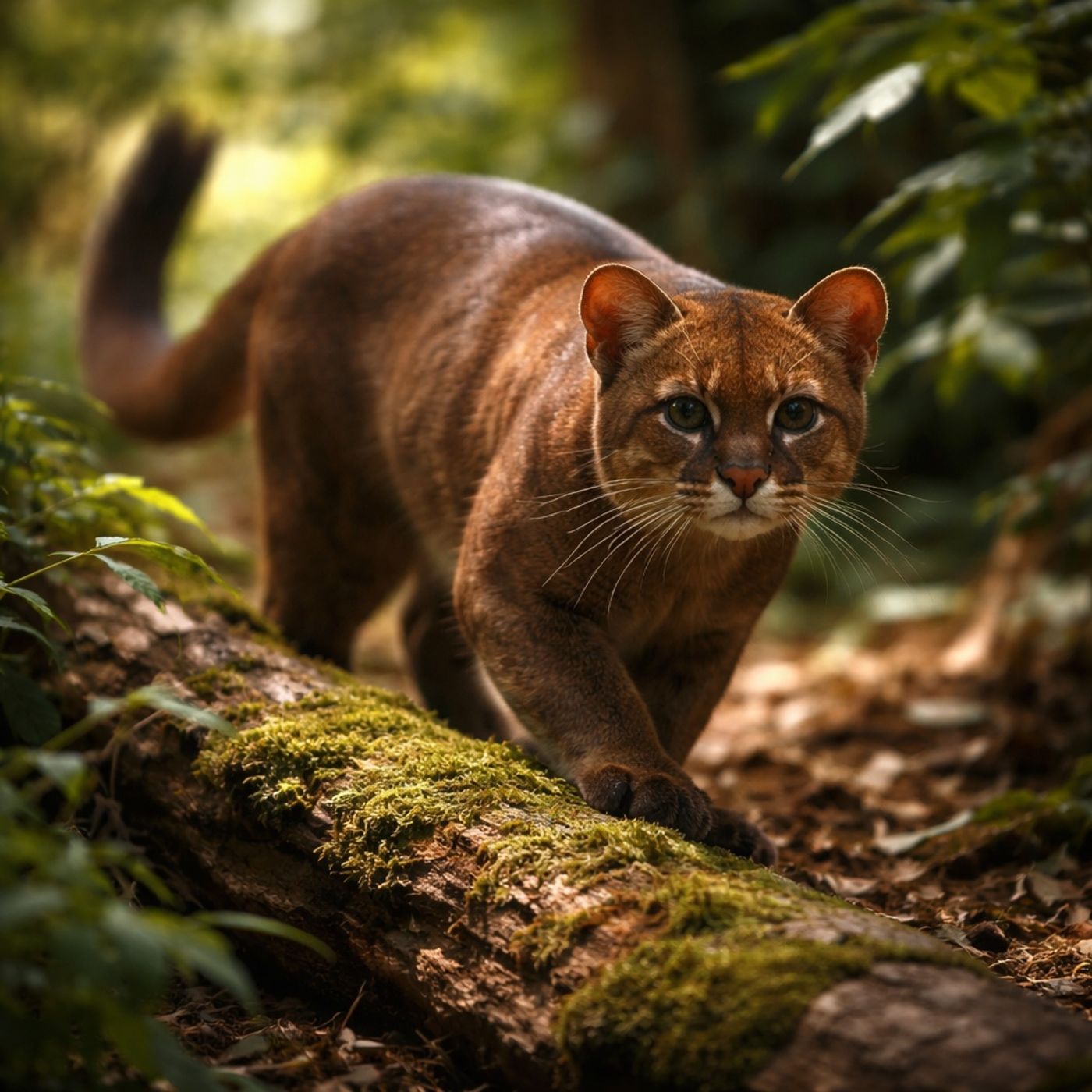
The jaguarundi is a small, weasel-like feline of the Americas, closely related to cougars and cheetahs. It is a daytime, generalist hunter that thrives in grasslands and forests while avoiding larger nocturnal predators like ocelots. Despite its adaptability and varied diet, the species faces threats from habitat loss and human conflict, emphasizing the need for conservation efforts.You can listen and download our episodes for free on more than 10 different platforms:https://linktr.ee/wild_wonders1Produced by:https://www.podcaistudio.com/
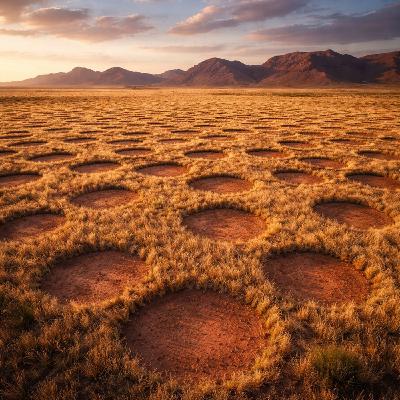
Namibian fairy circles are organized patches of bare soil in arid African and Australian grasslands, featuring distinct hexagonal patterns. Their origin remains uncertain, with hypotheses including termite activity, underground gas leaks, and vegetation self-organization due to water scarcity. Unlike fungal fairy rings, these formations can remain unchanged for a century, showcasing complex natural patterns that continue to puzzle scientists.You can listen and download our episodes for free on more than 10 different platforms:https://linktr.ee/wild_wonders1Produced by:https://www.podcaistudio.com/
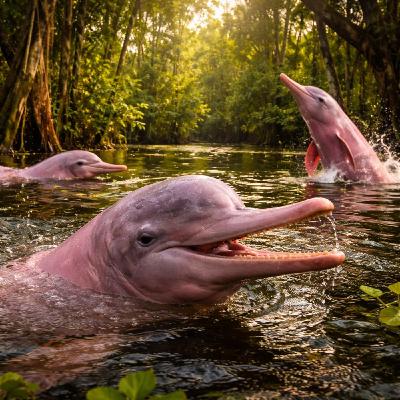
Amazon river dolphins, or botos, are freshwater dolphins with unfused neck vertebrae and flexible bodies that help them navigate South America’s flooded forests. Their pink coloration comes from scar tissue from social interactions. They hunt prey like piranhas using a specialized echolocation organ called a melon. Botos hold cultural significance in Amazonian folklore and face endangerment due to conflicts with the fishing industry, highlighting both their adaptations and environmental challenges.You can listen and download our episodes for free on more than 10 different platforms:https://linktr.ee/wild_wonders1Produced by:https://www.podcaistudio.com/
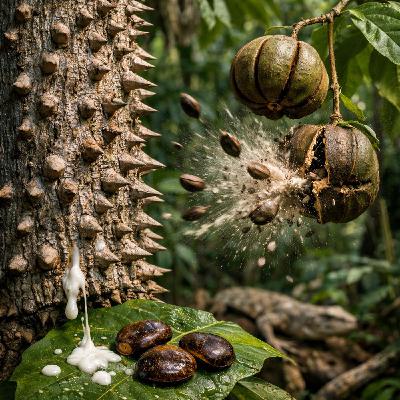
The sandbox tree, or dynamite tree, is a highly dangerous tropical plant with a spiked trunk, toxic sap, and explosive fruit that can launch seeds at over 240 km/h. Its poisonous seeds and irritating oils pose risks to humans and animals, while its seed pods historically served as ink blotters. Despite its hazards, certain extracts are used in traditional medicine, and the tree’s aggressive dispersal strategies highlight its potential as an invasive species.You can listen and download our episodes for free on more than 10 different platforms:https://linktr.ee/wild_wonders1Produced by:https://www.podcaistudio.com/
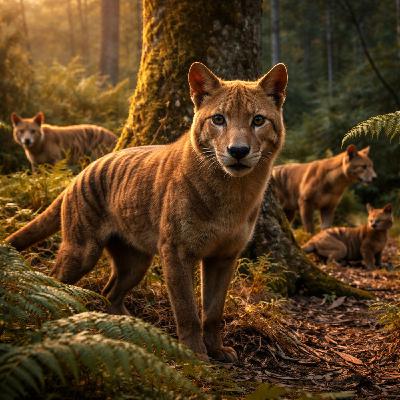
The thylacine, or Tasmanian tiger, was a carnivorous marsupial with canine-like features and pack-hunting behavior, distinguished by its striped back and specialized pouch. It went extinct on the Australian mainland due to competition with dingoes and later disappeared from Tasmania because of human hunting and habitat loss, with the last known individual dying in 1936. The species’ history underscores the consequences of biodiversity loss and highlights the importance of modern conservation efforts.You can listen and download our episodes for free on more than 10 different platforms:https://linktr.ee/wild_wonders1Produced by:https://www.podcaistudio.com/
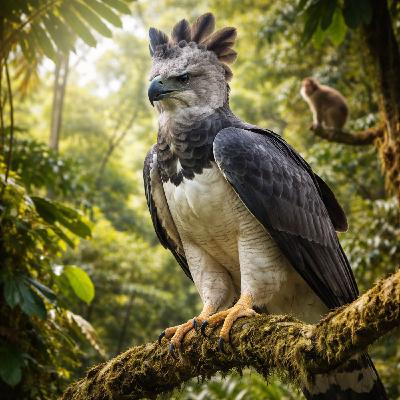
The harpy eagle is a powerful apex predator of Central and South American tropical forests, notable for its large size, feathered crown, and massive talons used to hunt sloths and monkeys. It practices monogamous breeding and holds cultural significance in countries like Panama and Brazil. The species is threatened by deforestation, and its conservation is crucial for maintaining the ecological balance of the rainforest.You can listen and download our episodes for free on more than 10 different platforms:https://linktr.ee/wild_wonders1Produced by:https://www.podcaistudio.com/
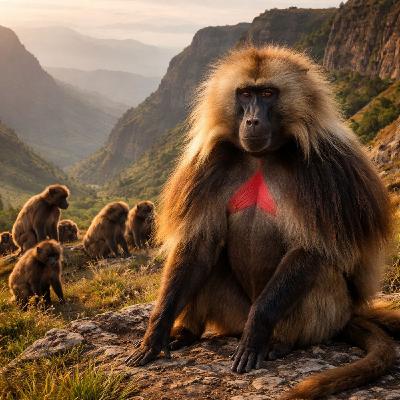
Geladas are specialized primates native to the Ethiopian highlands, primarily herbivorous despite their large canines. They have a distinctive red chest patch used to signal social status and reproductive readiness. Living in large, cliff-dwelling herds, geladas exhibit complex vocalizations and social structures. Their survival is currently threatened by habitat loss and climate change within their limited mountainous range.You can listen and download our episodes for free on more than 10 different platforms:https://linktr.ee/wild_wonders1Produced by:https://www.podcaistudio.com/
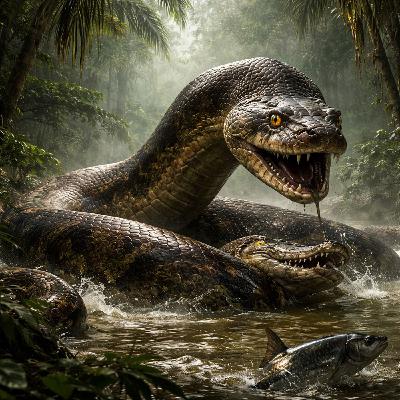
Titanoboa was a colossal prehistoric snake, reaching 13 meters in length and weighing over a ton, making it the apex predator of its time around 60 million years ago. Its enormous size was supported by a tropical climate with temperatures above 30°C. This aquatic hunter lived in ancient South American rainforests, preying on large fish and crocodiles, and its fossils offer important insights into the evolutionary history and environmental conditions of the Paleocene epoch.You can listen and download our episodes for free on more than 10 different platforms:https://linktr.ee/wild_wonders1Produced by:https://www.podcaistudio.com/
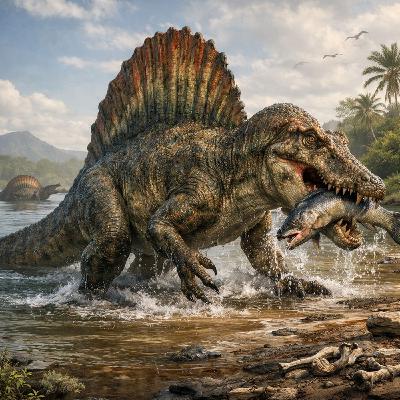
The Spinosaurus is a massive predator whose lifestyle has been debated due to limited fossil evidence, especially after the original 1915 fossils were destroyed. Recent discoveries of dense bones, short hind legs, and paddle-like tails suggest adaptations for an aquatic life, though evidence on buoyancy and balance also supports land-based wading behavior. With only a few incomplete specimens, scientists remain divided on whether it acted more like a swimming crocodile or a shore-dwelling predator, and new fossil finds continue to reshape understanding of its appearance and habitat.You can listen and download our episodes for free on more than 10 different platforms:https://linktr.ee/wild_wonders1Produced by:https://www.podcaistudio.com/
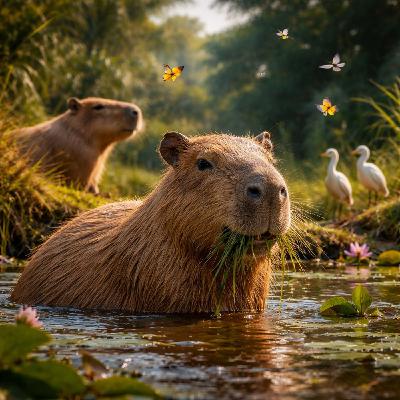
The capybara, the world’s largest rodent, is a semi-aquatic mammal native to South America with adaptations like webbed feet and high-set facial features for life in water. It has an herbivorous diet and practices cecotrophy to maximize nutrient absorption from grasses. Capybaras live in hierarchical social groups and communicate through diverse vocalizations, making them highly social and resilient animals that maintain stable populations despite environmental challenges.You can listen and download our episodes for free on more than 10 different platforms:https://linktr.ee/wild_wonders1Produced by:https://www.podcaistudio.com/
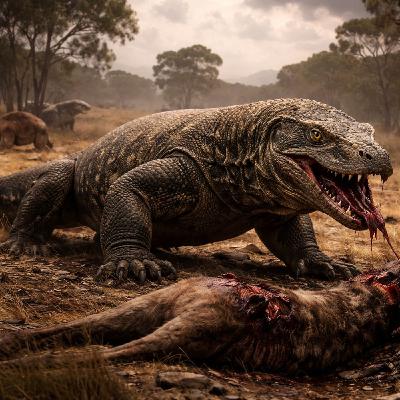
The Megalania was the largest lizard ever known, dominating Ice Age Australia as a massive apex predator that could reach lengths of up to seven meters. Closely related to the modern Komodo dragon, it likely had a venomous bite and hunted large megafauna such as giant kangaroos. Its slow metabolism helped it survive extreme environmental changes, but despite its strength and adaptability, the species eventually went extinct, a decline commonly linked to the arrival of humans on the continent.You can listen and download our episodes for free on more than 10 different platforms:https://linktr.ee/wild_wonders1Produced by:https://www.podcaistudio.com/
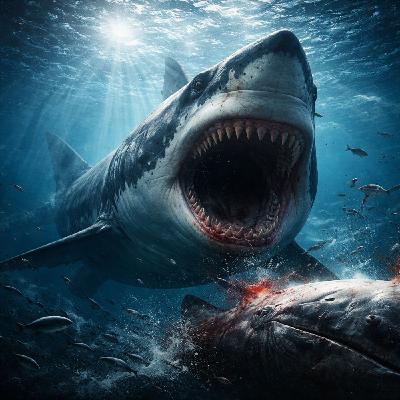
Megalodon was the largest shark ever to inhabit Earth’s oceans, a true apex predator that dominated marine ecosystems for millions of years. Because its skeleton was made of cartilage rather than bone, most of its body did not fossilize, leaving scientists to reconstruct its size and behavior primarily from its massive fossilized teeth, some larger than a human hand. These remains indicate that Megalodon was capable of hunting large prey, including prehistoric whales, using immense bite force and specialized feeding strategies. Over time, dramatic changes in ocean temperatures and the decline of its primary food sources disrupted this dominance, leading to its extinction around three million years ago. After Megalodon vanished, ocean ecosystems shifted significantly, allowing modern baleen whales to evolve into the enormous sizes seen today without pressure from such a powerful predator. Despite ongoing fascination and popular myths, scientific evidence confirms that Megalodon is completely extinct and no longer exists in the deep oceans.You can listen and download our episodes for free on more than 10 different platforms:https://linktr.ee/wild_wonders1Produced by:https://www.podcaistudio.com/
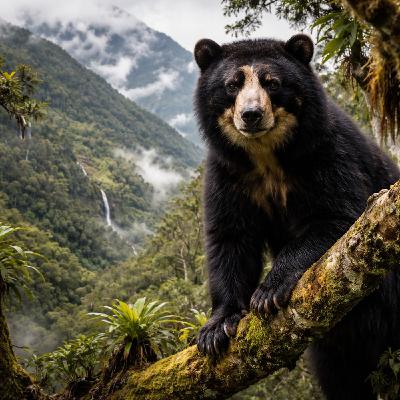
The spectacled bear is a rare and elusive predator native to the rugged heights of the Andes Mountains in South America and represents the last living member of the short-faced bear lineage. It is easily recognized by the distinctive light markings around its eyes, which vary between individuals, and by its impressive ability to climb trees, a skill uncommon among large predators. Although smaller than many other bear species, the spectacled bear plays a crucial ecological role as an adaptable omnivore, helping disperse seeds and maintain forest balance. The species also holds deep cultural importance in indigenous traditions and folklore across the Andes. Today, however, it faces increasing conservation threats from habitat destruction, agricultural expansion, and conflicts with local farmers. Generally shy and non-aggressive, the spectacled bear avoids human contact, yet it remains a vulnerable species whose survival depends on continued research, habitat protection, and coexistence efforts.You can listen and download our episodes for free on more than 10 different platforms:https://linktr.ee/wild_wonders1Produced by:https://www.podcaistudio.com/
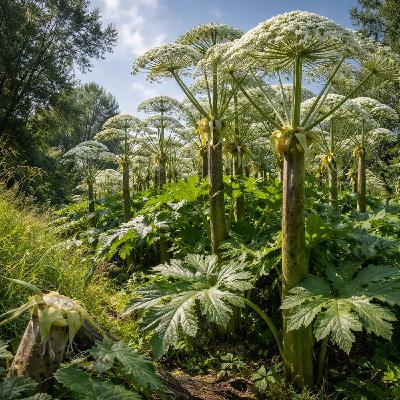
The giant hogweed is a towering invasive plant from the carrot family that can grow to heights rivaling a giraffe. Often associated with Hercules because of its immense size and toughness, it is especially dangerous due to its toxic sap, which can cause severe blistering and long-term skin damage, and may even lead to temporary or permanent blindness when the affected skin is exposed to sunlight. Native to the Caucasus region, the plant has spread rapidly across Europe and North America, where it thrives along riverbanks, roadsides, and forest edges. Its success comes from an aggressive reproductive strategy, producing tens of thousands of seeds that disperse easily through wind and water and can remain dormant in soil for years. Combined with a deep, resilient taproot, these traits make giant hogweed extremely difficult to eradicate once it becomes established, posing serious ecological and public health risks.You can listen and download our episodes for free on more than 10 different platforms:https://linktr.ee/wild_wonders1Produced by:https://www.podcaistudio.com/
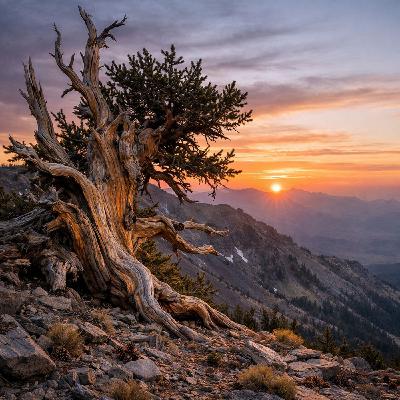
The Great Basin bristlecone pine is widely regarded as the longest-living individual organism on Earth. Native to high-altitude regions of the southwestern United States, these trees endure extreme conditions, including freezing temperatures, intense winds, and nutrient-poor soils, yet can survive for more than 5,000 years. Although some clonal organisms may persist longer through repeated regeneration, the bristlecone pine holds the record for non-clonal longevity, meaning each tree has remained a single continuous individual throughout its lifespan. To safeguard these ancient trees from damage or exploitation, scientists deliberately keep the exact locations of the oldest known specimens secret. Beyond their extraordinary age, bristlecone pines are invaluable to science, as their growth rings provide precise, long-term records of past climate patterns and offer critical insight into historical and modern climate change.You can listen and download our episodes for free on more than 10 different platforms:https://linktr.ee/wild_wonders1Produced by:https://www.podcaistudio.com/
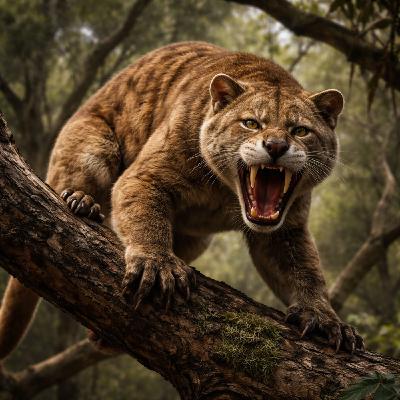
Thylacoleo, commonly known as the marsupial lion, was one of Australia’s most formidable extinct predators. Although not related to modern lions, it possessed an exceptionally powerful bite force, rivaling that of an African lion, despite descending from plant-eating marsupial ancestors similar to koalas or wombats. Its anatomy was highly specialized for killing, featuring shearing, bolt-cutter-like teeth, strong forelimbs with retractable claws, and a muscular body built more like a tree-climbing bear than a running hunter. Rather than pursuing prey over long distances, Thylacoleo is thought to have been an ambush predator, attacking from trees with sudden, overwhelming force. The species disappeared around 50,000 years ago, a decline that likely coincided with human arrival in Australia and the resulting environmental and ecological disruptions.You can listen and download our episodes for free on more than 10 different platforms:https://linktr.ee/wild_wonders1Produced by:https://www.podcaistudio.com/

Resurrection plants are extraordinary organisms that can survive extreme dehydration by entering a dormant state called anhydrobiosis. Unlike most plants, which die after losing a small amount of moisture, these species can lose nearly all their water, remain completely dried out for years, and then revive rapidly when water becomes available. Different types use specialized survival strategies, such as curling into compact shapes to reduce damage or replacing cellular water with protective sugars that stabilize internal structures during drying. Beyond their biological novelty, resurrection plants are of major scientific interest because they offer insights into developing drought-tolerant crops, a potential key solution for protecting global food security as climates become hotter and drier.You can listen and download our episodes for free on more than 10 different platforms:https://linktr.ee/wild_wonders1Produced by:https://www.podcaistudio.com/

Comments

Download from Google Play

Download from App Store
 United States