


 Claim Ownership
Drafting the Past
Subscribed: 43Played: 958
Subscribe

© 2025
Description
Drafting the Past is a podcast devoted to the craft of writing history. Each episode features an interview with a historian about the joys and challenges of their work as a writer.
95 Episodes
Reverse
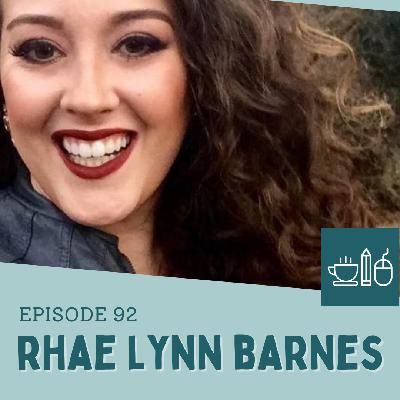
In this episode, host Kate Carpenter is joined by Dr. Rhae Lynn Barnes to talk about book Darkology: Blackface and the American Way of Entertainment. Rhae Lynn is an assistant professor of history at Princeton University. With meticulous research and piles of evidence, Darkology reveals the widespread and persistent use of amateur blackface minstrelsy across the United States from the Civil War through the early 2000s. Rhae Lynn is also the co-editor of three books, the founder of open-access teaching resource U.S. History Scene, and was featured in and served as an executive advisor for the PBS documentary series Reconstruction. Researching and writing Darkology took a stunning amount of research, as well as a mental toll, and I'm grateful to Rhae Lynn for talking about how she grappled with all of it, the unusual challenges she faced when thinking about visuals for the book, and much more. Plus, she shares some excellent wisdom for how to keep going even when it seems too hard, or when you don't feel like you belong. Sign up for the Drafting the Past newsletter for updates on the show and more. Mentioned in this episode: Rhae Lynn Barnes, Darkology: Blackface and the American Way of Entertainment Rhae Lynn Barnes, Keri Leigh Merritt, and Yohuru Williams, eds., After Life: A Collective History of Loss and Redemption in Pandemic America Rhae Lynn Barnes and Catherine Clinton, eds., Roe v. Wade: Fifty Years After Rhae Lynn Barnes and Glenda Goodman, eds., American Contact: Objects of Intercultural Encounters and the Boundaries of Book History Rhae Lynn Barnes, "Yes, politicians wore blackface. It used to be all-American 'fun.'" The Washington Post Maya Angelou's 1992 commencement address at Spelman College, in which she tells her audience "bring your people with you" Sandra Cisneros, "I Hate the Iowa Writers Workshop" Note that bookshop.org links are affiliate links that generate a small commission to support the show if you purchase books using these links.

Historian and writer Emily Lieb's professional history is a fascinating one, from crafting textbooks for kids to leaving a job as a professor to become a full-time writer. She taught history and urban studies at Seattle University for more than a decade. Now, in addition to her work as a historian, she also works for the Derfner & Sons writing agency. Her first book came out in 2025 after many years of research, writing and revision. It's called Road to Nowhere: How a Highway Map Wrecked Baltimore, and it tells the story of a plan to build an expressway through Black, middle-class community in Baltimore, and how even though the road was never built, the plan paved the way for the destruction of a vibrant neighborhood. It's a history that echoes similar ones in cities across the United States, and Emily uses it to tell a fascinating but frustrating, deeply human story about racial inequality and the resistance of determined residents. Emily had a clear vision of how she wanted to tell this history, right down to the kind of book it should be, and you'll learn a lot in this interview from how she got there and her frank approach to writing and editing. Sign up for the Drafting the Past newsletter for updates on the show and more. Mentioned in this episode: Emily Lieb, Road to Nowhere: How a Highway Map Wrecked Baltimore Derfner & Sons Anne Lamott, Bird by Bird, the origin of the phrase "shitty first drafts" Andrew Hartman also praised editor Tim Mennel in episode 69 Calvin Trillin, "Thoughts Brought On By Prolonged Exposure to Exposed Brick" Note that bookshop.org links are affiliate links that generate a small commission to support the show if you purchase books using these links.
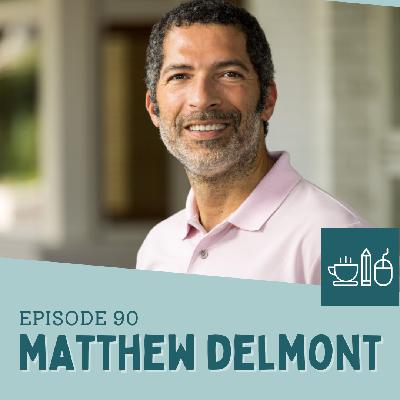
In this episode, Kate is joined by Dr. Matthew Delmont. Matt is a professor and associate dean at Dartmouth University, and he is the author of six books. His two most recent books are Half American: The Epic Story of American Americans Fighting World War II at Home and Abroad, which came out in 2022, and Until the Last Gun is Silent: A Story of Patriotism, the Vietnam War, and the Fight to Save America's Soul, which just came out this year. Matt has also worked on numerous digital history projects, and he is the winner of a Guggenheim Fellowship and National Endowment for the Humanities Public Scholar award. In Until the Last Gun is Silent, Matt pairs the story of Coretta Scott King's antiwar activism during the Vietnam War with that of Dwight "Skip" Johnson, who received the Medal of Honor for his service in Vietnam before his life ended tragically after his return to Detroit. It's a combination that illuminates the meaning of the Vietnam War for Black Americans. We talked about how Matt has worked on his voice and narrative style to reach new audiences, as well as how the intriguing historical narrative pairing in this book came to be. Sign up for the Drafting the Past newsletter for updates on the show and more. Mentioned in this episode: Matthew F. Delmont, Until the Last Gun is Silent: A Story of Patriotism, the Vietnam War, and the Fight to Save America's Soul Matthew F. Delmont, Half American: The Epic Story of American Americans Fighting World War II at Home and Abroad Matthew F. Delmont, Black Quotidian: Everyday History in African American Newspapers Matthew F. Delmont, Making Roots: A Nation Captivated Matthew F. Delmont, Why Busing Failed: Race, Media, and the National Resistance to School Desegregation Matthew F. Delmont, The Nicest Kids in Town: American Bandstand, Rock 'n' Roll, and the Struggle for Civil Rights in 1950s Philadelphia Tiya Miles Annette Gordon Reed Jeanne Theoharis, The Rebellious Life of Mrs. Rosa Parks and King of the North: Martin Luther King Jr.'s Life of Struggle Outside the South Peggy Pascoe, What Comes Naturally: Miscegenation Law and the Making of Race in America Note that bookshop.org links are affiliate links that generate a small commission to support the show if you purchase books using these links.

In this episode we're taking a look at another great new book on this history of the American Revolution: The American Revolution and the Fate of the World, by Richard Bell. In this book, we get to see how the revolution affected not only North America, but most of the world. To learn more about how you write a book that manages to cover such a massive subject with remarkable alacrity, I'm joined by the author of The American Revolution and the Fate of the World, Dr. Richard Bell. Rick Bell is a professor of history at the University of Maryland and is the author of three books, as well as an edited collection. His first book was We Shall Be No More: Suicide and Self-Government in the Newly United States, which came out in 2012. He followed that up with Stolen: Five Free Boys Kidnapped Into Slavery and Their Astonishing Odyssey Home, an award-winning book that was published in 2019. The American Revolution and the Fate of the World came out at the end of last year. He has also created two streaming courses through the Great Courses series online, with a third on the way. I have to tell you, I was a little surprised at how I absolutely devoured this book, and I was even more surprised to learn how it came together. I think you'll love learning about Rick's approach to writing, his thinking about structure and character, and his habit of wandering the halls of his department, talking to himself. Here's my interview with Dr. Rick Bell. Sign up for the Drafting the Past newsletter for updates on the show and more. Note that bookshop.org links are affiliate links that generate a small commission to support the show if you purchase books using these links. Mentioned in this episode: Richard Bell, The American Revolution and the Fate of the World Richard Bell, Stolen: Five Free Boys Kidnapped Into Slavery and Their Astonishing Odyssey Home Richard Bell, We Shall Be No More: Suicide and Self-Government in the Newly United States Richard Bell on Great Courses Plus: "America's Long Struggle Against Slavery" Richard Bell on Great Courses Plus: "Ordinary Americans in the Revolution" Zotero Octet musical Alan Taylor Jill Lepore Eric Foner Ira Berlin Ilyon Woo, Master Slave Husband Wife: An Epic Journey from Slavery to Freedom Edward P. Jones, The Known World
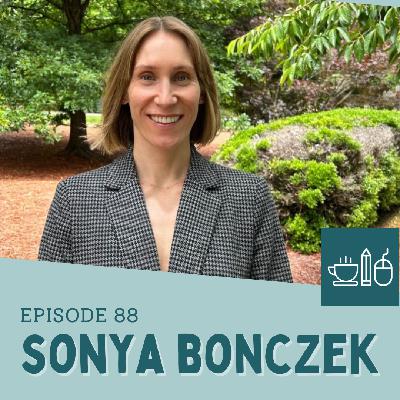
In most episodes, I interview an author of nonfiction history about their research and writing process, but in today's episode we get to do something a little different. We're taking a closer look at how authors and presses get the word out about new books. And we're going to do that with an insider's perspective. I'm very excited to be joined in this episode by Sonya Bonczek, the director of publicity and communications for University of North Carolina Press. I have exchanged many emails with Sonya over the past few years whenever I've had podcast guests who publish with UNC Press, and I've been impressed at the great publicity work that Sonya and her team are doing. So when I thought about who might be able to bring us a publicist's perspective, she was first on my list. I was eager to hear from Sonya about how book publicity has changed throughout her career, what works and what doesn't, what she wishes more authors know, and how she's feeling about the state of the book industry today, especially when it comes to nonfiction history. Mentioned in this episode: Support Drafting the Past on Patreon Amanda Ice, Harvard University Press publicist, on Your Words Unleashed UNC Press on Instagram UNC Press on TikTok New York Magazine's 2008 article on whether book publishing would end The New York Times, "'Luddite' Teens Don't Want Your Likes", December 2022 Sign up for the Drafting the Past newsletter for updates on the show and more.
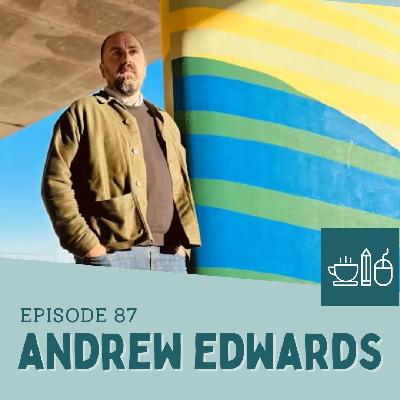
In case you haven't been paying attention—or maybe you don't live in the United States--you should know that this year marks 250 years since the Declaration of Independence. If you prefer funny words, you can call it America's semiquincentennial. Anyway, what this means for us is that there are a shocking number of books about the American Revolution, the early United States, and related subjects coming out this year. You're going to hear some of them on this show, starting with today's episode. One of the fascinating things that these books will show us is just how many ways you can approach history. So first up, in this episode, I'm joined by Dr. Andrew Edwards to talk about his new book, Money and the Making of the American Revolution. Andrew is a lecturer at the University of St. Andrew in Scotland, and a historian of capitalism, money, and early America. In Money and the Making of the American Revolution he takes a deep dive into the role of money—and the meaning of money—as one of the key causes of the American Revolution. Andrew tells the story of money in the American colonies and in Great Britain to explain that it was a fight over money and who got to define it, rather than taxes, that kicked off the colonists' rebellion. If that sounds dry and maybe a little confusing to you, I'm happy to report that Andrew does a remarkable job of telling this history in a way that is interesting even to those of us who don't love making sense of obscure fiscal policies. In our conversation, we talked about just how he did that and why he wrote an avid defense of narrative history in the book's introduction. But first, he tells us about the very winding road he took to becoming a historian in the first place. Sign up for the Drafting the Past newsletter for updates on the show and more. Mentioned in this episode: Andrew David Edwards, Money and the Making of the American Revolution Zotero Eelco Runia, "Presence," History and Theory 45, no. 1 (2006), 1-29 Olaudah Equiano, The Interesting Narrative and Other Writings Martha Sandweiss, The Girl in the Middle: A Recovered History of the American West and Passing Strange: A Gilded Age Tale of Love and Deception Across the Color Line (Isabela Morales also mentioned Martha Sandweiss' history writing course in her episode of Drafting the Past) Karl Jacoby, Shadows at Dawn: An Apache Massacre and the Violence of History R. F. Kuang, Katabasis Note that bookshop.org links are affiliate links that generate a small commission to support the show if you purchase books using these links.
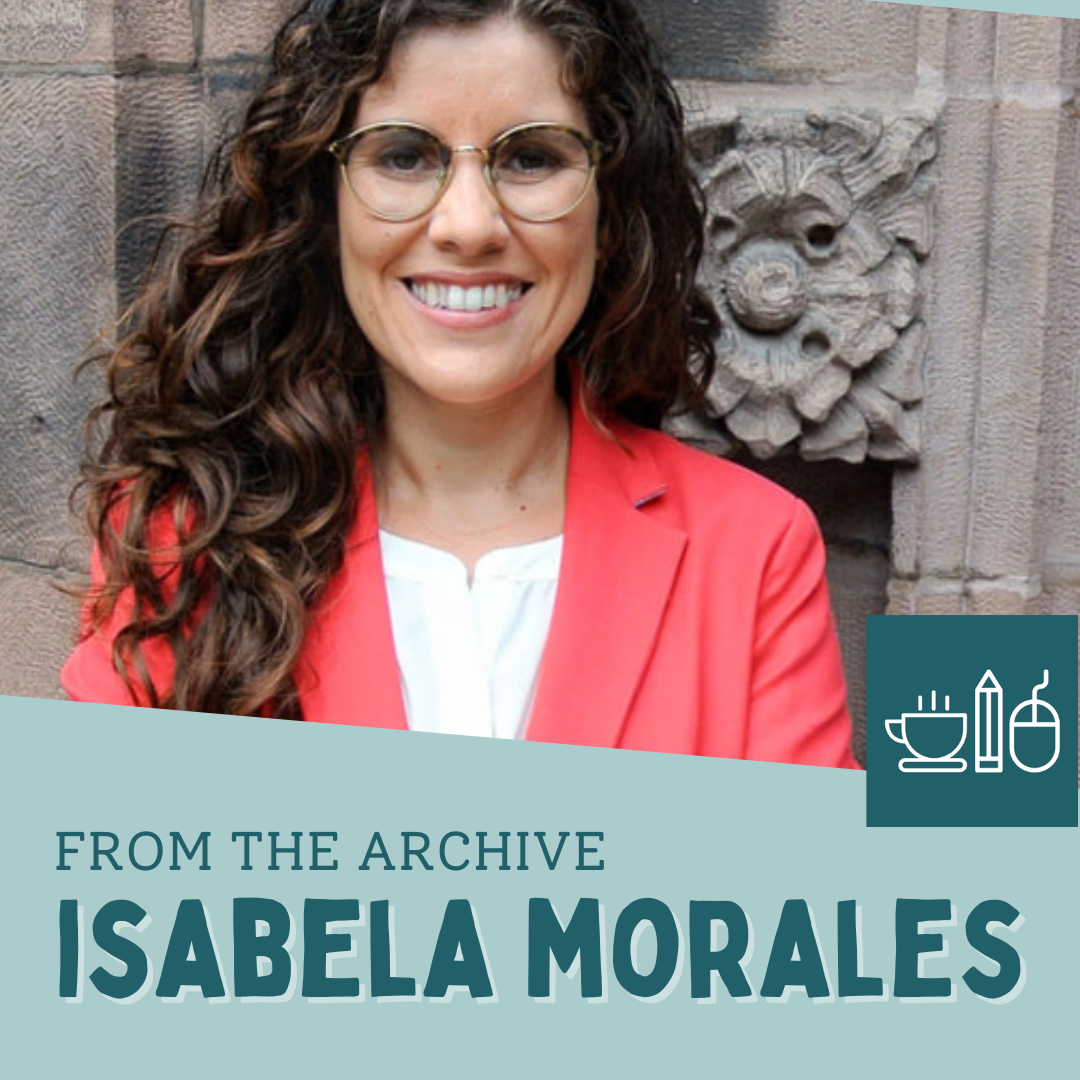
Note that bookshop.org links are affiliate links that generate a small commission to support the show if you purchase books using these links. Sign up for the Drafting the Past newsletter for updates on the show and more. Hi everybody! I'm taking this week off to work on some things behind the scenes, so I wanted to talk this chance to replay an episode from early in the podcast that I love. I know many of you are devoted listeners who have listened to every episode of the show, but in case you're newer to the podcast, here's a chance to revisit an earlier interview. Back in August 2022, I first released my interview with Dr. Isabela Morales. She had recently published her first book, Happy Dreams of Liberty, and she was working multiple jobs in public history. I particularly love this episode because Isabela speaks so poignantly about her commitment to narrative history and holding on to that writerly spirit in graduate school. I'm very pleased to report that after we spoke, Happy Dreams of Liberty went on to win multiple well-deserved book awards, including the prestigious Frederick Douglass Book Prize in 2023. I reached out to Isabela for an update on what she's working on these days. At the end of 2025, she wrapped up her time at the Stoutsburg Sourland African American Museum, and is now working full-time on her second book. She hinted at that book at the end of this interview, and it's now under contract with Liveright for W. W. Norton and tentatively titled The Black Widow of Hazel Green. Here's what Isabela told me about that book: It is a biography of Elizabeth Dale, a wealthy white plantation mistress and enslaver in antebellum Alabama, who was married six times and to this day is rumored to have murdered some or all of her husbands. While I think six dead husbands is enough to pique most people's interest, I also find Elizabeth Dale interesting historically as an embodiment of white women's deep but often-overlooked complicity in the institution of slavery. Having read Happy Dream of Liberty, I am eagerly awaiting Isabela's new book. In the meantime, though, it's inspiring to revisit this conversation with her. Even if you're heard this one before, I think you'll be rejuvenated by another listen. And if it's your first time, you're in for a treat. I'll be back next week with another fantastic new episode. Until then, please enjoy this marvelous interview from the archive, with Dr. Isabela Morales. Original show notes: For this episode of Drafting the Past, I interviewed Dr. Isabela Morales, writer and public historian. She is the editor and project manager of The Princeton & Slavery Project and the digital projects manager at the Stoutsburg Sourland African American Museum, central New Jersey's first Black history museum. Dr. Morales received her Ph.D. in history from Princeton University in 2019, specializing in the 19th-century United States, slavery, and emancipation. Her first book, Happy Dreams of Liberty: An American Family in Slavery and Freedom, was published earlier this year by Oxford University Press. We talked about how work as a public historian influences her writing, why guinea pigs are essential to her process, and the fiction she reads to learn how to evoke a place and time. MENTIONED IN THE SHOW: Find Isabela Morales on Twitter, @IsabelaWrites Evernote, the software Isabela uses for organizing her research Tiya Miles, Ties that Bind Martha Sandweiss, Passing Strange Erik Larson, The Devil in the White City Hilary Mantel, Wolf Hall and A Place of Greater Safety Martha Hodes, The Sea Captain's Wife Daniel Sharfstein, The Invisible Line Suzanne Lebsock, A Murder in Virginia
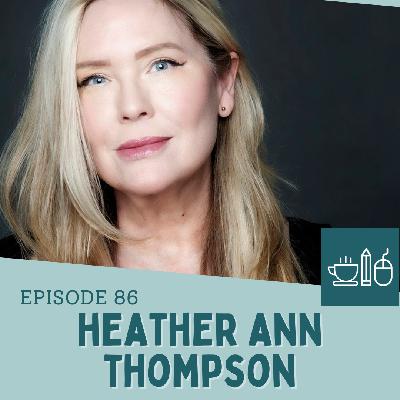
In this episode, host Kate Carpenter interviews historian Dr. Heather Ann Thompson. Heather is the author of three books. The first was Whose Detroit? Politics, Labor, and Race in a Modern American City, which was first published in 2002. Her second book, published in 2016, was the astonishing Blood in the Water: The Attica Prison Uprising of 1971 and Its Legacy. Blood in the Water won far more honors than I can list, most notably the Pulitzer Prize in History. And her newest book, which came out last week, is Fear and Fury: The Reagan Eighties, the Bernie Goetz Shootings, and the Rebirth of White Rage. It's already drawing lots of well-deserved praise, and in this episode we'll talk more about how Heather learned to bring gripping accounts of historical events to life. In case that wasn't enough, Heather is a professor at the University of Michigan, the co-editor of two books series, and regularly writes for public outlets. She served as the consultant for the Academy Award-nominated documentary ATTICA, and is a co-founder of History Studio, a consulting firm that aims to connect historians and the entertainment industry. Honestly, if I kept telling you all the cool things she has done we would never get to the interview, but you can see why I've been eager to learn more about her work. You're going to love hearing about it too. Mentioned in this episode: Heather Ann Thompson, Fear and Fury: The Reagan Eighties, the Bernie Goetz Shootings, and the Rebirth of White Rage Heather Ann Thompson, Blood in the Water: The Attica Prison Uprising of 1971 and Its Legacy Heather Ann Thompson, Whose Detroit? Politics, Labor, and Race in a Modern American City Evernote The Fear and Fury audiobook, narrated by Erin Bennett Heather Ann Thompson, "How the Bernie Goetz Shootings Explain the Trump Era," The Atlantic, January 26, 2026 Michelle Alexander, The New Jim Crow: Mass Incarceration in the Age of Colorblindness Elliot Williams, Five Bullets: The Story of Bernie Goetz, New York's Explosive '80s, and the Subway Vigilante Trial That Divided the Nation Isabelle Allende Arundhati Roy W. E. B. DuBois Kimberlé Crenshaw Elizabeth Hinton LaShawn Harris, Tell Her Story: Eleanor Bumpurs & the Police Killing That Galvanized New York City Bench Ansfield, Born in Flames: The Business of Arson and the Remaking of the American City Jonathan Mahler, The Gods of New York: Egotists, Idealists, Opportunists, and the Birth of the Modern City: 1986-1990 Note that bookshop.org links are affiliate links that generate a small commission to support the show if you purchase books using these links. For a complete transcript, visit draftingthepast.com. Sign up for the Drafting the Past newsletter for updates on the show and more.

In this episode of Drafting the Past, host Kate Carpenter is joined by Dr. Fahad Bishara. Fahad is an associate professor at the University of Virginia, but he is currently on leave and teaching at the Doha Institute for Graduate Studies. His first book, A Sea of Debt: Law and Economic Life in the Western Indian Ocean, 1780-1950, won multiple awards. His second book, which came out in 2025, is Monsoon Voyagers: An Indian Ocean History. In it, he follows one year of the voyages of a single dhow, a type of sailing ship, and its captain and crew as it travels around the Persian Gulf and Western Indian Ocean. Working at multiple scales, from the details of daily ship life to the circulation of goods and ideas across the Gulf, Fahad gives us a new, ocean-based perspective on Middle Eastern history. It's also a beautifully written book, and I was eager to talk with Fahad about his inventive structure, how he organized his materials, and more. You're going to get a lot out of this conversation with Dr. Fahad Bishara. Note that bookshop.org links are affiliate links that generate a small commission to support the show if you purchase books using these links. Sign up for the Drafting the Past newsletter for updates on the show and more. Mentioned in this episode: A Sea of Debt: Law and Economic Life in the Western Indian Ocean, 1780-1950 Monsoon Voyagers: An Indian Ocean History OneNote DevonThink Jack Hart, Storycraft: The Complete Guide to Writing Narrative Nonfiction Robert Harms, The Diligent: A Voyage Through the Worlds of the Slave Trade Greeking Out podcast Nicholas Thomas, Discoveries: The Voyages of Captain Cook In Episode 18 of Drafting the Past, Adam Sowards talked about trying to get three senses into a description Whichever episode someone talks about senses Greg Dening, Islands and Beaches: Discourses on a Silent Land: Marquesas, 1774-1880 Laila Lalami, The Moor's Account Brinkley Messick Engseng Ho This American Life Planet Money and the episode with their formula for storytelling, Episode 1000 The Indicator
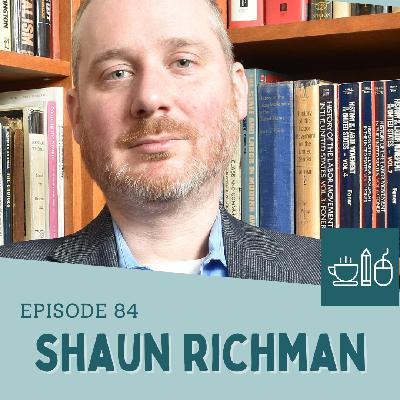
In this episode, host Kate Carpenter interviews labor historian Dr. Shaun Richman. Shaun is a program director at SUNY Empire State College, and he recently completed his PhD in American Studies. But before that, he spent more than a decade as a union organizer and representative. That experience inspires much of his writing, including two books, magazine articles, and op-eds in numerous outlets. His first book was Tell the Bosses We're Coming: A New Action Plan for Workers in the Twenty-First Century. His second book, which came out in 2025, is We Always Had a Union: The New York Hotel Workers' Union, 1912-1953. In addition to being an enthusiastic labor historian, Shaun has a personal connection to this history, as a onetime member of one of the union's featured in the narrative. We talked about how that perspective shapes his work, how he found his way to writing history after years as a labor organizer, and why he's determined to write books that other labor organizers will want to read. Note that bookshop.org links are affiliate links that generate a small commission to support the show if you purchase books using these links. For links to the books we talked about and a complete transcript, visit draftingthepast.com. Sign up for the Drafting the Past newsletter for updates on the show and more. Mentioned in this episode: · Shaun's website: https://shaunrichman.com/ · Shaun Richman, Tell the Bosses We're Coming: A New Action Plan for Workers in the Twenty-First Century · Shaun Richman, We Always Had a Union: The New York Hotel Workers' Union, 1912-1953 · Nick Salvatore, Eugene V. Debs: Citizen and Socialist · Ray Ginger, The Bending Cross: A Biography of Eugene V. Debs · George Orwell, A Collection of Essays · Michael Harrington · Ahmed White, The Last Great Strike: Little Steel, the CIO, and the Struggle for Labor Rights in New Deal America and Under the Iron Heel: The Wobblies and the Capitalist War on Radical Workers
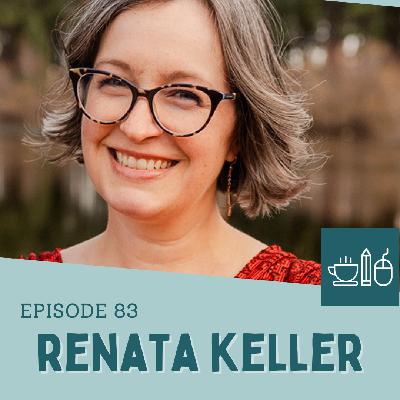
In this episode of Drafting the Past, you'll hear from a historian who had to figure out how to wrangle narratives from twenty different countries to tell a new history of the Cuban Missile Crisis. But keeping track of all those threads wasn't her only formidable challenge. In this episode, host Kate Carpenter is joined by historian Dr. Renata Keller. Dr. Keller is a professor at the University of Nevada and a historian of Modern Latin America. She is the author of two books, Mexico's Cold War: Cuba, the United States, and the Legacy of the Mexican Revolution, and The Fate of the Americas: The Cuban Missile Crisis and the Hemispheric Cold War. I was eager to talk with Renata about how she grappled with the wide-ranging source material for The Fate of the Americas, but I also wanted to talk with her about another challenge: writing a book while dealing with the isolation of new parenthood, the struggle of postpartum depression and anxiety, and the exhaustion of balancing parenthood and research. In this conversation, you'll hear how she made space for herself and her writing, both physically and mentally, while working on her book. Note that bookshop.org links are affiliate links that generate a small commission to support the show if you purchase books using these links. Sign up for the Drafting the Past newsletter for updates on the show and more. Mentioned in this episode: Renata Keller, Mexico's Cold War: Cuba, the United States, and the Legacy of the Mexican Revolution Renata Keller, The Fate of the Americas: The Cuban Missile Crisis and the Hemispheric Cold War Zotero Silvia Moreno-Garcia, Velvet Was the Night Anne Rice, The Witching Hour Historias podcast, which includes the special series on the Cuban Missile Crisis that Renata co-produced Drafting the Past Episode 16: Abby Mullen Finds Focus

This is the first episode of 2026, which means that we are at the beginning of the fifth season of this show. That's a lot of great conversations about writing history, and I want to thank you for being here for them. There are many more to come this year! First up, in this episode I'm talking with Dr. Jeff Roche, author of the new book The Conservative Frontier: Texas and the Origins of the New Right. Jeff is a professor of history at the College of Wooster in Ohio. Along with his new book, he is the author of Restructured Resistance: The Sibley Commission and the Politics of Desegregation in Georgia and the editor of two additional books. I'll confess to you that I wasn't entirely sure about this book when the press first reached out to tell me about it, but it blew me away. The history is fascinating, but even more, Jeff's writing is lively, smart, and often funny. I was excited to get to ask Jeff about how the book came together and how he has developed such an engaging writing voice. You'll even learn why he considered '90s hip-hop and Texas country music to be essential to his writing process. Note that bookshop.org links are affiliate links that generate a small commission to support the show if you purchase books using these links. For links to the books we talked about and a complete transcript, visit draftingthepast.com. Sign up for the Drafting the Past newsletter for updates on the show and more.

Welcome back to Drafting the Past, and to the final episode of 2025. This episode is all about you! I asked listeners to call in and share the best history books they read in 2025, and they delivered. We've got history books covering a huge range of subjects. Some were published recently, some as long as 90 years ago. Some are about huge subjects, others about tiny places. We even let one historical novel sneak into the mix. It's a reminder that the Drafting the Past community is awesome, full of thoughtful, smart listeners who love talking about great history writing just as much as I do. In this episode, you'll hear from some of those listeners, and, if you're anything like me, you'll add a bunch of new books to your reading list. For links to the books we talked about and a complete transcript, visit draftingthepast.com. Sign up for the Drafting the Past newsletter for updates on the show and more.
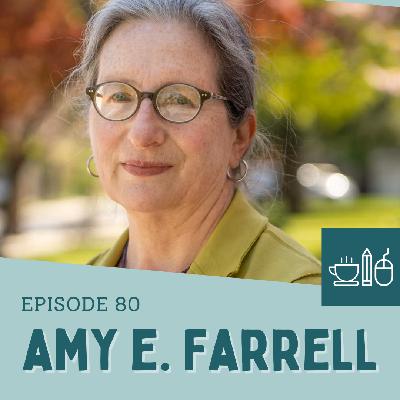
I have a soft spot for historians who follow their curiosity through a range of subjects that might, at first glance, seem unrelated. So I was especially delighted to get to interview this episode's guest, Dr. Amy Erdman Farrell. Amy is a professor and endowed chair of American Studies and Women's, Gender and Sexuality Studies at Dickinson College. Her first book was Yours in Sisterhood: Ms. Magazine and the Promise of Popular Feminism. From there, she wrote a second book titled Fat Shame: Stigma and the Fat Body in American Culture, followed by an edited collection, The Contemporary Reader of Gender and Fat Studies. For her newest book, out earlier this year, she turned her focus to an American institution: the Girl Scouts. The book is called Intrepid Girls: The Complicated History of the Girl Scouts of the USA. I was eager to talk more with Amy about how she has come to each of her books, how her publishing career has unfolded, and especially her decision to sign with an agent to represent her most recent book. A little extra note for this episode: Amy followed up after we spoke to tell me that she forgot to add an additional important note about her organization and research process. Here's what she had to say: "The key for me is: my paper notebook! For both Fat Shame and Intrepid Girls I have always carried a paper notebook (turned out to be two for Intrepid Girls) in which I would take notes along the way, jotting down the date, where I was doing research, and perhaps more detailed notes depending upon the archive and the context. It was really fundamental to my process. I carried it everywhere. I referred to it constantly in doing my writing, revising, thinking, confirming footnotes, following leads. It's so important I can't believe I didn't mention it." An excellent idea for research--a project notebook! Note that bookshop.org links are affiliate links that generate a small commission to support the show if you purchase books using these links. For links to the books we talked about and a complete transcript, visit draftingthepast.com. Sign up for the Drafting the Past newsletter for updates on the show and more.
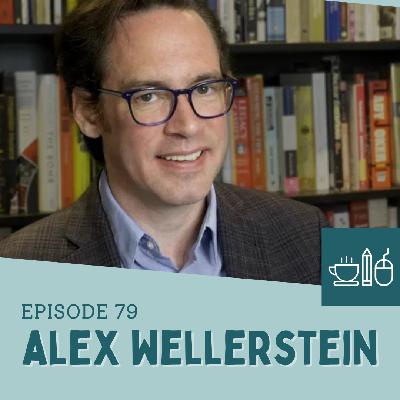
Welcome back to Drafting the Past, a podcast about the craft of writing history. For this one, I'm joined by historian of science Dr. Alex Wellerstein. I've been a fan of Alex since at least his first book, Restricted Data: The History of Nuclear Secrecy in the United States, which came out in 2021. But I was first introduced to Alex's work, like many people are, through his NUKEMAP project, which is a web-based nuclear weapons effects simulator. It's a great—and terrifying—teaching tool, and just one of many projects that Alex has worked on as not only a historian but also a computer programmer. Alex is an associate professor at the Stevens Institute of Technology, and he's currently also a visiting researcher at the Nuclear Knowledges program at the Center for International Studies in Paris. You can also find Alex's writing on his blog and his Substack newsletter, both of which I'll link in the show notes. He has also written extensively for popular publications. Today, we're talking about his brand-new book, The Most Awful Responsibility: Truman and the Secret Struggle for Control of the Atomic Age. This was a fascinating and wide-reaching conversation into how Alex researches and writes and how he sees his work. You'll hear about everything from why he does not recommend programming your own research database to why he has to talk himself out of italicizing every other word when he writes. Note that bookshop.org links are affiliate links that generate a small commission to support the show if you purchase books using these links. For links to the books we talked about and a complete transcript, visit draftingthepast.com. Sign up for the Drafting the Past newsletter for updates on the show and more.
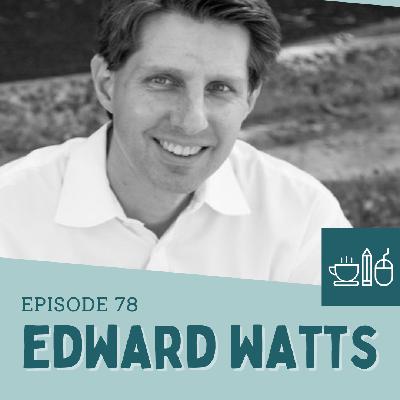
Welcome back to Drafting the Past. For this episode, I'm thrilled to be joined in this episode by historian Dr. Edward Watts. Ed is a professor of history at the University of California San Diego. He is the author of seven books, including Mortal Republic: How Rome Fell Into Tyranny, and The Eternal Decline and Fall of Rome: The History of a Dangerous Idea. He has published extensively in academic journals and his work is regularly featured in the popular press. You can also check out his YouTube channel, Rome's Eternal Decline, where he shares bite-size facts about Roman history. Ed's newest book is The Romans: A 2,000-Year History, which came out earlier this year with Basic. I was excited to talk with Ed about how he tackled such a vast subject. I was also eager to hear how he gets so much writing done. But above all, I really wanted to dig into his style and talk about what goes in to making such a huge history so enjoyable to read. Let me tell you, he did not disappoint. Even if you focus on history far removed from the Roman Empire, you're going to get a lot out of this one. Enjoy my conversation with Dr. Edward Watts. P.S. This one was so much for that I even asked Ed a bonus question! You can hear that one (truffle hunter or parachutist, IYKYK) as an exclusive audio bonus for Patreon subscribers here. For as little as $2 month, you can help to keep the show going and get access to ad-free episodes, too. Note that bookshop.org links are affiliate links that generate a small commission to support the show if you purchase books using these links. For links to the books we talked about and a complete transcript, visit draftingthepast.com. Sign up for the Drafting the Past newsletter for updates on the show and more.
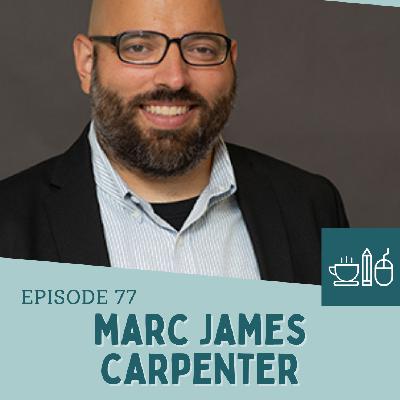
This episode's guest and I share a last name (no relation, though), but that's not the only thing we have in common. We both grew up in the Pacific Northwest, where our history education left out most of the violence by white settlers against the region's Indigenous people. It was his righteous anger over the differences between what he had learned and what he read in the archives that prompted my guest today to write first a dissertation and now a book about that violence and the efforts of historians to cover it up. You're listening to Drafting the Past, a podcast about the craft of writing history. I'm Kate Carpenter, and in this episode I'm joined by Dr. Marc James Carpenter. Marc is an associate professor at the University of Jamestown in North Dakota. His first book, out with Yale University Press, is The War on Illahee: Genocide, Complicity, and Cover-Ups in the Pioneer Northwest. I was delighted to have him on the show to talk more about how he dealt with layers of deceptive source material, the research loops he employed to work through those sources, and how a dash of humor is a vital ingredient in this and other dark histories. Here's my conversation with Dr. Marc James Carpenter. Want to give me a little holiday gift this year? Consider taking a minute to leave a review for the show on your favorite podcast app. It helps new people find the show, and it makes me do a little happy dance in my office. Note that bookshop.org links are affiliate links that generate a small commission to support the show if you purchase books using these links. For links to the books we talked about and a complete transcript, visit draftingthepast.com. Sign up for the Drafting the Past newsletter for updates on the show and more.
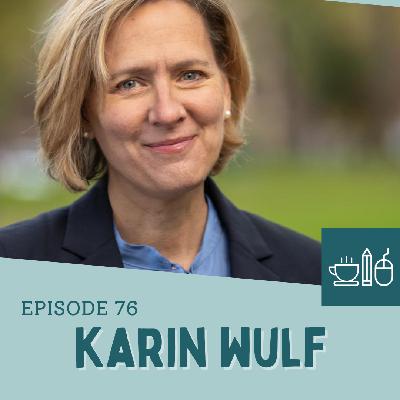
Fair warning, listeners: in this episode of Drafting the Past, my guest and I geeked out pretty hard for a minute about our favorite pens. I'm hoping a lot of you can relate, but if not, you'll just have to forgive our moment of office supply nerdiness. I'm Kate Carpenter, the host of this podcast about the craft of writing history. In this episode, I'm thrilled to be joined by Karin Wulf. Karin is a historian and the current director and librarian of the John Carter Brown Library, as well as a professor at Brown University. Previously, she was the director of the Omohundro Institute of Early American History and Culture. She writes and speaks regularly for public audiences. Her new book, Lineage: Genealogy and the Politics of Connection in British America, 1680-1820, came out this summer. In this episode, you'll hear me talk with Karin about what it was like to research a book whose sources were scattered in many different archives, and how she keeps her research and writing alive even in the midst of a very busy schedule. She also told me about a little archival challenge that she likes to give herself that I think will make you smile. Let's be real, we're all nerds here, at least when it comes to history. Note that bookshop.org links are affiliate links that generate a small commission to support the show if you purchase books using these links. For links to the books we talked about and a complete transcript, visit draftingthepast.com. Sign up for the Drafting the Past newsletter for updates on the show and more.
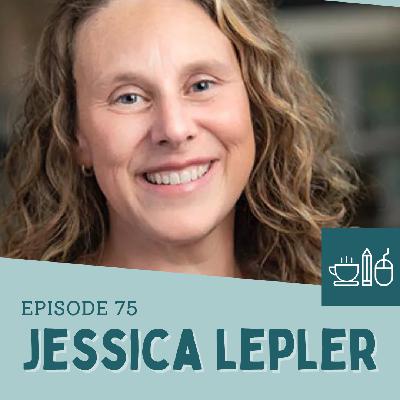
I've heard from many academics that writing their second book can be even harder than writing their first book. That might be surprising, especially if you're still struggling with the first book. But with less free time and without the support of a dissertation adviser, some historians find that second book to be more challenging than they expected. But today's guest turned that struggle into an opportunity for herself and other writers by launching a workshop specifically for writers of second books. I'm Kate Carpenter, and this is Drafting the Past, a podcast about the craft of writing history. In this episode, I'm joined by Dr. Jessica Lepler. Jess is an associate professor of history at the University of New Hampshire. Her first prize-winning book was The Many Panics of 1837: People, Politics, and the Creations of a Transatlantic Financial Crisis. Her second book came out this year. It's called Canal Dreamers: The Epic Quest to Connect the Atlantic and Pacific in the Age of Revolutions. It's a history of the ultimately failed effort to build the world's first interoceanic canal in the 1820s. Even though it was published a decade after her first book, I was surprised to learn that she actual started working on it alongside her dissertation and first book. We talk more about that research process in our interview. You'll also hear more about starting a second-book workshop, and why some of her best ideas come in the swimming pool. For links to the books we talked about and a complete transcript, visit draftingthepast.com. Sign up for the Drafting the Past newsletter for updates on the show and more. Note that bookshop.org links are affiliate links that generate a small commission to support the show if you purchase books using these links.
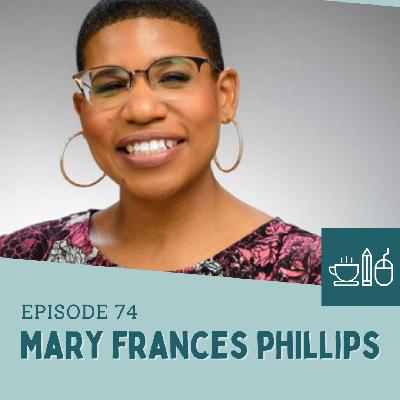
I've talked to many historians who have interviewed sources in order to write their histories over more than 70 episodes of Drafting the Past, but I don't think any has spent quite as much time getting to know their subject in person as today's guest. I'm Kate Carpenter, and in this episode I'm joined by Dr. Mary Frances Phillips to talk about her first book, Black Panther Woman: The Political and Spiritual Life of Ericka Huggins. Mary is an associate professor of African American studies at the University of Illinois-Urbana-Champaign and considers herself a historian and scholar-activist. Black Panther Woman is the first biography of Black Panther Party member Ericka Huggins, emphasizing Huggins' use of spiritual wellness practices to care for herself and her community during her unjust incarceration and following her release. Mary and I talked about what it was like to write a book about a subject she had gotten to know so well. And while Black Panther Woman shared a subject with Mary's dissertation, in many ways it was an entirely different project. We talked about that change, how she keeps a sense of joy and play in her writing even when the subject is difficult, and I pushed for details on her accountability system, because I know many of us could use ideas for keeping our writing projects on track. For links to the books we talked about and a complete transcript, visit draftingthepast.com. Sign up for the Drafting the Past newsletter for updates on the show and more. Note that bookshop.org links are affiliate links that generate a small commission to support the show if you purchase books using these links.

Comments

Download from Google Play

Download from App Store
 United States