


 Claim Ownership
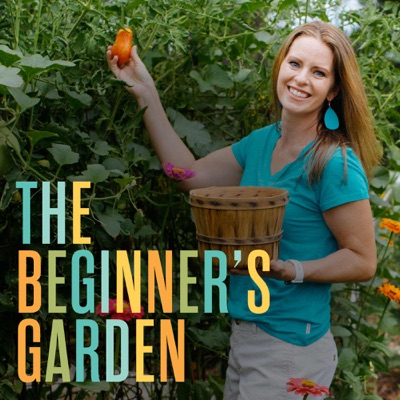
The Beginner's Garden with Jill McSheehy
Subscribed: 3,033Played: 109,392
Subscribe

© Copyright 2024 by Jill McSheehy
Description
Welcome to the Beginner's Garden Podcast! This is the podcast with easy-to-understand resources, tips, and information to help beginning gardeners get the most out of their gardening adventure -- big or small. When I began gardening in 2013, I scoured books and Internet resources to find all the information I could. Although good information was abundant, I had trouble understanding all the gardening lingo and sifting through the information to figure out what would work for me. In this podcast, my aim is to provide helpful information while explaining the gardening lingo as we go. I want to equip YOU to have the best start ever this gardening season!
579 Episodes
Reverse

Planting onions in fall might give you an earlier harvest than you thought possible. If you garden in Zone 7 or warmer, overwintering onions may help you harvest sooner, reduce bolting, and spread your onion harvest across several months. In this episode, I'm sharing what happened when I tested fall-planted onions in my Zone 8a Arkansas garden and how to decide whether this method could work where you live. Free Download: Onion Quick-Start Growing Guide Learn how to choose the right onion type for your location, get your planting timing right, and grow bigger, healthier onions. Get the Onion Quick-Start Growing Guide Key Takeaways Decide if fall planting fits your climate. Choose onions for your day length. Plant smaller transplants to reduce bolting. Protect onions during extreme cold. Extend your harvest into three months. Chapters 00:00 – Why I tried fall onions 01:07 – Who can plant in fall 02:56 – My first fall onion experiment 04:42 – How onions handled winter 06:46 – Raised beds vs. greenhouse 09:11 – Harvest onions earlier 11:31 – Extend your onion harvest 13:56 – Why fall onions bolt less 16:09 – Choose the right transplant size 18:26 – How hardy are onions? 20:43 – Consider zone and latitude 23:06 – Colder-zone considerations 25:21 – Plan your garden space 27:39 – Try onions from seed 28:54 – Is fall planting worth trying? Resource Links Onion Quick-Start Growing Guide: Learn the basics of choosing and growing onions for your garden. Get the free guide Onion Growing Trials YouTube: Did it work? Click to find out: https://youtu.be/vfR2G8daLXE?si=v1_Ed_K-z2o7j6mL Friday Emails: Get gardening tips, seasonal reminders, and updates from my garden. Sign up for Friday Emails YouTube: Journey with Jill on YouTube Instagram: The Beginner's Garden on Instagram Podcast Archive: The Beginner's Garden Podcast Recommended Brands & Products: See my recommended gardening products Amazon Storefront: Shop my Amazon recommendations Complete Garden Planner: Ready for a simple system to plan and track your garden season? See the Complete Garden Planner Disclaimer Gardening advice shared in this podcast is based on my own experience in Zone 8a (Arkansas) and from the feedback I receive from others in different gardening contexts. Your results may differ depending on your location, climate, and growing conditions. Always check your local extension service or trusted resources for region-specific guidance. Some links mentioned may be affiliate links, which means I earn a small commission at no extra cost to you if you make a purchase. As an Amazon Associate, I earn from qualifying purchases.

Your fall garden may be growing the same vegetables you planted in spring, but that doesn't mean they need the same care. Shorter days, warm soil, changing temperatures, and slower growth all affect how you should water, shade, and protect fall crops. In this episode, I'll help you adjust your fall garden care so lettuce, carrots, broccoli, and other cool-season crops have what they need. Free Download: Spinach Growing Guide Spinach can be a tricky crop to grow successfully depending on your location. This guide will help you have success. https://journeywithjill.net/pcaudio/spinach-guide/ Key Takeaways Water more at planting, then taper as fall cools. Remove shade cloth once seedlings are established. Give broccoli and carrots as much fall sun as possible. Plant more lettuce and greens to offset slower growth. Protect crops from sudden early freezes when needed. Chapters 00:00 – Why fall care is different 02:05 – Adjust watering as temperatures change 05:15 – Use fall shade cloth differently 07:26 – Know when to remove shade 09:47 – Give broccoli more fall sun 11:13 – Why carrots need enough sunlight 13:29 – Plant more fall lettuce and greens 15:42 – Prepare crops for early freezes 18:06 – When to use row covers 20:30 – Learn by observing your garden 21:44 – What's coming next Resource Links Seasonal Garden Task List: https://journeywithjill.net/seasonal-task-list Friday Emails + Free Growing Guides: https://journeywithjill.net/gardensignup Recommended Brands & Products: https://journeywithjill.net/recommended-brands-and-products/ Amazon Storefront: https://www.amazon.com/shop/thebeginnersgarden Complete Garden Planner: https://shop.journeywithjill.net/ Disclaimer Gardening advice shared in this podcast is based on my own experience in Zone 8a (Arkansas) and from the feedback I receive from others in different gardening contexts. Your results may differ depending on your location, climate, and growing conditions. Always check your local extension service or trusted resources for region-specific guidance. Some links mentioned may be affiliate links, which means I earn a small commission at no extra cost to you if you make a purchase. As an Amazon Associate, I earn from qualifying purchases.

Thinking about getting a greenhouse but not sure what it can actually do for your garden? A greenhouse can extend your growing season, protect plants through winter, and give seedlings a head start, but only if you understand how temperature, light, and humidity work together. In this episode, I'm talking with Leslie about greenhouse gardening for beginners, including what I've learned from using my own greenhouse for the past six years. We'll cover unheated versus heated greenhouses, supplemental grow lights, seed starting, pest prevention, and what to consider before buying a greenhouse. Check out Leslie's book "Home Greenhouse Revival" here: https://amzn.to/4qMk75Y Free Download: The Beginner's Garden Resource Vault Get complimentary access to growing guides, charts, and resources to help you grow food with more clarity and less overwhelm. Get the Beginner's Garden Resource Vault Key Takeaways Understand what an unheated greenhouse can do Use temperature and light to extend seasons Know when seedlings need supplemental grow lights Prevent greenhouse pests before they spread Choose a greenhouse based on your plants Chapters 00:00 – How greenhouses extend your season 03:41 – Why unheated greenhouses still help 06:51 – Keep winter crops growing longer 08:29 – How temperature affects plant growth 09:47 – When greenhouse grow lights help 12:07 – Can greenhouses replace indoor seed starting? 14:18 – Choose plants before your greenhouse 16:43 – Beds, containers, and greenhouse zones 19:42 – Why greenhouse size matters 20:23 – Why seedlings grow faster inside 23:06 – How humidity affects plant growth 24:41 – Understanding grow light limitations 26:44 – How plants actually use light 28:07 – Why winter sunlight is weaker 29:54 – Prevent greenhouse pest problems 32:49 – Using beneficial insects indoors 33:35 – What to know before buying 36:41 – Greenhouse growing beyond vegetables Resource Links The Beginner's Garden Resource Vault: Free growing guides, charts, and resources Friday Emails: Sign up for Jill's Friday Emails YouTube: Journey with Jill on YouTube Instagram: The Beginner's Garden on Instagram Podcast Archive: The Beginner's Garden Podcast Recommended Brands & Products: See my recommended gardening brands and products Amazon Storefront: Shop my recommended gardening products As an Amazon Associate, I earn from qualifying purchases. Complete Garden Planner: Ready for a simple system to plan and track your garden? My Complete Garden Planner makes it easy. Complete Garden Planner Disclaimer Gardening advice shared in this podcast is based on my own experience in Zone 8a (Arkansas) and from the feedback I receive from others in different gardening contexts. Your results may differ depending on your location, climate, and growing conditions. Always check your local extension service or trusted resources for region-specific guidance. Some links mentioned may be affiliate links, which means I earn a small commission at no extra cost to you if you make a purchase. As an Amazon Associate, I earn from qualifying purchases.

Not sure what to cover your raised bed soil with this winter? Cover crops can build soil, suppress weeds, and even provide living mulch. In this episode, I'll help you choose a cover crop and get started without overcomplicating it. Free Download: Raised Bed Soil Options Learn practical, affordable options for building and improving healthy raised bed soil. https://journeywithjill.net/raised-bed-soil Cover crops aren't just for large, in-ground gardens. I've been experimenting with them in my raised beds, and I've found several benefits beyond simply adding organic matter. I'll share what happened when I grew mustard and crimson clover, how winter-kill and overwintering cover crops differ, and what you need to think about before choosing one for your garden. Key Takeaways Choose cover crops by purpose. Decide if you want winter-kill. Plan around spring planting space. Try crimson clover as living mulch. Start with just one bed. Chapters 00:00 – Why consider cover crops 02:20 – Benefits beyond organic matter 06:57 – Living mulch and pollinators 09:02 – Choose crops by purpose 11:21 – Plan around spring planting 13:41 – Raised bed winter differences 16:00 – What happened with mustard 18:14 – Benefits of winter-kill crops 20:38 – Growing crimson clover strategically 22:55 – Terminating clover for mulch 24:41 – What if cover crops reseed? 27:00 – Beginner-friendly winter-kill options 29:19 – Overwintering cover crop options 31:39 – Start small with cover crops Resource Links Cover Crops Start to Finish: https://youtu.be/7x3H6_dSH1g?si=sJx876ZTOBCOQrjV Beginner's Guide to Cover Crops: https://journeywithjill.libsyn.com/263-beginners-guide-to-fall-cover-crops Fall Cover Crops with True Leaf Market: https://journeywithjill.libsyn.com/198-fall-cover-crops-with-true-leaf-market Cover Crops for Different Soil Types: https://journeywithjill.libsyn.com/helen-atthowe-fall-cover-crops-for-different-soil-types Raised Bed Soil Options: https://journeywithjill.net/raised-bed-soil Friday Emails: https://journeywithjill.net/gardensignup YouTube: Journey with Jill on YouTube Instagram: The Beginner's Garden on Instagram Podcast Archive: The Beginner's Garden Podcast Recommended Brands & Products: https://journeywithjill.net/recommended-brands-and-products/ Amazon Storefront: https://www.amazon.com/shop/thebeginnersgarden Complete Garden Planner: Ready for a simple system to plan and track your garden? My Complete Garden Planner makes it easy. https://shop.journeywithjill.net/ Disclaimer Gardening advice shared in this podcast is based on my own experience in Zone 8a (Arkansas) and from the feedback I receive from others in different gardening contexts. Your results may differ depending on your location, climate, and growing conditions. Always check your local extension service or trusted resources for region-specific guidance. Some links mentioned may be affiliate links, which means I earn a small commission at no extra cost to you if you make a purchase. As an Amazon Associate, I earn from qualifying purchases.

Think you've missed your chance to plant a fall garden? You may still have time to grow a harvest, even if September is already here. The key is knowing your average first frost date and choosing fall crops that can mature in the time you have left. In this episode, I'll help you figure out what you can still plant based on the number of weeks before your first frost. We'll cover fast-growing greens and radishes, when transplants make more sense than seeds, and why your USDA zone isn't the best number to use for fall planting. Free Download: Fall Salad Garden Planning Calendar Know when to plant for fresh greens throughout the fall season. http://journeywithjill.net/fallsaladgarden Key Takeaways Find your average first frost date. Choose crops based on time remaining. Direct sow fast-growing greens late. Use transplants for a head start. Expect smaller harvests when planting late. Chapters 00:02 – Is it too late to plant? 02:37 – Find your first frost date 05:32 – How much cold crops tolerate 07:38 – What to plant with limited time 10:03 – Easily sow baby greens 12:28 – Add lettuce, kale, and brassicas 14:51 – Options with eight-plus weeks 17:11 – Where to find fall transplants 19:38 – Why a small garden is worthwhile 21:01 – Match crops to your timeline Resource Links Fall Salad Garden Planning Calendar: http://journeywithjill.net/fallsaladgarden Friday Emails + Beginner's Garden Resource Vault: https://journeywithjill.net/gardensignup YouTube: https://www.youtube.com/c/JourneywithjillNet/videos Instagram: https://www.instagram.com/thebeginnersgarden/ Podcast Archive: https://journeywithjill.net/the-beginners-garden-podcast/ Recommended Brands & Products: https://journeywithjill.net/recommended-brands-and-products/ Amazon Storefront: https://www.amazon.com/shop/thebeginnersgarden Complete Garden Planner: Ready for a simple system to plan and track your garden? My Complete Garden Planner makes it easy. https://shop.journeywithjill.net/ Disclaimer Gardening advice shared in this podcast is based on my own experience in Zone 8a (Arkansas) and from the feedback I receive from others in different gardening contexts. Your results may differ depending on your location, climate, and growing conditions. Always check your local extension service or trusted resources for region-specific guidance. Some links mentioned may be affiliate links, which means I earn a small commission at no extra cost to you if you make a purchase. As an Amazon Associate, I earn from qualifying purchases.

Comments

Download from Google Play

Download from App Store
 United States