


 Claim Ownership
Reckoning with Jason Herbert
Subscribed: 68Played: 3,697
Subscribe

© 2026 Reckoning with Jason Herbert
Description
Reckoning with Jason Herbert is a long-form conversation podcast about history, the outdoors, and the stories that shape who we are.
Each episode features historians, writers, scientists, and thinkers in wide-ranging conversations about wild places, forgotten pasts, cultural memory, and the forces—human and natural—that continue to shape our lives.
This isn’t a news cycle show or a debate podcast. It’s a space for reflection, curiosity, and serious conversation—meant to be listened to slowly.
If you’re interested in history beyond textbooks, the outdoors beyond recreation, and stories that linger long after they’re told, this show is for you.
227 Episodes
Reverse
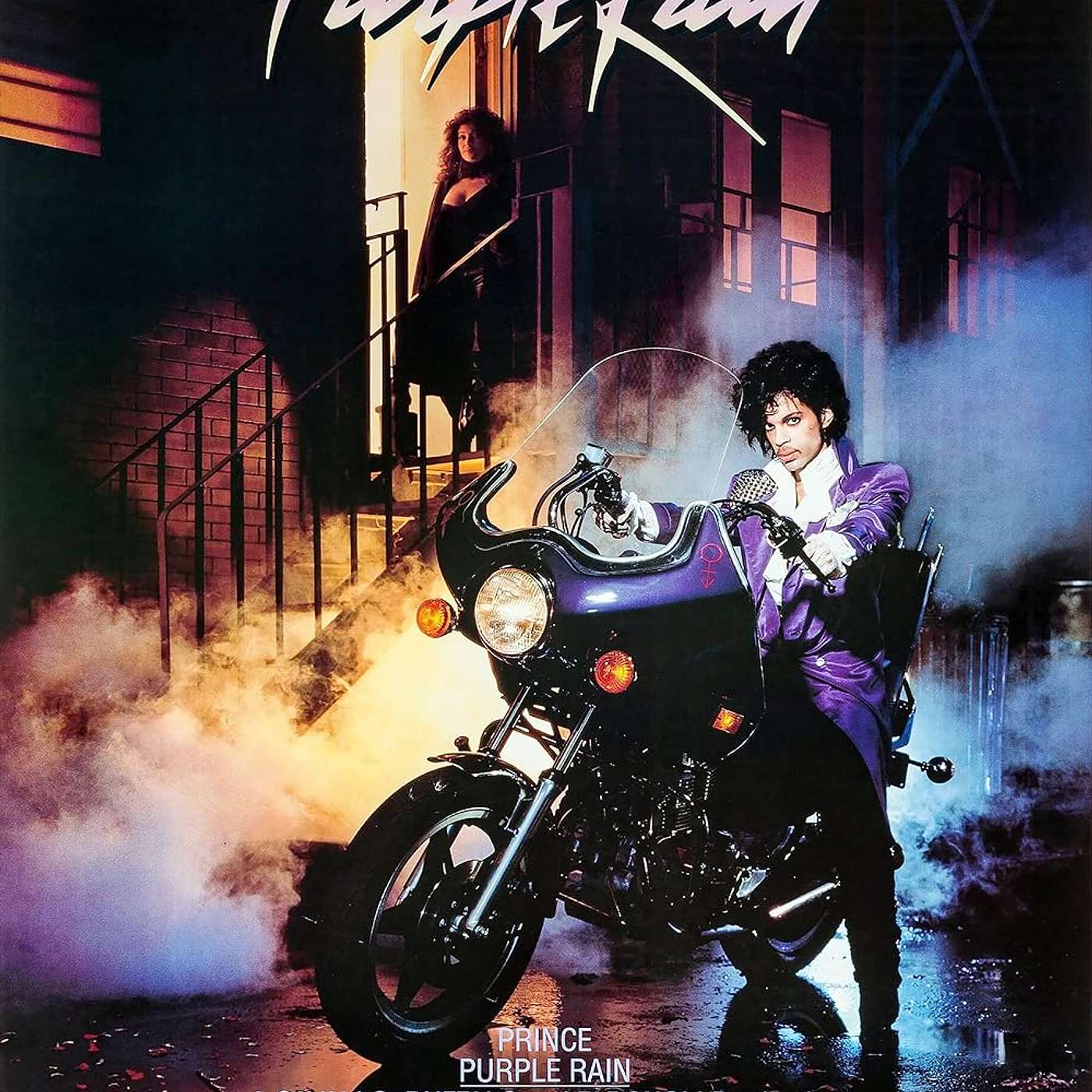
In this episode, I sit down with cultural geographer Rashad Shabazz to dissect the 1984 classic starring Prince — and ask the uncomfortable questions. Is The Kid a tortured genius… or a young man replaying generational trauma? Is the final performance redemption — or dominance? And what does Minneapolis represent in a film about Black masculinity, ambition, and control? We unpack race, space, violence, desire, artistic genius, and the myth of upward mobility — all through the lens of one of t...
 1
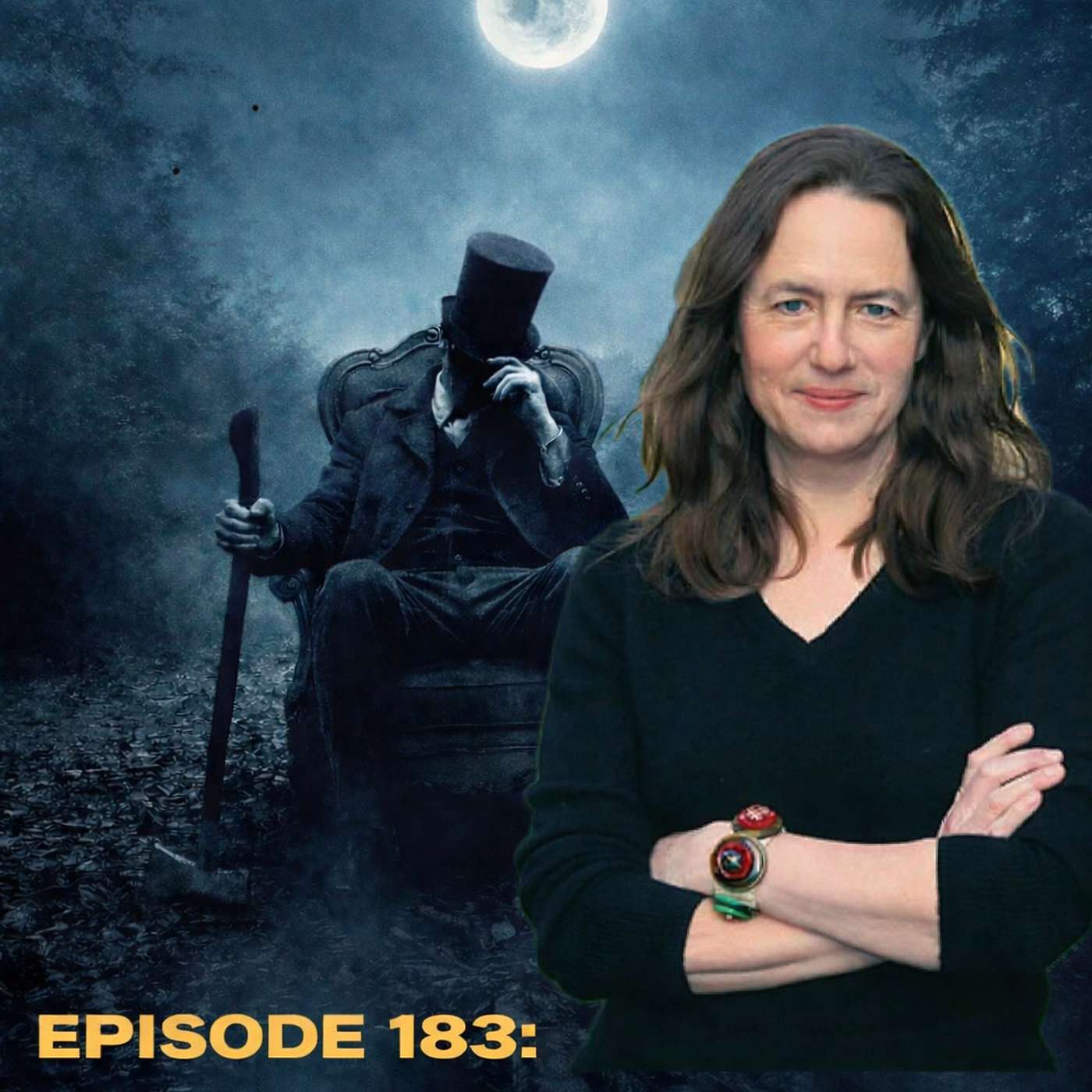
1In Episode 183 of Reckoning with Jason Herbert, historian Heather Cox Richardson joins the show for a lively and surprisingly sharp conversation about the film Abraham Lincoln: Vampire Hunter—and what it reveals about American mythmaking. What happens when we place a fantastical, axe-wielding Abraham Lincoln alongside the real political crises of the 1860s—and our own? We explore the Civil War, Reconstruction, the endurance of the “Lost Cause,” and the power of storytelling in shaping nationa...
In this episode of Reckoning, historian Andrew Wehrman, author of Contagion of Liberty, explores how smallpox and inoculation shaped the American founding—and ignited some of the earliest debates over liberty, risk, and public health. Long before COVID-19, Americans wrestled with questions of bodily autonomy, religious belief, communal obligation, and government authority, all in the shadow of a deadly disease and without modern medical knowledge. From local resistance to inoculation to Georg...
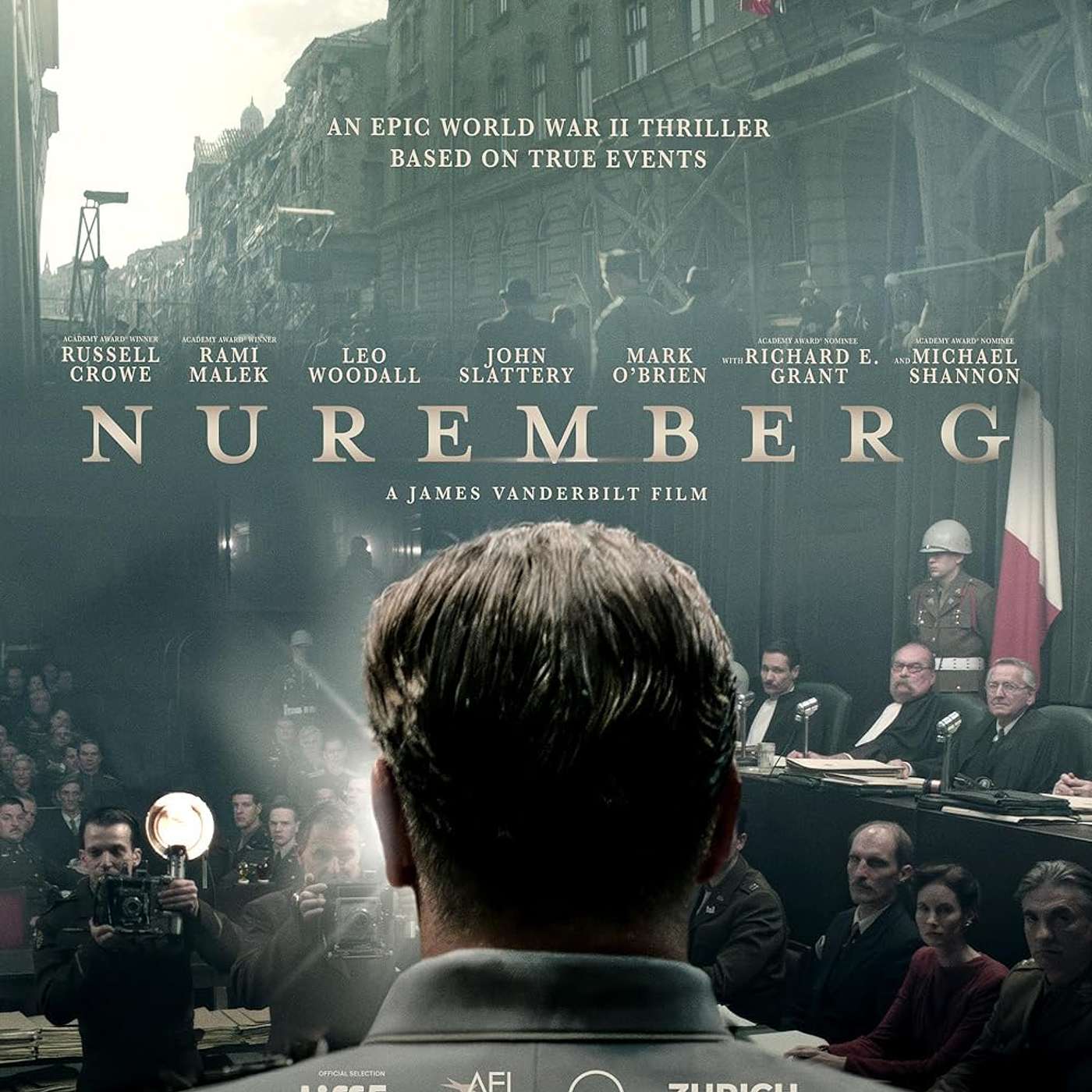
In this episode of Reckoning, we speak with author and journalist Jack El-Hai about the new film Nuremberg and the deeper questions it raises about justice, memory, and moral responsibility. Drawing on his book The Nazi and the Psychiatrist, El-Hai examines the relationship between Hermann Göring and Dr. Douglas Kelley during the Nuremberg Trials, and what it reveals about psychology, power, and the human impulse to explain evil. The conversation considers how early efforts to diagnose Nazism...
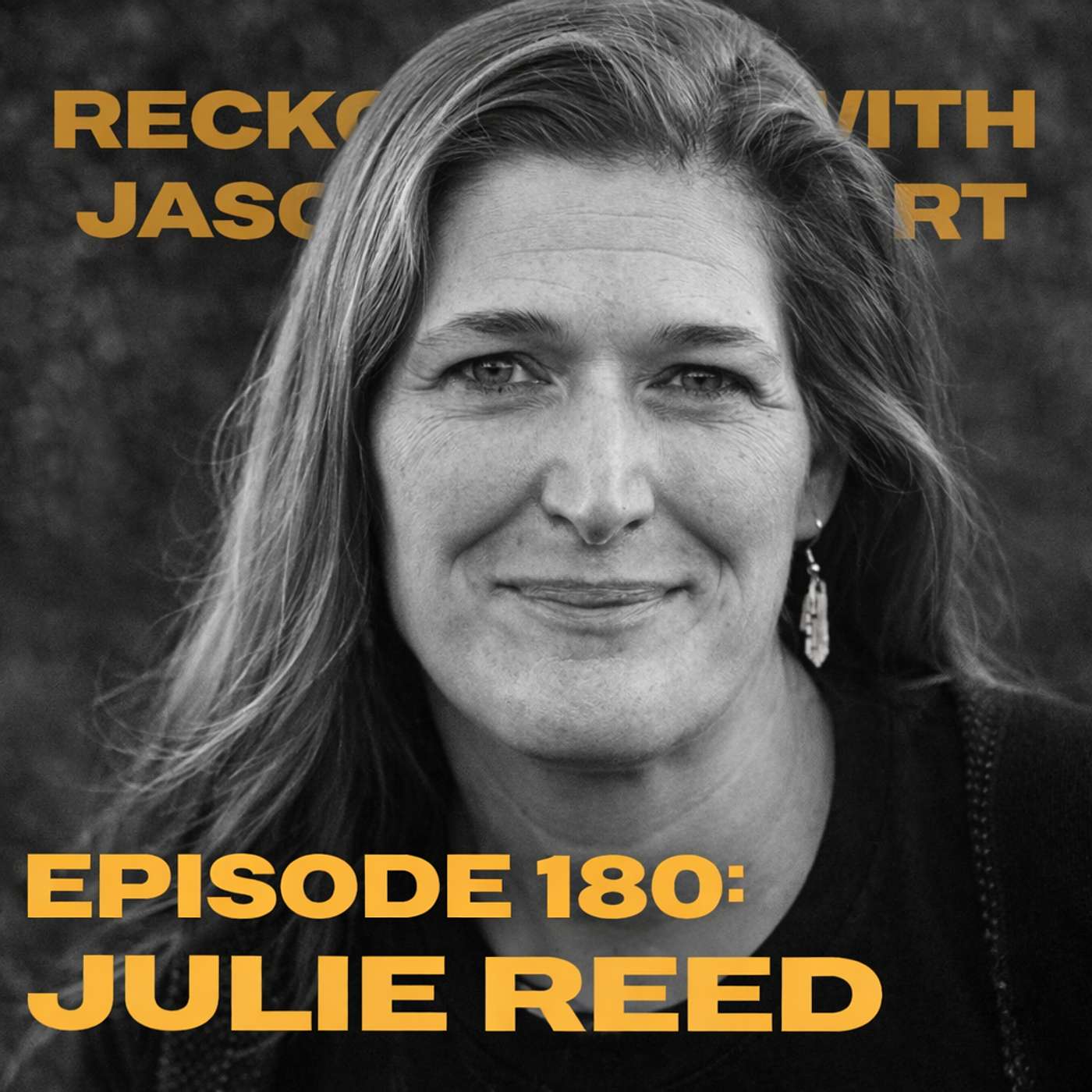
In this episode, I’m joined by Cherokee scholar and author Julie Reed to talk about her powerful book Land, Language, and Women: A Cherokee and American Educational History. We explore how Cherokee women have shaped—and continue to sustain—relationships to land, community, and language in the face of colonial violence and dispossession. Reed shows how land is not simply territory, language is not merely words, and women are not peripheral to history, but are instead central to cultural surviv...

There is probably no historian working today more influential in shaping how we think about the way in which humans and animals engage with each other and the environment than Dan Flores. Today, Dan joins in to talk about his epic work, Coyote America: A Natural and Supernatural History, on the eve of its 10th anniversary release, along with discussions on wolf reintroduction, bison on the plains, the American Serengeti, and his relationship with Steven Rinella and the crew over at Meateater....

This week Jason Socrates Bardi joins in to talk about about the rivalry between three mathematicians that defined the fifty years surrounding World War I. About our guest: Jason Socrates Bardi is an award-winning journalist in DC who has written two books about the history of math: The Calculus Wars and The Fifth Postulate. He has published hundreds of articles about modern science and medicine in outlets including the San Francisco Chronicle, Good Morning America, US News & World Report,...

This week Dr. Zackary Graham drops in to talk about one of America's most important environmental stewards--the crawfish--and why their disappearance should worry us all. About our guest: Zack is an evolutionary and behavioral ecologist who studies crayfish diversity. The goal of his research is to untangle the ecological and evolutionary complexities that have led crayfishes to be amongst the most successful freshwater animals within the Eastern United States and beyond. He is the author ...

Egyptologists Dr. Julia Troche and Matt Szafran join in this week to talk about the history behind The Fifth Element and how the anxieties of the 90s are reflected in Luc Besson's campy space opera. About our guests: Dr. Julia Troche is an Egyptologist and Associate Professor of History. In 2022 she was awarded her university's highest teaching award followed by the Missouri Governor's Award for Education Excellence. She is committed to advocating for students, early career scholars, and cont...

This week Kate Sheppard and Thomas Lecaque drop in to talk about the greatest romcom of all time. About our guests: Dr. Kathleen Sheppard earned her PhD in History of Science from the University of Oklahoma in 2010. After a post-doctoral teaching fellowship at the American University in Cairo, she arrived at Missouri S&T in the fall of 2011. She teaches mainly survey courses on modern Western Civilizations, which is arguably one of the most important courses students in 21st century Ameri...

This week Dr. Rachel Gross drops in to explain the rise of outdoor goods manufacturers and how they sold us on going outside. About our guest: Rachel Gross is an environmental, cultural, and public historian specializing in the history of the modern U.S. Her research and teaching interests center on business, consumer culture, and gender, and she is especially interested in what seemingly ordinary consumer goods tell us about identity and power. She teaches courses on capitalism, commodities,...

This week historians John McManus and Waitman Beorn drop in to talk about the history behind Hamburger Hill, arguably the greatest war film we ever forgot. About our guests: John C. McManus is Curators’ Distinguished Professor of U.S. military history at the Missouri University of Science and Technology (Missouri S&T). This professorship is bestowed by the University of Missouri Board of Curators on the most outstanding scholars in the University of Missouri system. McManus is the first e...

This week author Matthew Davis drops in to talk about the complex history and significance of Mount Rushmore, including its ties to the Lakota people, the role of Gutzon Borglum, and the evolving meaning of the monument in contemporary society. We also dig in on the misconceptions surrounding Rushmore, the importance of indigenous perspectives, and the future of the site in terms of stewardship and representation. About our guest: Matthew Davis is a writer who lives in Washington, D.C. He is...

Sahara had everything going for it: a big cast led by ultra hot actors Matthew McConaughey and Penelope Cruz, a devoted fan base of author Clive Cussler’s novels, and a big budget courtesy of Disney. And then it came out and flopped. But that doesn’t mean it’s still not fun and it doesn’t mean that we can’t have real conversations about history. In fact, the movie gives us the perfect opportunity to talk about artifact recovery and repatriation. Joining me today are Colin Colbourn and D...
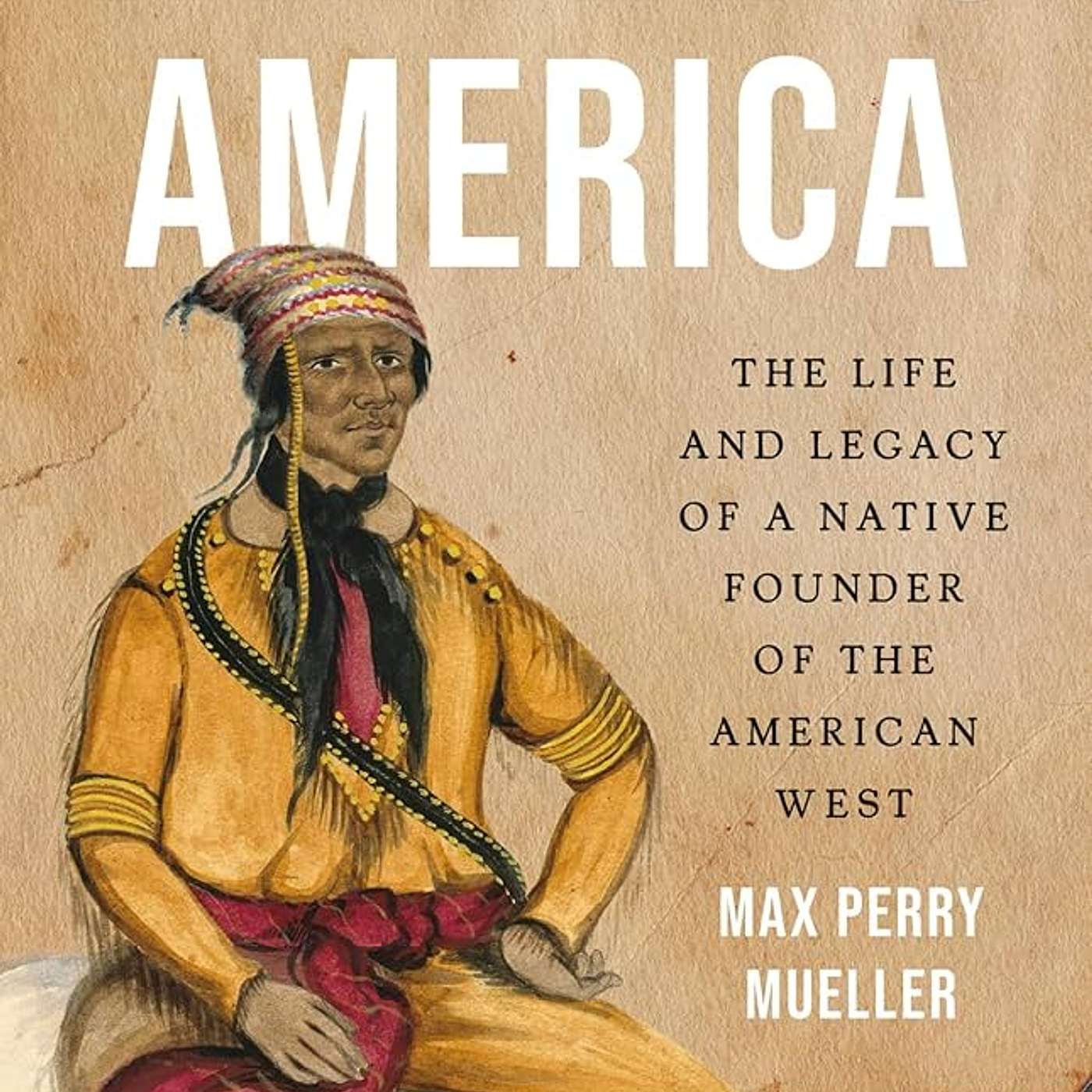
This week Max Perry Mueller drops in to talk about Wakara, a Ute man who shaped the modern American West. We also talk about the complexities of Native American identity, the impact of Manifest Destiny, and the ethical considerations in writing Native history. Max also highlights the importance of cultural exchange, environmental stewardship, and the ongoing struggles for repatriation and rematriation of Indigenous remains. About our guest: Max Perry Mueller (PhD, Harvard University) is an as...
2014's Pompeii is all over the place. Designed to be a Roman apocalypse story with a star making turn by Game of Thrones' Kit Harrington, Pompeii fizzled at the box office. But strangely, it's a phenomenal film to talk about the Roman empire and the eruption of Mount Vesuvius. Historian and archaeologist Dr. Steven Tuck joins in to talk everything this film gets right and wrong about Roman history. Easily one of our best episodes ever. About our guest: Steven L. Tuck is a professor of classic...
How did a small town south of Denver emerge as the center of evangelical capitalism after World War II? Historian Dr. William Schultz explains how evangelicals' faith intertwined with a specific interpretation of Americanism, especially during the Cold War era, and how this allowed them to transition from the margins of society to the epicenter of conservative dialogue. About our guest: William Schultz is a historian of American religion with an interest in the intersection of religion, polit...

It's a special podcast here at Reckoning. Early American historians Dr. Liz Covart, Dr. Michael Hattem, and Dr. Craig Bruce Smith joined me to live stream Ken Burns' new series The American Revolution and answer questions from people around the world. It's kind of like a Director's Commentary, only if the director was actually four people with degrees in history. This was a blast. About our guest: Dr. Liz Covart is a historian of the American Revolution, and the creator and host of the awar...
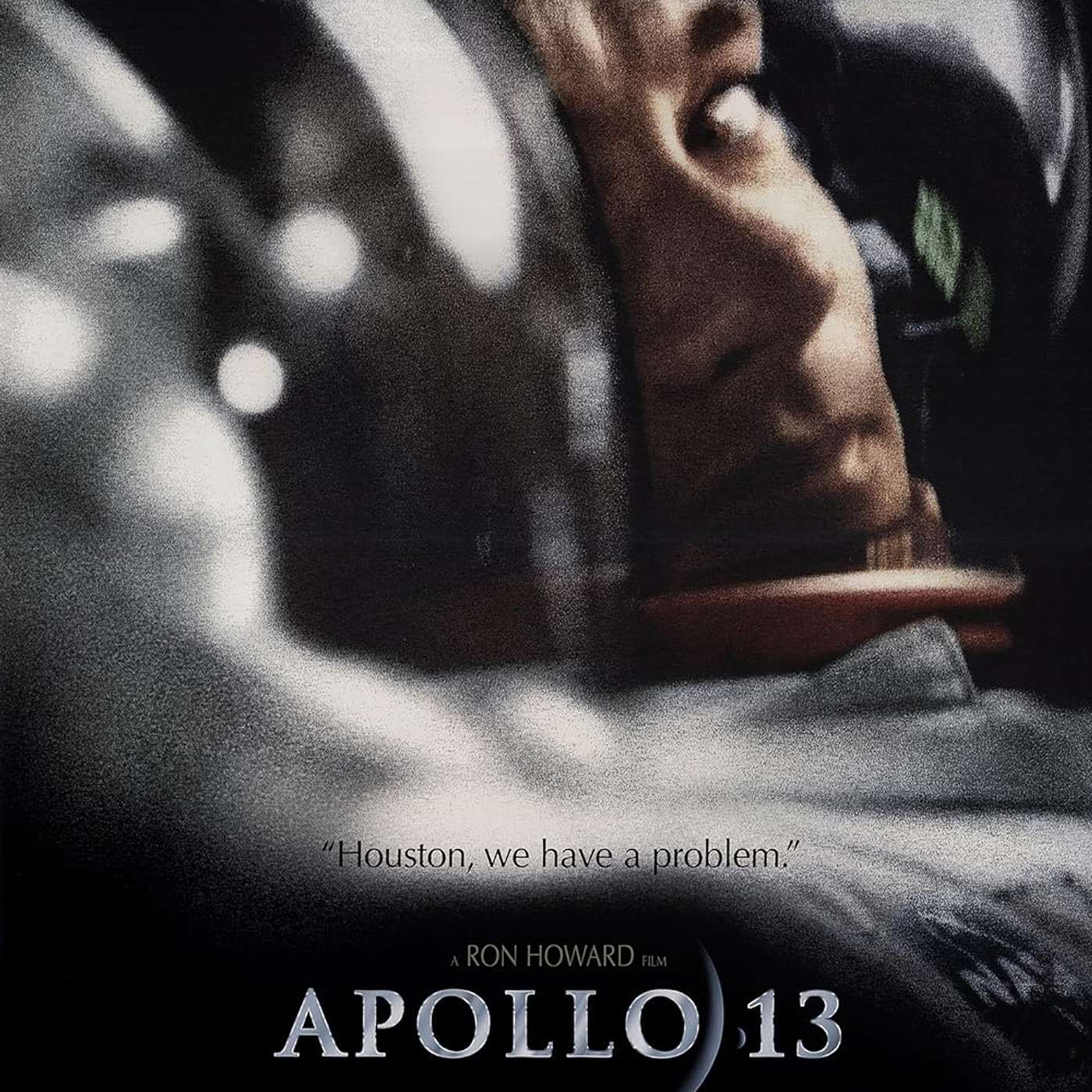
Houston, we have a podcast. Today, Apollo 13 author Jeffrey Kluger drops in to talk about the Apollo missions, what really made it on the film, and his new book, Gemini: Stepping Stone to the Moon, the Untold Story. About our guest: Jeffrey Kluger, editor at large, oversees TIME's science and technology reporting. He has written or co-written more than 40 cover stories for the magazine and regularly contributes articles and commentary on science, behavior and health. Kluger is the co-author, ...
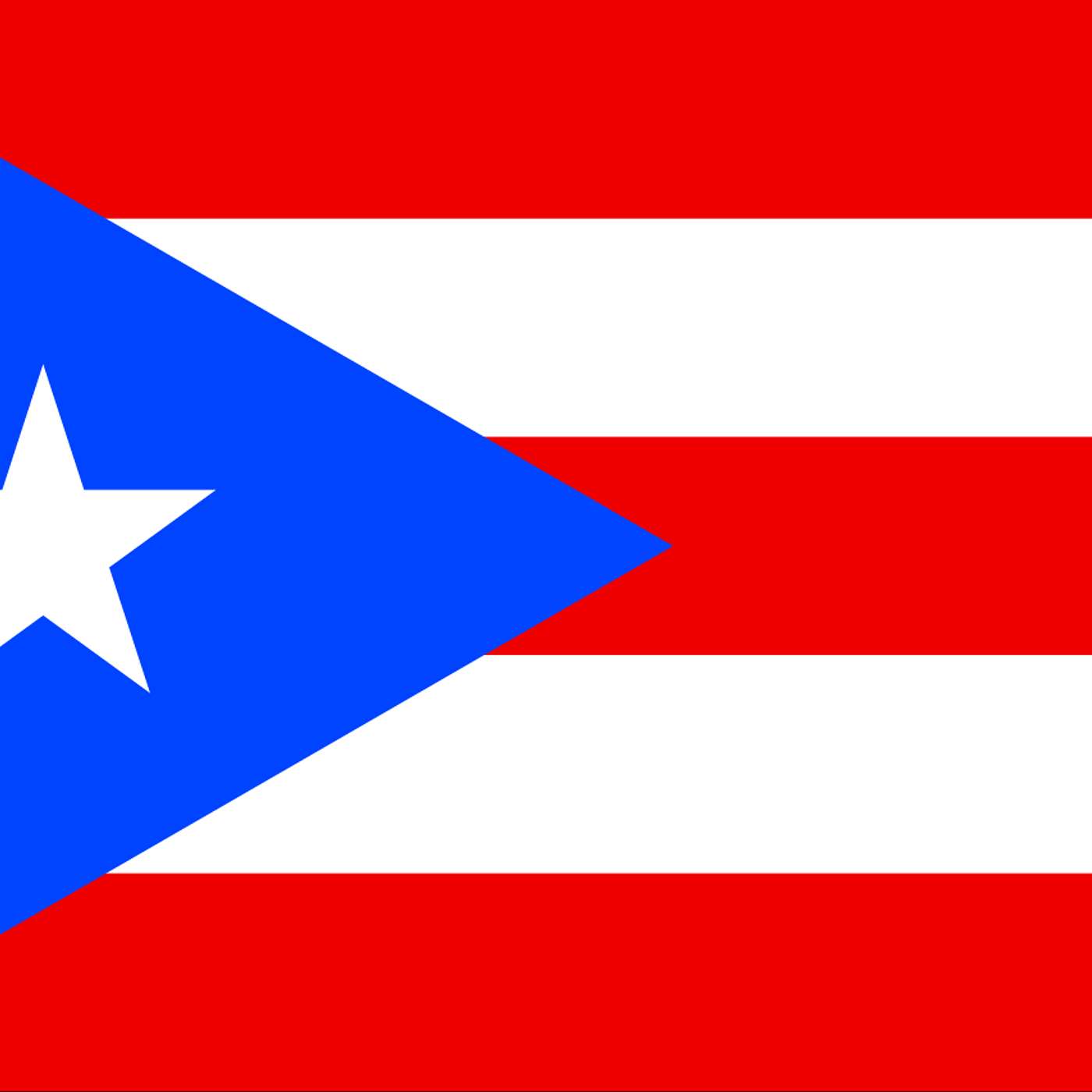
Puerto Rico is the oldest colony in the world, something that must change, says Ed Morales. Today Ed drops in to talk about the history of Puerto Rico, the Puerto Rican diaspora, and how colonialism has hurt the island over the last 500 years. About our guest: Ed Morales is an author and journalist who has written for The Nation, The New York Times, The Washington Post, Rolling Stone, and the Guardian. He was staff writer at The Village Voice and columnist at Newsday. He is the author of Fant...

Comments

Download from Google Play

Download from App Store
 United States