


 Claim Ownership
Nomad Summit Podcast: Fuel for Your Nomadic Journey
Subscribed: 5Played: 36
Subscribe

© 2025
Description
Climbing to freedom – one episode at a time.
The Nomad Summit Podcast is for remote workers, freelancers, indie hackers, and founders building lives on their own terms. We unpack what it really means to work without borders, chase freedom, and build something meaningful – whether that's a business, a lifestyle, or a sense of purpose.
Hosted by the team behind Nomad Summit and long-time digital nomad and podcaster Palle Bo, each episode features raw conversations, honest lessons, and practical ideas from people who've chosen the unconventional path. From landing your first remote job to launching your own company, we explore the milestones and mindset shifts along the way – with a healthy dose of real talk on visas, money, relationships, burnout, and belonging.
If you've ever felt like you're building your life summit by summit – this podcast is your trail guide, compass, and campfire rolled into one.
New episodes every week. Subscribe and start your climb.
The Nomad Summit Podcast is for remote workers, freelancers, indie hackers, and founders building lives on their own terms. We unpack what it really means to work without borders, chase freedom, and build something meaningful – whether that's a business, a lifestyle, or a sense of purpose.
Hosted by the team behind Nomad Summit and long-time digital nomad and podcaster Palle Bo, each episode features raw conversations, honest lessons, and practical ideas from people who've chosen the unconventional path. From landing your first remote job to launching your own company, we explore the milestones and mindset shifts along the way – with a healthy dose of real talk on visas, money, relationships, burnout, and belonging.
If you've ever felt like you're building your life summit by summit – this podcast is your trail guide, compass, and campfire rolled into one.
New episodes every week. Subscribe and start your climb.
43 Episodes
Reverse

Palle Bo and Christoph Huebner meet Yash Sharma, an aspiring digital nomad from India and one of three 2026 Nomad Summit scholars. Yash shares his raw journey from rock bottom as a second-generation lawyer – burnt out, leaving the office at 2 AM – to quitting on March 10th last year and waking up "breathing a different air." He reveals how facing fears at Vietnam Nomad Fest and a scholarship win sparked his pivot to AI automation. Listen if you're stuck chasing happiness in the wrong career or scared to leap into nomad life. Yash's bold "instincts over logic" mindset, family pushback, and first free client story offer real inspiration for productizing yourself and turning rock bottom into momentum. Plus, his Nomad Summit takeaways show why India is next for digital nomads. Key Takeaways Quit strategically: Yash's last law firm day (March 10, 2025) led to Vietnam Nomad Fest freedom – "breathing a different air" where "the whole world is yours to explore." Face fears head-on: Jumping off 10m rocks at Vietnam hikes taught Yash "all the things in the world just means nothing in front of actual fear." Instincts over logic: At 18, ignore "rest of your life" pressure; "when we are young, we just have to do what we feel like doing." Rock bottom rebuild: Three months solo learning AI/automation via YouTube/Reddit built skills without gurus; offer free services first for testimonials. Productize yourself: Naval Ravikant-inspired – "figure out what you can do that other people might want, and then scale that thing up." Wild belief wins: "All the hard work... is pointless unless you believe in your dreams"; close deals by sharing your vision authentically. Scholarship power: Nomad Summit jury loves early-career applicants lacking confidence but with big ideas – video apps beat safe bets. Family legacy pivot: Second-gen lawyer ditched easy client ladder for happiness; parents now support as business grows vs. 2 AM lawyer grind. Relevant Links Nomad Summit: https://www.nomadsummit.com Episode produced by RadioGuru: https://radioguru.co.uk

Palle Bo and Christoph Huebner sit down with software engineer and indie hacker Joey Kudish, the founder of Tether Mobile, to solve a pain every digital nomad knows: how to keep your phone number and receive critical SMS codes without paying crazy roaming fees or juggling SIM cards. From emotional attachment to old numbers to banking one-time passwords that never arrive abroad, they unpack why this problem exists and how Joey is fixing it for nomads first. You'll hear how Joey went from running a board-game café in Canada to building tools for location-independent life, why SMS infrastructure is such a bureaucratic "snake pit," and what it takes to act as a real carrier of record in multiple countries. If you've ever worried about losing access to your bank, tax authority, or health accounts while traveling, this episode will show you practical options right now and a glimpse of a future where SMS-based authentication might finally die. Key Take Aways Phone numbers are emotional assets and business anchors, which makes switching countries and carriers harder than it needs to be for long-term nomads. Many nomads juggle a home-country number on a minimal plan plus local SIMs and eSIMs just to keep receiving SMS verifications. Tether Mobile lets you port or buy a number, then forwards incoming SMS to email or chat apps like Telegram, Line, Discord, or Slack so you can drop expensive roaming. Traditional carriers often charge daily roaming fees just to access SMS, and many prepaid or VoIP setups fail to receive verification messages reliably abroad. Technically and legally, SMS is tightly controlled by carriers and regulators, which is why so few consumer-focused solutions exist and why Joey is rolling out countries carefully. At launch, Tether focuses on inbound SMS only, with clear limits and pricing, to avoid spam and compliance issues while solving the core problem really well. Supported countries already include the US, Canada, Thailand, several EU states, the UK, and more, with South American numbers on the roadmap. Joey expects SMS-based authentication to fade over the next 5–10 years and is fine if that eventually kills his own product, because the goal is better security for everyone. Relevant Links Tether Mobile: https://tethermobile.com/ Join the Waitlist: https://tethermobile.com/signup Joey on X: https://x.com/jkudish Joey on Instagram: https://www.instagram.com/jkudish Joey's Website: https://jkudish.com Game Tree Café: https://maps.app.goo.gl/A9UFf7JbdeGq5pYR6 Sunday's Game Night in RealSpace: https://maps.app.goo.gl/3DgsPGADxeQtXYHn7 Sunday's Game Night at Gemoi Lifestyle Café: https://maps.app.goo.gl/P5o7LtRUx1wDBvEC7 https://www.satellite.me/ German solution, SipGate: https://www.sipgate.com/ Episode with Isac from RealSpace: https://www.nomadsummit.com/episode-31-you-get-a-co-working-space-whats-next/ Nomad Summit: https://www.nomadsummit.com Episode produced by RadioGuru: https://radioguru.co.uk

Palle Bo and Christoph Huebner sit down with Jonathon and Quinn Button, a nomadic power couple from California, in Chiang Mai's Bella Goose Cafe at the Hill. Fresh from speaking at Nomad Summit, the Buttons share their 12+ years of nomading – from Nicaragua startups to spotting global trends and borderless investing. Amid coffee chats and couple travel tests, they reveal how neuroplasticity fuels opportunity spotting and why Asia's collab vibe excites them. Listen if you're a nomad craving business insights over yoga vibes, or a couple testing relationship resilience. The Buttons deliver practical tools for signals-to-investments, Life Out of the Box reinvention, and why 40% of US women eye relocation (Thailand top 5!). Perfect for rethinking autonomy, slowmad shifts, and pushing buttons together. Key Takeaways Test relationships with challenging travel before commitment – not luxury resorts – to see true compatibility. Nomad Summit surprised as business-focused (entrepreneurs/investors), not "hippie dippy" – great for finding "your people". Spot trends via "signals" (early behaviors); nomads excel due to neuroplasticity in new environments. Customize investing for borderless life: 24/7 access, own your portfolio, act on personal signals (no advice). Life Out of the Box evolved from Nicaragua social venture (artisans/school supplies) to nomad dream-push platform. 40% US women want to relocate abroad (Thailand top); expect West-to-East migration, solo female travelers rising. New places slow time (like childhood summers); question local solutions (e.g., Japan garbage) for opportunities. Couples thrive 24/7 nomading via divide/conquer + collab; travel together proves strength, Asia's innovation pulls. Relevant Links Life Out of the Box Website: https://lifeoutofthebox.co Life Out of the Box on YouTube: https://www.youtube.com/user/LifeOutoftheBox Life Out of the Box on Instagram: https://www.instagram.com/lifeoutofthebox/ Life Out of the Box on Facebook: https://www.facebook.com/LifeOutOfTheBox/ Bella Goose Cafe at the Hill (Chiang Mai): https://www.nomadsummit.com/venue/bella-goose-cafe-at-the-hill/ Episode with Mia Kircher (Serbia-Afghanistan cat traveler): https://www.nomadsummit.com/episode-14-courage-connection-and-cleo-the-cat-mia-kerchers-story-of-nomadic-life/ Episode with Sonia Vainshtein (dog travel business): https://www.nomadsummit.com/episode-19-around-the-world-with-a-dog/ Episode with Allison and Graham (NZ vet and pet sitter): https://www.nomadsummit.com/episode-35-nomadic-vet-around-the-world/ The Radio Vagabond episode about Luwak Coffee Bali: https://www.theradiovagabond.com/212-bali/ Rich Dad Poor Dad book: https://www.amazon.com/Rich-Dad-Poor-Teach-Middle/dp/1612681131 Yes Theory about Forest City: https://youtu.be/Y6ZGkjdFAZs?si=ztjRQSWTMDQpkoQd 40% US women relocation report from Gallup: https://news.gallup.com/poll/697382/record-numbers-younger-women-leave.aspx Nomad Summit: https://www.nomadsummit.com Episode produced by RadioGuru: https://radioguru.co.uk
Kevin Hofmann went from getting his jaw broken at a rave in Vienna to building impact‑driven tech projects as a digital nomad. In this episode, he shares how that low point pushed him into meditation, co‑living, and ultimately to Chiang Mai as a Nomad Summit scholarship winner. We talk about his Buildathon project "Chiang Ride", a platform to make scooter rentals in Thailand transparent and trustworthy, and his main mission‑driven project Waste Watch, a global cleanup platform helping organizers and volunteers coordinate events and show their impact. Along the way, Kevin reflects on manifesting opportunities, speaking on stage for the first time, collaborating with Thai students, and designing a life where he can focus fully on positive impact. Top 8 key take‑aways: A painful setback can become a powerful turning point if you let it question your whole life setup. Kevin's jaw injury in Vienna led him to quit his corporate job and spend months in a Buddhist meditation center. Running a co‑living / co‑working space in Lagos (Noma Village) showed him the power of community and planted the seed for a nomad lifestyle. The Nomad Summit scholarship gave him a ticket, accommodation, and stage time, which massively accelerated his journey. "Chiang Ride" was born from the chaos of renting scooters in Thailand and aims to connect trustworthy local shops with travelers through a clear, fair platform. The Nomad Summit Buildathon pairs international nomads and Thai students to co‑create startups; Kevin's team of seven (including three Thais) won second place. Waste Watch (WasteWatch.app) is Kevin's main mission project, helping cleanup organizers publish events, document impact, and attract more volunteers globally. Kevin's long‑term vision is to be location‑ and financially‑independent so he can dedicate himself to projects that help people, animals, and the planet. Links mentioned in this episode: Chiang Ride app (scooter rentals in Chiang Mai): https://chiang-ride.vercel.app Waste Watch – global cleanup platform: https://WasteWatch.app Kevin on Telegram: @kevkevkev23 Kevin on Instagram: @kev_hfmn Nomad Summit: https://nomadsummit.com Episode produced by RadioGuru: https://radioguru.co.uk
In this episode of the Nomad Summit podcast, host Christoph Huebner sits down with British writer, private tutor and long-distance hiker Danielle Hurren. From accidentally discovering nomadism via a Gumtree ad in London to tutoring high‑net‑worth families across Italy, Kazakhstan and beyond, Danielle shares how she built a deeply personal, travel‑rich career around the British education system. They talk about solo female hiking across the entire length of the UK, overcoming fear while wild‑camping on cliff tops, and why the world is often less scary than we think. Danielle also explains how private tutoring turned into a global, location‑independent business, how Kazakhstan stole her heart long before it hit nomad radar, and how Nomad Summit 2026 inspired her to double down on her writing, blog and Substack. Top key take-aways You do not need a grand master plan to become a nomad; Danielle "stumbled" into it by following curiosity, teaching English at summer camps and saying yes to new opportunities. A single tutoring job found on Gumtree led her from London to Tuscany, then into a powerful word‑of‑mouth network in Rome and across Italy. COVID‑19 turned her fixed life in Rome upside down and ultimately triggered her decision to fully embrace long‑term travel and nomadism. Hiking solo from Cornwall to Scotland with a tent was Danielle's way to reconnect with nature and herself after months of strict lockdown in Rome. Solo hiking and wild‑camping, especially for women, can be both scary and empowering; preparation, basic safety gear and confidence in your own abilities are key. Countries with "scary" reputations, like India, can still be deeply rewarding destinations for solo female travelers when you research, choose regions carefully and plug into local communities or co-livings. There is strong global demand for specialists in the British curriculum (GCSE, A‑Level, IB), and private tutoring can be turned into a travel‑friendly career with agencies plus your own client network. Content platforms like Instagram, a personal blog and Substack help Danielle document hikes and off‑the‑beaten‑path destinations, and Nomad Summit gave her fresh SEO and Pinterest strategies to grow that creative side. Links mentioned Danielle on Instagram: https://www.instagram.com/daniellemariehurren/ Danielle's Substack: https://substack.com/@elsewhereposts Danielle's blog: https://elsewhereposts.com/ Nomad Summit: https://nomadsummit.com Episode produced by RadioGuru: https://radioguru.co.uk
Sound artist and nomad village founder Diveakssh "Divi" Schae joins hosts Christoph and Palle to unveil the brand‑new Nomad Summit theme music, crafted entirely from the everyday sounds of Chiang Mai - crosswalk beeps, street greetings, and a shy "Welcome to Chiang Mai" from a local girl. He shares his philosophy of "sound hunting," why he loves both music and "noise," and how years of traveling with a microphone and producing his debut album taught him to turn the world itself into an instrument. The conversation then shifts to Jungli, his family's former ferro‑alloy factory in the Indian jungle that he is transforming into a year‑round nomad village and future audio‑visual gallery for new media art installations. You'll hear how he's blending nature, operations know‑how, community building, spirituality (through his dad's numerology and past‑life work), and his mother's chocolate into a unique hub between Goa and Hampi - plus a powerful reframe of nomadism as a mindset rather than a passport stamp count. Key Take Aways Everyday sound can be musical. Divi shows how city noise, nature, and random street sounds become emotional, story‑driven music when you listen with intention and "hunt" for texture. Jungli: factory‑turned‑nomad village. He explains how his great‑grandfather's old ferro‑alloy factory is being reborn as a family‑run nomad village and future audio‑visual gallery in the Indian jungle. A new home for new media art. Jungly aims to give new media artists a permanent space for immersive installations that are usually built for one‑week shows and then stored away. Nomadism as a mindset. Divi reframes being a nomad from "always moving" to staying light, not over‑attaching to stuff (like the infamous couch), and being able to thrive anywhere. Building in public with community. The first Jungly guests came from his Instagram and newsletter, co‑creating the village via a WhatsApp group that grew from 70 to around 450 members. Family strengths as part of the brand. From his father's numerology and spiritual work to his mother's chocolate factory, Divi weaves his family's talents into the Jungly guest experience. Relevant Links Watch the new Nomad Summit music video: https://www.instagram.com/reel/DT57eqTD6-Z/ Read more about Jungli – the Nomad Village: https://www.junglithenomad.com Episode 27 with Pavi – the digital VO‑mad: https://www.nomadsummit.com/episode-27-pavi-lustig-the-voice-that-goes-around-the-world/ Nomad Summit: https://www.nomadsummit.com Sailing Uma (YouTube): https://www.youtube.com/@SailingUma Episode produced by RadioGuru: https://radioguru.co.uk
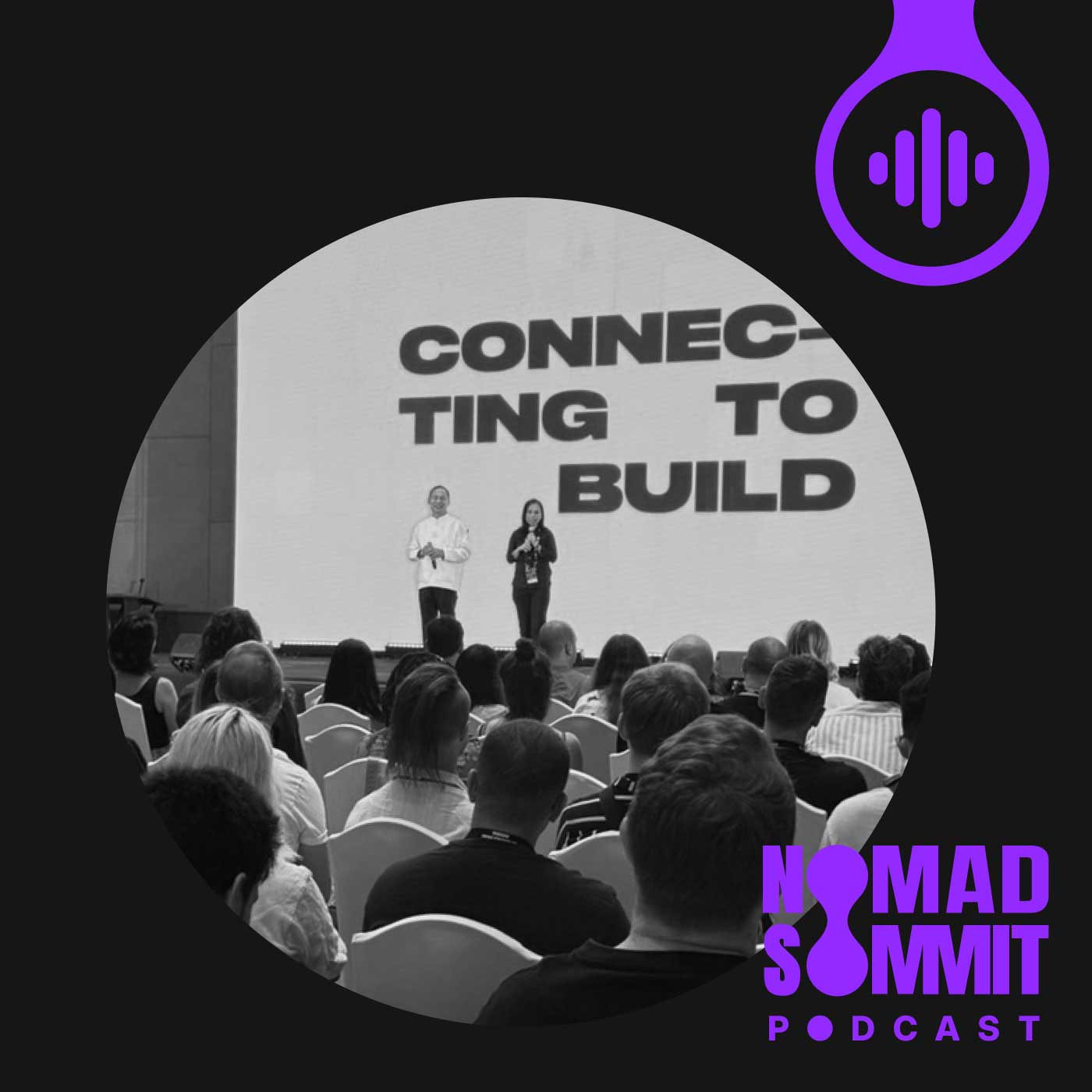
This episode is recorded a few days after Nomad Summit 2026 in Chiang Mai and captures the atmosphere, stories, and reactions. The episode opens with a live side event hosted by Palle Bo and Christoph Huebner, recorded in front of an audience. Here, the focus is on two in-depth guest conversations that set the tone for the episode. Toti: Building a Life Around Travel and Storytelling The first main conversation is with Toti from Passport & Stamps, who shares his personal journey into a nomadic lifestyle and how travel became central to both his work and identity. Toti talks about how he started out, what motivated him to keep moving, and how documenting his experiences turned into a meaningful way of connecting with others. He reflects on the balance between freedom and responsibility, and on what it really takes to sustain a life built around constant change. His story resonates strongly with the audience, especially when he talks about uncertainty, decision-making, and the difference between the romantic idea of nomad life and the reality behind it. René: Long-Term Nomad Life and Perspective The second main guest is René, who brings a different perspective shaped by years of living and working on the road. René shares insights into long-term nomadism – what changes over time, what becomes easier, and what new challenges appear. He talks about community, routines, and how priorities shift the longer you stay location-independent. His reflections add depth to the episode by showing how nomad life evolves beyond the early excitement and into something more grounded and intentional. Pool Party Interviews: First Impressions from Attendees Between the live conversations, the episode moves to the Pool Party on Sunday. Here, Palle recorded short, informal interviews with several attendees. These quick conversations capture first impressions of the event, why people decided to attend Nomad Summit, and what they are hoping to get out of the week. Some talk about connection and community, others about learning, inspiration, or simply meeting people who understand their lifestyle. The Pool Party recordings give the episode a relaxed, social feel and show the diversity of backgrounds and motivations within the Nomad Summit crowd. Voices from the Audience and Later Side Event Toward the end of the episode, more attendee voices are brought in – recorded after the live side event and during another side event later on. People from the audience share how the Nomad Summit resonated with them, what stood out, and how they are experienced the event. A Snapshot of Nomad Summit in Motion Rather than a single narrative, this episode works as a snapshot of Nomad Summit as it is unfolding. It combines longer personal stories with short, spontaneous reactions, reflecting the mix of structure and serendipity that defines the early days of the event. It is an episode about arrival – into a city, into a community, and into conversations that will continue throughout the week. Key Takeaways Toti and René offer two distinct but complementary perspectives on nomad life Long-term nomadism brings different challenges than early-stage travel Attendees come to Nomad Summit with a wide range of goals and expectations Informal moments often reveal the most honest reflections Relevant Links Time Out Article: https://www.timeout.com/bangkok/news/the-nomads-have-spoken-thailand-still-the-best-place-in-world-for-laptop-warriors-012026 Nomad Summit: https://nomadsummit.com Episode produced by RadioGuru: https://radioguru.co.uk
In this episode of the Nomad Summit Podcast, we sit down with Alison and Graham, the couple behind Vet Around the World. Recorded in Chiang Mai, this conversation explores a very different kind of nomadic setup – one built around veterinary work, house-sitting, remote consulting, and long-term travel systems rather than typical remote jobs. Alison is a qualified veterinarian who works remotely through telehealth and triage services, while Graham brings a background as a ship's officer and ship's medic. Together, they've been traveling full time for around eight years and have completed close to 100 house-sits along the way. We talk about how they built a sustainable nomadic lifestyle, how house-sitting became a cornerstone of their travel model, and how Alison made the leap into remote veterinary work across time zones. They also share the realities of working irregular hours, building long-term systems, and why YouTube has become an important part of their future plans. This episode is a grounded, practical look at alternative paths to location independence – and a reminder that there's more than one way to build a life on the road. Key Takeaways House-sitting can be a long-term, sustainable base for nomadic life Professional skills can often be adapted to remote or hybrid work models Telehealth and consulting can create location independence in unexpected industries Long-term travel requires systems, not spontaneity Building multiple income streams creates more flexibility over time Content creation can support long-term nomadic projects when done intentionally Relevant Links Website: https://www.vetaroundtheworld YouTube channel: https://www.youtube.com/channel/UCQVUXu-EAkluzBcb9Qs_h7Q Instagram: https://www.instagram.com/vet_aroundtheworld/ Facebook: https://www.facebook.com/VetAroundTheWorld/ TikTok: https://www.tiktok.com/@vet.around.the.world Trusted Housesitters: https://www.trustedhousesitters.com Kiwi House Sitters: https://www.kiwihousesitters.co.nz Nomad Summit: https://nomadsummit.com Episode produced by RadioGuru: https://radioguru.co.uk
What does the digital nomad lifestyle look like beyond the Western bubble? In this episode of The Nomad Summit Podcast, we sit down in Chiang Mai with Feng Ding and Summer Pan – the couple behind ChineseNomads.com – to explore the fast-growing but often invisible Chinese digital nomad ecosystem. From quitting corporate life in Shanghai to traveling Latin America in a truck camper, getting stuck in Mexico during COVID, and accidentally becoming digital nomads, Feng and Summer share an honest and deeply personal story. We talk about freelancing, content creation on Chinese platforms, building a paid online community, and the cultural and language barriers Chinese nomads face when entering the global remote work world. The conversation also dives into relationships on the road, working as a couple, mental health, redefining success, and why they eventually chose Chiang Mai as a home base. Along the way, we explore how Chinese and English-speaking nomad communities can learn more from each other – and what it would take to truly build bridges between them. Key Takeaways How Feng and Summer transitioned from full-time travelers to digital nomads during the pandemic Why the Chinese digital nomad community is much larger than most Western nomads realize The structural and cultural challenges Chinese nomads face with remote work and freelancing Differences between Chinese and Western nomad platforms, communities, and opportunities What it's really like traveling, working, and creating content as a couple Why Chiang Mai makes sense as a base for nomads balancing global work and family ties How digital nomadism is evolving in China – and where it may be heading next Relevant Links Website: https://ChineseNomads.com YouTube: https://www.youtube.com/@neverknowadventure7617 Instagram: https://www.instagram.com/neverknow_adventure Nomad Summit: https://nomadsummit.com Episode produced by RadioGuru: https://radioguru.co.uk
In this episode of the Nomad Summit Podcast, Palle Bo and Christoph Huebner sit down with Marc Dumur, President of the Foundation for Education and Rural Community (FERC). The conversation focuses on why education matters so deeply – not just as a tool for employment, but as the foundation for freedom, choice, and long-term empowerment. This episode also explains why Nomad Summit supports FERC through Nomad Week side-event ticket proceeds, and how small, intentional actions can create meaningful impact over time. Nomad Summit is not about convincing anyone to become a digital nomad. It is about giving people access to knowledge so they can make informed decisions – for or against a location-independent life. Education plays a central role in that mission. Together, the hosts and their guest explore how education changes lives, why access to learning creates opportunity, and how community-driven initiatives can help build a more equitable future. Key Takeaways Education is a foundation for freedom, not just a pathway to work Informed choice is central to empowerment and long-term impact Supporting education initiatives can create lasting change far beyond borders Small contributions, when focused and consistent, can make a real difference Nomad Summit's mission is rooted in knowledge, responsibility, and community Relevant Links Foundation for Education and Rural Community: https://fercthailand.org Nomad Summit: https://nomadsummit.com Episode produced by RadioGuru: https://radioguru.co.uk
What is it really like to spend Christmas away from family when you live a nomadic life? In this episode of The Nomad Summit Podcast, we sit down with digital nomad and speaker Juliana Rabbi to talk openly about celebrating Christmas on the road. Together, we explore the emotions that often come up during the holidays when you are far from home – from freedom and gratitude to loneliness, guilt, and reflection. Juliana shares personal experiences from her own nomad journey, including how traditions change, how relationships evolve, and why holidays can amplify both the best and hardest parts of location-independent life. We also connect the conversation to Juliana's upcoming talk at Nomad Summit and discuss how nomads can approach the holiday season with more intention, self-compassion, and clarity. This is an honest and relatable conversation for anyone who has spent Christmas abroad – or is considering a nomadic lifestyle and wondering what the holidays might really feel like. Key Takeaways Why Christmas and holidays often feel more intense when you are living as a digital nomad The difference between being alone and feeling lonely – and how to navigate both How expectations from family and society can clash with nomadic freedom Ways to create meaning and personal traditions when you are far from home Why moments of discomfort during the holidays can lead to deeper self-reflection How community, choice, and intention shape the nomad holiday experience Relevant Links Juliana Rabbi LinkedIn: https://www.linkedin.com/in/julianarabbi-career-coach/ Instagram: https://www.instagram.com/juliana.rabbi/ Facebook: https://www.facebook.com/juliana.rabbi Website: https://julianarabbi.com Nomad Summit: https://nomadsummit.com Episode produced by RadioGuru: https://radioguru.co.uk
This is a special one – the first video episode of the Nomad Summit Podcast, recorded inside the creator studio at RealSpace in Chiang Mai. Palle Bo and Christoph Huebner sit down with Isaac Cook, the British founder behind RealSpace Coworking and the newer RealSpace Creative – a creator-focused studio built inside the co-working space. The conversation is all about what happens after you open a co-working space: how you find your niche in a competitive city like Chiang Mai, how you balance productivity with connection, and how RealSpace has evolved by listening closely to its members. Isaac shares how he didn't even consider himself a "digital nomad" at first, and how he opened RealSpace without being a regular co-working user – the idea started as a desire to build community. You'll also hear why the creator angle became a major part of RealSpace's identity – podcasting, filming, green screen setups, editing support, and a community where creators help creators. Christoph references a previous episode where we spoke with three co-working founders about starting a space. He promised we'd link it in the show notes, and you can see the link to Episode 25 below. Key Takeaways Your niche often comes from listening to members – not from your original plan The best co-working spaces balance social energy with focused work zones RealSpace Creative grew from a clear demand: creators wanted a proper studio and support A surprising number of people "need content" without seeing themselves as creators – and they need guidance Isaac's biggest learning: he underestimated how much people would value the space and what it meant to their lives Relevant Links RealSpace: https://www.realspacecm.com RealSpace Creatives: https://www.realspacecreative.com Instagram: https://www.instagram.com/realspacecreative/ Episode 25 about Fragmented: https://www.nomadsummit.com/episode-25-fraqmented-but-together-learnings-from-3-coworking-space-founders/ Nomad Summit: https://www.nomadsummit.com Episode produced by RadioGuru: https://radioguru.co.uk
Colive Fukuoka is one of Japan's most forward-thinking coliving communities, designed to help digital nomads and remote professionals experience Japan in a more meaningful and community-driven way. Based in the heart of Fukuoka, the initiative offers curated stays, cultural immersion, connections with locals, and a structured way for nomads to experience Japan beyond short-term tourism. It works closely with the Japan Digital Nomad Association to attract international talent and build a global nomad hub on Kyushu Island. In this episode, we sit down with Ryo Osera, co-founder of Colive Fukuoka, to explore how Japan is embracing digital nomads and why Fukuoka is becoming one of Asia's rising hotspots. Ryo shares how his journey took him from working inside the Japanese Prime Minister's Office to building one of Japan's most exciting nomad-focused projects. We talk about cultural immersion, government collaboration, the future of nomad visas, why Japan needs global creators, and how a city like Fukuoka is positioning itself for the next chapter in remote work. If you've ever dreamed of living or working from Japan, this episode will give you a look behind the scenes at what is happening right now in the country. Key Takeaways What Colive Fukuoka offers digital nomads beyond accommodation How Japan is shifting its mindset to attract global remote workers Ryo's transition from government work to building nomad communities Why Fukuoka is becoming Japan's most nomad-friendly city The role of Yugyo inc. in shaping Japan's nomad ecosystem Japan's emerging strategies around visas, community building, and creator engagement How nomads can get involved and help shape the future of the movement Relevant Links Colive Fukuoka: https://colivefukuoka.com Japan Digital Nomad Association: https://japandigitalnomad.com/en/ Colive Fukuoka on Instagram: @colivefukuoka Yugyo inc. on Instagram: @yugyo_nomad Ryo Osera on Instagram: @ryosera_jp Nomad Summit: https://nomadsummit.com Episode produced by RadioGuru: https://radioguru.co.uk
We invited creator and long-time nomad Andrew Williams to talk about Remote Tribe… and the conversation quickly expanded into a bigger, honest look at how digital nomadism is changing. From why some nomads settle down to why others keep going, we touched on community, identity, remote work culture, and the realities behind the lifestyle. Andrew Williams is a digital nomad entrepreneur, remote-work advocate, and founder of Remote Tribe (https://remotetribe.life) and Deskhop (https://deskhop.work). With more than a decade of experience living and working across Asia and Europe, he helps people and companies adapt to location-independent work. His platforms offer insights, tools, and flexible workspace access worldwide. His mission is to make remote work more accessible, flexible, and sustainable for the next generation of global professionals. Recorded with Palle and Christoph sharing one microphone in Bangkok and Andrew joining from Bucharest, this episode blends personal stories, first-time event experiences, shifting nomad definitions, and a few laughs from the Bangkok heat with the air-conditioner turned off. If you expected a neat interview about Remote Tribe, you'll get that. But you'll also get much more: reflections on the evolution of nomad culture, how the community is changing, and what long-term remote living does to your sense of self. What We Talk About Remote Tribe Life and its origins Andrew shares how he started the project during COVID to help people adjust to remote work, find communities, optimise travel costs, and discover new places. He explains how the platform grew into a blog and social channels focused on resources, travel tips, and networking opportunities. How many people are actually digital nomads Christoph brings up a research-based definition of digital nomads as people who travel to at least three countries a year for extended periods while working remotely. That number is probably below 100,000 globally. Why most people do not want this lifestyle long-term We get into why many nomads eventually settle, often because of relationships, children, or wanting stability. Christoph shares a story about asking an audience of 200 people who would truly choose a nomad life if there were no obstacles. Only two hands stayed up. How the community is changing We talk about the high percentage of first-time attendees at recent nomad events and how the scene constantly renews itself with newcomers while others step away. Johnny FD and the early days of Chiang Mai Christoph mentions how Johnny FD influenced his own journey and shares that he interviewed Johnny in Episode 11 from Kyiv. https://www.nomadsummit.com/episode-11-from-million-dollar-hustler-to-kyiv-minimalist-why-johnny-fd-gave-it-all-up/ Future Nomad Summit events The episode wraps with Andrew explaining why he cannot make it to Chiang Mai this time, but plans to attend in 2027. Christoph also highlights the Black Friday offer for bringing a friend. https://www.nomadsummit.com/upcoming-events/ Key Takeaways The digital nomad lifestyle is far smaller than people imagine and most remote workers are not nomads. Remote Tribe Life emerged as a helpful guide during COVID and still plays a role in connecting curious travellers. Most people admire nomad life, but very few truly want it for themselves long-term. Nomad events have a high turnover of newcomers, which keeps the community dynamic. Many early nomad figures, including Johnny FD, have evolved beyond the lifestyle. Planning, intentionality, and community connections matter more than ever for aspiring nomads. Relevant Links Remote Tribe Life website: https://www.remotetribe.life/ Remote Tribe Life on Instagram: https://www.instagram.com/remotetribelife/ Johnny FD YouTube channel: https://www.youtube.com/@JohnnyFD Nomad Summit Events: https://nomadsummit.com Episode produced by RadioGuru: https://radioguru.co.uk
In this episode, we sit down with voiceover artist and global traveller Pavi Lustig, a self-described "VO-mad" who records commercials, narrations, and branded content from wherever he is in the world. From Goa to Salzburg to riding a motorcycle across India, Pavi has built a career that blends technical expertise, creativity, and an adventurous nomadic spirit. We talk about running a location-independent voiceover business, navigating fair pricing in the age of AI voices, building pop-up studios in hotel closets, and how his award-winning short film unexpectedly went viral. Along the way, Pavi shares personal stories from his upbringing in a well-known German media family and what it has meant for his own creative path. If you've ever wondered how to combine audio work with full-time travel, or how the voiceover industry is evolving fast, this conversation is packed with stories and insights from someone who has seen the industry from both behind the mixing desk and in front of the mic. Key Takeaways The reality of being a digital nomad voiceover artist and why only a small part of the work is spent behind the microphone. How Pavi structures his business through three pillars: performance, audio engineering, and client management. Practical strategies for recording high-quality audio from anywhere using portable setups, hotel closets, and directional microphones. The current state of global voiceover pricing and why industry guidelines differ significantly by country. How AI voices are disrupting the industry and why some voice actors are licensing their voices for synthetic use. The story behind Pavi's award-winning India motorbike film and why passion projects can sometimes outperform commercial work. Personal reflections on growing up as the son of Peter Lustig, one of Germany's most iconic children's TV presenters, and how that shaped his own creative path. Why community, conferences, and serendipitous encounters continue to fuel both his career and nomadic lifestyle. Relevant Links Pavi's Award-Winning short film: https://youtu.be/bQSTZJ_b8g4?si=6X_XohYRkD9Wjg5C Pavi on Instagram: https://instagram.com/pavibes Pavi's website: https://pavilustig.com Nomad Summit: https://nomadsummit.com Episode produced by RadioGuru: https://radioguru.co.uk
In this episode, we meet Lazar Dimitrijevic from Serbia – one of the Nomad Summit Scholarship winners whose journey to Chiang Mai became the spark for his digital-nomad dreams. Lazar shares how a simple Instagram post and a five-minute application video completely changed his trajectory. From being an aspiring nomad with a creative passion to spending a week surrounded by mentors, founders, and remote workers in Thailand, the scholarship gave him the confidence to build a location-independent career. Christoph joins from Kyiv during his humanitarian mission to Ukraine, while Palle tunes in on his birthday to hear how Lazar's experience at Nomad Summit Chiang Mai opened new doors – from mentorship with Nomad Magazine to real client collaborations and a growing international network. If you've ever thought about applying for the Nomad Summit Scholarship but weren't sure it could really make a difference, this conversation will show you what's possible when you take that leap. Key Takeaways The Nomad Summit Scholarship helps aspiring nomads take the first concrete step toward location independence. Lazar's story shows how opportunities at the Summit – mentorship, exposure, and community – can accelerate personal and professional growth. Christoph explains how the scholarship combines free access, mentorship, and even accommodation support for selected winners. Nomad Summit events attract hundreds of like-minded people and dozens of side-events that keep the inspiration going long after the main conference. Applications for the next Chiang Mai Scholarship are now open – it only takes a short video and a few lines about yourself. Relevant Links Lazar on Instagram: https://www.instagram.com/lazadimitrijevicc/ Apply for the 2026 Nomad Summit Scholarship: https://www.nomadsummit.com/nomad-summit-scholarship-chiang-mai-2026/ Nomad Summit: https://nomadsummit.com Episode Sponsor: GigSky One Episode produced by RadioGuru: https://radioguru.co.uk
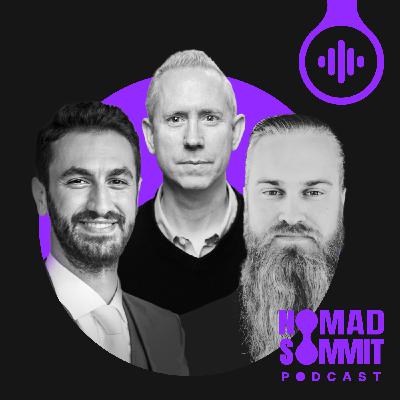
In this episode, we sit down with the founding team behind Fraqmented, a remarkable new coworking space in Tallinn, Estonia. An Englishman (Alistair), a Danish "Viking" (Markus), and a Turk (Çağatay) met at a local coworking community event, realised they shared the same vision, and decided to build something together. Nine months after opening their doors, they're still friends—and still learning. They talk openly about building a business in a new country, navigating different cultures and personalities, and why leaving your ego at the door is the only way to make a three-founder setup work long-term. Expect practical insights, founder lessons, and a few laughs - e.g. when it comes to beard styles: Alistair is fully clean-shaven, Markus looks like a Viking, and Çağatay brings the modern Turkish look. Key Takeaways Why their friendship survived the first 9 months of running a business together How they divide roles and make decisions without power struggles What mattered more than furniture, design, or funding during the buildout Why Tallinn is an ideal testing ground for a new type of coworking community How ego-free collaboration shapes both the brand and the user experience The Founders Alistair Starling Markus Christensen Çağatay Büyükçolpan Coworking space: Fraqmented, Tallinn Call to Action If you're in Tallinn, drop into Fraqmented and see the space for yourself. Subscribe to the Nomad Summit Podcast for more founder stories and global nomad insights. Get early access to upcoming Nomad Summit events at www.nomadsummit.com.
When you're traveling full-time, the right insurance can mean the difference between a minor inconvenience and a financial disaster. In this episode, Palle Bo and Christoph Huebner dive into what digital nomads really need to know before buying travel or health insurance. Christoph isn't just Palle's co-host this time – he's also an experienced insurance broker who helps nomads find the best coverage for their lifestyle. Together they unpack how to avoid common mistakes, what to look for in the fine print, and how to make sure you're covered no matter where you are in the world. Whether you're new to long-term travel or a seasoned nomad, this conversation will help you make smarter insurance decisions and travel with peace of mind. Key Takeaways The key differences between travel insurance and international health insurance Why you should never rely solely on your home-country policy What to look for when comparing plans as a digital nomad Real-world examples of coverage gaps that can cost you Tips on how to stay covered when moving between countries Why cheap plans often end up being expensive mistakes Relevant Links Nomads Insure: https://nomads.insure/about/christoph-huebner/ Nomad Summit: https://nomadsummit.com Episode produced by RadioGuru: https://radioguru.co.uk
When you live and work around the world, community can be the difference between thriving and burning out. In this episode, Han Talbot, founder of The Remote Creatives, joins the Nomad Summit Podcast to talk about how nomads can build and sustain meaningful connections – both online and offline. Han shares the story behind The Remote Creatives, a global network that helps freelancers, entrepreneurs, and remote professionals find support, collaboration, and belonging while living location-independent lives. From hosting creative meetups around the world to fostering accountability groups, Han shows how community can fuel creativity and professional growth for digital nomads everywhere. Together with hosts Palle Bo and Christoph Huebner, the conversation dives into the misconceptions around loneliness in remote life, the future of community-led workspaces, and why belonging will be at the heart of the next chapter of the nomad movement. Key Takeaways How The Remote Creatives grew from a simple newsletter into a global community. Why digital nomad life isn't as lonely as people think – and how connection makes it sustainable. The key ingredients for building a thriving nomad community across borders. Why community will become even more important as AI and remote work evolve. How creative collaboration can spark both personal and professional growth for nomads. Relevant Links Han Talbot on Instagram and TikTok: @hanmeetsworld and @theremotecreatives On LinkedIn: https://www.linkedin.com/in/hanmeetsworld and https://www.linkedin.com/company/theremotecreatives/ The Remote Creatives: https://theremotecreatives.com Nomad Summit: https://nomadsummit.com Episode produced by RadioGuru: https://radioguru.co.uk
What if one simple document could change the entire course of your life? In this episode of the Nomad Summit Podcast, we sit down with Francisco Litvay, the Austrian-Brazilian founder of Settee, to talk about the real value of dual nationality for digital nomads. Francisco shares how having two citizenships opened up opportunities he never expected – from studying in Europe to building an international business that now helps others gain freedom through smarter residency and tax setups. This episode goes far beyond the usual talk about visas or travel perks. It's about the generational power of citizenship, the freedom of choice it provides, and the practical steps nomads can take to protect and expand their global mobility. Key Takeaways Dual nationality isn't just about more visa-free travel – it's about long-term freedom and opportunity. Family decisions, like registering a child's citizenship, can have powerful generational effects. The right residency setup can make or break your global business structure. It's important to find balance between exploring new countries and establishing stable bases. For Latin America, platforms like WhatsApp are crucial tools for doing international business. Relevant Links Connect with Francisco and Settee: Website: www.Settee.io LinkedIn: https://www.linkedin.com/in/franlitvay/ WhatsApp: +1 (772) 202-6037 Instagram: https://www.instagram.com/setteeio X: https://x.com/Setteeio Facebook: https://www.facebook.com/setteeio/ Nomad Summit: https://nomadsummit.com Episode produced by RadioGuru: https://radioguru.co.uk

Comments

Download from Google Play

Download from App Store
 United States