


 Claim Ownership
Building Better Cultures
Subscribed: 73Played: 1,440
Subscribe

© Copyright Inspiring Change 2021
Description
Hosted by Scott McInnes, founder of Inspiring Change, we talk to guests about how really good internal comms, engagement and leadership all contribute to 'Building Better Cultures'. We tend to shy away from theory and focus more on really practical advice, great stories and best-practice.
About Inspiring Change
At Inspiring Change we help our clients to connect their people to their strategies, their change programmes, their purposes and to each other. We do that by focusing on strategic internal communications, employee engagement and leadership.
For more, see www.inspiringchange.ie
** IF YOU'VE ENJOYED THIS, PLEASE LEAVE A SHORT REVIEW**
About Inspiring Change
At Inspiring Change we help our clients to connect their people to their strategies, their change programmes, their purposes and to each other. We do that by focusing on strategic internal communications, employee engagement and leadership.
For more, see www.inspiringchange.ie
** IF YOU'VE ENJOYED THIS, PLEASE LEAVE A SHORT REVIEW**
149 Episodes
Reverse

In this episode of the Building Better Cultures Podcast, host Scott McInnes speaks with Glenda Kirby, Chief Customer Officer at Poppulo, about the evolving role of leadership communication in a fast-changing workplace. They explore how trust, transparency, and empathy form the foundation of strong organizational cultures, particularly in a world shaped by hybrid work, constant change, and emerging technologies like AI. Glenda shares practical insights from her experience helping global organizations communicate with millions of employees, as well as lessons from her leadership roles at LinkedIn and Indeed. You will walk away with actionable ideas on communicating through change, building trust within teams, and developing leadership skills such as clarity under pressure, empathy, and authenticity. Keywords: Leadership communication, internal communications, organisational culture, trust in leadership, empathy in leadership, clarity under pressure, employee engagement, hybrid work, change management, communication strategy, workplace culture, leadership development, Poppulo, employee experience. Key Takeaways: Trust is built through consistent and transparent communication. Communication is no longer occasional - it's continuous. Middle managers are a critical communication channel. Clarity matters more than ever. Empathy is a leadership skill that must be developed. Act on feedback. Timing and accuracy are essential during change. Authenticity strengthens culture. Belonging is becoming increasingly important. Chapters: 00:00 – Introduction to the episode and guest 01:00 – Glenda Kirby's background and Poppulo's global reach 03:00 – Why trust is central to strong workplace cultures 05:20 – Communication overload and cutting through the noise 08:50 – The growing complexity of leadership roles 12:20 – Why organizations still underinvest in communication skills 15:00 – Simple communication techniques leaders can use immediately 18:50 – The importance of empathy and authenticity in leadership 21:00 – Acting on employee feedback and building trust 24:40 – Understanding how different people receive communication 29:00 – Leading teams through constant organizational change 33:00 – The risk of over-communication during uncertain times 35:40 – Final reflections and leadership quick-fire questions 37:30 – The leadership skills that matter most today Connect with us: LinkedIn YouTube Instagram Connect with Glenda Kirby: LinkedIn

In this episode of the Building Better Cultures podcast, host Scott McInnes is joined by Iain Kirkwood, Chief HRO of EX3, to explore the critical role of people in organisational success. They discuss the importance of clarity in purpose, the necessity of difficult conversations in performance management, and the empowerment of people leaders. The conversation delves into the significance of continuous feedback, the measurement of organisational culture, and the connection between culture and business performance. They also touch on the role of values and behaviors in shaping culture and the importance of a dynamic Employee Value Proposition (EVP). Keywords: Organisational culture, employee engagement, leadership, performance management, HR transformation, continuous feedback, employee value proposition, purpose-driven organizations, difficult conversations, accountability Key Takeaways: Clarity around company goals is essential for success. Hiring for attitude is more important than hiring for skills. Strong leadership is key to aligning people with company objectives. Difficult conversations are necessary for managing performance. Empowering people leaders is crucial for organisational success. Continuous feedback helps in course correction throughout the year. Culture can impact business performance significantly. Values should translate into observable behaviors. An effective EVP should resonate with employees' experiences. Regularly revisiting the EVP keeps it relevant and engaging. Chapters: 00:00 Introduction to Building Better Cultures Podcast 01:53 Setting Companies Up for Success Through People 05:16 The Importance of Purpose in Organisations 08:10 Navigating Difficult Conversations with Employees 10:56 Empowering People Leaders for Effective Management 14:03 The Shift Towards Continuous Feedback 19:22 Understanding and Valuing Organisational Culture 20:21 Valuing Organisational Culture 22:00 Impact of Culture on Performance 23:45 Performance Management and Accountability 26:03 The Role of Values in Culture 30:01 Employee Value Proposition (EVP) 34:39 Creating a Positive Work Environment Connect with us: LinkedIn YouTube Instagram Connect with Iain Kirkwood: LinkedIn
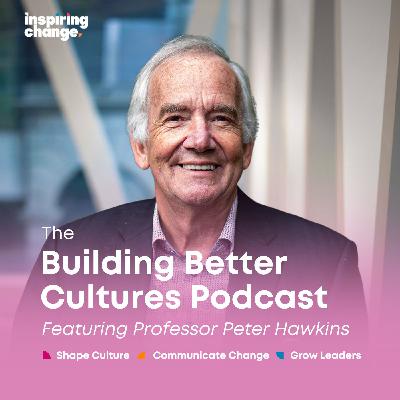
In this episode of the Building Better Cultures podcast, Scott McInnes has an insightful conversation with Professor Peter Hawkins, a leading authority in systemic coaching and leadership development. They explore the essential elements organisations need to thrive in the 21st century, emphasising the importance of being purpose-led, stakeholder-centric, and fostering collective leadership. Hawkins discusses the critical role of organisational culture and learning, the dynamics of trust within teams, and the concept of WeQ—collaborative intelligence. The conversation also delves into the nature of connection in leadership and the need for organisations to discover their purpose rather than merely creating it. Hawkins shares practical examples and insights on how organisations can align their efforts to meet the needs of the future, ultimately highlighting the unique contributions that teams can make to drive meaningful change. Takeaways: Organisations must be purpose-led, not profit-led. Stakeholder-centricity is crucial for modern organisations. Partnership with stakeholders enhances organizational effectiveness. Teams should be more than the sum of their parts. Organisational learning must outpace external changes. Trust is essential, but addressing mistrust is equally important. WeQ, or collaborative intelligence, is vital for leadership. Connection in leadership should focus on shared purpose. Purpose should be discovered, not created. Organisational culture is shaped by collective patterns. Chapters: 00:00 Introduction to the Podcast and Guest 02:13 Essential Elements for Organisations in the 21st Century 05:42 The Importance of Purpose in Organisations 08:25 The Role of Organisational Culture and Learning 12:54 Collective Leadership and Team Dynamics 17:16 Trust and Mistrust in Teams 18:42 The Nature of Team Relationships 22:10 The Concept of WeQ and Collaborative Intelligence 23:13 Connection in the Age of Technology 27:40 Understanding and Defining Purpose 31:30 Leading Towards an Evolving Purpose 37:12 The Unique Contribution of Teams and Organisations 39:47 Organisational Culture and Its Habituated Patterns 41:06 Conclusion and Final Thoughts Connect with us: LinkedIn | YouTube | Instagram Connect with Prof. Peter Hawkins: LinkedIn | Website - Personal | Website - Company Keywords: leadership, organisational culture, purpose, collaboration, team dynamics, coaching, stakeholder engagement, collective intelligence, trust, systemic coaching
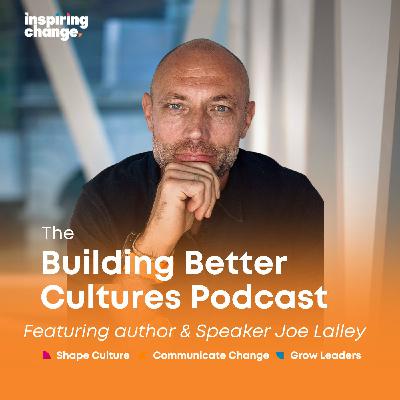
In this week's episode of the Building Better Cultures Podcast, host Scott McInnes sits down with Joe Lalley, author of 'How Curiosity Can Transform Your Career, Your Team, and Your Organisation.' Together, they explore the power of curiosity in transforming careers, teams, and organisations. Tune in to discover practical insights on fostering curiosity, psychological safety, and innovative cultures. Keywords: Curiosity, innovation, psychological safety, organizational culture, design thinking, leadership, experimentation, learning from failure, AI, creative thinking Key Topics: The definition of curiosity as the desire to go from not knowing to knowing The role of psychological safety in encouraging curiosity Patterns of questions that drive innovation and learning The importance of being close to customers for effective curiosity The impact of organisational culture on curiosity and experimentation The risks and rewards of curiosity in the workplace Practical strategies for leaders to foster curiosity The influence of childhood and education on curiosity development The relationship between curiosity and AI in learning and work How to balance curiosity with decision-making and focus Takeaways Curiosity is simply the act of wanting to go from not knowing to knowing. Psychological safety is essential for fostering curiosity in teams. Ask open-ended questions that challenge assumptions and explore possibilities. Being close to the customer enhances the effectiveness of curiosity. Organisational culture should be built around experimentation and learning. Shortening feedback cycles accelerates learning and innovation. Celebrate failures as first attempts in learning to encourage risk-taking. Leadership modeling of curiosity and experimentation sets the tone. Use examples and data to demonstrate the value of iterative work. Encourage questioning and exploration as core organisational behaviours. Chapters 00:00 Introduction to Curiosity in Organisations 02:53 Defining Curiosity and Its Importance 05:34 Psychological Safety and Curiosity 08:47 Curiosity in Meetings and Organisational Culture 11:29 Learning from Customers and Iterative Processes 14:48 Creating Space for Curiosity in Organisations 17:36 Embedding Curiosity into Organisational Culture 20:29 The Balance of Curiosity and Action 23:27 Practical Steps for Leaders to Foster Curiosity 26:32 The Impact of Technology on Curiosity 29:08 The Future of Curiosity in the Age of AI Link to Joe's book: Joelalley.com/book Connect with us: LinkedIn YouTube Instagram
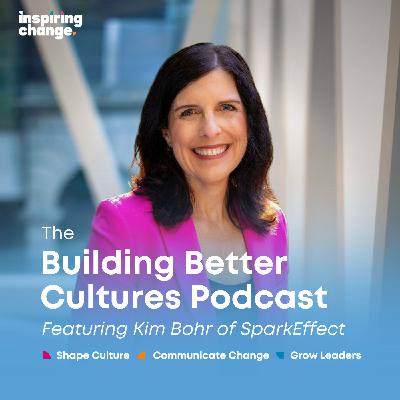
In this week's episode of the Building Better Cultures podcast, Scott McInnes speaks with Kim Bohr, President and COO of Spark Effect, about the critical role of trust in organisations. They discuss the findings from the report 'Trust in Turbulence' which breaks down trust into measurable domains and emphasises its importance as a competitive advantage. The conversation explores how disruptions, such as the return to office policies, impact trust, and how organizations can build and rebuild trust through effective communication and leadership practices. Takeaways: Trust is a measurable and critical component of organisational success. Disruptions can erode trust in everyday interactions. Return to office policies must be communicated effectively to maintain trust. High trust organizations see better performance and retention rates. Low trust environments lead to increased turnover and disengagement. Younger generations prioritize alignment of values with their employers. Technology rollouts can significantly impact trust dynamics. Managers play a crucial role in translating corporate messages to their teams. Celebrating achievements fosters a culture of trust and connection. Rebuilding trust requires transparency and accountability from leadership. Keywords: Organisational trust, trust in leadership, building better cultures, trust metrics, employee engagement, return to office, trust and performance, psychological safety, technology and trust, trust rebuilding strategies Chapters 00:00Introduction to Trust in Organizations 02:04Understanding Trust as a Competitive Advantage 04:24The Impact of Disruption on Trust 08:25Return to Office: Trust and Communication 11:51Linking Trust to Organizational Performance 13:57Low Trust and Its Effects on Culture 16:15Attracting Talent in a Low Trust Environment 18:11Technology's Role in Trust Dynamics 20:50Practical Steps to Build Trust 25:56Celebrating Achievements and Building Connections 29:57Rebuilding Trust After a Breach Link to the report mentioned in the episode: Report Connect with us: LinkedIn YouTube Instagram
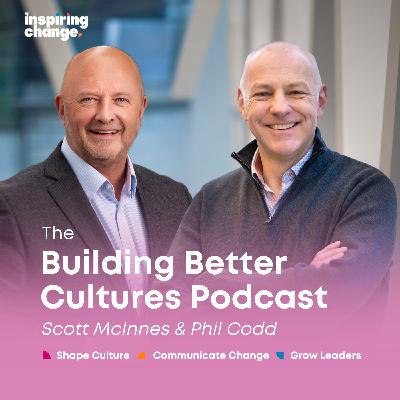
Welcome back to a brand-new series of the Building Better Cultures Podcast! In the first episode of the season, host Scott McInnes is joined by Phil Codd, Managing Director of Expleo in Ireland. They discuss the multifaceted nature of organisational culture, emphasising the importance of aligning leadership and employee cultures. Phil shares insights on employee happiness, effective communication, and the significance of feedback loops in fostering a positive work environment. The conversation also touches on the challenges of hybrid work, the future of organisational culture, and the need for organisations to adapt to a more flexible and inclusive work environments. Here are some of the key insights from the episode: · Culture isn't just one thing; organisations have multiple cultures. · Happy employees lead to happy customers and growth. · Effective communication is a critical leadership skill. · Feedback loops are essential for employee engagement. · Celebrating employee longevity can enhance morale. · Technology can facilitate continuous feedback in organisations. · Hybrid work requires new ways of connecting teams. · Organisational culture is not confined to physical spaces. · Aligning leadership culture with employee culture is vital. · Policies should focus on the human aspects of work. Chapters: 00:00 Introduction to Building Better Cultures Podcast 03:12 Understanding Organisational Culture 09:54 The Importance of Communication in Culture 12:30 Feedback Loops and Employee Engagement 17:29 Flexibility and Hybrid Working Models 23:51 Challenges of Geographic and Hybrid Work 28:58 Future of Work and Cultural Alignment Keywords: Organisational culture, leadership, employee engagement, communication, feedback loops, hybrid work, employee happiness, culture alignment, workplace dynamics, future of work Link to the Irish Times article referenced in the podcast Connect with us: LinkedIn YouTube Instagram
Summary In this episode of the Building Better Cultures podcast, Scott McInnes discusses the challenge of disconnection in the workplace with guests Susie Leacy and Kevin Empey. They explore the impact of remote work on employee connection, the role of leadership in fostering a cohesive culture, and the importance of intentional strategies to build relationships among employees. The conversation also touches on the multi-generational workforce and the need for organizations to adapt their communication and engagement strategies to meet diverse needs. Ultimately, the episode emphasizes that connection is a shared responsibility between leaders and employees, and that fostering a culture of connection is essential for organizational success. Takeaways Disconnection is a significant challenge in modern workplaces. Connection is essential for productivity and resilience. Leadership plays a crucial role in fostering connection. Organizations must adapt to maintain engagement in remote work settings. Intentional strategies are needed to create opportunities for connection. The multi-generational workforce presents unique challenges and opportunities. Onboarding processes should focus on building community and connection. Employees have a role in co-creating workplace culture. Flexibility in work arrangements comes with shared responsibility. Connection should be prioritized over merely addressing disconnection. Chapters 00:00 Introduction to Disconnection in the Workplace 04:47 Understanding the Challenge of Disconnection 09:01 The Importance of Connection in Modern Work 12:03 Bridging the Gap: Building Cohesion and Engagement 16:15 Navigating a Multi-Generational Workforce 21:55 Intergenerational Connections in Care Settings 24:35 Bridging Generational Gaps in the Workplace 29:42 Intentional Onboarding and Cultural Integration 33:06 Creating Community in a Hybrid Work Environment 39:13 Co-Creating Culture: The Role of Employees and Leaders
Summary In this episode of the Building Better Cultures podcast, Scott McInnes discusses the challenge of accountability for values with guests Karen Jones and Karen Hackett. They explore the importance of articulating and embedding organizational values, the role of managers in fostering a culture of accountability, and the potential pitfalls of weaponizing values in the workplace. The conversation also touches on the significance of onboarding processes and the need for open communication and feedback within organizations. Takeaways Accountability for values is a significant challenge for many organizations. Values must be articulated and understood to be effectively lived. Creating a culture of feedback is essential for accountability. Managers play a pivotal role in releasing the energy of their teams. Onboarding processes should embed values from the start. Psychological safety is crucial for open conversations about values. Values can be weaponized, leading to defensiveness in feedback. Organizations need to be bold about their current culture and desired future state. Storytelling can help connect employees to organizational values. Time is a critical factor in enabling managers to engage with their teams. Chapters 00:00 Introduction to Accountability for Values 01:24 Understanding Organizational Culture 04:18 Insights from the Mind the Gap Report 06:19 Bringing Values to Life 11:03 Accountability in Practice 17:17 Weaponization of Values in the Workplace 22:16 Building a High-Performance Culture 24:53 The Role of Managers in Organizational Success 30:01 Empowering Middle Managers 37:22 The Importance of Storytelling in Leadership 37:49 Effective Onboarding Practices
Summary In this episode of the Building Better Cultures podcast, Scott McInnes discusses the third challenge from the Mind the Gap research report, focusing on the importance of learning and development in organizations. Joined by guests Barbara Carroll and Lisa Melody, they explore the significance of multi-generational workforces, the effectiveness of peer learning, and the critical role of leadership in fostering a culture of continuous learning. The conversation emphasizes the need for organizations to adapt their training methods and embrace diverse learning opportunities to meet the evolving needs of their employees. In this conversation, Scott McInnes, Lisa Melody, and Barbara Carroll discuss the evolving landscape of learning and development, emphasizing the importance of practical experience, mentoring, and the integration of AI in shaping future skills. They explore how organizations can foster growth through stretch assignments and collaborative decision-making, while also addressing the challenges and opportunities presented by AI in streamlining learning processes. 📘 Download Mind the Gap Report: https://www.inspiringchange.ie/mindthegap Takeaways Organizations are grappling with similar challenges in learning and development. Learning should be a core value within organizations. Different learning methods can enhance employee development. Peer-based learning fosters collaboration and accountability. Mentoring, including reverse mentoring, is increasingly valuable. Leaders must model a commitment to their own learning. Creating space for learning is essential for employee development. Understanding the 'why' behind training increases motivation. Simple interventions can lead to significant improvements in learning. Embedding learning in organizational culture is crucial for success. Learning is about practical experience, not just courses. The 70-20-10 model emphasizes learning through daily activities. Stretch assignments can significantly enhance learning. Mentoring plays a crucial role in development. Engaging leaders fosters a collaborative culture. AI can help identify skills needed for future roles, streamline learning needs assessments and enable more efficient learning material creation. Reflection on learning is essential for growth. The future of learning will be more personalized through AI. Chapters 00:00 Introduction to Mind the Gap Research 03:53 The Importance of Learning in Organizations 09:48 Dynamic Training and Peer Learning 16:14 Multi-Generational Workforces and Mentoring 20:04 Leadership's Role in Cultivating Learning Cultures 28:05 Redefining Learning and Development 33:10 The Role of AI in Future Skills 43:43 Embracing Change in Learning Environments
Summary In this episode of the Building Better Cultures podcast, Scott McInnes discusses the challenges faced by mid-management in organizations, drawing insights from the Mind the Gap research report. Guests Katy Lumsden and Neil O'Brien share their experiences and perspectives on the evolving roles of managers and leaders, the importance of culture, and the need for effective communication and training. The conversation highlights the significance of psychological safety, resilience, and the necessity for managers to engage in tough conversations while fostering a supportive environment. Takeaways The mid-management layer faces unique challenges from both above and below. Commonalities in organizational challenges can provide reassurance and strength. Leadership and management roles are increasingly blurred in modern organizations. Managers need to be equipped with tools to foster culture and engagement. The say-do gap highlights discrepancies between senior leadership intentions and managerial actions. Tough conversations are essential for growth but often avoided due to fear. Psychological safety is misunderstood and misapplied in many organizations. Resilience in younger generations may differ from previous cohorts. Effective management requires understanding individual team members deeply. Training for managers should focus on practical skills for modern challenges. Chapters 00:00 Introduction to Mind the Gap Research 05:04 The Role of Mid-Management 08:39 Leadership vs. Management 16:18 Culture Multipliers vs. Bottlenecks 21:58 Shifting Mindsets in Management 23:37 Navigating the Transition from Peer to Manager 29:42 The Importance of Role Modelling in Leadership 31:51 Addressing Difficult Conversations 38:47 Resilience in Leadership and Generational Differences 44:37 Skills for Modern Leadership in a Hybrid World Mind the Gap Research: https://bit.ly/3WMlS4C What People Get Wrong About Psychological Safety: https://hbr.org/2025/05/what-people-get-wrong-about-psychological-safety
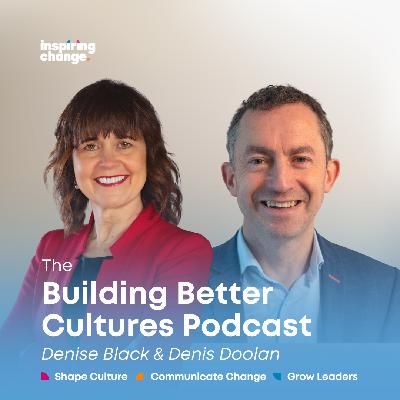
Episode Summary In this episode of Building Better Cultures, Scott McInnes sits down with Denise Black and Denis Doolan to explore the critical role of leadership in shaping organisational culture. Together, they unpack insights from the Mind the Gap report — highlighting the importance of intentionality, inclusivity, and the need for leaders to embody the culture they wish to create. The conversation delves into the consequences of neglecting culture, the essential capabilities leaders must develop, and the collaborative process of defining a target culture that aligns with organisational strategy. The episode wraps up with reflections on how leadership drives cultural change and performance across teams. Key Takeaways Leaders have a disproportionate impact on organisational culture. Inclusivity is essential for effective culture creation. Culture should be woven into the strategic DNA of the organisation. Empathy and active listening are critical leadership skills. Culture is not a standalone initiative — it enables all initiatives. Intentionality in leadership is crucial for cultural success. Feedback from employees is vital in shaping target culture. Communication reinforces culture and values. Leaders must model the behaviours they wish to see. A strong culture leads to better organisational performance. Chapters 00:00 — Introduction to Leadership and Culture 04:28 — Insights from the Mind the Gap Report 09:24 — The Role of Leaders in Shaping Culture 15:12 — Consequences of Abdicating Culture to HR 19:19 — Essential Capabilities for Senior Leaders 30:39 — Defining Target Culture 37:23 — Impact of Leadership on Cultural Change Resources 📘 Download the Mind the Gap report → bit.ly/4nT9jAo
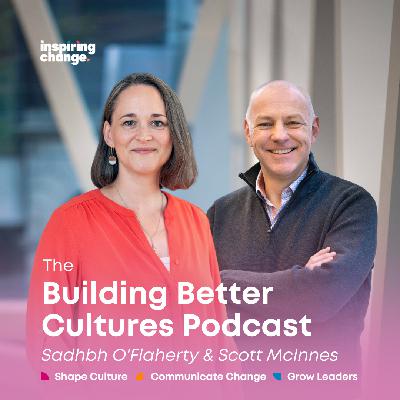
SUMMARY In this episode of the Building Better Cultures podcast, Sadhbh O'Flaherty takes over the mic to interview Scott McInnes about his recent research titled 'Mind the Gap.' The research explores the cultural challenges organisations face today, particularly through the lens of Chief People Officers (CPOs) in Ireland. The conversation delves into the motivations behind the research, key findings, and actionable insights for organisations looking to improve their culture. Key themes include leadership skill and will, the role of managers, the importance of learning and development, accountability for values, and the challenge of disconnection in the workplace. Scott emphasises the need for intentionality in creating a strong organisational culture that aligns with business strategies. Mind The Gap Research: http://bit.ly/4gXtNp2 TAKEAWAYS Connection among HR leaders is crucial. Understanding culture challenges requires frontline insights. Leaders set the tone for organisational culture. Everyone in the organization owns the culture. Managers play a key role in translating values to teams. Learning should be prioritized beyond formal courses. Accountability for values strengthens organisational culture. Feedback is essential for personal and professional growth. Intentionality is key in fostering workplace connections. Culture impacts business outcomes significantly. CHAPTERS 00:00 Introduction to the Podcast and Research 02:02 The Motivation Behind the Research 04:28 Leadership Skill and Will 06:55 The Manager Factor 10:54 Skills for Today and Tomorrow 15:09 Accountability for Values 20:54 The Challenge of Disconnection 27:22 Surprises from the Research 29:18 Connecting Themes to Business Outcomes 32:34 Actionable Steps for Organisations
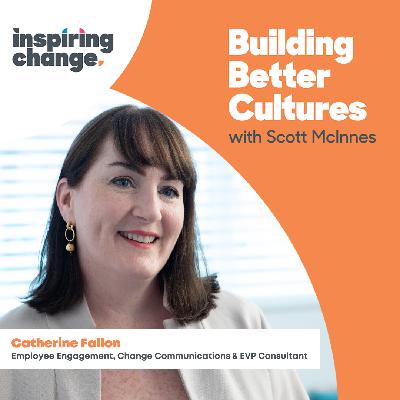
Summary In this episode of the Building Better Cultures podcast, Scott McInnes speaks with Catherine Fallon about the critical role of change communication in organizations undergoing transformation. Catherine shares her extensive experience in employee engagement and change management, emphasizing the importance of building trust and aligning stakeholders during periods of change. The conversation explores effective strategies for communicating change, the role of middle management, the significance of storytelling, and the necessity of engaging change agents to foster a supportive environment. Ultimately, the discussion highlights the need for honesty and transparency in communication to ensure successful change implementation. Takeaways Change communication is about building trust, not just issuing messages. Effective change communication aligns people towards a common goal. Resistance can cripple change programs if not managed properly. Honesty and transparency are critical in change communication. Middle management plays a vital role in translating change for their teams. Stakeholder analysis is essential to understand different perspectives. Stories can make change relatable and resonate with employees. Engaging change agents helps to influence and support the change process. Regular communication updates are necessary, even if there is no new information. Treating employees like adults fosters a culture of trust and engagement. Sound Bites "It's not what you do, it's how you do it." "Change is always going to happen in an organization." "Building trust with the people going through the change." "The worst case is resistance and friction." "You want to know where the pockets of resistance are." "Being honest and open is critical." "Treat your employees like adults and don't infantilize them." Chapters 00:00 Introduction to Change Communications 02:51 Catherine Fallon's Career Journey 05:45 The Importance of Change Communication 08:49 Effective Change Communication Strategies 12:09 The Role of Middle Management in Change 15:05 Understanding Stakeholder Perspectives 17:49 The Power of Storytelling in Change 21:04 Engaging Change Agents and Influencers 23:57 Final Thoughts on Honesty in Change Communication
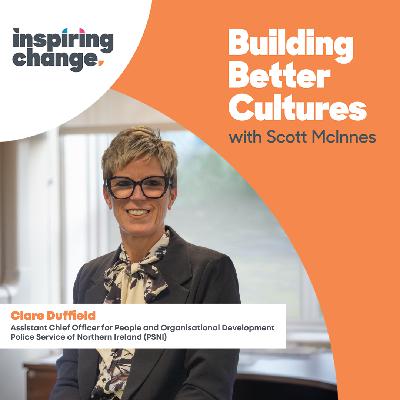
Summary In this episode of the Building Better Cultures podcast, Scott McInnes speaks with Clare Duffield, Assistant Chief Officer for People and Organisational Development at the Police Service of Northern Ireland (PSNI). They discuss the importance of workplace culture, the challenges faced by policing globally, and the insights gained from a cultural audit conducted within PSNI. Clare shares the findings of the audit, highlighting both concerns and strengths within the organisation, and emphasises the need for trust, recognition, and support in fostering a positive culture. The conversation concludes with practical steps for implementing cultural change and the significance of connecting employees to the organisation's mission and purpose. Takeaways Workplace culture is about the experience of employees. A clear mission and purpose are essential for organizational culture. Cultural audits can reveal both strengths and weaknesses. Trust and transparency are crucial for employee engagement. Recognition of achievements boosts morale and culture. Leadership visibility fosters trust within the organization. Cultural change requires time and commitment from leadership. Engaging employees in the change process is vital. Understanding the context of culture is important for effective change. Small, incremental changes can lead to significant improvements. Sound Bites "Culture is what's it like to work here?" "We have to be able to give back." "Trust starts with human connection." "It's about the person behind the uniform." "One step at a time. Marginal gains." "We need to invest in the police service." "Focus on the why. Why does it exist?" Chapters 00:00 Introduction to the Podcast and Guest 02:54 Understanding Workplace Culture 06:02 The Impact of Global Policing Challenges 08:56 Cultural Audit and Its Findings 11:48 Addressing Cultural Concerns 15:11 Positive Aspects of the Workforce 17:55 Building Trust and Support 20:49 Recognizing and Celebrating Achievements 23:45 Practical Steps for Cultural Change 27:02 Looking Forward: Implementing Change 29:58 Final Thoughts on Culture Change
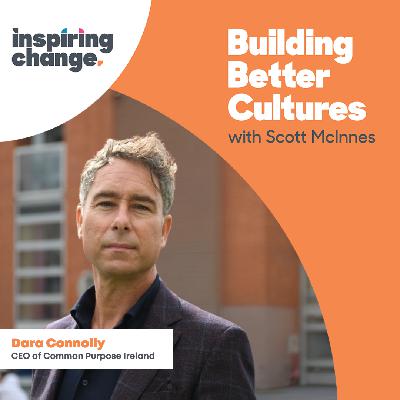
Summary In this episode of the Building Better Cultures podcast, Scott McInnes speaks with Dara Connolly, CEO of Common Purpose Ireland, about the evolving role of leadership in today's organizations. They discuss the importance of connection, self-awareness, and the need for leaders to adapt in a post-COVID world. Dara shares insights on practical strategies for effective leadership, the significance of mentoring, and the impact of good leadership on society. The conversation emphasizes the need for leaders to be open, curious, and engaged in their communities to foster positive change. Takeaways Connection is essential for effective leadership. Leaders must adapt to the changing landscape post-COVID. Practical networking is about building genuine relationships. Self-awareness is crucial for leadership development. Surrounding oneself with mentors enhances leadership skills. Creativity can be found in all professions. Good leadership contributes to societal change. Leaders should be open to new experiences and perspectives. Awareness precedes action in leadership decisions. Building trust is fundamental to successful leadership. Chapters 00:00 Introduction to Leadership and Learning 02:45 The Role of Connection in Leadership 05:51 Adapting Leadership in a Post-COVID World 09:10 Practical Tips for Effective Connection 12:12 Building Leader Capability for the Future 14:50 The Importance of Self-Awareness and Mindset 17:58 The Power of Good Leadership in Society 20:52 Final Thoughts on Leadership and Connection Sound Bites "Get together, we are stronger." "Creativity is everywhere." "Awareness precedes action." "Do good feels good." "Keep your mind open to opportunities." "Surround yourself with mentors." "A coach, an apprentice, and a Jedi."
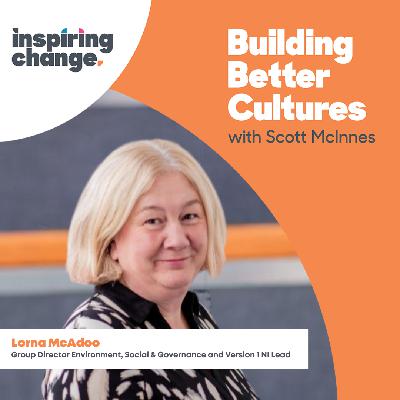
Summary In this episode of the Building Better Cultures podcast, Scott McInnes speaks with Lorna McAdoo, head of ESG at Version One, about the importance of organizational culture, the role of ESG in shaping that culture, and strategies for enhancing employee engagement, especially in a post-COVID world. They discuss the significance of listening to employees, integrating ESG into daily operations, and the potential of neurodiversity in the workplace. Lorna emphasizes the need for organizations to be flexible and proactive in creating an inclusive environment that fosters connection and collaboration among employees. Key Points Culture is hugely important for organizational success. Engagement and culture start from the ground up. ESG initiatives can enhance employee engagement. Creating real reasons for employees to come to the office is essential. Flexibility in work arrangements can tap into diverse talent pools. Listening to employees is key to building a supportive culture. ESG can be a powerful tool for culture building. Organizations need to think outside the box for talent acquisition. The integration of ESG into daily operations is crucial. Neurodiversity should be embraced as a valuable talent pool. Chapters 00:00 Introduction to Building Better Cultures Podcast 02:26 Understanding Organizational Culture 06:41 The Role of ESG in Organizations 12:45 Engagement Strategies Post-COVID 18:38 Integrating ESG into Daily Operations 24:53 The Importance of Neurodiversity in the Workplace
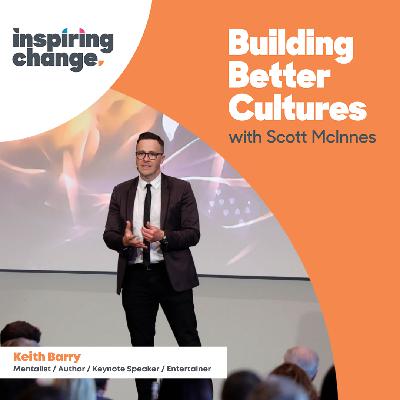
Summary In this engaging conversation, the speakers delve into the importance of non-verbal communication in leadership, the journey of a brain hacker, the power of subconscious storytelling, the role of empathy in communication, and the science behind influence through mirroring and rapport. They emphasize that effective leadership requires understanding and harnessing these elements to create a positive organizational culture. In this conversation, the speakers delve into the intricacies of influence, decision-making, resilience, and leadership. They explore how to effectively negotiate by understanding body language and the importance of gut instincts in decision-making. The discussion also emphasizes the need for mental resilience through acceptance and positivity, especially in challenging times. Finally, the speakers highlight the significance of authenticity in leadership, advocating for genuine connections with team members. Takeaways 99.9999% of leaders leave communication skills on the table. Leadership is a mindset, not a position. Cultural leadership involves leading teams effectively. Subconscious behaviors drive our actions and decisions. Storytelling is crucial for effective communication. Empathy is essential in today's volatile world. Tactical empathy can enhance leadership effectiveness. Understanding non-verbal communication is vital for leaders. Influence is built on trust and rapport. Effective storytelling involves hooks, tension, and payoffs. Influence can be achieved through understanding and mirroring body language. Trusting your gut instinct can lead to better decision-making. Life is messy, and accepting that can lead to personal growth. Chapters 00:00 Unlocking Non-Verbal Communication in Leadership 05:07 The Journey of a Brain Hacker 09:49 The Power of Subconscious Storytelling 14:59 Empathy and Communication in Leadership 20:01 Influence Through Mirroring and Rapport 21:30 The Art of Influence and Negotiation 23:12 Trusting Your Gut: The Role of Instinct in Decision-Making 28:42 Building an Unbreakable Mind: Acceptance and Positivity 37:53 Authenticity in Leadership: The Key to Connection
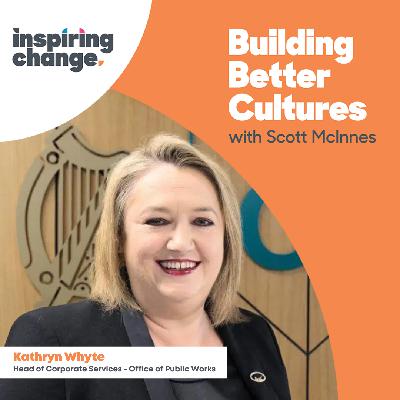
Summary In this episode, the conversation delves into the intricacies of workplace culture, emphasizing the importance of leadership, purpose, and employee wellbeing. The speakers discuss how culture is shaped by the behaviours tolerated within an organization and the critical role leaders play in modelling desired behaviours. They explore the challenges faced by middle management and the necessity of empowering employees to take charge of their wellbeing. The discussion highlights the need for intentionality in fostering connections and trust within teams, ultimately leading to a stronger organizational culture. Takeaways Your culture is defined by the worst behaviour you tolerate. Purpose should be central to organizational culture. Leaders play a crucial role but are not the sole influencers of culture. Middle management faces unique challenges in today's work environment. Wellbeing initiatives must be integrated into the organizational culture. Building trust is essential for effective communication. Employees should be empowered to lead wellbeing initiatives. Intentionality in interactions fosters better connections. Storytelling can enhance the understanding of purpose in work. Giving employees a voice is key to building a strong culture. Chapters 00:00 Understanding Workplace Culture 03:07 The Role of Purpose in Organizations 06:03 Leadership and Culture Dynamics 09:00 Middle Management Challenges 11:51 Wellbeing in the Workplace 14:47 Building Trust and Connection 18:11 Empowering Employees for Wellbeing 21:04 Creating a Strong Organizational Culture
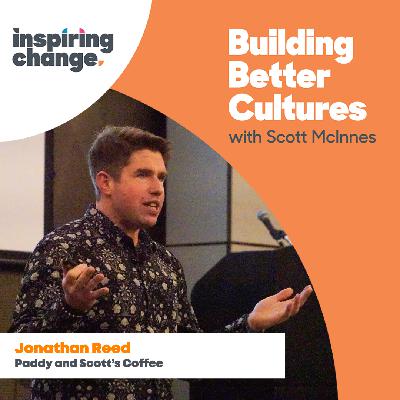
Episode Summary In this episode of Building Better Cultures, Scott McInnes sits down with Jonathan Reed, CEO of Paddy and Scott's Coffee, to discuss the company's incredible transformation over the past three years. Jonathan shares his journey from employee to owner through a management buyout (MBO) and the challenges he faced in reshaping the organisation's leadership and culture. With a strong focus on communication, trust, and a people-first approach, Jonathan highlights how visibility, vulnerability, and fun play crucial roles in creating an engaged and motivated workforce. He also delves into the company's commitment to social impact, ensuring that business success translates into meaningful contributions to coffee-growing communities. This episode is packed with insights on leadership, resilience, and the power of responsible commerce to create real change. Key Takeaways Transitioning from employee to owner is a profound leadership shift. The MBO process is challenging but ultimately rewarding. Clear communication and trust-building are crucial for a successful transition. Leaders must be visible, present, and engaged with their teams. A great workplace culture includes fun as a key performance indicator. People—not just coffee—are at the heart of Paddy and Scott's business. Strategic planning should involve and empower employees. Vulnerability is a strength, not a weakness, in leadership. Businesses have a responsibility to make a positive social impact. The future of Paddy and Scott's is built on responsible commerce and community support. Chapters 00:00 Introduction and Background 08:54 Impact of MBO on Leadership and Culture 19:45 Emphasizing People Over Profit 34:52 Future Vision and Social Impact
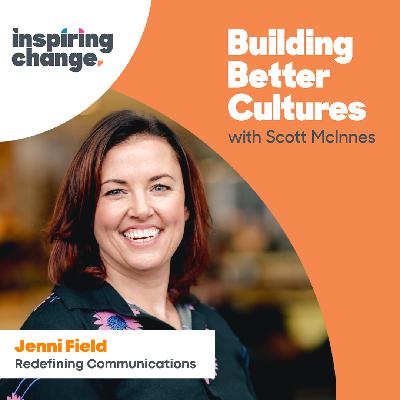
EPISODE SUMMARY In this episode of Building Better Cultures, Scott McInnes sits down with Jenni Field, CEO of Redefining Communications, to discuss her new book Nobody Believes You and the critical role of credibility in leadership. They explore the eight interconnected practices that define credible leadership and examine how leaders can navigate post-pandemic organisational challenges with empathy, integrity, and self-awareness. Jenni shares research-backed insights on how leaders can build trust, foster a supportive culture, and adapt their communication styles to strengthen their credibility. From balancing vulnerability with professionalism to embracing feedback as a tool for growth, this conversation offers practical strategies for leaders looking to inspire confidence and drive meaningful change. KEY POINTS Credibility is the foundation of leadership—without it, leaders struggle to gain trust and influence. Post-COVID leadership requires a shift towards empathy, integrity, and adaptability. The eight practices of credible leadership work together—leaders must develop all of them to be truly effective. Leaders must be intentional about communication, self-awareness, and feedback to maintain credibility. A strong organisational culture is built through supportive leadership and a clear vision. Empathy is not just an inherent trait—it's a skill that can be developed and strengthened. ABOUT JENNI FIELD Jenni Field is an international speaker, author, podcaster, researcher, and business communications strategist. She specializes in helping teams and leaders use communication to take people and organisations from chaos to calm. From Canada to Slovenia, you'll find her talking about credible leadership, relationships at work, and how to be more impactful with your communication. A well-respected thought-leader in the communications industry, she is known for her optimistic outlook, energy, and honesty on any stage she is speaking on. Jenni's podcast, Redefining Communications with Jenni Field, provides short 15-minute episodes focusing on different business topics and providing advice to help organizations go from chaos to calm. In 2021 published her first book Influential Internal Communication. Jenni has led several research projects to help organisations tackle some of their biggest challenges; In 2019 she carried out the only research into communication with deskless workers, repeating it in 2023 to see the impact of the pandemic on frontline teams. Her research in 2021 explored the role of line managers and in 2023 she researched the different practices that make a leader credible – leading to the publication of Nobody Believes You; Become a Leader People Will Follow. SOCIAL LINKS Redefining Communications website Jenni's LinkedIn Instagram: @Jennifield X: @mrsjennifield REFERENCE LINKS Books by Jenni Redefining Comms Research Reports Redefining Communications Podcast


Download from Google Play

Download from App Store
 United States
Great episode! What a character!
Great episode! GitLab are inspirational with how organised and effective their remote culture and structure are.
Fantastic episode and remote team tips!
Fantastic episode Brendan and Scott!
Great episode!
The audio is fecked on this episode. Needs to be Taken down and edited. Just the interview part. Intro works
Fantastically useful episode to get around some of the remote work challenges I've come across!