


 Claim Ownership
Agricology Podcast
Subscribed: 50Played: 573
Subscribe

© 2020 Organic Research Centre
Description
www.agricology.co.uk is a hub that explores moving towards farming systems that harness ecological processes & holistic approaches to help balance productive agriculture with enhancing the wider environment. In 2020, we chatted with some of the movers & shakers in the fields, labs & food supply chains; focusing on sustainable farming practices in 'Agroecology in focus' & speaking with innovating farmers 'In the field.' We returned in 2024 'In conversation with' an exciting line up of farmers, researchers, advisors & industry figures who set out to explore optimal carrying capacity; the practical, philosophical & pertinent. This was followed in 2025 by a diverse range of voices exploring the complex & often polarising topic of tillage - to till or not to till? Out now is our latest series 'Agroforestry Through the Elements.' Grounding each episode around the themes of water, fire, earth, air, and people offers a dynamic and exciting way to explore individual topics while emphasising the fundamentally interconnected nature of agroforestry systems. Enjoy!
28 Episodes
Reverse
This is the penulitmate episode of a new series exploring agroforestry, in which we use the elements as a framework to deepen understanding and challenge assumptions around trees on farms. The overarching aim is to explore how trees on farms contribute to more than just individual functions, holding the ability to transform whole landscapes and ecosystems. In this episode we take a detailed look at the theme of 'Air' - an ethereal element with very tangible impacts for farmers, growers and livestock. Wallace Currie is joined by The Agroforestry Research Trust founder and world-renowned forest gardener Martin Crawford, Chief Executive of the Soil Association and agroforestry pioneer Helen Browning, and Dr Will Simonson, Principal Researcher in Agroforestry at the Organic Research Centre. They explore how trees can shape airflow, shelter crops and livestock, and support vital pollinators. They discuss how agroforestry can change local conditions dramatically, and how this can benefit the health of the soil and livestock. Show notes: Find out more about the series here. Explore the Agricology Agroforestry Hub here. Find out about the Agroforestry Handbook here.
This is the third episode of a new series exploring agroforestry, in which we use the elements as a framework to deepen understanding and challenge assumptions around trees on farms. The overarching aim is to explore how trees on farms contribute to more than just individual functions, holding the ability to transform whole landscapes and ecosystems. This episode investigates how trees improve soil biology, structure and fertility. Wallace Currie is joined by Lincolnshire farmer Thomas Gent and Professor Paul Burgess to explore how agroforestry systems can play a fundamental role in supporting life below ground, supporting nutrient cycling, and offering knock-on benefits for landscape productivity, ecology and climate resilience. Show notes: Find out more about the series here. Explore the Agricology Agroforestry Hub here.

This the second episode of a new series exploring agroforestry, in which we use the elements as a framework to deepen understanding and challenge assumptions around trees on farms. The overarching aim is to explore how trees on farms contribute to more than just individual functions, holding the ability to transform whole landscapes and ecosystems. This episode focuses on the element of 'fire.' Guest host Wallace Currie is joined by Northumberland-based farmer Tom Fairfax and "hedge geek" Megan Gimber from People's Trust for Endangered Species. They dive into the role of energy in agroforestry systems; from firewood and biomass to nutrient cycling and carbon flow. They chat passionately about how trees and hedgerows can play a major role in creating low-input, circular systems that support life above and below ground, providing lasting returns for the farm and farmer. Show notes: Find out more about the series here. Explore the Agricology Agroforestry Hub here. Explore these other useful resources: Hedgerow Masterclass with James Robinson and Megan Gimber and Productive Hedges.
This is the first episode of a new series exploring agroforestry, in which we use the elements as a framework to deepen understanding and challenge assumptions around trees on farms. The overarching aim is to explore how trees on farms contribute to more than just individual functions, holding the ability to transform whole landscapes and ecosystems. 'Water' includes exploring how trees impact flood risk, rainfall, and soil moisture. Guest podcaster Wallace Currie is joined by Ben Raskin, Head of Agroforestry at the Soil Association and co-organiser of the Agroforestry Show, who brings a wealth of knowledge about using trees effectively to manage extremes of water in a changing climate. Colin Tosh, Senior Agroforestry Researcher at the Organic Research Centre talks about his work modelling agroforestry systems to understand how trees impact water on farms through their influence on rainfall interception, soil characteristics, and microclimates. Vicki Hird, a lady of many hats, including being Strategic Lead on Agriculture at The Wildlife Trusts, touches on the challenges of water pollution caused by agriculture and sewage companies and how agroforestry can help tackle these issues, and talks about her work with lowland peat soils. Find out more about the series here. Explore the Agricology Agroforestry Hub here.
In the last episode of the series, plant ecologist Jonathan Storkey treats us to fascinating insights on biodiversity in production systems and soil microbial communities, emphasising how context is crucial when choosing your tillage approach. He shares his journey from birdwatching ecologist to leading weed scientist at Rothamsted Reseach, where he has been studying tillage and biodiversity interactions for over two decades. He dives into the concept of "functional biodiversity"- pollinators, predators, and microbes that support food production, and how tillage impacts those delicate systems. We explore the Rothamsted long-term systems trials, where contrasting tillage approaches across different soil types are revealing nuanced shifts in yield, weed pressure, soil carbon, and microbial succession. Jonathan explains how early-stage bacteria-dominated soils differ from more stable fungal systems, and how physical disturbance resets succession. He also explores glyphosate reliance (including glyphosate-resistant weeds), weed control trade-offs, IPM potential, and the resilience of different systems to extreme weather events.
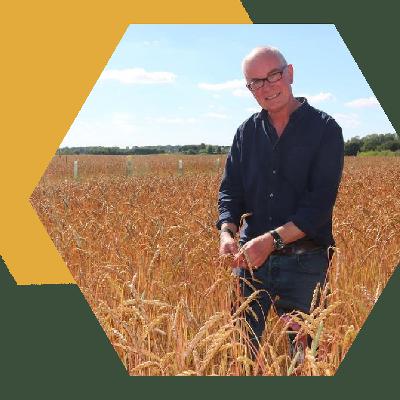
In this episode with farmer John Pawsey, we talk about the role of tillage in organic systems, balancing weed and pest pressures, how regenerative overlaps with organic, and how diversity drives success. John shares his journey from conventional spraying to organic, mixed farming (over 25 years ago). He explains why he ploughs selectively (once or twice in a six-year rotation) and how organic farming pushes innovation through the limits of its standards. His approach is rooted in observation, adaptability, and profitability. We explore how he adjusts tillage depth based on weed type and the importance of bringing complexity into your rotation and not letting one problem dominate – in relation to weeds, pests and diseases. John reflects on reducing his sheep flock, soil health gains (now having up to 6% organic matter), and embracing Groundswell and regenerative ideas with an organic mindset. He describes a farming system built on context: some years min-till, others plough, all underpinned by leys, cover crops, and diversity in crops and drilling dates. His honesty about the learning curve, headspace shifts, and financial sustainability gives real-world clarity to the tillage debate.
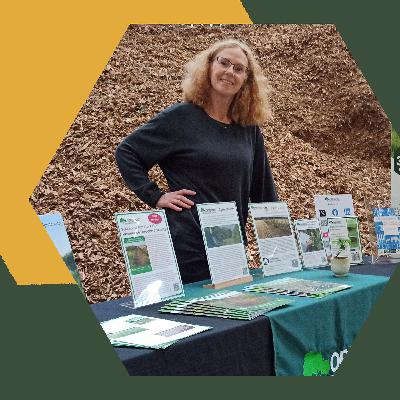
The third episode of the series welcomes the Organic Research Centre's Julia Cooper who shares her expertise as a soil scientist. We look at soil health from a scientific perspective, focusing on nutrient cycling, carbon sequestration, and the nuanced role of tillage across different soil types and farming systems. Julia explains how soil health is context-specific, emphasising the importance of balancing biology, water management, and soil structure, rather than seeking one-size-fits-all solutions. We dive into how tillage affects water retention, soil productivity and microbial life, and discuss trade-offs between conventional and reduced tillage, looking at how practices such as direct drilling and cover cropping interact with climate and soil type, rather than existing as binary choices. We also touch on glyphosate versus plough-use in regenerative and organic systems, with Julia advocating for pragmatic, context-led decisions. Her insights offer a roadmap for farmers to make informed, resilient choices suited to their own land and goals...
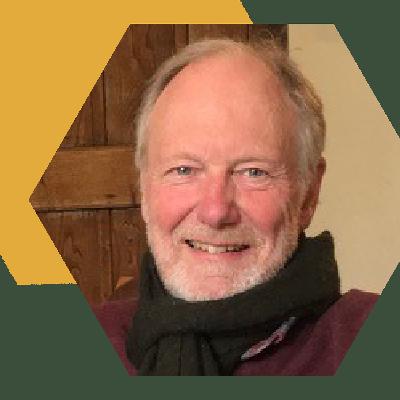
This second episode with Mark Measures explores the role of tillage in organic systems, the misunderstood relationship between tillage and soil carbon, the balance between weed control and nutrient cycling, and how tillage fits into wider farming systems. Mark reflects on 40 years in organic advice, with deep roots in research, education, and farmer engagement. He argues that tillage, especially shallow and strategic, plays a crucial role in organic farming; not only for weed control and seedbed preperation, but also for stimulating nutrient release and building long-term stable carbon. He explores common misconceptions such as the oversimplified view that all tillage depletes soil organic matter, and explains that tillage can mineralise nutrients and stabilise humus, which is essential for carbon sequestration and water retention. He also challenges the belief that zero-till is the pinnacle of organic, pointing to climate and system-specific limitations. Mark advocates for strong rotations, fertility-building leys, and shallow, context-sensitive ploughing. He emphasises that tillage must be considered as part of a broader ecological, economic, and agronomic strategy - balanced, site-specific, and always evolving.
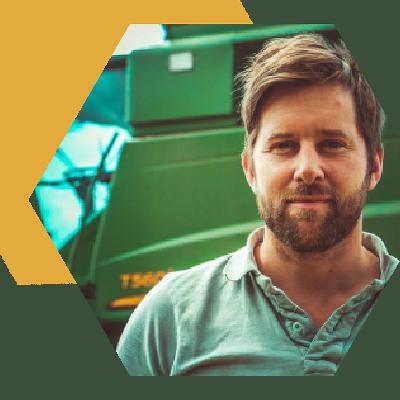
The first episode of our latest series introduces both Wallace Currie, guest podcaster from the Isle of Arran (search R2Kast), who will be chatting to guests throughout the series, and Cambridgeshire farmer Tom Martin. They discuss transitioning to no-till, the emotional and practical side of regenerative farming, redefining success through mistakes, and the value of community and biodiversity in agroecological systems. Tom shares his life journey from Universal Pictures to working back on the family farm, explaining how those soft skills transferred to his role as a regenerative farming advocate. The farm has gradually moved from full inversion tillage to almost no-till – driven by soil health, improving drainage and weed pressure, and a desire to farm more efficiently. The conversation explores how Tom integrates companion cropping, livestock grazing, and molasses and biochar to support the soil microbiome. Mimicking nature and context-driven change are key to his success and philosophy.
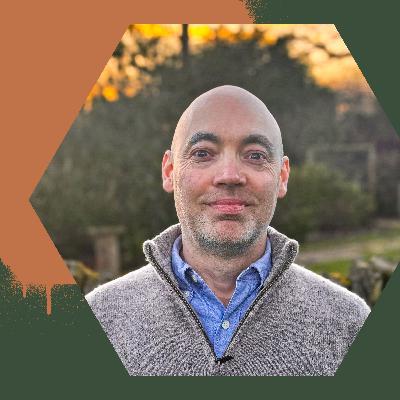
The penultimate episode of this season sees us in conversation with Dan Stevenson, the Head of Integrated Farm Management (IFM) at LEAF. Dan comes to this topic with nearly 20 years' experience as a farm animal vet. He discusses his veterinary background and the arc his career has followed; moving on to working with LEAF, and along the way starting to think more holistically about livestock production, with a focus on a whole systems approach. We explore the key role nutrition plays within livestock systems and finding the balance between nutrition and animal health. Further to this, Dan touches on mental health, we explore the challenges of adopting extensive systems, and the importance of setting objectives on farms to help support optimal carrying capacity.

We are joined by the Sustainable Food Trust's Senior Researcher Robert Barbour for our sixth episode of this season. Tune in to discussions surrounding methane, carbon footprints, and the complexities and challenges of measuring environmental impacts associated with livestock. Robert draws on his experiences as a researcher and his family farm (an upland beef and sheep farm that also produces timber in Highland Perthshire, just north of Pitlochry), to dive into the positive role livestock can play from a food systems and environmental perspective. He considers grazing strategies, livestock breeds, and the role herbal leys can play, whilst emphasising the productivity levels that can be achieved in pasture-based systems. He points out his family farm is running a system that has very low levels of inputs so what determines their carrying capacity is largely what the land can naturally support, and one limiting factor for them is a lack of early season grass growth. Show notes: Explore the two papers by Hannah Van Zanten, the paper Robert wrote with Richard Young and Michael Wilkinson that looks at the production of meat and milk from grass, the Agricology profile of his family farm, and learn more about GWP and GWP* here: https://tinyurl.com/5dr8kv75
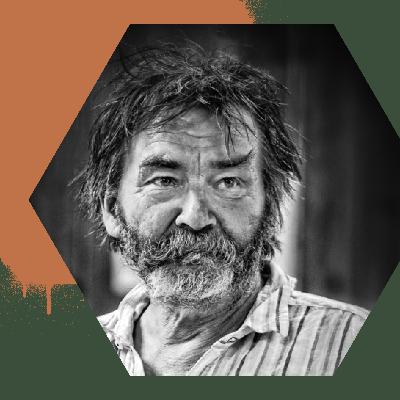
The fifth episode of the season finds us in conversation with Simon Fairlie, recorded earlier this summer when he was still running his dairy operation at Monkton Wyld Court in Dorset. Simon, who was once described by the Guardian as "the most influential and unusual eco-activist you might not have heard of", brings us a wide ranging conversation that looks at the micro and the macro of carrying capacity. You'll find us discussing how he managed his herd of two as he produced a range of dairy products for the 'intentional community' at Monkton, and how he dealt with grazing and hay production whilst improving grasslands and considering the ecological benefits his approach brought to the 8 acres under his management. This couples with a wider food systems discussion around the role of livestock, rewilding, methane emissions, and the issues associated with an unbalanced production system where he argues the case for a return to mixed farming being required.

In this fourth episode we are joined by renowned conservation grazier Bill Grayson who brings us his perspective on the concept of optimal carrying capacity and the way that it is deployed within the system he and his wife Cath run as part of the Morecambe Bay Conservation Grazing Company. He discusses how they go about planning putting animals on to a piece of land, the various practical considerations, and the role livestock play and the benefits they can bring to the land, along with the main challenges in relation to the conservation grazing picture against a backdrop of a pervading opinion of ruminants causing climate change. We touch on the impacts of stocking rate, forage management, breed selection, extended calving period, the set stocking versus mob grazing approach, and the difference between 'maximum sustainable output' (essentially an economic interpretation) and optimal carrying capacity, and how it fits with agroecological principles. Show notes: Read about the Chillingham cattle, explore the 'Less is more' report and the 'Farming for Change' model Bill refers to, and access another interesting read recommended by Bill here: https://tinyurl.com/5dr8kv75

This third episode of the new Agricology podcast season features Kate Still from the Soil Association's Farming and Land Use team. Kate comes to the conversation with a whole farm approach in mind and the need to balance what farms can support to create healthy animals, healthy farmers and a healthy farm bank balance with as few inputs as possible. Her quiet wisdom comes across as she considers strategies and approaches to optimising rather than maximising livestock production. We discuss the highlights from some of the Innovative Farmers field labs Kate's been involved with, which have looked into strategies including the use of herbal leys, winter forage options and transitioning to new grazing systems. We speak about the challenges of getting new grazing strategies 'right,' having the infrastructure to make rotational grazing happen, and training staff to be able to do this. Show notes: Read about the field labs Kate mentions, the University of Reading diverse forage programme, and the work of New Zealand Advisor John King here: https://tinyurl.com/5dr8kv75

In this episode we are joined by Dr Lindsay Whistance, Senior Livestock Researcher at the Organic Research Centre. Lindsay, who started her working life as a dairy herds-woman, comes to the conversation through the lens of animal welfare. The episode is an enlightening exploration of thoughts and ideas relating to optimal carrying capacity. It covers topics including the important partnership between humans and livestock which can be lost when animals are reduced to being just a tool, and the need for wider acknowledgement of animals' fundamental place in the ecology of a landscape, being critically important to ecological health. Lindsay touches on how we can provide for animal's needs, farming in a way that allows animals to adopt natural behaviours, and approaches that can help balance the relationship between human, animal and environment. She also considers peoples different conceptions of "good animal welfare" and the challenges associated with focusing on health in the round. Show notes: Access the David Fraser paper and the poem by William Henry Davis that Lindsay mentions here: https://tinyurl.com/5dr8kv75.

In the first of a new series exploring optimal carrying capacity, we speak to biodynamic farmer Richard Gantlett, from Yatesbury House Farm in Wiltshire. He talks about farm operations and highlights the approaches used; from dynamic rotational grazing to the role of herbal leys, and what he refers to as being a "forest farm approach." He explains how spending time with Alex Podolinsky has inspired the emphasis he now puts on the use of observation as a farmer. We look into the environmental impacts of livestock and Richard explains how research on his farm shows he has a negative carbon balance. He also touches on some of the tricky elements of the debate surrounding livestock emissions, and perceptions around this subject. Show notes: Find out about Obsalim, read about Alex Podolinsky and dive in to Richard's PhD here: https://tinyurl.com/5dr8kv75.

This episode features our visit to Three Hagges where we were shown around by Woodmeadow officer Dan Carne & one of the founders Ros Forbes Adam. They talk about what a woodmeadow is, potential relevance to farmers, layout of the site, how it was created & is now managed, tips for farmers interested in putting some land over to a combination of woodland & meadow, & thoughts about wider scale adoption of woodmeadows & agroforestry. It is produced as part of 'A National Network of Agroforestry Farms' project. View accompanying notes & site photographs here.

Organic livestock farmers Bill & Cath Grayson run the Morecambe Bay Conservation Grazing Company. They practice conservation grazing on semi-natural habitats of woodland & limestone grassland scrub which can be described in agroforestry terms as wood pasture. Our editor talks to them about what they do, how they came to do it, benefits & challenges they've encountered & thoughts on wider scale adoption of agroforestry. The episode is produced as part of 'A National Network of Agroforestry Farms' project. View the farmer profile for Bill & Cath Grayson here.

In this episode we explore the science and practice of biofumigation - the use of a temporary brassica (mustard) cover crop to help manage soil pathogens and weeds. Katie Bliss introduces footage from a webinar which features researcher Dr Matthew Back (Harper Adams University) and Alec Roberts (Tozer Seeds) in a lively discussion with a group of growers innovating with enhancing diversity in protected cropping as part of the DiverIMPACTS project.

Mike Mallett is farm manager of Maple Farm Kelsale, a 138-hectare organic farm in Suffolk which is mostly arable with some permanent pasture, woodland, horticulture & laying hens. He talks about regenerative agriculture, beneficial weeds, intercropping, the extensive agroforestry on the farm & providing for the hens' health & welfare, with some fascinating insights; from breed selection to innovations in feed supply & his involvement in OK-Net Ecofeed. View the full farmer profile on the Agricology website.

Comments

Download from Google Play

Download from App Store
 United States