


 Claim Ownership
听俩北京姑娘闲聊
Subscribed: 17Played: 290
Subscribe

© 2026 听俩北京姑娘闲聊
Description
我们是Annie和Kerin, 两个北京姑娘,我俩从大一18岁开始认识,是最好的朋友,彼此了解。
Annie是一名住在北京的中文老师,有自己的Youtube频道Story learning Chinese with Annie, 适合初级和中级的汉语学习者。
Kerin曾经是中文老师,现在住在伦敦,中西家庭16年,喜欢分享中西不同的文化,有自己的Youtube频道 Kerin在伦敦和Kerin-in-London。
现在我们两人联手打造一款新的学习汉语分享文化的频道,帮助海内外朋友提高汉语,了解中国文化。
欢迎随时和我们联系kerin@intertran.org
annielwj@hotmail.com
58 Episodes
Reverse
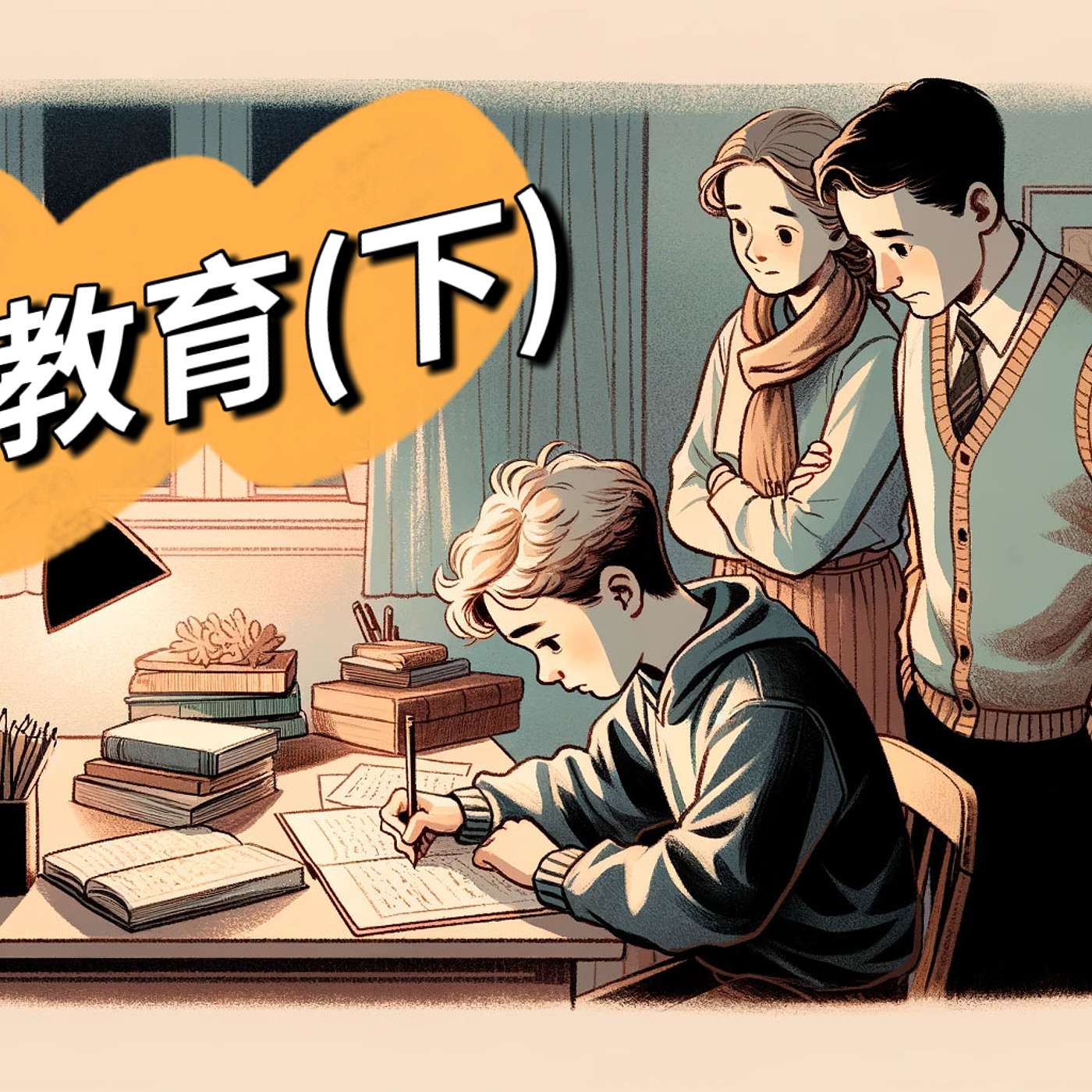
In this episode, Annie, Kerin, and our special guest — an English teacher living in China and a mother of a 7-year-old — dive into a lively discussion about children’s education in China and the UK. We talk about private vs public schools, tutoring culture in China, academic pressure, after-school classes, and how parents from different cultures make choices for their kids. This conversation marks a new step for our 2026 podcast, as we welcome our second guest and explore more real-life topic...

In this episode, Annie, Kerin, and our special guest — an English teacher living in China and a mother of a 7-year-old — dive into a lively discussion about children’s education in China and the UK. We talk about private vs public schools, tutoring culture in China, academic pressure, after-school classes, and how parents from different cultures make choices for their kids. This conversation marks a new step for our 2026 podcast, as we welcome our second guest and explore more real-life topic...

In this episode, we explore tipping practices in China, as well as in countries like the US and UK. By comparing different cultural norms, we help you understand when and how much to tip appropriately. This episode is both fun and practical, so you won’t feel awkward while traveling or working abroad. 在本期节目中,我们讨论了小费文化。我们分享了中国的小费习惯,以及在美国、英国等国家的差异。通过对比不同国家的文化习惯,帮助大家理解何时给小费、给多少才合适。这一期节目既有趣又实用,让你在旅行或工作中不再尴尬。 🎧 本播客属于我们为中高级中文学习者打造的系列节目,通过真实话题学习自然中文表达。 ☕ Love my content? Buy me a coffee and help me ...

In this episode, we dive into the economic challenges China is facing in the post-pandemic era. Falling property prices, rising unemployment, and weakening consumer confidence are shaping the daily lives of ordinary people. We also share personal observations and stories from friends and family. This conversation isn’t about creating anxiety — it’s about understanding what people are really going through in China today. 本期节目,我们聊了聊后疫情时代国内经济所面临的真实挑战。房价下跌、就业压力增大、消费信心不足,这些现象正在影响普通人的生活。我们也分享了自己身边看...

In this episode, we dive into why micro-dramas have exploded in China — from emotional triggers to the so-called “instant pleasure economy.” We break down the traffic logic, commercial model and addiction mechanisms behind the trend. After this chat, you might rethink whether you’re really enjoying the shows or being driven by the algorithm. 本期节目我们一起聊聊“短剧”为啥能在国内突然爆火——从爽点经济到情绪短剧,它到底击中了观众的哪根神经?我们还拆解了背后的流量逻辑、盈利模式和用户上瘾机制。看完这期,你会重新思考自己到底是在“追剧”,还是被“算法拿捏了”。Annie推荐的短剧名字是:盛夏芬德拉。 🎧 This podcast is part...

This is the second episode of 2026, and once again, we’re joined by Ben, who is currently living in Spain. Our last conversation ended on a cliffhanger, so this episode continues the discussion on how people in China, the UK, and Spain perceive happiness. What truly makes people feel fulfilled? Let’s explore and reflect together. 2026年的第二期节目,继续邀请住在西班牙的Ben老师加入聊天。 上期聊到一半太过惊心,这一期我们从中国、英国和西班牙三个生活维度继续讨论“幸福感”。 每个人追求幸福的方式都不同,那到底什么才真正让人觉得幸福?欢迎继续跟我们一起聊天、一起思考。 🎧 This podcast is part of our Chinese lear...

In this episode, Annie and Ben compare life in China, the UK, and Spain, exploring how different cultures understand happiness, daily life, and what it means to live well. We discuss lifestyle habits, work–life balance, social values, friendships, family expectations, and how each country shapes people’s sense of comfort and satisfaction. Why do some people feel happier in slower-paced cultures? Why do others prefer the efficiency and convenience of big cities like Beijing? Join us as we shar...

In this special year-end episode, Annie and Kerin look back on 2025 and share our personal growth and the growth of our podcast. We talk about the most memorable moments of the year, the challenges we faced, the changes we experienced, and how this year shaped who we are today. We also share our vision for the future of the podcast — new topics, new formats, and how we hope to connect with more Chinese learners around the world. Thank you for walking with us through this year. This episode is...

Social media has become a huge part of our lives — but is it helping us feel more connected, or is it silently pushing us further apart? In this episode, we explore how platforms like WeChat, Xiaohongshu, Instagram, and TikTok shape our relationships, communication habits, and even our mental health. We also discuss why young people prefer “浅交往” and how online interactions are changing modern friendship. Join us to dive into how social media is reshaping our real-world connections...

In this episode, we explore the rise of new professions in China, from AI system testers and drone flight planners to sleep health managers and rural economy coordinators. As China’s economy transforms and technology develops rapidly, many emerging jobs reflect the changing values and lifestyles of young people — emphasizing creativity, flexibility, and work-life balance. We also discuss what these trends mean for China’s labor market, education, and the younger generation’s career choices. P...

Netflix has changed the way we watch shows and movies worldwide. In this video, we explore why Netflix became so successful and the challenges it may face in the future. From content strategy to global expansion, we break down the secrets behind its growth. Join us to understand the world of streaming entertainment. 奈飞已经改变了全球人观看电视剧和电影的方式。在本期视频中,我们探讨了奈飞为何如此成功,以及它未来可能面临的挑战。从内容策略到全球扩张,我们解析了它增长的秘诀。一起了解流媒体娱乐的世界吧。 🎧 This podcast is part of our Chinese learning series for intermediate and upper-inte...

By avoiding small, impulsive purchases, identity-driven spending, and anxiety-based shopping, you can save more without feeling deprived. Learn 3 simple “don’t buy” rules that turn everyday habits into wealth-building strategies. Start respecting your hard-earned money and watch your savings grow. 通过避免小额冲动消费、身份标签消费和未来焦虑消费,你可以轻松存钱而不感到克制。了解这三个简单的“不买”原则,让日常习惯变成财富积累的工具。开始珍惜你的劳动成果,存款自然增长。 🎧 This podcast is part of our Chinese learning series for intermediate and upper-intermediate learners. 🎧 本播客属...

In this episode, we discuss the rapid rise of medical aesthetics (医美) among China’s younger generation. From subtle cosmetic treatments like fillers, light therapy, and skin rejuvenation, to the growing culture of “anti-aging as self-care,” beauty is no longer just vanity — it’s a lifestyle. 💉✨ We explore why more young people are turning to medical aesthetics, what this trend says about social pressure, self-expression, and confidence, and how China’s beauty industry is expanding from big ci...

Today we’re talking about Zero-Sugar Socialising. “Zero-sugar” means low-sweet, low-sticky relationships — keeping comfortable distance and personal space. Since the pandemic, more people prefer this low-pressure, relaxed way of connecting. Do you prefer intense closeness, or calm companionship with space to breathe? 今天我们聊一聊 零糖社交。 “零糖”就是少甜、少黏的社交方式——保持舒适的距离和独立空间。 疫情之后,越来越多人更喜欢这种低压力、自在的相处模式。 你会选择高甜的亲密,还是更享受零糖的平静陪伴? 🎧 This podcast is part of our Chinese learning series for intermediate and upper...

In this episode, we talk about the rise of new-style tea drinks (新茶饮) in China — from HeyTea to Mixue Bingcheng, these brands are not only popular among young people but also changing the country’s economy. How does bubble tea connect with rural development, supply chains, and global expansion? And why has milk tea become a symbol of youth culture and emotional comfort in China? Perfect for intermediate and upper-intermediate Chinese learners, this episode helps you understand modern consumer...

In this podcast, we talk about the rise of child influencers in China — kids who appear in livestreams, short videos, or reality shows. Why do so many parents let their children become online stars? What are the benefits and hidden risks behind fame at such a young age? We explore this issue from the perspectives of education, family, social values, and mental health. Perfect for intermediate and upper-intermediate Chinese learners, this episode helps you learn natural Chinese while under...

News about Barbie Hsu’s passing has sparked talks about inheritance and wills. 💰 Many avoid this topic, but without a will, family disputes can happen. 📜 Is writing a will really necessary? Let’s talk about why it matters for everyone. 👇 大S(徐熙媛)去世的消息引发了关于遗产和遗嘱的讨论。💰 很多人避讳这个话题,但没有遗嘱容易引发家庭纠纷。📜 立遗嘱真的有必要吗? 我们一起来聊聊为什么每个人都该重视它。👇 Love my content? Buy me a coffee and help me create more! ☕https://buymeacoffee.com/annieandkerin https://www.buzzsprout.com/2448476/su....

In this episode, we discuss emotional spending. What is it, and why are people willing to spend money to improve their mood or relieve stress? From massages, spa sessions, concerts, movies, to buying small items that make you happy — these are all examples of emotional spending. We explore the psychology behind it and compare attitudes toward emotional spending between Chinese and Western cultures. 在这一期《听俩北京姑娘闲聊》中,我们聊聊“情绪消费”。什么是情绪消费?为什么人们愿意花钱来改善自己的心情或缓解压力?无论是去做按摩、SPA、听演唱会、看电影,还是买一些小东西让自己开心,这些...

In this episode , we dive into the rising trend of “buddy culture” in China. From gym buddies to lunch buddies to even parenting buddies – more and more people are choosing companionship without commitment. Is this a smart and efficient way to deal with loneliness, or does it lead to shallow relationships and emotional detachment? We share personal stories, pros and cons, and ask: Do you really need a “buddy”… or are you actually looking for a real friend? 在这期《听俩北京姑娘闲聊》中,我们聊聊当下年轻人中流行的“搭子文化”。什...

In this episode, we dive into the hot topic of Xibei restaurants and pre-packaged food in China. We discuss why pre-packaged meals have sparked controversy domestically, while comparing how similar products are received in Western markets. By exploring cultural habits, convenience, and taste preferences, we aim to uncover the differences in attitudes between Chinese and Western consumers. 在本期节目中,我们深入聊了最近国内引发热议的西贝餐厅事件以及预制菜的话题。我们讨论了为什么预制菜在国内引起争议,同时对比了欧美市场对类似食品的接受度。通过文化、便利性和口味偏好的分析,我们尝试揭示背后中西方消费...


Download from Google Play

Download from App Store
 United States
非常喜欢了这集播客,我是学汉语的刘静. 么么哒💋