


 Claim Ownership
Couch Confidentials by Martech Therapy
Subscribed: 0Played: 0
Subscribe

© 2025 Matthew Niederberger
Description
Welcome to Couch Confidential by Martech Therapy, where we unravel the mysteries of marketing technology one session at a time. Join us on the couch as we dive deep into the intricacies of Martech, from common challenges to breakthrough solutions. Whether you’re a seasoned expert or just stepping into the Martech realm, we’ve got the insights you need to thrive.
Read more martechtherapy.com
44 Episodes
Reverse
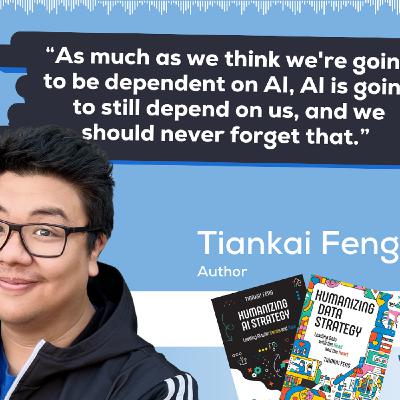
Tiankai Feng wrote Humanizing AI Strategy because almost no one else is talking about the human behaviors that determine whether AI implementations succeed or fail. Everyone's focused on architecture and capabilities while ignoring the organizational dysfunction that sinks these projects.We covered his five Cs framework and how it applies differently to AI than data strategy, why competence now means wise delegation rather than just adoption, and what happens when AI only learns from AI-generated output. He also explained why data analysts might end up doing more backend infrastructure work than they expect, and what human habit he'd delete from the codebase if he could.Full writeup and insights here: [blog post link]We're giving away five copies of the book. React to the LinkedIn post to enter.#AI #AIStrategy #DataStrategy #Martech #OrganizationalChange #CustomerDataPlatform #DataAnalytics
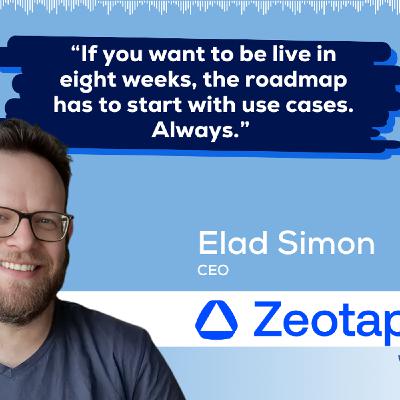
This episode of Couch Confidentials was pure fun from the moment we hit record. I sat down with Elad Simon, the newly crowned ZEO of Zeotap (yes… that happened in real time), and we covered everything from CDPs and data politics to German basketball and DMEXCO culture shocks. Elad walked me through his winding path from consulting to Google to product startups, before finding his way back into the MarTech world. We also dug into Zeotap’s evolution from a data-first ad-tech player to a privacy-centric CDP that’s carving out real space in Europe and increasingly beyond. Along the way, we got into:• Why German companies love local CDP partners• Why US vendors sometimes misread European expectations• How “audience boosting” became Zeotap’s calling card• The real story behind that LinkedIn rumor about Zeotap being acquired• What AI features are coming down the pipeline in 2026• And why CDP implementations can feel like holding up a mirror you didn’t ask forThis one had the perfect mix of jokes, honesty, and industry insight, a very human chat about a very technical field. If you work with CDPs, care about data sovereignty, or simply enjoy good stories from inside the MarTech bubble, you’ll enjoy this ride.Watch, subscribe, and stick around for the part where we accidentally create a new corporate title.
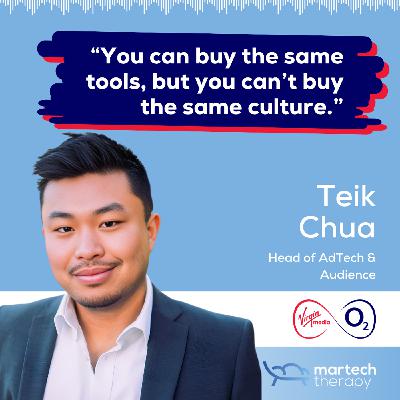
When you move from consulting in Southeast Asia to leading Martech at one of the UK’s largest telcos, you notice things. Not just in how data flows or platforms integrate, but in how people work, collaborate, and make decisions. In this episode, Teik Chua from O2 Virgin Media shares his journey through those worlds, from early CDP adoption in Asia to the challenges of embedding Martech strategy in a legacy enterprise. We spoke about how regional context shapes Martech maturity, why humility helps more than hierarchy, and what still surprises him about the European approach to “data-driven” marketing. A calm, grounded conversation about the real work behind transformation, and how culture quietly defines it all. #martech #cdp #marketingtechnology #customerexperience #digitaltransformation #consulting #southasia #o2virginmedia #acceture #couchconfidentials
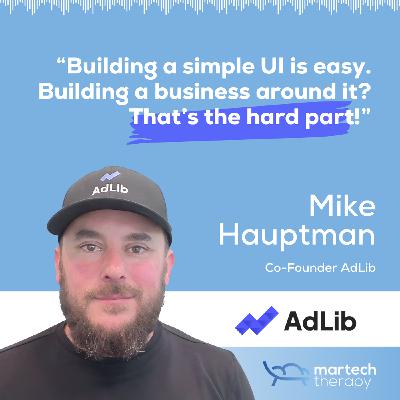
I’ll admit it, I’m a complete novice when it comes to AdTech. So when I sat down with Mike Hauptman, co-founder and CEO of AdLib DSP, I basically showed up with curiosity and a mild sense of panic. Mike walked me through the world of programmatic advertising, data marketplaces, and AI’s growing role in optimizing campaigns — but without the acronyms and the “you should already know this” tone that usually scares people off. We talked about why so many DSPs feel like they require a PhD to operate, how AdLib is trying to make buying media as easy as using Google Ads, and where AI fits into the ad-buying process (hint: it’s not replacing humans just yet). For me, this episode was a rare chance to peek into the machinery that powers the ads behind Martech — and to realize just how closely these two worlds are about to collide. If you’ve ever nodded along in a meeting pretending to understand “programmatic,” this one’s for you.

I sat down with Duarte Garrido and Luke Costly-White to see what DOJO AI calls an “all-in-one AI Marketing Operating System”. Big claims, but then again, these are undoubtedly “big claim” days we are living in, so I wanted to see what that actually looks like in practice.Luke’s story already makes this demo interesting. Luke began as a DOJO power user, then became an angel investor, and now works at the very company he backed (for those who read my piece on reference calls with angel investors: this one isn’t on the sidelines anymore).The demo itself was striking. They chose Lucky Saint, a non-alcoholic beer brand that isn’t even a customer, as the live case. In about 30 minutes, DOJO pulled:* Voice of customer research from Reddit and LinkedIn conversations* Discovery of an emerging behavioral trend: zebra striping (alternating alcoholic and non-alcoholic drinks, this was new to me)* Sentiment analysis showing Gen Z adoption and TikTok chatter* SEO/AEO gaps where Lucky Saint was absent but competitors like Athletic Brewing were present* A mocked-up campaign image, the classic Lucky Saint can re-imagined with zebra stripes, ready for social or PR anglesAll of this happened inside DOJO’s platform, without Lucky Saint’s first-party data. The promise is crystal clear → speed, integration, and strategic lift for smaller teams that can’t afford a 50k/month agency retainer.Yes, the product is still young. But the vision of turning marketers back into strategists (not dashboard operators) feels like a future worth watching especially in how it might start to level out the playing field.👥 Connect with us on LinkedIn:* Duarte: https://www.linkedin.com/in/duartegarrido/* Luke: https://www.linkedin.com/in/lukecostleywhite/* Matthew: https://www.linkedin.com/in/matthewniederberger/📲 Follow Martech Therapy on:* Instagram: https://www.instagram.com/martechtherapy/* Youtube: https://www.youtube.com/@martechtherapy* Bluesky: https://bsky.app/profile/martechtherapy.bsky.socialWant to see more informal demos of niche Martech solutions? Subscribe for free 👇🏻 This is a public episode. If you would like to discuss this with other subscribers or get access to bonus episodes, visit martechtherapy.substack.com
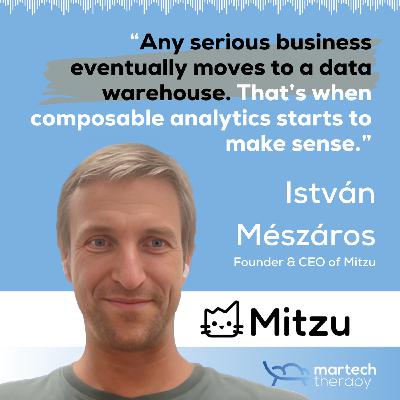
From CERN’s particle accelerators to the messy world of marketing data, István Mészáros has seen it all. In this episode of Couch Confidentials, we trace his path from working on the Large Hadron Collider to building Mitzu, a startup rethinking how companies approach composable analytics.We talk about why centralizing KPIs matters more than shiny dashboards, how enterprise data culture often lags behind the technology, and why privacy is becoming as big a driver as scale.I loved how István described the “people-pleaser” instinct that shaped his career, always chasing faster answers for colleagues, which eventually grew into a product vision. It’s a reminder that some of the best Martech ideas start not with code, but with a simple obsession to make life easier for others.Listen in if you’ve ever spent half a meeting arguing about mismatched KPIs instead of solving problems. Spoiler: you’re not alone, and there’s a way out.👥 Connect with us on LinkedIn:* István: http://linkedin.com/in/imeszaros/* Matthew: https://www.linkedin.com/in/matthewniederberger/📲 Follow Martech Therapy on:* Instagram: https://www.instagram.com/martechtherapy/* Youtube: https://www.youtube.com/@martechtherapy* Bluesky: https://bsky.app/profile/martechtherapy.bsky.socialReceive my next podcast episode in your inbox? Subscribe for free below 👇🏻 This is a public episode. If you would like to discuss this with other subscribers or get access to bonus episodes, visit martechtherapy.substack.com
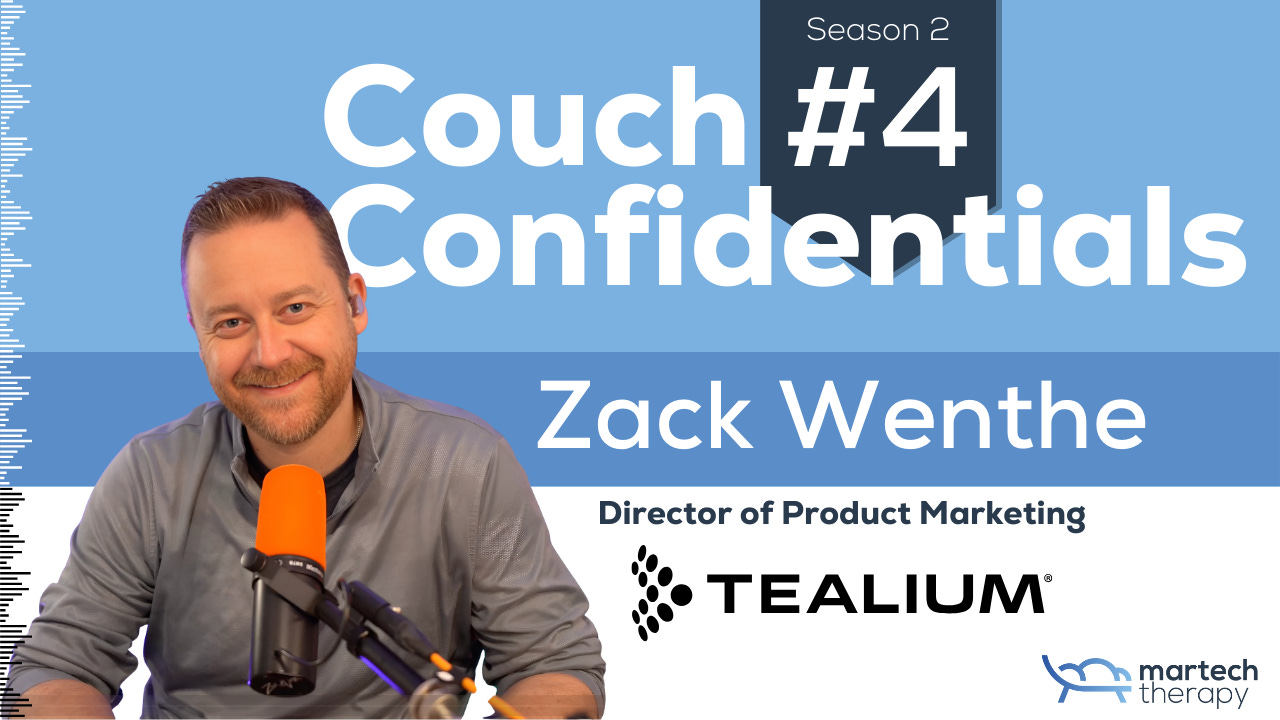
When Zack Wenthe from Tealium told me, “the next five years of data strategy will make the last look like child’s play”, I felt both intrigued and uneasy. Intrigued because Zack has been around long enough in the CDP world to know what he’s talking about. Uneasy because if the last few years already left most teams exhausted, what’s coming next?We circled around two big forces → privacy and AI. Not in the shallow “AI will optimize your campaigns” sense, but in the way these forces are already reshaping human behavior. Zack made the point that customers will increasingly “show up out of nowhere and disappear again”. And he’s right. AI-driven search, agentic browsers, and on-device models are tilting the balance of power away from brands and toward individuals.What stuck with me most was his reminder that buying decisions often come down to fatigue. People stop searching, stop comparing, and just buy. Brands have relied on that for decades. AI changes that dynamic, and it won’t be to the brand’s advantage.I enjoyed this conversation for another reason, too. Zack approaches AI with a sober mindset. This is something I noticed in a previous podcast episode with Tealium Sav Khetan and B.J. Allmon. No magic wand talk. Just a simple truth “good AI comes from good data”. It’s the foundation for everything else.It was a pleasure to record this one. If you care about where customer data is heading, you’ll find Zack’s perspective sharp, practical, and maybe a little unsettling in the best way.👥 Connect with us on LinkedIn:* Zack: https://www.linkedin.com/in/zackwenthe/* Matthew: https://www.linkedin.com/in/matthewniederberger/📲 Follow Martech Therapy on:* Instagram: https://www.instagram.com/martechtherapy/* Youtube: https://www.youtube.com/@martechtherapy* Bluesky: https://bsky.app/profile/martechtherapy.bsky.socialReceive my next podcast episode in your inbox? Subscribe for free below 👇🏻 This is a public episode. If you would like to discuss this with other subscribers or get access to bonus episodes, visit martechtherapy.substack.com
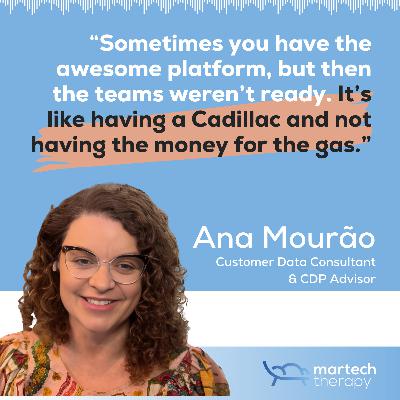
I had such a pleasant conversation with Ana Mourão on Couch Confidentials. She has this rare combination of sharp Martech expertise and an optimistic outlook, even when talking about the messy side of digital transformation.What struck me most was how Ana sees Martech not just as a stack of tools, but as a system of people and processes where small wins can make a huge difference. From building 7 million profiles globally to navigating the “Groundhog Day” of transformation projects, she’s found ways to stay positive and drive impact.Thanks again, Ana, for sharing your experience and your energy. It’s the kind of perspective that makes you believe Martech really can be both structured and human.👥 Connect with us on LinkedIn:* Ana: https://www.linkedin.com/in/anamourao/* Matthew: https://www.linkedin.com/in/matthewniederberger/📲 Follow Martech Therapy on:* Instagram: https://www.instagram.com/martechtherapy/* Youtube: https://www.youtube.com/@martechtherapy* Bluesky: https://bsky.app/profile/martechtherapy.bsky.socialWant to hear from more Martech professionals? Subscribe for free, today 👇🏻 This is a public episode. If you would like to discuss this with other subscribers or get access to bonus episodes, visit martechtherapy.substack.com
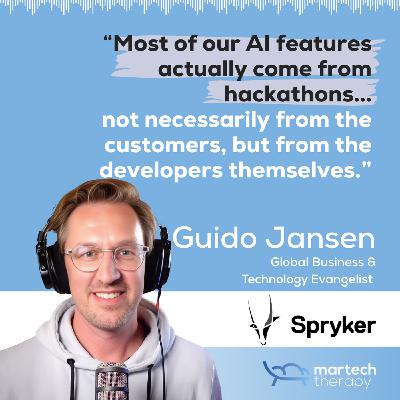
In this episode of Couch Confidentials, I sit down with Guido Jansen, Spryker’s Global Business & Technology Evangelist, and someone with one of the longest job titles I’ve ever introduced on the podcast. Guido’s path is unusual: a background in applied cognitive psychology, years building the Magento community, and now leading community and customer success efforts at Spryker.We discuss what it means to build ecosystems that last and how feedback loops from hackathons and developer meetups inform Spryker’s product direction. Guido also shares his experiments with n8n, vibe coding, and MCP integrations, as well as what happens when you proudly demo something your audience isn’t ready for.The conversation ties back to themes I’ve been writing about in the Contextual CDPs and Agentic AI in Martech series: how much trust can you place in AI, what guardrails are needed, and why adoption lags behind the hype. Guido warns about the risks of workflows that work “95% of the time,” and reflects on what the rise of AI means for junior developers entering the field.If you’re curious about where automation meets community, and how enterprise clients balance innovation with risk, this episode offers a grounded perspective.👥 Connect with us on LinkedIn:* Guido: https://www.linkedin.com/in/gxjansen/* Matthew: https://www.linkedin.com/in/matthewniederberger/📲 Follow Martech Therapy on:* Instagram: https://www.instagram.com/martechtherapy/* Youtube: https://www.youtube.com/@martechtherapy* Bluesky: https://bsky.app/profile/martechtherapy.bsky.socialGet notified when episode 3 drops. Subscribe for free below 👇🏻 This is a public episode. If you would like to discuss this with other subscribers or get access to bonus episodes, visit martechtherapy.substack.com
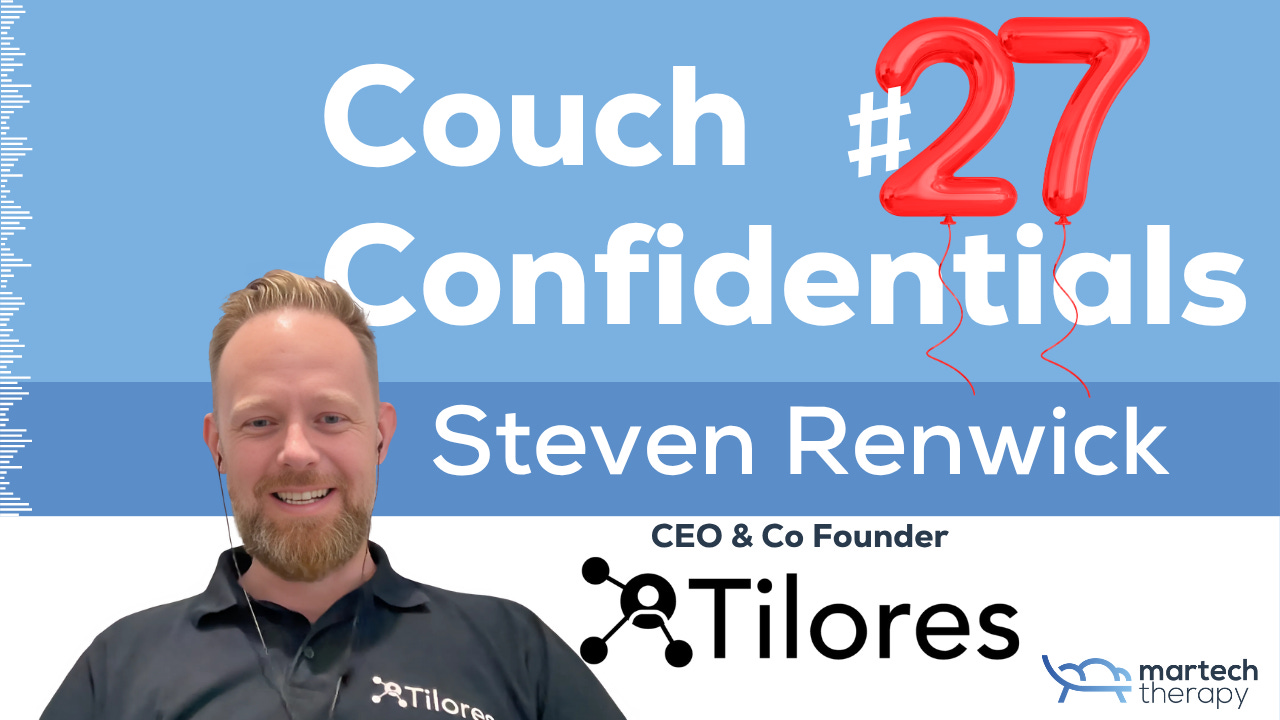
There’s a lot of noise around AI and identity right now.Hightouch just launched Adaptive Identity Resolution, Meiro is leaning hard into real-time CDP-native matching, and Amperity continues to push its probabilistic + deterministic blend for enterprise brands. But when someone asked me whether GenAI could solve identity resolution, I went straight to someone who’s seen the inside of the problem: Steven Renwick, co-founder and CEO of Tilores.Steven and his team aren’t building another black box, they’re focused on traceability, reversibility, and real-time performance for messy, high-volume data. In this episode, we dig into what that actually means in practice.💬 Topics we cover:* Why Tilores avoids GenAI for core matching—and where it does use LLMs* Entity graphs, not vector embeddings* Using RAG (retrieval augmented generation) to query resolved identities* Matching for fraud use cases, telecom mergers, and multi-brand insurance data* Why explainability still beats hype in regulated industries“Fraudsters aren’t always smart. They just hope your data isn’t smart either.”We also touch on identity matching horror stories, Cockney rhyming slang, and why test data is the silent killer of your data quality.Learn more about Tilores → https://tilores.com/👥 Connect with us on LinkedIn:* Steven: https://www.linkedin.com/in/stevenrenwick/* Matthew: https://www.linkedin.com/in/matthewniederberger/📲 Follow Martech Therapy on:* Instagram: https://www.instagram.com/martechtherapy/* Youtube: https://www.youtube.com/@martechtherapy* Bluesky: https://bsky.app/profile/martechtherapy.bsky.socialSupport my therapeutic work and subscribe for free! This is a public episode. If you would like to discuss this with other subscribers or get access to bonus episodes, visit martechtherapy.substack.com
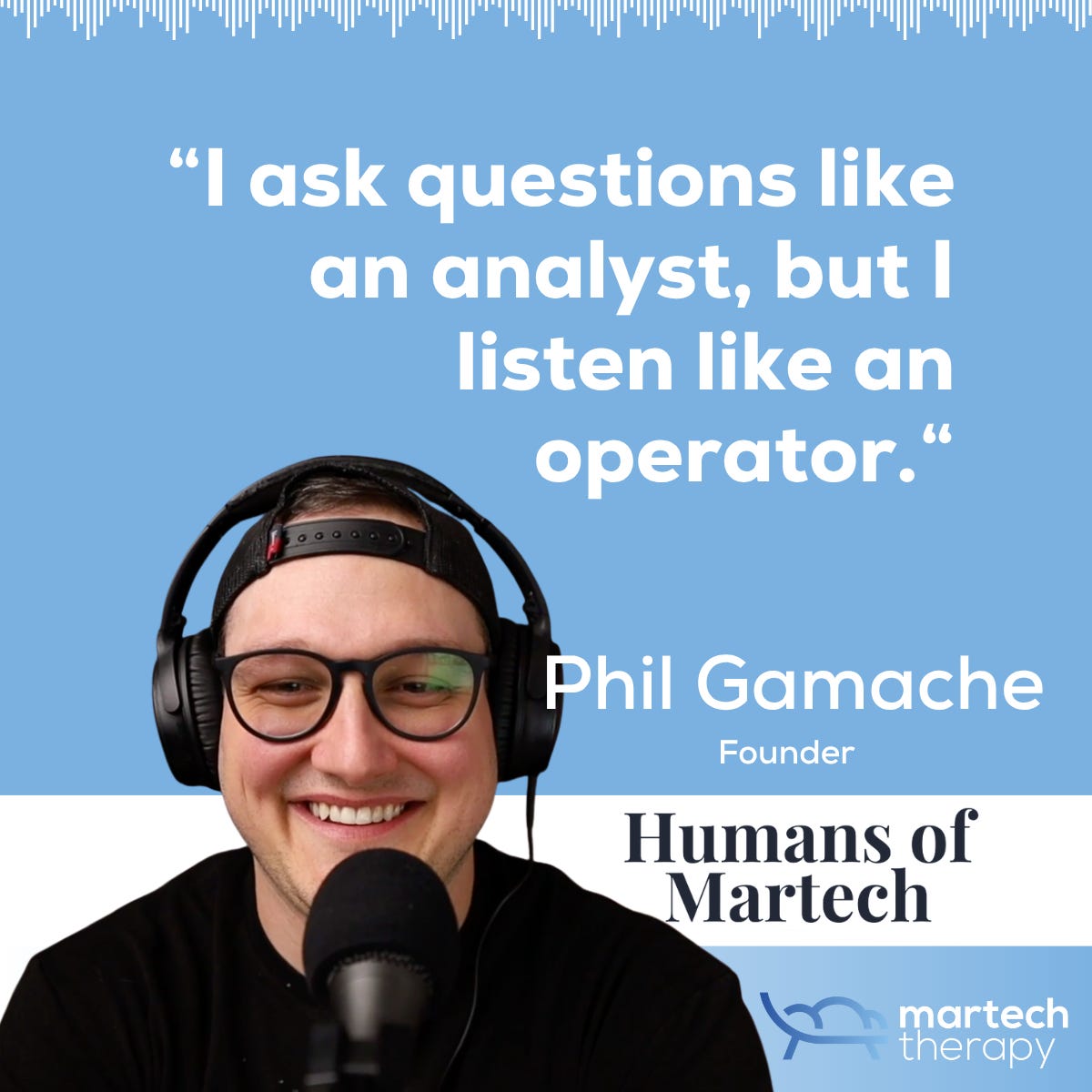

Phil Gamache said, “I ask questions like an analyst, but I listen like an operator.” And that’s exactly why I invited him onto Couch Confidentials, for quotes like that. At the end of the day we are all trying to achieve the same.He doesn’t just host Humans of Martech, he’s built a platform that holds up a mirror to the way we actually work. The late-night migrations. The marketing ops arguments. The tools that break quietly while no one’s watching. His podcast is not about frameworks or vendor checklists, it’s about people trying to do the job in the real world.We talked about how podcasting has shaped his thinking, why he now screens guests by asking what irritates them, and how multi-touch attribution might be the fax machine of measurement. The episode is full of sharp moments, but what I liked most is Phil’s understanding of what this work is really about. Not thought leadership for its own sake. Not riding the next acronym. But making sense of the messy middle.Martech is wild right now. This one helped me feel a little more sane.👥 Connect with us on LinkedIn:* Phil: https://www.linkedin.com/in/gamacp/* Matthew: https://www.linkedin.com/in/matthewniederberger/📲 Follow Martech Therapy on:* Instagram: https://www.instagram.com/martechtherapy/* Youtube: https://www.youtube.com/@martechtherapy* Bluesky: https://bsky.app/profile/martechtherapy.bsky.socialThanks for reading Martech Therapy! Subscribe for free to receive new posts and support my work. This is a public episode. If you would like to discuss this with other subscribers or get access to bonus episodes, visit martechtherapy.substack.com
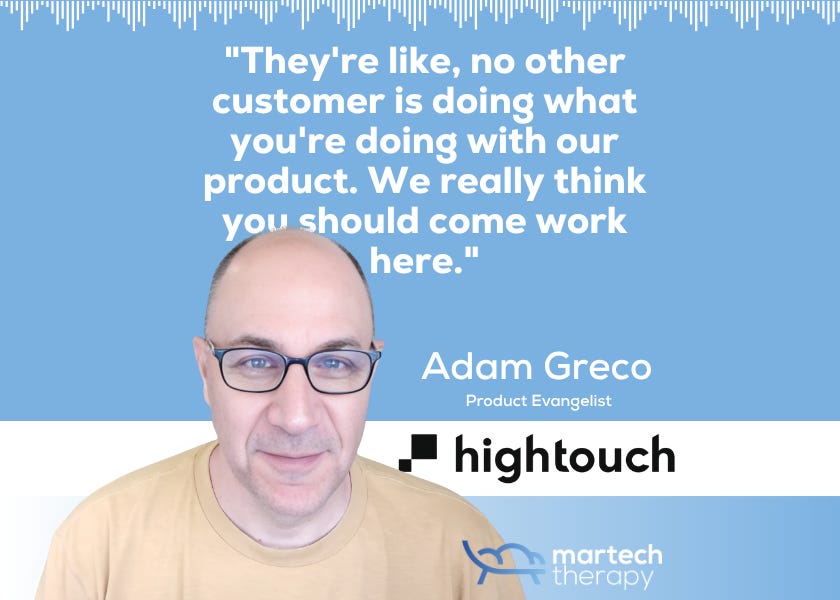
I finally sat down with Adam Greco for what turned into one of those conversations that explains how we got to this beautiful disaster we call modern martech.Adam earned the nickname "Omni-Man" back when he was basically Adobe Analytics incarnate, the guy who could fix your broken implementations and somehow make eVars seem less like a cruel joke played on marketers by bored engineers. For years, he was the poster child for mastering one platform completely.Which makes his current crusade for composable CDPs either beautifully ironic or perfectly logical, depending on whether you've had your coffee yet.His origin story reads like accidental industry prophecy: customer #5 at Omniture when Web Trends ruled the earth (and told you absolutely nothing useful), hired because he understood their product better than their own employees, which, honestly, explains a lot about early 2000s SaaS. He accidentally discovered his company was being acquired while working at Salesforce, because apparently that's just how Tuesdays went back then.Now he's at Hightouch making the case for warehouse-centric CDPs with the kind of logic that makes you wonder why anyone thought otherwise: if companies spend millions getting clean data into warehouses for literally every other business function, why do marketers insist on maintaining separate, inferior datasets? It's like insisting on using a flip phone because you've gotten really good at T9 texting.We covered his theory of "micro composability" (best-of-breed within best-of-breed, because apparently we're not done breaking things apart yet), why data teams have become the unlikely heroes of martech, and his prediction that AI will eventually choose your entire channel strategy. Either brilliant or terrifying, possibly both.The man has lived through every iteration of our industry's collective learning disabilities and can explain complex martech architectures without making your brain leak out your ears.Worth your time if you've ever wondered why your martech stack feels like it was assembled during a vendor conference happy hour by consultants who communicate exclusively in acronyms. This is a public episode. If you would like to discuss this with other subscribers or get access to bonus episodes, visit martechtherapy.substack.com
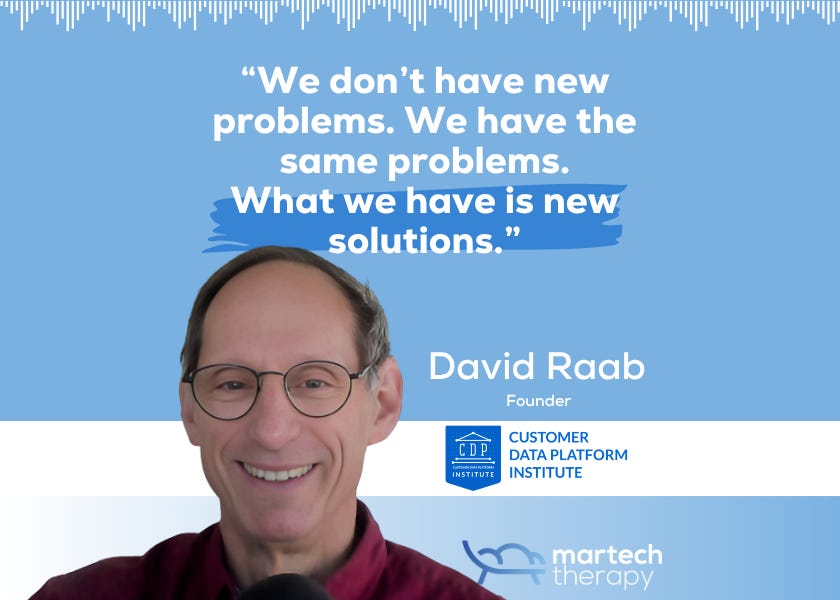
CDP Institute’s David Raab coined the term Customer Data Platform, which makes him either the godfather of modern Martech or the guy responsible for every PowerPoint slide with a data unification triangle on it. Possibly both.In this episode of Couch Confidentials, we talk about the slow death of CDP hype, why AI is just a mirror for your data mess, and why companies keep renaming “data plumbing” as “activation” in hopes it’ll feel more important.We also cover how vendors are racing to bolt AI onto every surface like it’s a startup-themed version of Iron Man, why investing in data quality is like flossing (nobody’s excited, but it still matters), and how even David can’t explain his job at dinner parties without giving up halfway through.If you work in Martech and occasionally wonder “Why is everything still so hard?” grab a coffee, sit, and listen. You are not alone. And if you are feeling bold, forward it to your boss, your privacy officer, or your cousin who thinks CDPs are just glorified CRMs.👥 Connect with us on LinkedIn:* David: https://www.linkedin.com/in/david-raab-22146b/* Matthew: https://www.linkedin.com/in/matthewniederberger/📲 Follow Martech Therapy on:* Instagram: https://www.instagram.com/martechtherapy/* Youtube: https://www.youtube.com/@martechtherapy* Bluesky: https://bsky.app/profile/martechtherapy.bsky.socialDon’t miss my next podcast with the infamous Adam Greco 👇🏻 This is a public episode. If you would like to discuss this with other subscribers or get access to bonus episodes, visit martechtherapy.substack.com
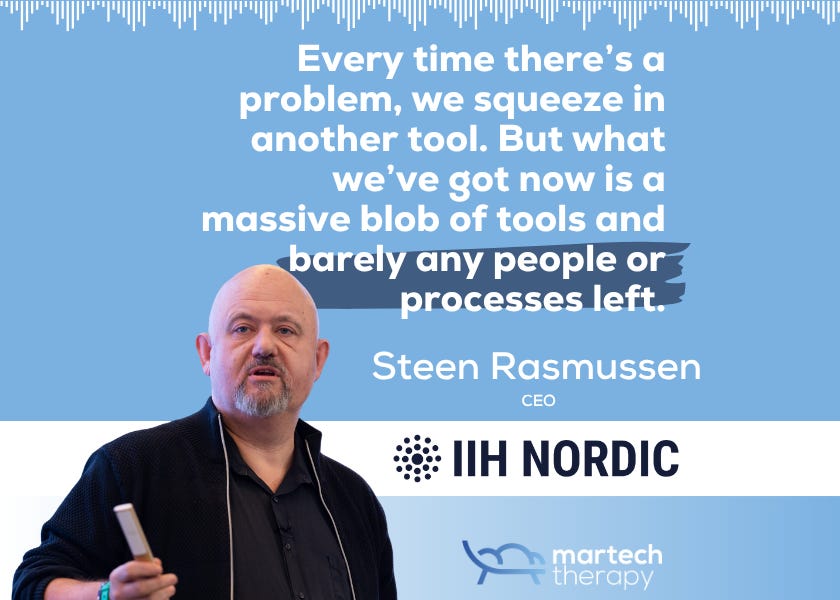
Some conversations catch you off guard in the best possible way. This one with Steen did exactly that.We were meant to talk about analytics, why it still doesn’t deliver on its promise, despite all the new tools and fancy dashboards. And we did. But what surprised me was how personal it got. Not emotional, but honest in a way that made me uncomfortable in a good way. The kind of uncomfortable that makes you realize how often we’re just going through the motions, pretending things are working because admitting otherwise might mean admitting we don’t really know what to do next.Steen has this way of naming the things you’ve always felt but never quite said out loud. About how we hire analysts like trophies, how we switch platforms like changing outfits, and how most of us are too busy maintaining broken systems to even think about value. And maybe the most brutal part was how often we choose a new tool just so we don’t have to admit the last one never worked.This isn’t a neat little “here’s what we learned” episode. It’s a mirror into your organization, something I have spoken about in my CDP Reboot series (technology has a funny way of exposing these weaknesses). And depending on where you are right now, you might not like the reflection. I didn’t always. But I’m glad we recorded it. It reminded me that analytics isn’t broken because the tech is bad. It’s broken because we keep pretending it’s someone else’s job to make it useful.So yeah, this one stayed with me. Maybe it’ll stay with you too.👥 Connect with us on LinkedIn:* Steen: https://www.linkedin.com/in/steenrasmussen/* Matthew: https://www.linkedin.com/in/matthewniederberger/📲 Follow Martech Therapy on:* Instagram: https://www.instagram.com/martechtherapy/* Youtube: https://www.youtube.com/@martechtherapy* Bluesky: https://bsky.app/profile/martechtherapy.bsky.socialDon’t want to miss the next conversation? Subscribe, it’s free 👇🏻 This is a public episode. If you would like to discuss this with other subscribers or get access to bonus episodes, visit martechtherapy.substack.com
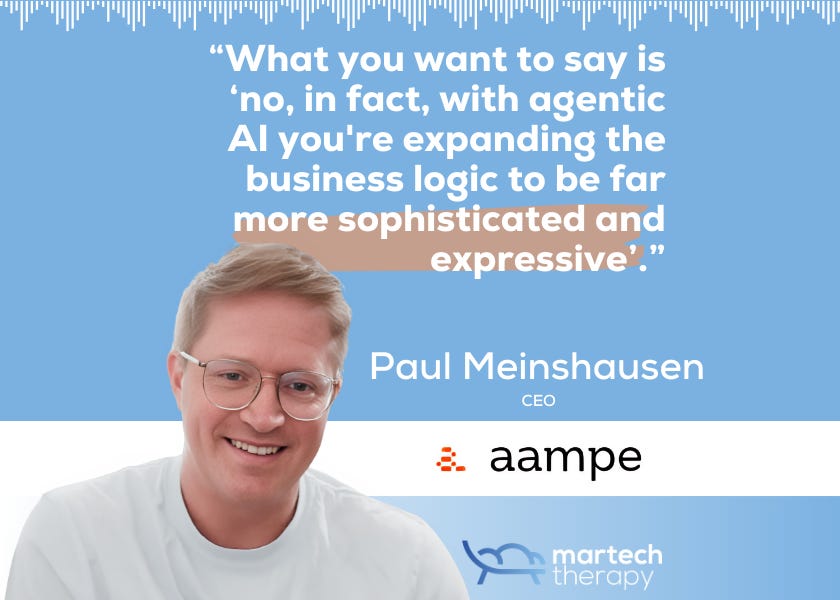
Paul suggested the idea of doing something different. No intro. No big kickoff. Just two people talking.That’s how this episode with Paul Meinshausen (CEO at Aampe) started and I’m glad it did. Because I fumbled at the beginning (you can skip ahead in the podcast...).Feeling like a one-trick pony, I tried to steer the conversation toward my usual topics: CDPs, AI, use cases, and organizational challenges. But it quickly became clear I was trying to force an idea, a vision, onto something I hadn’t fully wrapped my head around yet. Paul helped me take a step back. Not to simplify, because there is a lot to this, but to rethink.Unlike what we often do when considering new technology, use cases are not the primary consideration we should make when considering agentic AI. Paul argued that it is control, and how so many leaders fear giving it up when adopting AI. But maybe that’s the wrong lens through which leaders view the world of opportunities.With agentic AI, it’s not about losing control. It’s about setting the principles and boundaries, and then letting the system operate within them. In the same way that leadership evolves as companies grow. You don’t micromanage every action, you shape the environment.Honestly, this was one of those moments where I felt more like a student than a host. And I’m okay with that. We’re all learning. We should be learning.So here’s an official, yet unpolished, deeply valuable episode, one I almost didn’t want to share, but really glad I did. We are all in this together.A big thank you to Paul for explaining the challenges and opportunities from his perspective, as well as for the time, generosity, and space to think out loud.👥 Connect with us on LinkedIn:* Paul: https://www.linkedin.com/in/paulmeinshausen/* Matthew: https://www.linkedin.com/in/matthewniederberger/📲 Follow Martech Therapy on:* Instagram: https://www.instagram.com/martechtherapy/* Youtube: https://www.youtube.com/@martechtherapy* Bluesky: https://bsky.app/profile/martechtherapy.bsky.socialFeel like getting notified when a new episode drops? Subscribe today 👇🏻 This is a public episode. If you would like to discuss this with other subscribers or get access to bonus episodes, visit martechtherapy.substack.com

What happens when the tools we think are helping us today aren't ready for the future we’re speeding into?In this episode of Couch Confidentials, Michael Katz (CEO of mParticle) joins me to talk about where AI is really at, why most CDPs are stuck in the past, and why success in Martech now depends less on the tech itself and more on how you think about it.We dive into:* Why "People overestimate where we are today and underestimate how fast this stuff progresses."* The two very different paths CDPs are taking (and why one is a race to the bottom)* What companies miss when they don't look at the real cost of "composable" architectures* How AI might finally force Martech to grow upPull up a seat. This one gets real fast.👥 Connect with us:* Michael: https://www.linkedin.com/in/michaelskatz/* Matthew: https://www.linkedin.com/in/matthewniederberger/ 📲 Follow Martech Therapy on:* Instagram: https://www.instagram.com/martechtherapy/ * Bluesky: https://bsky.app/profile/martechtherapy.bsky.social* Youtube: https://youtube.com/@martechtherapyMake sure to subscribe and not miss my next podcast with… 👇🏻 This is a public episode. If you would like to discuss this with other subscribers or get access to bonus episodes, visit martechtherapy.substack.com
This week, I sat down with Kevin Swelsen, longtime friend, freelance digital analytics and CDP consultant, and one of the organizers behind Measurecamp Amsterdam. We dive into how the event was born, what makes it work, and why community still matters in a vendor-heavy Martech world.Kevin shares how a trip to Measurecamp London inspired a decade of volunteering, what it means to remain independent in a field full of tech stacks and sales pitches, and yes, he confirms the existence of the mythical Measurecamp socks.Subscribe to tune into future episodes of Couch Confidentials 👇🏻 This is a public episode. If you would like to discuss this with other subscribers or get access to bonus episodes, visit martechtherapy.substack.com
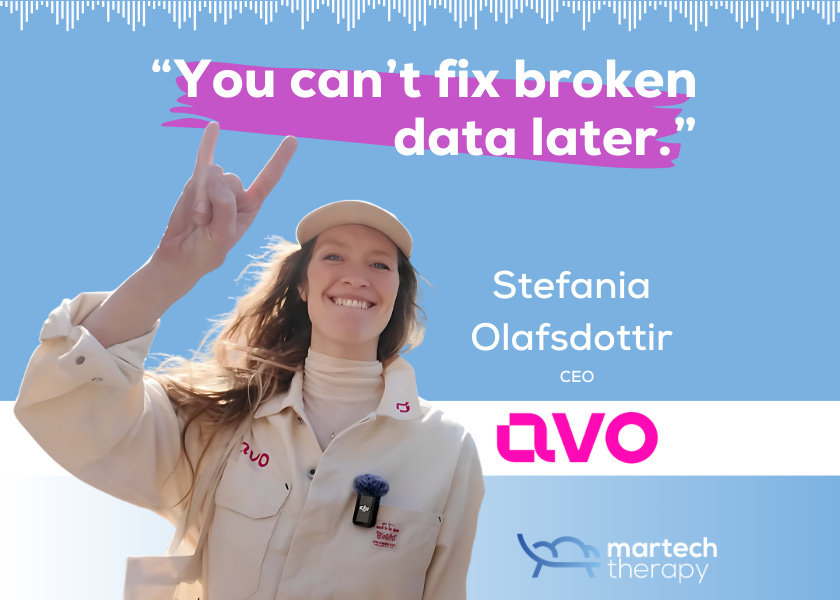
Data chaos doesn’t wait for a boardroom. So we took this Couch Confidentials special episode outside, wandering the streets of Amsterdam with Stefania Olofsdottir during Measurecamp. We talk about the origins of Avo, trusting teams with their own datasets, and how her journey from Iceland to analytics has always centered around making data meaningful before it breaks things downstream.☀️ Recorded on a sunny stroll.📍 Measurecamp Amsterdam.🧠 Powered by Avo’s mission to fix bad data before it breaks your stack.📄 Download Avo’s whitepaper: https://www.avo.app/resources/data-mesh-for-event-based-data👥 Connect with us:* Stefania: https://www.linkedin.com/in/stefaniabjarneyolafsdottir/* Matthew: https://www.linkedin.com/in/matthewniederberger/📲 Follow Martech Therapy on:* Instagram: https://www.instagram.com/martechtherapy/* Substack: https://martechtherapy.substack.com/* Bluesky: https://bsky.app/profile/martechtherapy.bsky.social Want to enjoy more Walk & Talk style podcasts? Make sure to subscribe and let me know what you think of this style of interviews. This is a public episode. If you would like to discuss this with other subscribers or get access to bonus episodes, visit martechtherapy.substack.com
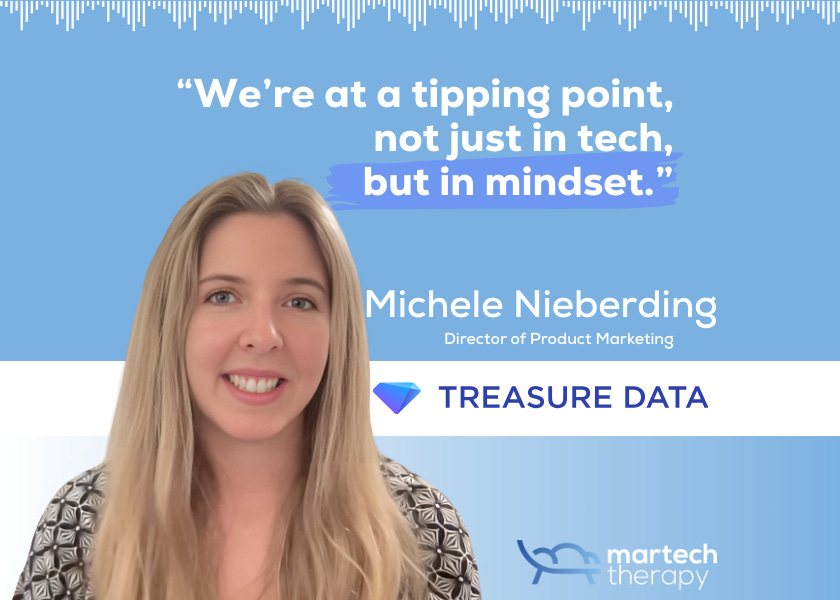
This one’s been a long time coming. After a few reschedules, I finally had the pleasure of chatting with Michele Nieberding, and we went straight into the deep end of AI agents, the chaos of MCPs, and why marketers need to stop slapping "AI" on triggers and calling it innovation. We covered everything from Salesforce’s latest moves to why Aampe might just be the next unicorn in Martech.Michele shares how product marketers are finding their way in the new wave of agentic thinking, what companies are getting wrong about AI observability, and her predictions on who’s next in the CDP acquisition game ( get your bingo cards ready). So, are you trying to make sense of the swirling mess of AI, CDPs, and what it means to be a marketer in 2025? Make sure to listen in.Lets connect 🔗* Connect with Michele on LinkedIn: https://www.linkedin.com/in/michele-nieberding/ * Connect with me on LinkedIn: https://www.linkedin.com/in/matthewniederberger/ Follow me on social media* Follow me on Youtube: https://www.youtube.com/@martechtherapy* Follow me on Instagram: https://www.instagram.com/martechtherapy/* Follow me on BlueSky: https://bsky.app/profile/martechtherapy.bsky.socialWant to know when my next podcast episode is uploaded? Subscribe today 👇🏻 This is a public episode. If you would like to discuss this with other subscribers or get access to bonus episodes, visit martechtherapy.substack.com
What happens when your customer data is governed by the wrong jurisdiction?In this episode of Couch Confidentials, I sit down with Oussama Ghanmi, CEO and co-founder of DinMo, a composable CDP vendor headquartered in Paris. With growing political tensions between the US and Europe, and cities like Amsterdam actively moving away from US-hosted platforms, I wanted to understand whether it’s still safe—or smart—for European companies to continue relying on US-based cloud tools.Oussama offers a candid look at the risks European businesses face when their data leaves the continent, and why composable, locally governed architectures are gaining traction. We also talk about building privacy-first tools, data sovereignty, and what it takes to offer enterprise-grade CDP capabilities without compromising on control.This episode is equal parts geopolitics, growth strategy, and a reminder that where your data lives, really does matter.🇫🇷 Bonus: Oussama might just convince you to drop by his Paris office—if the croissants don’t lure you in first.Useful links:* Learn more about DinMo: https://www.dinmo.com/* Follow me on LinkedIn: https://www.linkedin.com/in/matthewniederberger/Don’t miss my next podcast, subscribe today 👇🏻 This is a public episode. If you would like to discuss this with other subscribers or get access to bonus episodes, visit martechtherapy.substack.com

Comments

Download from Google Play

Download from App Store
 United States