


 Claim Ownership
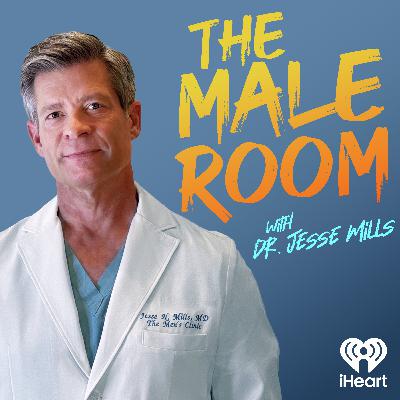
 The Male Room with Dr. Jesse Mills
The Male Room with Dr. Jesse MillsSubscribed: 56Played: 549
Subscribe

2026 iHeartMedia, Inc. © Any use of this intellectual property for text and data mining or computational analysis including as training material for artificial intelligence systems is strictly prohibited without express written consent from iHeartMedia
Description
As Director of The Men’s Clinic at UCLA, Dr. Jesse Mills has spent his career helping men understand their bodies, their hormones, and their health. Now he’s bringing that expertise to The Male Room — a podcast where data-driven medicine meets common sense. Each episode separates fact from hype, science from snake oil, and gives men the tools to live longer, stronger, and happier lives. With candor, humor, and real-world experience from the exam room and the operating room, Dr. Mills breaks down the latest health headlines, dissects trends, and explains what actually works — and what doesn’t. Smart, straightforward, and entertaining, The Male Room is the show that helps men take charge of their health without the jargon.
21 Episodes
Reverse
March is vasectomy season (really) and to honor the occasion, Dr. Mills is joined by leading urologist Dr. Jay Sandlow—one of the architects behind modern vasectomy guidelines—for a candid, myth-busting conversation about one of the most common (and misunderstood) procedures in men’s health. Together, they break down who should consider a vasectomy, what actually happens during the procedure, and why it remains far safer and more effective than many alternatives—while still being surprisingly underutilized. Along the way, they tackle the biggest fears and misconceptions, from sex drive and testosterone to rare complications and recovery, giving listeners a clear, honest roadmap for making an informed decision.See omnystudio.com/listener for privacy information.
Dr. Mills walks listeners through what life after prostate cancer surgery can really look like, with a candid focus on sexual recovery, continence, and quality of life. He explains how “prehab” — including medication, pelvic floor exercises, nutrition, and follow-up care — can help men improve their odds of regaining function after treatment. Along the way, Dr. Mills and Jordan discuss the emotional vulnerability that comes with prostate cancer recovery, breaking down the fears, myths, and real-world concerns men and their partners often face. It’s an honest, practical, and compassionate conversation about surviving cancer without giving up on intimacy, confidence, or hope.See omnystudio.com/listener for privacy information.
Rock and Roll Hall of Famer Tim Commerford joins The Male Room to speak candidly about his prostate cancer journey — from the shock of diagnosis and the emotional aftermath of surgery to the hard-won strength he’s built on the other side. The Rage Against the Machine bassist opens up about masculinity, recovery, fitness, sexuality, and why men need to take their health seriously and advocate for themselves. Alongside Dr. Jesse Mills and Producer Jordan, Commerford reflects on turning fear into purpose, and how sharing his story can help save lives.See omnystudio.com/listener for privacy information.
In the third and final installment of our prostate-cancer trilogy with UCLA urologic oncologist Dr. Wayne Brisbane, Dr. Mills walks a 55-year-old patient through the modern treatment menu—active surveillance, focal therapy, surgery, and radiation—and why “having prostate cancer” doesn’t always mean “operate immediately.” Dr. Brisbane breaks down how doctors risk-stratify tumors (including what Gleason scores really mean), why PSA “ups and downs” can trigger anxiety, and how newer tools (from genomic tests to MRI-guided radiation) help personalize decisions. They also get real about side effects and recovery, from muscle-sparing prostatectomy techniques that can speed urinary control to the “sunburn in the bladder” sensations some men feel after radiation. The takeaway: treat the cancer the way it’s asking to be treated—and don’t be afraid to slow down, get second opinions, and choose the option that best matches your life.See omnystudio.com/listener for privacy information.
On Part 2 of our prostate cancer series, Dr. Mills welcomes back UCLA urologic oncologist Dr. Wayne Brisbane to walk listeners through what happens after a PSA bump — touching on how doctors use prostate MRI, biomarkers, and shared decision-making to determine who really needs a biopsy. Dr. Brisbane demystifies the MRI experience (yes, the loud, tight tube), explains what those 1–5 “PIRADS” scores actually mean, and breaks down modern biopsy options—including why the transperineal approach can lower infection risk. Then it’s on decoding Gleason scores, grade groups, and “risk stratification”— and explaining why, for many men, this is a highly treatable, often curable disease when caught early.See omnystudio.com/listener for privacy information.
In the first episode of our three-part Prostate Cancer series, Dr. Jesse Mills and Jordan Runtagh sit down with UCLA urologic oncologist and surgeon-scientist Dr. Wayne Brisbane to tackle the most confusing—and most important—starting point: screening. What does an “elevated PSA” actually mean, why is it controversial, and how do you avoid unnecessary panic (or unnecessary procedures) while still catching cancer early? Using a real-world “55-year-old patient journey,” they break down PSA as a prostate “thermometer,” when to repeat a test, what role MRI plays today, and how newer tools like urine biomarkers and micro-ultrasound are reshaping early detection—before the series moves on to diagnosis and treatment. See omnystudio.com/listener for privacy information.
Dr. Mills is joined by reproductive urologist Dr. Jim Smith, a longtime colleague and leading expert in male fertility and men’s health. Together, they break down what a semen analysis actually measures, why quality and timing matter, and why men shouldn’t wait a year into the fertility journey to get checked. Dr. Smith also explains sperm cryopreservation — who should consider banking, how long it lasts, and why access remains a major barrier. Plus, they'll bust the biggest myths about what “kills” sperm, explain why semen can be a window into overall health, and offer a surprisingly practical prescription for better fertility.See omnystudio.com/listener for privacy information.
Dr. Mills sits down with hormone therapy physician and entrepreneur Dr. Peter Fotinos to unpack the difference between “hormone replacement” and true hormone optimization. They dig into how studies like the Women’s Health Initiative shaped decades of fear, and why symptoms and lived experience sometimes matter more than a single lab cutoff. The conversation also tackles common pitfalls of “testosterone mill” medicine (including routine aromatase inhibitors), plus what’s changing in women’s hormone care and why testosterone matters for women beyond libido. Finally, Dr. Fotinos shares how he’s scaling more responsible, check-in-driven telehealth—and what proactive medicine can look like for the everyday guy staring down metabolic syndrome.See omnystudio.com/listener for privacy information.
Dr. Jesse Mills sits down with gastroenterologist-turned-biotech leader Dr. Josh Ofman, president of GRAIL, the company behind a groundbreaking blood test designed to detect dozens of cancers early by analyzing DNA shed by tumors. They break down how multi-cancer early detection works, who should consider testing (even before age 50), and how the technology fits into the larger—and often confusing—longevity conversation. The episode also tackles concerns about over-screening, false positives, and why waiting decades for perfect data may cost lives today. Have a question for Dr. Mills? Send us an email at: themaleroompod@gmail.comSee omnystudio.com/listener for privacy information.
Dr. Mills is joined by celebrity nutritionist and gut-health expert Dr. Daryl Gioffre to break down what’s really driving America’s acid reflux epidemic—and why the root cause is often too little stomach acid, not too much. After revealing the deeply personal story that pushed him into this work following his father’s battle with esophageal cancer, Dr. Gioffre shares practical strategies to support digestion and protect the esophagus — from the “three-hour rule” before bed to simple soothing tools like teas, honey, and magnesium. The conversation also gets into why sugar is so hard to quit, how ultra-processed foods (and “gluten-free” swaps) can backfire, and how to make realistic upgrades without white-knuckling your way through life—including how you might keep your coffee and calm your gut.See omnystudio.com/listener for privacy information.
 1
1Dr. Steve Poulter is back for Part 2 of our conversation, and this time we go straight to what he calls the hidden engine behind so much male anxiety, isolation, and anger: shame. Dr. Mills and Dr. Poulter break down how shame takes root early, why men often externalize it in ways that damage relationships, and why “anger management” is often really “shame management.” Plus, Dr. Poulter shares practical ways to get out of the “invisible/disrespected” spiral and explains why naming shame—especially around trauma—can be the turning point that finally lets healing (and even marriages) move forward.See omnystudio.com/listener for privacy information.
As the New Year begins, it’s the perfect time to take stock — not just of your physical health, but your mental one, too. Dr. Mills kicks off the year by welcoming renowned therapist Dr. Steve Poulter. Together, they explore modern masculinity, shame, isolation, and what it really means for men to be emotionally resilient. Drawing on decades of clinical experience — and a remarkable life path that included stints in law enforcement and the seminary — Dr. Poulter offers practical tools for growth, accountability, and connection. See omnystudio.com/listener for privacy information.
Dr. Mills sits down with board-certified sleep medicine physician and UCLA faculty member Dr. Sam Kashani to break down what’s really happening when you can’t stay asleep. They demystify REM vs. deep sleep, explain why sleep trackers can sometimes make insomnia worse, and outline the real red flags for sleep apnea—plus how home sleep tests are changing the game. Along the way, they cut through the noise on supplements like melatonin and valerian, and make the case for CBT-I as the gold-standard, evidence-based treatment for insomnia.See omnystudio.com/listener for privacy information.
Urologist and informatics leader Dr. Denise Asafu-Adjei joins Dr. Mills to break down how AI is quietly transforming men’s health, from AI-powered scribes that free doctors to actually look patients in the eye to chatbots that could triage symptoms and streamline access to care. They dig into the big questions patients (and physicians) are asking right now: privacy, accuracy, and whether technology will ease burnout or simply fill every last “free” minute on the schedule. Plus, Dr. Denise (@drdenise_official) shares where the field is heading next — including mind-blowing fertility advances like AI-assisted sperm identification — and what it’ll take (education, policy, and better data sharing) to make the future of medicine both smarter and more human.See omnystudio.com/listener for privacy information.
Can testosterone really turn you into a superhero — or is there a hidden cost? Dr. Jesse Mills is joined by Dr. Jasper Bash to talk all things super-physiologic testosterone, from jacked gym dreams to shrinking testicles, heart risks, and hormone crashes. Together they separate internet myths from medical reality and explain what actually happens when testosterone levels go off the charts. See omnystudio.com/listener for privacy information.
This week, Dr. Jesse Mills is joined by Dr. Jasper Bash — men’s health expert, researcher, and occasional a cappella tenor — for a candid look at how to build healthier sperm. They unpack the latest findings on marijuana, alcohol, and other environmental exposures, including what’s myth, what’s real, and what’s actually reversible. Dr. Bash also shares practical timelines, clinical tips, and the fitness and nutrition habits that keep him performing at his best. See omnystudio.com/listener for privacy information.
Dr. Jesse Mills and Jordan are joined by sex therapist Natalie Finegood Goldberg for a no-shame, deeply practical crash course in the issues men are most afraid to talk about: premature and delayed ejaculation, mismatched desire, and the confusing role porn can play in modern sex lives. A licensed marriage and family therapist and clinical director of Creating Change LA, Goldberg explains why anxiety, tight pelvic floors, and fragile mind–body connection drive so many ejaculation problems—and how breathing work, pelvic floor therapy, “frontloading” conversations with partners, and even retraining how you masturbate can make a real difference. They dig into what happens when partners’ libidos don’t line up, why scheduled sex actually works, and how responsive desire is just as normal as spontaneous arousal. It’s an honest, compassionate guide to understanding your body, communicating better, and approaching sex as a skill—not a test you’re supposed to ace.See omnystudio.com/listener for privacy information.
In part two of The Male Room’s deep dive on low testosterone, Dr. Jesse Mills and Jordan shift from diagnosis to what everyone really wants to know: treatment. Dr. Mills walks through the major options — gels, pills, injections, and long-acting pellets — breaking down how they work, who they’re best for, and how to choose a provider who’s not just pushing the product of choice. He explains when testosterone therapy truly makes sense, what happens if you over-treat, how and why it can act as male birth control, and the safest ways to come off therapy if you want to start a family or reboot your natural production. Along the way, he busts some of the biggest myths around “T boosters” and “roid rage,” and lays out the lifestyle levers — sleep, exercise, weight loss — that can raise levels naturally. It’s an empowering, no-BS guide designed to help guys ask smarter questions, avoid bad clinics, and use testosterone as one tool (and not a magic fix) in taking control of their health.See omnystudio.com/listener for privacy information.
In the second episode of The Male Room, Dr. Jesse Mills and Jordan dive into one of the most misunderstood corners of men’s health: low testosterone. Dr. Mills explains what low T actually is — who gets it, why it’s wildly under-diagnosed, and how symptoms like fatigue, low libido, and mood changes often go overlooked. He also breaks down the science behind the diagnosis, the lifestyle factors that can drag levels down, and why testosterone has become a cultural lightning rod in the manosphere. It’s part medical lesson, part trivia night, and part myth-busting mission, setting the stage for next week’s deep dive into treatment options. See omnystudio.com/listener for privacy information.
In the debut episode of The Male Room, Jordan the Producer makes a confession that stops Dr. Mills in his tracks: he hasn’t had a full physical in nearly a decade. What starts as a sheepish admission quickly turns into a bigger conversation about modern men and medical avoidance — why so many guys skip routine checkups and how often you really need to see a doctor. Dr. Mills breaks down the guidelines with his trademark mix of clarity and humor, debunking a few myths along the way and explaining why “I feel fine” isn’t a health plan. It’s a funny, relatable, occasionally humbling kickoff to the series — and the answer to “How often should men go to the doctor?” might genuinely surprise you.See omnystudio.com/listener for privacy information.

Comments

Download from Google Play

Download from App Store
 United States