


 Claim Ownership
Smooth Brain Society
Subscribed: 25Played: 252
Subscribe

© 2026 Smooth Brain Society
Description
In an attempt to change the way information is presented, we’ll be speaking to researchers, experts, and all round wrinkly brained individuals, making them simplify what they have to say and in turn, hopefully, improving our understanding of a broad range of topics rooted in psychology. Join us as we try to develop ourselves, one brain fold at a time.
Instagram: @thesmoothbrainsociety
TikTok: @thesmoothbrainsociety
Youtube: @thesmoothbrainsociety
Facebook: @thesmoothbrainsociety
Threads: @thesmoothbrainsociety
X/twitter: @smoothbrainsoc
https://linktr.ee/thesmoothbrainsociety
90 Episodes
Reverse

Professor Tony Marson of the University of Liverpool talks to Beth and Sahir about Epilepsy, a neurological disorder characterized by recurrent seizures, which are sudden, abnormal electrical activity in the brain. We discuss the types of epilepsy, what are its causes and how it manifests across time, what the current treatments for epilepsy are and what the future of epilepsy research looks like. This episode is part of our ongoing collaboration with the British Neuroscience Associatio...

In the build to the International Festival of Neuroscience being held in Liverpool from the 27th to 30th of April, 2025. We spoke to Dr. Dorothy Tse of Edge Hill University about her incredible research aimed at understanding memory, preventing dementia and promoting healthy ageing. We speak about the Tse Lab's work in understanding how prior knowledge can help in developing new memories and the importance of public input in all their research activities. Episode in collaboration with the Bri...

In this episode of the Smooth Brain Society, Sahir and Amer engage with Dr. Cicilia Larasati Rembulan, Associate Professor from Universitas Ciputra, Indonesia, to discuss her recently published research on subjective well-being. The conversation explores the definitions of well-being, the measurement of happiness, and the role of social comparison and financial well-being in shaping life satisfaction among an Indonesian population sample. Dr. Rembulan shares her findings that social compariso...

Join us in this insightful episode as we dive into the world of emotion regulation and attentional deployment with Dr. Daniel Rojas Líbano of Universidad Diego Portales. Santiago, Chile. Discover how shifting focus can influence emotional responses and explore the implications of these findings in real-world applications. Perfect for psychology enthusiasts and anyone curious about the science behind our emotions. Don't miss out on this engaging conversation! Read the entire research pap...

For the very first episode of our collaboration with Europe's Journal of Psychology, Rachael Loxton joins to discuss her research paper titled “Liberty Can Be for You One Thing, and for Me Something Different”: Muslim Women's Experiences of Identity and Belonging in Switzerland. This paper investigates how these concepts are experienced by Muslim women in Switzerland, a minority group targeted in the political campaign nicknamed the “burka ban.” We go through the key research questions, back...

Near-death experiences (NDEs) are common amongst those coming close to death and profoundly impact how they make sense of the world. Dr. Alex Fry of the University of Bournemouth draws on interviews with atheists who have had a NDE to explore whether death anxiety motivates attempts to make sense of the world and the extent to which the dominant belief systems in the UK shape their attempts to do so. Support the show Support us and reach out! https://smoothbrainsociety.com https://www.patreon...

Dr. Hugh Turpin of Oxford University joins Feryl and Sahir on the podcast to share his work on the decline of Catholicism in Ireland and the factors which have led to it. We also cover his current research with the Explaining Atheism project about understanding how Ireland, Northern Ireland and Poland, 3 regions with strong religious identities have seen steep declines in religious beliefs in recent years. We cover his book "Unholy Catholic Ireland: Religious Hypocrisy, Secular Morality...

Dr. Martin Lang is assistant professor at Masaryk University, Czech Republic. And is the Director of the Laboratory for the Experimental Research of Religion (LEVYNA). He joins us to talk us through how rituals form and the roles they have played in fostering cooperation. We discuss the benefits of rituals in reducing anxiety and his current work on why we are seeing a decline in certain rituals along with the rise of non-theism, particularly in nations with greater existential security. Su...

For the first episode of our Explaining Atheism series, Dr. Sara Rahmani from the School of Social and Cultural Studies at Victoria University of Wellington joins us to talk about her project exploring Māori atheism. It explores the individual, sociocultural and historical processes contributing to Māori deconversion. https://www.explainingatheism.org/research-projects/explaining-mori-atheism-in-aotearoa-new-zealand Support the show Support us and reach out! https://smoothbrainsociety.com ht...

Smooth Brain Society is collaborating with the Explaining Atheism Project to bring you a brand new series focusing on non-religion. Over the course of the series we will have multiple guests from across the world explaining the factors which lead to atheism or non-belief and how religion has changed over time. This introductory episode talks about the program, what its aims are and why such work is even needed? Feryl interviews the core team members Dr. Aiyana Willard and Dr. Conn...

Dr. John Kerr, Senior Research Fellow in the Department of Public Health at the University of Otago and Science Lead for the Public Health Communication Centre, discusses the psychological roots of belief and disbelief in scientific consensus. He shares his journey from neuroscience to science communication, exploring the complexities of conspiracy theories, misinformation, and the impact of AI on public perception. The discussion emphasizes the importance of understanding the psychological t...

Dr. Feryl Badiani, Lecturer at Sophia College, Mumbai, India and Researcher at Masaryk University, Czechia delves into the complexities of Hinduism, exploring its resilience in the face of monotheistic religions, the cultural and linguistic diversity within Hindu practices, and the role of rituals in shaping identity. Feryl shares her journey into studying Hinduism, particularly in the Marathi and Gujrati communities in India. The discussion also touches on the impact of diaspora on religious...

Dr. Adam Feltz of The University of Oklahoma discusses the complexities of ethical decision-making, particularly in relation to animal welfare. He shares his journey from philosophy to psychology, emphasizing the importance of knowledge in shaping moral judgments about animals. The discussion covers various factors influencing animal ethics, including cultural traditions, education, and policy implications. Dr. Feltz also explores the need for informed consumer choices and the potential of la...
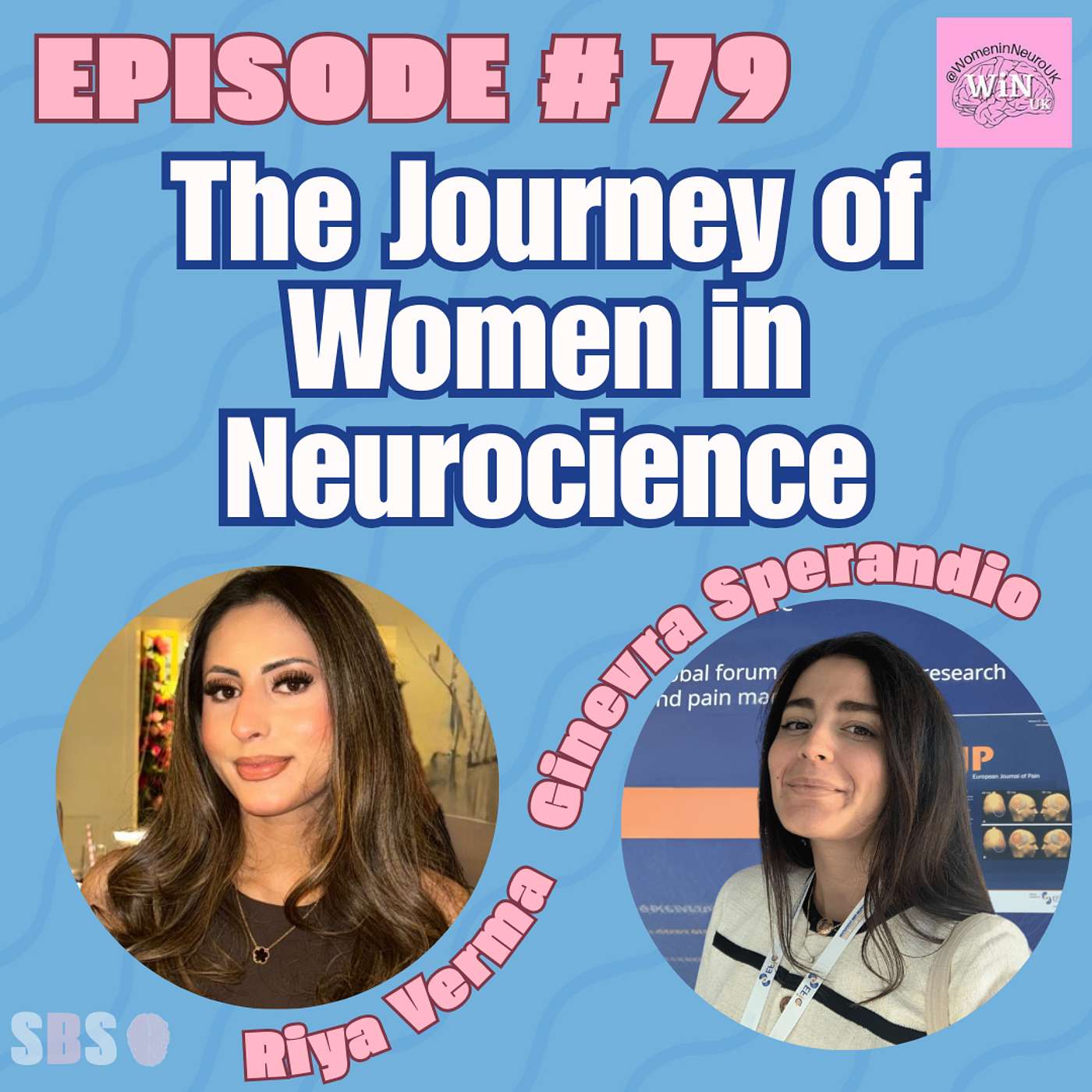
This episode features two members of Women in Neuroscience UK, Ginevra Sperandio and Riya Verma, discussing their journeys into neuroscience, the importance of women's health research, and the mission of their organization. They explore the challenges faced by women in neuroscience, the need for better representation, and the significance of patient voices in research. The discussion also highlights innovative ideas for future research and how individuals can get involved with Women in Neuros...

Dr. Zoe Swithenbank, a senior research associate at Lancaster University, delves into her work at the intersection of mental health, addiction, and public health. Zoe's research focuses on treatment pathways for individuals with alcohol use and mental health challenges. She highlights the structural barriers in accessing care and the need for long-term support in smoking cessation, which is often not included in core treatment services. Zoe advocates for a more integrated approach to addictio...

Dr. Ellie Rukuwai of Victoria University of Wellington, discusses her research on perfectionism and self-injury within the Māori community, exploring how cultural perspectives shape these experiences. She emphasizes the importance of understanding perfectionism not just as a psychological construct but as a culturally bound experience that can differ significantly from Western definitions. The discussion also touches on the impact of colonization on Māori identity, the challenges of mental he...
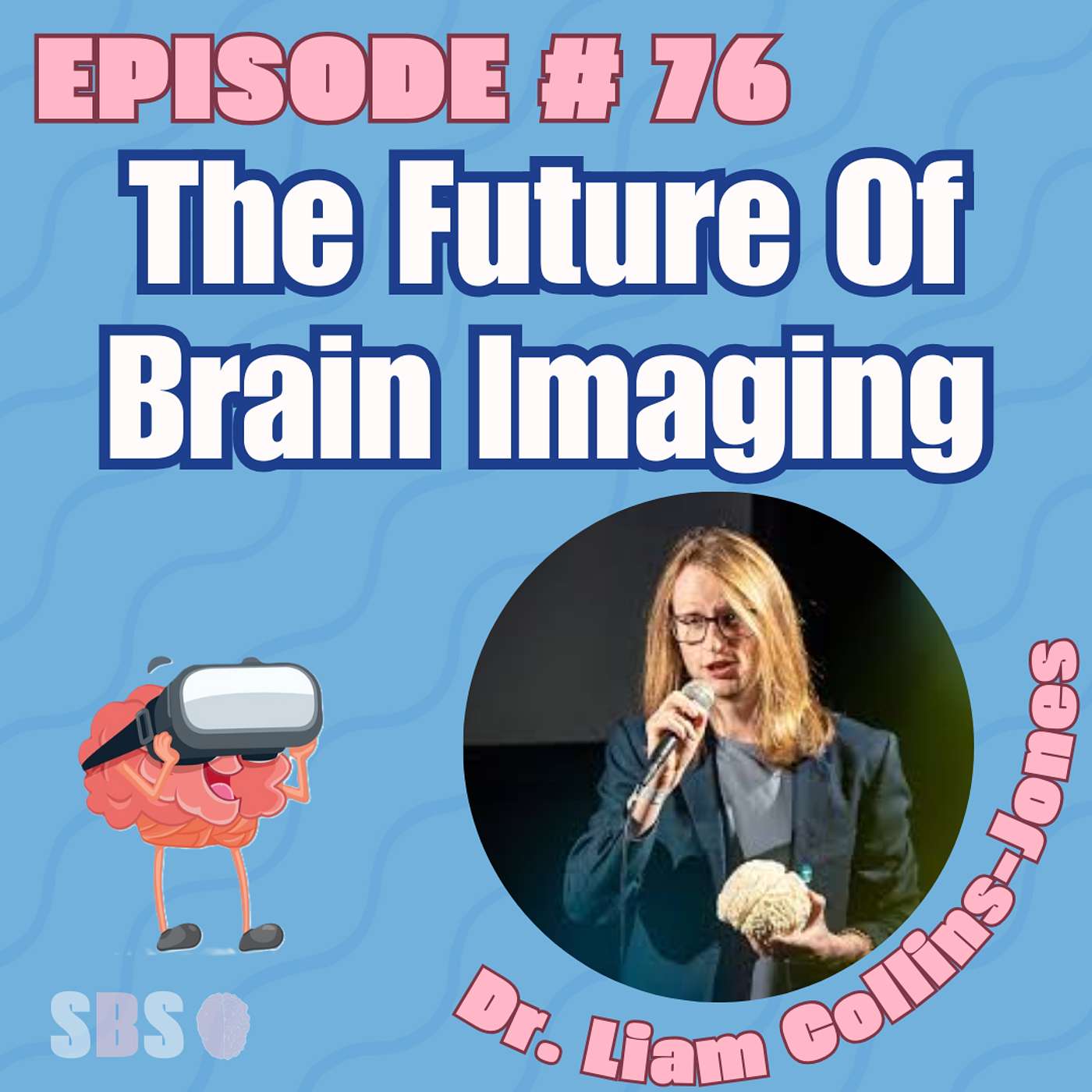
Dr. Liam Collins-Jones of University of Cambridge shares his journey from studying medicine to becoming a neuroscientist and comedian. He discusses innovative brain imaging techniques, particularly near infrared spectroscopy, and their applications in understanding brain activity in babies and dementia patients. The podcast explores the intersection of science and humor, emphasizing the importance of making science accessible and enjoyable. Liam also reflects on the challenges of research, th...

Dr. Jonathan Howard, neurologist and psychiatrist at NYU Langone and chief of the neurology service at Bellevue Hospital, discusses his dual origin stories. The first as a medical professional and his experiences treating multiple sclerosis and other neuro-immune diseases. The second, understanding the dangers of misinformation in medicine, particularly during the COVID-19 pandemic which he doccuments across two books "We want them infected" and "Everyone Else is Lying to you". Dr. Howard ref...

Dr. Kate Slade, Lecturer and Researcher at Lancaster University, discusses her research on the intersection of hearing loss, aging, and cognition. She explores how hearing loss affects mental health and wellbeing, particularly in older adults, and the implications of health inequalities on hearing outcomes. The conversation also delves into the impact of COVID-19 on hearing and cognition, as well as common misconceptions about hearing loss and its relationship to cognitive decline. We delve i...

Dive into the fascinating world of pain research with Arnas Tamasauskas, a PhD student at the University of Liverpool. Explore the mysteries of neuropathic pain, genetic quirks which lead to some people feeling no pain, and the use of MRI and interviews in understanding chronic pain and invisible disabilities. Join us for an enlightening conversation on the Smooth Brain Society podcast. Support the show Support us and reach out! https://smoothbrainsociety.com https://www.patreon.com/SmoothBra...

Comments

Download from Google Play

Download from App Store
 United States