


 Claim Ownership
The ECTRIMS Podcast
Subscribed: 31Played: 410
Subscribe

© 2022
Description
The ECTRIMS Podcast is a sounding board for MS experts & advocates to discuss innovative work in MS research, treatment and care with the greater MS research community, while offering a collaborative platform for MS and healthcare experts to promote & nurture the advancement of research.
72 Episodes
Reverse
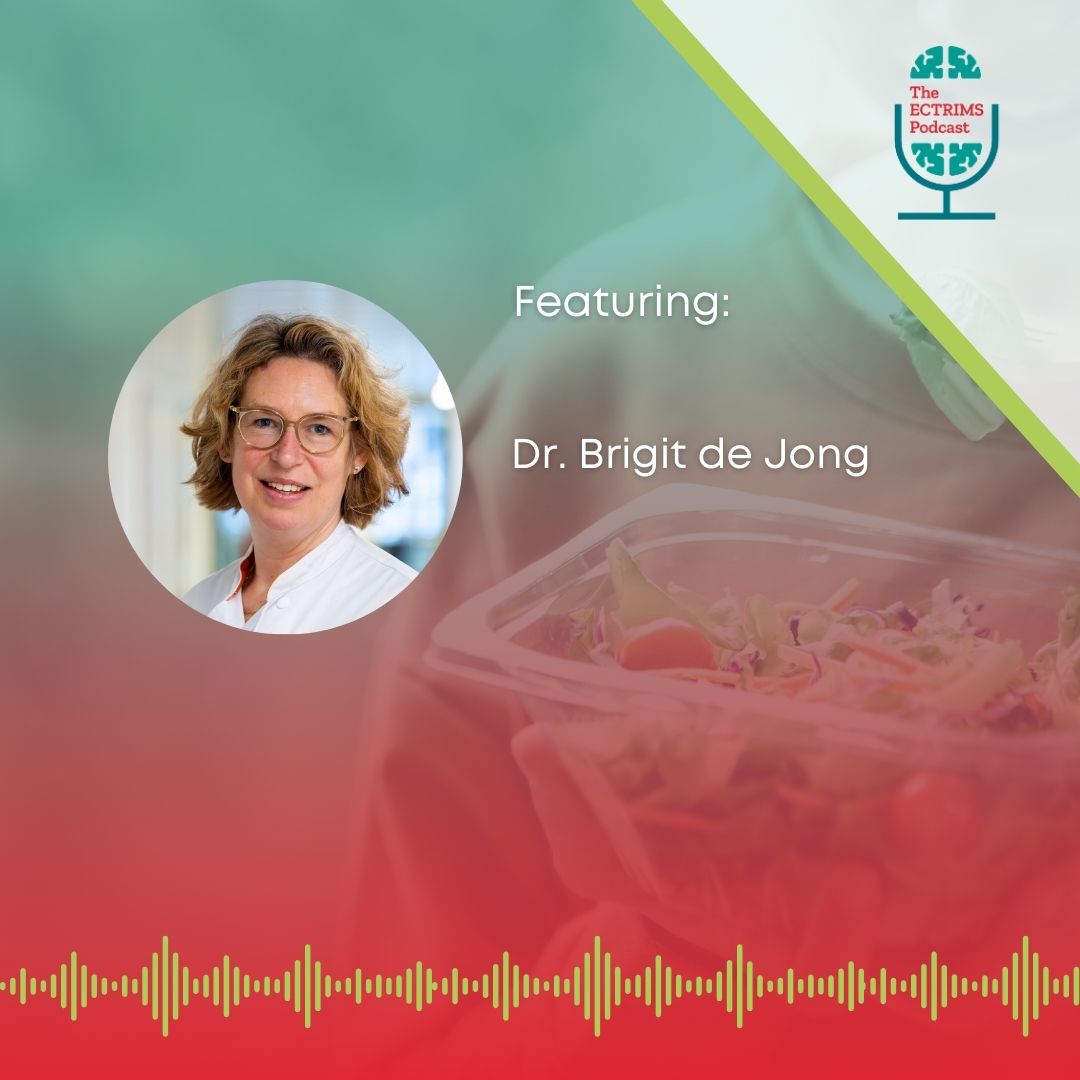
What do the latest research findings tell us about the role diet can play in the management of multiple sclerosis (MS)? How should neurologists talk about diet with their patients? While people living with MS may view their food choices as a way to exert some control over the disease, the concept of an "ideal diet" remains hotly contested. Dr. Brigit de Jong, Neurologist at MS Center Amsterdam, investigates non-pharmacological interventions, including diet, that determine the clinical outcome and pathogenesis of MS. She joins host Brett Drummond of MSTranslate to discuss the latest evidence on dietary modifications and how they should be communicated and implemented by neurologists.
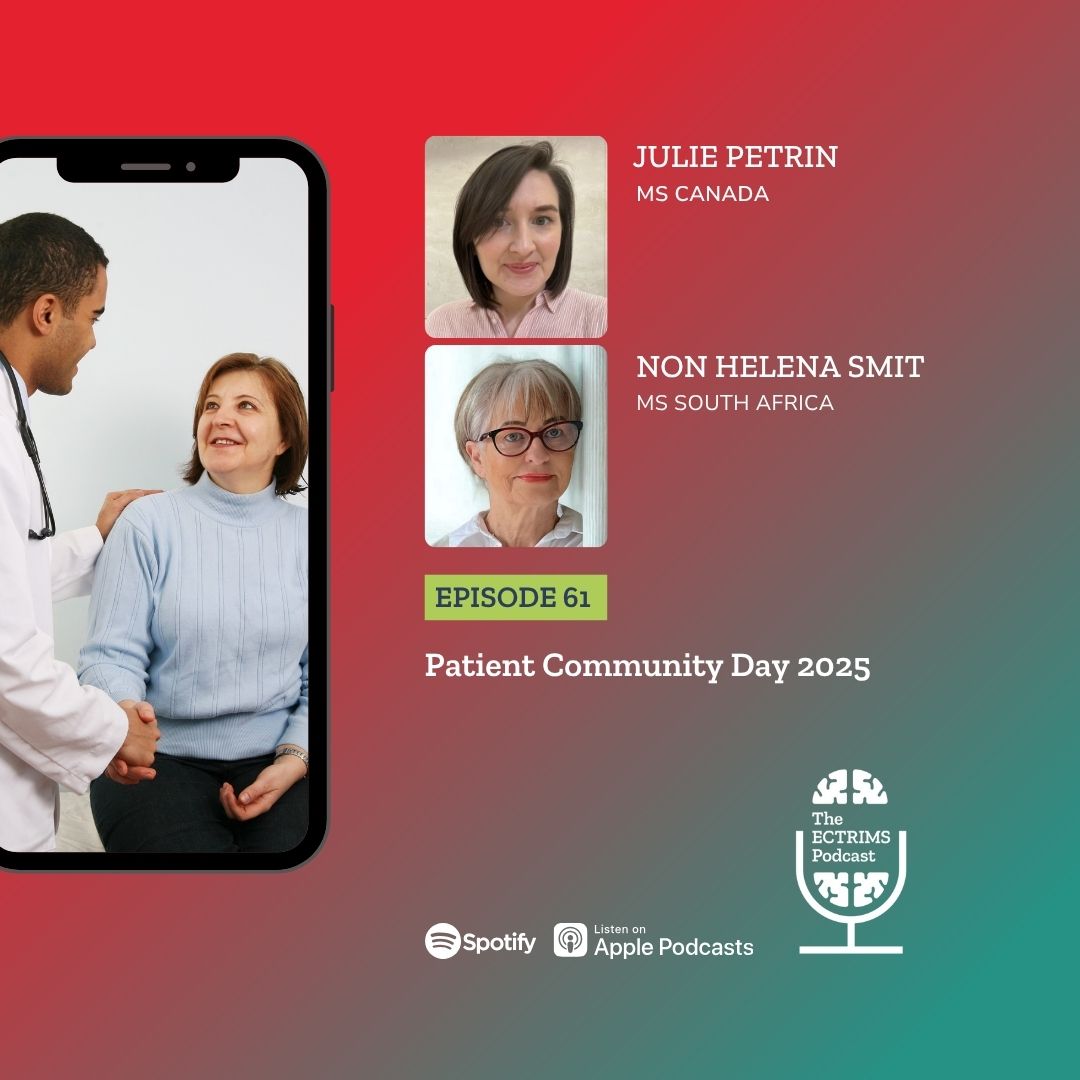
Patient Community Day 2025 set a new attendance record, highlighting the growing desire among people living with MS to connect with experts leading the charge in understanding the disease and advancing effective treatments. After the event wrapped up in Barcelona, host Brett Drummond caught up with Julie Petrin, Director of Impact and Evaluation at MS Canada and a person living with MS, and Non Helena Smit, CEO of MS South Africa, to reflect on key takeaways and share what they're looking forward to at next year's event in Toronto.
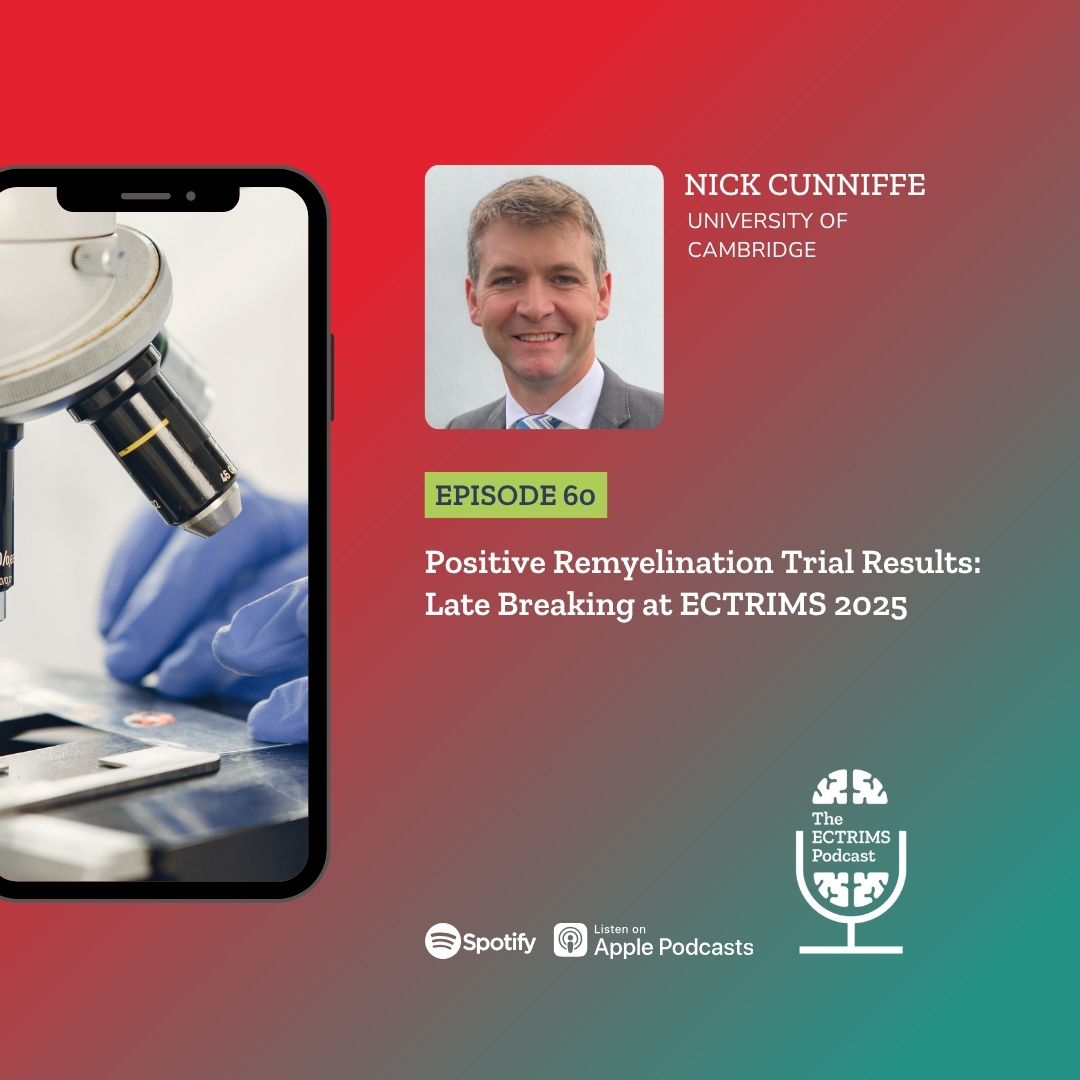
At the late breaking abstracts session at ECTRIMS 2025 in Barcelona, the CCMR-Two trial revealed promising results for myelin repair in MS using the diabetes drug metformin and the antihistamine clemastine. Straight from his presentation, trial lead Dr. Nick Cunniffe of the University of Cambridge sat down with host Brett Drummond of MStranslate to discuss the full results of CCMR-Two, our current understanding of myelin repair biology, and the next steps for remyelination clinical trials and potential future MS therapies.
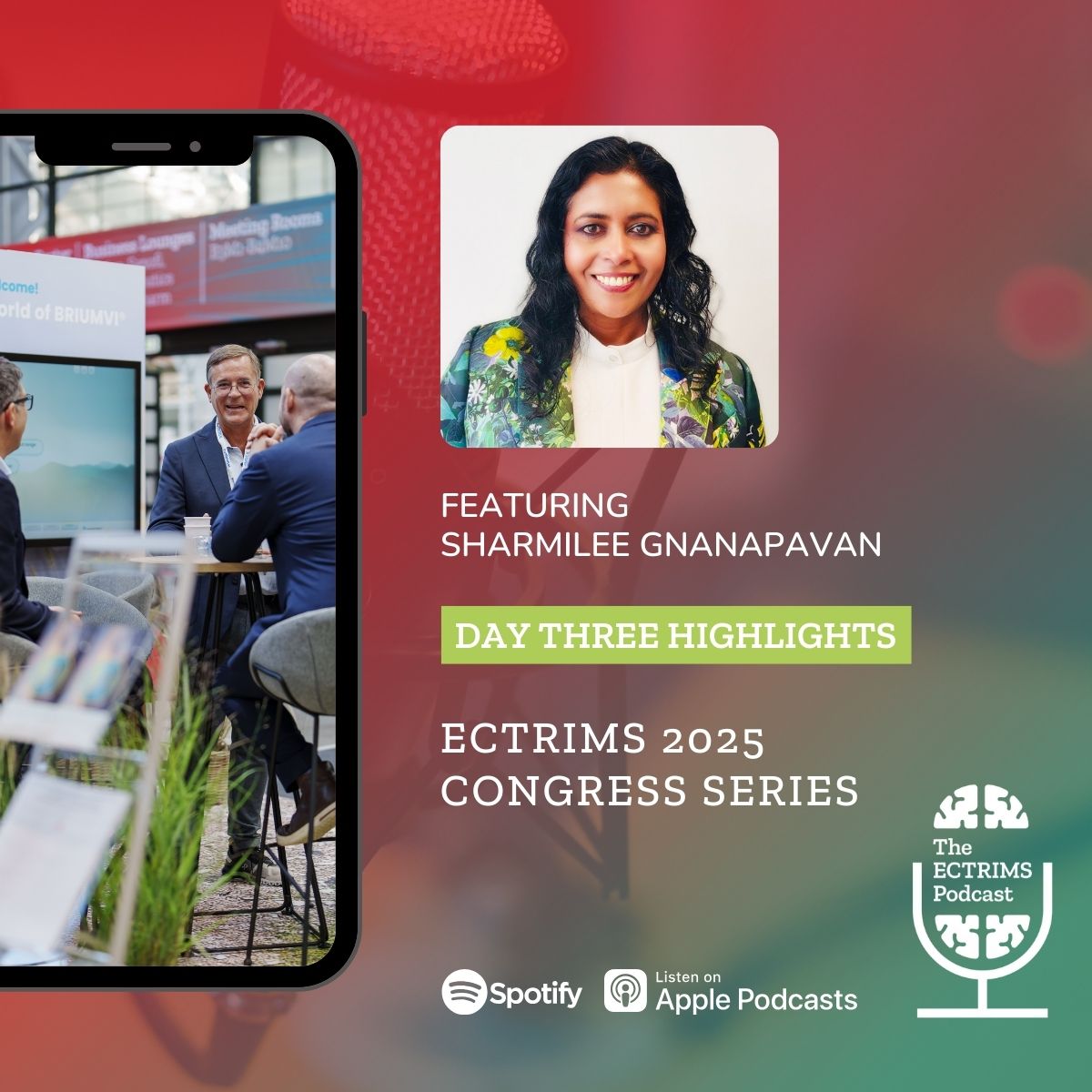
On the final day of ECTRIMS 2025 in Barcelona, the spotlight turned to MS treatment, including long-awaited clinical trial results. Dr. Sharmilee Gnanapavan, Consultant Neurologist at Barts Health and Princess Alexandra Hospital NHS Trust (UK), joins host Brett Drummond to reflect on key takeaways from the 41st Congress and what the MS community might look forward to at MSToronto 2026.
Dr. Barry Singer, Director and Founder of The MS Center for Innovations in Care, joins host Brett Drummond to discuss the key takeaways unveiled on the second day of ECTRIMS 2025 in Barcelona.
The 41st Congress of ECTRIMS opened in Barcelona with Professor Maria Pia Amato of the University of Florence delivering the ECTRIMS Lecture. In this conversation with host Brett Drummond, she highlights the key takeaways from Day One of ECTRIMS 2025 and shares insights on cognition and what's shaping the future of multiple sclerosis research and care.
Direct from Barcelona, listen to Alvaro Cobo Calvo from the Multiple Sclerosis Center of Catalonia (Cemcat) and host Brett Drummond discuss the highlights of ECTRIMS 2025 Pre-Day, which is focused on specialised topics in MS and related neuroinflammatory autoimmune diseases such as MOGAD and NMOSD.

The 2024 Revisions of the McDonald Diagnostic Criteria for MS have been published in The Lancet Neurology. What do these changes mean for clinical practice? In this episode, we are joined by two authors of the paper: Prof. Xavier Montalban, Chair of the International Advisory Committee on Clinical Trials in MS (IACCTMS), and Dr. Jiwon Oh of the University of Toronto. Together with host Brett Drummond of MStranslate, they discuss the significance of the updates, how these changes could expedite diagnosis and reduce misdiagnosis, and what they mean for the future of MS care globally. Reference: Montalban, X. et al. Diagnosis of multiple sclerosis: 2024 revisions of the McDonald criteria. Lancet Neurol. https://doi.org/10.1016/S1474-4422(25)00270-4 (2025).
Genetics not only influence the risk of developing multiple sclerosis (MS), but also affect how the disease progresses and how patients respond to different treatments. Professor Philip De Jager, Chief of Neuroimmunology at Columbia University Irving Medical Center joins host Brett Drummond of MStranslate to discuss recent discoveries in MS genetics. They explore what these findings mean for patients and their families, and how these could shape primary prevention and personalised therapies for MS.
Patient-reported outcomes (PROs) have become a critical tool for capturing the lived experience of multiple sclerosis (MS), offering a perspective that extends beyond traditional clinical and imaging metrics. As research increasingly prioritises real-world relevance and individualised care, PROs provide valuable insights into symptoms such as fatigue, mood changes, and cognitive decline—factors that often evade objective measurement but have a profound impact on quality of life. Professor Jan Hillert of Karolinska Institute in Sweden and chair of the Swedish MS Registry joins host Brett Drummond of MStranslate to discuss how patient reported data are being integrated into clinical trial design and observational studies. They also explore current limitations to their use and highlight best practices for validation and interpretation.

Biomarkers are one of the most exciting and fast-evolving areas in multiple sclerosis research, offering promise for earlier diagnosis, accurate prognosis, and truly personalised treatment. Yet despite their potential, there is still significant debate that limits their widespread application in clinical and research settings. In this episode, host Brett Drummond is joined by two leading voices in this field, Professor Charlotte Teunissen of Amsterdam UMC in The Netherlands and Associate Professor Michael Khalil of Medical University of Graz in Austria to explore the most promising biomarker candidates and when and how they might be implemented.
Autologous haematopoietic stem cell transplantation (AHSCT) has gained considerable attention in recent years as a treatment option for multiple sclerosis (MS). As long-term clinical trial data on AHSCT continues to grow, there is increasing debate about where it fits in the current MS therapeutic landscape. Dr. Joachim Burman, Neurologist and Associate Professor at Uppsala University in Sweden, and Dr. Jennifer Massey, Neurologist at St. Vincent's Hospital and a Senior Lecturer at the University of New South Wales in Australia, discuss the latest research and insights on this hot topic with host Brett Drummond of MStranslate.
The rise of multiple sclerosis (MS) registries worldwide has transformed MS research, providing access to vast clinical data spanning years. This development also triggers critical conversations about how best to use real-world data to answer questions over the treatment of people with MS and the potential shift towards personalised medicine. In this episode, guests Professor Tomas Kalincik, Head of the Clinical Outcomes Research (CORe) Unit at the University of Melbourne and the MS Centre at the Royal Melbourne Hospital in Australia, and Maria Pia Sormani, Professor of Biostatistics at the University of Genoa in Italy, share their expert insights on harnessing real-world data with host Brett Drummond of MStranslate.

Fatigue is a common symptom of multiple sclerosis, significantly impacting the quality of life of people living with the disease. In this episode, Dr. Anne-Laure Dubessy of Hôpital Pitié-Salpêtrière in Paris and Professor Iris-Katharina Penner of the University Hospital of Bern in Switzerland join host Brett Drummond of MSTranslate to discuss the causes of MS-related fatigue, strategies for managing it, and the latest research developments in this area.
Nearly three million people worldwide are living with multiple sclerosis (MS), affecting individuals from diverse geographical, ethnic, racial, and socio-economic backgrounds. This diversity raises important questions about how these factors may influence the experiences and outcomes of those with MS, as well as whether research studies and clinical trials have sufficiently addressed this variability. To answer these questions and more, host Brett Drummond of MSTranslate speaks with two leading researchers in this field: Dr. Léorah Freeman, assistant professor at the Dell Medical School Department of Neurology, The University of Texas at Austin; and Dr. Lilyana Amezcua, Associate Professor of Clinical Neurology at the University of Southern California's Keck School of Medicine.
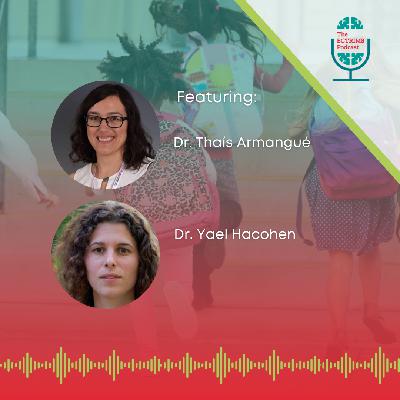
While paediatric onset multiple sclerosis is relatively rare, it presents unique challenges. Extensive research efforts are taking place around the world to better understand the disease mechanism of paediatric MS and the similarities and differences that exist with adult onset MS to help determine the best treatment options for children and adolescents. In this episode, host Brett Drummond of MSTranslate explores the topic with Dr. Yael Hacohen of Great Ormond Street Hospital for Children and UCL Institute of Neurology in the UK and Dr. Thaís Armangué of SJD Barcelona Children's Hospital in Spain.
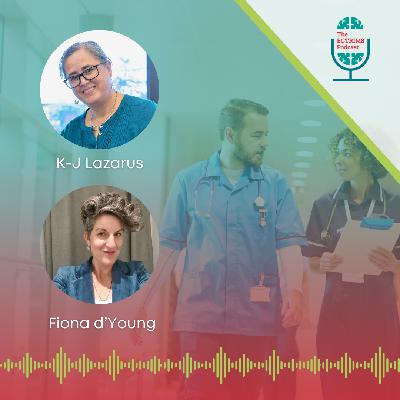
Nurses play a specialised and unique role in the journey of people living with multiple sclerosis (MS). At ECTRIMS 2024, MS nurses showcased their experiences and insights into how to effectively support patients. In this episode, host Brett Drummond of MSTranslate talks with veteran MS nurses K-J Lazarus of Austin Health in Australia and Fiona d'Young of the Auckland Hospital in New Zealand.

The Patient Community Day of ECTRIMS 2024 brought together people living with multiple sclerosis (MS), medical professionals, researchers, and advocates in two interactive sessions. They explored the forefront of MS research and treatment, focusing on groundbreaking topics like remyelination and myelin repair. They disussed promising new therapies that could revolutionise patient care, along with practical lifestyle changes and effective symptom management strategies. In Part II of our Patient Community Day episode, host Brett Drummond of MSTranslate talks to Sumaira Ahmed and Trevis Gleason, who are living with NMOSD and MS, respectively, about their experience attending the event.
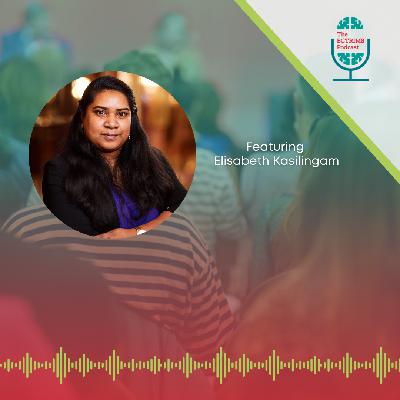
The Patient Community Day of ECTRIMS 2024 brought together people living with multiple sclerosis (MS), medical professionals, researchers, and advocates in two interactive sessions. They explored the forefront of MS research and treatment, focusing on groundbreaking topics like remyelination and myelin repair. They disussed promising new therapies that could revolutionise patient care, along with practical lifestyle changes and effective symptom management strategies. In Part 1 of our Patient Community Day episode, Elisabeth Kasilingam, Chief Executive Officer of the European Multiple Sclerosis Platform (EMSP) and Vice President of the European Patients' Forum, talks with host Brett Drummond of MSTranslate about bridging the gap between patients, clinicians, and the scientific community.
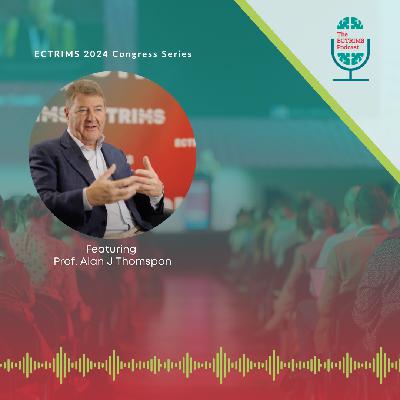
Former ECTRIMS President and MS Journal Editor-in-Chief Alan Thompson and host Brett Drummond wrap up the last day of ECTRIMS 2024 with their final thoughts and insights.

Comments

Download from Google Play

Download from App Store
 United States