



 Claim Ownership
CXOInsights by CXOCIETY
Subscribed: 4Played: 136
Subscribe

© 2026 CXOInsights by CXOCIETY
Description
CXOCIETY (read "society") is the platform for senior business, technology, finance and operations executives to discuss, share and discover the latest in technology, process and people innovation."CXOInsights" by CXOCIETY is the repository of shared insights and experiences by the best, brightest and most experienced professionals globally. Subscribe to "CXOInsights" by CXOCIETY to keep abreast in the latest in all things innovation.
483 Episodes
Reverse

Over the last several years, successful CFOs have evolved from traditional financial stewards into strategic co-leaders who drive transformation with vision and discipline. In the era of artificial intelligence, they are taking the next step in corporate leadership integrating AI thoughtfully, championing agile practices, building data-driven cultures, and balancing innovation with robust governance to deliver measurable business impact. Divya Kumar exemplifies this new breed of finance leade...

In 2026, APAC CIOs are under intense pressure. GenAI and agentic AI workloads are surging, talent is scarce, and strict data-sovereignty rules are non-negotiable. Yet according to the latest IBM Institute for Business Value research, only 8% of organizations say their current infrastructure fully meets AI needs, just 42–46% believe they can handle advanced models or real-time inferencing at scale, and privacy, security, and compliance remain among the top reasons AI investments fall short. Th...

For year now, Asia's cyber threat landscape has been marked by escalating nation-state attacks and rampant cloud breaches. In 2026, it stands to be transformed by integrating agentic AI for proactive threat detection. This autonomous technology could pre-empt lateral movements, reduce alert fatigue, and enable real-time breach containment, bolstering defences for organisations amid high cloud saturation and sophisticated adversarial tactics. In this PodChats for FutureCISO, we are joine...

Rohit Dhawan, group executive director of Artificial Intelligence at Lloyds Banking Group in the UK, wrote: Agentic AI goes beyond GenAI, enabling autonomous action, workflow orchestration, and real‑time decision-making at scale. He goes on to predict that 2026 marks a turning point as agentic AI moves from experimentation to enterprise-wide deployment across financial services. In this context, CISOs and CIOs in Asia may want to consider prioritising AI-driven identity governance for a...

As of 2025, women represent just 24% of the global cybersecurity workforce, with figures in Asia lagging behind at under 20%—a stark reminder of the persistent gender gap in one of the world’s most critical and fast-evolving sectors. Yet this imbalance also signals immense untapped potential. Across Singapore, India, Japan, and beyond, women professionals are increasingly stepping into roles as threat analysts, chief information security officers, cyber policy advisors, and entrepreneur...

In 2026, Asia's AI landscape is characterised by unparalleled leadership in adoption, with some organisations, like Baidu (China), SenseTime (Hong Kong), Naver Corporation (South Korea) and Grab (Singapore) surpassing global peers in generative AI deployment and employee engagement. Yet, true transformation demands responsibility and sustainability: balancing rapid innovation with robust governance, ethical workforce integration, and scalable strategies that deliver enduring value amidst dive...

Traditional defences fall short in the region's rapidly digitising landscape, with vulnerabilities in cloud, OT, supply chains, and critical sectors like healthcare. For CIOs, CISOs and CROs, the industrialisation of cyber threats requires pivoting to practical defence strategies against industrialised cyber threats that operate like efficient enterprises, powered by AI agents and automated workflows compressing attack lifecycles to minutes. What does a resilience strategy look like? What sho...

In 2026, Sovereign AI is shifting from a compliance burden to a strategic weapon for CIOs in Southeast Asia and Hong Kong. As regional AI regulations mature and data residency rules tighten, CIOs are under pressure to prove not only where AI runs, but who controls it, how it is governed and how decisions can be audited end‑to‑end. Sovereign AI is no longer about ticking data residency boxes—it's about architecting control into every layer of the AI stack. For CIOs and CTOs, 2026 demands...

In 2026, APAC CFOs face a stark reality: AI and cloud expansions are fueling explosive data-driven growth, yet 76% of regional organisations suffered material cyberattacks in the past year. These incidents trigger 90% revenue hits, 89% ransom payments (40% exceeding US$1M), 73% earnings guidance adjustments for public firms, and 74% of private firms diverting growth budgets to recovery. Slow restores (97% >24 hours) and “data icebergs” expose hidden vulnerabilities. Cyber resilience is now...

For 2026, Gartner says CFOs must balance intense cost pressures with strategic growth and AI adoption, focusing on five key actions: improving cost discipline while funding growth, using AI to deliver enterprise-wide savings, identifying high-value AI use cases, developing finance talent with new digital skills, and driving transformation despite constrained budgets. Every CFO wants to back bold AI and automation plans. However, economic volatility brings the question of where to fund AI proj...

In 2025, AI is reshaping the COO’s mandate across Asia, shifting focus from process efficiency to strategic orchestration. According to McKinsey (2024), 68% of APAC operations leaders report AI-driven automation freeing up 20–30% of planning capacity, enabling greater emphasis on resilience and innovation. Accenture highlights that AI-powered predictive operations are now table stakes in manufacturing and logistics hubs like Vietnam and Singapore. However, Gartner cautions that on...

As we approach 2026, the promise of artificial intelligence across Southeast Asia and Hong Kong is palpable, driven in part by aspirations for unparalleled efficiency and innovation. Yet, for AI to truly deliver on this promise for business leaders, a critical threshold of trust and security must be crossed. The emergence of agentic AI—autonomous systems that can act, access data, and execute tasks—represents both the pinnacle of this potential and its greatest peril. With t...
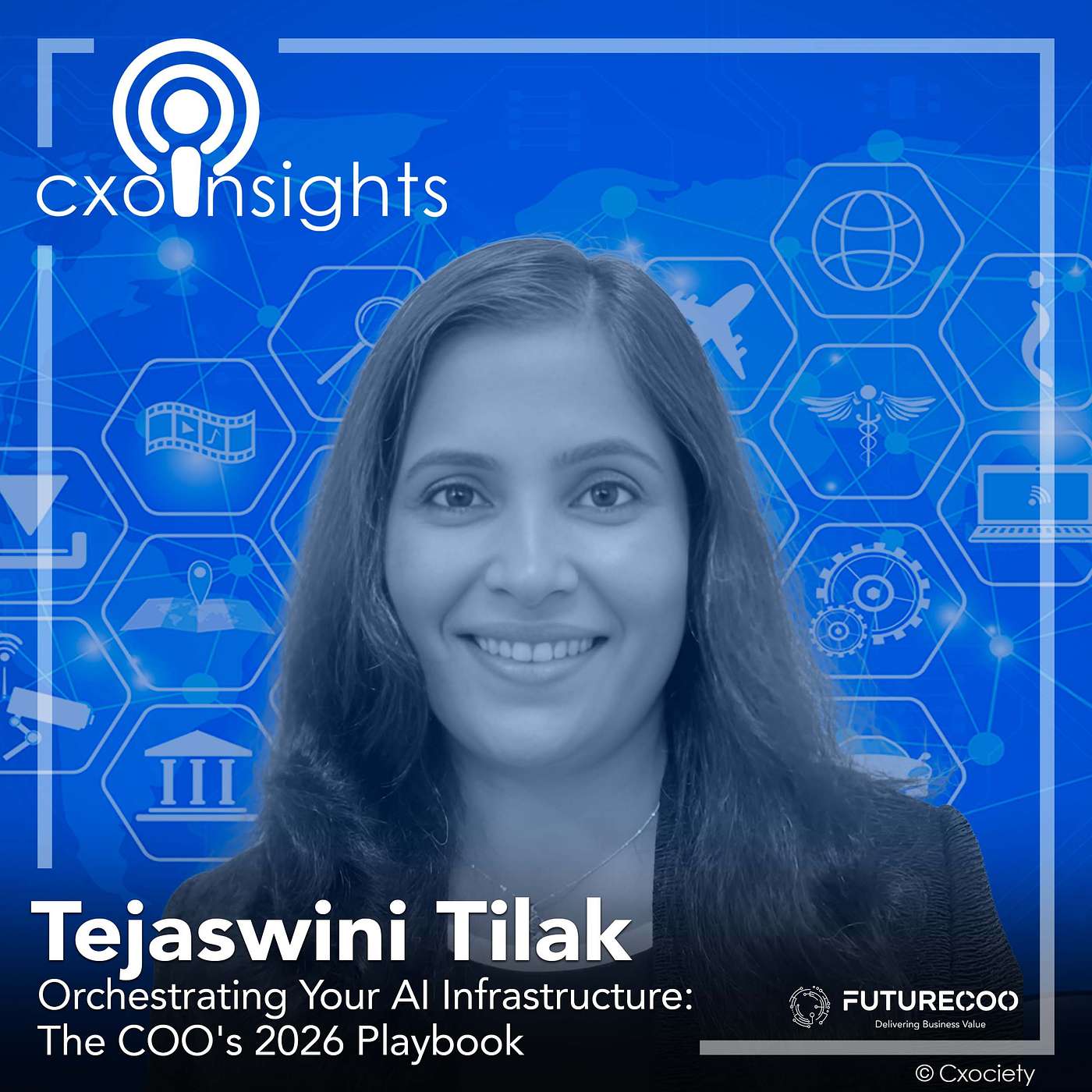
As we move into 2026, AI is no longer a strategic experiment—it’s the engine of operational transformation. Across Asia, COOs are stepping beyond traditional oversight roles to become chief orchestrators of AI infrastructure: the complex, dynamic backbone that powers everything from real-time customer insights to autonomous supply chains. But what does it truly mean to build “AI-ready” infrastructure in a region defined by rapid innovation, diverse regulatory regimes, and intensifying p...
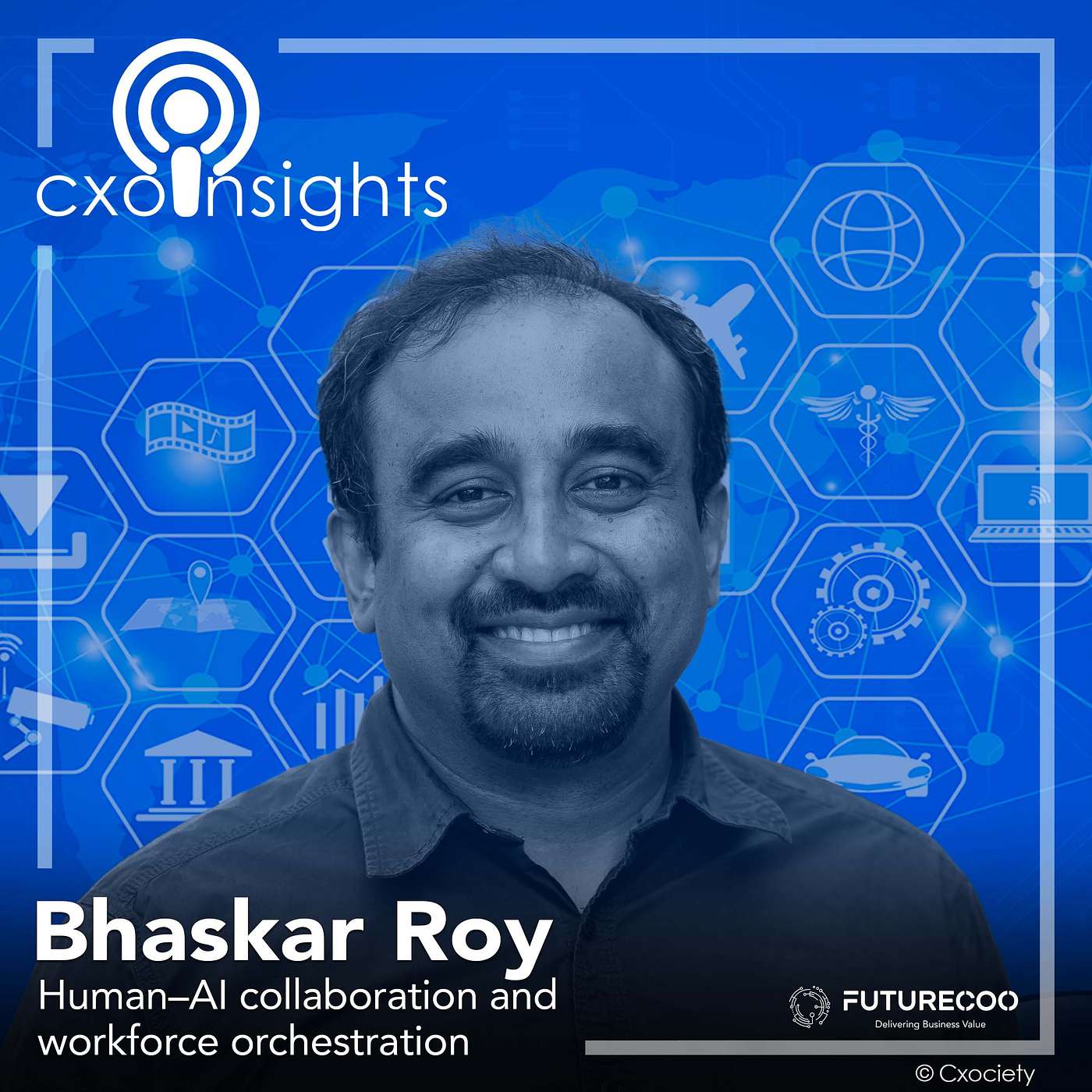
For the modern COO, the future of operational excellence in Asia hinges on perfecting human–AI collaboration and workforce orchestration. This is not about mere automation but about creating a synergistic ecosystem where human intuition and machine intelligence coalesce. In 2026, with Asia's diverse and rapidly evolving labour markets, the ability to orchestrate this new workforce is paramount to driving productivity, innovation, and agility. As a practising COO in the region notes, “Th...

As IoT adoption accelerates and cross-border supply chains deepen, the region faces escalating risks from fragmented regulations, AI-driven malware, and legacy infrastructure gaps. Traditional prevention models are faltering against sophisticated, fast-moving threats. Instead, governments and enterprises are shifting toward containment-first frameworks—rapid isolation of compromised nodes, segmented supply chain networks, and resilient recovery protocols. This reckoning reflects Southeast Asi...
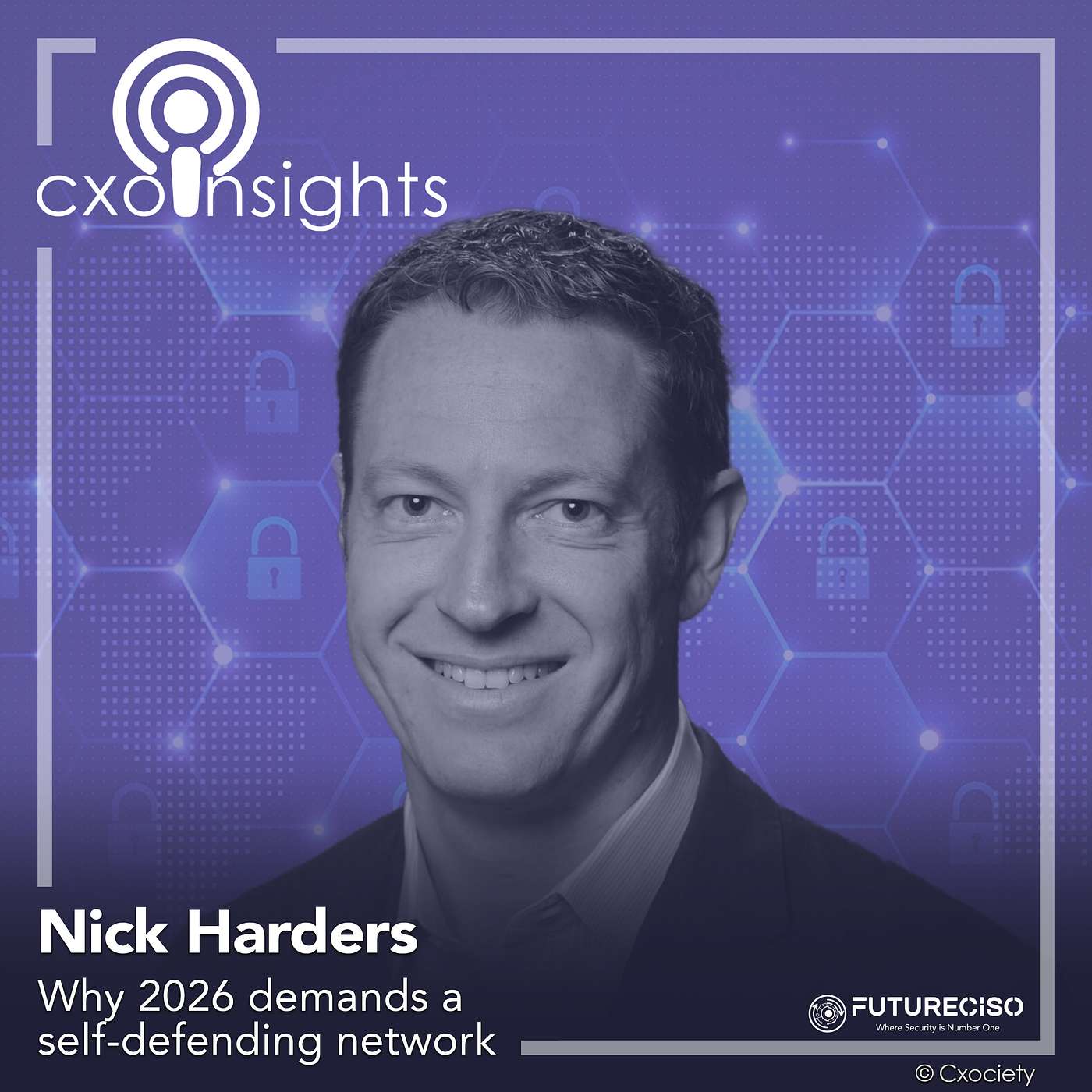
By 2026, the paradigm of network defence is set to undergo its most profound shift. For CISOs and Heads of Networking, the escalating velocity of AI-powered threats is rendering human-scale response obsolete. According to Cybersecurity Ventures, these attacks are projected to cost the world $60 billion annually by 2025, creating pervasive and costly risk. In this landscape, a self-defending network is no longer a futuristic concept but a strategic imperative. It represents the evo...
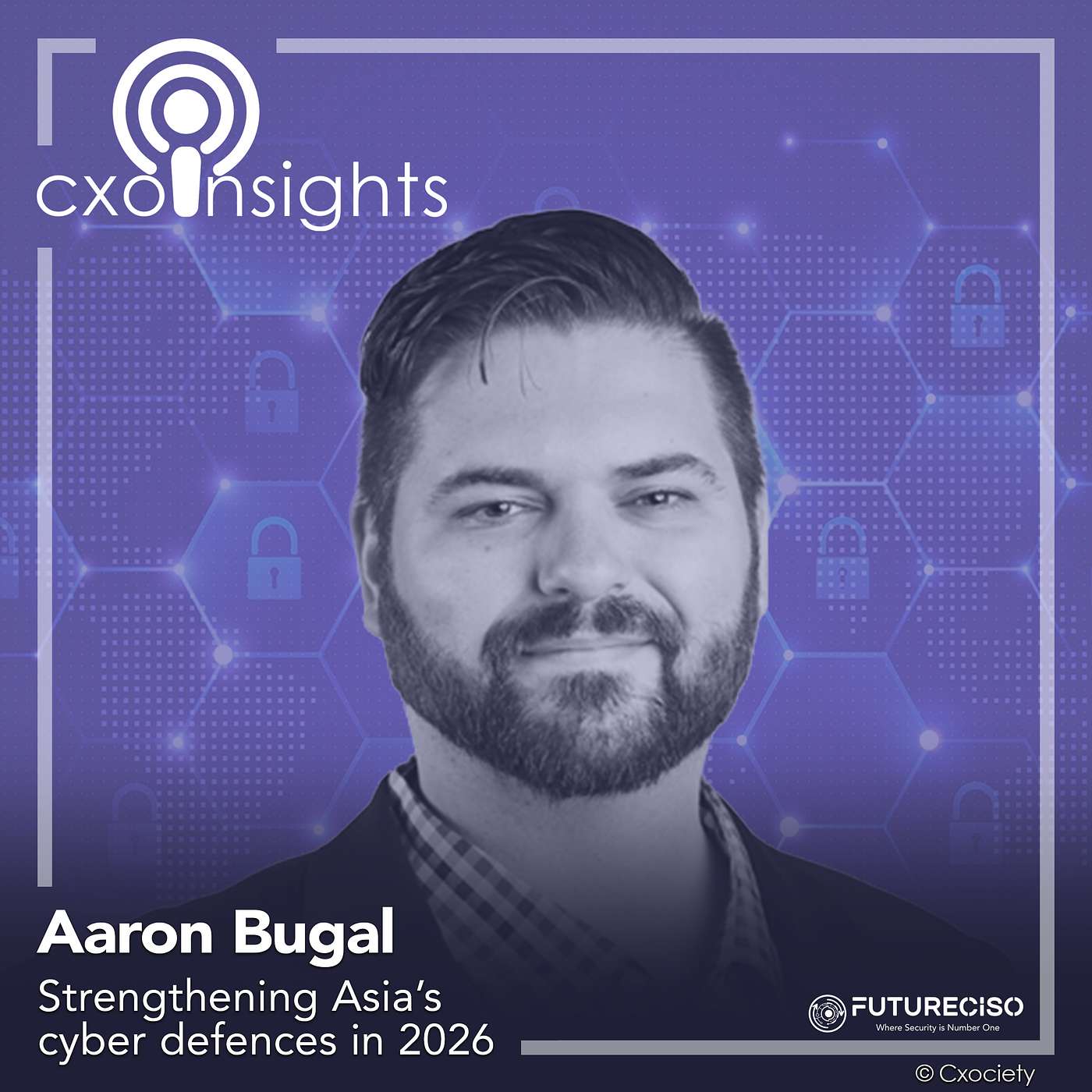
In 2026, governments across Asia grapple with escalating cybersecurity challenges amid rapid digital transformation and geopolitical tensions. AI-powered threats, including sophisticated phishing and deepfakes, pose significant risks, with IDC forecasting that 76.5% of Asia/Pacific enterprises lack confidence in detecting such attacks. Ransomware continues to evolve, targeting critical infrastructure, while supply chain vulnerabilities expose sensitive data—Gartner predicts 45% of globa...
In 2025, Asia's digital economy surges beyond $330 billion in Southeast Asia alone, yet escalating cyber threats loom large for business, finance, and security leaders. SMS fraud is projected to intensify, with over 50% of telecom providers anticipating growth, fuelled by AI-enhanced smishing and artificially inflated traffic costing billions globally. Key concerns include ransomware, supply chain disruptions, and mobile payment scams eroding profitability and customer trust in finance, retai...
The Silent Engine of Digital Resilience: Why Developer Experience Is Now a Boardroom Priority In the boardrooms of Jakarta, Singapore, Tokyo, and Seoul, CIOs are no longer just asking, “How fast can we ship software?” They’re asking, “How sustainably can our developers innovate under mounting pressure—from regulators, customers, and competition?” Across Asia, digital transformation has shifted from optional to existential. But the hidden bottleneck isn’t infrastructure or cloud spend—it’s dev...

The corporate treasury function in Southeast Asia (SEA) and Hong Kong is navigating a complex landscape defined by monetary policy divergence, rapid technological adoption, and evolving regulatory demands. The role is transforming from an operational cost-centre to a strategic value-driver, focusing on resilience, efficiency, and strategic advisory. Key issues for 2026 will be mastering data analytics for decision-making, managing currency volatility in a multi-polar world, and integrat...

Comments

Download from Google Play

Download from App Store
 United States