


 Claim Ownership
Field Notes: An Exploration of Functional Medicine
Subscribed: 17Played: 282
Subscribe

Description
Bringing you the leaders in Functional and Integrative Medicine, Dr. Rob Downey explores the cutting edge protocols and strategies to reclaim health and create a better life, from the inside out.
115 Episodes
Reverse
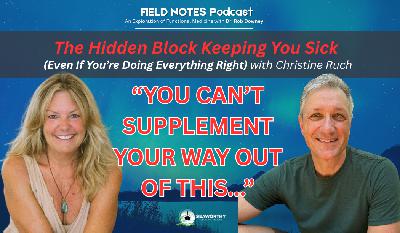
In this powerful episode of Field Notes, Dr. Rob sits down with Christine Ruch to explore one of the most overlooked pieces of true healing: the nervous system. Christine shares her own journey from being diagnosed with MS and doing everything "right" in the world of diet, supplements, and holistic health—yet still getting sicker—until she discovered that deeper healing required more than a perfect protocol. Together, she and Dr. Rob unpack how unresolved stress, trauma, hypervigilance, and emotional suppression can quietly block recovery, and why embodiment, surrender, and nervous system regulation may be the missing link for so many people with chronic illness. This is a deeply hopeful conversation about learning to trust the body's wisdom, slow down, and create the inner safety that allows real healing to unfold. Key takeaways: • Healing is not always about doing more. Sometimes it starts by addressing nervous system dysregulation beneath the surface. • You can eat perfectly, take the right supplements, and still stay stuck if stress and trauma are running the show • Embodiment is not a concept to think about. It is a felt experience of being present in your body and learning to listen to it. • Real healing often requires surrender, allowance, and trust rather than rigid control and constant striving. • One simple starting point: sit with discomfort for 30 seconds at a time and remind yourself, "There is nothing to fix." Learn more about Christine here: https://www.christineruch.com/
This episode of Field Notes, hosted by Nurse Practitioner Heather Moon, explores the often-overlooked intersection between functional medicine and spirituality through a deeply human conversation with hospital chaplain Frank Alioto. Together, they move beyond protocols and lab results to examine how meaning, connection, and presence shape the healing process just as much as biology. Frank shares powerful insights from his work with patients and families in moments of uncertainty, emphasizing that true care isn't about having the right answers—it's about showing up, asking the right questions, and honoring what matters most to each person. The conversation reveals that healing is not simply the absence of disease, but a holistic experience that includes emotional, relational, and spiritual well-being—and that sometimes, the most profound intervention is simply being present. Key Takeaways: • Healing is multidimensional—true wellness includes physical, emotional, relational, and spiritual health. • The question "What matters most to you right now?" often reveals deeper needs than symptoms alone. • Presence—not just treatment—is one of the most powerful forms of care in both medicine and life. • Spiritual distress and unresolved emotional issues can manifest physically and impact long-term health. • Illness can be both something to address clinically and a catalyst for deeper reflection, growth, and meaning.
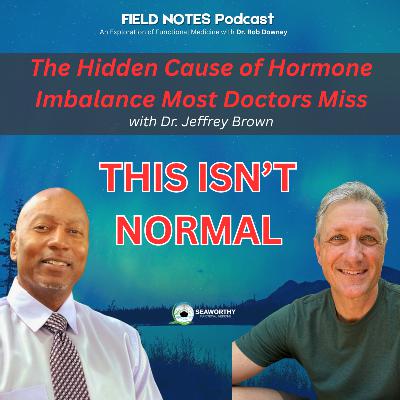
In this powerful Field Notes episode, Dr. Rob Downey sits down with Dr. Jeff Brown to unpack a topic that far too many women have been told to simply endure: painful periods, hormone imbalance, and the deeper systemic issues driving their symptoms. Dr. Brown shares his journey from conventional medicine into functional and regenerative care, explaining why he became frustrated with symptom management and was drawn to a root-cause approach that actually helps people heal. Together, they explore why women are so often dismissed in traditional medical settings, why common does not mean normal when it comes to menstrual pain, and how conditions like endometriosis can dramatically improve when the body is supported through better testing, nutrition, stress reduction, gut healing, detoxification, and properly balanced hormones. It's an eye-opening conversation that offers both validation and hope for women who are tired of being told to "push through" symptoms that deserve real attention. Learn more about Dr. Brown here: http://hormonehealthwithdrbrown.com Painful periods are common, but they are not normal and should be seen as a sign that something deeper needs to be addressed. Dr. Brown explains why many women feel dismissed in conventional medicine, especially in rushed, insurance-based models that leave little room for complex root-cause care. Proper hormone testing matters, and timing is key—especially testing during the luteal phase to better understand estrogen, progesterone, and testosterone balance. Healing often requires a whole-body approach, including gut health, inflammation reduction, detoxification support, movement, and nervous system regulation. Dr. Brown shares a transformative endometriosis case that shows how powerful the right functional approach can be in restoring hope, balance, and quality of life.
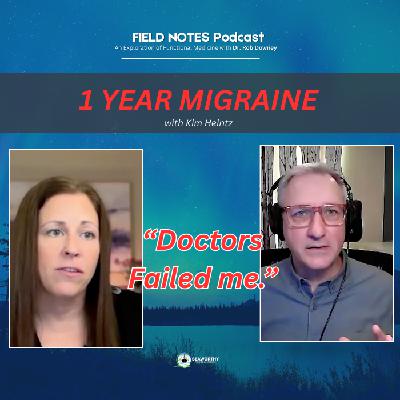
In this episode of Field Notes, Dr. Rob sits down with functional health practitioner Kim Heintz to explore the long and frustrating journey that led her from chronic illness to vibrant health. Kim shares how debilitating migraines that began in childhood eventually spiraled into anxiety, fatigue, brain fog, and digestive issues—symptoms that conventional medicine struggled to explain or resolve. After being told she might simply have to live with these problems, Kim began digging deeper and discovered the power of functional medicine testing, root-cause investigation, and lifestyle changes. Together, Kim and Dr. Rob discuss how hidden stressors—ranging from gut dysfunction and food sensitivities to mineral imbalances and environmental stress—can quietly accumulate until the body reaches a breaking point. Kim's story offers both a cautionary tale about ignoring subtle health signals and an empowering reminder that when we identify and address the real drivers of illness, meaningful healing is possible. Learn more about Kim here: https://www.kimheintz.com/ Key Takeaways • Chronic symptoms often have deeper root causes. Migraines, fatigue, anxiety, and digestive issues are frequently connected through underlying imbalances rather than being isolated problems. • The "bucket theory" explains symptom overload. When stressors like poor diet, toxins, infections, and emotional stress pile up, the body eventually reaches a tipping point where symptoms appear. • Functional testing can reveal hidden drivers of illness. Tools like GI testing and mineral analysis can uncover imbalances that traditional labs often miss. • Gut health plays a central role in whole-body wellness. Many chronic symptoms—from migraines to mood changes—can be linked back to gut dysfunction and inflammation. • Small foundational habits can create big health shifts. Hydration, mineral balance, diet changes, and stress management can dramatically reduce symptom burden when applied consistently.

In this Field Notes conversation, Dr. Rob Downey sits down with speech-language pathologist and holistic feeding specialist, Lena Livinsky to reframe "picky eating" as a whole-body, whole-family issue—less about willpower or "bad behavior," and more about safety, biology, skills, and environment. Lena shares how conventional feeding therapy often over-focuses on behavior, and how working through her own child's selective eating helped her connect the dots: when a child's nervous system is dysregulated or their gut and sensory systems are off, eating can feel threatening, not nourishing. She introduces her BLOOM Framework—rooted in connection—to help caregivers zoom out, identify the real bottleneck, and create steady, realistic shifts that help kids feel safe enough to explore food again. Learn more about Lene here: https://lenalivinsky.com/ Key takeaways • Connection and nervous system regulation are the "root" of progress—kids can't "rest and digest" when they don't feel safe. • "Picky eating" is often better understood as selective eating with underlying drivers (discomfort, sensory load, stress, gut imbalance). • Lena's BLOOM Framework maps the core levers: Balanced health, Learned oral skills, Optimal microbiome, Open exploration, Mealtime boundaries. • You can do a lot at home before (or alongside) extensive testing: simplify gut disruptors, support circadian/light hygiene, and create low-pressure exposure to food. If something feels off (limited foods, gagging/choking, food pocketing), trust your gut and seek the right-fit, interdisciplinary support—small changes, started early or late, can still move the needle. If you have a child (or grandchild) in your life who struggles at the dinner table… this conversation might change how you see everything.
In this episode of Field Notes, Dr. Rob Downey sits down with integrative psychiatric provider Dr. Josh Waddell to unpack mental health through a functional medicine lens—moving beyond symptom labels and "chemical imbalance" shortcuts to ask what's actually driving anxiety, depression, and emotional instability in the first place. Dr. Waddell lays out a clear roadmap for understanding mental illness as a progression—from real-world triggers to cellular/mitochondrial disruption to downstream neurotransmitter changes—then introduces his practical "Four Pillars" framework (Body, Mind, Spirit, Environment) to help people pinpoint where their system is wobbling and what to address first. The conversation is equal parts compassionate and actionable, emphasizing that mental health struggles are not a character flaw, that healing is often about restoring stability in the right pillar(s), and that the best plan is the one that meets you where you are—sometimes including medication as a bridge so deeper root-cause work can actually stick. Learn more about Dr. Josh Waddell here: http://www.arukahwell.co 5 Key Takeaways Mental health symptoms often follow a progression: triggers → mitochondrial/cellular dysfunction → neurotransmitter changes, so "root cause" usually sits upstream of brain chemicals. The Four Pillars (Body, Mind, Spirit, Environment) offer a simple way to identify what's most off—and why progress can stall when you're only focusing on one area. You can't out-supplement a toxic context: chronic stress, unhealthy relationships, burnout jobs, or constant distressing media exposure can keep the nervous system stuck. A timeline exercise (mapping life events, illnesses, stressors, and turning points) can reveal the earliest catalyst and clarify where to start. Supplements can help, but basics matter: food-first, third-party testing, avoid vague proprietary blends, and match herbs/supports to your symptom pattern—not trends.
In this episode of Field Notes, Dr. Rob Downey sits down with Dr. Jen Mann to talk about one of the most frustrating (and common) experiences in modern health care: the "mystery illness" — the symptoms that don't fit neatly into a diagnosis, and the exhaustion that comes from chasing answers. Instead of defaulting to more tests, more protocols, or another "perfect stack," Dr. Jen invites a different starting point: your body already has information — and learning to listen is part of the medicine. Together, they explore how healing can be both science and art… and how true recovery often begins when we shift from "fixing what's broken" to cultivating more aliveness. Along the way, Dr. Rob shares how many patients get stuck in the pressure to "figure it out," and why the relief sometimes comes not from finally getting a label — but from rebuilding trust in your own internal guidance, regulating your nervous system, and finding support that makes the journey feel human again. Learn more about Dr. Jen here: http://novawellnessmed.com Key Takeaways Healing is both science and art. Tests and protocols can help, but they're most powerful when paired with presence, self-compassion, and deeper listening. Mystery illness can be a doorway, not a life sentence. Reframing symptoms as signals (instead of personal failures) reduces suffering and opens curiosity and growth. You are the primary agent in your healing. Doctors, supplements, AI, and tools can support you — but your relationship with your body is the foundation. Rigid wellness routines can become another form of stress. Hustle culture can sneak into "health" and keep the nervous system stuck in fight-or-flight. Regulation + connection accelerate recovery. Nervous system practices (done in ways you enjoy) and healing in community/partnership can fast-track progress and reduce overwhelm.
In this powerful episode of Field Notes—hosted by Nurse Practitioner Heather Moon—we're joined by Mary Ellen Doty, NP, a pioneer in wilderness medicine and founder of Wilderness Medical Staffing. Mary Ellen shares gripping stories from serving as the sole medical provider in some of the most remote and unforgiving environments on earth, including Bush Alaska, where medicine is practiced not by protocol alone—but with presence, creativity, and deep respect for the human story. Learn more about Mary Ellen here: https://maryellendoty.com/ Her journey reveals a stark contrast between relationship-centered care in extreme settings and the burnout-driven pace of modern corporate medicine, offering timely lessons on resilience, meaning, and what it truly takes to heal both patients and practitioners. Drawing from decades of experience and her upcoming book Medicine at 50 Below, this conversation is a moving reminder that when medicine slows down, humanity shows up—and everyone benefits. Key Takeaways: True healing requires presence and time, not rushed, transactional care Burnout in healthcare is driven more by loss of meaning than lack of money Rotational and boundary-based work models can restore balance for clinicians Harsh environments reveal the importance of community, adaptability, and systems thinking Practicing medicine with purpose benefits patients, providers, and entire communities This episode is a powerful reminder that the future of medicine isn't about doing more—it's about caring deeper. If you've ever felt burned out, disillusioned, or called to a more human way of healing, this conversation will stay with you.
In this deeply moving episode of Field Notes, Dr. Rob Downey sits down with Veronique Ory to explore the powerful intersection of embodiment, trauma, and healing. Veronique shares how lived experiences—especially those shaped by early life, intergenerational trauma, and unexpressed emotion—are stored in the body, influencing our health, behavior, and sense of safety long after the original events have passed. Together, they unpack why healing isn't about "fixing" ourselves, but about creating enough safety to let go, soften old narratives, and reconnect with the body through compassion, curiosity, movement, and presence. Blending wisdom from yoga, somatic work, psychology, and functional medicine, this conversation offers a hopeful, grounded reminder that when we learn to listen to the body—and honor both pain and joy—profound personal and collective transformation becomes possible. Learn more about Veronique here: http://YogaWithVeronique.com Key takeaways: All experience is embodied. Emotions, stress, and trauma don't just live in our thoughts—they are stored in the nervous system, fascia, and tissues, shaping health patterns until they are consciously felt and released. Healing requires safety, not force. We often hold on to old wounds because they once protected us. True healing happens only when the body feels safe enough to let go, not when the mind tries to "fix" or override the process. Suppressed emotions create bigger reactions later. No emotion is inherently bad, but unexpressed feelings tend to surface as overwhelm, illness, or sudden emotional eruptions. Somatic practices allow emotions to move through the body in healthy ways. Forgiveness is about freedom, not approval. Letting go of old stories and grievances isn't about condoning what happened—it's about releasing the emotional charge so it no longer hijacks the body or dictates health outcomes. Small shifts can create paradigm-level change. Gentle, embodied actions—like changing daily habits, slowing down, choosing nourishing movement, or removing inflammatory inputs—can unlock profound transformations in health, agency, and self-trust.
In this Field Notes conversation, Dr. Rob Downey sits down with Dr. Avinish Reddy to explore a powerful but often overlooked truth about longevity: social connection isn't a "nice to have" — it's a biological necessity. While modern health culture fixates on metrics like VO₂ max, glucose, sleep scores, and diet precision, Dr. Reddy explains how meaningful relationships directly shape stress physiology, immune function, metabolic health, and long-term vitality. Drawing from clinical data, neuroscience, and real-world patient outcomes, the episode reframes connection as a measurable driver of healthspan — one that lowers inflammation, stabilizes blood sugar, improves sleep, and reduces mortality risk. The message is simple but profound: optimizing health in isolation is incomplete. Longevity is built in relationship. Key Takeaways Social connection is a core pillar of longevity, with isolation linked to up to a 50% increase in early mortality risk Meaningful relationships lower stress hormones, improve sleep quality, and positively influence glucose and inflammation Simple daily habits (calling loved ones, walking with friends, shared meals) outperform complex protocols when sustained long-term Healthspan depends on integrating social connection with movement, nutrition, and purpose — not tracking metrics alone The benefits of connection compound over decades, making midlife habits critical for long-term resilience and vitality Learn more about Dr. Reddy: https://www.elevatedmedical.com/
Dr. Rob Downey welcomes Benjamin Bressington for a wide-ranging conversation that goes far beyond the mushroom hype cycle and into lived experience, integrity, and true therapeutic potential. Benjamin traces his path into mushrooms through years spent navigating infertility and IVF, where he witnessed firsthand the physical and emotional toll of narrow, protocol-driven medicine. That disillusionment, combined with his own struggle with depression as a high-performing entrepreneur, led him to explore mushrooms as a tool for accessing buried trauma and restoring a sense of vitality that talk therapy alone never unlocked. The discussion then turns practical and deeply educational. Benjamin breaks down why caffeine creates a cycle of "borrowed energy" and crashes, while certain functional mushrooms support the body's natural energy systems more sustainably. He also exposes why many mushroom supplements fail—using clear analogies to explain the difference between fruiting bodies and mycelium, and why extraction methods matter so much. By unpacking spagyric extraction and microdosing concepts, this episode equips listeners to make informed, discerning choices in a rapidly growing (and often misleading) wellness space. Time stamps 01:27–06:19 — Infertility, IVF, and disillusionment with conventional medicine 03:04–04:08 — Depression, trauma, and mushrooms as a catalyst for healing 08:43–10:12 — Caffeine crashes vs. clean, adaptogenic mushroom energy 18:12–24:08 — Fruiting bodies, extraction methods, and why most products fail Key takeaways Caffeine often stimulates fake energy, while mushroom adaptogens support real, sustainable energy production. The therapeutic impact of mushrooms depends heavily on fruiting body sourcing and extraction quality. Many "high-dose" mushroom products are ineffective because they rely on mycelium and weak extraction methods. Ancient practices like spagyric extraction and microdosing offer insights that modern wellness often overlooks. Get your free sample: https://checkout.bareremedy.net/energygummy1?event_id=1ecc8bda-7d0c-4db1-a6e7-850bf586a522
Heather Moon, our wonderful nurse practitioner here at Seaworthy, is taking over as host for this episode of The Field Notes Podcast! She welcomes fellow NP, Marcia Mankin, whose lifelong passion for skin health began on a Wyoming ranch and deepened through profound personal experiences with melanoma in her family. Together, they explore something I wish more people understood: your skin isn't just a surface. It's a living, intelligent messenger—constantly reflecting your internal health, your environment, your stress levels, your sleep quality, and even your emotional state. Marcia brings decades of surgical and clinical wisdom to this conversation, helping us see how skin changes often reveal what's happening before we see it anywhere else. Heather and Marcia also unpack the lifestyle patterns that shape skin health—nutrition, movement, hydration, sun exposure, and daily habits—and they shine a light on popular aesthetic trends that may do more harm than good. It's an empowering, science-grounded discussion that reminds us that the fundamentals matter far more than quick fixes. If you've ever wondered why your skin suddenly looks dull, inflamed, puffy, reactive, or "off," this episode will help you understand the deeper story and make meaningful changes that support whole-body vitality. 5 Key Takeaways Your skin is often the first place deeper issues—autoimmune, inflammatory, emotional, or organ-related—show up. Whole foods, adequate protein, hydration, and micronutrients directly support collagen, repair, and radiance. Stress, sleep quality, and emotional health influence the skin almost immediately—often within hours. Be cautious with trendy aesthetic procedures like PDO threads and injectable PDGF; research is limited, and risks include inflammation and scarring. The most powerful skin practices are simple: daily sunscreen, gentle cleansing, hydration, good sleep, and consistent care.
In this episode of the Fieldnotes podcast, Dr. Rob Downey interviews naturopathic doctor Sarah Love about why nutrition alone often fails to resolve modern health issues. Sarah explains that despite patients following excellent diets, chronic stress, lack of breaks, and sympathetic overdrive frequently block healing. She emphasizes the importance of intentional rest, reconnecting with nature, and stimulating the parasympathetic nervous system. Her clinical experience led her back to herbal medicine and the creation of her own caffeine-free tea blends designed to support relaxation, gut health, cognitive clarity, and daily rituals that restore vitality. The conversation highlights simple, "common-sense" lifestyle practices — like scheduled breaks, outdoor time, and herbal tea — as essential foundations for wellness. Timestamps: 02:40 – Diet alone not healing patients. 04:54 – Break culture urgently needs revival. 06:43 – Breaks must be truly restorative. 13:48 – Herbal teas reintroduced into practice. 21:39 – Gut drives overall body health. _______________________________________________________________________ Key Takeaways: Breaks are essential for true healing. Stress blocks digestion and vitality. Nature exposure boosts parasympathetic activity. Herbal teas support gut and mind. Simple habits outperform complex interventions.
In this episode of the Fieldnotes podcast, Dr. Downey interviews Natalie Lund and opens up about her unexpected journey through perimenopause and how it forced her to rewrite long-held beliefs about her body and identity. She shares how she experienced medical gaslighting when her symptoms were dismissed, and how she found real relief through hormone therapy and the mindset-shifting technique of rapid transformational therapy (RTT). She explores how hypnosis and RTT helped her reclaim control over her life, reset her mental and physical state, and begin seeing her femininity and wellbeing in a completely new way. The conversation offers raw personal testimony, practical tools for women navigating hormonal chaos, and a message that transformation is possible when you stop trying to live by old rules. Timestaps: (00:05:12) Realizing the symptoms meant perimenopause (00:18:45) Doctors dismissed her pain and fog (00:29:33) Discovering RTT & hypnosis as tools (00:41:20) Hormone therapy changed her outlook (00:55:10) Reclaiming identity beyond physical symptoms ____________________________________________________________________________ Key Takeaways: Hormonal life changes demand identity transformation Medical dismissal doesn't mean symptoms aren't real RTT and hypnosis changed her internal narrative Hormone therapy unlocked physical and mental clarity Reclaiming femininity starts with redefining self
In this episode of the Fieldnotes Podcast, Dr. Rob Downey speaks with Dr. Marissa Heisel—a chiropractor and midwife—about the importance of trusting our body's innate wisdom and recognizing that true healing begins from within. She shares how modern society, particularly for women, has conditioned us to depend on external authorities rather than our own intuition. Through her experiences in chiropractic, midwifery, and holistic care, Dr. Heisel emphasizes the power of self-trust, simplicity, and returning to natural grounding practices to restore vitality and sovereignty over one's health. (00:02) Introduction to Dr. Marissa Heisel and the theme of self-healing (02:11) Her transition from conventional medicine to holistic practice (03:48) Core philosophy: "You are your own best medicine" (08:24) How cultural conditioning undermines women's body wisdom (32:05) Practical guidance—using breath and nature to reconnect to inner balance Key Takeaways We are both our own best expert and our most powerful healer. Cultural conditioning often erodes self-trust, leading to overreliance on external validation. True healing begins by simplifying—removing noise and reconnecting with the body's signals. Mindful breathing and grounding in nature are accessible ways to restore inner clarity and resilience. Learn more about Dr. Marissa here:
In this episode of the Fieldnotes Podcast, Dr. Rob Downey speaks with Jodi Cohen, founder of Vibrant Blue Oils, about the transformative power of essential oils on the brain and nervous system. Cohen recounts her personal journey, showing how scent can help regulate the vagus nerve, restore parasympathetic balance, and support emotional healing. She explains the direct neurological link between smell and safety, how scent can rewire stress responses, and why essential oils like clove, lime, and rose can serve as simple yet profound tools for trauma recovery, anxiety relief, and nervous-system regulation. Timestamps: (01:18) Started using oils for sleep (03:50) Discovered vagus-nerve stress connection (05:57) Created clove-lime parasympathetic blend (12:49) Used rose oil to heal grief (27:15) Linked neck fascia to relaxation ____________________________________________________________________________ Key Takeaways: Smell directly accesses the brain. Oils can shift stress to calm. The vagus nerve controls healing. Grief inspired powerful emotional blends. Regulation begins with the parasympathetic system.
In this episode of the Fieldnotes podcast, Dr. Rob Downey is joined by Dr. Michael Blahut, a family practice physician with integrative training, to discuss his philosophy that the life you live is your medicine. Dr. Blahut emphasizes that lifestyle and our connection to the natural world are the most potent forms of medicine, going beyond supplements and testing. The conversation centers on restoring the body's original biological blueprint by tapping into nature's wisdom through simple practices. They explore the critical roles of natural light and the circadian rhythm in health, discussing the benefits of sun exposure and the use of tools like blue blockers. Finally, they delve into the power of sound and frequency for nervous system regulation and the profound importance of belief, purpose, and community as fundamental, root causes of health and well-being. Timestamps: (01:05) Lifestyle is the wellspring of health. (03:04) Life you live is medicine. (04:51) Get outside; get natural sunlight. (26:54) Sound shifts nervous system state. (33:20) Purpose, community matter most. _______________________________________________________________________ Key Takeaways: Your life, not pills, is the medicine. Restore your body's natural health blueprint. Daily sun exposure regulates your health. Sound and rhythm heal the nervous system. Purpose and community are the best medicine.
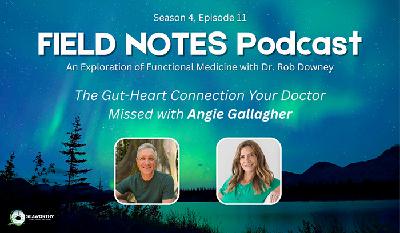
In this episode, Dr. Rob Downey speaks with Angie Gallagher—an exercise physiologist and integrative health coach with over 25 years of experience in cardiac rehab—about why conventional heart care is missing the mark. Angie shares how her frustration with recurring cardiac events in patients led her to explore functional medicine approaches, integrating gut health, nervous system regulation, and metabolic markers into her practice. The conversation dives into overlooked lab tests, the gut–heart axis, HeartMath for nervous system balance, and why managing stress and blood sugar may be more important than cholesterol. Angie's holistic approach redefines what it means to truly protect the heart. Timestamps: 01:15 – Angie's shift from conventional care 05:40 – Key labs doctors often miss 10:20 – Gut inflammation linked to heart disease 13:30 – HeartMath improves nervous system balance 18:45 – Blood sugar more critical than cholesterol _______________________________________________________________________ Key Takeaways: Gut health directly impacts heart health Blood sugar drives endothelial damage HeartMath balances stress and HRV Standard tests miss root cause markers Nature and breathwork support heart healing
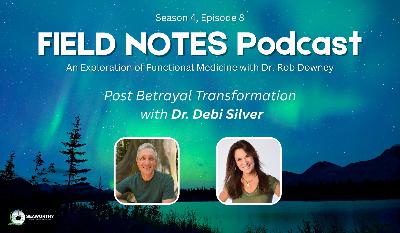
In this episode of the Fieldnotes podcast, Dr. Rob Downey speaks with Dr. Debi Silber, founder of the Post Betrayal Transformation Institute, about the profound and often misunderstood impact of betrayal on physical, emotional, and psychological health. Dr. Silber shares her personal experience with family and marital betrayal that led her to conduct doctoral research on the topic, resulting in the identification of Post-Betrayal Syndrome and a five-stage healing process. She emphasizes that betrayal doesn't resolve with time alone and presents shocking statistics on how it manifests in the body. The conversation highlights the importance of moving beyond survival mode, establishing boundaries, and embracing forgiveness at the right stage of healing. Her initiative, National Forgiveness Day, also underscores the power of intentional, guided emotional recovery. Timestamps: (01:23) Time doesn't heal betrayal wounds. (02:13) Betrayal breaks spoken, unspoken rules. (05:24) Personal power loss affects healing. (13:02) Healing has five predictable stages. (33:19) Forgiveness accelerates when timed right. _______________________________________________________________________ Key Takeaways: Betrayal impacts mind, body, and spirit. Time alone doesn't heal betrayal trauma. Healing follows five defined transformation stages. Survival mode can block true recovery. Forgiveness works—but only when ready.
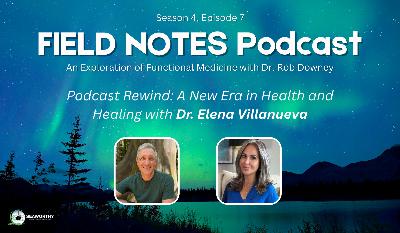
In this powerful "Podcast Rewind" episode of Field Notes Podcast, Dr. Elena Villanueva joins Dr. Rob Downey to explore a transformative approach to healing that blends functional medicine, quantum science, and emotional wellness. Dr. V discusses how chronic conditions like diabetes, fatigue, and mental health struggles often stem from unresolved trauma, stress, and neurological imbalances—not just physical factors. Through case studies, personal experiences, and cutting-edge insights, she shares how deep healing becomes possible when we address the mind, body, and spirit together. The episode offers both inspiration and actionable wisdom for anyone ready to go beyond the pill and reclaim their vitality. Timestamps: (02:35) Doctors lack root cause training (10:53) Neurological rewiring unlocks healing power (14:59) Stress triggered diabetes and hypertension (19:19) Rapid shifts: mind, body, spirit (38:58) Inner child work deepens self-love _______________________________________________________________________ Key Takeaways: True healing requires root cause awareness Quantum science enhances traditional medicine Emotional stress causes physical illness Inner child work restores self-worth Functional medicine can reverse chronic conditions

Comments

Download from Google Play

Download from App Store
 United States