


 Claim Ownership
The Latino Majority
Subscribed: 9Played: 117
Subscribe

Description
The Latino Majority podcast highlights the leaders of our country's new majority—one that is increasingly multicultural, increasingly diverse, and increasingly Latino. With each episode, our host Pedro A. Guerrero speaks with Latino leaders in business and culture about their career journeys and lessons learned.
76 Episodes
Reverse
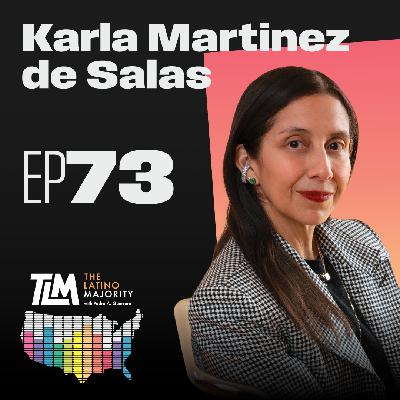
What does it mean to be seen—not as a trend, but as truth? In this powerful episode of The Latino Majority, Karla Martínez de Salas—Editor-in-Chief of Vogue Mexico and Latin America—shares her journey from El Paso to the highest levels of global fashion media. Raised in a bicultural environment where identity was fluid but not always fully understood, Karla didn't fully confront what it meant to belong until she stepped into elite spaces where she was often the outsider. From cold-calling internships in the late '90s to navigating the cultural codes of New York, Paris, and beyond, Karla built her career through curiosity, resilience, and an ability to adapt without losing herself. She opens up about the realities of breaking into an industry shaped by privilege—and the importance of relationships, work ethic, and cultural awareness in staying there. Now leading Vogue Mexico and Latin America, Karla is doing more than editing a magazine—she's reshaping the narrative of beauty and representation. By prioritizing local voices, spotlighting Afro-Latina and Indigenous women, and challenging Eurocentric standards, she's helping redefine who gets seen and celebrated on a global stage. At the heart of this conversation is a powerful idea: that perspective matters. That being an outsider can become your greatest advantage. And that storytelling—when done with intention—can shift culture. From the groundbreaking Yalitza Aparicio cover to elevating emerging creatives across Latin America, Karla shares how authenticity, cultural pride, and local storytelling are driving the future of fashion and media. This episode is ultimately about identity, belonging, and the responsibility of shaping how a community sees itself—and how the world sees it.

What does it mean to truly be seen? In this powerful episode of The Latino Majority, Audrey Ponzio—founding partner of APC Collective—shares a deeply personal journey from El Paso to the highest levels of corporate communications. Raised in a community where identity was simply lived, not questioned, Audrey didn't fully confront what it meant to be Latina until she left home and entered spaces where she was suddenly "othered." From being the only multicultural voice in the room to navigating tokenization, microaggressions, and the weight of representation, Audrey opens up about the hidden cost of rising through corporate America—and the strength it takes to lead with authenticity. Along the way, she reveals how her upbringing, her instincts as a communicator, and her commitment to excellence became her greatest advantages. At the heart of this conversation is a simple but profound idea: "the nod." That unspoken moment of recognition between people who share lived experience—a quiet but powerful acknowledgment of resilience, identity, and belonging. Audrey challenges us to think bigger—not just about representation, but about ownership. Building our own tables. Supporting our own stories. Using our economic and cultural power intentionally. Because the Latino community isn't a supporting character in America's story—it's central to it. This episode is ultimately a love story—about identity, about community, and about learning to see yourself fully… and then helping others do the same.
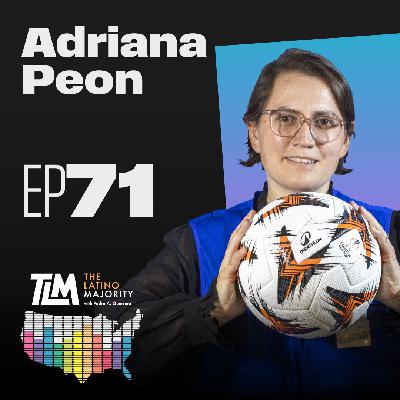
What happens when a young girl in Mexico City refuses to accept that soccer "isn't for girls"? For Adriana Peñón, that early challenge became the foundation for a lifetime of leadership. Today, as CEO of Decathlon Americas, Adriana oversees markets across the United States, Mexico, Canada, Brazil, Chile, and Colombia — but the fire that drives her began long before the boardroom. It began on the field, asking a simple question: Why not me? Raised between Mexico and the United States, Adriana learned early that identity is fluid. In Mexico, her Latina identity blended into the majority; in Silicon Valley, it became one of her most defining characteristics. Navigating those different environments shaped her perspective on power, representation, and the danger of reducing the Latino experience to a single narrative. For Adriana, leadership isn't about fitting into existing structures — it's about expanding the space so others can belong. In this conversation with host Pedro Antonio Guerrero, Adriana shares lessons from scaling global businesses at companies like Meta, PayPal, and McKinsey, and what it truly takes to lead a brand across cultures and continents. From democratizing access to sports to shifting from a mindset of scarcity to one of abundance, she reflects on the importance of curiosity, resilience, and empathy — especially in moments when you feel like the only one in the room. Ultimately, Adriana reminds us that the story of the Latino majority isn't written in the language of "I." It's written in the language of we — community, shared identity, and a collective belief that opportunity should be accessible to everyone.

For Eduardo Placer, the story starts at home. Raised in a Cuban household shaped by exile, education, and resilience, he learned early that how much you know is how much you're worth. Knowledge was currency. Self-awareness was survival. He spent fifteen years as a professional actor before founding Fearless Communicators. Today, he coaches presidential candidates and Fortune 500 leaders, helping them find the narratives that define their leadership. He calls himself a "story doula." The work turned deeply personal during a night stranded alone on a Colorado mountain in a blizzard. With no service and no rescue in sight, Placer faced a choice: either fear would narrate the story, or he would. That moment reinforced what he now teaches leaders across industries. Storytelling is not performance. It is power. As a queer Latino navigating masculinity, perfectionism, and entrepreneurship, Placer understands that the stories we inherit are not always the ones we are meant to keep. In this episode of The Latino Majority, he joins Pedro to explore authorship, identity, and why reclaiming your narrative may be the most important leadership decision you make.

For Oscar Pulido, the story begins in Queens. Raised as a first-generation Colombian American, he grew up watching his parents navigate sacrifice, immigration, and opportunity—lessons that would quietly shape how he leads today. Long before becoming a Managing Director at BlackRock or the host of The Bid, Pulido learned the value of humility, bilingualism, and earning trust in rooms where you may not always feel like you belong. Those early experiences became professional superpowers. As his career advanced, Pulido discovered that leadership in modern finance isn't defined by authority or fear, but by communication, accessibility, and relationships. In an industry often perceived as closed or intimidating, he has made it his mission to demystify markets, expand access, and empower communities—especially Latinos—to move from participation on the margins to ownership in the future.
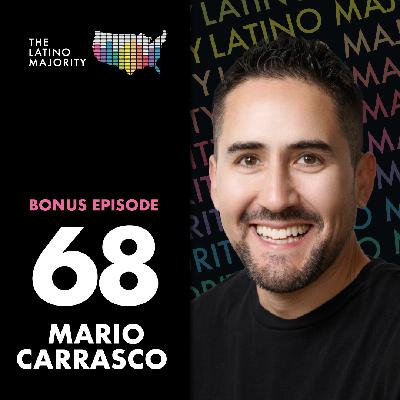
Since 2011, Mario Carrasco has built a successful cultural insights agency alongside his cofounder Roy Eduardo Kokoyachuk: ThinkNow. Carrasco and the agency partner with influential brands and government institutions to pull back the curtain on what shapes consumer behavior using data—particularly Hispanic and Latino consumers. ThinkNow has produced a multitude of research since its founding, including Carrasco's work on the Hispanic Millennial Project and We are GenZ studies. The agency established itself at the forefront of data-driven insights. As 2025 comes to a close, ThinkNow and Carrasco are doing what had yet to be done: determine the impact of immigration raids on Hispanic communities and the economy, while providing actionable insights for how brands can step in to support Latino consumers.
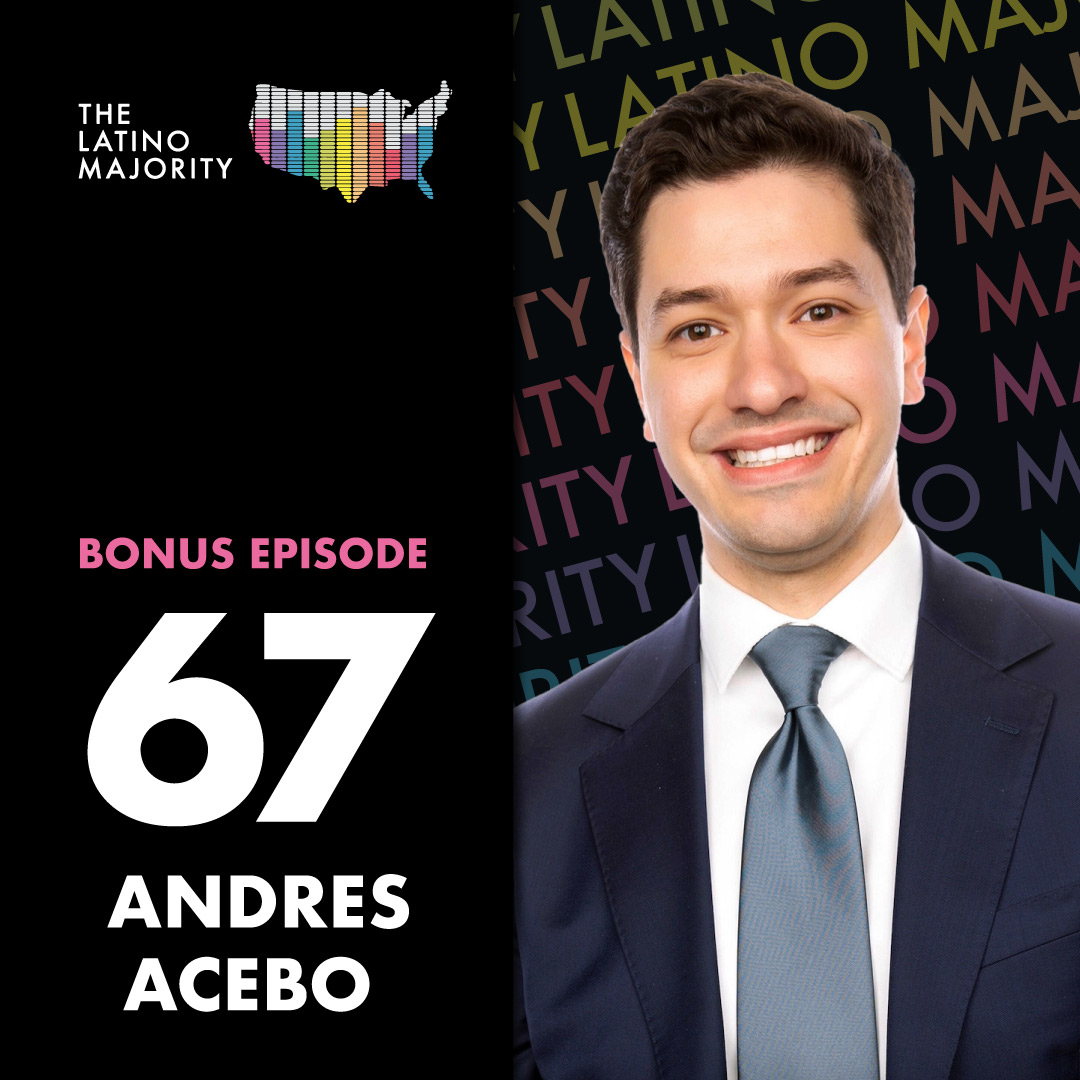
The first-generation son of Cuban immigrants. The first in his family to earn college degrees, a bachelor's degree at Brown University and then a JD from Rutgers Law School. Andrés Acebo could have gone on to bigger and greater opportunities in new cities, new countries. But he chose to return to the New Jersey community where he grew up, where he serves as the youngest university president in the state. His lived experience empowers his service to the students of New Jersey City University, which he's successfully brought from fiscal emergency to positive recovery. It's a privilege that Acebo doesn't take for granted, and he sees the impact of his work reflected back at him on campus every day.
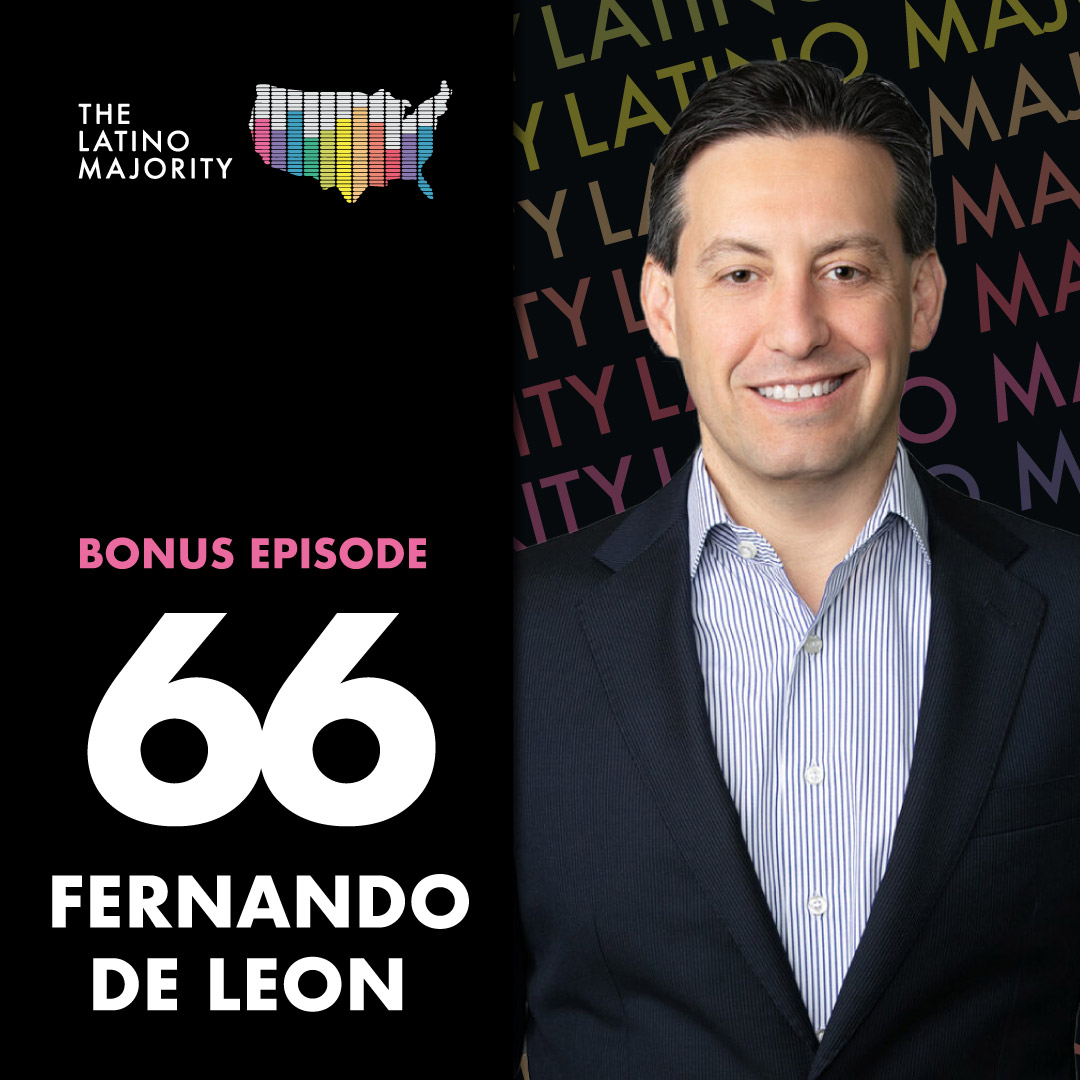
Fernando De Leon counts himself as one of the luckiest guys in the world. The Mexican American billionaire grew up in Brownsville, Texas, and Matamoros, Mexico, graduated cum laude from Harvard, and began his career as an analyst at Goldman Sachs before launching Leon Capital Group. The humble real estate company in Texas has grown into a powerhouse with businesses across financial services, healthcare, and real estate. Along the way, De Leon hit billionaire status and receiving a self-made score of 10 from Forbes—putting him in the ranks with twenty other people with the same score, including Oprah. De Leon is deeply committed to giving back through his family foundation, which focuses on tackling poverty in South Texas and northern Mexico, and through the De Leon Scholars Program, which invests in the next generation of changemakers across the state to Texas. In a special live taping of The Latino Majority podcast held at The Alumni Society's Leadership Summit in Chicago, De Leon shares his story of resilience and success from humble beginnings to becoming one of the few Mexican American billionaires.
Everyone knows famed Boston Red Sox player David Ortiz as Big Papi. He made a name for himself in the batter's box as a designated hitter, winning seven Silver Slugger awards, joining the 500 Home Run Club, and helping the Red Sox break its 86-year World Series drought—and win two more World Series before his retirement in 2016. But his work didn't end when he stepped off the field for the final time. Big Papi transformed into a philanthropist and entrepreneur, drawing on his dedication for family, community, and the Dominican Republic. His foundation, the David Ortiz Children's Fund, helps provide critical pediatric services to children in New England and the Dominican Republic. And his latest entrepreneurial venture, Ozama Rum, is crafted entirely in his home country, from sugar cane to bottle. It all comes down to dedication, hard work, and proving people wrong.
If anyone knows the power behind convening Latinos to make an impact, it's Ricardo Anzaldua. His impulse to organize and bring Latinos together began early while growing up in New Mexico and South Texas. In high school as the Chicano movement gained traction, he became a strong advocate for Mexican American civil rights and a community organizer. He took that passion to elite institutions like his alma mater, Brown University where he advocated for diversifying student admissions and increased support for students of color. While earning his law degree at Harvard, he helped lead an all-Latino summit of students from all Ivy League schools to discuss breaking barriers for future generations. For many, it became a semblance of home—a space to share stories, pride, and culture-bending experiences with peers from far-flung corners of the country. Decades later, inspired by those energizing student gatherings, Ricardo cofounded The Alumni Society in 2015 to once again bring together like-minded Latinos this time to show corporations the thousands of successful, ambitious Latino leaders poised to make a difference at the highest level in corporate America. The Alumni Society's tenth anniversary is on the horizon, and the work is far from over. Ricardo sees more opportunities than ever to empower the Latino community at all levels and become a force of change.
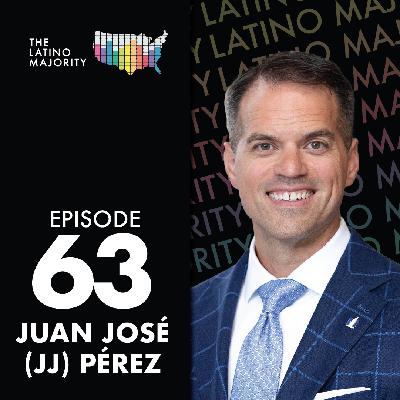
We are shaped by those who came before us and, in turn, we help shape the lives of those who come after us. Nationwide's Juan José (JJ) Pérez knows this all too well. He grew up watching his father attend law school at night while working two jobs, making sacrifices while Perez and his siblings were young to not only better provide for their family in the long term but also be an example of what they could achieve. Those lessons continue to resonate with Perez today, both as president for Nationwide Financial's Corporate Solutions and as a mentor for Latino youth in the Columbus community. He's a fierce advocate for educational opportunity and empowering young Latinos to view education as a tool for leadership and advancement. Education changed the trajectory of his father's life, and Perez knows it will be a catalyst for the Latino community in Ohio and beyond.
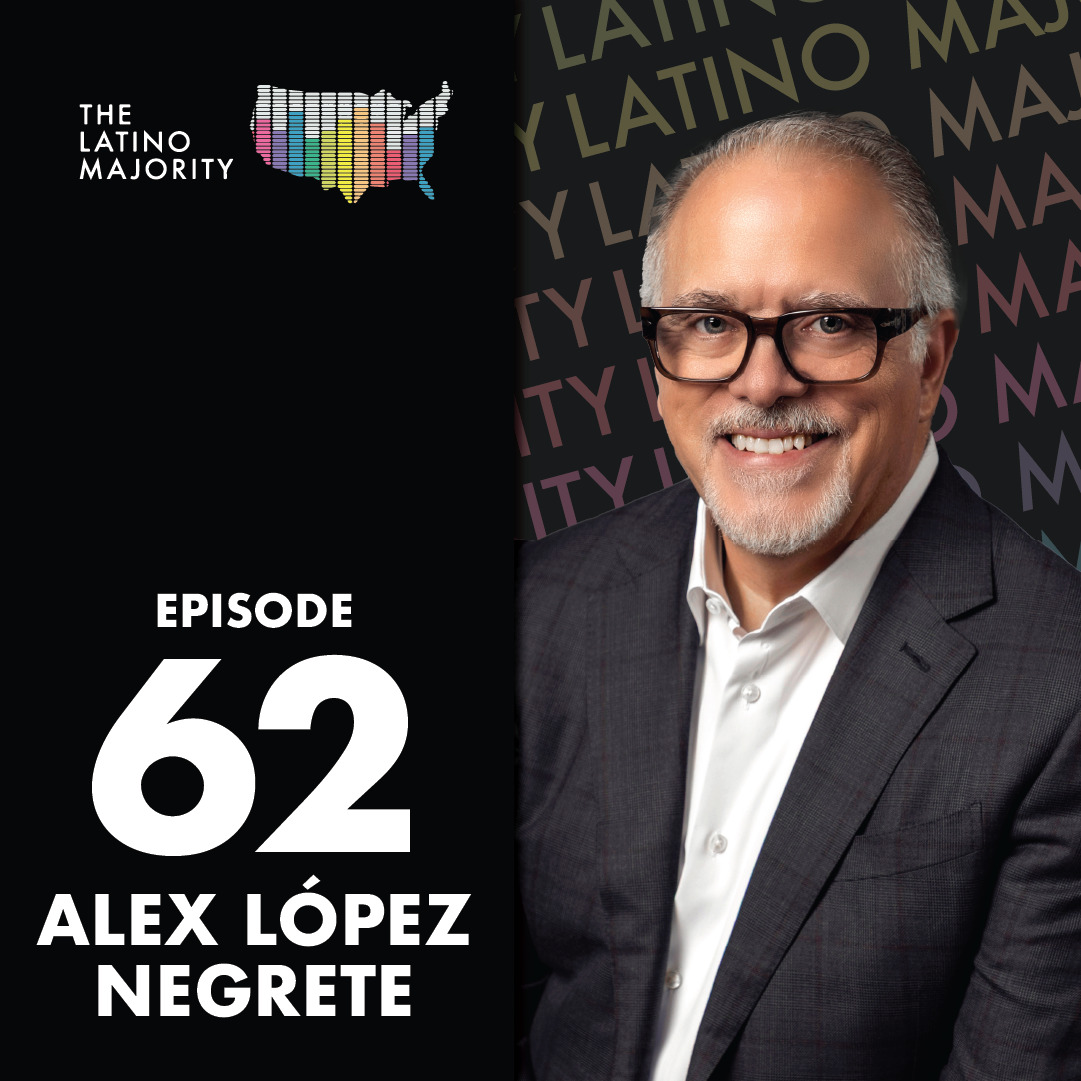
Forty years ago, Alex López Negrete saw an opportunity to represent the Hispanic market and provide strategic direction to some of the biggest names in corporate America. The Houston-based Lopez Negrete Communications, cofounded with his wife Cathy, is now the largest independently owned and operated Hispanic advertising firm in the country. López Negrete has been recognized over the years for his leadership in the space. Most recently, he was inducted into the American Advertising Federation Advertising Hall of Fame Class of 2025. His work is far from over. Latinos are the fastest-growing segment with undeniable economic power. Yet there is still a need to educate corporate America on how to reach the community. López Negrete, ever optimistic, looks toward growth. Reaching Latinos is not about checking a box. Marketers seek growth, and López Negrete knows the Latino community is opportunity they need to fully embrace.
Felida Villarreal understands firsthand the cultural and familial expectations of the Rio Grande Valley residents. The powerhouse nonprofit leader grew up in the region, earned her degrees at the local university, and continues to empower residents to achieve their own success right in the valley through VIDA and its training programs. Villarreal stepped into the president and CEO role before the age of thirty and has made significant strides for an already strong regional nonprofit in the past three years. She's grown VIDA's budget, staff, and program participants. She secured federal funding in partnership with other local organizations to address the nursing labor shortage. And she's not slowing down. Villarreal found her own success and purpose in the Rio Grande Valley, and through VIDA, she's creating paths for others to do the same.
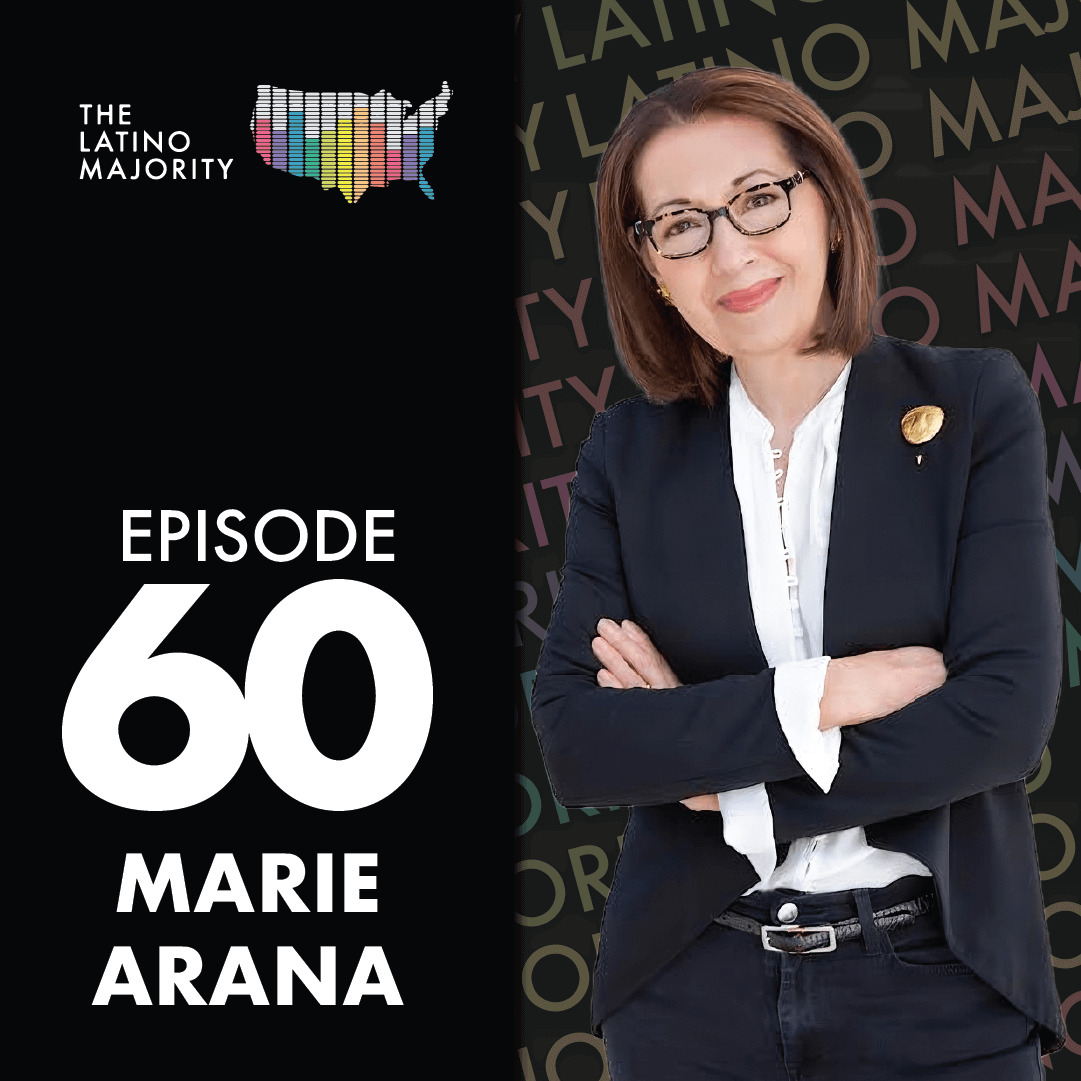
From the very beginning, words have been important to Marie Arana. The Peruvian American's childhood was filled with music and literature, which formed her passion for storytelling and books as she navigated growing up in a bicultural household. Having an American mother, Arana learned to provide a counter narrative to Peruvian perceptions of Americans. Her love of books and writing grew into a literary career: books editor for the Washington Post, the inaugural literary director of the Library of Congress, literary director for the National Book Festival, and champion for editors and writers alike. And today, her counter narrative is focused on sharing the history and stories of who Latinos are through books like Silver, Sword, and Stone, and the recently released LatinoLand. Arana knows that to reach the hearts and minds of all audiences, all you need is a good story.
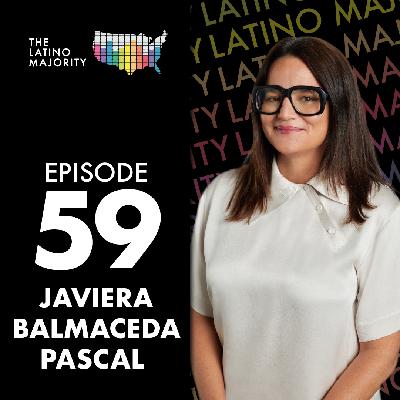
Growing up in the '80s with two working parents, Javiera Balmaceda Pascal often found herself at the movie theater with her younger brother Pedro Pascal. The siblings, raised in Texas and California by parents who had fled Chile, found comfort in the stories they saw on the screen. Where her brother chose to step in front of the camera, Balmaceda pursued shaping narratives instead—with a focus on Latin American storytelling. For the past two decades, the Chilean native has helped major production companies like HBO Latin America and now Amazon Prime develop successful series and films for Hispanic and international audiences. With each project she produces—News of a Kidnapping, Oscar-nominated Argentina, 1985, or the upcoming House of the Spirits—Balmaceda shows that there is a desire from all audiences for Latino storytelling.
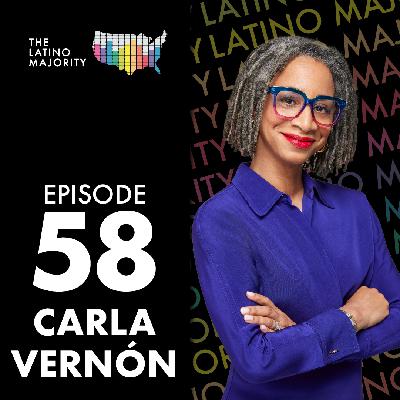
Carla Vernón imagines a future that isn't here yet. Her power of imagination has been her guide since childhood, allowing her to see beyond the information available to make decisions with both her head and her heart. The Princeton alum built her brand and leadership expertise at General Mills for almost twenty-two years, brought her vision to Amazon—and then became one of the first Afro-Latina CEOs of a US publicly traded company when she joined the Honest Company in 2023. She saw an opportunity to turnaround the personal care brand while transforming into the leader she was always meant to be. Vernón has stepped into her own not only as an executive but also an Afro-Latina leader. She's unfolded her wings to fully be herself among her fellow Latinos, particularly on the board for the Smithsonian's National Museum of the American Latino. She imagines a museum that inspires us to move forward and welcomes the rich complexities of what it means to be Latino.
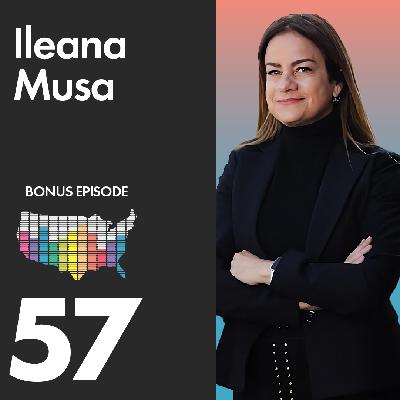
Wealth is more than just finances. It's about securing a legacy. Building a rich and fulfilling life. And Ileana Musa wants to make sure Latinos have every opportunity to build their wealth. She knows firsthand the challenges that come with building wealth. Musa was raised by a single mother, who brought her and her siblings over from Cuba at a young age. She saw her mother in action as an entrepreneur to take care of her family and build a brighter future. Through her work as head of sales at Morgan Stanley Private Bank and in the wealth management space, Musa focuses on the Latino community to provide financial empowerment. This mission culminates in The Latino Wealth Journey study, conducted in collaboration with the Morgan Stanley Institute for Inclusion, Hispanic Executive, and Semilla Multicultural. The report provides rich insights into the Latino financial journey and how they can build multigenerational wealth sooner rather than later. For Musa, it's an exciting catalyst to move beyond achieving stability and secure financial independence and future for generations. Not tomorrow. Today.
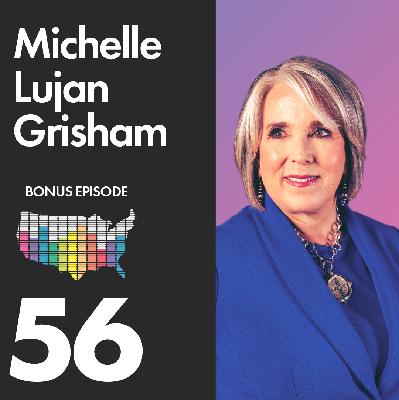
Being a political trailblazer is in Governor Michelle Lujan Grisham's DNA. Her grandfather Eugene D. Lujan was one of the first Hispanic justices of the New Mexico Supreme Court. In 2019, she made history as the first Democratic Latina elected governor in the United States. Lujan Grisham's successes for New Mexicans—investing in high-quality education from early childhood through college, reaching historic economic growth, setting ambitious climate goals—come from the relationships she's built during her forty-year career. She is honest about the challenges that lie ahead and the conversations that need to happen. For Lujan Grisham, to be a leader is to represent your community. She sees her responsibility, her legacy, to uplift the next generation of Latinos and Latinas. To have our elected officials better represent America. It's a challenging path, but it's one worth pursuing.

Grit. Perseverance. Love. Those family values have been and will always be part of Monica Gil, who grew up the youngest of twelve children. She watched her parents and older siblings navigate systems and unspoken rules of the game, trailblazing a path for her to advance. Throughout her career at Nielsen and now at NBCUniversal Telemundo, Gil has always figured out how to reach back to bring Latinos along with her. To remove that "hassle factor" for Latinos and Latinas, and to remove barriers for future generations to get into spaces where they are few and far between. She's launched women's leadership programs, going beyond just doing one-on-ones. There's also the Telemundo Academy, which serves students interested in pursuing careers in the media industry. Providing exposure to leadership and corporate opportunities is an important piece of the puzzle to Gil. It allows our community, our familia, to celebrate the wins and the defining moments together.

Advocacy is at the heart of everything Dolores Huerta does. It was the influence of her mother's community activism and her initial time as a teacher that spurred her lifelong journey as a community organizer. She met César Chavez while serving in the Stockton Community Service Organization, and the pair went on to launch the United Farm Workers union in 1962. That was only the beginning for Huerta. She became the most visible spokesperson for the union, securing seemingly impossible feats that allowed California farm workers to wield economic power. She challenged gender discrimination within the farm workers' movement and campaigned in the early 2000s to encourage Latinas to run for office. At 94, Huerta continues her life's work as president and founder of the Dolores Huerta Foundation. She's advocating for women's rights and the Equal Rights Amendment. She's encouraging young Latinos to make their voices heard at the ballot box. Because for Dolores Huerta, Latinos are the future.

Comments

Download from Google Play

Download from App Store
 United States