


 Claim Ownership
Miami History Podcast
Subscribed: 33Played: 388
Subscribe

Description
Reflecting on South Florida's vibrant past.
70 Episodes
Reverse

This podcast episode recounts the story of the Olympia Theater at 174 East Flagler Street in downtown Miami as it marks the 100th anniversary of its grand opening in 1926. Built with extraordinary fanfare, the lavish and distinctive structure quickly became the crown jewel of Miami's burgeoning entertainment district. The celebrated showplace debuted at the height of the vaudeville era, when live stage acts and silent films captivated audiences, and later adapted to the age of "talkies." Motion pictures were enhanced by live musical accompaniment, whether from the orchestra in the pit or the majestic organ housed within its chamber. The grand opening on February 18, 1926, unveiled architect John Eberson's signature atmospheric design to an enthusiastic public. During the ceremony, the principals of Paramount Enterprises, a partnership between the Leach family and the Famous Players-Lasky organization that financed the project and later evolved into Paramount Pictures, were recognized for their vision. Prominent entertainers of the era and local leaders were also in attendance, lending star power to the debut of what was hailed as one of the most ornate and distinctive theaters in the nation.

This episode explores the remarkable story of the Biltmore Hotel in Coral Gables, Florida, one of the crown jewels of George Merrick's visionary City Beautiful. Developed through a partnership between Merrick and John McEntee Bowman of the Biltmore Corporation, the hotel opened as a symbol of Mediterranean Revival grandeur, designed to draw visitors from around the world and define South Florida luxury in the 1920s. The Biltmore Hotel's story is one of resilience. The institution was challenged by its inland location, and although it opened on January 15, 1926, during the peak of the building boom, it experienced economic turmoil following the bust of the building boom later that year. The hotel endured cycles of decline and renewal. Over the past century, it has served many roles, from glamorous resort to World War II Army hospital, later a VA hospital and medical school, before ultimately returning to its original purpose as a grand hotel. This episode traces the Biltmore's dramatic evolution and enduring legacy as one of South Florida's most iconic landmarks.
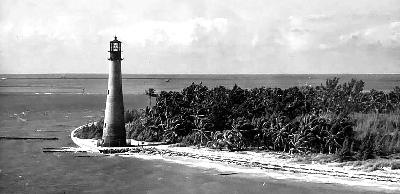
This podcast episode tells the story of an enduring South Florida landmark. On December 17, 2025, the Cape Florida Lighthouse marked its 200th anniversary, standing today as the oldest structure in Miami-Dade County still in its original location. Built on Key Biscayne, the lighthouse was designed to guide ships safely past the treacherous Great Florida Reef. Over two centuries, it survived a battle during the Second Seminole War, sabotage in the Civil War, periods of abandonment and restoration, and the destructive force of Hurricane Andrew. Thanks to the dedication of Miami News editor Bill Baggs and the advocacy of the Dade Heritage Trust, this historic beacon has been preserved and was fittingly honored during its bicentennial celebration.
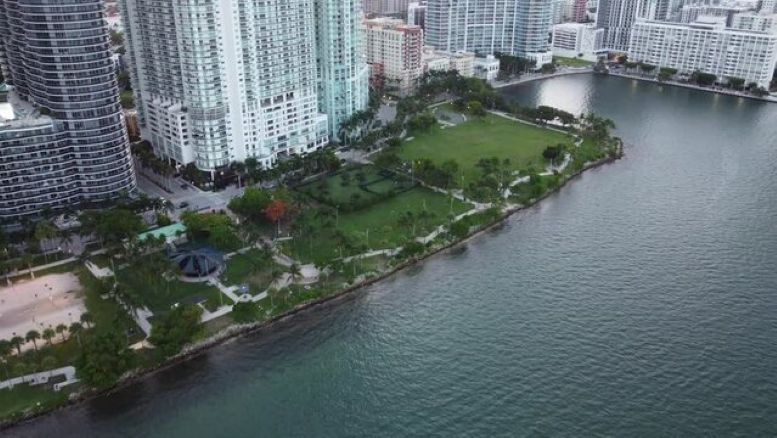
This podcast episode features the story of development of the Edgewater neighborhood in Miami, Florida. What was part of an area referred to as 'North Miami', best known as Miami's first saloon and red-light district, Edgewater evolved out of the city's first suburbs that were developed after the saloon district was cleared out in 1908. When a Miami attorney turned developer began creating residential communities north of the city, one of those suburbs was called 'Edgewater' given its proximity to Biscayne Bay. After the annexation of North Miami in 1913, the neighborhood reference for the former northern suburbs was Edgewater encompassing from roughly north of the Venetian Causeway to the Julia Tuttle Causeway and east of Biscayne Boulevard.
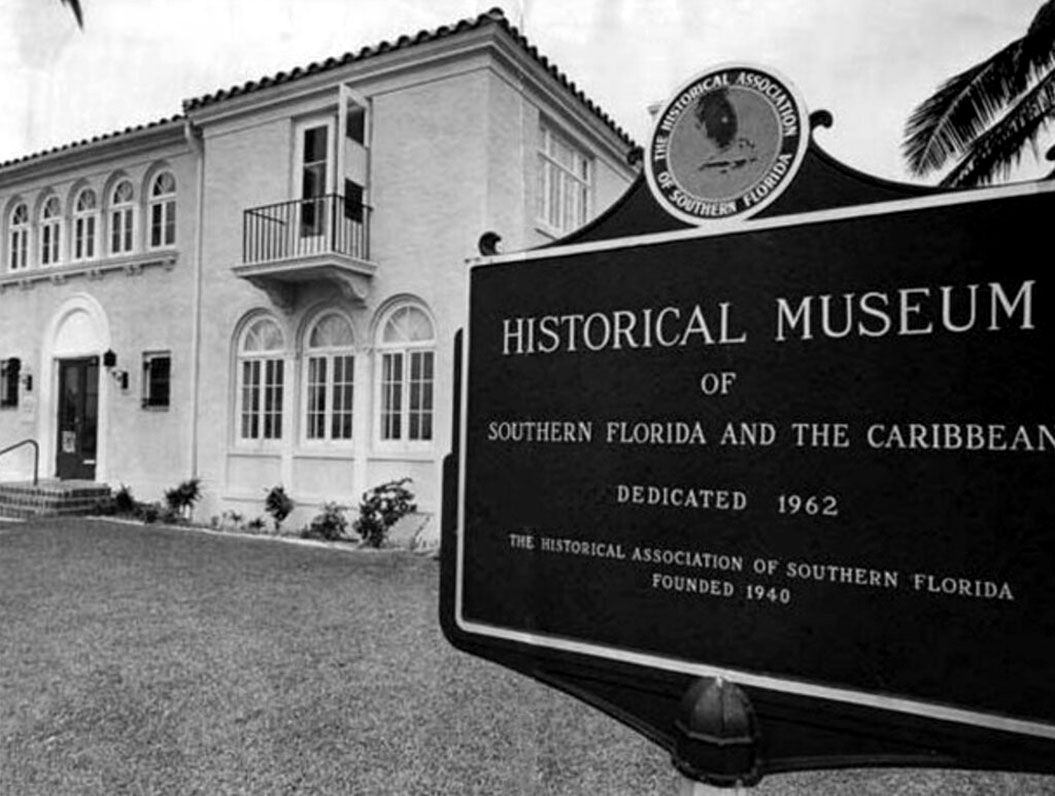
This podcast episode explores the origins of the HistoryMiami Museum. Established in 1940 by George Merrick and several of Miami's early pioneers as the Historical Association of Southern Florida, the institution initially operated without a permanent home and relied on conducting talks and events at different locations around the Greater Miami area. Conceived as a collection-based museum, some of its earliest acquisitions were the personal recollections of the city's founding residents. Many of these stories were published in Tequesta magazine, authored by Merrick, Marjory Stoneman Douglas, and other notable Miami figures. The museum reached an important milestone with the dedication of its first building, a Beaux-Arts–style structure located in the Edgewater neighborhood. Despite the building's shortcomings, it provided the museum with space to grow and to appoint its first full-time director. In the following years, the museum relocated to the Vizcaya complex alongside the Miami Science Museum, before settling in its current home at the Dade Cultural Center in 1984.
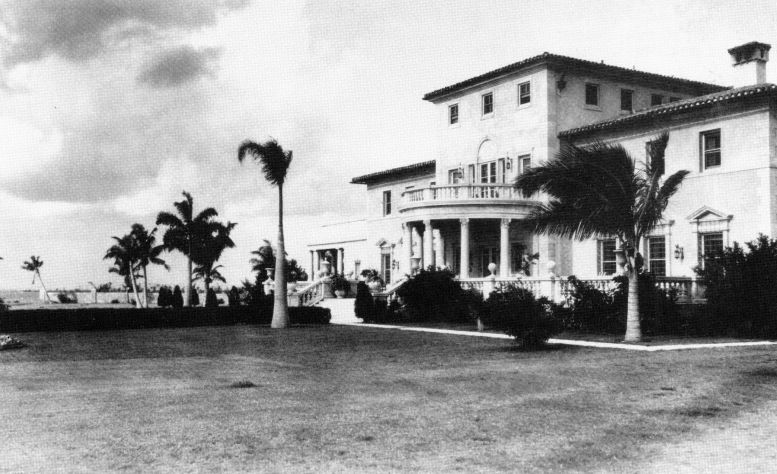
This podcast episode explores the life and legacy of Miami pioneer architect August Geiger. Born and raised in New Haven, Connecticut, Geiger first visited Miami with his family in 1899, when the city was just three years old. Captivated by the area's potential, he returned in 1905 to begin his architectural career under the mentorship of fellow pioneer Walter DeGarmo. Geiger went on to design some of Miami's most iconic landmarks, including the Dade County Courthouse, the original city hospital known as the Alamo, the Miami Beach Municipal Golf Course clubhouse, the Miami Woman's Club, and the First Church of Christ, Scientist chapel on Biscayne Boulevard in Edgewater, and the Hindu Temple in Spring Garden. His work with the Dade County School District produced enduring educational landmarks such as Southside Elementary and Coral Way Elementary, as well as the historic Davie Schoolhouse in Broward County. Many of Geiger's designs continue to stand as lasting testaments to his talent and influence on South Florida's architectural identity.
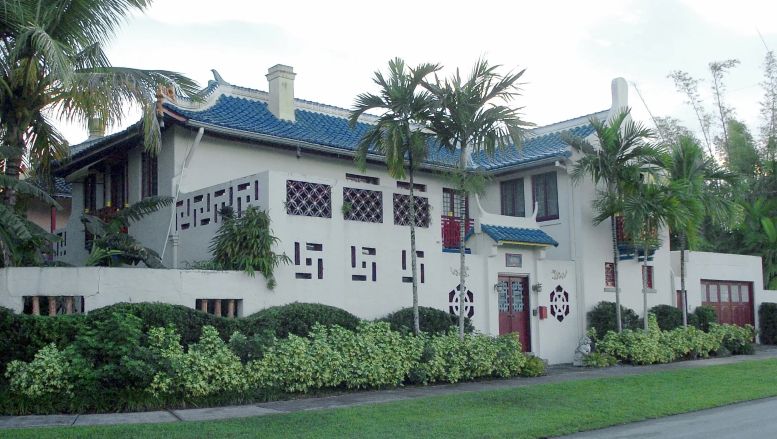
This podcast episode explores the story of Coral Gables' theme villages, conceived at the height of the 1920s building boom. In the spring of 1925, George Merrick hired the American Building Corporation to construct 1,000 residences over ten years. The plan called for as many as 16 theme villages, each reflecting different cultural and architectural traditions. Led by Myers Cooper of the American Building Corporation, the project got off to a strong start. Construction moved ahead of schedule, and several villages were already underway within the first year. But the South Florida land boom collapsed in the fall of 1926, bringing the rapid pace of development to a halt. By the time the boom ended, homes had been completed in 7 of the 16 planned villages, leaving Coral Gables with a distinctive and varied architectural heritage. Resources: Video: "Coral Gables Unique Villages", Hank Tester, CBS Miami. Miami History Podcast Episode: "George Merrick & Coral Gables".
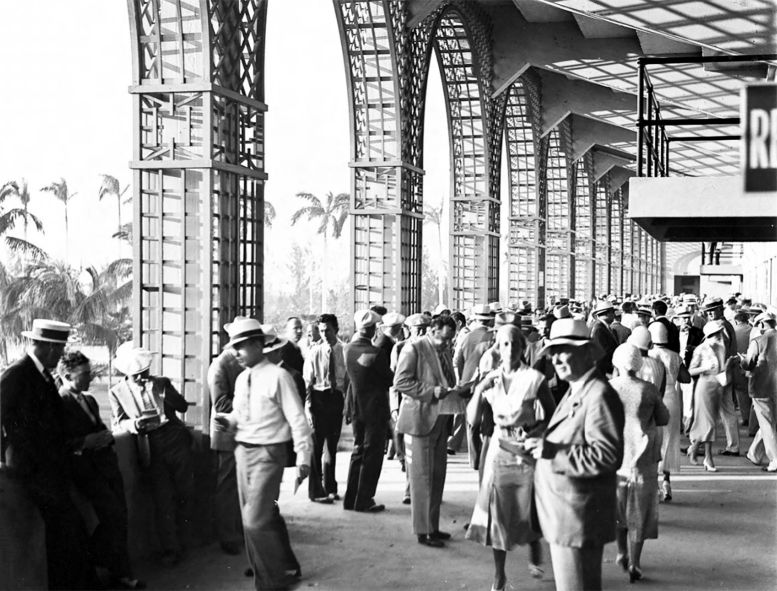
This podcast episode features the history of the City of Hialeah during its centennial. What was once swamp land became a thriving municipality during the boom years of the 1920s. Owned and then developed by a Missouri cattleman and an aviation pioneer, Hialeah quickly developed when James Bright and Glenn Curtiss established an area they named 'Hialeah' which was a native American term for high prairie. The two men began platting subdivisions for residential housing, as well as infrastructure and establishments of entertainment to attract buyers to the western suburbs of South Florida. A dog and horse racetrack was constructed and was later expanded by millionaire Joseph Widener to provide an institution that became synonymous with the city. The Hialeah Racetrack would become a popular attraction for dignitaries and tourists while it operated conducted thoroughbred racing from the early 1930s until 2001.
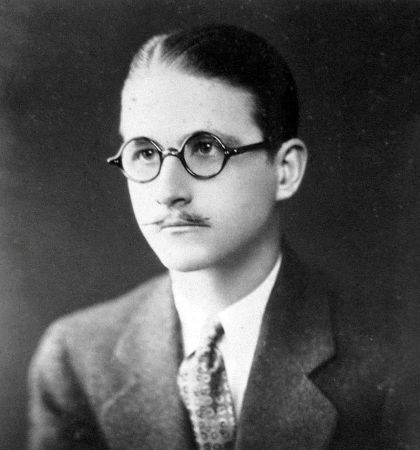
This podcast episode features South Florida architect Lawrence Murray Dixon. Born in Live Oak, Florida, in 1901, and a graduate of Georgia School of Technology, aka Georgia Tech, in 1919, Dixon established his reputation in South Florida as one of the most prominent architects during the 1920s through 1940s. He was hired by Schultze and Weaver's New York office after he graduated from college but eventually moved to Miami in the mid-1920s. By the late 1920s, Dixon changed firms and went to work for Paist and Steward where he was the associate architect for the Federal Court House and Post Office edifice which was constructed during the early 1930s. Shortly after, he formed his own architectural firm where he established his legacy as one of the most prolific and accomplished architects of the Art Deco era on Miami Beach.
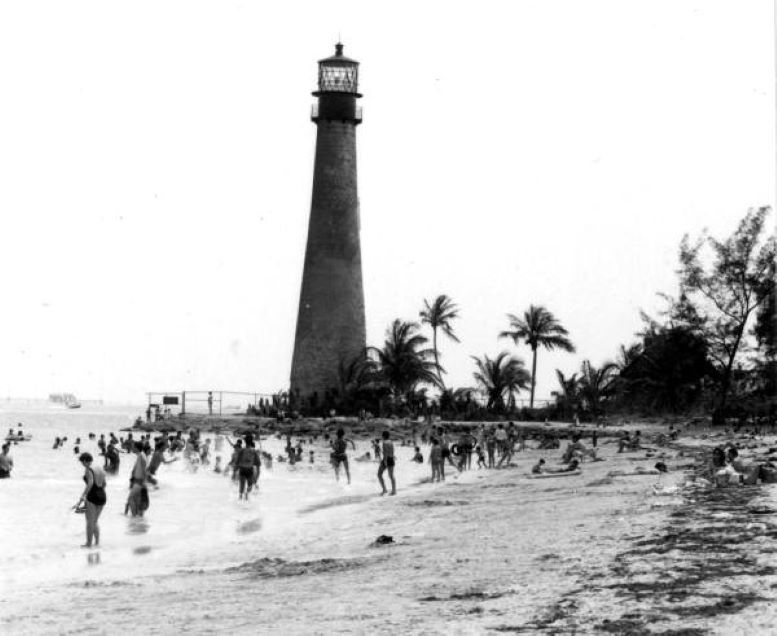
This podcast episode features the story of the Village of Key Biscayne. What was once an important island for the Tequesta tribe more than 2000 years ago, Key Biscayne has become an important island in the Greater Miami area. It hosts Crandon Park, Bill Baggs Cape Florida State Park, as well as years of rich history. The village was once the home of South Florida's Crandon Park Zoo. Ownership of the island held various stakeholders beginning with the first land grants by the King of Spain in 1760, to the Davis family from 1821 – 1885, to Field and Osborne for a coconut plantation, then to James Deering and William Matheson, both of whom had great plans for the island during their stewardship. The village's history is riddled with interesting stories, colorful characters, and disputes over land ownership.
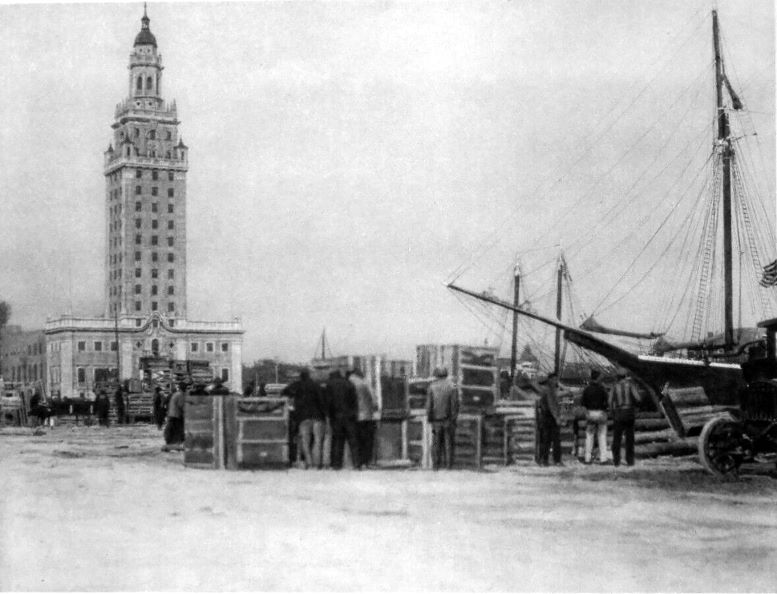
This podcast episode features South Florida institutions and places that are celebrating their 100th birthday over the course of the next year (2025 -26). The great building boom of the 1920s peaked 100 years ago in 1925, and many of Dade County's prominent cities were founded during this time. Coral Gables, Miami Springs, Opa-locka, and Hialeah are several of these municipalities that are celebrating their centennial. One of Miami's most prominent education institutions, University of Miami, was founded in 1925. The Venetian Pool, Biltmore, Miami News / Freedom Tower, as well as many other building boom edifices that are still standing will celebrate their 100th anniversary. Join me and Joshua Ceballos from WLRN as we discuss some of the many centennial celebrations which will be highlighted as part of WLRN's 'History We Call Home' series which will share stories of these places over the course of the next year. Further Reading: WLRN: "History We Call Home" - https://www.wlrn.org/century
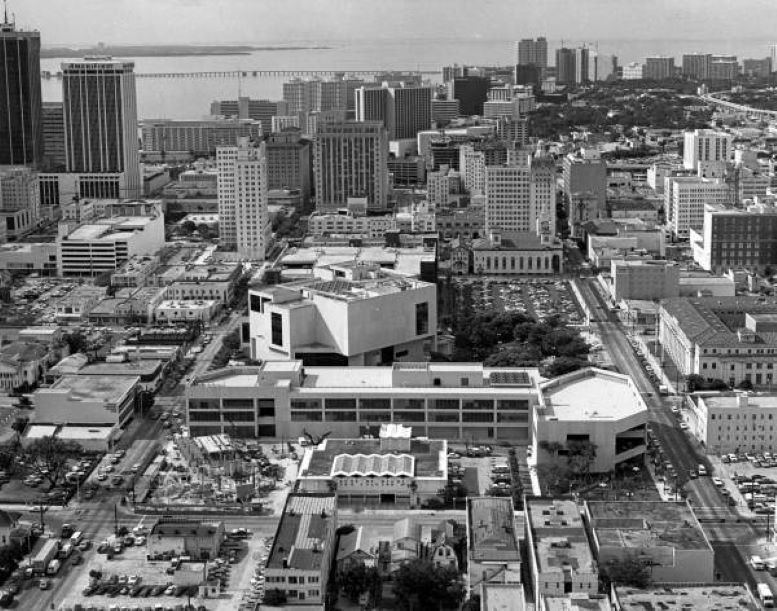
This podcast episode tells the story of the Wolfson Campus at Miami Dade College. Originally established as Dade Junior College in 1960, the institution held classes wherever space was available including a local high school and other borrowed buildings. A decade later, the college began planning for its first permanent facility in downtown Miami. The site for this new building was made possible by Mitchell Wolfson, the campus's namesake, who donated a block of land that once housed aging apartment buildings, the former Realty Board building, and the White Temple Church. With funding primarily secured through loans from the Department of Housing and Urban Development (HUD), construction was completed in 1973.
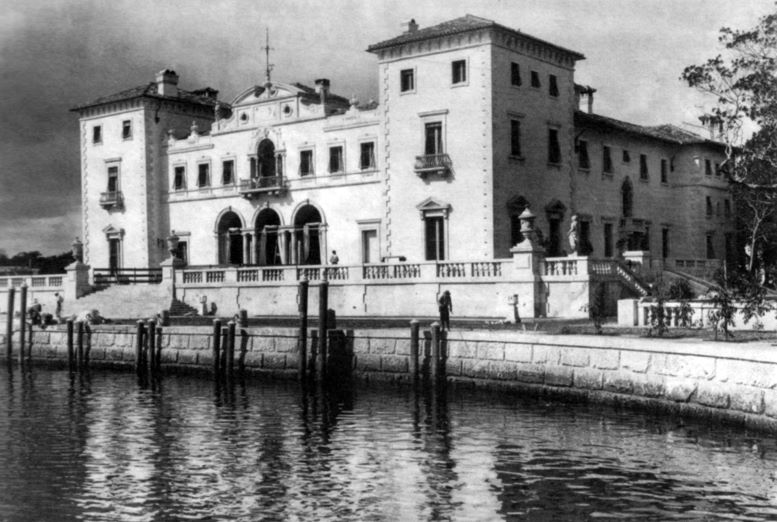
This podcast episode shares the story of the Deering family's impact on South Florida during the first half of the Twentieth Century. The family first arrived in South Florida in 1900 when the patriarch, William Deering, purchased a home in Coconut Grove. His sons, Charles and James, would follow him to the region and each of the Deerings would make a tremendous impact and contribute to the community. James Deering purchased property in the Brickell neighborhood from Mary Brickell in 1912 and built his Vizcaya Estate. Charles Deering acquired land in today's Buena Vista and South Dade, where he constructed the 'Deering Estate'. Prior to his death, William Deering, along with William Matheson, acquired most of Key Biscayne in 1913.

This podcast episode features the life and legend of aviator Eddie Rickenbacker, nicknamed the 'Aces of Aces', based on his heroics while leading the 94th Squadron during World War I. Even as a young man, Eddie had a strong sense of adventure and even was a relief driver in the first ever Indianapolis 500, which took place in 1911. A car man, pilot, entrepreneur and born leader are just some of the terms that best describe Eddie Rickenbacker. He went out to found a car company, that was acquired by General Motors, an airline, which later merged with Pitcairn Airlines and became Eastern Airlines, one of the largest employers in South Florida during the middle decades of the Twentieth Century.

This podcast episode shares Miami's history of being an aviation hub in America. What was deemed as an ideal location for flight exhibitions and training due to the region's ideal climate and flat surface, Miami became an early test ground for aviation. The city celebrated its 15th birthday with a bi-plane show piloted by stunt pilot Howard Gill. The following decades of flight history were influenced by aviation pioneers Glenn Curtis, Juan Trippe, and Eddie Rickenbacker, just to name a few. Based in South Florida, Pan American Airlines, founded by Trippe, and Eastern Airlines, headed by Rickenbacker, made Miami one of the largest aviation centers in the world during the middle decades of the Twentieth Century.

This podcast episode features the story of South Florida during World War I. The story begins just prior to the United States entry into World War I on April 6, 1919, and shares how South Florida and Miami were transformed as a training center during the war. South Florida began its journey as an aviation training ground preparing flyers for the war. Local residents in Dade County welcomed the soldiers and cadets as they prepared for war in places such as Coconut Grove, Allapattah, and Hialeah. Like so many other parts of the country, bond drives were an important part of daily life in South Florida and were pivotal in financing the war effort. After the celebration of Armistice Day on November 11, 1918, the region was stricken with a world-wide flu epidemic that had far reaching implications. Once the epidemic concluded, South Florida would return to life before the war. Given the exposure of the area to soldiers who trained in Miami and surrounding areas, the decade that followed the war, and subsequent flu epidemic, was one of the most prosperous boomtimes in Miami's history.
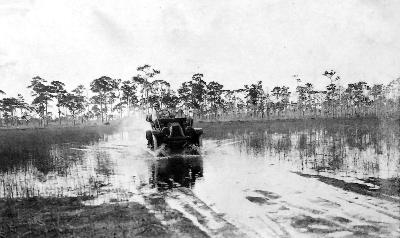
This podcast episode features the story of Miami Pioneer Locke T. Highleyman and his family. Highleyman was the developer of the Point View subdivision in Brickell, Palm and Hibiscus Islands, the Meyer-Keyser building, and helped judge the selection of the name for the Wynwood neighborhood. He also held the lease to manage the Elser Pier and served as a four-term councilman for the City of Miami. While Locke did not spend his entire adult life in Miami, his contributions were extensive. Tune into this week's podcast episode to hear more about Locke and the Highleyman family. You can download this episode on your favorite podcast platform (iTunes, Stitcher, Soundcloud, Spotify), or listen directly on the Miami-History website. Please remember to click on the subscribe button and to provide a rating and comment on any of the aforementioned platforms. Correction: Locke and Katherine Highleyman were married in 1900, not 1902 as was stated in the podcast episode.
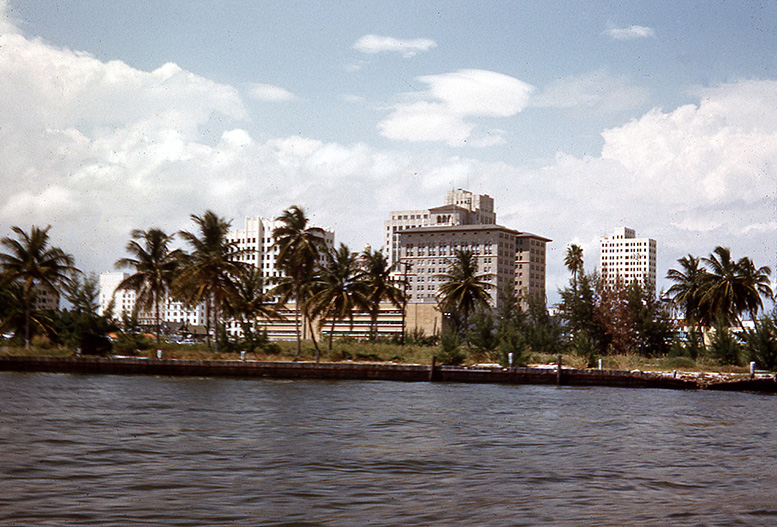
This podcast episode features the history of the Ingraham Building at 25 SE Second Avenue in downtown Miami. This building is named for Miami pioneer James Ingraham and was constructed from 1926 – 27, near and during the end of the building boom of the 1920s. James Ingraham played an important role for Henry Flagler as a vice president of the Florida East Coast (FEC) Company, and as president of the Model Land Company, the organization responsible for marketing and selling land acquired by the FEC. Ingraham was an icon in early Miami. When he died unexpectedly on October 25, 1924, the city and the FEC organization were shocked and left to fill a big void in leadership. When the Model Land Company announced that they would construct their corporate office building at the western edge of the former Royal Palm Park, the corner of SE Second Avenue and SE First Street, they naturally named it for their former leader. Despite several setbacks during construction, the building finally celebrated its grand opening on May 1, 1927.
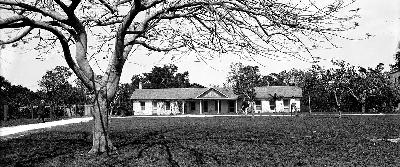
This podcast episode features the inception and the history of Dade County and its many different county seats. Originally slated to be named Pinckney County, the municipality was named for Major Francis Dade who lost his life in a battle with the Seminole Indians in December of 1835. The county was formed in January of 1836 and was named to honor the fallen West Point graduate. The original county seat was placed in Indian Key and was there from 1836 until 1844. It was moved to the banks of the Miami River, then referred to as Biscayne Bay Country, when William English used his influence to initiate a special election in 1844 to change the county seat. By 1888, the northern part of the county, which included what is now Palm Beach and Broward County, became more densely populated and triggered another special election to move the county seat to Juno. A decade later, in 1899, a third special election was initiated to move the county seat back to the new City of Miami, founded in 1896, which had become the largest city in the county by that time.
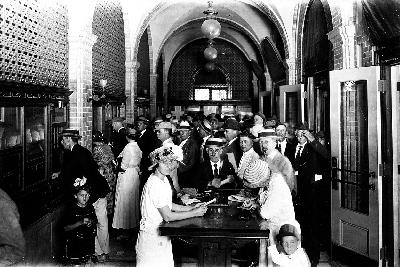
This podcast episode features the buildings that served as the federal courthouse and post office in Miami from 1915 through the present day. The first courthouse was designed by Oscar Wenderoth in the early 1910s and opened at 100 NE First Avenue in downtown Miami. This building provided for all federal agencies including the courthouse, post office, and weather bureau from its opening until the peak of the Great Depression in 1933. When the city's federal business outgrew the original building, a new federal courthouse and post office building was constructed beginning in 1932 on the site of Miami's first school building known as the Miami Central Grammar School which opened on that site in the early 1900s. This edifice was designed by the architectural firm of Paist and Steward and opened two blocks north of the first building at 300 NE First Avenue in 1933. The second federal building was in use as a federal building from its opening until it was replaced in 2008 by today's Wilkie D Ferguson Jr. building at 400 North Miami Avenue.

Comments

Download from Google Play

Download from App Store
 United States