


 Claim Ownership
BIOptimizers - Awesome Health Podcast
Subscribed: 160Played: 8,387
Subscribe

© BIOptimizers
Description
Wade T. Lightheart, a host of the Awesome Health Podcast, is a 3-time All Natural National Bodybuilding Champion, advisor to the American Anti-Cancer Institute and Director of Education at BiOptimizers, one of the world's most innovative nutritional supplement companies.
Wade has been involved professionally in the nutritional supplement industry for over 15 years. After his digestion totally broke down and he gained 42 pounds following a bodybuilding competition, he began to search for answers. Through a revolutionary doctor, he discovered the power of specific enzyme and probiotic strains for healing digestion and turned his health and life around.
The Awesome Health Podcast reflects Wade's passion and mission to end needless physical suffering while helping individuals fix their digestion and transform their health.
This podcast is a fun, yet informative show about cutting-edge health tools, technology, principles and nutritional science that rapidly transform anyone's digestion, overall wellness, and life. It's both light (and at times hilarious), and highly instructional. Each week, worldwide leaders in their respective areas of health or nutrition are interviewed so that listeners can take their best insights and rapidly upgrade their bodies and quality of life.
Wade has been involved professionally in the nutritional supplement industry for over 15 years. After his digestion totally broke down and he gained 42 pounds following a bodybuilding competition, he began to search for answers. Through a revolutionary doctor, he discovered the power of specific enzyme and probiotic strains for healing digestion and turned his health and life around.
The Awesome Health Podcast reflects Wade's passion and mission to end needless physical suffering while helping individuals fix their digestion and transform their health.
This podcast is a fun, yet informative show about cutting-edge health tools, technology, principles and nutritional science that rapidly transform anyone's digestion, overall wellness, and life. It's both light (and at times hilarious), and highly instructional. Each week, worldwide leaders in their respective areas of health or nutrition are interviewed so that listeners can take their best insights and rapidly upgrade their bodies and quality of life.
302 Episodes
Reverse
The conversation around menopause is evolving toward a more holistic understanding of this transition. One crucial, yet often overlooked, aspect is the profound connection between menopause and gut health. Nurse practitioner Cynthia Thurlow is shedding light on what she terms the "menopause gut" to help women navigate this stage with vitality. The Gut-Hormone Connection Hormonal shifts during perimenopause and menopause have a direct and significant impact on the gut microbiome. This complex ecosystem of trillions of microbes is intricately linked to nearly every system in our body. As Thurlow explains, the gut intersects with every organ system, including the lungs, skin, and ovaries. Impact of Declining Estrogen As estrogen levels decline, the diversity of the gut microbiome begins to change. This often leads to an increase in inflammatory bacteria and a decrease in beneficial bacteria, a state known as dysbiosis. This imbalance can lead to a reduction in short-chain fatty acids, which are crucial for reducing inflammation and regulating blood sugar. Understanding the Gut-Brain Axis The gut and brain are closely connected through the gut-brain axis. Because the bulk of our neurotransmitters are produced in the gut, an unhealthy microbiome directly impacts mood and cognitive function. This connection often contributes to the anxiety, depression, and brain fog many women experience. Symptoms of Menopause Dysbiosis Common indicators of a "menopause gut" include bloating, digestive discomfort, and weight loss resistance. Changes in the microbiome affect metabolism and insulin sensitivity, making it harder to maintain a healthy weight. Women may also experience fatigue and joint pain caused by systemic inflammation originating in the gut. Actionable Strategies for Health The gut microbiome is incredibly resilient, meaning women can take proactive steps to support their health. Thurlow recommends prioritizing sleep and managing stress to prevent "leaky gut" and elevated stress hormones. Additionally, focusing on a nutrient-dense diet rich in protein and fiber can fuel beneficial bacteria and support muscle mass. In this podcast you'll discover... How declining estrogen levels directly alter gut microbiome diversity. The role of short-chain fatty acids in reducing inflammation and regulating blood sugar. Why the gut-brain axis impacts symptoms like brain fog and mood swings. The connection between gut-driven systemic inflammation and menopausal joint pain. How prioritizing protein and fiber can support metabolic health and muscle mass. The impact of sleep and stress management on maintaining the intestinal lining. EPISODE RESOURCES: Pre-order The Menopause Gut book HERE Instagram Facebook LinkedIn Youtube Website
While many perceive tinnitus as a problem solely with the ears, it is actually a neurological condition occurring in the auditory brain. The Auditory Brain Connection Because the brain possesses neuroplasticity—the ability to adapt and change—this "brain buzz" is not necessarily a permanent condition.In a deep dive into the subject, Dr. Ben Thompson, an audiologist and tinnitus expert, reveals that Tinnitus is not a disease itself, but rather a symptom of an underlying issue within the auditory system. The Impact of Stress A healthy brain typically utilizes a filter mechanism to tune out background neural noise. However, during periods of significant stress, grief, or health anxiety, this filter weakens. This leads to a state of hypervigilance or a "startle response," causing the brain to perceive tinnitus sounds as much louder and more threatening than they truly are. Clinical Pathways to Recovery Recovery begins with sound therapy to avoid total silence, utilizing soft white noise to create a soothing environment, and maintaining proper sleep hygiene to regulate the nervous system. For persistent cases, specialized interventions such as Tinnitus Retraining Therapy (TRT) and bimodal stimulation can help the brain habituate to the noise. The outlook is highly positive: with a structured protocol, 80% of patients experience a significant reduction in symptoms within six months. In this podcast you will learn: Why tinnitus is a neurological "brain buzz" rather than a disease. The way high stress and hypervigilance weaken the brain's internal filters. Immediate strategies for relief, including sound therapy and sleep hygiene. Clinical options like Tinnitus Retraining Therapy (TRT) and AI-driven hearing aids. How to move the body out of "fight-or-flight" to achieve long-term relief. EPISODE RESOURCES: Youtube Facebook Instagram
For decades, the conversation around starting a family has been dominated by a single, ticking sound: the biological clock. We're told that age is the ultimate arbiter of reproductive success. But according to Harvard-awarded fertility specialist Gabriela Rosa, age is only one piece of a much larger puzzle. If you've been told that your "labs are normal" but you still aren't pregnant, or if you're facing the daunting prospect of IVF, it's time to look deeper. Based on Gabriela Rosa's pioneering F.E.R.T.I.L.E. Method, here's why health matters more than age, and what's truly missing from the standard fertility conversation. Health Beats Age with Fertility Gabriela emphasizes that the environment in which an egg or sperm matures is the true driver of quality. She often tells her patients to "act pregnant now to get pregnant later." The "standard" lab reference ranges are often misleading. For example, a TSH (thyroid) level of 4.0 might be considered "normal" by a general lab, but research suggests that for fertility, anything above 2.3 can increase the risk of miscarriage. "In fertility, there is no such thing as a neutral exposure. Everything you eat, breathe, and put on your skin has either a positive or a negative effect." By optimizing metabolic health… addressing "minor factors" like insulin resistance or subclinical thyroid issues… you can often overcome the statistical hurdles of maternal age. The Gap in Standard Treatments The modern medical system is often fragmented. When a couple struggles to conceive, the standard path is a quick referral to an IVF clinic. While IVF is a miraculous tool, it's often used as a "bypass" rather than a solution to the underlying health issues. Gabriela points out that "unexplained infertility" is often just "uninvestigated infertility." Standard treatments frequently miss the power of preconception… taking 3-4 months to "clean the soil" before planting the seed. They also overlook deep-dive diagnostics, testing for silent infections or DNA fragmentation that standard tests ignore. And they fail to account for the cumulative effect: one minor health issue might delay you by two years; three minor issues could theoretically delay conception by 40 years. Fertility Is a Team Sport Perhaps the biggest gap in standard care is the focus on the woman. Statistically, fertility challenges are 40% female factor, 40% male factor, and 20% combined or embryonic. Yet men are often told "you're fine" after a basic semen analysis. Gabriela insists that "fertility is a team sport." A man's health contributes 50% of the DNA and significantly impacts the sustainability of the pregnancy. Don't Settle for "Normal" If you're struggling, Gabriela Rosa's message is one of empowerment. Infertility is not a dead end; it's a "call to arms" to understand your body better. If a clinician tells you "everything is normal, just keep trying" despite months of failure, it's time to seek a second opinion. You have more influence over your biology than you've been led to believe. In this podcast you'll learn: Why health matters more than age when it comes to fertility What's missing in standard fertility treatments and how to fill the gaps Why treating both partners is essential for conception success EPISODE RESOURCES: Website Gabriela Rosa Facebook Instagram X TikTok Fertility Breakthrough Instagram Facebook TalkSex Podcast Apple Instagram X
Dr. Burke started working in health food stores while in college at the University of Michigan. In the late 70s and early 80s, he worked with industry pioneer Dr. Earl Mandel, eventually managing a chain of 170 stores. For 42 years, he hosted a national radio talk show focused on health. He now hosts the Honest Health with Jeffrey Burke podcast and serves as the Director of Education for Kokora Life, founded by Rick Scalzo. The Industry Evolution He credits his interest in natural medicine to his Ukrainian and Polish grandmother, who used to forage for mushrooms and dandelion tea and kept a perpetual pot of bone broth on the stove. This generational wisdom sparked a lifelong dedication to natural health that has spanned over four decades. Organic vs. Regenerative Farming Organic farming primarily focuses on what is not in or on the crop… no herbicides, GMOs, or synthetic chemicals. However, traditional organic farming still involves heavy tilling, which degrades soil over time. Regenerative farming follows organic methods but goes further by focusing on soil health and restoration. Key practices include no-till farming to prevent erosion, cover crops ensuring the ground is never "naked," bio-ferments that create a "probiotic" for the soil, biochar using burnt bamboo remnants, and increased worm populations that aerate the soil. Why Soil Health Matters Regenerative crops are often four to five times stronger than traditional crops. The transition at Rick Scalzo's farm resulted in a turmeric crop that was five times larger and significantly more potent. Burke notes that due to overtilling and chemical use, the planet may only have about 60 crops left. We've lost 40% of insect populations and 50% of bird populations. Regenerative food provides the mineral density the body craves, leading to better satiety. Health and Longevity Advice Shop the outer areas of grocery stores… avoid processed, chemical-laden foods in the middle. Real food has a short shelf life. Citing Blue Zones like Okinawa, Burke notes that the longest-living people eat a simple, consistent diet of 7 to 8 high-quality foods rather than a hyper-varied diet. When starting regenerative supplements, start with half the recommended dose because the potency is much higher. Watch the documentary "Kiss the Ground" to understand soil revitalization, and ask for regenerative products at your local health food store. In this podcast, you'll learn: The evolution of the natural products industry over four decades The state of the soil and agriculture today Why regenerative farming is the future of food and supplements EPISODE RESOURCES: Website Social Media: LinkedIn Instagram
Health insurance in America is expensive on purpose, not by accident. Chris Hamilton argues that confusion and hidden incentives are the real products big carriers sell… and employers and employees pay the price. How Insurance Giants Game the System Under federal rules, large insurers in the USA can only keep about 15 percent of premiums as profit, which sounds protective until you realize it pushes them to grow the total cost of care. To do that, they've built a "massive ecosystem that's able to bill the insurance company" by buying physician groups, pharmacies, and pharmacy benefit managers and capturing "hidden profits in these subsidiaries." As Hamilton puts it, "We're overpaying, they're overbilling," yet premiums still go up and "the value's being captured and retained for shareholders… not for the public good." The Human Cost is Staggering Hamilton's brother, insured by a Fortune 500 company, was hospitalized 26 times in four years, hit his out-of-pocket maximum every year, and ended in medical bankruptcy… "but he had insurance." Meanwhile, a mid-sized employer a mile and a half away offered free health insurance and a direct hospital deal so those same hospitalizations could have cost him nothing out of pocket, proving that two companies can both "offer health insurance" and deliver completely different outcomes.These are not isolated incidents. You're Already in the Insurance Business Hamilton's core message to leaders is blunt: if you're spending millions on benefits, "you're in the health insurance business," whether you admit it or not. Future-proofing starts by moving away from one-size-fits-all, fully insured plans and into a partially self-funded model where you see your data, choose your partners, and "align the incentives of everybody that's involved." Build a Plan That Works That can include direct contracts with high-value hospitals, concierge or direct primary care for everyday needs, and navigation support so employees choose higher-quality, lower-cost options… often at zero cost to them and lower cost to you. Done right, a health plan stops being a runaway liability and becomes "a really big asset in the recruiting and retention process." The goal is simple: stop overpaying into a system designed to confuse you, and build one where transparency, outcomes, and incentives finally line up. In this podcast you'll learn: How insurance companies exploit the 15% profit cap to drive up total healthcare costs Why two employees with "insurance" can face wildly different financial outcomes The self-funded alternative that gives you control over data, costs, and quality How to turn your health plan into a recruiting advantage instead of a runaway expense EPISODE RESOURCES: Website Special Audience Giveaway - The Insider Playbook Connect with Chris: LinkedIn YouTube

The old playbook of "buy ads, rank for keywords, and wait for patients" is failing. According to Paige Velasquez Budde, CEO of Zilker Media and author of The Strategic Business Influencer, we've entered an era of "corporate suspicion." Trust in institutions is at an all-time low, while trust in individuals is skyrocketing. For health and wellness organizations, you can no longer rely on your company brand alone. AI Search Demands Leader Visibility Patients now find health providers through AI platforms like ChatGPT, not just Google. Budde calls this Generative Engine Optimization (GEO). Unlike traditional SEO, AI platforms prioritize trust and credibility over keywords. "You've gotta earn trust, people to people. It's no longer people to logo," Budde emphasizes. When AI aggregates answers about wellness clinics, it searches for verified, authoritative sources—leaders who are visible, cited, and trusted. "If you are thinking you can pay your way to AI discoverability, that is not the case right now," says Budde. If you hide behind a corporate logo, AI platforms may overlook you entirely. A lack of personal visibility "is actually hurting you." PR Outpaces Traditional SEO Today, "It's no longer the loudest one that wins, it's the most trusted." While SEO remains relevant, Public Relations and Micromedia build trust faster with both AI algorithms and human patients. You don't need CNN. Niche channels carry more weight. Budde distinguishes between "Name Brand" media like Forbes and "Micromedia"—industry podcasts, niche blogs, and influencers. She estimates "about 60% or more [of AI citations] come from true journalistic content." Without media coverage, you're invisible to the algorithms defining search's future. When featured on a respected podcast or blog, you borrow their trust through "Authority by association." Health practice owners get discovered and trusted faster than by publishing on their own blog alone. Audit Your Digital Presence You don't need a million followers. You simply need to influence the right 500 people. Treat your digital presence like a passport—verified and accurate. Google yourself in Incognito Mode. Search your name in ChatGPT and ask, "Who is [Your Name]?" If AI doesn't know you or the information is wrong, you have a discoverability problem. Ditch stock photos. Authenticity builds trust. "Throw stock images out the door as much as you can," Budde advises. Use photos of you in action—leading a class, speaking to patients, or teaching. Think Like an Editor Stop thinking like a marketer and start thinking like a media outlet. Budde suggests a specific content mix to keep audiences engaged without burning them out on sales pitches: 40% News-Driven: Commentary on headlines and new health studies 40% Relationship-Driven: Interviewing peers and partners (creating a "win-win") 20% You-Driven: Your personal story and promotional material Don't build your house on rented land. Social media algorithms change constantly. Use your social media and PR wins to drive traffic back to assets you control: your website, your email list, or your podcast. In this podcast you'll learn: Why AI search and GEO make individual leader visibility critical for health and wellness organizations How PR, micromedia, and thought leadership strategies can help wellness and health practice owners Actionable steps health and wellness leaders can take to elevate their credibility and create a durable reputation EPISODE RESOURCES: Website LinkedIn ZilkerMedia
Are you constantly battling fatigue, brain fog, and persistent bloating? You might be dealing with a silent instigator: LPS endotoxins. We recently dove deep into this topic with Martha Carlin, a pioneering microbiome researcher and founder of The BioCollective. Here's what you need to know about this stealthy driver of chronic inflammation. What is LPS? LPS, or lipopolysaccharide, is an endotoxin—a component of the cell wall of gram-negative bacteria in your gut. While these bacteria are normal, problems arise when they die and release inflammatory debris. In a healthy gut, this isn't a major issue. But if you have poor elimination or a leaky gut, this toxic debris leaks into your bloodstream. Over time, your immune system stops recognizing it, causing low-grade chronic inflammation wherever it travels—in the brain, joints, or digestive system. This inflammation silently drives fatigue, brain fog, joint pain, and digestive distress. What Your Poop Reveals A stool test can analyze your microbiome and reveal if you have a high LPS load, giving insights into your immune burden and inflammatory state. However, not all tests are created equal. Carlin sequenced her own sample and sent it to three different labs—all had different results. Pick one kit and stick with it to compare apples to apples. Daily Toxins Fueling Inflammation The first step to lowering your endotoxin load is removing the red flags from your daily life that feed bad bacteria: Processed Foods & Sugar: Sugar feeds pathogenic bacteria that produce endotoxins. Household Cleaners: Quaternary ammonium compounds in liquid soaps and laundry detergents damage your gut lining. Tap Water: Our water systems now carry a toxic load of chemicals. The Soil Connection Your gut is an ecosystem that directly reflects our planet's ecosystem. You cannot heal one without the other. Our modern food system, reliant on chemicals like glyphosate, has decimated soil health. Glyphosate binds up minerals, meaning our food has less mineral density. When soil is stripped of microbes and minerals, the plants are less nutritious. The chemicals we spray on farms don't stay "out there." They end up inside our bodies, damaging our gut lining and allowing endotoxins to flourish. Healing is about supporting a food system that supports the soil and removing daily chemicals that disrupt our internal ecosystem. In this podcast, you'll learn: What is LPS and how does it silently drive fatigue, bloating, and brain fog? What your poop can tell you about your hormones, brain, and immune system Red flags hiding in your daily routine—and how to shift them naturally Why healing starts in the soil (and what that means for your plate) How the microbes in your food, your gut, and your garden are all connected—and how eating for soil health supports your own. EPISODE RESOURCES: https://biotiquest.com https://www.marthasquest.com LinkedIn Instagram
With long-term health, the mouth is often overlooked. For most people, the dentist is someone only seen for a cleaning or to fix a problem like a cavity or crown. However, according to Dr. Jonathan B. Levine, a world-renowned oral health expert, we are undergoing a massive paradigm shift. It is time to stop seeing the mouth as separate and recognize it as a critical data center for your entire body's well-being. This new approach, which Dr. Levine's practice calls "mouth mapping," is poised to change how we manage everything from heart disease to sleep. The Biological Connection: Mouth Mapping for Longevity For decades, dentistry and medicine have operated in "siloed" worlds, but Dr. Levine explains that this separation is political, not biological. He stresses that "the mouth is connected to the rest of the body". The mouth is the second-biggest microbiome after the gut, containing over 600 species. When it is unhealthy, foundational research shows that pathogenic bacteria can cause "leaky gums, like leaky gut," giving harmful bacteria a direct route into the bloodstream. Research has found bacteria associated with oral disease in the inner walls of the carotid artery in people with cardiovascular disease. The connection, he says, is undeniable, linking oral health as a causal factor or risk factor for diseases including diabetes, rheumatoid arthritis, and pancreatic cancer. The statistics are staggering: 70% of the adult population has some type of inflammation in the mouth, and North of 55% suffers from periodontal disease (chronic inflammation). Studies show that as periodontal disease increases, rheumatoid arthritis also increases, and P. gingivalis has been found in the amyloid plaque of Alzheimer's patients. Mouth Mapping Diagnostics If your mouth is a window to health, "mouth mapping" is the diagnostic toolkit used to look through it. This integrative approach goes beyond just looking for cavities. Dr. Levine's practice, Smile House, uses a "digital workflow" to create a complete profile of your oral and systemic health. This "mouth mapping" can include: Saliva pH Testing: A simple, first-line indicator, as "the bad bugs thrive in a low pH environment". Salivary Diagnostics: Saliva is sent for analysis to get a readout profile of 200 bacteria in about 10 days, educating patients on the specific pathogenic bacteria they possess and the risks they pose. CBCT (Cone Beam CAT Scans): This 3D scan analyzes anatomy from the "Top of the nose to the airway," showing how well the airway is functioning and if it is anatomically small. Blood Prick Testing: This new model of dentistry even includes checking "inflammatory markers in your blood," such as C-reactive protein. The Oral Physician This rich diagnostic data is shared with the entire health team. Dr. Levine is pioneering the concept of the "oral physician". Because patients typically see their dentist more regularly than their primary care physician, the dentist is uniquely positioned as the "tip of the spear" for addressing chronic inflammatory diseases early. This allows care providers to "go upstream" and build a "wellness model". For instance, using a CBCT scan, an "oral physician" can immediately spot issues like a deviated septum that causes mouth breathing and prevents "deep regenerative sleep," leading to an immediate referral to an ENT specialist. A New Pillar of Longevity For years, longevity experts cited motion, nutrition, and stress management as the pillars of health. Dr. Levine argues it is time to add the pillar of oral health. Understanding how important a healthy mouth is "will lead to longevity". This collaborative, integrated model marks the future of healthcare, moving away from the "sickness model" and toward true wellness. This innovation means that "If you're in an innovative dental office, you shouldn't be able to recognize it... Today, it's a new day". In this podcast you will learn… Why the mouth is considered a critical data center for the entire body's well-being. How pathogenic bacteria from "leaky gums" can enter the circulatory system and contribute to conditions like cardiovascular disease. That inflammation in the mouth is linked to diseases such as diabetes, rheumatoid arthritis, pancreatic cancer, and Alzheimer's. The function of specialized diagnostics used in mouth mapping, including Salivary Diagnostics and 3D CBCT scans. Why the dentist, acting as the "oral physician," is considered the "tip of the spear" for catching chronic inflammatory diseases early. Why Dr. Levine argues that oral health must be added as a fourth pillar of longevity alongside motion, nutrition, and stress management. EPISODE RESOURCES: Dr. Levine offers $100 off your first visit to Smile House or JBL NYC. Just mention BIOptimizers or Awesome Health Podcast when booking your appointment at smilehouse.co Not in the city? Dr. Levine has curated a comprehensive Home Care Guide just for you. Visit @SmileHouseTribeca on Instagram and DM "GUIDE" to receive your free guide! Other accounts to Collaborate on Social: @drjonlevine, @smilehousetribeca, @jblnewyorkcity

It is a staggering statistic that an estimated 90% of women and up to 50% of men in North America struggle with binge and emotional eating. For those caught in this exhausting cycle—marked by shame, frustration, and the feeling of being completely out of control—the common response is often another diet, followed by self-blame for lacking willpower. However, according to emotional eating and hormone expert Amber Romaniuk, focusing on willpower is exactly the wrong approach. Individuals are attempting to fix a deep, multi-layered issue with a surface-level solution. The true healing, she explains, requires digging deeper to uncover the root causes. The Real Root Causes Amber Romaniuk, drawing on her own challenging journey of gaining and losing over a thousand pounds, identifies two critical areas often overlooked: deep-seated emotional roots and the powerful influence of hormones. For many, the pattern of using food as a coping mechanism begins very early, often stemming from personal trauma or a pervasive feeling of not being safe or heard. Amber shares her own "origin story" of being bullied and called "fat and ugly" on the bus when she was five years old. This type of wounding, combined with growing up in a home with unprocessed grief and stress, can place the body into chronic survival mode, where food becomes a source of comfort. She explains, "I was in survival mode from a very young age." The Industry Trap This personal vulnerability is then exploited by a culture that profits from insecurity. Amber notes the irony that the diet, weight loss, food, and Hollywood media industries are the ones that created the problem by conditioning women and men to feel insecure and believe they must be "as skinny as possible." These same industries then sell the "solution"—diets, restriction, and over-exercise. This creates a trap: either complete loss of control with food or trying to grip control through restriction. The restriction inevitably leads to a binge, reinforcing the false belief that the individual is the failure, not the system. Amber is clear that this struggle has nothing to do with willpower; these are the "lies that were sold by the industry." How Hormones Fuel the Binge If cravings feel like a separate, uncontrollable force, it is often because they are deeply physiological, not just psychological. Our hormones and neurotransmitters play a massive role in driving emotional eating behaviors. Amber discovered this firsthand when her own extreme dieting and over-exercising pushed her into being "post-menopausal at 24." Understanding how internal chemistry becomes a primary trigger is crucial for healing. Stress and Chemical Depletion A common trigger is stress, which leads to high cortisol levels. When a person is caught in a cycle of restriction and self-loathing, the body is in a constant state of stress, which skyrockets cortisol. High cortisol doesn't just increase stress; it increases ghrelin, a hormone that makes you more hungry and causes you to feel less full more easily, often leading to a sensation described as having a "hollow leg." Furthermore, especially for women, low progesterone significantly impacts neurotransmitter levels, including lower dopamine, serotonin, GABA, and oxytocin. This leads to poor sleep and heightened sugar cravings. When this occurs, the body is not simply "craving" sugar; it is "screaming for dopamine and serotonin," and sugar is the quickest way to get that hit. The person is "depleted in dopamine and serotonin," which fuels the addiction. The Path to Root Cause Healing Understanding these deep roots is the first step toward freedom. This knowledge shifts the conversation from self-blame ("What's wrong with me?") to validation ("What's happening to me?"). The path to healing focuses on "root cause healing," which involves processing stored trauma, healing the wounded inner child, and rebalancing the hormones that push the body into panic mode. This validation—realizing that physiological and emotional pieces are fueling the problem—is very liberating, providing more answers and information for true recovery. Know that you are not alone and you are not broken. In this podcast, you'll discover: Emotional eating affects an estimated 90% of women and up to 50% of men in North America. The root causes of emotional eating are deep-seated emotional issues and powerful hormonal influences. Early childhood trauma, such as bullying, can place the body into survival mode where food provides comfort. Diet and media industries profit by conditioning insecurity and selling restrictive solutions that fuel the binge/restriction cycle. High cortisol levels caused by stress increase ghrelin, the hormone that causes persistent hunger and a feeling of being less full. Healing begins with validating the problem by shifting from self-blame to understanding the physiological and emotional triggers. EPISODE RESOURCES: Website Emotional Eating Quiz Schedule a Complimentary Body Freedom Session Podcast Amber Approved podcast Instagram
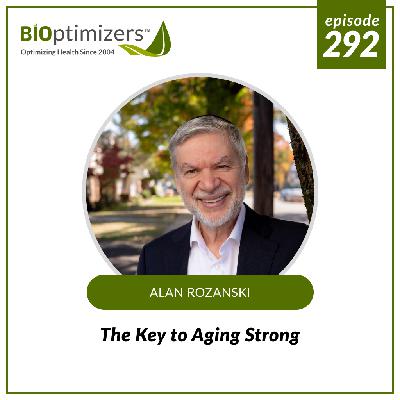
We all want to age with vitality and independence. Yet, there's a stark statistic looming over Americans: 1 in 3 people over 65 will suffer a fall. This "overlooked aging crisis" isn't just about a broken bone; it's often the starting point for a decline in health, confidence, and independence. According to Dr. Alan Rozanski, a distinguished professor of medicine, the solution isn't a new drug or a complex medical procedure. It's a proactive, powerful strategy he calls "muscle care." The Real Reason We Fall The primary driver behind this crisis is a natural process that we've accepted for too long: muscle loss, or sarcopenia. Dr. Rozanski lays out the startling reality of what happens when we remain sedentary. "If you're not doing resistance training, you are going to lose, even from the age of 30 on, you're starting to lose about 3-8% of your muscle mass per decade, and that accelerates after age 60." This isn't just a cosmetic issue. That loss of muscle mass is directly linked to a loss of strength, power, and… most critically… balance. When you have to stop a stumble or catch yourself, you're relying on muscle. When that muscle isn't there, a simple trip becomes a disaster. The Answer: Stress Your Muscles The good news, as Dr. Rozanski explains, is that this decline is not inevitable. We have a powerful tool to fight back. "You've got to stress your muscles, you know? We call it muscle care," he states. He emphasizes that this muscle loss "can be largely minimized if you are doing resistance training." The benefits go far beyond just being stronger. Dr. Rozanski notes that resistance training "promotes better immunological health, biochemical health, better mindset, greater sense of resilience, stronger muscles, and you decrease your risk of falling." This is the key takeaway: building strength is a direct investment in your stability and your ability to live life on your own terms. Start With One Simple Move For many, the idea of "resistance training" conjures images of intimidating gyms and complex machines. Dr. Rozanski insists on a different approach, one that prioritizes consistency over intensity. "We want psychological success before aerobic success," he says. He calls this "the power of the first step." The goal isn't to become a bodybuilder. The goal is to get on the playing field. "Choose one exercise," Dr. Rozanski advises. "Let's get you to do one thing that you will do each day." His favorite starting point for someone completely sedentary? "My favorite would be just to do a sit-to-stand. You know, sit in a chair, have your hands up against your chest, and just get up without using your hands, go back down." Resistance Snacks Work Wonders You don't need to block out an hour every day. Dr. Rozanski is a proponent of what he calls "resistance snacks," or "exercise snacks." These are small, manageable bits of exercise you can do throughout your day. "Dedicating about a half hour twice a week," he says, is enough to start making a profound difference. You can develop a simple repertoire of 5 or 6 exercises that target your core, upper body, and lower limbs. A few sit-to-stands, some calf raises, or stepping up and down on a stair. This small, consistent effort builds the resilience you need. Aging doesn't have to mean a loss of independence. By actively caring for your muscles, you are building a biological insurance policy against falls and decline. As Dr. Rozanski puts it, starting this practice, even in the smallest way, "is a tremendous investment in terms of your life." In this podcast you'll learn: Why 1 in 3 Americans over 65 will fall… and how "muscle care" is the key to independence. The shocking reality of muscle loss: 3-8% per decade starting at age 30, accelerating after 60. Dr. Rozanski's "power of the first step" philosophy and why sit-to-stands are the perfect starting exercise. The concept of "resistance snacks"... small bits of exercise throughout your day that build real strength. Creative ways to integrate micro-strength training into daily routines (like squats at lunch) as a practical, sustainable way to stay strong at any age. EPISODE RESOURCES: LinkedIn Website
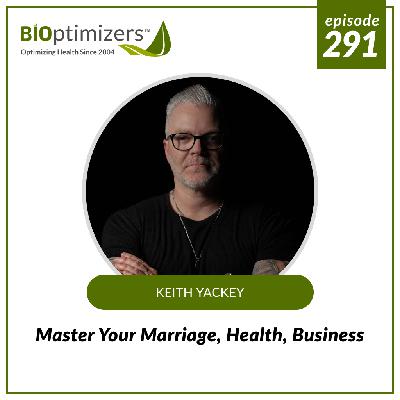
Keith Yackey is a 20-year veteran of high-performance philosophy and the founder of Married Game. His journey was forged in failure. "Jesse left 8 years ago. I messed up this relationship. I was selfish." When Yackey met his wife, he was "185 pounds of tiger meat wrapped in barbed wire." Five years later, he was 250 pounds. The man she married was gone. Only after doing the hard work did other high-performers start noticing his "code." What is that code? Your marriage, health, and business reflect your personal standard. The Health and Marriage Connection Why do successful men fail at home? They treat health, business, and marriage as separate buckets. Yackey argues they are linked. According to Yackey, "87% of dudes are not happy with the quantity or quality of love, intimacy, and sex in their marriage." Most guys think providing and protecting entitle them to love. They are wrong. The 3 Principles of the Top Dog Yackey's philosophy has three core principles. "I am the problem. I am the solution." Radical ownership. If you push her away, you can attract her back. "Become the most attractive version of me for me." Build yourself into a man you respect. Attraction is a byproduct. "Her response does not dictate my standard." "If I invite her on a date and she doesn't want to go, I'm still going," he says. Be an immovable leader. The 5 Dials Report Card Yackey gives men a report card based on 5 Dials. 99% score 80 or below—a C-level husband. "If you are an A-plus husband, you're gonna get an A-plus wife." The five dials: Parenting (are you present?), Partner (still her best friend?), Producer (marketplace value), Player (is life fun?), and Power (your word). "When trust goes down, lust goes down." Enthusiasm Beats Entitlement One core reason for failure: entitlement. "You have enthusiasm on one side, entitlement on the other. When you were dating her, high enthusiasm. As soon as you start getting entitled, it's fucking done." Yackey runs a brotherhood called "The Supremely Valuable Man." Men have become isolated. "If you are a man not hanging around other men, you're learning how to be a man from a woman." "We're the only species that thinks they're entitled to mate. The top dog gets the top dog reward. If you want to be desired, you have to be desirable." It's not about "fixing" your wife. It's about fixing you. "This prison you're in—once you realize you actually hold the key? That's true 100% of the time." In this podcast you'll learn… The three core principles of the Top Dog philosophy and how to apply radical ownership to your marriage Why 87% of men are unhappy with intimacy in their marriage, and how entitlement kills attraction The 5 Dials report card system to assess where you stand as a husband, father, and leader Why becoming the most attractive version of yourself is the key to reigniting passion and desire How to maintain your standard regardless of your partner's response, and why this changes everything EPISODE RESOURCES: Marriedgame.com
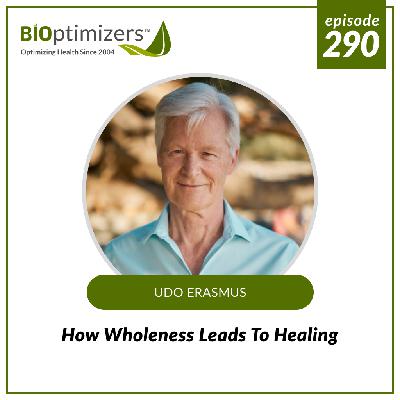
The Quest for Harmony Born amid the chaos of World War II, Udo Erasmus's journey began with trauma and survival. Fleeing Poland as a child, dodging bullets and bombs, he experienced fear, hunger, and deep mistrust in the world. By age six, he was already wondering, "There must be a way people can live in harmony." That question became the compass of his life. As Erasmus grew, so did his search for answers. He studied science, biology, psychology, and medicine, only to find these disciplines offered fragmented insights—not the holistic understanding he craved. Psychology taught thoughts and emotions but never soul. Medicine spoke endlessly about disease, but ignored health. The deeper questions remained: What is life? What is health? What is our nature? The Forgotten Inner Foundation Udo argues that every human being carries within them a core of peace, love, and wisdom—an unchanging, ever-present essence often buried under layers of distraction, trauma, and disconnection. He compares the human experience to our time in the womb, where we were suspended in pure being: no stress, no external demands, only awareness and peace. As we grow and adapt to the world, we often lose touch with this foundational state, leading to what Erasmus calls the universal ache of disconnection: heartache. Heartache is not a weakness or failure, but a signal—a call to return to ourselves. Much like thirst points us to water, heartache points us back to the source of our own being. Energy First, Matter Second A central idea in Erasmus's philosophy is that energy—not matter—is the origin and master of life. From the Big Bang to a blossoming flower, from the light in our cells to the love in our hearts, all life is governed by the flow of energy. While science seeks to understand the body through external observation, it often misses the experiential truth that life is already managing countless functions within us without our conscious control. He points to the sun as the ultimate source: it fuels plants, feeds animals, and animates human beings. From Self to Service For over 50 years, Erasmus has engaged in a daily practice to reconnect with the inner foundation of peace. Triggered by an early psychedelic experience and catalyzed by a mystical vision, he found that the answers he was chasing through intellectual study were already inside him. This practice is not religious nor scientific—it is experiential. It begins with recognizing heartache and using it as a portal inward. Once grounded in inner peace and health, Erasmus believes we naturally shift our focus from self-preservation to service. "When I feel cared for by life itself, I can ask: Where can I help?" This is the foundation for total global health—each person becoming whole, and from that wholeness, contributing to the healing of others and the planet. Erasmus's vision is not utopian fantasy. It is grounded in biology, physics, and firsthand experience. We already have the tools: sunlight, breath, food, rest, love, and awareness. By turning inward and honoring both nature and human nature, we reclaim our wholeness and can build a world rooted in health and harmony. In this podcast you'll learn... How childhood trauma can become a compass for finding universal harmony Why heartache is actually a signal pointing us back to our true nature The role of energy vs. matter in understanding life and health Practical approaches to reconnecting with your inner foundation of peace How personal wholeness naturally leads to global service and healing EPISODE RESOURCES: Website Facebook Instagram
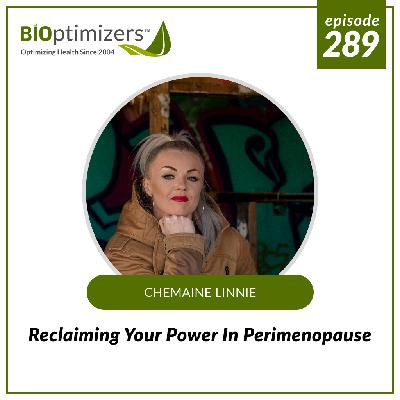
Perimenopause is a significant transition for many women, bringing with it a series of hormonal and physical challenges, including often-unexplained weight gain, particularly around the midsection. Health expert Chemaine Linnie, a certified hormone specialist and fitness coach, offers valuable insights from her own 165-pound weight loss journey and years of guiding women through this hormonal shift. Rock Bottom to Transformation Chemaine's personal journey began at her lowest point as a teenage mother in Dublin, weighing 280 pounds. A pivotal moment—her sister cutting her out of a dress—ignited her resolve: "That was my rock bottom. That's when I promised myself I would never go back". Through discipline, education, and a new passion for fitness, she transformed her life, eventually moving to Canada and becoming a respected wellness figure. However, as she and her clients aged, new obstacles emerged. The Real Culprit Contrary to popular belief, Chemaine emphasizes that perimenopausal weight gain isn't solely due to estrogen or a slowing metabolism. Instead, she points to adrenaline dominance and blood sugar imbalances as the primary culprits. Symptoms like irritability, sleep disturbances, rage, low libido, hot flashes, and night sweats are often indicators of high adrenaline and low progesterone, not just estrogen. The demanding modern lifestyle, especially in places like Canada, exacerbates these issues, with women juggling numerous responsibilities and feeling guilty about managing stress. Sleep: Your Secret Weapon Before diving into complicated protocols, Chemaine always starts with one thing: sleep. Not just any sleep, but deep, restorative sleep that allows your hormones to reset. Her approach is surprisingly simple. Screens off before bed. Magnesium supplementation. High-dose GABA – 1,500 mg or more. Create a quiet wind-down ritual that signals to your nervous system that it's safe to rest. When you sleep better, everything else falls into place. You make better food choices. You have energy to move your body. You feel more in control instead of constantly reacting. The next step is hormone balance. Bioidentical progesterone – what Chemaine calls "the hormone of vitality and sanity" – often plummets before estrogen does. When it's restored, you get better sleep, fewer cravings, stable moods, and even restored libido. Small Wins, Big Results Weight gain during perimenopause isn't your body betraying you. It's your body sending up flares, asking for support. The solution isn't another restrictive diet or punishing workout routine. It's about understanding what your body actually needs. Chemaine's philosophy is refreshingly realistic. Forget dramatic transformations and all-or-nothing approaches. Focus on small wins: improving one meal at a time, adding a 30-minute walk, aiming for just one pound per week. It's not flashy, but it's sustainable. As Chemaine puts it: "We deserve to live again." Your forties and fifties aren't about accepting decline – they're about reclaiming your vitality with wisdom you didn't have in your twenties. In this podcast you'll learn... Why willpower doesn't work for weight loss in perimenopause (and what to do instead) Why most women aren't getting real rest—and the sleep protocol that changes everything How bioidentical progesterone can restore your sense of self Why small, consistent changes beat dramatic overhauls every single time EPISODE RESOURCES: Website Instagram Facebook Youtube
In the wellness world, many chase surface-level fixes, like creams, cleanses, and crash diets, while ignoring the internal systems that actually drive energy, detoxification, and glow. Cathy Goldstein, a holistic practitioner with over 40 years of experience, sees the body differently. She believes the real fix lies in supporting two overlooked systems: fascia and lymph. Cathy describes most people as walking around with a "traffic jam of toxins." This buildup in the fascia and lymphatic system can lead to puffiness, swelling, fatigue, dull skin, and even emotional heaviness. Fascia is more than connective tissue—it's a collagen-producing communication network that sends energetic and structural signals faster than the nervous system. The lymphatic system flows through it, clearing toxins and nourishing cells. Trauma, pollution, poor posture, or emotional baggage can block this flow. When that happens, not only does your body hold onto physical toxins, but emotional ones too. Fascia, Emotions & Self-Healing Cathy often says, "The issues are in the tissues." She connects stuck emotions and trauma to disruptions in the fascia. By using energetic tools and neuro-emotional techniques, she helps the body rewire these patterns and release stored pain—both physical and emotional. Her approach is about restoration, not force. Treatments aim to retrain the nervous system, restore vibrational balance, and activate the body's own self-healing mechanisms. A New Kind of Skincare Instead of applying collagen to the skin, Cathy developed a skincare line that teaches your cells to regenerate it. Her frequency-imprinted body lotion uses oleosome technology to deliver nutrients deep into the skin. Each green bead inside contains thousands of energetic signatures and bioadaptive ingredients that encourage skin to rebuild from the inside out. This is skincare that talks to your cells—helping them remember how to function at their best. Body Sculpting with Purpose Forget bruising Gua Sha tools. Cathy's True Energy Body Sculpting Stone is ergonomically designed and infused with healing frequencies. Used just 5–6 minutes daily—especially after a shower or sauna—it opens lymphatic channels, clears fascia adhesions, and sculpts areas like thighs, belly, and underarms. Users report visible results in days: Crêpy skin softens Skin lifts and plumps in under 2 weeks Energy and emotional clarity improve It even stimulates the brain's glymphatic system to support detox while you sleep. In this podcast you'll learn... Why fascia and lymph are the missing pieces in your wellness puzzle How emotional trauma gets stored in your tissues Why fascia moves energy faster than your nervous system How Cathy's skincare and body tools promote deep healing and visible transformation Daily rituals that take just 6 minutes but create lasting impact Why aging doesn't have to mean decline—it can be intuitive, vibrant, and empowered EPISODE RESOURCES: Website Social Media handles: Facebook Instragram TikTok Youtube
In today's world, many people struggle with weight gain, a slow metabolism, brain fog, and difficulty building muscle, despite healthy diets and exercise. Health expert Sarah Banta says the cause is often in thyroid and liver health. Her insights, shared on a podcast with Wade Lightheart, highlight how these organs regulate metabolism, fat burning, and muscle building. When these organs are not working well due to toxins, stress, or poor nutrition, the body may have trouble losing fat and gaining muscle. Thyroid: Metabolic Master Switch The thyroid controls how the body makes energy. It affects our metabolism, body temperature, fat burning, mental clarity, mood, and hormone balance. Sarah notes that many people might have thyroid issues, even if tests look normal. Symptoms of a struggling thyroid include slow metabolism, fat gain, cold hands and feet, brain fog, fatigue, and muscle loss. Thyroid issues can prevent effective fat burning, no matter the diet or exercise. Liver: Metabolic Role The thyroid and liver work together. The liver converts inactive thyroid hormone (T4) to the active form (T3). If the liver is slow or congested, this conversion suffers, slowing down the thyroid. Modern lifestyles burden the liver with toxins, processed foods, and stress. This can lead to fat gain, slow metabolism, and hormonal imbalances. Liver stress can reduce thyroid and overall metabolic function. Iodine's Essential Role Iodine is important for thyroid function and every cell in the body. Many people are iodine deficient due to depleted soils, microplastics in salt, and competition from other chemicals. Iodine helps produce thyroid hormones, supports brain function, cellular energy, immune defense, and hormonal balance. It also helps detoxify heavy metals. Optimal iodine dosing is needed to overcome deficiency and remove toxins. Liver Detox for Results An overloaded liver can block fat burning, impair thyroid conversion, cause insulin resistance, and interfere with protein absorption. Sarah's approach uses herbs to stimulate bile flow, support detox, break down fatty liver, and optimize metabolism. Key ingredients include Milk Thistle and other herbs that help with liver health. A healthy liver allows the body to burn fat and build muscle safely. In this podcast you'll learn... Why iodine deficiency is a true health crisis. What are the causes of unexplained weight gain are. What the hidden causes of Insulin Resistance are. If you can burn fat and build muscle at the same time. How the spike protein affected our health. How thyroid health affects mental health. EPISODE RESOURCES: Website Instagram LinkedIn
The high-tech world of biohacking often focuses on physical factors for longevity, like supplements and cold plunges. However, author and biohacker Tony Wrighton suggests that mindset plays a more significant role. Drawing from his experience in behavior change and neuro-linguistic programming (NLP), Tony reveals that our beliefs about aging may impact lifespan more than diet or exercise. A Yale University study supports this idea, showing that individuals with a negative mindset towards aging live 7.5 years shorter than those with a positive outlook. This effect is more detrimental than smoking, obesity, or high cholesterol. Many in the wellness world meticulously track physical metrics but neglect the emotional and psychological aspects critical for a "longevity mindset." Questions about resilience, purpose, and emotional stress should be addressed. Studies suggest that purpose, like having children, contributes to longevity. Human connection and physical touch also play vital roles in health, evidenced by improvements in heart rate variability (HRV) during physical interaction. Impact of Overstimulation Tony identifies overstimulation from screens as a major health crisis contributor. Deliberate screen breaks are crucial for health. The constant "on" state leads to health anxiety, sleep disruption, and hinders the body's natural healing process. Tony emphasizes that life's best experiences, like food and love, do not require screens. Tools for Inner Change Tony advocates for various tools to support mindset work. Neuro-Linguistic Programming (NLP) helps reframe beliefs. Emotional Freedom Technique (EFT) aids in managing emotional distress. Habit Stacking involves layering positive routines to make them automatic. Tony's most effective biohack is spending time outdoors in the morning. Longevity, for Tony, is a lifestyle built on daily rituals and belief rewiring. Key practices include daily screen-free time, 20 minutes of inner reflection, human connection, purpose, and consistent routines. The Power of Beliefs Tony stresses that in a world obsessed with optimization, we often ignore the invisible drivers of well-being. How we think and feel may be the most powerful biohacks. Before investing in expensive gadgets, we should examine our beliefs about aging and purpose. These beliefs can determine if we merely live or truly thrive. In this podcast you'll learn... How mindset can impact longevity more than physical health factors. A Yale University study reveals the impact of a negative aging mindset. The importance of purpose and human connection for well-being. Tools like NLP, EFT, and Habit Stacking for inner change. The necessity of screen breaks in the modern world. EPISODE RESOURCES: Use Zestology10 code on bioptimizers.co.uk and bioptimizers.eu
Hair plays a crucial role in our identity, often symbolizing youth and confidence. Dr. Alan Bauman, with nearly 30 years in hair restoration, has seen the profound impact of hair loss and emphasizes dispelling misconceptions. Many hesitate to seek help, thinking their hair loss isn't severe or treatments are ineffective. However, early intervention is vital. Addressing hair loss early can prevent further thinning and even reverse it. Dr. Bauman stresses this proactive approach. A common myth is that hair restoration is only for complete baldness. In reality, early action yields better outcomes. Men noticing a receding hairline and women experiencing thinning should seek evaluation. Early detection allows for non-invasive treatments and lifestyle changes to prevent further loss. Minimally Invasive Transplants The era of "hair plugs" is over. Follicular Unit Extraction (FUE) has revolutionized transplants, leaving no linear scars and allowing quick recovery. Bauman Medical prioritizes natural hairlines that suit facial features. Patients experience faster recovery, less discomfort, and natural-looking results. While transplanted follicles are permanent, other hair needs ongoing maintenance due to factors like hormones and stress. Advanced Non-Surgical Therapies Modern restoration extends beyond transplants. Options include Platelet-Rich Plasma (PRP) Therapy, using a patient's blood to stimulate growth. Exosome Therapy boosts regeneration, and PDO Threads provide support for growth. FDA-cleared Red Light Therapy, like the Bauman Turbo Laser Cap, promotes healthier hair with daily use. Early Intervention and Future Tech Hair thinning can begin earlier than many realize, sometimes as early as high school or college. Individuals with a family history of hair loss should proactively monitor their hair health. Women with conditions like PCOS are particularly vulnerable to early hair loss due to hormonal imbalances. Regular measurements and early treatments, such as PRP or nutraceuticals, can prevent irreversible damage. One promising development is hair cloning, which could eliminate supply limitations for hair transplants. While still under development, Dr. Bauman has already banked his own hair follicle stem cells in anticipation of this technology. Stem cell banking allows individuals to preserve their healthiest hair follicles for future regenerative therapies, ensuring they are ready when cloning becomes a reality. For those concerned about hair loss, early action is crucial. Avoid quick fixes and consult a qualified, board-certified hair restoration physician. In this podcast, you'll learn: Latest advancements and misconceptions in hair restoration. Minimally invasive transplant techniques with natural results. Advanced non-surgical therapies like PRP, Exosome, and Red Light Therapy. The importance of early intervention and future technologies like hair cloning and stem cell banking. EPISODE RESOURCES: Instagram LinkedIn Facebook
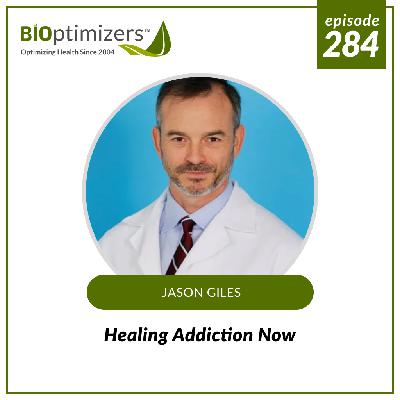
Dr. Jason Giles, a board-certified addiction medicine expert, former anesthesiologist, and a person who has personally battled and overcome substance addiction, recently appeared on the *Awesome Health Podcast* by BiOptimizers. With over 27 years of medical experience and leadership in managing 40 addiction treatment centers, Dr. Giles offers an honest and compassionate view into addiction and recovery. Addiction isn't just a medical condition, but a human challenge impacting all facets of life, from drugs and alcohol to screen time and food. These behaviors often serve as emotional coping mechanisms, hijacking the brain's reward system and substituting pleasure for well-being. Modern Addiction Triggers Substance use is not new, but the availability and potency of substances and stimuli have changed. Modern addictions are amplified by 24/7 access, social pressures, and chemically engineered substances that overstimulate neurotransmitters like dopamine and norepinephrine. Addiction isn't a lack of willpower, but a rewiring of the brain. Substance use builds tolerance, creating a cycle of withdrawal, craving, and temporary relief. "Addiction is when we begin treating withdrawal with the very thing causing the problem," says Dr. Giles. This makes addiction chemical, emotional, and behavioral. The Journey Through Addiction Dr. Giles simplifies addiction into three stages: Fun, Fun with Problems, and Just Problems. It begins as an enhancement, then consequences mount, and eventually, the behavior continues despite harm. This trajectory isn't limited to substances, as emotional eating or overworking can follow the same path. Raised in an alcoholic household, Dr. Giles became a successful anesthesiologist, but carried an internal void. Medical access led to experimentation, and Fentanyl became his drug of choice. An intervention led him to a recovery program with a 95% success rate. Redefining Recovery Detox is only the first step. True recovery is slow and non-linear. Dr. Giles believes in meeting patients where they are, using medication to ease withdrawal and building trust. Many team members are in recovery themselves, creating supportive environments. When the pandemic hit, Dr. Giles led in telehealth for addiction care, reducing relapses and shortening the gap between treatment and reentry. Emerging therapies, like GLP-1 agonists and TMS, offer hope, but long-term change requires behavior shifts. Anyone can struggle with addiction, and everyone deserves a path out. "We have to stop treating people like problems and start treating them like people," says Dr. Giles. In This Podcast You'll Learn… The three stages of addiction and how to identify them. Why modern society amplifies addictive behaviors. How Dr. Giles overcame his own addiction. Emerging therapies for addiction treatment. The importance of compassion in addiction recovery. EPISODE RESOURCES: Website
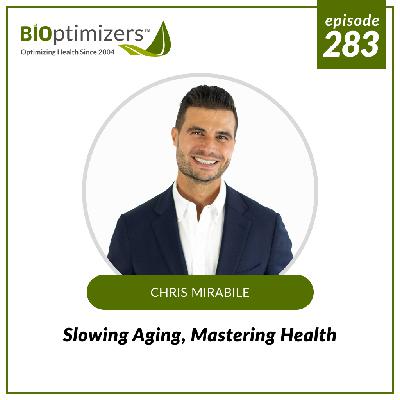
Chris Mirabile's journey to achieving a biological age 13.6 years younger than his chronological age is not a tale of luck but of deliberate action and deep scientific understanding. His transformation extends beyond mere youthful appearance. He's aging 31% slower than average. This remarkable feat is rooted in intense self-education and a disciplined lifestyle geared towards optimizing health at a molecular level. His story began at 16, when a severe seizure led to the discovery and surgical removal of a brain tumor. This life-altering event shifted his focus from basic fitness to a profound understanding of human biology and aging. A Scientific Awakening Chris transitioned from merely wanting to look fit to optimizing his long-term well-being. Utilizing academic databases like PubMed, he educated himself on the science of aging and its biological processes. The "Hallmarks of Aging" paper was a turning point, revealing aging not as inevitable, but as a series of manageable biological processes. This realization drove him to a proactive approach to health, aiming to manage and slow aging. Targeting the 12 Aging Mechanisms Today, Chris's lifestyle and biotechnology company NOVOS are structured around the 12 mechanisms that drive aging. Here's a quick look at how he addresses each: Mitochondrial Dysfunction: Enhanced through exercise and specific nutrients. Cellular Senescence: Reduced via supplements and fasting. Loss of Proteostasis: Improved by autophagy-activating practices. Intercellular Communication: Maintained by limiting inflammation. Genomic Instability: Addressed with hormetic stress like cold exposure. Epigenetic Alterations: Supported with lifestyle changes. Telomere Shortening: Minimized with diet and recovery. Deregulated Nutrient Sensing: Balanced through feeding/fasting cycles. Stem Cell Exhaustion: Preserved with low-inflammation living. Inflammaging: Reduced with anti-inflammatory strategies. Disabled Autophagy: Enhanced by intermittent fasting and polyphenols. Gut Dysbiosis: Improved through diet diversity and probiotics. By targeting these mechanisms, Chris actively works to slow and even reverse biological aging. Lifestyle as Medicine For Chris, lifestyle is the foundation of health optimization. His daily routine reflects the principles he has gleaned from his research. His diet follows a Mediterranean model, emphasizing whole plants, healthy fats, and moderate protein. He integrates periodic fasting to optimize longevity pathways. His exercise regimen is multifaceted, combining resistance training four times a week, cardio three times a week, and daily walking. Sleep is prioritized, with seven to nine hours tracked via the Oura Ring. Stress management is crucial, as well as incorporating journaling, meditation, and reframing challenges as opportunities for growth. He also utilizes specific supplements, such as NOVOS Core, developed from biotech research to support the hallmarks of aging. NOVOS: Measuring and Managing Aging NOVOS embodies Chris's belief in the scientific manageability of aging. The company offers precise formulations like NOVOS Core, which has shown lifespan extension in animal studies, and biological age testing via epigenetic analysis. The NOVOS Life app provides digital guidance, using AI to generate personalized longevity plans and estimate biological age, making longevity accessible and manageable. In this podcast, you'll learn... How Chris Mirabile reduced his biological age by 13.6 years and its importance. The 12 aging mechanisms Chris targets with NOVOS. Practical lifestyle adjustments for longevity, including diet, exercise, and stress management. The role of scientific innovation in managing aging. How to reframe challenges and use adversity for personal growth. EPISODE RESOURCES: Website LinkedIn Instagram xCom
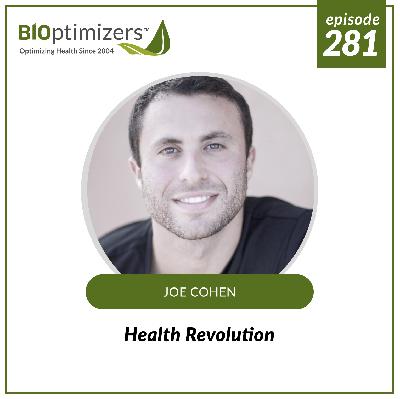
Joe Cohen's journey to optimal health is a story of self-discovery and a drive to find answers beyond conventional medicine. Struggling with chronic health issues like fatigue, inflammation, and brain fog, Joe took charge of his health by diving into genetics, biomarkers, and biohacking. A Start of Struggle: The Search for Answers Joe's early attempts to seek help from mainstream doctors were unfruitful. Frustrated, he embarked on self-experimentation. He started with lifestyle changes like intermittent fasting and cold plunges, which offered some relief. However, it was when Joe incorporated supplements into his regimen that he began to experience more significant improvements. The Quest for Scientific Answers Determined to understand his body, Joe turned to scientific resources like PubMed and Wikipedia. He discovered that health protocols were not one-size-fits-all. Joe tried various diets, such as veganism and the Bulletproof Diet, but ultimately found success with a carnivore and lectin-free approach. He realized that his body didn't respond well to grains and legumes, leading him to adopt a lectin-avoidance diet early on. The Power of Genetics and Personalized Experimentation Joe realized that understanding his individual biology was key. He learned that genetic factors, such as immune system dominance, played a crucial role in how his body reacted to different foods and supplements. This led to the development of SelfDecode, a platform providing genetic insights for personalized health optimization. He found that genetic testing, combined with lab testing and supplements, offered a holistic approach. Supplementation: The Game Changer For Joe, supplementation became a cornerstone of his biohacking strategy. He believes supplements have had the most significant impact on his health. With over 160 supplements in his daily regimen, Joe emphasizes the importance of understanding which supplements are best for an individual's unique needs. He encourages guided experimentation to find the right mix, considering genetics, biomarkers, and personal health goals. The Future of Biohacking: AI, Genetics, and Longevity Joe envisions a future where breakthroughs in organ replacement and genetic manipulation could significantly extend human lifespan. He also sees AI playing a crucial role in improving genetic research, health recommendations, and biohacking strategies. The Key to Rewiring Your Health Joe Cohen's journey shows that optimizing your health requires scientific inquiry, personalized experimentation, and an open mind toward biohacking tools. By understanding your body deeply and embracing self-experimentation, you can create a health protocol tailored to your unique needs. In this podcast, you'll learn: How Joe took control of his health when conventional medicine failed him. The power of personalized supplements and why they are crucial for optimal health. Why understanding your unique biology and genetics is essential for health optimization. How Joe developed a lectin-free diet before it became mainstream and why it worked for him. Joe's vision for the future of biohacking, including AI and genetic manipulation for longevity. EPISODE RESOURCES: Website Instagram Youtube


Download from Google Play

Download from App Store
 United States
The guest chick has a lot of useful info, but she sounds unsure about it. Every sentence she utters ends in a question. Down with Up Talk!
Her Uptalk makes this unlistenable. My God, Ladies - Stop ending every sentence with a question-like up note!