


 Claim Ownership
🎙️ CantonBee – Your Buzz for Learning Cantonese & Hong Kong culture! 🇭🇰✨🐝
Subscribed: 1Played: 6
Subscribe

© CantonBee
Description
🐝 Welcome to the CantonBee Podcast! 🎧
Join Bee & Gwai-lou Gee as we chat about Hong Kong life, culture, and real-life Cantonese 🇭🇰✨
Learn Hong Kong Cantonese in a fun, pressure-free way — through everyday topics like food 🍜, habits, cultural differences 🌏, and funny East–West moments 😆.
🎙️ What you’ll hear:
💬 Hong Kong culture & lifestyle
🌏 East–West cultural differences
🗣️ Beginner-friendly Cantonese phrases
☕ Casual, natural conversations
🎧 Learn Cantonese naturally — one conversation at a time
If you want a clear, structured start to Cantonese (without feeling lost), my 30-minute crash course is linked in Instagram bio 🐝.
📩 Follow us on Instagram 👉 @CantonBee
#CantonBee #Cantonese #LearnCantonese #HongKongCantonese
Join Bee & Gwai-lou Gee as we chat about Hong Kong life, culture, and real-life Cantonese 🇭🇰✨
Learn Hong Kong Cantonese in a fun, pressure-free way — through everyday topics like food 🍜, habits, cultural differences 🌏, and funny East–West moments 😆.
🎙️ What you’ll hear:
💬 Hong Kong culture & lifestyle
🌏 East–West cultural differences
🗣️ Beginner-friendly Cantonese phrases
☕ Casual, natural conversations
🎧 Learn Cantonese naturally — one conversation at a time
If you want a clear, structured start to Cantonese (without feeling lost), my 30-minute crash course is linked in Instagram bio 🐝.
📩 Follow us on Instagram 👉 @CantonBee
#CantonBee #Cantonese #LearnCantonese #HongKongCantonese
12 Episodes
Reverse
Ever wondered what really happens in a traditional Chinese wedding? 👰🏻♀️🤵🏻In this episode, Bee and Gee walk you through the full journey of a Chinese marriage — from proposal to wedding banquet — and explain the meaning behind each tradition.求婚【kau4 fan1】Meaning: to propose marriage訂婚【ding3 fan1】Meaning: to get engaged結婚【git3 fan1】Meaning: to get married擺酒【baai2 zau2】Meaning: to host a wedding banquet開門利是【hoi1 mun4 lei6 si6】Meaning: red packet given to open the door (door games tradition)接新娘【zip3 san1 noeng4】Meaning: groom picking up the bride玩新郎【waan2 san1 long4】Meaning: groom door games / challenges by bridesmaids禮金【lai5 gam1】Meaning: bride price (money given by groom’s family)嫁妝【gaa3 zong1】Meaning: dowry (gifts from bride’s family)龍鳯鈪【lung4 fung6 ngaak3】Meaning: dragon & phoenix wedding bracelets (gold jewellery)過大禮【gwo3 daai6 lai5】Meaning: formal betrothal gift ceremony金器【gam1 hei3】Meaning: gold jewellery人情【jan4 cing4】Meaning: wedding gift money from guests敬茶【ging3 caa4】Meaning: tea ceremony (showing respect to elders)斟茶【zam1 caa4】Meaning: to pour tea
What shocked Gee the most when he visited Hong Kong? 🇭🇰In this episode, Bee and Gee talk about Gee’s first impressions — the super tall buildings, tiny Hong Kong flats, lightning-fast cha chaan teng service, reliable public transportation, and how fast Hong Kong people walk.Gee also shares why he felt very safe in Hong Kong and how locals react when foreigners speak Cantonese.A fun episode about Hong Kong culture and Cantonese learning.Follow CantonBee for more Cantonese learning and Hong Kong culture 🐝
Lunar New Year Traditions | Cantonese Culture ExplainedLunar New Year isn’t just about saying “Happy New Year” 🧧✨In this episode of the CantonBee Podcast, Bee and Gee explore the real Cantonese traditions behind Chinese New Year — from 揮春 (fai1 ceon1) decorations to 年廿八洗邋遢 (nin4 jaa6 baat3 sai2 laap6 taat3) big cleaning day.You’ll learn:🧹 Why we clean the house before New Year🖌 Why “福” is often placed upside down (福倒 fuk1 dou3 / 福到 fuk1 dou3)🍽 What happens during 團年飯 (tyun4 nin4 faan6)🧧 The meaning behind 派利是 (paai3 lei6 si6) / 𢭃利是 (lo2 lei6 si6)🚫 Why 年初三 (nin4 co1 saam1) is called 赤口 (cek3 hau2)🎊 Common Lunar New Year taboos you should avoidPlus, we share 3 essential Cantonese blessings you can use this year:✨ 新年快樂 (san1 nin4 faai3 lok6)💰 恭喜發財 (gung1 hei2 faat3 coi4)💪 身體健康 (san1 tai2 gin6 hong1)If you’re learning Cantonese or curious about Hong Kong culture, this episode gives you practical phrases and cultural insight in one fun conversation.🎧 Perfect for beginners who want to understand real Hong Kong Cantonese traditions.—Crash course link in IG bio 🐝
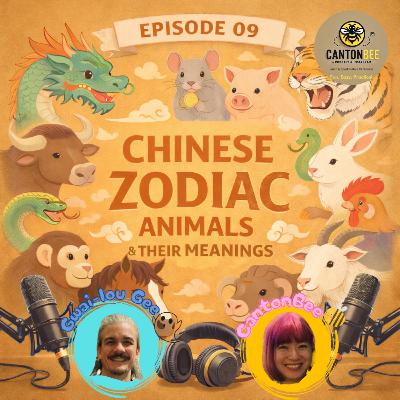
🎧 EP.9 — Chinese Zodiac Animals & Their MeaningsWhat are the Chinese Zodiac Animals, and what do they represent? 🧧🐲In this episode, Bee & Gwai-lou Gee explore the 12生肖 (sap6 ji6 sang1 ciu3 — the Twelve Chinese Zodiac Signs), their meanings and cultural background — plus why the Zodiac year doesn’t start on 1 January, but around 立春 (lap6 ceon1 — Start of Spring, the first solar term) 🌱.Perfect for beginners who want to learn Cantonese vocabulary and understand Chinese culture in a simple, fun way.⸻🐾 The 12 Chinese Zodiac Animals(十二生肖 sap6 ji6 sang1 ciu3)1️⃣ 鼠 syu2 — Rat2️⃣ 牛 ngau4 — Ox3️⃣ 虎 fu2 — Tiger4️⃣ 兔 tou3 — Rabbit5️⃣ 龍 lung4 — Dragon6️⃣ 蛇 se4 — Snake7️⃣ 馬 maa5 — Horse8️⃣ 羊 joeng4 — Goat / Sheep9️⃣ 猴 hau4 — Monkey🔟 雞 gai1 — Rooster1️⃣1️⃣ 狗 gau2 — Dog1️⃣2️⃣ 豬 zyu1 — Pig⸻🐝 Want to learn Cantonese step by step?Cantonese for Absolute Beginners — 30-Minute Crash Course👉 Crash course link in bio🎁 Free Cantonese Starter Pack also available!#CantonBee #Cantonese #LearnCantonese #ChineseZodiac #十二生肖#ChineseCulture #HongKongCantonese #CantoneseLearning#ChineseNewYear #立春 #ZodiacAnimals #LanguagePodcast
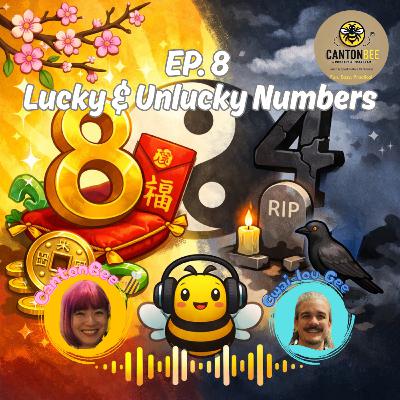
🎙️ CantonBee Podcast|Episode 8Lucky & Unlucky Numbers in CantoneseWhy is 8 lucky but 4 avoided in Hong Kong? 🍀In this episode, Bee and Gee talk about lucky and unlucky numbers in Cantonese and Hong Kong culture — and how numbers affect daily life, from buildings to phone numbers.Perfect for Cantonese learners who want real cultural context, not just vocabulary.👉 Follow CantonBee on Instagram & YouTube for more Cantonese tips and Hong Kong culture.🎁 Get the FREE Cantonese Starter Pack + Measure Words List — link in bio of IG / YouTube (www.cantonbee.carrd.co)
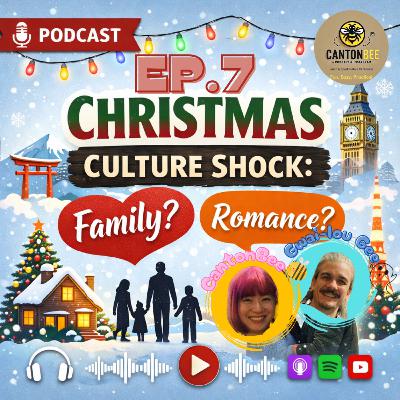
Christmas means different things in British and Hong Kong culture.In Britain, Christmas is mainly family time — going home, eating together, and spending the day with family.For Hongkongers, family gatherings already happen often during Chinese festivals like 冬至, so Christmas is more commonly seen as a time for romance or hanging out with friends.In this episode, Bee and Gee talk about how these differences can cause culture shock — especially for couples.Cantonese words you’ll hear: • 冬至【dung1 zi3】– Winter Solstice • 聖誕節【sing3 daan3 zit3】– Christmas • 聖誕快樂【sing3 daan3 faai3 lok6】– Merry Christmas • 二人世界【ji6 jan4 sai3 gaai3】– romantic time for two🎧 Listen now and see which side you relate to more — family or romance?
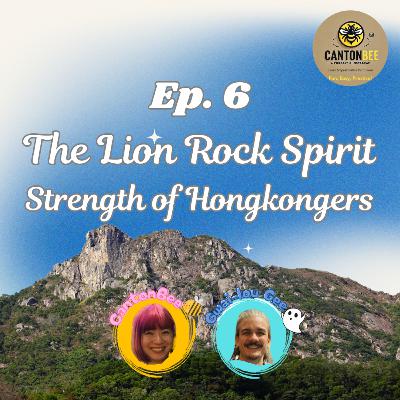
🎙 CantonBee Podcast — Episode 6Lion Rock Spirit|獅子山精神:Why Hongkongers Never Give Up 🇭🇰In this episode, Bee & Gee dive into 獅子山精神 si1 zi2 saan1 zing1 san4 — the iconic Hong Kong “Lion Rock Spirit.”We explore what makes Hongkongers so strong, hardworking, and supportive of each other, even when life gets tough.You’ll learn useful Cantonese vocabulary and phrases such as:• 獅子山精神 si1 zi2 saan1 zing1 san4 — Lion Rock Spirit; HK’s never-give-up attitude• 勤力 kan4 lik6 — hardworking• 好捱得 hou2 ngaai4 dak1 — tough; able to endure hardship• 唔怕辛苦 m4 paa3 san1 fu2 — not afraid of challenges• 唔會輕易放棄 m4 wui5 hing1 ji6 fong3 hei3 — not giving up easily• 打逆境波 daa2 jik6 ging2 bo1 — fight through adversity• 靈活變通 ling4 wut6 bin3 tung1 — flexible and adaptable• 互相幫助 wu6 soeng1 bong1 zo6 — help each other• 加油 gaa1 jau2 — keep going / you can do it• 唔好放棄 m4 hou2 fong3 hei3 — don’t give up• 好捱得 hou2 ngaai4 dak1 — very resilient (repeated to emphasise meaning)Bee & Gee also share personal stories about growing up in Hong Kong, cultural values, and how these phrases reflect the unique Hongkonger spirit.💛 If you’re learning Cantonese or love Hong Kong culture, this episode is perfect for you!
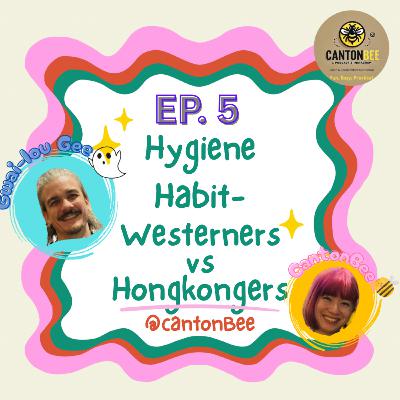
Bee and Gee are back with a fun (and slightly spicy 🤭) cultural chat!Today we explore the big and small hygiene habits that Westerners and Hongkongers do SO differently — from shoes at the door to shower routines to how we eat at restaurants.We talk about:🥿 Why Hongkongers take off shoes at home🚿 Shower-before-bed vs morning shower🍽️ Sharing dishes vs individual plates (and 公筷 becoming more common!)🫖 Washing cutlery with hot tea at 茶餐廳😆 Double-dipping — acceptable or criminal?Lots of laughs and lots of “OMG so true” moments.🎧 Tell us: Are you a morning shower or night shower person?⸻⭐ Vocabulary from this episode• 污糟 wu1 zou1 — dirty / messy• 乾淨 gon1 zeng6 — clean• 瞓覺 fan3 gaau3 — to sleep• 沖涼 cung1 loeng4 — to shower• 筷子 faai3 zi2 — chopsticks• 公筷 gung1 faai3 — serving chopsticks• 酒樓 zau2 lau4 — Cantonese banquet-style restaurant• 茶餐廳 caa4 caan1 teng1 — Hong Kong–style café• 洗碗 sai2 wun2 — to wash dishes💛 IG: @CantonBee — daily Cantonese, slang, and HK culture🎥 YouTube: CantonBee — fun lessons & beginner-friendly videos🎧 Listen & learn with us across Spotify + Apple Podcasts

💛 Hong Kong people don’t often say “我愛你” (ngo5 oi3 nei5 — I love you). In fact, instead of saying 愛 (oi3, love), they might say “鍾意” (zung1 ji3 — like) to express affection, or simply show love through actions — cooking your favourite dish, checking if you’ve eaten, or quietly doing something thoughtful. 💬In this heartfelt and funny episode, Bee 🐝 and Gee 🇬🇧 dive deep into how Hongkongers express emotions differently from Western cultures.✨ What you’ll hear in this episode: • Why Hong Kong people rarely say “我愛你” — and what they say instead ❤️ • The meaning of “我鍾意你” (I like you) and when it’s used in Cantonese • Real-life examples of how families and couples show love without words • Funny comparisons between British and Hong Kong ways of expressing emotion • How language, culture, and upbringing shape emotional expressionBee shares her personal experience growing up in Hong Kong, where open emotional expression wasn’t common. Gee, coming from the UK, gives his perspective as someone used to hearing “I love you” more often — and together, they uncover the warmth and subtlety behind Hong Kong love culture. 💞💡 Learn Cantonese phrases from this episode: • 我愛你 (ngo5 oi3 nei5) — I love you • 我鍾意你 (ngo5 zung1 ji3 nei5) — I like you • 食咗飯未呀?(sik6 zo2 faan6 mei6 aa3?) — Have you eaten yet? • 小心呀!(siu2 sam1 aa3!) — Be careful! • 記得着多件衫呀!(gei3 dak1 zoek3 do1 gin6 saam1 aa3!) — Remember to wear more clothes!These everyday phrases may sound simple, but to Hongkongers, they often mean “I love you” — just without the words.🎧 Learn Cantonese. Understand Hong Kong.Subscribe to the CantonBee Podcast for more stories, laughter, and cultural insights — all while improving your Cantonese!🐝 Follow @CantonBee on Instagram and YouTube for daily Cantonese tips, Reels, and learning resources.🎁 Download your Free Cantonese Starter Pack → [link in bio or show notes]🎵 Music: “Rain”Musician: @iksonmusic#CantonBee #Cantonese #HongKongCulture #LoveInHongKong #LearnCantonese #我愛你 #我鍾意你
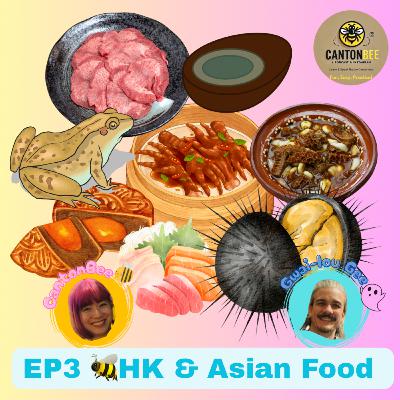
In this hilarious and mouth-watering episode, Bee and Gee explore some of the most iconic (and surprising!) Hong Kong and Asian foods — from classic snacks to dishes that make Gee say “Whaaat?!” 🤯🍽️ Featured foods:🥮 月餅 (jyut6 beng2) — Mooncake🍣 魚生 (jyu4 saang1) — Sashimi🦑 海膽 (hoi2 daam2) — Sea urchin🐔 鳯爪 (fung6 zaau2) — Chicken feet🦆 鴨掌 (aap3 zoeng2) — Duck web🐄 牛肚 (ngau4 tou5) — Beef tripe🐮 牛舌 (ngau4 sit6) — Ox tongue🥚 皮蛋 (pei4 daan6) — Century egg🐸 田雞 (tin4 gai1) — Frog🐙 海蜇 (hoi2 zit3) — JellyfishGee gives his real gwai-lou reactions 😱 while Bee explains the Cantonese names, meanings, and cultural stories behind each dish — all with plenty of laughter and fun!
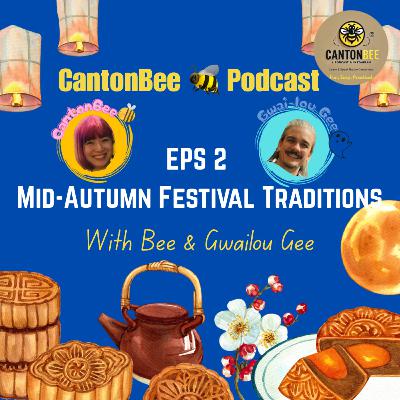
🎙️ CantonBee Podcast EP.2 — Mid-Autumn Festival 中秋節快樂! 🌕✨In this festive episode, Bee and Gwai-lou Gee chat about the Mid-Autumn Festival — one of the most beautiful and meaningful celebrations in Chinese culture! 💬💛You’ll learn fun Cantonese words and phrases like:🌕 中秋節快樂 【zung1 cau1 zit3 faai3 lok6】– Happy Mid-Autumn Festival!🥮 月餅 【jyut6 beng2】– mooncake🎑 做節 【zou6 zit3】– to celebrate a festival🏮 燈籠 【dang1 lung4】– lanternPlus, you’ll hear about how people in Hong Kong celebrate by lighting lanterns, eating mooncakes, and enjoying the bright full moon together. 🌝💫Listen now and celebrate 中秋節 with us — full of stories, laughter, and Cantonese learning fun! 🥮🐝
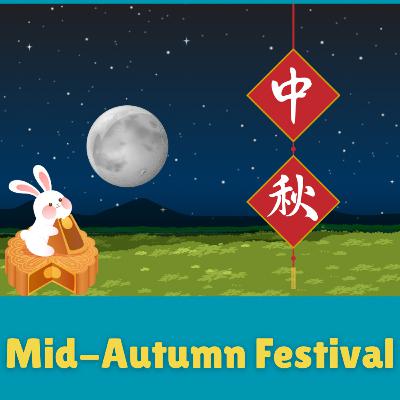
The legend of the Mid-Autumn Festival中秋節 zung1 cau1 zit3 = Mid-Autumn Festival后羿 hau6 ngai6 = Hou Yi嫦娥 soeng4 ngo4 = Chang’e玉兔 juk6 tou3 = Jade Rabbit月餅 jyut6 beng2 = mooncake燈籠 dang1 lung4 = lantern賞月 soeng2 jyut2 = enjoy moon gazing
Comments

Download from Google Play

Download from App Store
 United States