


 Claim Ownership
Behind the Star
Subscribed: 23Played: 110
Subscribe

Description
Behind the Star is the official podcast of the Orange County Sheriff's Office, the largest law enforcement agency in Central Florida. From forensics to dispatch to the deputies on patrol, we share stories and talk to the brave men and women of law enforcement.
84 Episodes
Reverse
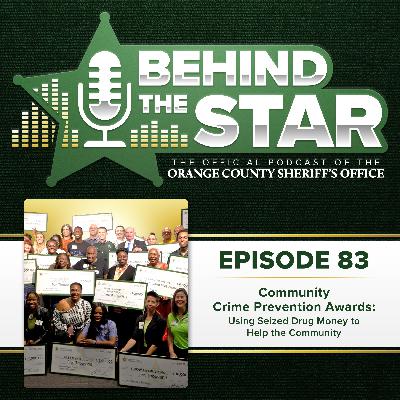
Director of Strategic Communications Michelle Guido joins the podcast to talk about a program that has taken on real importance at the Orange County Sheriff's Office. The Community Crime Prevention Awards use seized drug money to support groups that give young people guidance and improve safety in neighborhoods. Michelle explains how the idea started and how it grew into a reliable source of support for local organizations. She also walks through how applications are reviewed and why this program has become a steady point of connection between the agency and the community. 0:00 – How the Community Crime Prevention Awards began 1:12 – What the Law Enforcement Trust Fund is and how seized money can be used 2:07 – Opening the program to smaller, lesser-known organizations 2:30 – First-year launch and early success 3:25 – Growth over five years and approaching $1 million given back 4:20 – Who can apply and what types of programs align with crime prevention 5:45 – Why turning drug money into community support matters 6:55 – Award amounts, vetting, and how recipients are selected 8:18 – Common mistakes and applications that don't qualify 9:13 – Examples of funded programs and success stories 15:25 – How far the funding can go for the right groups 16:43 – Annual award event and building relationships with recipients 17:03 – Tips for first-time applicants and what criteria matter most 20:23 – What the money can and cannot pay for 21:35 – Why the program continues to grow and evolve 22:51 – Deadline, approval process, and when awards are announced 24:57 – Final thoughts and where to apply

Deputy Romaine Campbell opens up about the loss of his young son, how that tragedy reshaped him, and the long, uneven process of finding purpose again. He talks about the job, the pain he tried to outrun, the help he finally accepted, and the work he's doing today to support others walking through their own darkness. 0:00 – Getting into law enforcement 2:40 – The night he got the call about his son 7:55 – Working nonstop to outrun the pain 9:35 – Realizing he wasn't healed 15:11 – Getting help and starting to process everything 19:17 – Time in the courthouse and as an SRO 20:31 – Message about seeking help 23:10 – Writing his book and starting his nonprofit 25:30 – Blessings in his life now 27:09 – How he handles the long delay in the trial 29:07 – Final thoughts for listeners
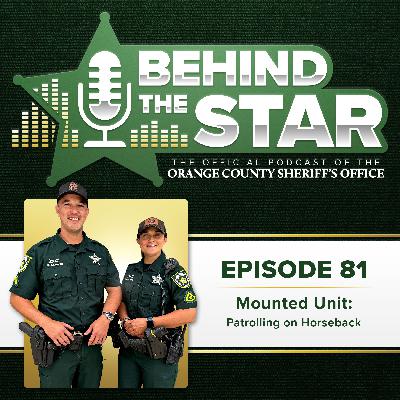
In this episode of Behind the Star, we visit the Orange County Sheriff's Office Mounted Unit to learn what it's really like to patrol on horseback. Master Deputy Lindsay Gonzalez and Corporal Niko Velazquez share how they joined the mounted unit, what it takes to train for the job and the strong bonds formed between deputies and their horses. Lindsay and Niko talk about patrol work, crowd control, parades, and how horses play a role in community engagement and search and rescue. They also discuss training challenges, funny stories from the field, and what it's like when a horse retires. 0:44 – History and purpose of the unit 2:30 – Horses: how many, how they're assigned, and their personalities 7:20 – Daily care, barn duties, and the reality of poop patrol 10:32 – Matching horses to events and understanding their temperaments 11:34 – Where the horses come from and why most are donated 15:13 – Meet James, Justice, Grace, Alessandro, Pocket Change, Remington, Pete, and Blackjack 29:14 – Retirement: when, why, and where they go 31:00 – Law enforcement uses: presence, patrol, and search and rescue 35:12 – Memorable stories, de-escalations, and the public's love for the unit 39:20 – Weird snacks, funny habits, and diva horses 42:00 – Horses' intelligence, emotions, and long memories

In this episode of Behind the Star, we sit down with Hostage Negotiation team leaders Lieutenants Abby Hilley and Bill Bartlett for a look inside one of the most intense and high-stakes units at the Orange County Sheriff's Office. Abby and Bill share insights into the psychology, preparation, and pressure behind the badge. Segment Breakdown: 0:44 – Lt. Bartlett shares a real callout story and explains when the Hostage gets involved3:49 – Who joins the team, how they train, and how the 20-person roster is managed9:03 – The pressure of knowing lives are on the line12:54 – What kinds of requests or demands do people make during standoffs?14:37 – Misconceptions about hostage negotiations16:52 – How they decide who makes the team18:48 – Why consistent training is critical20:17 – How long can a negotiation last?23:12 – How often do cases involve actual hostages?24:25 – How they make first contact—and what they're listening for29:52 – Most surprising encounter in the field32:54 – Do they follow up with the people they help?36:56 – What led Hilley and Bartlett to become negotiators
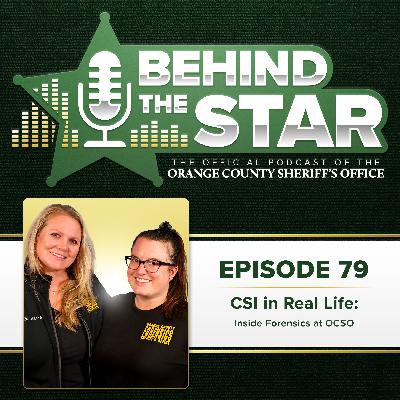
In this episode of Behind the Star, we visit with Crime Scene Investigator Mikayla Overholtzer and Forensic Firearms Specialist Marriah Herro to uncover what forensics work really looks like at the Orange County Sheriff's Office. Mikayla and Marriah break down how they got into the field, what it's like to work in their unit and how forensics plays a key role in solving everything from shootings to suspicious deaths. Marriah shares how firearms are test-fired, linked to crimes using NIBIN, and even restored when serial numbers are destroyed. Mikayla walks us through her process at crime scenes, including the tough emotional side of the job and how the team supports one another. You'll hear wild stories from the field and find out why some scenes smell worse than others. The episode also includes fun rapid-fire questions and heartfelt moments about what drives them to do this work and what they're most proud of. 0:24 – TV vs. Reality: How shows shape public perception of forensics 2:16 – How Mikayla and Marriah got into the field 3:42 – Overview of the Forensics Unit and roles; why so many women in CSI 5:07 – Types of crime scenes OCSO responds to 8:08 – Marriah breaks down firearms forensics and NIBIN 11:47 – Role of forensic biologists and fingerprint analysts 14:00 – Fun questions: weirdest crime scene finds, unexpected parts of the job 16:18 – Impact of regularly seeing death and trauma as a CSI 19:56 – Mikayla's scene-processing workflow 23:16 – Memorable moments and stories from the field 30:37 – How friends and family react to their careers 31:57 – Eureka moments, staying updated on case outcomes, proudest moments 37:24 – Testifying in court, mentoring others, advice for aspiring forensic professionals 43:57 – The unit's family dynamic and trauma bonding 46:28 – Rapid-fire fun: worst smells, weirdest evidence, most "Florida" things 49:23 – Marriah on oddball guns and a test-firing mishap
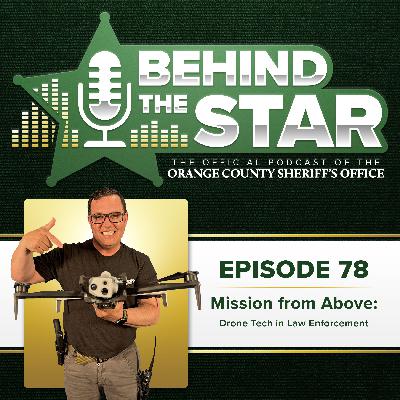
In this episode of Behind the Star, we sit down with Drone Coordinator Mike Kleinfelt to learn how drones are transforming law enforcement at the Orange County Sheriff's Office. From assisting in critical missions to providing an eye in the sky when helicopters aren't an option, Mike breaks down how, when, and why OCSO deploys this technology. He also clears up common misconceptions about drones, explains how the agency addresses privacy concerns, and shares some memorable stories from the field. With a background in law enforcement and a passion for innovation, Mike offers a behind-the-scenes look at the growing role of drones in public safety and what the future might hold. (0:30) – Introduction to drone operations at the Orange County Sheriff's Office (1:50) – Common misconceptions about drones in law enforcement (3:59) – When and why drones are used instead of helicopters (5:43) – Mike Kleinfelt's background and career in law enforcement (9:10) – Memorable stories from the field involving drone deployments (13:24) – How often OCSO deploys drones in real-world situations (15:06) – Addressing public concerns about drones and surveillance (16:24) – What it takes to become a drone operator at OCSO (17:55) – The future of drone technology in law enforcement (20:34) – Rapid-fire questions with Mike (26:15) – What the public should know about drones in law enforcement

In this episode, we take you inside the Orange County Sheriff's Office Teen Academy — a unique, hands-on summer experience for local teens. You'll learn how the program started, who it's for, and what makes it stand out from a typical summer camp. From flying drones and meeting the K9 Unit to exploring forensics, SWAT demos, and even an obstacle course, this episode highlights the wide range of experiences teens can expect. We also talk about what the week is like for the deputies and staff who lead the program, and how the academy helps build trust and connection between law enforcement and the community. Whether your teen is thinking about a future in law enforcement or just wants an unforgettable week, this episode gives you the full picture. (0:00): Introductions (1:20): What is the Teen Academy? (3:38): Why does OCSO do the Teen Academy? (4:01): How does Teen Academy compare to a typical summer camp? (4:48): What happens during the week? (detailing the activities) (10:01): What else do parents need to know before registering? (10:53): What the week is like for teens and deputies (13:40): Dates available for the 3 Teen Academies (14:05): How Teen Academy has evolved over the years (17:13): Sometimes the camp inspires a career in law enforcement (19:58): Are there similar programs for adults? (22:35): What happens at graduation at the end of the week?
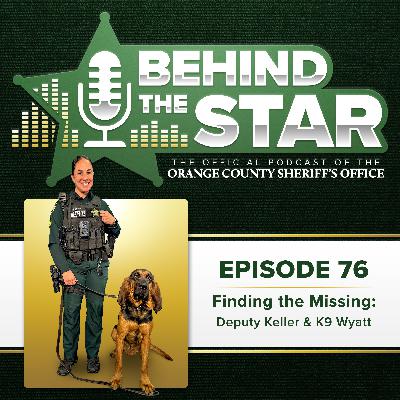
In this episode, we sit down with K9 Deputy Angie Keller to explore the incredible work she does with her Bloodhound, Wyatt. Together, they achieved 23 successful finds in 2024. Angie shares stories from the field, explains what it's like working with Wyatt every day, and talks about personality traits that make Wyatt such a special partner. From the science of scent tracking to the way they celebrate a successful find, this episode gives you an inside look at the bond between a K9 handler and her dog. (0:00): Meeting Deputy Keller and her history at OCSO (1:10): Why the agency uses bloodhounds and the training involved (3:33): Dog retirement and whether Wyatt goes home with Angie (5:10): How Wyatt picks up a scent (6:44): Common cases: finding children with autism or elders with dementia (8:14): Stories from the 23 finds made in 2024 (14:11): The usefulness of free scent kits RAPID FIRE QUESTIONS (16:02): How far can Wyatt track a scent? (16:39): What is the weirdest item you've used to track someone? (17:03): How does Wyatt indicate he's found someone? (17:33): What's a typical day off like for Wyatt? (18:04): What conditions are the most difficult for Wyatt to track in? (20:11): Wyatt's personality: like a toddler's (21:20): Commands: What words does Angie use? (22:33): Does Wyatt know the difference between work and downtime? (23:57): How do Angie and Wyatt celebrate or reward a find?
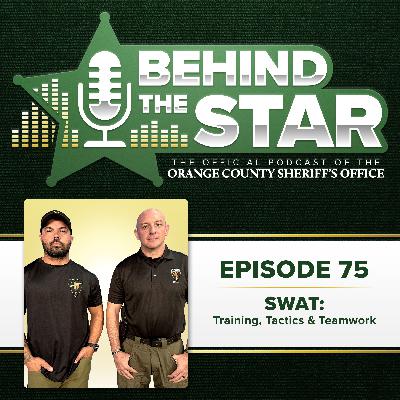
In this episode, we sit down with Sergeant Ryan Donovan and Master Deputy Jovi Santos from the Orange County Sheriff's Office SWAT team. They share insights into the purpose and history of SWAT, what their day-to-day job entails, and the camaraderie that makes the unit so unique. We also dive into the selection process, common misconceptions about SWAT, and an inside look at the annual SWAT Round-Up International competition. (0:00): Meeting Sgt. Donovan and MD Santos (2:15): Process for joining SWAT (4:00): How has SWAT changed over the years? (5:08): Explaining the origin of SWAT (6:36): How often is SWAT called on? (7:10): How big is our team? (7:33): What's it like when you first join? (9:22): Challenges and stresses of the job (10:10): Why is the job appealing? (12:36): What is a typical day like? (14:05): Sgt. Donovan shares some unfortunate stories (15:19): What is the most common call SWAT goes on? (15:48): What most commonly goes wrong? (16:36): Training is most of the job (17:50): Explaining the selection process (21:23): Camaraderie is important to the team (22:56): SWAT Round-up International (34:43): Mike Milmerstadt's legacy at the agency (35:38): How SWAT recruits (38:36): Common misconceptions about SWAT
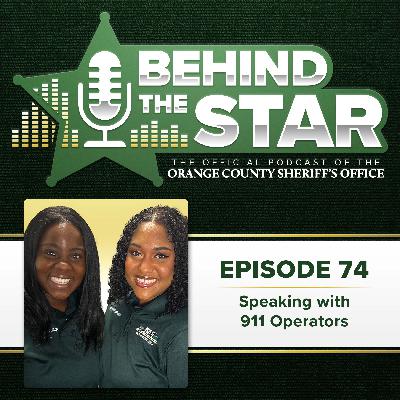
In this episode of Behind the Star, Garbrielle Griffith, an Emergency Communications Specialist, and Nikayla Phillip , a 911 Supervisor, share their experiences from the front lines of emergency response. They recount some of the most impactful calls they've handled, offering a glimpse into the intense and often unpredictable nature of their work. Garbrielle and Nikayla discuss what it takes to thrive in this demanding role, the kind of person best suited for the job and the preparation required to handle the constant unknowns. They also explore how many use this position as a stepping stone into law enforcement, highlighting the skills and insights gained from their experiences. (1:55): The seriousness and stress of the job (9:05): The Comm Center looks like you would expect from a TV show or movie (10:17): How long does it take to feel comfortable in the role? (11:23): Learning how to do the job (13:38): Traits and skills needed to be a 911 operator (15:24): How has this job changed you? (17:04): The biggest miscinceptions about 911 operators (18:11): Gabrielle and Nikayla share some of their most memorable calls (25:31): Why you should consider applying for a job here
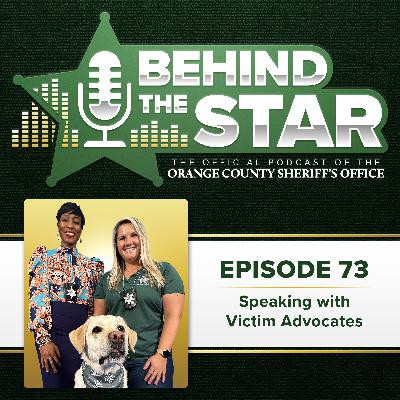
In this episode of Behind the Star, Koreen Baker and Delaney Saunders from the Victim Advocates Unit discuss the critical support they provide to victims of crime and crisis, the types of calls they respond to, and how they prepare themselves mentally and emotionally for their challenging roles. Koreen and Delaney explain the importance of working closely with deputies and detectives, the resources available to victims, and the essential qualities and training required for their work. They also delve into the structure of the Victim Advocates unit and how their approach compares to other agencies nationwide. Additionally, they highlight the special role of therapy dogs in their work, including the training and significant impact these canine companions have on victims and the community. Tune in to hear personal stories, motivations, and the challenges of being a Victim Advocate, as well as some rapid-fire questions that reveal more about Koreen and Delaney's experiences and perspectives. Join us for an in-depth look at the vital work of Victim Advocates and the profound difference they make in the lives of those they serve.

In the concluding episode of our series on legislative reforms, we address a loophole in Risk Protection Orders (RPOs)—the lack of penalties for providing firearms to individuals under an RPO. Sheriff John Mina proposes making it a felony to knowingly give a gun to someone under an RPO. Cristal Maisonet, assistant general counsel at OCSO, joins us to discuss the impact of this change and how it would strengthen protections against gun violence. (1:25) What is a Risk Protection Order (RPO)? (2:10) How are RPO's implemented in Florida? (7:50) Have RPO's been effective so far? (10:10) Explaining the current loophole the law (12:48) How do people respond to being placed under and RPO? (14:02) Addressing the loophole
In the third episode of our four-part series on Sheriff Mina's legislative priorities, we explore the mission to strengthen protections for our children with Lt. Chip Denmark. We discuss the current law in Florida, where luring or enticing a child under 12 into a secluded space is shockingly only a misdemeanor. Highlighting the need for change, Sheriff Mina proposes making this act a felony. (0:54) Explaining the current Florida law (1:53) Past examples of this law being applied (2:53) Electronic luring of a child is already a felony (3:41) Challenges for law enforement when it is only a misdemeanor (4:42) Explaining Sheriff Mina's goal to make it a felony
In the second episode of our four-part series, we delve into Sheriff John Mina's legislative push against the dangers of street racing, reckless driving and intersection takeovers with Lt. Mike Crabbe. Highlighting the growing menace these activities pose to public safety, the discussion covers proposed legal reforms aimed at escalating penalties, including turning second offenses into felonies and increasing fines for spectators, to deter such hazardous behavior and ensure safer streets for the community. (1:45): A brief history of OCSO's efforts to combat the problem (2:50): All of these illegal street activities are considered RVO's (4:01): Recent trends we've seen (6:38): The role of social media with reckless vehicle operation (8:26): The problem, and the public's frustration, is widespread (10:10): The Sheriff's legislative proposal to combat the problem (16:10): Success stories from the last year of tackling the issue
We dive into Sheriff John Mina's legislative initiative aimed at transforming the safety landscape of after hours clubs. Featuring guest Lt. Joseph Bellizio, the episode explores the critical need to elevate illegal alcohol sales to a felony as part of a broader effort to ensure community safety. (1:13): Strike team established in November to go after after hours clubs (4:20): What dangerous activities happen at these clubs (5:03): Biggest challenges in dealing with these clubs (6:30): What these clubs look like (7:18): Understanding the Sheriff's legislative proposal to combat these clubs (9:20): Strike team is making an impact (11:20): How the public can give tips to OCSO
Orange County Sheriff's Office Captain Darryl Blanford and a narcotics agent, whose identity remains undisclosed due to the sensitive nature of his work, talk about the enigmatic realm of Xylazine, a drug commonly known as "Tranq" or the "Zombie Drug." (1:39): An overview of Xylazine (5:01): Will Xylazine replace Fentanyl? (8:12): Xylazine can cause rotting of flesh in users (9:10): Because Xylazine is not an opioid, Naloxone (Narcan) does not reverse its effects (14:09): Fake pills are another major concern (18:55): Penalties for trafficking (21:26): Misconceptions about users (26:58): Ways OCSO is combating the drug problem

Master Deputy Nick Mahon and Deputy Doug Kimberlin talk about why the Orange County Sheriff's Office has a Marine Unit, break down some of the unique parts of the job and explain some of the challenges of working on the water during summer holiday weekends like Memorial Day.
For people diagnosed with a memory disorder or family members caring for a loved one with Alzheimer's Disease, the dangers of wandering and getting lost are a major concern. The Orange County Sheriff's Office offers free Scent Preservation Kits to pre-collect and preserve a person's unique scent ahead of time giving responding K-9 Units a head start during a search with an uncontaminated scent article. In this episode, Corporal Kyle Ramsey and Deputy Angie Keller talk about how the scent kits work and their usefulness in finding a missing person. To pick up a free Scent Evidence K-9 Collection Kit from the Orange County Sheriff's Office, come to our Central Operations Building, 2500 W. Colonial Drive, and enter the lobby that faces Colonial Drive. The lobby hours are 8 a.m. to 5 p.m. Monday through Friday.
The Orange County Police Athletic League provides athletic, recreational, and educational programs for kids by using dedicated Orange County Sheriff's deputies as coaches and mentors. The deputies work at select schools in Orange County and organize flag football, soccer and basketball leagues. PAL Deputies Maurice Crum and Shawn Randall join Behind the Star host Jon Busdeker to talk about sports, the students and why PAL matters.
The Orange County Sheriff's Office K9s go through extensive training. On this episode, OCSO deputies Robert Lees and Angie Keller discuss K9 Tracking School, a 400-hour training course for dogs and handlers.

Comments

Download from Google Play

Download from App Store
 United States