


 Claim Ownership
Talk Cocktail
Subscribed: 7Played: 1,055
Subscribe

© Jeff Schechtman
Description
Jeff Schechtman talks with authors, journalists, newsmakers and opinion shapers, and sheds light on the issues of the day, from local stories to national and international headlines and ideas.
jeffschechtman.substack.com
jeffschechtman.substack.com
1014 Episodes
Reverse

Esther Mobley, the senior wine critic for the San Francisco Chronicle, joins me on the California Sun podcast to talk about California and the world’s wine industry crisis — In California alone, nearly 5,000 wineries competing for declining demand, 38,000 vineyard acres removed in 2025, mounting closures. She discusses why younger generations aren’t drinking wine, what happens to tourism-dependent communities when vineyards close, and whether wine’s romance can survive its greatest challenge yet. Get full access to Talk Cocktail Podcast at jeffschechtman.substack.com/subscribe

Two garbage trucks of plastic hit the ocean every minute. Microplastics are in your brain. Recycling doesn’t work. What the plastic industry never told you.In this WhoWhatWhy podcast, former EPA Regional Administrator Judith Enck pulls back the curtain on an industry built on deception. Her new book, The Problem with Plastic, connects dots most people miss — between fracking booms and plastic floods, between what you’re told to recycle and what actually happens, between industry promises and courtroom battles that reveal decades of lies.You think you know about plastic pollution. You’ve heard about ocean gyres, you recycle diligently, maybe you switched to a reusable water bottle. But here’s what they haven’t told you: Two garbage trucks worth of plastic enter the ocean every minute. Recycling? It’s a lie — only 5-6 percent of plastic actually gets recycled, and the industry has known this since the 1970s.Chemical recycling, the new salvation, doesn’t work. And those microplastics aren’t just in fish anymore — they’re in your brain, your heart arteries, your kidneys, with no known way to get them out. Get full access to Talk Cocktail Podcast at jeffschechtman.substack.com/subscribe
Last week, MTV officially shut down, ending an era that revolutionized music, video, and shaped California’s youth culture. Tom Freston co-founded the television channel 44 years ago, building a creative empire on principles that seem impossible today: hiring people with no experience, protecting creatives from corporate pressure, valuing disorientation over data, and treating loyalty as strategy. He joins me on the California Sun podcast to discuss his memoir “Unplugged.” Freston chronicles how adventure became business, and what we lost when Silicon Valley replaced joy with efficiency. Get full access to Talk Cocktail Podcast at jeffschechtman.substack.com/subscribe
Why is America uniquely terrified of AI while the world races ahead? The arguments driving that fear often collapse under scrutiny—real concerns go unaddressed.In this Talk Cocktail podcast, economist and author of the Noahopinion Substack, Noah Smith helps us understand what happened to American optimism—and why our fear may be built on foundations far shakier than we realize.Somewhere between our childhood dreams of robot friends and today’s reality of having them in our pockets, America lost its nerve.While China, India, South Korea, and even traditionally cautious Europe race toward artificial intelligence with enthusiasm, the United States stands alone—the most terrified nation on earth about a technology we’re simultaneously pioneering. The disconnect is as profound as it is puzzling: the same country that wired itself for the internet faster than anyone else, that sent people to the moon when computers had less power than a modern toaster, now trembles at the prospect of tools that could democratize knowledge itself. Get full access to Talk Cocktail Podcast at jeffschechtman.substack.com/subscribe

Eleven federal workers reveal what it felt like to be fired by Musk’s DOGE — the emails, the trauma, and the institutional destruction we’ve never heard about.On this recentWhoWhatWhy podcast I talked with journalist Sasha Abramsky, the author of American Carnage: How Trump, Musk and DOGE Butchered the US Government. Abramsky spent six months embedded with 11 fired federal workers from eight different agencies, documenting their lives as they unraveled in real time.They were fired with an afternoon email. Denied their pensions. Told their health care ended immediately. One worker got the termination notice an hour outside her new duty station after driving cross-country for five days. Another was ordered to stay home with full pay — psychological warfare designed to inflict maximum humiliation.This is what it felt like from the inside when Elon Musk’s Department of Government Efficiency took a chainsaw to the federal workforce. And we’ve never heard these stories — until now. Get full access to Talk Cocktail Podcast at jeffschechtman.substack.com/subscribe
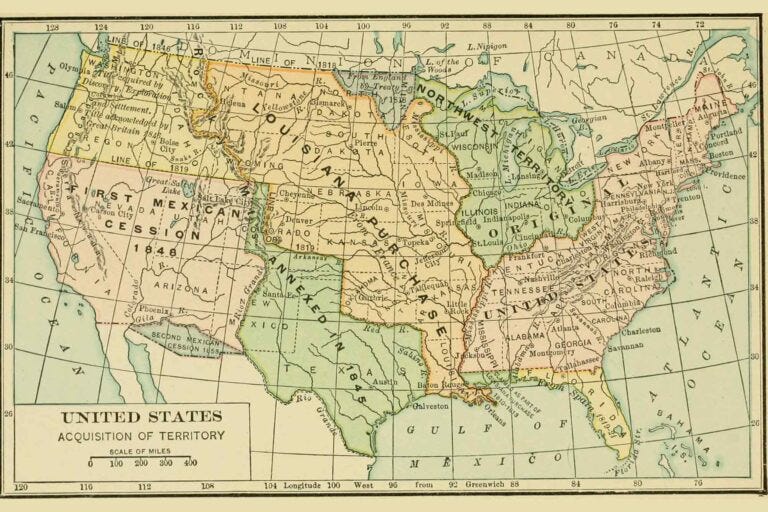
We’re not one nation split by politics — we’re 11 regional cultures that have been at war since the colonies. And now the divisions are life and death.What if the America we think we know has never actually existed?The divisions tearing us apart aren’t new — they’re four centuries old, rooted in the very founding of this country. And now there’s data proving it.On this recent WhoWhatWhy podcast, I am joined by Colin Woodard, a bestselling author, George Polk Award winner, and director of the Nationhood Lab at Salve Regina University. His new book, Nations Apart: How Clashing Regional Cultures Shattered America, presents evidence that reframes everything we thought we understood about American identity. Get full access to Talk Cocktail Podcast at jeffschechtman.substack.com/subscribe

When billionaires mock the Pope with memes and fund “cheating apps,” something’s gone seriously wrong. The collapse of tech idealism; betting takes its place. Silicon Valley used to sell itself as the future. Today it often feels more like a funhouse mirror of the culture — loud, aggrieved, addicted to posting, increasingly divorced from any notion of social purpose.In this WhoWhatWhy podcast I talk with Jeremiah Johnson, co-founder of the Center for New Liberalism and author of the Infinite Scroll podcast, begins by exploring how Marc Andreessen — once a champion of world-improving innovation — became the avatar of a tech culture defined by irony, cynicism, and compulsive online performance.Johnson argues that real power in technology no longer lies with the mythic founder but with the venture capitalists who decide what gets built. Increasingly, those decisions reflect the sensibilities of people who spend more time in algorithmic combat than in sober reflection about the world they’re shaping. Get full access to Talk Cocktail Podcast at jeffschechtman.substack.com/subscribe
Arkansas legally whipped prisoners until 1968. Today, U.S. officials celebrate images from El Salvador’s concentration camp-style prisons while federal courts abandon “evolving standards of decency” for 1790s baselines. Yale Law Professor Judith Resnik, author of book Impermissible Punishments, talks to me about how prisons maintain structural ties to plantations and argues democratic governments cannot “set out to ruin people.” A urgent conversation about what we owe those we cage—and whether mass incarceration is collapsing under its own weight. Get full access to Talk Cocktail Podcast at jeffschechtman.substack.com/subscribe
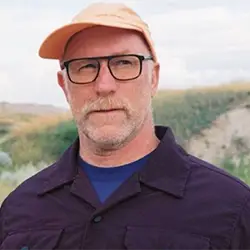
On this recent California Sun podcast Roddy Bottum, a founder of the alternative metal band Faith No More, talks with me about 1980s and ’90s San Francisco — a dark, overlooked era between the Summer of Love and the tech boom. His memoir, “The Royal We” recalls a vanished city of bicycle messengers and punk rock in the shadow of the AIDS crisis. It’s a poetic testament to community, loss, and the creative rebellion that defined pre-tech San Francisco. Get full access to Talk Cocktail Podcast at jeffschechtman.substack.com/subscribe
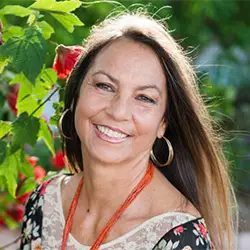
In this recent California Sun podcast I talk with Dina Gilio-Whitaker, author of the new book “Who Gets to Be Indian?“ She explores how California became ground zero for Native American identity fraud — from Hollywood’s early film lots to today’s casino capitalism and tribal disenrollment crisis. All of it created the perfect conditions for “Indianness” to become commodified, challenging authentic tribal sovereignty and belonging across the nation. Get full access to Talk Cocktail Podcast at jeffschechtman.substack.com/subscribe

Families who voted for Trump now carry passports to prove they belong here. Inside the fear, resistance, and betrayal reshaping Latino communities.Something remarkable is unfolding in American politics, and most people are missing it. The Latino voters who handed Donald Trump a historic victory less than a year ago are now turning against him in numbers that should terrify the Republican Party.But this isn’t just about polling — it’s about something far more profound happening on the ground in communities from Chicago to southern California.My guest on this WhoWhatWhy podcast, Los Angeles Times columnist Gustavo Arellano, has spent decades covering Latino communities, and he saw this moment coming long before anyone else. Get full access to Talk Cocktail Podcast at jeffschechtman.substack.com/subscribe
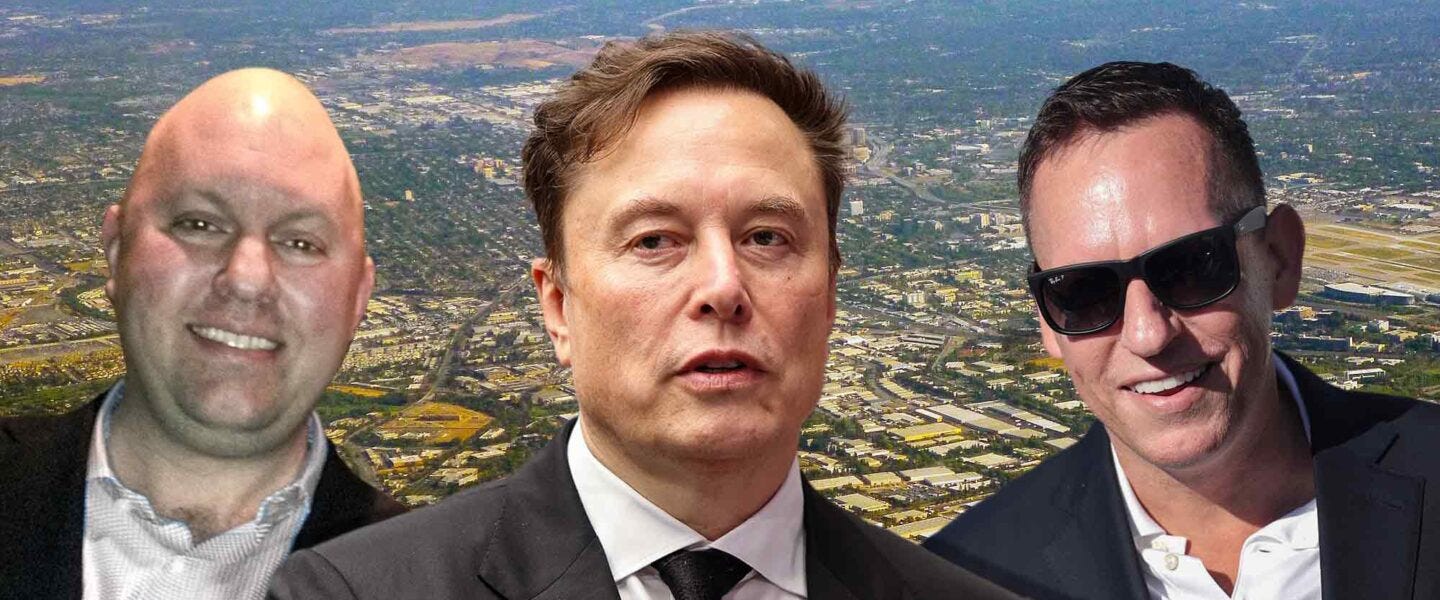
When the world’s richest men decide democracy is optional, we all pay the price.They once championed marriage equality and promised to make the world more open and connected. Now Elon Musk, Peter Thiel, Marc Andreessen, and a tight network of Silicon Valley billionaires are bankrolling authoritarian politics, questioning democracy itself, and leveraging their control of our communication infrastructure to reshape American power.But here’s the uncomfortable question: Is this genuine ideological conversion, or simply the world’s most expensive insurance policy? And does it even matter?On this recent WhoWhatWhy podcast, journalist and author Jacob Silverman talks to me about how a few dozen mostly white men — many connected through South African roots, shared grievances about “woke culture,” and an interlocking web of investments — transformed from progressive donors into Trump’s most powerful allies. Get full access to Talk Cocktail Podcast at jeffschechtman.substack.com/subscribe
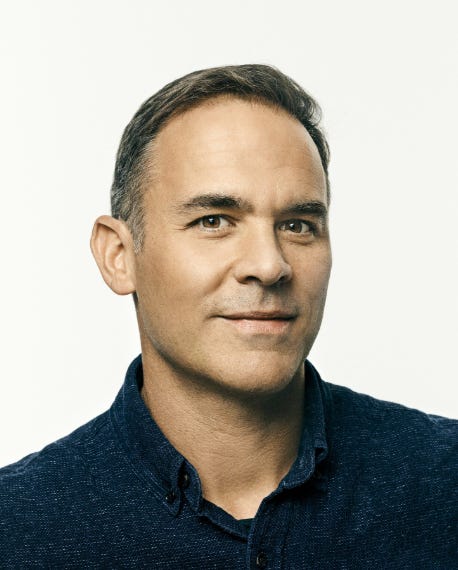
Can capitalism have a conscience? Yvonne Chouinard built Patagonia into a billion-dollar empire while trying to save the planet—then gave it all away rather than be called a billionaire. My guest NYT reporter David Gellis expalins how in an age of Musk and Bezos, Chouinard’s story reveals both the promise and paradox of doing well by doing good. A half-century journey led by a French-Canadian dirtbag who slept in the dirt, managed by absence, and stayed so stubbornly uncommercial that only someone this odd could pull it off. Character—eccentric, contradictory, uncompromising—reshaping what business can mean. Get full access to Talk Cocktail Podcast at jeffschechtman.substack.com/subscribe
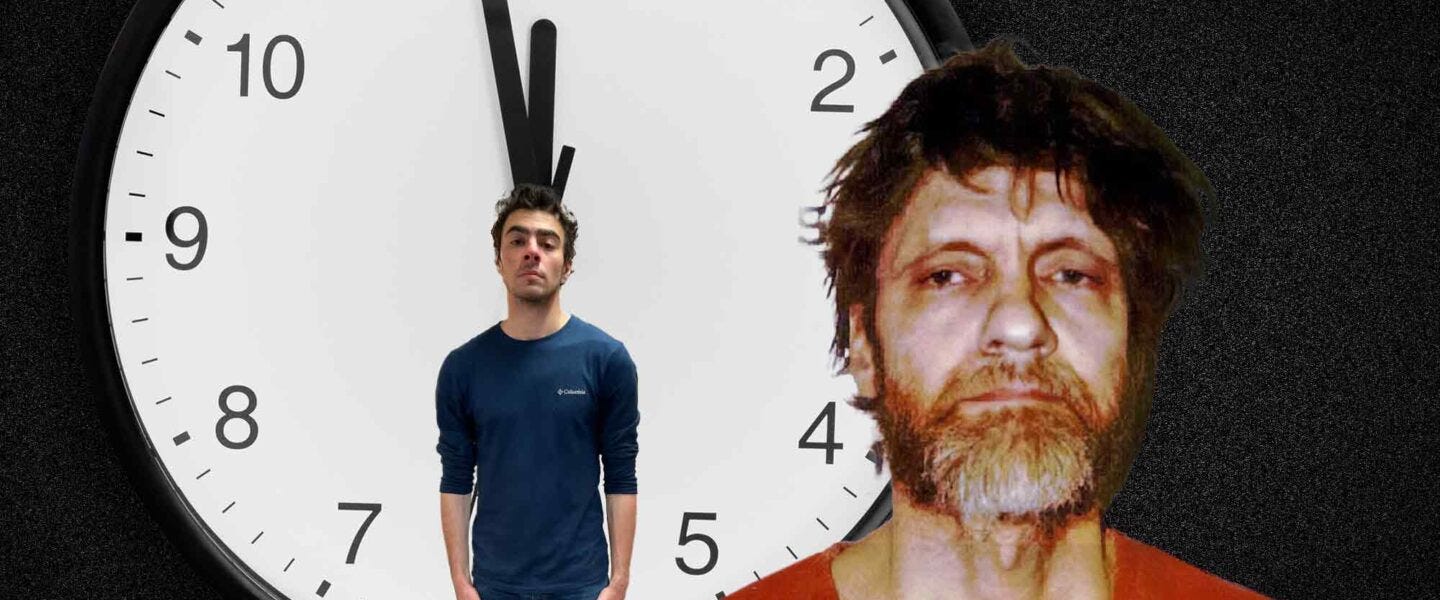
Luigi Mangione became a folk hero after allegedly killing a healthcare CEO. “Free Luigi” merchandise. Hacked highway signs. But he’s not alone. In a recent WhoWhatWhy podcast I spoke with journalist John Richardson who reveals how Ted Kaczynski’s ideology radicalized Mangione and is appealing to alienated young men who’ve reached a dark conclusion: the system won’t change without violence. Get full access to Talk Cocktail Podcast at jeffschechtman.substack.com/subscribe
San Francisco’s underground robot fight clubs: humanoid machines in steel cages, VR pilots, roaring crowds. China builds the hardware, America stages the spectacle, AI makes them lethal. I talk with journalist and filmmaker Ashlee Vance on my latest California Sun Podcast. He expalins how the technology is advancing at breakneck speed — raising questions about entertainment, military applications, and what happens when these machines become truly intelligent. Get full access to Talk Cocktail Podcast at jeffschechtman.substack.com/subscribe

On this recent California Sun podcast I talk with Todd S. Purdum, veteran journalist and author of “Desi Arnaz: The Man Who Invented Television.” Purdum expalins how a Cuban refugee revolutionized Hollywood. He invented the three-camera sitcom format, shifted television production from New York to LA, and created the business model that sustained the industry and TV production for seven decades—fundamentally transforming the entertainment business. It cost him everything! Get full access to Talk Cocktail Podcast at jeffschechtman.substack.com/subscribe
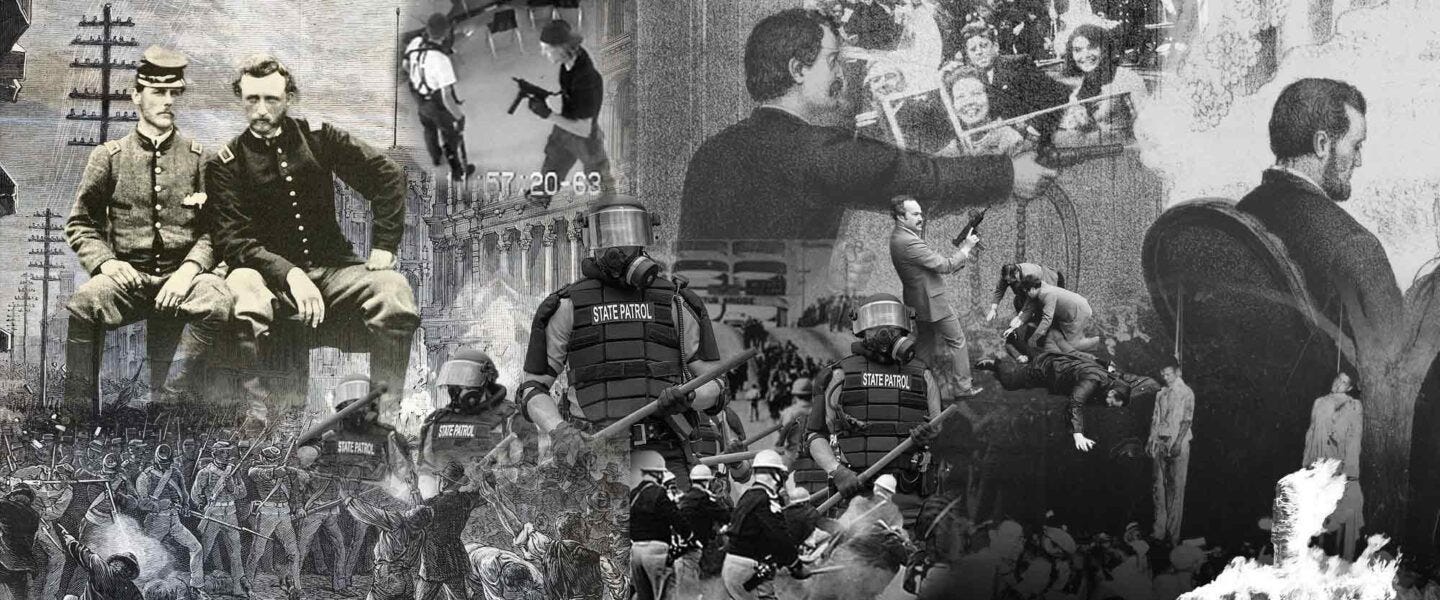
Political violence isn’t an aberration in American democracy — it’s a defining trait. From the Boston Tea Party to January 6, it’s how we settle our differences.My guest on this WhoWhatWhy podcast is professor Matthew Dallek of George Washington University. The author of numerous books and papers on political violence, including the definitive history of the John Birch Society. Dallek argues we’re living through an “era of violent populism” — driven by institutional distrust, dehumanizing rhetoric, and social media acceleration.Every time political violence erupts in America, we fall back on the same comforting phrase: “This isn’t who we are.” But what if we have it exactly backwards? Get full access to Talk Cocktail Podcast at jeffschechtman.substack.com/subscribe
On this latest California Sun podcast, John Freeman, author of “California Rewritten: A Journey Through the Golden State’s New Literature,” talks to me about how California has become America’s new literary center, challenging New York’s dominance. He discusses the pandemic book club that sparked his journey, the state’s evolving mythology, and how diverse voices are redefining what it means to imagine America’s future. Get full access to Talk Cocktail Podcast at jeffschechtman.substack.com/subscribe
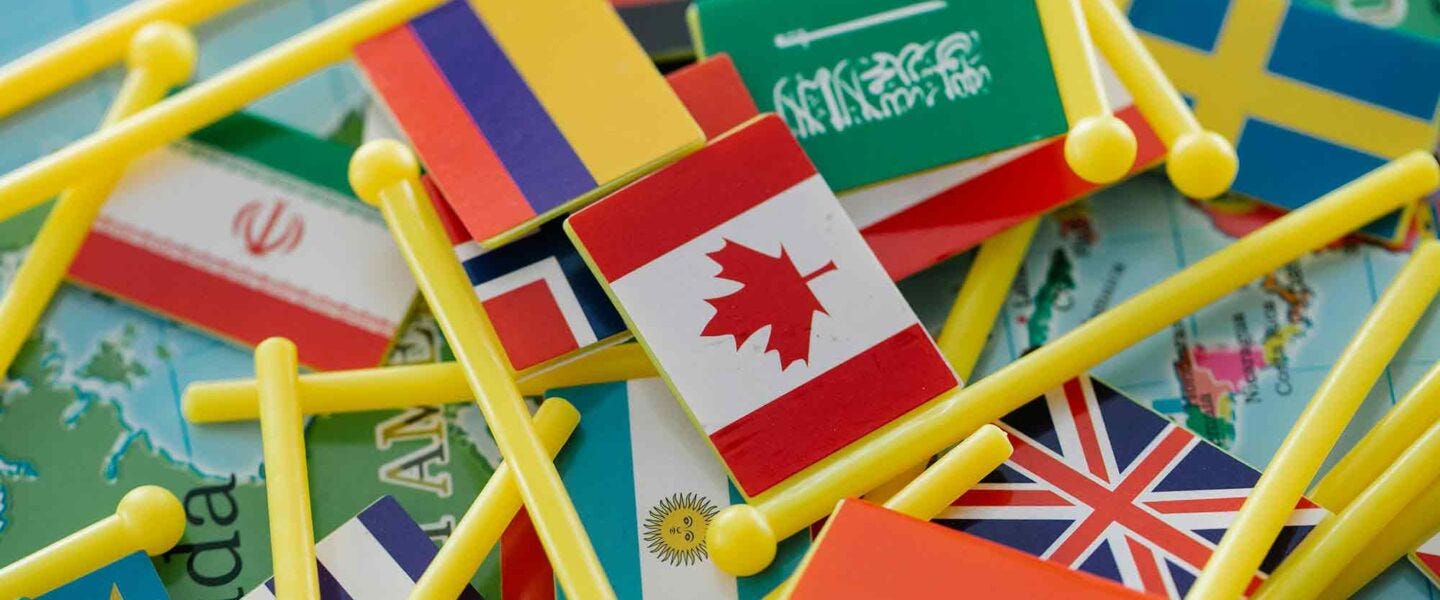
In the theater of history, irony often plays a leading role. How did the greatest engine of prosperity the world has ever known — according to the World Bank lifting 1.5 billion people out of crushing poverty — become America’s most dangerous political wager? In this recent WhoWhatWhy podcast I spoke with Journalist David J. Lynch — author of The World’s Worst Bet: How the Globalization Gamble Went Wrong (And What Would Make It Right.) He witnessed first-hand globalization’s arc from golden dawn to political twilight and the impact on global trade today. He asks why the smartest people in Washington were so spectacularly right about the economics and so catastrophically wrong about the politics. Get full access to Talk Cocktail Podcast at jeffschechtman.substack.com/subscribe

Minerva University, has earned the No. 1 ranking in the World University Rankings for Innovation for four consecutive years. Founded in San Francisco in 2012, Minerva reimagined higher education — eliminating campuses, lectures, and tenure while sending students to live and study across seven global cities. In this California Sun podcast, Mike Magee, President of the University discusses how Minerva, with only a 4% acceptance rate and students from more than 100 countries, is preparing the next generation of leaders for an interconnected world.This post is FREE for everyone. Please spread it far and wide. And please consider becoming a paid subscriber to TalkCocktail. It’s $8 a month or just $80 for an entire year of great conversation. Get full access to Talk Cocktail Podcast at jeffschechtman.substack.com/subscribe

Comments

Download from Google Play

Download from App Store
 United States