


 Claim Ownership
The Soul of Enterprise: Business in the Transformation Economy by THRESHOLD
Subscribed: 244Played: 11,537
Subscribe

© Ron Baker and Ed Kless
Description
The Soul of Enterprise is designed to champion the insight that wealth is created by intellectual capital, a product of the inexhaustible human spirit.
Wealth is above all an accumulation of possibilities. These possibilities lie hidden in the womb of the future, waiting to be discovered by human imagination, ingenuity, and creativity, manifested in free enterprises dedicated to the service of others. Tune in to The Soul of Enterprise, with Ron Baker and Ed Kless, broadcast live.
Wealth is above all an accumulation of possibilities. These possibilities lie hidden in the womb of the future, waiting to be discovered by human imagination, ingenuity, and creativity, manifested in free enterprises dedicated to the service of others. Tune in to The Soul of Enterprise, with Ron Baker and Ed Kless, broadcast live.
646 Episodes
Reverse
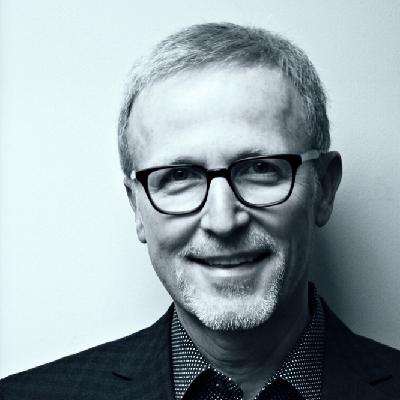
Ron and Ed welcome back strategy expert Tim Williams to explore a hard truth: AI is not just a new tool for professional firms, it is a structural shock to their traditional business model. For decades, most firms have relied on time-based billing, headcount leverage, and labor-intensive processes. But when AI compresses project time and automates execution, what happens to a model built on hours? Tim argues that professional firms — from ad agencies to law firms — must rethink not just how they work, but how they price, position, and define value. This conversation will dive into why AI accelerates the decline of cost-plus thinking, why intellectual capital is the real asset, and how professional firms can redesign their economics before the market does it for them. While Tim's particular expertise is in the advertising/marketing business, the principles and practices he teaches apply to professional firms across the board. If your revenue model depends on selling time, this episode may feel slightly uncomfortable. That's the point. The future of the professional business won't be determined by how much AI they adopt, but by whether they have the courage to change the way they get paid.

This week, we welcome Tim Naddy, CFO of the Savannah Bananas—a team that has redefined what it means to create value for fans (and, not incidentally, built a wildly successful business doing it). But this conversation goes well beyond yellow tuxedos and sold-out stadiums. At the center is Tim's book, EDYM: Every Decision You Make, a deceptively simple premise that turns out to be anything but: every choice—large or small—carries weight, compounds over time, and ultimately shapes both outcomes and identity. We explore how this philosophy plays out inside an organization famous for breaking every conventional "rule" in baseball. From pricing and fan experience to internal culture and leadership, Tim shares how intentional decision-making—not spreadsheets alone—drives extraordinary results. Along the way, we challenge the notion that financial leadership is about control and compliance, and instead reframe it as stewardship of choices, trade-offs, and consequences. Because in the end, every decision you make… makes you. If you think being a CFO is about reporting the past, this episode might just convince you it's really about designing the future.

Ron and Ed welcome Tim Riordan, president of BIPAC (Business-Industry Political Action Committee), for a conversation at the intersection of business, civic engagement, and public policy. BIPAC works to educate and mobilize the business community around the political process — equipping leaders with the tools and insight needed to participate thoughtfully and effectively in American democracy. Tim brings decades of experience helping organizations navigate the often-murky waters of public affairs, grassroots advocacy, and leadership development. In a time when politics and business are increasingly entangled, sometimes constructively, often chaotically, he offers a perspective grounded in education, participation, and long-term institutional thinking. As a Soul of Enterprise guest, Tim fits squarely into the show's deeper inquiry: What responsibilities accompany enterprise? How should leaders engage the broader culture without being consumed by it? And how do we preserve institutions that allow free people to flourish? This conversation explores not partisanship, but participation and why the health of the republic depends in part on whether business leaders choose to show up.

Ron and Ed welcome Matt Armanino, CEO of Armanino Advisory, for a conversation about what it really takes to lead a modern professional services firm in an era of relentless change. Under Matt's leadership, Armanino has pushed beyond the traditional boundaries of accounting — building advisory depth, embracing technology, and reimagining how firms create value for the businesses they serve. In this episode, Matt shares his perspective on scaling culture, navigating growth without losing identity, and balancing innovation with institutional stability. They explore what leadership looks like when your firm is no longer "just" an accounting practice but a multidimensional advisory organization — and what it means to build something designed to endure. As a Soul of Enterprise guest, Matt embodies the show's core inquiry: how do we elevate the profession from compliance to contribution? This conversation goes beyond tactics to mindset — and what the next generation of firm leadership must understand if it hopes to thrive.

In this episode, Ron and Ed explore a distinction that Peter Drucker saw decades ago but many organizations still struggle to grasp: knowledge workers are fundamentally different from service workers — and managing them the same way is a category error. Drucker famously wrote, "The most valuable assets of a 21st-century institution (whether business or nonbusiness) will be its knowledge workers and their productivity." That statement isn't aspirational — it's diagnostic. Knowledge workers own the means of production: their minds. They cannot be supervised into excellence, scheduled into creativity, or measured into insight. Ron and Ed unpack what truly differentiates knowledge work: autonomy over time, responsibility for outcomes rather than tasks, the necessity of continuous learning, and the reality that effectiveness — not efficiency — is the governing metric. If we continue to treat accountants, consultants, and other professionals as if they were interchangeable labor inputs, we shouldn't be surprised when engagement drops and innovation stalls. The future belongs to organizations that understand what Drucker meant — and are willing to build differently because of it.

For the eleventh time (because apparently we're not done yet), Ron and Ed welcome back Joe Woodard to talk about The Profitability Breakthrough, the live workshop they'll be leading together in June. This episode goes beyond theory and into architecture. What actually drives profitability in an accounting firm? Is it pricing? Positioning? Capacity? Client selection? Or is it the uncomfortable truth that most firms are solving the wrong problem entirely? Joe unpacks the core ideas behind the workshop — why incremental tweaks won't move the needle, how firms get trapped in activity instead of outcomes, and what it takes to engineer a genuine breakthrough rather than another marginal improvement. If you've ever wondered whether profitability is a math problem or a mindset problem, this conversation might make you slightly uncomfortable — which is usually where the good stuff starts.
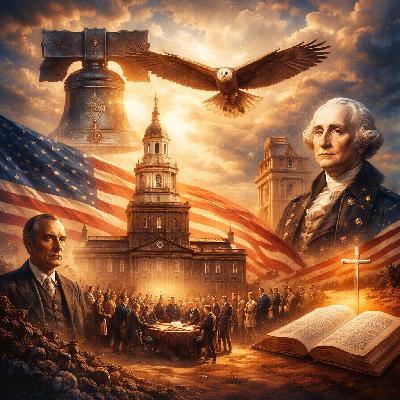
As America approaches its 250th anniversary, Ron and Ed examine three essays that converge on a single question: What actually sustains a free society? Drawing on Dan McLaughlin's warning to "Resist the Temptation of Woodrow Wilson" , they explore the perennial allure of concentrated executive power and the dangers of confusing "solidarity" with strongman governance. From there, they turn to Ayaan Hirsi Ali's argument that religious liberty was not an afterthought but the Founders' first freedom, a theological inheritance that constrained power long before modern political theory attempted to. Finally, they consider Yuval Levin's case for America's extraordinary institutional durability, a constitutional system designed to frustrate ambition, balance factions, and outlast the apocalyptic mood of any given generation. Together, these essays raise an uncomfortable but vital tension: liberty requires limits; power must be restrained; and durability depends less on innovation than on fidelity to first principles. Ron and Ed ask whether America's strength lies not in bold executive action, nor in nostalgic lament, but in a constitutional architecture sturdy enough to survive our worst instincts — including our periodic desire to abandon it.

On this episode of The Soul of Enterprise, we welcome back Dr. Paul Thomas, founder and CEO of Plum Health Direct Primary Care. Since his last visit, Plum Health has expanded to multiple locations, added new physicians, and continued scaling a model that puts relationships—not insurance paperwork—at the center of care. We'll get an update on that growth and explore the broader Direct Primary Care (DPC) movement: How fast is it growing? Why are employers and patients embracing it? And is it truly reshaping how healthcare is delivered in America? We'll also dig into the regulatory hurdles that still stand in the way—HSA eligibility, state-level rules, and what policy changes could accelerate adoption. If you care about innovation, subscription models, or the future of healthcare, this conversation is one you won't want to miss.
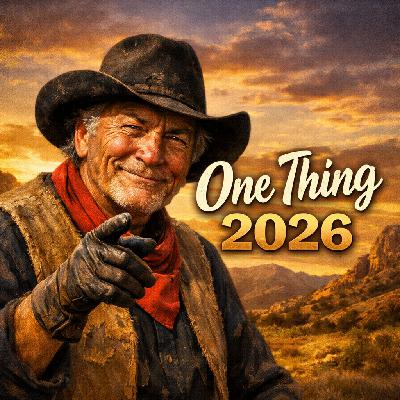
Inspired by A.J. Jacobs' appearance on Russ Roberts' EconTalk, Ron and Ed have continued their annual tradition of keeping a "One Thing" journal—capturing a single idea each day that sparked insight, curiosity, or reflection. Often it's a quote; sometimes it's a question, a concept, or a surprising turn of phrase. In One Thing 2026, they once again open their journals and share a curated collection of the thoughts that shaped their year. The result may feel delightfully eclectic, but as always, it's packed with insight—nuggets of wisdom drawn from their reading, listening, and lived experience. Think of it as a guided tour through the ideas that lingered long enough to be written down—and shared.
In this pricing update, Ron and Ed take the pulse of what's happening right now in the world of pricing. From shifting market conditions and inflation narratives to how organizations are responding—or failing to respond—to economic signals, they cut through the noise to focus on what actually matters. The hosts explore common misconceptions, highlight emerging trends, and offer a reality-based perspective on how pricing decisions are being made in today's uncertain business environment. As always, this isn't about tactics alone—it's about thinking clearly, acting intelligently, and restoring pricing to its proper strategic role.
We're joined by Joe Pine on January 31, just days before the release of his long-awaited new book, The Transformation Economy (February 4, 2026). For longtime listeners, this conversation will feel both familiar and bracingly new. Familiar because we have spent the last two years exploring, applying, and occasionally interrogating the very ideas Joe now brings together in this book. New because Joe pushes the argument further and with more precision than ever before. Building on his seminal work on experiences, Joe makes the case that economic value has moved decisively into a new domain: transformations. Not experiences staged for customers, but transformations designed with them—where the explicit aim is lasting change in who the customer is or what they are capable of becoming. That shift, Joe argues, carries profound implications not just for strategy, but for accountability, pricing, and purpose. This episode is not a book report. It's a rigorous conversation between fellow travelers who share a vocabulary but are still very much in productive tension. We explore where transformation fits (and doesn't) in real organizations, why so many firms mistake motivation for method, and why treating transformation as optional is itself a category error. If you've been following our ongoing work on transformation, this episode serves as both a capstone and a catalyst. If you're new to the idea, consider this your initiation—fair warning: once you see the economy this way, it's rather difficult to unsee it.
It's time again for our annual Best Books episode, where we sift through a year's worth of reading (and in some cases listening) and surface the works that actually mattered. Not necessarily the buzziest, the newest, or the most performatively "important," but the books that made us pause, argue back, reread passages, and rethink assumptions we thought were settled. As is our custom, we don't just name titles and move on. We talk about why these books stuck: the questions they asked, the frameworks they offered, and the quiet ways they reshaped how we see the world of business, economics, culture, and human behavior. Some selections clarified things; others productively complicated them. All earned a place in the conversation. If you're looking for a thoughtful recap of the ideas that animated our year—or you're hunting for your next great read—this episode is equal parts reflection, recommendation, and mild intellectual provocation. Consider it our annual reading ledger, balanced not in pages consumed, but in insight accrued.
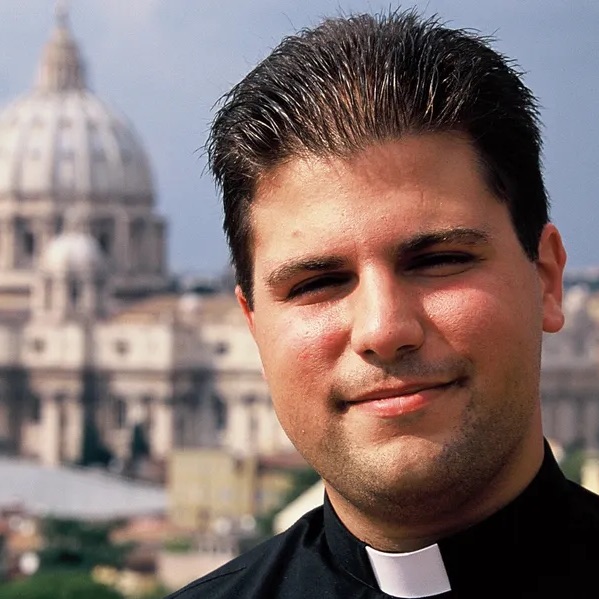
Join Ron and Ed as they sit down with Father Vincent DeRosa for an eye-opening conversation on the enduring relevance of Catholic social teaching in today's rapidly evolving business landscape. Together, they dive deep into Rerum Novarum, Pope Leo XIII's seminal encyclical on the rights and duties of capital and labor—exploring its connections to the foundational principles of the free market and contemporary business ethics. Drawing parallels between the disruptive forces of the Industrial Revolution and the modern AI transformation, the discussion considers how timeless ethical considerations can guide the challenges and opportunities facing businesses today. Discover how the Church's teachings can provide insight on worker rights, social responsibility, and the delicate balance between innovation and human dignity in the age of artificial intelligence. Whether you're a business leader, professional, or curious thinker, this episode offers a thoughtful exploration of the intersection between faith, philosophy, and enterprise, only on The Soul of Enterprise.
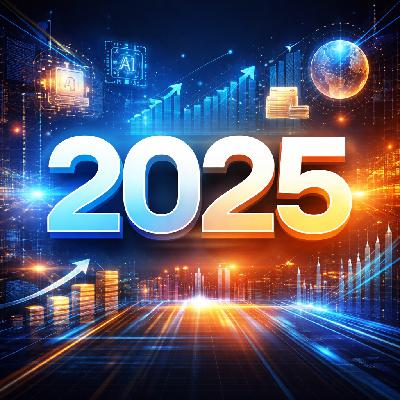
In this annual tradition, Ed and Ron look back on 2025, unpacking the year's most impactful trends, business transformations, and economic shifts. From breakthroughs in AI to evolving tax regulations and the latest developments in technology, they reflect on the standout themes that defined this year. Tune in as they explore what these changes mean for the future, the insights gained along the way, and the lessons learned. Perfect for listeners who want to capture the essence of 2025's business landscape in one insightful episode.

Ron and Ed welcome back Greg Kyte — yes, for the fifth time — because he keeps showing up with something new (and we keep letting him). Greg's accounting resume is full of the usual letters (CPA, MBA), but his actual story is far from typical: from middle-school math teacher to stand-up comedian to fractional CFO managing medical office buildings. Greg doesn't just talk numbers — he talks character, change, and the weird ways growth happens when you're willing to laugh at yourself.

Ron and Ed welcome back Alan Whitman, former CEO of Baker Tilly and author of the new book Break the Mold. In his second visit to The Soul of Enterprise, we will talk about this book and the mold around the CPA profession. The mold is made up of the common conventions and the long-time operating principles that are shared across organizations. We are sure you will enjoy this in-depth conversation.
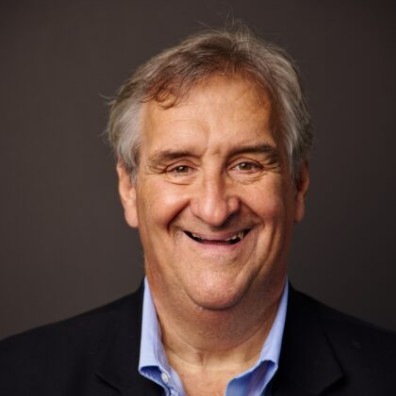
Ron and Ed sit down with entrepreneur, advisor, and educator David Fionda, founder of BizBreakthru.com, to explore what it really takes for business owners to break through their growth ceilings. With decades of experience guiding firms through transformation — from startups to global consultancies — Fionda brings both the discipline of a CPA and the curiosity of a strategist. They discuss why most advisory work fails to scale, how to turn financial data into decision-making power, and the mindset shifts that separate incremental change from genuine breakthrough. This is a real-world architecture of growth, built from a lifetime of turning insights into action.
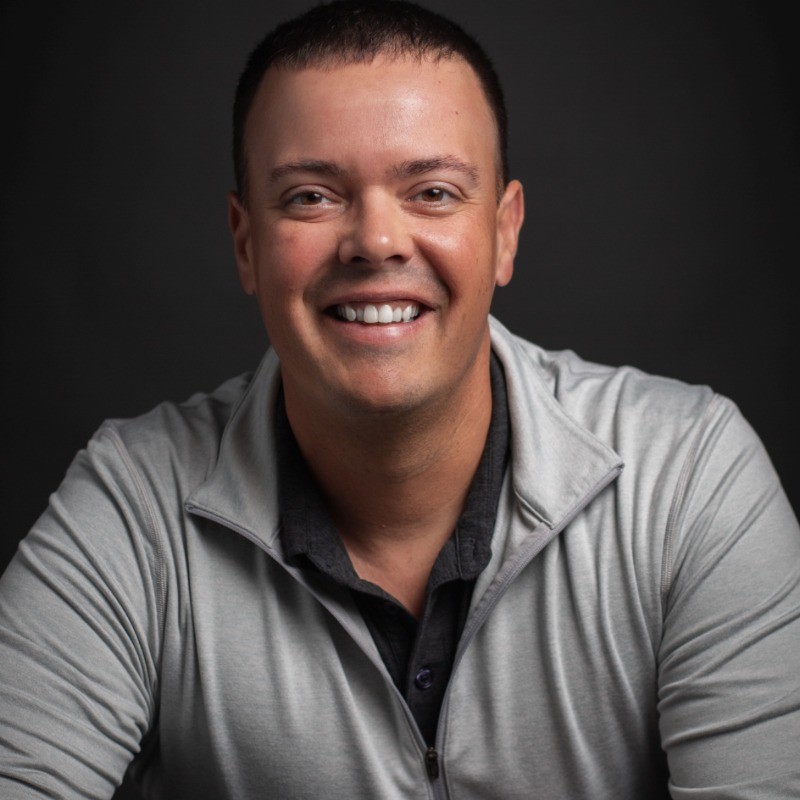
Ron and Ed sit down with Brent Beshore, founder and CEO of Permanent Equity, to explore a radical rethinking of what "private equity" can mean. Instead of the typical buy-fix-flip model, Beshore's firm takes a generational approach which involves acquiring businesses to own indefinitely, building value through trust, stewardship, and patient capital. They discuss why short-term thinking often erodes lasting wealth, how culture can be a company's greatest moat, and what it takes to invest with humility in a world obsessed with speed. This is private equity with a soul, or as Brent might say, the long-term bet on human potential.
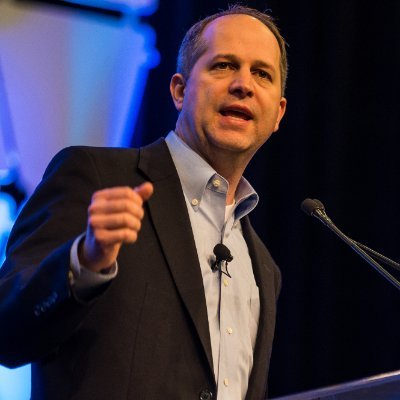
Ron and Ed welcome back Joe Woodard — for the tenth time. Over the years, Joe has joined The Soul of Enterprise to challenge the accounting profession's comfort zone, rethink practice models, and remind everyone that transformation is never "done." In this milestone conversation, they revisit the evolution of Woodard's mission to help accounting professionals build healthier, more human-centered firms, and how the journey from technician to transformer keeps unfolding. Expect reflection, a few friendly jabs, and, as always, big ideas about the future of advisory work.

In this conversation, Ron and Ed take a close look at economist Russ Roberts' critique of utilitarianism. Can moral choices can be reduced to calculations of pleasure and pain? "No," says Roberts (and say Ron and Ed). Drawing on Roberts' essay Apples and Oranges, they explore why life's most important questions resist tidy arithmetic. Is it possible to weigh justice against joy? Or kindness against efficiency? Ron and Ed unpack the limits of the ledger, where human dignity, love, and meaning refuse to fit neatly into the spreadsheet.


Download from Google Play

Download from App Store
 United States
Great episode. Very interesting topics!