


 Claim Ownership
Restauranttopia: A Show for Local Independent Restaurants
Subscribed: 17Played: 2,703
Subscribe

© Stillwater Digital LLC
Description
We love locally owned independent restaurants. These businesses build strong communities by linking neighbors in a web of economic and social relationships. The more the independent restaurants are thriving, the healthier the community will be! We want to help restaurant owners and operators hone their competitive edge through effective marketing and business practices.
Restauranttopia focuses on all things related to restaurant management and operations from hosts David Ross, Brian Seitz, and chef Anthony Hamilton. We feature interviews and restaurant success stories, along with insights on cost control, marketing, management and personnel issues. Tune in for marketing ideas and tactics from restaurant business experts, gathered from lessons from restaurants around the US.
Restauranttopia focuses on all things related to restaurant management and operations from hosts David Ross, Brian Seitz, and chef Anthony Hamilton. We feature interviews and restaurant success stories, along with insights on cost control, marketing, management and personnel issues. Tune in for marketing ideas and tactics from restaurant business experts, gathered from lessons from restaurants around the US.
194 Episodes
Reverse
https://restauranttopia.com/episode-158-diving-deep-into-the-restaurant-marketing-mindset-with-chip-klose/
Welcome back, dear readers, to our latest episode recap. This time, we had the pleasure of hosting the insightful Chip Klose, author of "The Restaurant Marketing Mindset." With Brian Seitz and Anthony Hamilton guiding the conversation, this episode was nothing short of a culinary marketing masterclass!
Order Now
https://www.therestaurantmarketingmindset.com/
A Glimpse into "The Restaurant Marketing Mindset"
The restaurant industry is notorious for its harsh statistics. Many establishments struggle to even stay afloat. So, when a veteran like Chip Klose comes forward with years of hands-on experience and academic know-how, it's time to sit up and take notes.
In his latest book, Klose discusses the importance of shifting our mindset and implementing actionable steps when it comes to restaurant marketing. As he rightly points out, having a great culinary experience is just one part of the puzzle. Without effective marketing, even the best dishes might go unnoticed.
Order Now
https://www.therestaurantmarketingmindset.com/
Learn more about your ad choices. Visit megaphone.fm/adchoices
https://restauranttopia.com/episodes-156-and-157-a-two-part-series-with-chef-doug-katz-and-todd-thompson-talking-about-their-restaurant-group-how-they-navigated-the-pandemic-and-operating-multiple-successful-restaurants-in-nor/
The magnetic culinary scene of Cleveland takes center stage on the latest episode of Restauranttopia! Our very own Brian Seitz had the pleasure of hosting two of the city's most prolific food maestros - Chef Doug Katz and Todd Thompson. If you've been searching for an episode brimming with passion, delectable tales, and insights into what makes the dining experience memorable, this one's for you.
This episode was more than just an interview; it was a culinary odyssey, taking listeners on a flavorful ride through the lanes of Cleveland, the stories behind two iconic restaurants, and the minds of two extraordinary restaurant professionals. If you haven't tuned in yet, make sure to check out this delicious episode on Restauranttopia!
About Chef Katz For the past 25 years, Chef Douglas Katz has focused on creating fulfilling, transportive experiences for Clevelanders to enjoy. As chef/owner of Zhug, Amba and soon-to-open Chimi, his driving purpose is to spread joy through meaningful experiences and shared passion. Chef Katz is also chef/partner of Provenance at the Cleveland Museum of Art, as well as former chef/owner of fire food and drink — which operated in Shaker Square for more than 20 years.
Chef Katz is passionate about using fresh, high-quality ingredients with integrity. Throughout his career, he has been celebrated for his unwavering support of local farmers and food artisans. He advocates nationally and internationally for sustainable, healthful and local food systems, and frequently consults with media and civic leaders on local food initiatives. Chef Katz is an advisor for Seeds of Collaboration Tahini and Smart Soda. He also serves as a chef ambassador for the Monterey Bay Aquarium's Seafoodwatch program, which promotes environmentally responsible fishing and fish farming. He served on the board of Countryside in the Cuyahoga Valley National Park and has held leadership positions with Destination Cleveland and Cleveland Independents, an organization of 90 locally owned restaurants that nurtures and promotes local independent restaurants.
Esquire magazine named Zhug one of America's best new restaurants in 2020. In 2014, the prestigious James Beard Foundation nominated Chef Katz for Best Chef of the Great Lakes Region. In 2010 he was recognized by Crain's Cleveland Business, "Who's Who, 150 Names to Know in Northeast Ohio." He graduated from the Culinary Institute of America and also earned a Bachelor of Science degree from the University of Denver School of Hotel and Restaurant Management. Prior to opening fire food and drink, he served as executive chef of Moxie the restaurant (Cleveland, OH) and worked at acclaimed restaurants including The Little Nell (Aspen, CO) and Wildwood Restaurant (Portland, OR).
In his free time, Chef Katz enjoys traveling and exploring the world and other cultures through food — and then sharing those experiences in his restaurants. He also loves relaxing at home with his family and much-loved dog, Arlo.
Learn more about Chef Douglas Katz Connect with Douglas Katz on LinkedIn Follow Douglas Katz on Twitter @phireman Follow Douglas Katz on Instagram Learn more about Amba
Amba is the newest addition to Chef Douglas Katz and Todd Thompson's restaurant group.
Located in the Hingetown neighborhood of Ohio City, Amba's menu of shareable plates pays homage to the flavors and ingredients of India.Learn more about Zhug Follow Zhug on Instagram
Zhug is a concept by chef Douglas Katz that offers Mediterranean Mezze in a casual, high energy urban space at Cedar Fairmount in Cleveland Heights.
Learn more about your ad choices. Visit megaphone.fm/adchoices
Episode 156 is the first of a two-part series with Chef Doug Katz and Todd Thompson talking about their Restaurant Group, how they navigated the pandemic, and operating multiple successful restaurants in northeast Ohio.
https://restauranttopia.com/episodes-156-and-157-a-two-part-series-with-chef-doug-katz-and-todd-thompson-talking-about-their-restaurant-group-how-they-navigated-the-pandemic-and-operating-multiple-successful-restaurants-in-nor/
The magnetic culinary scene of Cleveland takes center stage on the latest episode of Restauranttopia! Our very own Brian Seitz had the pleasure of hosting two of the city's most prolific food maestros - Chef Doug Katz and Todd Thompson. If you've been searching for an episode brimming with passion, delectable tales, and insights into what makes the dining experience memorable, this one's for you.
This episode was more than just an interview; it was a culinary odyssey, taking listeners on a flavorful ride through the lanes of Cleveland, the stories behind two iconic restaurants, and the minds of two extraordinary restaurant professionals. If you haven't tuned in yet, make sure to check out this delicious episode on Restauranttopia!
About Chef Katz For the past 25 years, Chef Douglas Katz has focused on creating fulfilling, transportive experiences for Clevelanders to enjoy. As chef/owner of Zhug, Amba and soon-to-open Chimi, his driving purpose is to spread joy through meaningful experiences and shared passion. Chef Katz is also chef/partner of Provenance at the Cleveland Museum of Art, as well as former chef/owner of fire food and drink — which operated in Shaker Square for more than 20 years.
Chef Katz is passionate about using fresh, high-quality ingredients with integrity. Throughout his career, he has been celebrated for his unwavering support of local farmers and food artisans. He advocates nationally and internationally for sustainable, healthful and local food systems, and frequently consults with media and civic leaders on local food initiatives. Chef Katz is an advisor for Seeds of Collaboration Tahini and Smart Soda. He also serves as a chef ambassador for the Monterey Bay Aquarium's Seafoodwatch program, which promotes environmentally responsible fishing and fish farming. He served on the board of Countryside in the Cuyahoga Valley National Park and has held leadership positions with Destination Cleveland and Cleveland Independents, an organization of 90 locally owned restaurants that nurtures and promotes local independent restaurants.
Esquire magazine named Zhug one of America's best new restaurants in 2020. In 2014, the prestigious James Beard Foundation nominated Chef Katz for Best Chef of the Great Lakes Region. In 2010 he was recognized by Crain's Cleveland Business, "Who's Who, 150 Names to Know in Northeast Ohio." He graduated from the Culinary Institute of America and also earned a Bachelor of Science degree from the University of Denver School of Hotel and Restaurant Management. Prior to opening fire food and drink, he served as executive chef of Moxie the restaurant (Cleveland, OH) and worked at acclaimed restaurants including The Little Nell (Aspen, CO) and Wildwood Restaurant (Portland, OR).
In his free time, Chef Katz enjoys traveling and exploring the world and other cultures through food — and then sharing those experiences in his restaurants. He also loves relaxing at home with his family and much-loved dog, Arlo.
Learn more about Chef Douglas Katz Connect with Douglas Katz on LinkedIn Follow Douglas Katz on Twitter @phireman Follow Douglas Katz on Instagram Learn more about Amba
Amba is the newest addition to Chef Douglas Katz and Todd Thompson's restaurant group.
Located in the Hingetown neighborhood of Ohio City, Amba's menu of shareable plates pays homage to the flavors and ingredients of India.Learn more about Zhug Follow Zhug on Instagram
Zhug is a concept by chef Douglas Katz that offers Mediterranean Mezze in a casual, high energy urban space at Cedar Fairmount in Cleveland Heights.
Learn more about your ad choices. Visit megaphone.fm/adchoices
https://restauranttopia.com/episode-154-preparing-your-business-for-sale-with-robin-gagnon-of-we-sell-restaurants/
Welcome to another exciting episode of Restauranttopia! In today's episode, we dive deep into a topic that every restaurateur should be well-acquainted with: Preparing your restaurant for sale. We're privileged to have Robin Gagnon, co-founder of "We Sell Restaurants", with us to demystify the process. Whether you're contemplating selling or merely want to be ready for the future, this episode is a goldmine of insights.
Key Takeaways:
What is an Exit Strategy? Robin defines an exit strategy as a planned approach to transitioning out of your business, either through selling, merging, or closing down. Having a strategy in place ensures you get the best possible outcome when you decide it's time to step back.
When to Start Preparing? Robin's advice? Start now. It's never too early to have a plan. The sooner you begin preparations, the more control you have over the sale conditions, maximizing the potential value of your restaurant.
Understanding Restaurant Valuation A restaurant's value isn't just about its current revenue. Robin delves into the multiple factors that influence a restaurant's worth, including location, brand reputation, customer loyalty, and more.
Tools and metrics used in the valuation process to provide a clear picture of what your business is worth on the market.
The Process of Listing and Selling From choosing the right time to list your restaurant to negotiating the final deal, Robin breaks down the steps involved.
Tips on presenting your restaurant in the best light to attract potential buyers.
Understanding the role of brokers and how they can ease the selling process.
Critical Record Keeping Requirements Just like in any other business, keeping detailed and accurate records is essential. Robin highlights the kinds of records prospective buyers are most interested in and why.
The importance of maintaining organized financial statements, licenses, lease agreements, employee contracts, and other pertinent documents.
Closing Thoughts
Selling your restaurant can be an emotional journey. It's more than just a business transaction; it's parting with a place you've poured your heart and soul into. But with the right preparation and guidance, as provided by Robin in this episode, you can ensure your restaurant's legacy continues and that you reap the rewards of your hard work.
Learn more about your ad choices. Visit megaphone.fm/adchoices
YouTube https://youtu.be/bfgh2YZXjWY
https://restauranttopia.com/episode-139-becoming-a-student-of-the-game/
https://restauranttopia.com/text/ Join other independent restaurant owners and professionals on our VIP Text Club and get access to exclusive content, industry news, deals, insights, announcements, pro-tips, and more! join our mailing list and get our newsletter: https://lp.constantcontactpages.com/su/dojKlZ5 Enter your email and get the very latest from Restauranttopia - marketing tips and insights, announcements, pro tips, and more! And don't worry, we hate spam too! Check out the show notes at https://restauranttopia.com/category/podcast-episodes/ Facebook: https://www.facebook.com/Restauranttopia/ LinkedIn: https://www.linkedin.com/company/restauranttopia Instagram: https://www.instagram.com/restauranttopia/ YouTube: https://www.youtube.com/channel/UC9aRVuDUYsV370Rfh-QxDag Brian Seitz https://www.linkedin.com/in/brian-j-seitz-j-d-19863616/ David Ross https://www.linkedin.com/in/david-ross-b6b39175/ Anthony Hamilton https://www.linkedin.com/in/anthony-hamilton-5805013a/
Learn more about your ad choices. Visit megaphone.fm/adchoices
Restaurant owners and managers: want more profitable menus and a stronger culture? In this episode, the crew digs into a simple, powerful idea—moving frontline ideas from the break room to the boardroom. Anthony shares how a young dishwasher created a signature chicken-tender sauce (thanks to a happy smoked paprika mistake) that became a hit with guests. We also spotlight fryer safety, dirty oil's hidden costs, and how better oil management lifts food quality, reduces risk, and saves money. Brought to you by Halcyon Eco a device that helps clean fryer oil, clean the fryer, and improve BOH safety and consistency.
Key Topics & Takeaways
Break Room → Boardroom: Practical ways to capture frontline ideas without losing leadership control.
From Ego to Outcome: Why operator wisdom should filter team ideas—not block them.
Signature Sauce Story: How empowering a dishwasher produced a better sauce than the chef expected—no edits needed.
The Power of "Beautiful Mistakes": An accidental switch to smoked paprika created deeper flavor and brand-worthy differentiation.
Structured Ideation That Works: Breakout groups, best-known-way (BKW) mindset, and leader-as-facilitator—not bulldozer.
Handling "Bad" Ideas With EQ: Keep people intact while you refine or redirect suggestions.
Oil Quality = Food Quality: The real costs of dirty fryer oil—from safety hazards to guest experience and higher spend.
Fryer Safety Reality Check: The fryer is the single most dangerous piece of kitchen equipment; treat it like it.
Halcyon Eco Spotlight: How automated oil care can improve food quality, reduce risk, and save on labor and oil.
Culture & Retention: Involving staff in menu decisions builds loyalty, pride, and performance.
Memorable Quotes (Pull Quotes)
"Use your wisdom as a filter, not a gate, for frontline ideas."
"A beautiful mistake turned a good sauce into a great one."
"The fryer is your kitchen workhorse, and the most dangerous piece of equipment."
"Inclusivity turns employees into stakeholders."
Action Steps for Operators
Create an idea pipeline (quarterly breakouts by station; leader facilitates, team presents).
Adopt a Best Known Way (BKW) mindset—document the current best, stay open to better.
Pilot staff ideas on one item/week; measure guest feedback and ticket time impact.
Audit fryer safety weekly; assign ownership; fix ignition/thermostat issues immediately.
Track oil quality KPIs (color/TPM, change frequency, food color/texture, guest comps/returns).
Resources Mentioned
Halcyon Eco – for oil filtration, fryer cleaning, and BOH safety improvements.
Unreasonable Hospitality - Will Guidara – culture and guest-experience playbook.
Ego Is the Enemy - Ryan Holiday
Learn more about your ad choices. Visit megaphone.fm/adchoices

In this timely episode of Restauranttopia, we sit down with Jamie, the CFO of a prominent restaurant group, to unpack the Big Beautiful Bill (BBB) and explore how it directly impacts restaurant owners, CFOs, and operations leaders.
As one of the most talked-about pieces of legislation in 2025, the BBB is bringing major changes to restaurant financial planning, labor compliance, and vendor relationships. Jamie provides a clear and insightful breakdown of the new bill's implications—from tax advantages and cost controls to restaurant labor law updates and long-term forecasting.
Whether you're a multi-unit restaurant operator, single-store entrepreneur, or foodservice executive, this episode is packed with valuable financial insights that help you stay compliant, competitive, and confident about the road ahead.
🔍 Key Takeaways:
What the Big Beautiful Bill (BBB) actually means for your restaurant
Specific tax incentives and depreciation benefits available now
Critical updates to restaurant labor compliance and HR practices
How BBB changes vendor contracts and supplier negotiations
Real-world strategies from a restaurant CFO for managing risk and opportunity
Ways to future-proof your business through smarter restaurant financial planning
📚 Resources:
IRS – Restaurant Tax Law Changes
National Restaurant Association – Legislative Updates
Episode(s) Referenced: Episode 43 – FOH vs. BOH Divide.
Learn more about your ad choices. Visit megaphone.fm/adchoices
Investing isn't just about money—it's about prioritizing your people, tools, and time to create a restaurant that thrives long-term. In this episode, we discuss how great restaurant leaders think about investment differently, with a focus on vision, leadership, and long-term growth.
In this episode of Restauranttopia, we dive deep into the topic of investment in the restaurant industry—not just financial investment, but also in people, tools, time, and vision.
We explore:
Why traditional ROI calculations are sometimes short-sighted.
The importance of investing in your team's potential.
Tools and resources that yield long-term operational efficiency.
How time and attention from leadership can unlock team performance.
Why viewing investments as ongoing bets on your future—not fixed costs—is the mindset shift your business needs.
This episode is a must-listen for restaurant operators who want to go beyond trimming costs and instead build businesses that last.
Subscribe for more insights from restaurant industry experts.
Want to be a guest or sponsor?
Reach out at www.restauranttopia.com @restauranttopia
#RestaurantBusiness #RestaurantTips #Leadership #HospitalityIndustry #RestaurantPodcast
Learn more about your ad choices. Visit megaphone.fm/adchoices

In this episode, we expose the sneaky expenses silently draining your restaurant's profits… from linen contracts and POS subscriptions to fryer oil issues and bloated utility bills. Learn real-world tactics to find and eliminate cost leaks that could be costing you thousands each year. Whether you're a seasoned operator or just getting started, this 30-minute episode is packed with quick wins you can take action on today.
What You'll Learn:
The importance of regular expense audits—and how to do them
Which contracts and services are silently stealing your money
Why "set it and forget it" costs are dangerous
How dirty oil is affecting your food and your brand • A smarter approach to POS systems, linens, pest control, and utilities
Creating a contract calendar to stay ahead of renewals and rate hikes
Featured Tools & Tips:
Expense Audit Checklist
Contract Renewal Calendar (Example Below)
Sponsored by:
Halcyon Eco – Revolutionizing fryer oil cleaning to reduce costs, improve safety, and enhance food quality.
🔗 Resources & Mentions:
Restauranttopia.com
Halcyon Eco
Learn more about your ad choices. Visit megaphone.fm/adchoices

Feeling the pressure of rising costs and tighter margins?
In this episode of Restauranttopia, we break down actionable strategies to help independent restaurant operators survive—and thrive—during economic squeeze periods. From cost control to leadership communication, this episode delivers the blueprint to stay sharp when business gets tough.
💡 Key Takeaways:
Identify the "squeeze": Understand the convergence of food cost increases, labor pressure, and declining customer frequency.
Cut the fat, not the muscle: Why slashing everything isn't the right answer—trim waste, not essentials.
Get back to basics: Clean stores, accurate orders, strong hospitality—often the first things to slip under stress. • Communication is your secret weapon: With your team, vendors, and customers.
Don't panic, plan: Panic leads to poor decisions. Smart planning and execution win in tight times.
🛠️ Pro Tips:
Use a daily huddle to identify what success looks like for the day—and set the tone.
Review and refocus on your top-selling items. Optimize execution and margin there first.
Partner with vendors who offer support beyond product—look for consultative partners, not just price.
Learn more about your ad choices. Visit megaphone.fm/adchoices

Hosts: Dave Ross, Brian Seitz, Anthony Hamilton
Tipping expectations are out of control—and your guests are noticing. In this episode of Restauranttopia, we break down the rise of tipflation, how digital guilt is changing hospitality, and what operators can do to protect their guest experience while still supporting their teams.
Key Takeaways:
What is Tipflation? The creeping rise of tipping expectations—from a simple jar to digital prompts that pressure consumers to tip for counter service, takeout, and more.
The COVID Effect: The pandemic created a surge in empathy, making consumers more willing to tip generously. Operators quickly adopted technology that made tipping unavoidable.
Consumer Fatigue: Guests feel manipulated by screens asking for 20–30% tips for basic transactions, which can damage trust and loyalty.
Impact on Restaurants: While higher tips can supplement wages and improve retention, they often come at the expense of the customer experience.
Alternative Models:
Auto gratuities for large parties can protect staff but risk customer resentment if not communicated clearly.
Flat service fees and inclusive pricing can work—but only if widely adopted in a market.
Training and transparency are key to any strategy.
Best Practices for Operators:
Regularly review and adjust your POS tipping prompts—don't default to the highest options.
Consider how tipping requests align with your hospitality values.
Be intentional about communicating why you have chosen your approach.
Audit how tips are pooled, distributed, and taxed to stay compliant.
🔥 Pro Tips:
✅ Make tipping feel like appreciation—not obligation. ✅ Avoid surprise fees at checkout. ✅ Train staff to earn tips with hospitality, not entitlement. ✅ Use tip prompts sparingly and thoughtfully.
Show Notes EXTRA: Tip Pooling Laws in Ohio — What Restaurant Owners Need to Know
Whether you're running a casual diner or a fine-dining establishment, managing tips the right way is essential—not just for morale, but for legal compliance. Here's a breakdown of the key dos and don'ts of tip pooling under Ohio and federal law.
What Is Tip Pooling?
Tip pooling is when tipped employees (like servers or bartenders) share their tips with other staff members. It's legal—but only if done correctly.
✅ DOs
1. Limit the Pool to Tipped Employees
Only employees who customarily and regularly receive tips can participate. This includes: Servers, bartenders, bussers, runners, and sometimes hosts. Do NOT include kitchen staff, dishwashers, managers, or owners unless they also directly serve guests.
2. Clearly Communicate the Policy
Put the tip pool policy in writing. Explain how tips are distributed, who participates, and what percentage is shared.
3. Maintain Proper Tip Credit Compliance
If you pay less than minimum wage (i.e., use a "tip credit"), you must ensure employees still earn at least $10.45/hour (Ohio minimum wage for 2024).
4. Keep Management Out
Managers and supervisors may never share in a tip pool—even if they help serve food.
5. Let Staff Handle the Pool
Employees should voluntarily distribute tips among themselves or through an agreed-upon formula.
❌ DON'Ts
1. Don't Include Back-of-House in the Pool (If Using a Tip Credit)
You may not include non-tipped staff like cooks or dishwashers if you pay servers below minimum wage using a tip credit.
2. Don't Deduct for Credit Card Processing Fees (If you do, do it carefully)
You may deduct a proportional credit card fee (e.g., 3%), but it must not reduce the employee's wage below minimum wage.
3. Don't Coerce Participation
Tip pooling must be voluntary unless you have a lawful and disclosed mandatory tip pool policy in place.
4. Don't Forget to Track Everything
Maintain daily or weekly records of total tips collected, distribution formulas, and final tips received by each employee.
⚠️ Disclaimer
The law surrounding tip pooling, wage and hour compliance, and employee compensation is constantly evolving at both the state and federal level. The information provided in this document is for general educational purposes only and is not legal advice. You should not rely on this document as a substitute for legal advice specific to your situation. Always consult with a qualified attorney licensed in your jurisdiction before implementing or modifying any tip pooling policy. Failure to comply with wage laws can result in serious penalties, back pay claims, and legal liability.
📌 Connect with Restauranttopia:
🌐 Website: www.restauranttopia.com 📸 Instagram: @restauranttopia 🔗 LinkedIn: Restauranttopia Podcast
Learn more about your ad choices. Visit megaphone.fm/adchoices
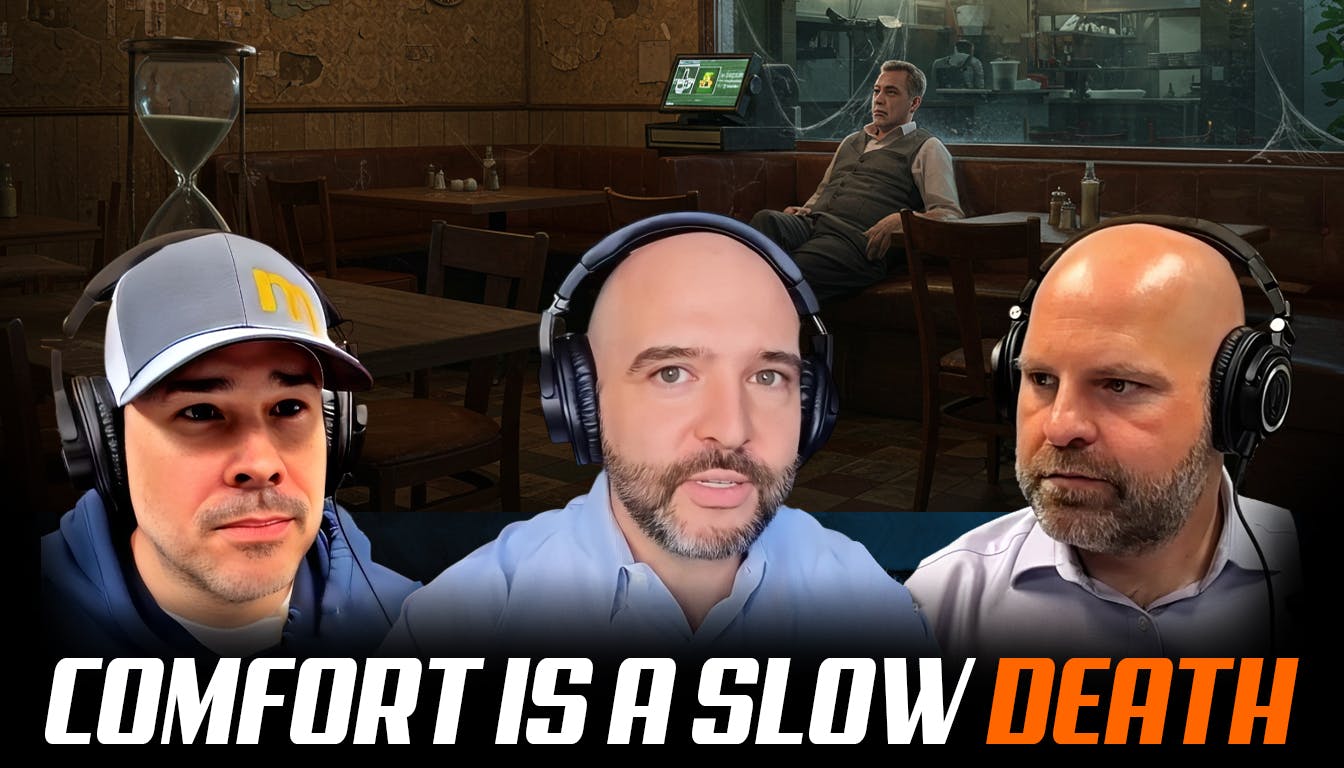
Comfort is deceptive. It feels good, but it quietly stalls growth and progress.
Fear keeps you frozen. Most people stay in bad jobs, unhealthy relationships, or stagnant routines because of fear—not logic.
Growth is uncomfortable. Every breakthrough happens outside your comfort zone, whether in business, relationships, or self-discipline.
You can't evolve and stay the same. Taking risks and embracing new challenges are essential for development.
Self-awareness is step one. Recognize when comfort has turned into complacency.
Leaders lead by example. If you're stuck, your team will be too.
🔥 Pro Tips:
If you're not feeling a little bit of fear or discomfort, you're probably not growing.
Don't let short-term comfort rob you of long-term fulfillment.
Comfort doesn't mean safe—it often means stuck.
What's one area in your life or business where you've let comfort win? Take one small action today that pushes you outside of that zone.
Learn more about your ad choices. Visit megaphone.fm/adchoices

Your restaurant's most powerful marketing tool? The menu.
In this episode, the team dives deep into one of the most overlooked yet powerful tools in your restaurant: the menu. From visual psychology and printing strategies to layout, material choices, and pricing tactics, this conversation is packed with practical tips to help you treat your menu like what it truly is—your #1 marketing and sales tool.
You'll walk away with insights on font choices, color psychology, menu engineering, printing vendors, and even why leaving drink prices off the menu can increase profits. If you've ever shrugged off menu updates as an expense, this episode will change your mindset—and maybe even your margins.
Key Takeaways:
Your Menu Is Not an Expense—It's an Investment It's the first thing guests engage with when deciding how much to spend.
A thoughtful, clean, and well-printed menu elevates perception and drives higher check averages.
Design & Readability Matter Font size, layout, paper quality, and cleanliness all shape the guest's impression.
Use negative space, legible fonts, and layout strategies like the Golden Triangle to drive selection.
Strategic Printing Choices Use a local printer when possible—consider bartering or partnerships.
Evaluate in-house printing if you need frequent updates.
Menu holders, sleeves, and material durability should match your concept.
Proven Profit Tips Use high-quality food photos for best-sellers (especially on laminated or in-house menus).
Leave beverage prices off for pricing flexibility.
Add visual cues to highlight high-margin items.
Common Mistakes to Avoid Dirty or outdated menus, inconsistent updates, typos, or cluttered layouts.
Overloading with too many items, especially in smaller operations.
Practical Tools & Tech Use AI (like ChatGPT) to help write compelling, accurate menu descriptions.
Establish an SOP for menu changes across online platforms, third-party apps, and POS systems.
🔥 Pro Tips:
✅ Replace menus more often than you think—your guests notice. ✅ Focus on selling not just listing. Your menu should influence behavior. ✅ Track performance—what's selling, what's not—and update quarterly or at least twice per year. ✅ Don't cut corners on design—it's your restaurant's voice on paper.
Whether you're doing in-house prints or working with a vendor, this episode gives you everything you need to optimize your menu and boost profits—without gimmicks.
Listen & Subscribe → www.restauranttopia.com
Learn more about your ad choices. Visit megaphone.fm/adchoices
In this powerhouse episode, the team unpacks real-world, actionable marketing tactics that restaurant owners can implement immediately to drive traffic, create loyal customers, and boost profits—without relying on gimmicks or deep discounts. From the power of thoughtful guest experiences to bounce-back promotions and handwritten letters to lapsed customers, this is a masterclass in doing marketing the right way.
Packed with humor, strategy, and personal stories, this episode delivers the perfect blend of inspiration and execution—proving that even the smallest marketing effort can lead to big results when it's done with intention.
Key Takeaways:
Elevate the Guest Experience A warm welcome, fast service, accurate orders, and friendly follow-through are marketing tactics in disguise.
Great hospitality = repeat business = higher lifetime customer value.
Menu Design is Strategic Use the Golden Triangle of eye movement to highlight your most profitable items.
Your specials should be "special" for both the customer and the operator—easy to execute, high margin, and memorable.
Host In-House Events Wine tastings, trivia nights, and theme dinners on slower weekdays are powerful tools to build community and fill tables.
Partner with vendors who may help cover costs or provide promotional support.
Bounce-Back Offers Done Right Get guests to return with limited-time offers—but only after their first visit.
Examples: "Come back in 7 days for a free dessert" or "Next visit appetizer on us."
Use Guerrilla Text Marketing Borrow tactics from political campaigns (urgency, personalization, exclusivity).
Build a list and send targeted, engaging messages like "You've been hand-selected" or "Spots are filling up."
Turn Customers into Promoters Make your restaurant Instagram-able (photo walls, branded hashtags).
Personalize touchpoints—birthdays, anniversaries, and even beta-tester panels for new dishes.
Community & Loyalty Engage schools, PTAs, and neighborhood leaders—support them and they'll support you.
Feature a "Customer of the Month" to spotlight regulars and drive local goodwill.
🔥 Pro Tips:
✅ Don't throw out blanket coupons—use personalized bounce-back incentives. ✅ Focus on repeat business before chasing new traffic. ✅ Test, tweak, and keep things human—marketing is about relationships. ✅ Be memorable: the goal isn't just attention, it's retention.
Learn more about your ad choices. Visit megaphone.fm/adchoices
In this episode of Restauranttopia, Dave and Brian explore the growing non-alcoholic beverage movement and why it's a must for modern restaurants. They break down the cultural shifts, customer expectations, and real profitability behind offering thoughtful non-alcoholic options. Learn practical ways to adapt your menu, train your staff, and create a welcoming experience for all guests—drinkers and non-drinkers alike.
Key Takeaways The Cultural Shift Toward Less Drinking Gen Z drinks 20% less than millennials.
Health, wellness, and cognitive performance are driving alcohol reduction.
Events like Dry January, Lent, and Sober October are more mainstream than ever.
The Business Opportunity Upselling non-alcoholic options can dramatically increase check averages.
Ready-to-drink non-alcoholic beers and specialty beverages are rapidly growing markets.
Properly curated non-alcoholic menus meet real customer needs without cannibalizing alcohol sales.
Train Your Staff for Inclusivity
Avoid shaming or awkward moments when guests order non-alcoholic drinks.
Present non-alcoholic options confidently alongside alcoholic beverages.
Create an experience where all guests feel welcome and cared for.
Marketing and Menu Strategy Be strategic in how you name and market non-alcoholic options (avoid terms like 'mocktails' that can carry a stigma).
Highlight non-alcoholic beverages as 'cognitive enhancers' or unique house specialties.
Promote non-alcoholic selections during prime times like January, October, and Lent.
Profitability and Execution Non-alcoholic beverages often offer higher margins due to lower product costs.
Execution and presentation are key—offer well-crafted, thoughtful drinks rather than sugary afterthoughts.
Pro Tips Use creative branding—think cognitive enhancers or wellness drinks rather than 'mocktails.'
Add a non-alcoholic section to your menu or have rotating non-alcoholic specials.
Stock premium non-alcoholic beers and spirits to meet rising customer expectations.
Train staff to suggest non-alcoholic drinks naturally, not as an afterthought.
Recognize that offering strong non-alcoholic options is good hospitality—and good business.
Learn more about your ad choices. Visit megaphone.fm/adchoices
Summary
In this episode, Brian shares five key lessons from Las Vegas that every restaurant operator should hear. From faster drink service to private room optimization and upsell strategy, these practical insights are designed to boost revenue while enhancing the guest experience.
Learn how to modernize your operations, empower your staff, and grow profitability—starting tonight.
Key Takeaways Modernize the Reservation Process Use your reservation system to curate guest experiences, not just book tables.
Ask the purpose of the visit—anniversary, business dinner, birthday—to personalize the service.
Leverage confirmations via text or phone as additional engagement touchpoints.
Prioritize the First Drink—Fast Speed matters: get the first drink in hand quickly, ideally before guests are seated.
The faster the first drink, the more likely a second drink will be ordered—which increases revenue.
Train staff to lead with beverage suggestions and make cocktail menus stand out.
Train Staff to Curate & Upsell Teach servers to read the table and suggest appropriate apps, drinks, and entrees.
Pre-sell appetizers for the table instead of waiting for guests to decide.
Create incentives (e.g., spiffs) for staff to move high-margin items like premium wines or cocktails.
Always Be Booking the Private Room Treat your private room like a key revenue generator, not a hidden option.
Use it for business dinners, group celebrations, and high-spend guests—even if not requested.
Simplify the booking process and avoid unnecessary friction like deposit hurdles or rigid policies.
Create Concierge-Style Add-Ons Offer celebration packages: wine, flowers, dessert upgrades, or to-go items.
Introduce pre-orderable take-home meals, cookies, or lunch for the next day.
Use the reservation system to upsell enhancements before the guest even arrives.
Pro Tips A thoughtful reservation experience can set the tone for a higher check average.
Lead with a separate cocktail menu to shift attention and increase sales.
Servers should be trained to place the order for the table when appropriate—it enhances the guest experience and simplifies decision-making.
Use private dining space more often—don't let it sit idle.
Think like Amazon: reduce friction in ordering and upselling. People want to be sold.
Learn more about your ad choices. Visit megaphone.fm/adchoices
In this thought-provoking episode, the team explores how pain and suffering can cultivate stronger leadership skills. Drawing inspiration from Stoic philosophy, Buddhist parables, and personal experiences, they discuss the concept of the "two arrows"—how pain is inevitable, but suffering is optional—and how leaders can apply this mindset to stay composed and guide their teams effectively.
They dive into how emotional control and mindfulness can transform not just your professional leadership, but also your personal relationships. If you're looking to develop a more resilient, thoughtful, and impactful leadership style, this episode is for you.
Key Takeaways:
The Two Arrows: Pain vs. Suffering The First Arrow: Pain is inevitable. It's the initial sting from an unexpected situation.
The Second Arrow: Suffering is how we respond to that pain—and it's optional.
Leaders who can control their reaction to adversity create a calm, steady presence that inspires confidence in their teams.
How Pain Translates to Leadership Growth Painful experiences build emotional resilience and perspective, which are critical for effective leadership.
Leaders who embrace discomfort are better equipped to handle high-stress situations and guide their teams through uncertainty.
Mindfulness as a Leadership Tool Practicing mindful pauses between stimulus and response allows leaders to process situations logically rather than emotionally.
Asking yourself "Why am I reacting this way?" or "How will this response impact the situation?" can reshape the outcome positively.
The Importance of Emotional Control in Leadership Leaders who let emotions dictate their behavior create confusion and panic among their teams.
Being the "eye of the hurricane" means projecting calm and confidence, even in chaotic situations.
Applying These Principles in the Workplace When employees call off or unexpected issues arise, strong leaders don't panic—they assess, adapt, and lead calmly.
Role modeling composure and critical thinking inspires the team to follow suit.
🔥Pro Tips:
✅ Pause and Reflect: Before reacting, pause for a moment to assess the situation. This simple act creates space for a measured, thoughtful response. ✅ Ask "Why" and "How" Before Responding:
Why am I reacting this way?
How will this response affect my team or situation? ✅ Be the Eye of the Hurricane: Maintain composure in difficult situations—your calm demeanor will influence your team's mindset. ✅ Model Confident Behavior: Your actions set the tone. Confidence and steadiness encourage others to stay focused and productive. ✅ Accept Pain, Avoid Suffering: Recognize that pain is unavoidable, but suffering is optional and within your control.
Learn more about your ad choices. Visit megaphone.fm/adchoices
Today's Data for Tomorrow's Restaurant: What the Numbers Are Still Telling Us
Podcast: Restauranttopia Data Source: Circana
📝 Episode Show Notes — Part Two
In Part Two of Today's Data for Tomorrow's Restaurant, the Restauranttopia team continues breaking down fresh Circana data — shifting from what's happening to what operators should actually do next.
This episode goes deeper into consumer behavior trends, traffic shifts, pricing pressure, and why headline sales numbers can be misleading if you're not looking at the right metrics.
🔍 What We Dig Into in Part Two
Why "sales up" doesn't always mean "restaurants are winning" How price increases are masking traffic declines — and what that means long-term.
Traffic, frequency, and check average — which lever actually matters most right now Understanding where guests are pulling back and where they're still spending.
The value gap is widening How consumers are redefining "worth it" and what that means for menu strategy.
Why middle-of-the-road restaurants are under the most pressure Polarization between value-driven and premium experiences continues.
Off-premise realities vs on-premise recovery What Circana data says about takeout, delivery, and dine-in expectations.
Operational blind spots operators need to stop ignoring Throughput, labor efficiency, and why volume matters more than ego pricing.
📊 Why This Matters
The data isn't predicting a collapse — but it is warning operators who aren't adapting. Part Two focuses on decision-making, not doom scrolling.
If you're still running your restaurant like it's 2019, the numbers say you're already behind.
🎯 Who This Episode Is For
Independent restaurant owners
Multi-unit operators
GMs and operators managing labor and pricing decisions
Vendors supporting restaurant growth strategies
Learn more about your ad choices. Visit megaphone.fm/adchoices
What Today's Data Says About Tomorrow's Restaurant Episode Description: What if "flat" traffic isn't bad news — but a wake-up call? In this episode of Restauranttopia, Brad and David break down fresh industry insights from a recent Circana (formerly NPD) foodservice conference and translate national data into real-world strategies for independent restaurant operators. From shifting consumer behavior and third-party delivery fatigue to protein-forward menus, mocktails, gaming culture, and the rise of fast casual and fine dining, this conversation cuts through the noise and focuses on what actually matters as we head toward 2026. If you're wondering how to win in a "flat is the new normal" environment, this episode is packed with ideas you can actually use. Key Topics Covered: Why restaurant traffic is expected to remain flat through 2027 — and why that's an opportunity
How consumer spending habits are changing (and what they're still willing to splurge on)
What the rise of gaming, influencers, and digital culture means for food marketing
Why fast casual and fine dining are winning while mid-scale struggles
Protein-forward menus, healthier labeling, and the impact of GLP-1 drugs
Mocktails, alcohol shifts, and smarter beverage profitability
Third-party delivery fatigue and the return of on-premise dining
Menu innovation: when to cut underperforming items and when to evolve
Creating experiences worth choosing when guests dine out less often
Actionable Takeaways for Operators: Double down on what makes your restaurant unique
Engineer menus for weekday speed and weekend splurges
Treat takeout and pickup guests like dine-in customers
Use data — not emotion — to make menu decisions
Lean into value and innovation (yes, both)
Why This Matters: When guests are dining out less often, every visit has to count. This episode helps you rethink how to attract, serve, and retain today's more selective customer. 👉 Whether you run a full-service restaurant, fast casual concept, or neighborhood favorite, this conversation will challenge you to adapt — and compete smarter.
Learn more about your ad choices. Visit megaphone.fm/adchoices
In this episode of Restauranttopia, Brian and Dave dig into one of the most overlooked — yet most powerful — tools in restaurant operations: employee appreciation.
Customer appreciation gets plenty of attention, but retaining great staff requires consistent, genuine recognition. With hiring still competitive and turnover costly, this episode focuses on simple, legal, and meaningful ways restaurant owners and managers can show gratitude that actually sticks.
No big budgets. No complicated programs. Just practical ideas you can implement immediately.
What You'll Learn in This Episode
• Why employee appreciation directly impacts retention Entry-level and frontline staff can find work quickly. Feeling valued is often the deciding factor in whether they stay.
• "See something, say something" Recognize exceptional behavior in real time. Celebrating what you want repeated drives culture faster than any policy.
• Public vs. private recognition From one-on-one praise to team shout-outs and recognition boards, learn how visibility can reinforce positive behaviors across the entire staff.
• Take a walk (and talk) Getting out of the office and onto the floor builds trust, uncovers issues early, and creates real connection with your team.
• The power of surprise Small, unexpected gestures — gift cards, quality swag, handwritten notes — often mean more than formal programs.
• Remember the little things Birthdays, family milestones, tough personal moments — being human builds loyalty faster than bonuses alone.
• Safety, parking, and working conditions matter Employee appreciation isn't just praise — it's making sure staff feel safe, supported, and respected every shift.
• Handwritten notes as a leadership habit Brian shares how building thank-you notes into a weekly routine creates lasting impact with minimal effort.
Key Takeaway
Employee appreciation doesn't have to be expensive or complicated — it just has to be intentional and consistent. The little things done regularly can dramatically improve morale, culture, and retention.
Hosts
Brian Seitz & Dave Ross Restauranttopia — honest conversations to help independent restaurant owners operate smarter and stronger.
Resources
Visit Restaurantopia.com to explore more episodes, submit questions, or share feedback.
Learn more about your ad choices. Visit megaphone.fm/adchoices

Comments

Download from Google Play

Download from App Store
 United States