


 Claim Ownership
The Written Scene
Subscribed: 1Played: 4
Subscribe

© 2022
Description
San Diego writers, creators, and anyone involved in the San Diego literary scene discuss path, process, and craft.
202 Episodes
Reverse
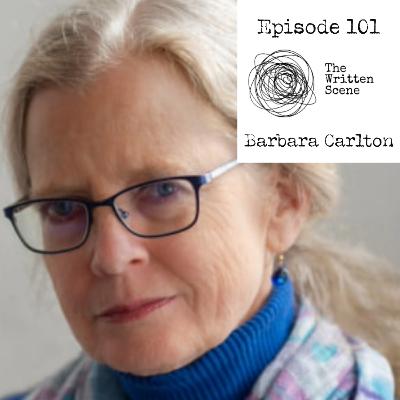
Author Barbara Carlton led a previous life as an architect, a job she's now retired from, but a job that was very much like writing a novel. In this episode of The Written Scene, Barbara talks about the fortune of having a good publisher, how her love of music played a role in her writing, writing like you're in a mine with only a headlamp, reading kid lit just fo the joy of reading it, why taking a lot of writing classes can prevent the enjoyment of specific genres, the fear of "now what?" after finishing a novel you've worked on for many years, cross-fertilizing by writing different genres, how writing at an older age can benefit a story, when travel is both good and unnecessary for writing, having so large of a sinlge draft that it must be broken up into four different books altogether, and much more. If you enjoyed this episode, please be sure to subscribe, rate, review, and share this and all episodes of The Written Scene. We also have a once-a-month newsletter which you can subscribe to by clicking or tapping here. Music: Addis Ababa by Eshi Era
For author Barbara Carlton, the inspiration for her novel, as it can be for many authors, was right there on her own street. Please enjoy this teaser ahead of next week's full episode of The Written Scene. Music: Addis Ababa by Eshi Era
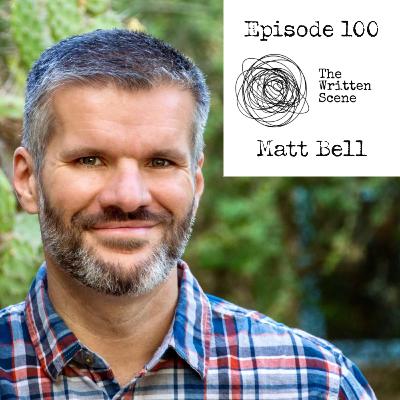
When it comes to writing, there's no shortage of joy of the process in author and professor Matt Bell, and it's obvious from the smile you can hear in his voice when he talks about it. In this momentous episode (100!) of The Written Scene, Matt discusses growing up in a family of environmentalists and its impact on his writing, the joy of maintaining consistency in a story, creating an outline after the first draft, not being nostalgic with past drafts of stories, finding 30 year old anthologies with now well-established authors, becoming a writer later in life and its advantages, how the only control a writer has is to keep writing, the benefits authors will accumulate while also teaching, what working non-writing jobs will do for your future writing job, having characters with no names and what that does both to and for a story, handling rejection and using baseball statistics for perspective, and so much more. Please be sure to subscribe, rate, review, and share this and all episodes of The Written Scene. To subscribe to our once-a-month newsletter, click or tap here. Music: Addis Ababa by Eshi Era
For author and professor Matt Bell, writing a novel can be a great starting point to understand and maybe even conquer anxieties and fears. After enjoying this brief teaser ahead of next week's full episode of The Written Scene, please be sure to subscribe, rate, review, and share. Music: Addis Ababa by Eshi Era
When it comes to writing, to author Taylor Garcia it's more than just a thing we do. It's a career, albeit just a really enjoyable one. In this episode of The Written Scene, Taylor discusses the potential reasons why men are reading less fiction, growing up in a matriarchal family environment, having a healthy dose of life for storytelling purposes, a cruel suggestion from a grad school professor, seeing the world as a story, working non-creative jobs, finding a love of editing and feedback, ironic redemption for a character, letting ideas marinate for a long time before writing, bringing things together in a story that don't typically belong together, handling multiple writing projects at the same time, the pedestrian Bud Light nature of stories and shows, writing whenever and wherever you can, and so much more. Make sure to get your copy of Taylor's book, "Animal Husbandry," which you can find at my favorite bookstore in town, The Book Catapult. Please be sure to subscribe, rate, review, and share this and all episodes of The Written Scene. You can also subscribe to our once-a-month newsletter by clicking or tapping here. Music: Addis Ababa by Eshi Era
According to author Taylor Garcia, as cruel as it can be, having a higher and formal level of writing education can help not just your writing craft but also explain why the greats are the greats. If you enjoyed this teaser, please be sure to subscribe ahead of next week's full episode of The Written Scene. Share, rate, and review, if you're feeling extra helpful. Music: Addis Ababa by Eshi Era
For pianist and author Jeeyoon Kim, the artist's job is to create a bridge to their art. Because of this, her piano performances are an engaging, multi-media experience. In this episode of The Written Scene, Jeeyoon talks about how her newsletter inspired her recent book, implementing storytelling into her piano concerts, giving readers a reason to take a breath after each chapter of her book, discovering a love of jazz later in life, requiring patience when listening to classical music, what a doctorate degree teaches us about what we know and don't know, the educator's mindset, learning to hibernate and learn before performing, an artist's susceptibility to tall into the comparison trap, how writing music is similar to writing words, why we're better people the closer we are to nature, the ways the sense of awe can be healing, and much more. Grab your copy of Jeeyoon's book Beyond the Keys: Music & Stories of Inspiration at your local bookshop not named Amazon. Need a suggestion that has the book? Try one of my favorites, Warwick's in La Jolla. Please be sure to subscribe, rate, review, and share this and all episodes of The Written Scene. You can also subscribe to our once-a-month newsletter by clicking or tapping here. Music: Addis Ababa by Eshi Era
For pianist and author Jeeyoon Kim, connecting with her newsletter readers formed a deeper, more real relationship with others, and puts her work in perspective. Please enjoy this teaser ahead of next week's full episode of The Written Scene with Jeeyoon. Music: Addis Ababa by Eshi Era
Carl Vonderau's path to novel writing took him through the dark streets of a banking career, which can be the perfect place to find a good villain. In this episode of The Written Scene, Carl opens up about revisiting hard scenes that are part truthful, having the willingness to fail as a poet on public stage, understanding the minds of criminals, making up ghost stories as a kid, learning fast how good people can be at their craft, not being ready to put in the effort into being a writer, finding poetry in fiction, reading books that require interpretations, writing the hero's arc and giving morality to villains, craving empathy and connection with a character, being impacted as the writer as much as the reader is, preferring to write longer stories over short stories, why the first draft of his first scene is always written by hand, and much more. Please be sure to subscribe, rate, review, and share this and every episode of The Written Scene. You can also subscribe to our once-a-month newsletter by tapping or clicking here. Music: Addis Ababa by Eshi Era
Authors often draw from what we have lived. In author Carl Vonderau's book, Saving Myles, he had to do the same, and it wasn't always easy. Please enjoy this teaser ahead of next week's full episode of The Written Scene. You can also subscribe to our once-a-month newsletter by clicking or tapping here. Music: Addis Ababa by Eshi Era
For author and writing coach Natasha Tynes, working for yourself is important. However, getting used to the feast or famine part of the job took some time. In this episode of The Written Scene, Natasha talks about taking breaks between writing and other projects, getting her publishing start in journalism, feeling like there's no time to celebrate publications, choosing your creative path and not having creative freedom when working for others, the different struggles she encounters with authors early on on their path, knowing and accepting writing isn't a magical bolt of lightning but instead is actual work, using the Pomodoro Technique, leaving bread crumbs when struggling for the next writing session, the mise en place of writing, how to stay away from information dumps in fiction, having to first and foremost believe you have a story to tell, and so much more. Please be sure to subscribe, rate, review, and share this and all episodes of The Written Scene. You can also subscribe to our once-a-month newsletter by clicking or tapping here. Music: Addis Ababa by Eshi Era
For author and writing coach Natasha Tynes, having a full-time job helped her remain disciplined when it came to writing. Please enjoy this brief teaser ahead of next week's full episode of The Written Scene. Music: Addis Ababa by Eshi Era
Having been in the filmmaking industry for nearly three decades, filmmaker and author Scott Marcano has seen some things. In this episode of The Written Scene, Scott discusses the many but expensive avenues to getting published, the weight of artists doing jobs others used to do, why it's important to read and how we schedule time for it, how he became the co-writer for the movie Bio-Dome, writing movie sequels vs. writing book trilogies, releasing small bits of art for free and watching who buys more, the exhausting and ugly full-time job of social media, how time may or may not change people we know from our youth, becoming a better person through personal challenges, writing non-stereotypical villains by understanding how they became a villain, a little family therapy, the lack of integrity in the arts and larger world, and much more. Please be sure to subscribe, rate, review, and share this and all episodes of The Written Scene. You can also subscribe to our once-a-month newsletter but clicking or tapping here. Music: Addis Ababa by Eshi Era
For filmmaker, artist, and author Scott Marcano, the writing part of any project is enjoyable. The actual production part? Well, that depends on the project. Please enjoy this brief teaser ahead of next week's full episode of The Written Scene with Scott. Music: Addis Ababa by Eshi Era
Author, researcher, and professor Robbie Maakestad is not lacking in confidence when it comes to submitting. At least not right away. In this episode of The Written Scene, Robbie discusses what he's learned about writing through teaching, using a highlighter to organize notes, the formulaic nature of early reader books, how we learn to read and the impact it has on our reading style, falling in love with essays and essay writing, creating emotion when writing non-fiction, the various ways to find needed writing communities, submitting writing and his process, rarely paying to submit writing for publication, lessons learned as a writer from also working in publishing, being an early reader for a publisher as early as possible on your writing path, and much more. Please be sure to subscribe, rate, review, and share this and all episodes of The Written Scene. You can also subscribe to our once-a-month newsletter by clicking or tapping here. Music: Addis Ababa by Eshi Era
For author and professor Robbie Maakestad, the best part about being homeschooled was all the reading his teacher (aka his mother) implemented into the curriculum. Please enjoy this teaser ahead of next week's full episode of The Written Scene and be sure to subscribe, rate, review, and share this and all episodes of the podcast. Music: Addis Ababa by Eshi Era
Author Jill G. Hall knew early on she wanted to be a teacher. Little did she know how big a role being an author would come into play in her lifetime. In this episode of The Written Scene, Jill talks about the research process of her new book "On a Sundown Sea," getting out of research rabbit holes, what the process of an intuitive writer is like, the obligations of a historical fiction author, being a mere vessel for the words, using prompts to get the writing day started, how poetry helped her write prose, finding your corner in a writing community, why having a professional running a critique group matters, when to know edits are needed through reader comments and critiques, reasons why your mom as a feedback reader is a bad thing, the joy of writing a villain or a character you're not used to writing, and so much more. While the release date of the book is after this episode, be sure to pre-order Jill's newest novel, "On a Sundown Sea." There are many independent bookstores to choose from. My personal favorite? The Book Catapult in South Park. Or you can choose Jill's favorites, Warwick's in La Jolla or La Playa Books in Point Loma. Please be sure to subscribe, rate, review, and share this and all episodes of The Written Scene. You can also subscribe to our once-a-month newsletter by clicking or tapping here. Music: Addis Ababa by Eshi Era
For author Jill G. Hall, the nudge to write a new novel—even after vowing to never write a second one—came from a question that surfaced the memory of a strange story she heard as a child. Enjoy this teaser with Jill ahead of next week's full episode of The Written Scene. Subscribe and listen everywhere. Music: Addis Ababa by Eshi Era
Author and librarian Kristen Arnett knows what it's like to do research for a book, including the pitfalls and results of doing too much research. Fortunately, she also knows how to correct course. In this episode of The Written Scene, Kristen discusses how being a child of the '80s helped with her novel about clowns, not having the time to write all the story ideas we come up with, deleting work without being too precious about it, how working in libraries has benefitted her story writing process and finding good characters, secretly reading books her parents disapproved of when she was a kid, why less is more can be important to writing, the excitement of tonal shift when writing, how writers can use social media, how she knows when the writing of a book or story is done, and so much more. Please be sure to subscribe, rate, review, and share this and all episodes of The Written Scene. Click or tap here to sign up to our once-a-month newsletter of upcoming guests, events, and more. Music: Addis Ababa by Eshi Era
For author and librarian Kristen Arnett, sometimes the story is more what you don't know but are willing to learn. Please enjoy this teaser with Kristen ahead of next week's full episode of The Written Scene. Music: Addis Ababa

Comments

Download from Google Play

Download from App Store
 United States