


The Primal Shift
Subscribed: 15Played: 482
Subscribe

© 2023
Description
Primal Shift is about helping you achieve optimal health by bridging the gap between ancestral living and the demands of modern society. We'll talk about every aspect of a healthy life, including sleep, nutrition, exercise, stress management, environmental toxins, hormesis, belonging and tribalism, and reconnecting with nature.
Get ready to unlock the transformative power of nature as the ultimate biohack, revolutionize your health and reconnect you with your primal self. Each episode is short and concise, providing you with actionable tips and tricks you can use to start living a more primal lifestyle today.
Get ready to unlock the transformative power of nature as the ultimate biohack, revolutionize your health and reconnect you with your primal self. Each episode is short and concise, providing you with actionable tips and tricks you can use to start living a more primal lifestyle today.
132 Episodes
Reverse
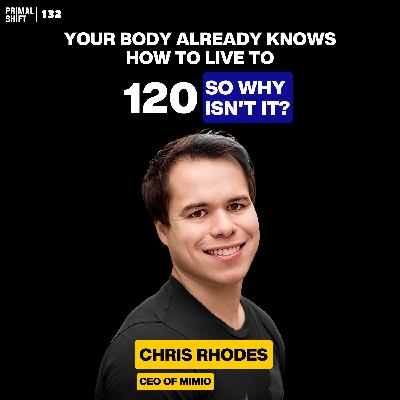
Your body already knows how to live to 120 in perfect health. It's just not doing it. That realization is what sent Dr. Chris Rhodes down the fasting research path during his PhD in nutritional biochemistry at UC Davis. His argument? Most people doing 16:8 intermittent fasting aren't getting nearly the benefits they think they are. The body doesn't flip into fasting mode until glycogen stores are depleted, which typically takes 20 to 24 hours. Autophagy, stem cell regeneration, and the real anti-inflammatory benefits don't peak until around 72 hours. In this episode, Dr. Rhodes, creator of Mimio – the world's first fasting mimetic supplement – explains what his team discovered when they tracked metabolites during 36-hour fasts in healthy subjects, as well as how they isolated four synergistic molecules that recreate fasting benefits at the cellular level. We also dig into something personal. Almost a year ago, I started supplementing with Mimio and tracked my biological age using TrueAge epigenetic testing before, during, and after. The result? My pace of aging slowed to 0.85 – meaning that for every calendar year, I'm only aging about 10 months biologically. Rhodes walks me through what the epigenetic markers actually mean, why some of my results seem contradictory on the surface, and why the phenotype matters more than the genotype when it comes to practical health decisions. We also get into why fasting can disrupt hormonal cycles through caloric restriction signaling, why elite athletes rarely have exceptional longevity despite peak fitness, and why combining actual fasting with Mimio may produce better results than either one alone. Try Mimio and get 20% off your first purchase with code MICHAELKUMMER: https://mimiohealth.sjv.io/qWzkOg About Chris Rhodes: Dr. Chris Rhodes, PhD, spent 8 years researching fasting at UC Davis before discovering that specific molecules produced during a fast can reduce inflammation, fight oxidative stress, and support metabolic health. That research led him to create Mimio, the world's first fasting mimetic supplement, backed by three clinical studies and designed to deliver measurable longevity benefits without changing your diet or lifestyle. Dr. Chris Rhodes on TikTok: https://www.tiktok.com/@thatnutritiondr Website: https://mimiohealth.com/ Learn more: 73: NAD Supplements That Actually Work: https://www.primalshiftpodcast.com/73-nad-supplements-that-actually-work/ 62: Biological Age Test Review: Epigenetics Explained Simply | Hannah Went: https://www.primalshiftpodcast.com/62-biological-age-test-review-epigenetics-explained-simply-hannah-went/ 63: HbA1c Levels Explained: Why They May Be High Without High Blood Sugar: https://www.primalshiftpodcast.com/63-hba1c-levels-explained-why-they-may-be-high-without-high-blood-sugar/ Thank you to this episode's sponsor, Apollo Neuro! Apollo is a wearable that uses gentle sound wave vibrations to signal safety to your nervous system, helping you feel calmer, more focused, and less reactive throughout the day. Check out my full Apollo review: https://michaelkummer.com/health/apollo-neuro-review/ Get $60 off with my discount code PRIMALSHIFT: https://michaelkummer.com/go/apolloneuro In this episode: 00:00 Fasting mimetic breakthrough 02:25 Experiment setup TrueAge 04:13 Why fasting extends life 06:14 How long to fast 09:11 Fasting risks and hormones 13:59 Longevity versus performance 18:02 Mimio [How it works] 20:39 Clinical results and trials 24:17 TrueAge report walkthrough 32:57 Immune markers vs feeling healthy 36:45 Can you change epigenetics 39:45 Pace of aging results 45:04 Hormetic stress and inflammation 50:11 Food and postprandial inflammation 57:05 Wrap up Find me on social media for more health and wellness content: Website: https://michaelkummer.com/ YouTube: https://www.youtube.com/@MichaelKummer Instagram: https://www.instagram.com/primalshiftpodcast/ Pinterest: https://www.pinterest.com/michaelkummer/ Twitter/X: https://twitter.com/mkummer82 Facebook: https://www.facebook.com/realmichaelkummer/ [Medical Disclaimer] The information shared on this video is for educational purposes only, is not a substitute for the advice of medical doctors or registered dietitians (which I am not) and should not be used to prevent, diagnose, or treat any condition. Consult with a physician before starting a fitness regimen, adding supplements to your diet, or making other changes that may affect your medications, treatment plan, or overall health. [Affiliate Disclaimer] I earn affiliate commissions from some of the brands and products I review on this channel. While that doesn't change my editorial integrity, it helps make this channel happen. If you'd like to support me, please use my affiliate links or discount code. #Mimio #Longevity
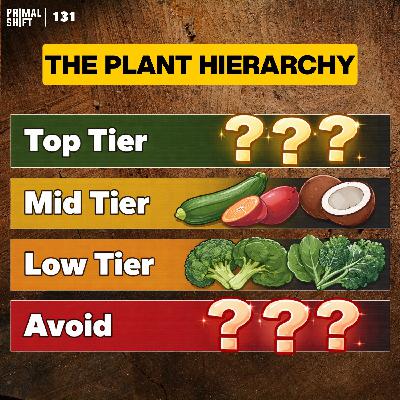
Most people who start an animal-based diet assume the goal is to eliminate every plant from the plate. I get it: when you've spent years being told kale is a superfood and you finally learn it's loaded with oxalates and goitrogens, the pendulum swings hard. It did for me. But the blanket "plants are bad" framing leaves a lot on the table. Plants aren't health foods. They don't want to be eaten, and they evolved with chemical defenses to discourage exactly that. Our dietary foundation at the Kummer household remains meat, organs, eggs, dairy and bone broth, and most of our calories come from animal sources. The question is whether certain plants, chosen carefully and prepared properly, can earn a supporting role. In this episode, I lay out a practical four-tier framework for thinking about plants on an animal-based diet: which ones you can eat freely, which work in moderation, which to approach with caution, and which to leave behind entirely. Ripe, low-seed fruits like berries, avocados, olives and coconut sit at the top of the list. They have minimal toxin load, and in the case of sweet fruit, the plant actually wants you to eat it. Peeled and deseeded vegetables like squash and zucchini come next, since removing the skin and seeds removes most of the antinutrient burden. Tubers can work well when peeled, cooked, and ideally fermented — we do ours in a 2.5% saline solution for a few days, which lowers both the glycemic index and the antinutrient count. On the other end, kale, spinach and chard are some of the worst offenders. Their oxalate levels are high, and unlike most other antinutrients, oxalates can't be reduced through any known preparation method. Grains are similarly problematic, though properly fermented sourdough — made at home over several days — can degrade a significant portion of the gluten and phytates. Where a plant lands in those tiers depends on its antinutrient concentration, whether preparation can neutralize the worst offenders, your individual gut and metabolic health, and how much you're eating and how often. I can have sourdough once a week without noticing anything negative. But if I eat it every day, I definitely notice. Peppers I tolerate surprisingly well. Raw dairy — which most animal-based influencers swear by — I can't do at all. My skin breaks out, I get bloated, and my body odor changes. Cut out dairy and I don't need deodorant. The question isn't whether to eat plants or not — it's which ones, how much, and how prepared. Plants play a supporting role, and you tier your choices by toxin load, preparation, and how your own body responds. Learn More: My Animal-Based Food List (Free Download): https://michaelkummer.com/food-list/ MEAT vs. PLANTS (What's Better for Your Health?): https://www.youtube.com/watch?v=GqKzO_PkD-k&utm Plants vs. Meat: Why I Stopped Eating Veggies: https://michaelkummer.com/plants-vs-meat 99: Plants vs Animals: Why Meat Beats Plants for Nutrition: https://www.primalshiftpodcast.com/99-plants-vs-animals-why-meat-beats-plants-for-nutrition 49: From Almonds to Spinach: Dr. Schindler on Avoiding Common Dietary Traps: https://www.primalshiftpodcast.com/49-from-almonds-to-spinach-dr-schindler-on-avoiding-common-dietary-traps/ Thank you to this episode's sponsor, Peluva! Peluva makes minimalist shoes to support optimal foot, back and joint health. I started wearing Peluvas several months ago, and I haven't worn regular shoes since. I encourage you to consider trading your sneakers or training shoes for a pair of Peluvas, and then watch the health of your feet and lower back improve while reducing your risk of injury. To learn more about why I love Peluva barefoot shoes, check out my in-depth review: https://michaelkummer.com/health/peluva-review/ And use code MICHAEL to get 10% off your first pair: https://michaelkummer.com/go/peluva In this episode: 00:00 Intro 01:53 Why plants fight back 04:54 Four-tier plant spectrum 09:04 Best picks: Sweet fruits 12:34 Peeled veggies and sides 13:33 Tubers, rice, and mushrooms 16:24 Leafy greens to avoid 18:40 Nightshades and tolerance 20:33 Grains, legumes, and nuts 24:37 Prep methods that help 29:09 Personal testing protocol 31:34 Wrap-up: framework recap Find me on social media for more health and wellness content: Website: https://michaelkummer.com/ YouTube: https://www.youtube.com/@MichaelKummer Instagram: https://www.instagram.com/primalshiftpodcast/ Pinterest: https://www.pinterest.com/michaelkummer/ Twitter/X: https://twitter.com/mkummer82 Facebook: https://www.facebook.com/realmichaelkummer/ [Medical Disclaimer] The information shared on this video is for educational purposes only, is not a substitute for the advice of medical doctors or registered dietitians (which I am not) and should not be used to prevent, diagnose, or treat any condition. Consult with a physician before starting a fitness regimen, adding supplements to your diet, or making other changes that may affect your medications, treatment plan, or overall health. [Affiliate Disclaimer] I earn affiliate commissions from some of the brands and products I review on this channel. While that doesn't change my editorial integrity, it helps make this channel happen. If you'd like to support me, please use my affiliate links or discount code.
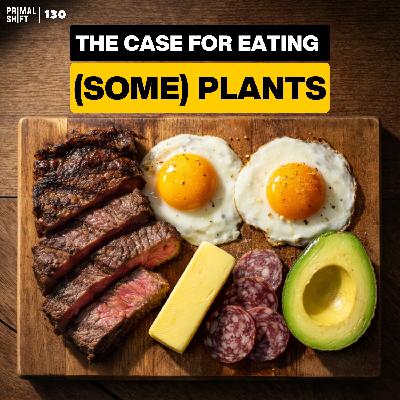
All plants are toxic to varying degrees. I haven't changed my mind on that. But recently our oldest daughter came up with a business idea: – making salves from plantain leaves infused in beeswax and olive oil for their antibacterial properties — and it got me thinking about the role plants actually play in our household despite the fact that we're very much an animal-based, meat-centric family. The truth is, we do eat plants. We always have. The foundation hasn't changed — meat, organs, eggs, dairy and bone broth make up the vast majority of our calories, and comparing the nutrient content of beef liver to kale isn't a close fight. But adhering to an animal-based dietary framework doesn't mean plants are the enemy in every context. The oldest use case is medicinal. Aspirin comes from willow bark, metformin from the French lilac, morphine from poppies. I'm not eating willow bark for lunch, but if I have a headache, it makes perfect sense. Turmeric targets inflammatory pathways, ginger helps with nausea, and oregano oil has been one of our go-to remedies for respiratory and gut infections for years. These aren't calories or micronutrients — we get those from animals. But for targeted medicinal use, plants have earned their place. Then there's flavor and the cultural connection that comes with food. Rosemary on a lamb roast, fresh basil on sourdough pizza, the smell of garlic roasting in a pan — those things make food better. Food is family connection, tradition, and cultural identity. My wife is Costa Rican, I'm from Europe, and we grew up with certain meals that bring the family together. Some of those include plant-based ingredients, and the value of sharing that meal can override the marginal downsides. The real nuance is preparation. Fermenting, sprouting, soaking, peeling cooking — these methods can meaningfully reduce anti-nutrients like lectins and phytic acid. We peel, slice, and ferment sweet potatoes in a saline solution for three days, which lowers the glycemic index and breaks down a lot of the problematic compounds. We soak rice overnight and cook it in fresh water. None of this turns plants into superfoods, but it makes them significantly more compatible with a species-appropriate diet – especially if you're sourcing organic or growing them yourself. The practical framework is straightforward: 80 to 90% quality animal foods, 10 to 20% well-chosen, well-prepared plants. If you're already eating nose to tail and building around nutrient density, you've won the big battle. The plant question is just fine-tuning. Learn More: My Animal-Based Food List (Free Download): https://michaelkummer.com/food-list/ MEAT vs. PLANTS (What's Better for Your Health?): https://www.youtube.com/watch?v=GqKzO_PkD-k&utm Plants vs. Meat: Why I Stopped Eating Veggies: https://michaelkummer.com/plants-vs-meat 99: Plants vs Animals: Why Meat Beats Plants for Nutrition: https://www.primalshiftpodcast.com/99-plants-vs-animals-why-meat-beats-plants-for-nutrition 49: From Almonds to Spinach: Dr. Schindler on Avoiding Common Dietary Traps: https://www.primalshiftpodcast.com/49-from-almonds-to-spinach-dr-schindler-on-avoiding-common-dietary-traps/ Thank you to this episode's sponsor, Apollo Neuro! Apollo is a wearable that delivers gentle vibrations to calm your nervous system and help your body stay in a restful state through the night. I've been wearing it for years and still notice a measurable difference — higher HRV and a lower resting heart rate on nights I use it. That's not placebo. That's my nervous system responding differently. If your sleep issues feel stress-related — and honestly, most of them are — Apollo is worth trying. To learn more, visit apolloneuro.com/michaelkummer and use code PRIMALSHIFT for $60 off. In this episode: 00:00 Intro 02:47 Animal-Based foundation 03:35 Plants as medicine 06:54 Flavor and food culture 10:34 Fermentation and prep 15:04 Plant tiers and avoids 16:42 Final thoughts Find me on social media for more health and wellness content: Website: https://michaelkummer.com/ YouTube: https://www.youtube.com/@MichaelKummer Instagram: https://www.instagram.com/primalshiftpodcast/ Pinterest: https://www.pinterest.com/michaelkummer/ Twitter/X: https://twitter.com/mkummer82 Facebook: https://www.facebook.com/realmichaelkummer/ [Medical Disclaimer] The information shared on this video is for educational purposes only, is not a substitute for the advice of medical doctors or registered dietitians (which I am not) and should not be used to prevent, diagnose, or treat any condition. Consult with a physician before starting a fitness regimen, adding supplements to your diet, or making other changes that may affect your medications, treatment plan, or overall health. [Affiliate Disclaimer] I earn affiliate commissions from some of the brands and products I review on this channel. While that doesn't change my editorial integrity, it helps make this channel happen. If you'd like to support me, please use my affiliate links or discount code.
Most people assume eight hours of uninterrupted sleep is the biological default. It isn't. For the vast majority of human history, people slept in two distinct phases — waking naturally in the middle of the night for prayer, reflection, and quiet work before returning to sleep until dawn. In this episode, we explore what ancestral sleep patterns actually looked like, what the science says about biphasic and split sleep, and why your 3 AM wake-up might not be insomnia. We also break down ultradian rhythms, the overlooked biology behind your afternoon energy crash, and two practical sleep templates you can apply to a modern schedule. Your sleep doesn't need to be fixed. It might just need to be understood. Learn More: 85: Sleep Before Midnight: Does It Really Matter?: https://www.primalshiftpodcast.com/85-sleep-before-midnight-does-it-really-matter/ 82: Why You Can't Sleep: The Surprising Truth with Nicholas Stewart: https://www.primalshiftpodcast.com/82-why-you-cant-sleep-the-surprising-truth-with-nicholas-stewart/ Thank you to this episode's sponsor, Peluva! Peluva makes minimalist shoes to support optimal foot, back and joint health. I started wearing Peluvas several months ago, and I haven't worn regular shoes since. I encourage you to consider trading your sneakers or training shoes for a pair of Peluvas, and then watch the health of your feet and lower back improve while reducing your risk of injury. To learn more about why I love Peluva barefoot shoes, check out my in-depth review: https://michaelkummer.com/health/peluva-review/ And use code MICHAEL to get 10% off your first pair: https://michaelkummer.com/go/peluva In this episode: 00:00 Sleep is a modern invention 00:57 First and second sleep 02:06 Stop fearing night waking 02:30 Permission not prescription 06:35 Split sleep template 08:10 Nap plus main sleep 10:46 Light as the master lever 13:05 One week sleep experiments 14:42 Final thoughts Find me on social media for more health and wellness content: Website: https://michaelkummer.com/ YouTube: https://www.youtube.com/@MichaelKummer Instagram: https://www.instagram.com/primalshiftpodcast/ Pinterest: https://www.pinterest.com/michaelkummer/ Twitter/X: https://twitter.com/mkummer82 Facebook: https://www.facebook.com/realmichaelkummer/ [Medical Disclaimer] The information shared on this video is for educational purposes only, is not a substitute for the advice of medical doctors or registered dietitians (which I am not) and should not be used to prevent, diagnose, or treat any condition. Consult with a physician before starting a fitness regimen, adding supplements to your diet, or making other changes that may affect your medications, treatment plan, or overall health. [Affiliate Disclaimer] I earn affiliate commissions from some of the brands and products I review on this channel. While that doesn't change my editorial integrity, it helps make this channel happen. If you'd like to support me, please use my affiliate links or discount code.
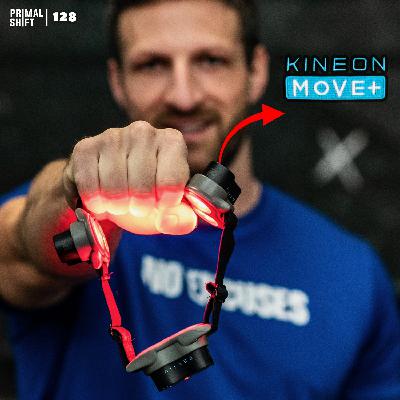
Most people think of a knee injury as a knee problem. You tear something, you rehab it, you move on. But the science tells a very different story — one where a single traumatic injury quietly drives cartilage degradation, cardiovascular impairment, and systemic inflammation for decades after the initial damage has "healed." I got a firsthand look at this when an MRI revealed two meniscus tears, a split MCL, and early-onset osteoarthritis in my left knee. That last one was humbling. I always assumed osteoarthritis happened to other people — older, less active people. Not someone who squats heavy and trains consistently. In this episode, Forrest Smith — CEO and Co-founder of Kineon Labs, a health technology company specializing in targeted red light and laser therapy devices — returns for his third appearance on the podcast. And the picture he paints of what happens inside an injured joint long after the rehab is over is sobering. For example, the NFL tracked over 3,500 players who'd returned to competition after knee injuries and found chronic inflammation still present 10 to 20 years later, despite world-class rehab. Notably, the quads on the players' injured side ran one to two degrees colder, a sign of impaired cardiovascular delivery. And the risk of major cardiovascular events jumped by 50% – not because of the original injury, but because of inflammation that never resolved. That's the cycle most people don't know they're stuck in. And it's where laser-based photobiomodulation changes the equation. Targeted 808nm lasers can drop inflammatory markers like TNF-alpha and IL-6 by 70 to 85% within days. Once that chronic degradation slows down, chondroblasts — the fast-growing front end of cartilage — can actually proliferate and begin rebuilding the extracellular matrix. Slow the destruction on one side, accelerate the biology on the other. That's what "regrowing cartilage" actually means. Penetration depth is what makes lasers fundamentally different from LEDs. At five to seven centimeters of reach, you're dosing 10 to 100 times more tissue volume than a surface-level panel can touch. Then there's the other side of this that almost nobody talks about: the ibuprofen your doctor hands you after surgery. Research shows that 90 days of use increases heart attack risk by 48%, heart failure by 35%, and major coronary events by 75% — while actively impairing the collagen and fibroblast function your body needs to heal. It's doing the exact opposite of what most people assume. If you've ever dealt with a joint injury, chronic inflammation, or just assumed over-the-counter painkillers were harmless, this one's worth your time. About Forrest Smith: Co-Founder and CEO of Kineon, a health-tech leader who spent 18 years in China building hardware startups and mastering the local supply chain. A lifelong athlete and CrossFit enthusiast, he founded Kineon after developing a portable, medical-grade laser device to treat his own chronic knee pain. Website: https://kineon.io/blogs/authors/forrest-smith [Discount Code] Use code MKUMMERMOVE for 10% off the Kineon Move+ Pro: https://michaelkummer.com/go/kineon Learn more: Kineon Move+ Pro Review: https://michaelkummer.com/kineon-move-plus-review/ Benefits of Red Light Therapy for Joint Pain and Arthritis: https://michaelkummer.com/red-light-therapy-for-joints/ Thank you to this episode's sponsor, Peluva! Peluva makes minimalist shoes to support optimal foot, back and joint health. I started wearing Peluvas several months ago, and I haven't worn regular shoes since. I encourage you to consider trading your sneakers or training shoes for a pair of Peluvas, and then watch the health of your feet and lower back improve while reducing your risk of injury. To learn more about why I love Peluva barefoot shoes, check out my in-depth review: https://michaelkummer.com/health/peluva-review/ And use code MICHAEL to get 10% off your first pair: https://michaelkummer.com/go/peluva In this episode: 00:00 Intro 00:42 Mk's knee MRI (meniscus, MCL, osteoarthritis) 03:42 Traumatic knee damage, synovial capsule & acute vs chronic inflammation 06:42 Can you regrow cartilage? 08:11 Hidden systemic effects: Cardiovascular impairment from chronic joint inflammation 09:50 Post-surgery recovery + the NSAID dilemma 12:28 NSAIDs: Cardiovascular risk & slower tissue repair 16:36 Kineon Move+ Pro knee protocol 17:59 Placement tips 20:36 Penetration depth 21:41 Hamstring strain case study 26:55 The future: Brain & gut photobiomodulation 33:20 Final thoughts Find me on social media for more health and wellness content: Website: https://michaelkummer.com/ YouTube: https://www.youtube.com/@MichaelKummer Instagram: https://www.instagram.com/primalshiftpodcast/ Pinterest: https://www.pinterest.com/michaelkummer/ Twitter/X: https://twitter.com/mkummer82 Facebook: https://www.facebook.com/realmichaelkummer/ [Medical Disclaimer] The information shared on this video is for educational purposes only, is not a substitute for the advice of medical doctors or registered dietitians (which I am not) and should not be used to prevent, diagnose, or treat any condition. Consult with a physician before starting a fitness regimen, adding supplements to your diet, or making other changes that may affect your medications, treatment plan, or overall health. [Affiliate Disclaimer] I earn affiliate commissions from some of the brands and products I review on this channel. While that doesn't change my editorial integrity, it helps make this channel happen. If you'd like to support me, please use my affiliate links or discount code. #Kineon #RedLightTherapy
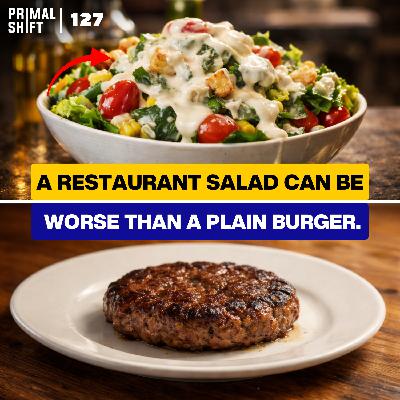
Most people assume they're eating well when they go out by choosing the "right" food categories: eggs instead of pancakes, salmon instead of a burger, salad instead of fries. But once food leaves your kitchen, categories matter far less than sourcing, fats and preparation. Restaurants are optimized for speed, consistency and profit. That usually means seed oils are used for cooking, sauces and dressings; that produce isn't organic; that poultry is low quality; and that most seafood is farmed. In other words, even meals that seem responsible on paper are often cooked in oxidized fats and paired with ingredients that quietly drive inflammation. In this episode, I explain why those hidden variables matter more than what's listed on the menu — and why even well-intentioned choices can work against you when food is prepared in an environment that was never designed to support your health. The real issue isn't an occasional meal out. It's how these small exposures compound over time. You don't feel it after one dinner — you feel it after years. And by then, most people blame the wrong things: carbs, protein, or entire food groups, when the real problem was never what they were eating but how it was being prepared. So what can you actually do about it? The most effective solution isn't exciting: when you know you'll be away from home, bring food with you. A lunchbox with leftover meat, eggs, fruit and simple whole foods beats a restaurant salad almost every time — and travels far better than most people expect. When eating out is unavoidable, the goal is to choose foods that are harder to mess up: plain red meat, simply cooked eggs, burger patties without sauces, and meals prepared with butter or olive oil when available. Ironically, foods with a "health halo" — salads, grain bowls, plant-heavy dishes — often perform the worst once dressings and industrial oils become involved. This isn't about fear or perfection. It's about being realistic. You can't outsource your health to systems that were never designed for it. Cooking at home and controlling how your food is prepared remains the most reliable way to protect your long-term health. Learn More: The Seed Oil Free Restaurant App: https://www.seedoilscout.com/ 125: The New Food Pyramid 2026 Looks Better… But It's Still Not Good Enough: https://www.primalshiftpodcast.com/125-the-new-food-pyramid-2026-looks-better-but-its-still-not-good-enough/ 124: The Glyphosate Study That Had to Be Retracted: https://www.primalshiftpodcast.com/124-the-glyphosate-study-that-had-to-be-retracted/ 121: The Hidden Contaminant in Even the Best Meat: https://www.primalshiftpodcast.com/121-the-hidden-contaminant-in-even-the-best-meat/ Thank you to this episode's sponsor, Peluva! Peluva makes minimalist shoes to support optimal foot, back and joint health. I started wearing Peluvas several months ago, and I haven't worn regular shoes since. I encourage you to consider trading your sneakers or training shoes for a pair of Peluvas, and then watch the health of your feet and lower back improve while reducing your risk of injury. To learn more about why I love Peluva barefoot shoes, check out my in-depth review: https://michaelkummer.com/health/peluva-review/ And use code MICHAEL to get 10% off your first pair: https://michaelkummer.com/go/peluva In this episode: 00:00 The hidden dangers of eating out 00:27 Why restaurants aren't designed for health 00:51 The illusion of healthy choices 01:22 Practical tips for eating out 01:43 The impact of regular dining out 03:27 The best solution 05:09 Finding healthier restaurant options 07:01 Final thoughts Find me on social media for more health and wellness content: Website: https://michaelkummer.com/ YouTube: https://www.youtube.com/@MichaelKummer Instagram: https://www.instagram.com/primalshiftpodcast/ Pinterest: https://www.pinterest.com/michaelkummer/ Twitter/X: https://twitter.com/mkummer82 Facebook: https://www.facebook.com/realmichaelkummer/ [Medical Disclaimer] The information shared on this video is for educational purposes only, is not a substitute for the advice of medical doctors or registered dietitians (which I am not) and should not be used to prevent, diagnose, or treat any condition. Consult with a physician before starting a fitness regimen, adding supplements to your diet, or making other changes that may affect your medications, treatment plan, or overall health. [Affiliate Disclaimer] I earn affiliate commissions from some of the brands and products I review on this channel. While that doesn't change my editorial integrity, it helps make this channel happen. If you'd like to support me, please use my affiliate links or discount code.

Most nutrition debates revolve around the wrong questions: Should we eat vegetables or not? Grains or no grains? Animal-based or plant-based? But as I discuss in this episode, framing nutrition solely by food categories overlooks the single most crucial factor: food quality. Modern debates often miss that eggs aren't simply eggs, grains aren't just grains, and vegetables aren't uniformly nutritious. The way food is grown, raised, processed, and prepared makes an enormous difference — far greater than the simplified categories we typically argue about. I had this realization vividly when comparing an airport lounge breakfast in Atlanta to one in Norway. On the surface, both offered similar categories of foods – eggs, meat, fruit, yogurt — but the underlying reality was starkly different. One was laden with industrial additives, pesticides and inflammatory oils, while the other represented cleaner sourcing and superior quality. In practical terms, I've learned it's often simpler to cut out entire food groups than to consistently source high-quality versions within them. Avoiding grains or poultry entirely can sometimes yield better health outcomes than struggling to find properly raised, chemical-free options. Real health doesn't live in nutrition dogma but in understanding nuance. The same food can either support your metabolic health or quietly undermine it, entirely depending on how it was produced. In other words, sometimes quality matters more than category. At the Kummer Household, we center our diet around animal-based foods — ideally raised ourselves or sourced from trusted farmers — and selectively incorporate plant-based options we've grown ourselves. Tune in to shift your nutritional focus from "which foods to eat" to the far more critical question: "where did this food come from, and what's in it?" Learn More: 124: The Glyphosate Study That Had to Be Retracted: https://www.primalshiftpodcast.com/124-the-glyphosate-study-that-had-to-be-retracted/ 121: The Hidden Contaminant in Even the Best Meat: https://www.primalshiftpodcast.com/121-the-hidden-contaminant-in-even-the-best-meat/ Thank you to this episode's sponsor, Peluva! Peluva makes minimalist shoes to support optimal foot, back and joint health. I started wearing Peluvas several months ago, and I haven't worn regular shoes since. I encourage you to consider trading your sneakers or training shoes for a pair of Peluvas, and then watch the health of your feet and lower back improve while reducing your risk of injury. To learn more about why I love Peluva barefoot shoes, check out my in-depth review: https://michaelkummer.com/health/peluva-review/ And use code MICHAEL to get 10% off your first pair: https://michaelkummer.com/go/peluva In this episode: 00:00 Intro 01:06 The airport lounge revelation 02:13 The importance of food quality 05:28 Practical takeaways for healthier eating 06:30 Personal approach to nutrition 07:18 Final thoughts Find me on social media for more health and wellness content: Website: https://michaelkummer.com/ YouTube: https://www.youtube.com/@MichaelKummer Instagram: https://www.instagram.com/primalshiftpodcast/ Pinterest: https://www.pinterest.com/michaelkummer/ Twitter/X: https://twitter.com/mkummer82 Facebook: https://www.facebook.com/realmichaelkummer/ [Medical Disclaimer] The information shared on this video is for educational purposes only, is not a substitute for the advice of medical doctors or registered dietitians (which I am not) and should not be used to prevent, diagnose, or treat any condition. Consult with a physician before starting a fitness regimen, adding supplements to your diet, or making other changes that may affect your medications, treatment plan, or overall health. [Affiliate Disclaimer] I earn affiliate commissions from some of the brands and products I review on this channel. While that doesn't change my editorial integrity, it helps make this channel happen. If you'd like to support me, please use my affiliate links or discount code.
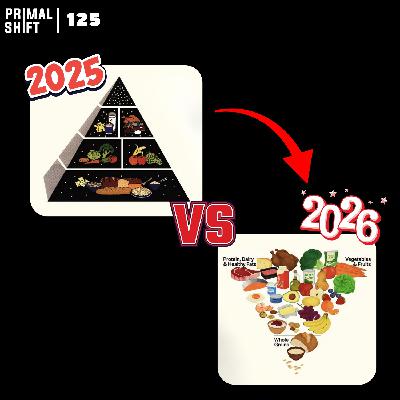
Every five years, the U.S. dietary guidelines get updated. Usually, that update triggers some mix of frustration, disbelief and déjà vu. This time was different… not because the guidelines suddenly got human nutrition right, but because they moved slightly closer to reality. There's finally more emphasis on whole foods and less on ultra-processed junk. The old grain-heavy food pyramid has effectively been flipped. That alone is meaningful progress. If someone followed these guidelines instead of the Standard American Diet, they'd likely see improvements in weight, blood sugar and overall metabolic health. But "better than before" isn't the same as optimal. In this episode, I walk through what the new guidelines get right, and where they still fall short – especially for people who care about metabolic health, fertility, pregnancy, breastfeeding and raising resilient kids. One major issue is immediately evident: nutrient density and bioavailability are largely ignored. The pyramid's Vitamin A recommendations focus on plant sources that require conversion, while the most reliable sources — animal foods like liver, eggs and dairy — are absent from the conversation. Meanwhile, protein sources are treated as interchangeable, even though amino acid profiles, micronutrients, and absorption differ dramatically between animal and plant foods. Dairy is included, but without meaningful context around processing methods and individual tolerance. Baby formula is framed as an "alternative" to breast milk, without acknowledging the trade-offs. Fruits and vegetables are encouraged "throughout the day," quietly endorsing constant snacking while ignoring metabolic rest. None of this is accidental. These guidelines are political compromises more than they're based on physiological reality. They're designed to be broadly acceptable, not metabolically precise. The takeaway isn't to blindly reject the guidelines — it's to treat them as a starting point, not a finish line. Real health requires understanding food quality, preparation, sourcing, and context — not just categories on a chart. This episode is about learning where to think for yourself, where nuance matters, and why trusting labels or authority without questioning incentives has never been a winning strategy. Learn More: Everything you need to learn about the new food pyramid guidelines: https://www.usda.gov/about-usda/news/press-releases/2026/01/07/kennedy-rollins-unveil-historic-reset-us-nutrition-policy-put-real-food-back-center-health We use MK Supplements organ meats to support nutrient density beyond the 2026 Food Pyramid. Use code YOUTUBE for 20% off your first order: 👉 https://mksupps.com Thank you to this episode's sponsor, Peluva! Peluva makes minimalist shoes to support optimal foot, back and joint health. I started wearing Peluvas several months ago, and I haven't worn regular shoes since. I encourage you to consider trading your sneakers or training shoes for a pair of Peluvas, and then watch the health of your feet and lower back improve while reducing your risk of injury. To learn more about why I love Peluva barefoot shoes, check out my in-depth review: https://michaelkummer.com/health/peluva-review/ And use code MICHAEL to get 10% off your first pair: https://michaelkummer.com/go/peluva In this episode: 00:00 Introduction to the new dietary guidelines 01:08 Positive changes in the guidelines 01:58 Critique on vitamin A recommendations 03:58 Political compromises in dietary guidelines 05:32 Protein quality and misconceptions 06:25 Dairy: A half win with missing context 07:44 The issue with constant snacking 08:22 Formula vs. Breast milk 09:46 Missing elements in the guidelines 11:39 Final thoughts Find me on social media for more health and wellness content: Website: https://michaelkummer.com/ YouTube: https://www.youtube.com/@MichaelKummer Instagram: https://www.instagram.com/primalshiftpodcast/ Pinterest: https://www.pinterest.com/michaelkummer/ Twitter/X: https://twitter.com/mkummer82 Facebook: https://www.facebook.com/realmichaelkummer/ [Medical Disclaimer] The information shared on this video is for educational purposes only, is not a substitute for the advice of medical doctors or registered dietitians (which I am not) and should not be used to prevent, diagnose, or treat any condition. Consult with a physician before starting a fitness regimen, adding supplements to your diet, or making other changes that may affect your medications, treatment plan, or overall health. [Affiliate Disclaimer] I earn affiliate commissions from some of the brands and products I review on this channel. While that doesn't change my editorial integrity, it helps make this channel happen. If you'd like to support me, please use my affiliate links or discount code. #FoodPyramid #USHealth

Learn More: Support your nutritional foundation in a toxic modern world with MK Supplements: Use code YOUTUBE for 20% off your first purchase → https://mksupps.com New York Times Article: https://www.nytimes.com/2026/01/02/climate/glyphosate-roundup-retracted-study.html Thank you to this episode's sponsor, Peluva! Peluva makes minimalist shoes to support optimal foot, back and joint health. I started wearing Peluvas several months ago, and I haven't worn regular shoes since. I encourage you to consider trading your sneakers or training shoes for a pair of Peluvas, and then watch the health of your feet and lower back improve while reducing your risk of injury. To learn more about why I love Peluva barefoot shoes, check out my in-depth review: https://michaelkummer.com/health/peluva-review/ And use code MICHAEL to get 10% off your first pair: https://michaelkummer.com/go/peluva In this episode:00:00 Intro 01:05 Understanding glyphosate: What it is and why it matters 01:29 The trust issue in scientific research 02:26 Glyphosate's mechanism and impact on health 03:35 Economic dependence and objectivity erosion 04:32 Chronic exposure concerns and scientific debate 07:29 Practical tips to reduce glyphosate exposure 11:18 The bigger picture: Systemic issues and personal responsibility 13:14 Conclusion: Questioning incentives and making informed choices Find me on social media for more health and wellness content: Website: https://michaelkummer.com/ YouTube: https://www.youtube.com/@MichaelKummer Instagram: https://www.instagram.com/primalshiftpodcast/ Pinterest: https://www.pinterest.com/michaelkummer/ Twitter/X: https://twitter.com/mkummer82 Facebook: https://www.facebook.com/realmichaelkummer/ [Medical Disclaimer] The information shared on this video is for educational purposes only, is not a substitute for the advice of medical doctors or registered dietitians (which I am not) and should not be used to prevent, diagnose, or treat any condition. Consult with a physician before starting a fitness regimen, adding supplements to your diet, or making other changes that may affect your medications, treatment plan, or overall health. [Affiliate Disclaimer] I earn affiliate commissions from some of the brands and products I review on this channel. While that doesn't change my editorial integrity, it helps make this channel happen. If you'd like to support me, please use my affiliate links or discount code. #Glyphosate #WeedKiller
Most people assume they're being proactive about their health because they get an annual physical and a standard blood panel. A few numbers come back "normal," the doctor gives a thumbs-up, and that's the end of the conversation. The problem is that those labs are often incomplete and disconnected from how people actually live, train, eat and recover. Many of the markers that matter most for long-term metabolic health and inflammation — like fasting insulin and high-sensitivity CRP — are routinely excluded. So what you're left with are numbers that often only flag problems once things are already far off track. On top of that, testing once a year gives you no meaningful sense of trends, context, or direction. This episode looks at a more practical approach: identifying the biomarkers that actually reflect metabolic health, inflammation, hormonal balance and recovery, and finding ways to test them regularly without relying on one-off lab work. It also addresses why timing, training load, and recent stress matter when you get blood drawn — and how ignoring those variables can lead to misleading results and unnecessary concern. The broader point is simple: meaningful blood work isn't just about collecting more data. It's about measuring the right things, testing often enough to see patterns, and interpreting results in the context of your lifestyle. When you do that, blood work becomes a useful feedback tool instead of a once-a-year formality that tells you very little about where your health is actually headed. Learn more: What It Means to Be Metabolically Healthy [Blog Post]: https://michaelkummer.com/metabolic-health/ Affordable At-Home Blood Testing with SiPhox Health [Video]: https://youtu.be/R7qRLzBcp94 63: HbA1c Levels Explained: Why They May Be High Without High Blood Sugar: https://www.primalshiftpodcast.com/63-hba1c-levels-explained-why-they-may-be-high-without-high-blood-sugar/ Thank you to this episode's sponsor, OneSkin! What sold me was seeing real results. My wife started using OneSkin, and the improvement in her skin was obvious — not subtle, not hype. OneSkin products are built around their patented OS-01 peptide, developed from longevity research and tested for sensitive skin. Full review here: https://michaelkummer.com/health/oneskin-review/ For a limited time, get up to 30% off your first three subscription orders — no code required: https://oneskin.pxf.io/c/1289595/3445782/31050 In this episode: 00:00 Intro 02:19 The importance of comprehensive blood panels 05:36 Key biomarkers to monitor 09:43 Affordable and convenient blood testing options 18:03 Final thoughts Find me on social media for more health and wellness content: Website: https://michaelkummer.com/ YouTube: https://www.youtube.com/@MichaelKummer Instagram: https://www.instagram.com/primalshiftpodcast/ Pinterest: https://www.pinterest.com/michaelkummer/ Twitter/X: https://twitter.com/mkummer82 Facebook: https://www.facebook.com/realmichaelkummer/ [Medical Disclaimer] The information shared on this video is for educational purposes only, is not a substitute for the advice of medical doctors or registered dietitians (which I am not) and should not be used to prevent, diagnose, or treat any condition. Consult with a physician before starting a fitness regimen, adding supplements to your diet, or making other changes that may affect your medications, treatment plan, or overall health. [Affiliate Disclaimer] I earn affiliate commissions from some of the brands and products I review on this channel. While that doesn't change my editorial integrity, it helps make this channel happen. If you'd like to support me, please use my affiliate links or discount code.
The general consensus on sauna bathing is that it's a powerful tool for longevity, recovery and metabolic health. More sessions, higher heat, longer durations — all of these strategies are commonly assumed to produce better outcomes. But after hearing Paul Saladino question whether sauna use can add unnecessary stress for people who already train hard or live under chronic pressure, I felt it was worth taking a closer look at when sauna therapy is best leveraged and when it might do more harm than good. Here's the core issue: sauna use is a physiological stressor. It raises core temperature, increases cortisol, can lower HRV in the short term, and often causes temporary spikes in blood glucose. And if your overall stress load is already high, adding another stressor on top of that won't necessarily improve recovery. In other words, the thing you should be concerned about is total stress load. When hard training, poor sleep, work pressure, and everyday life are already consuming most of your recovery capacity, spending long periods in very hot saunas can stop being adaptive and start competing with recovery. At the same time, when you zoom out, the long-term evidence supporting sauna bathing remains strong — even for people who train regularly. These benefits – including improvements in cardiovascular function, insulin sensitivity, heat tolerance and sleep quality – play out over years and decades, not session by session. And I suspect the number of people who train so hard that their system is pushed to its limit is relatively low. So in my view, discouraging sauna use is the wrong overall approach; for most people in most scenarios, the benefits far outweigh the risks. Still, it can be beneficial to pay attention to dosage and timing. Long, very hot sauna sessions layered onto hard training and inadequate recovery can overwhelm your ability to recover, rather than support it. Used more deliberately — i.e., shorter sessions, reasonable temperatures, and better placement within the week — time in the sauna often has the opposite effect, helping people unwind, sleep better, and recover more fully – even when their fitness trackers show short-term fluctuations. Learn more: Paul Saladino's Video: Why I Changed My Mind on Saunas: https://www.youtube.com/watch?v=IF4ID6_4BGY Infrared vs Traditional Saunas [Blog Post]: https://michaelkummer.com/infrared-vs-traditional-saunas/ Benefits of Using a Sauna and Ice Bath Together [Blog Post]: https://michaelkummer.com/ice-bath-and-sauna/ Thank you to this episode's sponsor, OneSkin! OneSkin's lineup of topical skin health products leverage the power of the company's proprietary OS-01 peptide to remove dead skin cells, improve collagen production, increase skin hydration and more. Check out my before and after photos in my OneSkin review: https://michaelkummer.com/health/oneskin-review/ Get 15% off with my discount code MKUMMER: https://michaelkummer.com/go/oneskinshop In this episode: 00:00 Introduction: Can sauna hurt your recovery? 00:45 Paul Saladino's arguments against sauna 05:27 Scientific perspective on sauna benefits 07:20 Debunking sauna myths 14:52 Practical sauna guidelines 20:21 Cold plunging insights 22:44 Conclusion: Finding the right balance Find me on social media for more health and wellness content: Website: https://michaelkummer.com/ YouTube: https://www.youtube.com/@MichaelKummer Instagram: https://www.instagram.com/primalshiftpodcast/ Pinterest: https://www.pinterest.com/michaelkummer/ Twitter/X: https://twitter.com/mkummer82 Facebook: https://www.facebook.com/realmichaelkummer/ [Medical Disclaimer] The information shared on this video is for educational purposes only, is not a substitute for the advice of medical doctors or registered dietitians (which I am not) and should not be used to prevent, diagnose, or treat any condition. Consult with a physician before starting a fitness regimen, adding supplements to your diet, or making other changes that may affect your medications, treatment plan, or overall health. [Affiliate Disclaimer] I earn affiliate commissions from some of the brands and products I review on this channel. While that doesn't change my editorial integrity, it helps make this channel happen. If you'd like to support me, please use my affiliate links or discount code.

You can do everything right on paper — organic, grass-fed, pasture-raised, regenerative — and still end up eating the very compounds you were trying to avoid. That's the blind spot I'm digging into in this episode: the ways food gets contaminated during processing and packaging… often without the consumer noticing, and without small farmers even realizing they're doing it. The most vivid example is something most people would never question: A turkey can be raised well, harvested cleanly, and still get compromised at the finish line when it's put into a plastic bag and then heat shrink-wrapped in hot water. Combined, heat, fat and soft plastic create the perfect conditions for microplastics and chemicals like phthalates to migrate into meat. The label still looks perfect. The outcome isn't. From there, I widen the lens to other "healthy" foods that carry hidden landmines. Pastured poultry can still be built on genetics designed for rapid weight gain, and the feed can still be heavy in polyunsaturated fats that end up stored in the meat. Grass-fed beef can still pick up microplastics during processing and packaging. Even when the animal was raised well, the last steps can quietly undo a lot of the benefit. The point isn't perfection. It's awareness. Once you understand where contamination can happen, you can ask better questions and make smarter trade-offs — like requesting butcher paper before plastic, avoiding heat shrink-wrapping, or choosing producers who are willing to adjust their process when you explain why it matters. In many cases, the only way to reduce these risks is to shorten the distance between you and your food – whether that means buying from someone local you can talk to, getting involved in the process, or raising even a small amount of food yourself just to learn what actually happens behind the scenes. This episode is my attempt to give you that lens without turning food sourcing into a new anxiety. You don't need to chase purity. But you do need to understand what labels can't tell you. Learn more: 15: Dr. Anthony Gustin: The Shocking Truth Behind Pasture-Raised Chicken and Pork: https://www.primalshiftpodcast.com/dr-anthony-gustin-the-shocking-truth-behind-pasture-raised-chicken-and-pork/ The Truth About 16% Protein Feed [Chicken Feed]: https://youtu.be/ctGBMwMEG1U Thank you to this episode's sponsor, Peluva! Peluva makes minimalist shoes to support optimal foot, back and joint health. I started wearing Peluvas several months ago, and I haven't worn regular shoes since. I encourage you to consider trading your sneakers or training shoes for a pair of Peluvas, and then watch the health of your feet and lower back improve while reducing your risk of injury. To learn more about why I love Peluva barefoot shoes, check out my in-depth review: https://michaelkummer.com/health/peluva-review/ And use code MICHAEL to get 10% off your first pair: https://michaelkummer.com/go/peluva In this episode: 00:00 Intro: Hidden dangers in organic food 00:47 Biohacking conference insights 02:56 Thanksgiving turkey: A case study 04:34 The problem with plastic packaging 07:32 Issues with pastured poultry 10:51 Grass-fed beef: Not always safe 11:32 Practical tips for safer food 13:47 The importance of knowing your food source 18:43 Conclusion: Take control of your food Find me on social media for more health and wellness content: Website: https://michaelkummer.com/ YouTube: https://www.youtube.com/@MichaelKummer Instagram: https://www.instagram.com/primalshiftpodcast/ Pinterest: https://www.pinterest.com/michaelkummer/ Twitter/X: https://twitter.com/mkummer82 Facebook: https://www.facebook.com/realmichaelkummer/ [Medical Disclaimer] The information shared on this video is for educational purposes only, is not a substitute for the advice of medical doctors or registered dietitians (which I am not) and should not be used to prevent, diagnose, or treat any condition. Consult with a physician before starting a fitness regimen, adding supplements to your diet, or making other changes that may affect your medications, treatment plan, or overall health. [Affiliate Disclaimer] I earn affiliate commissions from some of the brands and products I review on this channel. While that doesn't change my editorial integrity, it helps make this channel happen. If you'd like to support me, please use my affiliate links or discount code.
It's been just over eight weeks since my meniscus surgery, and I wanted to share a transparent update on what's been working, what hasn't, and how my knee is performing now. In this episode, I walk you through the entire healing process: the early tightness and inflammation, what I learned from ignoring recovery during our homestead move, how my MCL tear is progressing, and why rotational stress is still the last piece I'm rebuilding. I also highlight the recovery tools, supplements, movement patterns, and lifestyle choices that made the biggest difference. If you're preparing for knee surgery, recovering from one, or just want to improve joint health and healing, this breakdown should give you a clear, real-world perspective — without sugar-coating what actually happens on the path back to full performance. Learn more: I Tried This After My Meniscus Surgery [Youtube Video]: https://youtu.be/Dkakw_h8Yi4 8 Key Primal Shifts for Ancestral Living: https://www.primalshiftpodcast.com/8-key-primal-shifts-for-ancestral-living/ Thank you to this episode's sponsor, Peluva! Peluva makes minimalist shoes to support optimal foot, back and joint health. I started wearing Peluvas several months ago, and I haven't worn regular shoes since. I encourage you to consider trading your sneakers or training shoes for a pair of Peluvas, and then watch the health of your feet and lower back improve while reducing your risk of injury. To learn more about why I love Peluva barefoot shoes, check out my in-depth review: https://michaelkummer.com/health/peluva-review/ And use code MICHAEL to get 10% off your first pair: https://michaelkummer.com/go/peluva In this episode: 00:00 Intro 00:24 Surgery details and initial recovery 01:55 Ignored MCL tear and self-managed recovery 02:42 Progress and physical activities 04:24 Continued recovery and moving challenges 06:59 Rediscovering knee health 10:25 Current status and future plans 12:47 Conclusion and final thoughts Find me on social media for more health and wellness content: Website: https://michaelkummer.com/ YouTube: https://www.youtube.com/@MichaelKummer Instagram: https://www.instagram.com/primalshiftpodcast/ Pinterest: https://www.pinterest.com/michaelkummer/ Twitter/X: https://twitter.com/mkummer82 Facebook: https://www.facebook.com/realmichaelkummer/ [Medical Disclaimer] The information shared on this video is for educational purposes only, is not a substitute for the advice of medical doctors or registered dietitians (which I am not) and should not be used to prevent, diagnose, or treat any condition. Consult with a physician before starting a fitness regimen, adding supplements to your diet, or making other changes that may affect your medications, treatment plan, or overall health. [Affiliate Disclaimer] I earn affiliate commissions from some of the brands and products I review on this channel. While that doesn't change my editorial integrity, it helps make this channel happen. If you'd like to support me, please use my affiliate links or discount code.
Most of us don't realize how quickly the urge hits. You sit down at the DMV, nothing is happening yet, and your hand is already halfway to your pocket. Reaching for our phone has become so automatic that we barely notice it, even though it shapes much more of our behavior than we'd like to admit. In this episode, I look at that micro-moment — the half-second between feeling an urge and acting on it. Your brain wants relief from boredom or discomfort, and the phone promises it instantly. But the urge isn't the problem; what matters is the choice that comes after it. When you pause for even a few seconds, you start to notice the familiar restlessness in your body, the mental chatter, the little spike of anxiety that says, "Just check it once." And if you sit with it long enough, something interesting happens: it peaks, and then it fades. You realize you don't actually have to obey it. That's the skill. Once you see that pattern, you start to see it everywhere. The same reflex that sends your hand to your phone is the reflex that sends you to the pantry when you're stressed, to the couch when you're tired, or to Netflix when you don't want to feel something uncomfortable. A lot of what we call "discipline" comes down to this one micro-moment. The phone just happens to be the perfect training ground. Low stakes, constant reps, and hundreds of chances every day to practice not acting on an impulse. If you can sit through that tiny discomfort without reaching for a screen, you're building the same muscle you need for better nutrition, better sleep, and more consistent training. That muscle shows up at night when you feel the pull to scroll instead of winding down. It shows up in the morning when you're tempted to skip a workout. It shows up any time you feel restless, anxious or overwhelmed, and want something to distract you from the feeling. The more you practice, the more you realize that discomfort isn't danger, and you're still the one making decisions. What I love about this approach is how accessible it is. You don't need a plan, or equipment, or willpower. Just pick one situation — waiting rooms, red lights, the minutes before bed — and let the urge come and go without acting on it. Let your nervous system learn that it's safe without stimulation. When you do that, you're not just breaking a phone habit. You're retraining how you respond to cravings, stress, and fatigue across your entire life. That's the whole point of this episode: to show you how a tiny pause can become one of the most powerful tools you have for changing your behavior, strengthening your attention, and living in a way that feels more intentional and less reactive. Thank you to this episode's sponsor, Peluva! Peluva makes minimalist shoes to support optimal foot, back and joint health. I started wearing Peluvas several months ago, and I haven't worn regular shoes since. I encourage you to consider trading your sneakers or training shoes for a pair of Peluvas, and then watch the health of your feet and lower back improve while reducing your risk of injury. To learn more about why I love Peluva barefoot shoes, check out my in-depth review: https://michaelkummer.com/health/peluva-review/ And use code MICHAEL to get 10% off your first pair: https://michaelkummer.com/go/peluva In this episode: 00:00 Intro 01:26 Understanding the automatic urge 02:20 Experiment: Resist the urge 02:56 The impact of impulse control 05:37 Mindfulness and meditation in everyday life 07:49 Connecting impulse control to nutrition 09:29 Improving sleep by managing phone use 12:01 Training and exercise: Overcoming morning impulses 15:21 Practical challenges to improve impulse control 16:33 Conclusion: Taking control of your impulses Find me on social media for more health and wellness content: Website: https://michaelkummer.com/ YouTube: https://www.youtube.com/@MichaelKummer Instagram: https://www.instagram.com/primalshiftpodcast/ Pinterest: https://www.pinterest.com/michaelkummer/ Twitter/X: https://twitter.com/mkummer82 Facebook: https://www.facebook.com/realmichaelkummer/ [Medical Disclaimer] The information shared on this video is for educational purposes only, is not a substitute for the advice of medical doctors or registered dietitians (which I am not) and should not be used to prevent, diagnose, or treat any condition. Consult with a physician before starting a fitness regimen, adding supplements to your diet, or making other changes that may affect your medications, treatment plan, or overall health. [Affiliate Disclaimer] I earn affiliate commissions from some of the brands and products I review on this channel. While that doesn't change my editorial integrity, it helps make this channel happen. If you'd like to support me, please use my affiliate links or discount code.

For years, my blood pressure readings at routine checkups came back higher than I expected, even though I train hard, sleep well, and pay close attention to recovery. I wasn't hypertensive, but those numbers never matched how I actually felt — and the rushed way they were taken didn't inspire confidence. After all, when a measurement happens over a sweater, with no rest period, and within seconds of walking through the door, it's hard to trust the result. That disconnect is what led me to today's guest, Craig Cooper. Craig is the CEO of CardieX, the company behind the Conneqt blood pressure monitor, and he's spent decades in cardiovascular technology — including bringing hospital-grade central blood pressure measurements into clinical trials and specialist practices. His perspective matters because he understands what's happening in the arteries closest to the heart, not just what a quick cuff at the arm can capture. When I started using Conneqt at home, things finally made sense. My central blood pressure — the pressure that actually reflects what the heart and major vessels are experiencing — was lower and healthier than my brachial readings suggested. The numbers aligned with my calcium scan, my fitness level, and how I feel day to day. It showed me that the "elevated" arm readings weren't a sign of a problem; they were a sign of poor measurement. From there, Craig and I zoom out into the bigger question: what does it look like to take ownership of your cardiovascular health without disappearing into gadget culture or depending on outdated tools in the medical system? His view is refreshingly grounded: better data helps, but only when it sits on top of simple habits — moving more, building strength, managing stress, and paying attention to long-term trends instead of one-off numbers. This episode isn't about turning yourself into a cardiologist. It's about getting a clearer picture of what your blood pressure actually represents, why the right measurement matters, and how a small shift in awareness can keep you ahead of problems instead of reacting once they've already shown up. About Craig Cooper: Craig Cooper, CEO of CardieX, the company behind the Conneqt blood pressure monitor and a longtime health-tech entrepreneur. He focuses on bringing clinical-grade cardiovascular monitoring—like central blood pressure and arterial stiffness tracking—to everyday consumers. His mission is simple: make advanced heart-health insights accessible at home. Website: conneqthealth.com Learn more: 👉 Get the Conneqt Pulse monitor — the device I use to track central blood pressure and arterial stiffness: https://michaelkummer.com/go/conneqt What It Means to Be Metabolically Healthy: https://michaelkummer.com/metabolic-health/ 110: Why Your Blood Pressure Reading Might Be Totally Wrong: https://www.primalshiftpodcast.com/110-why-your-blood-pressure-reading-might-be-totally-wrong/ Thank you to this episode's sponsor, OneSkin! OneSkin's lineup of topical skin health products leverage the power of the company's proprietary OS-01 peptide to remove dead skin cells, improve collagen production, increase skin hydration and more. Check out my before and after photos in my OneSkin review: https://michaelkummer.com/health/oneskin-review/ Get 15% off with my discount code MKUMMER: https://michaelkummer.com/go/oneskinshop In this episode: 00:00 Intro 00:56 The importance of blood pressure monitoring 03:10 Challenges with traditional blood pressure readings 04:36 Innovations in blood pressure technology 10:26 Using the new blood pressure device 21:04 The future of healthcare and self-monitoring 25:53 Self-diagnosis and medical education gaps 27:06 Trust issues in medical advice 28:57 Affordability and accessibility in health 31:04 Back to basics: Simple health practices 34:44 Longevity trends and personal health 39:11 Introduction to the CONNEQT device 42:14 Conclusion and final thoughts Find me on social media for more health and wellness content: Website: https://michaelkummer.com/ YouTube: https://www.youtube.com/@MichaelKummer Instagram: https://www.instagram.com/primalshiftpodcast/ Pinterest: https://www.pinterest.com/michaelkummer/ Twitter/X: https://twitter.com/mkummer82 Facebook: https://www.facebook.com/realmichaelkummer/ [Medical Disclaimer] The information shared on this video is for educational purposes only, is not a substitute for the advice of medical doctors or registered dietitians (which I am not) and should not be used to prevent, diagnose, or treat any condition. Consult with a physician before starting a fitness regimen, adding supplements to your diet, or making other changes that may affect your medications, treatment plan, or overall health. [Affiliate Disclaimer] I earn affiliate commissions from some of the brands and products I review on this channel. While that doesn't change my editorial integrity, it helps make this channel happen. If you'd like to support me, please use my affiliate links or discount code. #Conneqt #CardiovascularHealth
We've been using Eight Sleep at the Kummer house for years, and in many ways it's been an incredible tool. The pod keeps the bed at exactly the right temperature through hot Georgia nights; lets us set different temperatures for falling asleep, the first half of the night, the second half, and waking up; and it tracks sleep, HRV, heart rate, respiratory rate, and even snoring. From a comfort and data perspective, we've genuinely loved a lot of what it can do. This episode isn't an endorsement, though. It's about why I've grown increasingly frustrated with Eight Sleep's dependence on constant WiFi and a stable internet connection. Here's the bottom line: if you turn off your home's WiFi at night – as we do, to avoid unnecessary EMF exposure – the system basically breaks. Cooling stops, you can't change the temperature, and if the adjustable base is up, you can't even put it back down. But even if you're not concerned about EMF exposure, the system's reliance on an internet connection is a major problem. For example, during recent internet and AWS outages, users couldn't control their beds at all – which is absurd for a product that's supposed to improve sleep. Eight Sleep's response to the AWS outage was to roll out a "backup mode" that lets the app talk to the pod over Bluetooth when cloud systems are down. That might help with outages, but it doesn't address the underlying issue that a sleep and health company keeps adding more wireless components around your bed. The latest generation even adds speakers and requires more communication between the base and the hub. We're in the middle of a move and I've decided we'll rip all of that out and stop using it. I still believe bed cooling is incredibly helpful in a modern, sealed house where airflow is limited, and I'll keep recommending the idea of bed cooling. But I'd rather use a simpler solution with less EMF exposure, even if that means losing automation, app control, and detailed sleep tracking. In the episode I talk through that decision, why I can't comfortably recommend Eight Sleep anymore, and what I'm looking for in a replacement. I also share some lower-tech levers we're already pulling — like better mattress and sheet materials — and ask you to share what's worked for you, whether that's another cooling system, smarter use of windows, or just a more breathable sleep setup. Learn more: Is the Eight Sleep Pod 4 Ultra the Answer to Better Sleep?: https://youtu.be/n6QsckyU9bs How To Sleep Better And Fall Asleep Quicker: https://michaelkummer.com/sleep-guide/ 85: Sleep Before Midnight: Does It Really Matter?: https://www.primalshiftpodcast.com/85-sleep-before-midnight-does-it-really-matter/ Thank you to this episode's sponsor, Peluva! Peluva makes minimalist shoes to support optimal foot, back and joint health. I started wearing Peluvas several months ago, and I haven't worn regular shoes since. I encourage you to consider trading your sneakers or training shoes for a pair of Peluvas, and then watch the health of your feet and lower back improve while reducing your risk of injury. To learn more about why I love Peluva barefoot shoes, check out my in-depth review: https://michaelkummer.com/health/peluva-review/ And use code MICHAEL to get 10% off your first pair: https://michaelkummer.com/go/peluva In this episode: 00:00 Intro 00:28 The benefits of Eight Sleep 01:25 Major drawbacks and frustrations 03:07 Recent outage and update 06:22 Personal decision to move on 08:54 Exploring alternatives 11:26 Conclusion and final thoughts Find me on social media for more health and wellness content: Website: https://michaelkummer.com/ YouTube: https://www.youtube.com/@MichaelKummer Instagram: https://www.instagram.com/primalshiftpodcast/ Pinterest: https://www.pinterest.com/michaelkummer/ Twitter/X: https://twitter.com/mkummer82 Facebook: https://www.facebook.com/realmichaelkummer/ [Medical Disclaimer] The information shared on this video is for educational purposes only, is not a substitute for the advice of medical doctors or registered dietitians (which I am not) and should not be used to prevent, diagnose, or treat any condition. Consult with a physician before starting a fitness regimen, adding supplements to your diet, or making other changes that may affect your medications, treatment plan, or overall health. [Affiliate Disclaimer] I earn affiliate commissions from some of the brands and products I review on this channel. While that doesn't change my editorial integrity, it helps make this channel happen. If you'd like to support me, please use my affiliate links or discount code. #EightSleep #SleepHealth

Coffee can be both a tool and a toxin, depending on how it's grown, prepared and used. In this episode, I take a closer look at caffeine and coffee through a practical lens — what science says, what I've experienced, and what really determines whether that morning cup helps or harms you. Caffeine blocks adenosine, which makes you feel less tired and can improve focus and performance. I've noticed that benefit myself when coffee happens to precede a workout, though I've also learned the hard way that more isn't better. Once, before a 100-meter race, I overdid it with caffeine pills and ended up jittery and nauseous — proof that even biohacks have limits. For most people, moderate coffee consumption can support alertness and provide antioxidants that are otherwise missing from a typical Western diet. But caffeine doesn't create energy — it just masks fatigue. It can raise cortisol, interfere with deep sleep, and build dependency if you rely on it to function. That's why I now drink coffee for the ritual and enjoyment, not as a crutch. My cutoff is late morning, around 10 or 11 a.m., because even if I fall asleep easily, caffeine too late still reduces slow-wave sleep and recovery. What's changed most for me is the kind of coffee I drink. Many conventional beans are contaminated with pesticides, glyphosate, mold, and mycotoxins such as ochratoxin A, which may be why some people feel worse after drinking coffee. My wife and I wanted something cleaner, so we started sourcing beans from a small regenerative farm in Costa Rica — hand-harvested, sun-dried, and lab-tested for over 300 pesticides, mold and toxins (all of which came back zero). That coffee became Terra Lava, and it reshaped my view of what "healthy" coffee can be. The key is intention: drink less but better, choose purity over convenience, and see coffee not as stimulation but as connection and ritual. Learn more: Subscribe to Terra Lava Coffee and enjoy 10% off every delivery — fresh, toxin-free beans straight from our Costa Rican farm to your door: https://terralava.com/collections/all 18: What I Eat in an Animal-Based Diet + My Go-To Food Choices and Supplements: https://www.primalshiftpodcast.com/what-i-eat-in-an-animal-based-diet-my-go-to-food-choices-and-supplements/ In this episode: 00:00 Introduction: The coffee debate 01:15 The benefits of coffee and caffeine 03:09 The downsides of coffee consumption 07:46 The hidden toxins in coffee 11:07 Discovering clean coffee: A personal journey 13:33 Introducing Terra Lava Coffee 15:31 Tips for enjoying coffee responsibly 20:52 Conclusion: Coffee as a ritual and connection Find me on social media for more health and wellness content: Website: https://michaelkummer.com/ YouTube: https://www.youtube.com/@MichaelKummer Instagram: https://www.instagram.com/primalshiftpodcast/ Pinterest: https://www.pinterest.com/michaelkummer/ Twitter/X: https://twitter.com/mkummer82 Facebook: https://www.facebook.com/realmichaelkummer/ [Medical Disclaimer] The information shared on this video is for educational purposes only, is not a substitute for the advice of medical doctors or registered dietitians (which I am not) and should not be used to prevent, diagnose, or treat any condition. Consult with a physician before starting a fitness regimen, adding supplements to your diet, or making other changes that may affect your medications, treatment plan, or overall health. [Affiliate Disclaimer] I earn affiliate commissions from some of the brands and products I review on this channel. While that doesn't change my editorial integrity, it helps make this channel happen. If you'd like to support me, please use my affiliate links or discount code. #Coffee #OrganicCoffe #ToxinFreeCoffee

A few days ago, Kathy asked me to listen to a parenting podcast by Dr. Becky that stopped me in my tracks. In it, the host told a story about planning a movie night as a kid — driving to Blockbuster, hoping the film you wanted wasn't already rented, and learning to deal with the disappointment when it was. That memory hit hard because it reminded me just how much patience was once built into daily life… and how little patience is required today. When everything is on demand, our kids rarely get those "micro struggles" that used to build frustration tolerance and emotional resilience. And honestly, we adults aren't much better. I catch myself losing patience with slow websites or late deliveries. We've been conditioned for instant gratification, and it's changing how we react when life doesn't move at that pace. So in this episode, I share how we're trying to reverse that trend at home. We're saying "no" more often, creating intentional friction, and letting our kids wait, fail, and figure things out. They feed animals, wash their clothes, cook for themselves, and learn that boredom isn't the enemy — it's an opportunity to think, to try, to create. Moving to the countryside will add more of that by necessity (we're leaving the Atlanta suburbs to start a 40-acre homestead near the Alabama border). There won't be same-day deliveries or quick runs to the store. It'll mean planning, adapting, and sometimes going without. And I think that's a good thing. Because resilience isn't something kids are born with. It's something they build through experience. If you're a parent, I hope this sparks reflection. Maybe it's canceling a streaming service, setting delivery limits, or just letting your kids be bored. However you do it, add a little friction back into life. Because when everything is easy, growth disappears. Learn more: Dive deeper into the conversation that inspired this episode with the podcast by Dr. Becky: https://podcasts.apple.com/us/podcast/good-inside-with-dr-becky/id1561689671?i=1000731750042 Thank you to this episode's sponsor, Peluva! Peluva makes minimalist shoes to support optimal foot, back and joint health. I started wearing Peluvas several months ago, and I haven't worn regular shoes since. I encourage you to consider trading your sneakers or training shoes for a pair of Peluvas, and then watch the health of your feet and lower back improve while reducing your risk of injury. To learn more about why I love Peluva barefoot shoes, check out my in-depth review: https://michaelkummer.com/health/peluva-review/ And use code MICHAEL to get 10% off your first pair: https://michaelkummer.com/go/peluva In this episode: 00:00 Intro 00:31 Inspiration from Dr. Becky 00:59 The Blockbuster era: Lessons in patience 01:36 The impact of instant gratification 02:35 Adapting to a slower lifestyle 06:10 Practical steps to build resilience 09:45 Modeling patience as parents 10:27 Creating intentional friction 14:16 Final thoughts Find me on social media for more health and wellness content: Website: https://michaelkummer.com/ YouTube: https://www.youtube.com/@MichaelKummer Instagram: https://www.instagram.com/primalshiftpodcast/ Pinterest: https://www.pinterest.com/michaelkummer/ Twitter/X: https://twitter.com/mkummer82 Facebook: https://www.facebook.com/realmichaelkummer/ [Medical Disclaimer] The information shared on this video is for educational purposes only, is not a substitute for the advice of medical doctors or registered dietitians (which I am not) and should not be used to prevent, diagnose, or treat any condition. Consult with a physician before starting a fitness regimen, adding supplements to your diet, or making other changes that may affect your medications, treatment plan, or overall health. [Affiliate Disclaimer] I earn affiliate commissions from some of the brands and products I review on this channel. While that doesn't change my editorial integrity, it helps make this channel happen. If you'd like to support me, please use my affiliate links or discount code. #Resilience #ModernParenting
When Consumer Reports recently claimed that protein powders contain "high levels of lead," it sparked fear and confusion. In this episode, I break down what's actually going on, including how heavy metals end up in supplements, which types are most affected, and how to protect yourself without overreacting. Plant-based protein powders like rice, pea, soy and hemp often have the highest levels of contamination. These crops naturally absorb metals like arsenic, lead and cadmium from soil and water. And contamination can worsen during drying and processing because dust, machinery and open-air exposure add more pollutants. Plus, since powders are concentrated forms of food, the heavy metals in plants become concentrated too — right along with the nutrients. Animal-based proteins, by contrast, usually test cleaner. Grazing animals act as biological filters, and their tissues and milk contain far lower metal levels than the plants they eat. That's why whey or beef isolate powders generally have lower contamination levels than plant-based alternatives. It's also important to understand that the danger associated with heavy metals doesn't come from a single scoop. Rather, it comes from slow, cumulative exposure over years. Lead, cadmium and arsenic all build up in tissues and organs, increasing the risk of neurological, kidney and cardiovascular problems. So rather than panicking, your goal should be to minimize exposure wherever you can. At MK Supplements, every batch we sell is tested five times – from raw ingredient to finished product – using detection thresholds far below so-called "safe" limits. Not all labs or brands test to that standard, and two products that both "pass" can differ dramatically in purity. If you use supplements regularly, ask for lab reports. Learn how to read them. Favor unflavored, animal-based powders or brands that publish detailed results. The smallest details add up. And that's what keeps your daily habits from quietly working against your health. Learn more: For more details on how we test MK Supplements for purity, potency, and heavy metals, visit our lab testing page: https://help.michaelkummer.com/en-US/lab-testing-178705 You can also read the original Consumer Reports article that started this discussion: https://www.consumerreports.org/lead/protein-powders-and-shakes-contain-high-levels-of-lead-a4206364640/ Thank you to this episode's sponsor, OneSkin! OneSkin's lineup of topical skin health products leverage the power of the company's proprietary OS-01 peptide to remove dead skin cells, improve collagen production, increase skin hydration and more. Check out my before and after photos in my OneSkin review: https://michaelkummer.com/health/oneskin-review/ Get 15% off with my discount code MKUMMER: https://michaelkummer.com/go/oneskinshop In this episode: 00:00 Intro 00:41 Understanding the source of contamination 02:15 Plant-based vs. animal-based protein powders 07:53 The impact of heavy metals on health 09:52 How to choose safe supplements 14:55 Final thoughts and recommendations Find me on social media for more health and wellness content: Website: https://michaelkummer.com/ YouTube: https://www.youtube.com/@MichaelKummer Instagram: https://www.instagram.com/primalshiftpodcast/ Pinterest: https://www.pinterest.com/michaelkummer/ Twitter/X: https://twitter.com/mkummer82 Facebook: https://www.facebook.com/realmichaelkummer/ [Medical Disclaimer] The information shared on this video is for educational purposes only, is not a substitute for the advice of medical doctors or registered dietitians (which I am not) and should not be used to prevent, diagnose, or treat any condition. Consult with a physician before starting a fitness regimen, adding supplements to your diet, or making other changes that may affect your medications, treatment plan, or overall health. [Affiliate Disclaimer] I earn affiliate commissions from some of the brands and products I review on this channel. While that doesn't change my editorial integrity, it helps make this channel happen. If you'd like to support me, please use my affiliate links or discount code. #ProteinPowders #HeavyMetals
After nearly a decade of wearing an Apple Watch, I finally ditched it. Not because I stopped caring about health data, but because I realized the device was working against the simplicity and freedom I value. Plus, no matter how many times I toggled it into airplane mode, the Bluetooth stayed on — meaning constant EMF exposure right over a major artery. Add to that the Apple Watch's short battery life and the never-ending need to recharge it, and it started to feel like a net negative in my life. And at the end of the day, I decided I just didn't want another tether disguised as technology. For a few months, I went back to a simple analog watch — quiet, timeless, and disconnected. But I soon came to miss a few basic tools that actually make life easier, like a reliable timer, a stopwatch, and subtle notifications when my phone's on silent. So I began searching for an Apple Watch replacement with just the right (limited) set of features. And the device I settled on is the Amazfit Balance 2, which runs nearly two weeks on a single charge, has a clean AMOLED display, and lets me turn Bluetooth and Wi-Fi completely off when I want to disconnect. After using it for a few months, I've come to see it as striking a perfect balance between tech and minimalism. I still get my sunrise and sunset times, my recovery data, and a timer when I need one — but without the invisible leash. If you've struggled with finding that same balance between health tracking and digital overload, this episode might help you rethink what you wear on your wrist. Learn more: Shop the Amazfit Balance 2 here: https://www.kqzyfj.com/click-8310328-15735909 No subscriptions, 21-day battery life, and full EMF control — the perfect balance between tech and simplicity. WHOOP vs Apple Watch for Fitness and Sleep Tracking: https://michaelkummer.com/whoop-vs-apple-watch/ Best Apple Watch Sports Bands: https://michaelkummer.com/apple-watch-sport-bands/ In this episode: 00:00 Intro 00:07 The Apple Watch experience 01:19 Issues with the Apple Watch 03:09 Switching to an analog watch 05:06 Discovering the Amazfit Balance 2 06:55 Amazfit features and benefits 12:33 Conclusion and final thoughts Find me on social media for more health and wellness content: Website: https://michaelkummer.com/ YouTube: https://www.youtube.com/@MichaelKummer Instagram: https://www.instagram.com/primalshiftpodcast/ Pinterest: https://www.pinterest.com/michaelkummer/ Twitter/X: https://twitter.com/mkummer82 Facebook: https://www.facebook.com/realmichaelkummer/ [Medical Disclaimer] The information shared on this video is for educational purposes only, is not a substitute for the advice of medical doctors or registered dietitians (which I am not) and should not be used to prevent, diagnose, or treat any condition. Consult with a physician before starting a fitness regimen, adding supplements to your diet, or making other changes that may affect your medications, treatment plan, or overall health. [Affiliate Disclaimer] I earn affiliate commissions from some of the brands and products I review on this channel. While that doesn't change my editorial integrity, it helps make this channel happen. If you'd like to support me, please use my affiliate links or discount code. #Amazfit #Balance2 #Applewatch

Comments

Download from Google Play

Download from App Store
 United States