


 Claim Ownership
NORTHBOUND: Executive Leadership Coaching
Subscribed: 0Played: 0
Subscribe

© 2025
Description
Join Chris Miser and guests on the Northbound Podcast as we explore leadership, faith, and personal growth. Each episode dives into practical strategies for leading well at home, at work, and in life, while sharing inspiring stories from leaders across industries and walks of life. Whether you're seeking guidance, encouragement, or a fresh perspective, Northbound is your companion for navigating the journey of leadership with purpose, integrity, and impact.
Follow us at www.Go-Northbound.com
Follow us at www.Go-Northbound.com
50 Episodes
Reverse

Click here to join the Northbound Approach Community What happens when you trip—and no one's watching? In this episode of Northbound, Chris shares a moment from the trail that became a powerful leadership lesson. While backpacking alone in the woods, Chris trips, falls flat, and immediately feels embarrassed—despite having no audience. That moment sparks a deeper reflection on leadership, performance, and the pressure to always look put together. Through humor, Scripture, and honest self-examination, Chris explores why leaders often perform instead of live authentically, how image management makes us fragile, and why humility and self-awareness are essential for healthy leadership. He challenges the idea that falling is failure and reframes it as proof that you're moving forward. This episode reminds us that great leaders don't pretend to be untouchable. They laugh at themselves, learn from the stumble, and keep walking—trusting that God shapes real people, not curated images. Trip. Fall. Get up. Lead on.

Hike With Northbound Northbound Summit - Remember The Trail That Got You There The best shower of your life doesn't come from luxury—it comes after going without. In this episode, Chris shares a backcountry story about three weeks without a shower and how discomfort sharpens gratitude. Using the Northbound climb as a framework, he explores why leaders who remember what it's like to go without stay more humble, empathetic, and grounded as they rise. Because comfort can create blind spots—but gratitude keeps leaders connected to their people. The higher you climb, the more important it is to remember the trail that shaped you.

Northbound Community Northbound Ascent - The Purpose Driven Climb In this episode, Chris unpacks why this popular workplace phrase quietly trains burnout, replaces health with coping, and encourages people to escape their work instead of sustaining it. Using the Northbound framework of ascent, summit, and descent, he explains why healthy leadership isn't about pushing harder or rewarding exhaustion, but about designing rhythms people can actually endure. Because leadership is a long climb—and the goal isn't surviving the week, it's staying strong for the journey ahead.

Northbound Approach Community - You are personnally invited. Ultralight Leadership: Carry Less, Lead Farther What if leadership worked the same way as ultralight backpacking? In this episode, Chris uses the trail to illustrate a powerful leadership truth: the more unnecessary weight we carry, the harder it is to go farther. From auditing your "pack" to navigating the ascent, summit, and descent, this episode explores how removing excess—old processes, emotional baggage, and unnecessary systems—allows leaders to care for people better, move with clarity, and stay healthy for the long haul. Because in leadership, just like on the trail, less weight means you can lead farther.
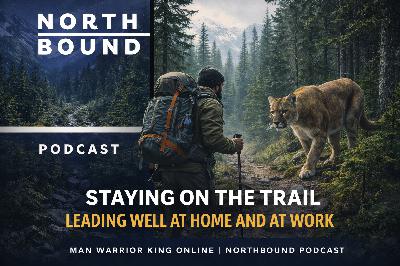
Contact Chris Miser: chris@go-northbound.com Northbound Approach Community Contact Matt Hallock: mattbhallock@gmail.com DNA of a Man (Book on Amazon) Man Warrior King Website Man Warrior King Council Staying On The Trail - Leading Well At Home And At Work "We're like family here" sounds loyal and warm… until it quietly produces burnout, resentment, blurred boundaries, and leaders carrying emotional weight they were never meant to carry. In this episode of the Northbound Podcast, Chris continues a conversation about popular leadership ideas that sound healthy but create long-term damage. Joined by Matt Hallock (author of DNA of a Man and founder of the Man Warrior King Project), they unpack why work is not family—and why treating it like it is often reveals something deeper: unmet emotional needs at home, unresolved tension in marriage, and leaders using work as an escape. You'll hear a practical framework for examining your "inner world," leading yourself first, resetting your home leadership, and leading teams with clarity and purpose—without asking the workplace to carry what only family and faith can. Bottom line: healthy teams aren't built on guilt and obligation. They're built on clarity, respect, growth, shared purpose—and clear boundaries that create safety. Main points Why the phrase "we're like family" can create unhealthy expectations and hidden damage over time How blurred boundaries lead to burnout, resentment, misplaced loyalty, and heavier leadership The common root issue: when home life feels unhealthy, work becomes emotionally attractive "Inner world" self-examination: Am I seeking identity, validation, belonging, respect primarily from work? Am I emotionally neglecting my spouse/family because work feels safer or more affirming? A two-step leadership progression: Lead yourself (spiritual health, habits, vision, values, discipline) Lead your family (boundaries, direction, encouragement, example) The role of boundaries: boundaries aren't harsh—they can be loving and stabilizing The difference between peacekeeping vs peacemaking (real peace may require hard conversations) Practical "reset" steps: honesty, commitment, time with God, and a reset conversation with your spouse Work and home both improve when emotional weight returns to where it belongs: home first, work second Key takeaways Work is not family. Don't ask your job—or your team—to carry emotional needs meant for home. If you aren't anchored internally, you'll look for external anchors. Work often becomes that anchor. Leadership gets lighter when boundaries get clearer. Clarity reduces resentment and burnout. Lead yourself before you lead others. Your home leadership starts with your inner life and discipline. Boundaries are often love in action. They stop enabling destructive patterns and create safety. Peacemaking beats peacekeeping. Avoiding conflict doesn't create health—it delays it. Take ownership. Even if something isn't your fault, it may still be under your stewardship.

Join the Northbound Community Still On The Trail - Why Education Matters For Leaders Many leaders will tell you that education doesn't matter once you've made it. But the truth is more nuanced—and far more important. In this episode of Northbound, Christopher Miser breaks down why continuing your education is critical for long-term leadership success. Using the metaphor of adventure and backpacking, he explains how leadership isn't a destination, but a long and changing trail—one where preparation, learning, and intentional growth make the difference between staying relevant or getting left behind. From senior leaders quietly watching how you invest in yourself, to choosing the right kind of education that actually builds capability, this episode challenges leaders to think differently about learning, preparation, and what it really means to be ready for the next climb. If you're serious about leadership longevity, adaptability, and impact—this episode is for you. 🧭 Main Discussion Points 1. Leadership Is a Journey, Not a Destination Leadership is a long trail, not a finish line. Continuing education keeps leaders from becoming irrelevant, outdated, or lost as the terrain changes. 2. The Terrain Changes as You Climb Early-career skills don't scale into senior leadership. As leaders rise, challenges shift from technical execution to strategic decision-making and organizational impact. Education helps leaders anticipate the terrain instead of reacting to it. 3. Senior Leadership Is Watching (Even When They Say They Aren't) While some leaders claim degrees don't matter, most senior leaders do notice who is investing in themselves, stretching beyond minimum requirements, and preparing for future responsibility. 4. Education Is Pack Weight—Choose It Wisely Not all education is equal. Overloading on credentials without purpose slows leaders down. The goal is capability, not collecting degrees or certifications. 5. Leaders Who Keep Learning Go Farther—and Stay Longer Leaders who stop learning rely on outdated instincts, resist change, and lose relevance. Continued education keeps leaders curious, humble, adaptable, and effective over the long haul. 🎯 Key Takeaways Leadership requires continuous preparation, especially at higher levels The higher the elevation, the more intentional learning matters Senior leaders value those who demonstrate long-term thinking and discipline Education alone won't guarantee promotion, but a lack of growth can limit trust and opportunity Choose education that improves decision-making and prepares you for future roles Learning isn't about proving intelligence—it's about staying capable Leaders who keep learning stay relevant, adaptable, and effective longer
Your Personal Invitation I want to personally invite you into the Northbound Approach Community. This is a space built around leadership, faith, and adventure—created intentionally in a world where influence often matters more than integrity. Northbound is different on purpose. It's not about platforms, algorithms, or followers. It's about trust, humility, encouragement, and walking the leadership journey together. I created this community because leadership was never meant to be done alone. There's a small cost to join, not for exclusivity, but because commitment matters and shapes how we show up for one another. Whether you join the community or continue listening to the podcast, the mission stays the same: to encourage bold, humble, and confident leadership rooted in faith and purpose. This is an open invitation—to grow together, lead well, and keep climbing Northbound. -Chris
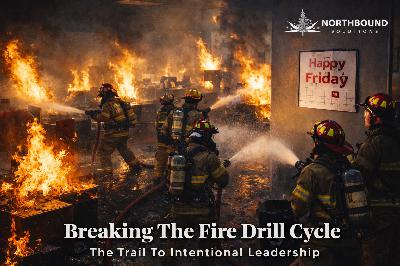
Do you have a culture in crisis? Email me at Chris@Go-Northbound.com If your week feels like one long fire drill, it's not because you're busy — it's because leadership has become reactive. In this episode of the Northbound Podcast, Chris tackles why so many teams live in constant crisis mode and how leaders unknowingly train their organizations to wait until everything is on fire before acting. This conversation exposes the hidden cost of reactive leadership, why waiting until Friday feels normal, and how chaos becomes culture when clarity is missing. Chris explains why fire drills aren't accidental — they're built, rewarded, and reinforced — and what it takes to break the cycle. Instead of surviving crisis after crisis, leaders can reclaim control by front-loading discomfort, addressing hard issues early, and replacing urgency with ownership. If you're tired of putting out the same fires week after week, this episode lays out a clear path from crisis leadership to calm, intentional, proactive leadership — the Northbound way. 🔥 Main Points Discussed Why constant fire drills are a symptom, not the real problem How avoided decisions, delayed conversations, and unclear ownership fuel crisis culture Why waiting until Friday trains urgency instead of responsibility How fire drills reward hustle and overwork while punishing planning and prevention The danger of reactive leadership on long-term strategy and people development Why proactive leadership requires front-loading discomfort How ownership is the exit ramp from crisis mode The role of calm, steady leadership in breaking the fire drill addiction Why repeated fires point to weak systems, not bad luck 🔥 Key Takeaways Fire drills don't just happen — they are trained and reinforced Crisis mode is often a leadership habit, not a season Avoidance compounds difficulty and creates chaos Waiting until problems are urgent makes leadership harder, not easier Proactive leaders address hard issues early, even imperfectly Ownership replaces urgency with responsibility Calm leadership creates clarity, trust, and stability Leadership isn't about performing well in crisis — it's about rarely needing one Breaking the fire drill cycle requires leading early and choosing clarity over chaos 🔥 Northbound Truth: Leadership isn't proven by how well you respond to emergencies — it's proven by how intentionally you prevent them.

Contact me directly Chris@Go-Northbound.com In this episode of the Northbound Podcast, we explore why effective leadership requires front-loading difficulty instead of avoiding it. Drawing from a northbound journey through California's High Sierra, this conversation uses Forester Pass and Glen Pass—two of the most demanding climbs on the trail—as a metaphor for leadership. These passes don't eliminate future challenges, but they fundamentally change how the rest of the journey is experienced. Leadership works the same way. This episode challenges the tendency to delay hard conversations, decisions, and accountability in favor of "easy wins." Avoidance doesn't preserve energy—it compounds difficulty. Courage, on the other hand, compresses it. When leaders tackle the hardest issues first, confidence grows, clarity increases, and momentum follows. The terrain doesn't flatten, but leaders become more capable of carrying the weight. This is a practical, action-oriented conversation about building leadership capacity, earning trust, and creating speed by addressing reality head-on. Leadership is not a checklist—it's terrain. And how you navigate it determines how far you and your team can go. Main Points Discussed Leadership is terrain, not a checklist Forester Pass and Glen Pass as a metaphor for front-loading difficulty Why avoidance compounds leadership challenges instead of reducing them How hard leadership moments build confidence, judgment, and resilience The psychological nature of momentum in leadership Why starting with "easy wins" delays real progress The difference between courageous leadership and reckless decision-making How tackling hard issues immediately builds trust within teams Why courage early creates speed later Key Takeaways Tackle the hardest leadership issues first Avoidance drains energy and grows problems Hard conversations strengthen leaders rather than weaken them Confidence follows action, not the other way around Momentum shifts after the hardest climb Easy-first leadership delays progress Teams trust leaders who confront reality Courage early creates clarity, trust, and long-term speed This episode is a call to leaders to stop avoiding the climb and start leading with courage. At Northbound, we don't avoid hard terrain—we take it head-on, and we help each other carry the load all the way to the summit.

Contact me directly at Chris@Go-Northbound.com In this episode of the Northbound Podcast, we confront a growing wave of leadership advice that sounds like peace but quietly gives permission to disengage. Much of today's popular leadership messaging prioritizes comfort, self-protection, and emotional relief over responsibility, service, and courage. While it may feel empowering in the moment, this mindset erodes trust, weakens culture, and shrinks leadership influence over time. This conversation draws a clear line between healthy boundaries and self-centered disengagement. Using the example of the Good Samaritan, we explore what leadership without convenience really looks like—choosing to stop, to care, and to take responsibility even when the problem wasn't yours to create. Northbound offers a different path to the summit: one rooted in moral courage, responsibility, and showing up even when it's inconvenient. This episode is raw, direct, and honest about the cost of "me-first" leadership and why real leadership often requires being the bigger person, fixing what you didn't break, and stepping toward problems rather than away from them. The summit matters—but how you get there matters more. Main Points Discussed The rise of "leadership noise" and emotionally validating advice that removes obligation Why not all leadership advice actually builds leaders How comfort-based leadership leads to disengagement and weakened culture The difference between healthy boundaries and self-centered disengagement Why leadership often requires fixing problems you didn't cause The Good Samaritan as a model of leadership without convenience The cost of me-centered leadership on teams, culture, and influence Northbound's belief that leadership is responsibility, not comfort Key Takeaways Not all leadership advice is good leadership Comfort-based leadership erodes responsibility and influence Boundaries should sustain leadership, not excuse disengagement Leadership often requires being the bigger person Responsibility does not require blame Influence grows when leaders step toward problems, not away from them Peace is not the same as purpose Leadership is not about you—it's about the people you lead This episode is a call to leaders who want to reject shallow advice and lead with courage, responsibility, and integrity. Northbound exists to help leaders reach the summit the right way—together, with purpose, and without abandoning the people along the path.

Need a Culture Change? Email me Chris@Go-Northbound.com Join the Northbound Approach Community: https://www.skool.com/northbound/about?ref=9276bb7a19304330b6d36f4384b55bf5 In this episode of the Northbound Podcast, we challenge one of the most common—and most damaging—phrases in the workplace: "That's above my pay grade." While it sounds responsible and safe, this mindset quietly trains people to disengage, defer responsibility, and disconnect from outcomes. In an era where bureaucracy is shrinking and ideas can turn into action overnight, that excuse no longer protects organizations—it exposes them. This conversation is not about recklessness or bypassing leadership. It's about reclaiming responsibility and understanding why silence, disengagement, and "not my job" thinking are especially dangerous right now. As AI accelerates change and levels the playing field, the organizations that win will not be the most efficient—they will be the ones filled with people who care, think, speak up, and take ownership. We explore the difference between authority and responsibility, why leaders must eliminate disengaging language, and how people-centered leadership creates cultures of courage, clarity, and shared ownership. The future does not belong to those who optimize the most—it belongs to those who are willing to think, act, and lead with conviction. Main Points Discussed Why "that's above my pay grade" trains disengagement rather than responsibility The difference between decision-making authority and moral or professional responsibility How silence is still a decision—and one that carries real consequences Why leaders must eliminate language that rewards compliance over ownership Lessons from the rise of human capital development during rapid technological change Why AI and automation increase the value of people rather than replace them The danger of efficiency-only cultures in a world where tools are universally available Why courage, conviction, and ownership will determine who wins in the future How modern leadership shifts from permission-based to ownership-based cultures The importance of healthy boundaries that encourage responsibility without chaos Key Takeaways Authority is not handed down by pay grade—it is exercised through responsibility You may not make the final decision, but you always have the authority to notice, speak up, and care Silence and disengagement are more dangerous than rebellion AI eliminates bureaucracy, not the need for people or human judgment Organizations obsessed only with efficiency will struggle in this era The most effective leaders say "I don't know," invite insight, and create ownership Healthy cultures reward people for caring, surfacing issues, and protecting the mission Nothing is above your pay grade when it comes to people, truth, and the mission This episode is a call to courageous leadership in a time that demands it—where responsibility is shared, authority is multiplied, and people are empowered to think, act, and lead together.
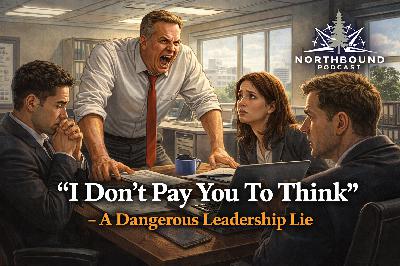
Contact me directly at Chris@Go-Northbound.com In this episode of the Northbound Podcast, we confront one of the most damaging leadership mindsets still lingering in workplaces today: the belief—spoken or implied—that people are paid to comply, not to think. While this mentality may produce short-term obedience, it quietly destroys trust, initiative, innovation, and long-term growth. This conversation explores how toxic leadership often shows up subtly through dismissive behavior, silence, or body language rather than explicit words—and how those behaviors train teams to disengage. We examine the real cost of organizational silence, why thinking is essential to action, and what people-centered leadership looks like in a year that demands bold movement, clarity, and responsibility. As organizations face accelerating change, new technology, and AI-driven tools, this episode reinforces a critical truth: while systems and applications can support execution, human judgment, creativity, and ownership remain irreplaceable. Leadership is not about control—it's about unleashing potential. Main Points Discussed How the "I don't pay you to think" mentality creates short-term compliance but long-term stagnation Why toxic leadership often appears through subtle behaviors rather than direct statements The hidden cost of organizational silence and disengaged teams The connection between thinking, ownership, and meaningful action What action-oriented, people-centered leadership looks like in practice Why technology and AI can support leadership—but never replace human judgment The importance of self-awareness and evaluating how leaders show up for their teams Key Takeaways Silencing thinking doesn't create order—it kills initiative, trust, and growth Compliance without ownership leads to passive, reactive organizations Healthy leadership encourages independent thinking, problem-solving, and accountability Action-driven leadership requires clarity, autonomy, and room to learn from mistakes Technology can optimize tasks, but people drive innovation and impact Leadership is not about control—it's about creating space for people to think, act, and grow This episode is a call to leaders at every level to reject toxic habits, protect thinking, and build cultures where people are empowered to contribute fully—because when people are allowed to think, organizations move forward faster and farther.

🎙️ Episode Description If you need a form to tell someone how they're doing, you've already missed the moment. In this episode of the Northbound Podcast, Chris challenges one of the most common — and most ineffective — leadership tools in modern organizations: feedback forms. While forms promise structure and safety, they often drain feedback of what actually makes it work — presence, trust, and human connection. Using the trail as a metaphor once again, Chris explains why broken gear slows you down in the backcountry and how broken feedback processes do the same thing in leadership. Transformational leaders don't hide behind paperwork or checklists. They give feedback in real time, face to face, when it actually matters — and they document it after the human moment, not instead of it. If your feedback process feels heavy, awkward, or ineffective, it might be time to throw it away. 🔑 Key Points Why feedback forms often act as bad gear in leadership How forms shift feedback from relationship to compliance Why growth doesn't happen on paper — it happens in conversation The danger of letting process replace presence What real-time, transformational feedback actually sounds like Why listening first builds trust and confidence How to document feedback without killing the moment Why leaders should write things down after the conversation How forms create false safety and distance instead of trust Why Northbound leadership prioritizes growth over paperwork ⭐ Main Takeaways Feedback forms are often heavy, impersonal, and ineffective in the moment Growth happens in real-time conversations, not checklists Transformational leadership is relational, personal, and human — not procedural The best feedback is timely, present, and face to face Documentation is important, but it should never replace the conversation Strong leaders fix broken processes instead of normalizing them Northbound leaders defend people, not tools Join the community here: www.Go-Northbound.com

🎙️ Episode Description Discomfort isn't the goal — growth is. In this episode of the Northbound Podcast, Chris builds on the last conversation about resilience and clarifies a critical distinction: it's not discomfort itself that makes leaders stronger, but what they learn through it. Drawing again from backcountry experience, Chris explains why strong leaders don't chase pain, but they also don't avoid it. Broken gear on the trail doesn't make you tougher — it makes you colder, slower, and more vulnerable. The same is true in leadership. This episode explores the difference between healthy discomfort and unnecessary suffering, why some leaders avoid discomfort while others glorify it, and how wise leaders pursue growth without burning themselves or their teams out. If you want to lead north — farther, higher, and longer — this episode will help you learn how to use discomfort wisely. 🔑 Key Points Why discomfort alone doesn't build resilience — learning does The difference between healthy discomfort and unnecessary suffering Why strong leaders don't chase pain or glorify hardship How broken systems, habits, and tools create preventable suffering The danger of both avoiding discomfort and pursuing it for ego What chosen discomfort looks like in leadership (hard conversations, growth assignments, honest feedback) Why leaders must fix what's broken instead of romanticizing it How seeking counsel helps leaders move lighter and smarter Why discomfort should clarify and sharpen leaders, not cripple them How leaders grow people by supporting them through hardship, not sacrificing them to it ⭐ Main Takeaways Discomfort is a tool for growth, not a badge of honor Not all suffering is productive — some of it is preventable Strong leaders fix what's broken instead of glorifying hardship Growth accelerates when leaders learn, adapt, and seek counsel Carrying less weight — bad systems, habits, and ego — builds endurance Leaders shouldn't avoid discomfort or chase it; they should use it wisely Reach me directly at Chris@Go-Northbound.com
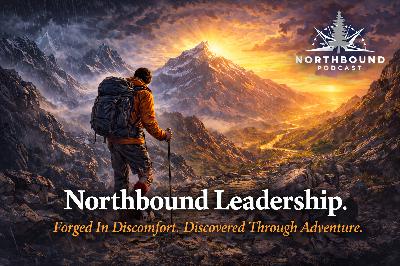
🎙️ Episode Description Leadership isn't built in comfort — it's built in the hard miles. In this episode of the Northbound Podcast, Chris shares lessons drawn from walking over 1,500 miles alone on backcountry trails. From fear and injury to loneliness and exhaustion, those experiences didn't weaken him — they built resilience. And that same kind of resilience is exactly what leadership requires. This episode challenges the myth of comfortable leadership and explores why adversity, pain, and even loneliness are not signs of failure, but tools for growth. Resilience isn't a personality trait — it's formed through exposure, pressure, and perseverance. If you want to lead north, you have to be willing to walk through uncomfortable places and keep moving forward. 🔑 Key Points Leadership resilience is built through discomfort, not theory How the trail mirrors leadership: it doesn't adjust to your feelings or intentions Why comfort never prepares leaders for real challenges The difference between panic and adaptation under pressure Why pain is feedback, not failure How hardship teaches pacing, preparation, awareness, and humility The role of loneliness in building internal strength and self-awareness Leaders must sometimes walk alone to confront themselves Resilience compounds over time and builds credibility Leaders who endure hardship lead with deeper empathy ⭐ Main Takeaways Resilience is not a personality trait — it's a product of discomfort Leadership is formed when things are hard, not easy Pain and setbacks are signals to grow, not reasons to quit Loneliness isn't always bad; it builds conviction and internal strength Leaders who've walked hard miles lead with humility and courage Comfort creates managers — adversity creates leaders The strongest leaders empathize deeply because they've been there Join the Northbound Approach Community: https://northbound-approach.circle.so/feed
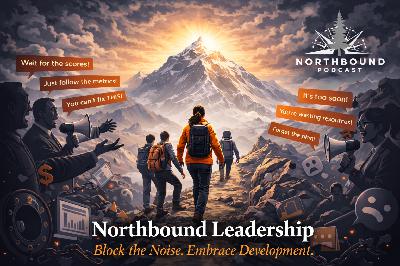
🎙️ Episode Description Too many leaders wait until performance scores drop before investing in their people. It sounds efficient — but it's reactive, passive, and ultimately misguided. In this episode of the Northbound Podcast, Chris challenges a common leadership mindset: tying development to decline. Drawing from real leadership experience and what he's seeing across today's leadership noise, Chris explains why development should never be a response to failure — it should be a constant investment. Metrics matter, but they are lagging indicators. Real leadership happens long before dashboards turn red. If you want to build trust, engagement, and long-term performance, you must develop people before the decline. If you want to lead north, this episode is for you. 🔑 Key Points Why tying development plans to falling scores is reactive leadership The danger of outsourcing leadership to dashboards, metrics, and spreadsheets How performance metrics are lagging indicators, not early warnings Why development after decline becomes corrective instead of formative How reactive development erodes trust and associates growth with punishment Why every employee should have a development plan from day one How proactive development builds psychological safety, engagement, and retention The difference between managing scores and leading people ⭐ Main Takeaways Waiting for performance scores to drop before developing people is reactive, not leadership Most metrics only show problems after they already exist Development plans should be standard practice, not a consequence Proactive development builds trust, engagement, and long-term performance High performers need development just as much as struggling employees The best leaders invest in people before there's ever a problem Leading north means acting early — not responding late Need a leadership coach? Contact me personally at Chris@Go-Northbound.com

Email me at Chris@Go-Northbound.com Join Community at www.Go-Northbound.com Episode Description You've probably heard it before: "We're like family here." At first, it sounds warm, inviting—maybe even inspiring. But what if that phrase is quietly creating burnout, resentment, and unhealthy leadership dynamics? In this episode of Northbound, Chris unpacks why treating your workplace like a family often does more harm than good. Drawing from real leadership experience and a Christ-centered perspective, this conversation explores the hidden dangers of blurred boundaries, misplaced loyalty, and emotional expectations that leaders were never meant to carry. Leadership is an adventure—and healthy teams aren't built on guilt or obligation. They're built on clarity, respect, growth, and shared purpose. Join Chris as he reframes leadership not as family management, but as guiding partners on a northbound journey toward excellence. Main Points Why "We're Like Family" Is So Appealing It promises belonging, loyalty, and connection—but often at the cost of professionalism and accountability. The Toxic Side of the Family Metaphor Blurred boundaries lead to overwork, tolerated bad behavior, burnout, and resentment. Why Work Is Not Family Everyone already has a God-ordained family at home. Work was never meant to replace that role. Unhealthy Expectations Placed on Leaders Leaders are pressured to provide emotional support beyond their role, creating imbalance and frustration. A Better Northbound Approach Treat your team as valued partners on a shared journey—clear roles, mutual respect, and aligned goals. What Healthy Leadership Actually Looks Like Professionalism, accountability, development, empathy, and sending people home better than you found them. Key Takeaways Stop saying "We're like family." It's appealing, but it can hide or create toxic dynamics. Boundaries aren't cold—they create safety, clarity, and long-term growth. Leadership is about guiding, empowering, and developing people—not replacing the family role. Teams thrive when loyalty comes from respect and trust, not guilt or obligation. Great leaders model professionalism and work-life balance—and make sure people get home to their families.

Go North in 2026! www.Go-Northbound.com 2026 is here, and leadership is moving faster than ever before. AI is reshaping how we work—streamlining tasks, improving processes, and accelerating decision-making. But while technology continues to advance, it can never replace the most transformative elements of leadership: human connection, wise counsel, and decisive action. In this episode of Northbound, Chris explores what leadership must look like in 2026. Using a Northbound adventure mindset, he challenges leaders to leverage AI as a powerful tool—without surrendering their responsibility to lead people well. Grounded in Proverbs 11:14, this episode reminds us that technology is no substitute for wisdom, relationships, and accountability. If you want to experience real growth in 2026—personally, professionally, and organizationally—this episode will help you chart a clear path forward: use AI for efficiency, invest deeply in people, and lead with courage and action. Key Points Leadership Is Changing, But People Still Matter Most AI can optimize tasks and processes, but it cannot replace human connection, motivation, or morale. Technology Is a Tool, Not a Replacement AI should empower leaders, not replace judgment, wisdom, or relational leadership. Wise Counsel Still Comes First As technology accelerates, leaders must remain grounded in biblical wisdom and trusted relationships. Relationships Must Remain the Priority One-on-ones, authentic check-ins, and honest feedback are essential in an AI-driven world. Transparency Builds Trust Leaders should be open about how AI is used and reassure teams that people are not being replaced. 2026 Is a Year of Action AI can inform decisions, but leaders must still act decisively and thoughtfully. Efficiency Creates Opportunity When AI frees up time, leaders should reinvest it into coaching, mentoring, and development. Key Takeaways AI can increase efficiency, but only leaders can build trust and culture. Technology should support leadership—not define it. Wise counsel, starting with God's Word, remains essential in a fast-moving world. People-centered leadership is the true growth engine. Action-oriented leadership turns insight into results. Efficiency plus intentional leadership leads to exponential growth. In 2026, the greatest competitive advantage is still your people.
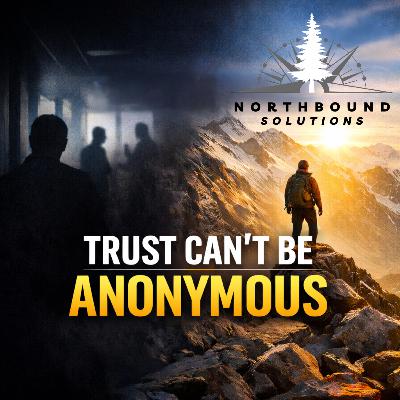
Anonymous surveys are often sold as safe, honest, and necessary — but are they really helping your organization? In this episode of the Northbound Podcast, Chris dives into the hidden dangers of anonymous feedback and why these surveys can quietly erode trust, silence courage, and undermine accountability. Learn how to move from forms to face-to-face conversations, cultivate a culture of openness, and build leaders who inspire honesty and solutions — not just venting. Main Points: The Intention vs. Reality of Anonymous Surveys Surveys give people a voice, especially in low-trust environments. They can surface real issues but don't create honesty. They often reveal fear rather than build trust. Hidden Dangers Feedback becomes indirect, relational trust is lost. Leaders may overcorrect due to skewed or incomplete data. Ownership and accountability are removed; the loudest voices dominate. When Anonymous Feedback Might Work Temporary use in deeply broken or unsafe cultures (e.g., mergers, layoffs). Must always be paired with a plan to move toward open dialogue. Northbound Alternatives Build feedback-rich relationships through one-on-ones and 360 feedback. Teach feedback as a skill; focus on behaviors, encourage solutions. Make respectful disagreements safe; model vulnerability as a leader. Christ-Centered Leadership Perspective Jesus led with open conversation, not anonymous feedback. Courage, humility, and relationships build healthy cultures. Leaders should move toward hard conversations, not avoid them. Key Takeaways: Anonymous surveys reveal fear, they don't heal it. Trust grows through relationships, not forms. Courageous cultures are built face-to-face. Northbound leaders create environments where people feel safe to speak with them, not around them. If your team only speaks truth anonymously, it's a signal to assess your culture. Call to Action: Want to create a culture where people share honest, solution-oriented feedback? Reach out to Chris at chris@go-northbound.com or join the Northbound community at go-northbound.com to learn how to lead with courage, Christ-centered values, and relational trust.

Contact me personally: Chris@Go-Northbound.com When we think about investing, we usually think about money—stocks, real estate, returns, and risk. But the greatest investment leaders can make isn't found in a portfolio. It's found in people. In this episode of the Northbound Podcast, Chris explores the powerful connection between financial investing and leadership investing. Drawing from personal experience, biblical wisdom, and the Northbound adventure mindset, this conversation challenges leaders to stop burying potential and start intentionally investing in the people they lead. Just like financial investing, leadership investment requires patience, vision, consistency, and courage. When done well, it produces compounding returns that multiply far beyond the initial effort—strengthening teams, shaping culture, and changing lives for the long haul. This episode is a guide for leaders who want to move northbound by developing people, not just managing outcomes. Main Points 1. Investing in People Mirrors Investing in Money Leadership investment requires patience, long-term vision, and consistent effort. People grow when they are nurtured, supported, and challenged—and leaders must never bury the potential they've been given. 2. Leadership Is a Northbound Journey Leadership is an adventure filled with uncertainty, risk, and growth. Each person has different passions, gifts, and goals, and leaders are called to guide, encourage, and invest in each individual along the journey. 3. High-Value Leadership Investments The greatest leadership investments include mentorship, training, coaching, and empowerment—trusting people to take action, learn from mistakes, and grow through experience. 4. Compounding Returns Through People Small, intentional investments today lead to exponential growth tomorrow. Strong teams become more capable, self-sufficient, and impactful over time, multiplying leadership influence and organizational health. 5. Avoid Bad Leadership Investments Micromanagement and neglect destroy growth. Healthy leaders balance guidance with autonomy to create environments where people can thrive. Key Takeaways Leadership is the ultimate long-term investment Consistency, patience, and encouragement produce compounding growth Empowered people drive innovation, loyalty, and results True leadership returns are measured in people who grow, take action, and invest in others Leaders are called to steward what they've been given—not bury it Northbound Podcast has partnered with Man Warrior King. Man Warrior King Podcast: https://open.spotify.com/show/02WfLtAhTiq655P4V0qfTJ?si=64e52abef3cb4713 Follow the host Matt Hallock here: https://www.manwarriorking.com/ Grab your copy of DNA of a Man: https://a.co/d/5F1Zy5P

Comments

Download from Google Play

Download from App Store
 United States