


 Claim Ownership
Hooked with Julia and Nick
Subscribed: 4Played: 32
Subscribe

© Julia Pintar
Description
Most social media advice out there is totally useless, and nobody seems to be talking about how they actually grew their company on social.
So we decided to create a podcast that pulls back the curtain on exactly how to grow your brand, your audience, and your impact. Each episode is a radically transparent, fun, and totally real conversation with top creators, marketers, and brand leaders. We'll dig into the actual tactics, real metrics, and actionable playbooks that you can immediately use to dominate on social.
playkit.substack.com
So we decided to create a podcast that pulls back the curtain on exactly how to grow your brand, your audience, and your impact. Each episode is a radically transparent, fun, and totally real conversation with top creators, marketers, and brand leaders. We'll dig into the actual tactics, real metrics, and actionable playbooks that you can immediately use to dominate on social.
playkit.substack.com
17 Episodes
Reverse
In this episode, we sit down with Rohan Kumar, the strategist who led MrBeast’s TikTok to become the fastest-growing account three years in a row. He’s now advising brands and startups on how to break through the noise with moments that actually stick.Rohan walks us through how he went from a COVID-era college grad pestering Colin & Samir weekly to running content strategy for one of the biggest creators on the planet, what he learned posting hundreds of videos before finding a playbook, and why most brands are still approaching TikTok completely wrong.We get into the real mechanics of virality: the single image you want stuck in people’s brains, why manufactured moments beat creative briefs, how he pulled off a live 8-hour Kevin from The Office stunt for Ramp, and why giving creators “creative control” is mostly a cop-out.If you’re a CMO, founder, or marketer trying to figure out what actually works in 2025, this is the playbook.Subscribe to stay in the know with consumer trends and marketing.Timestamps:]6:09 — How Rohan got started in the creator economy post-COVID 07:28 — Annoying his way into Colin & Samir (and why it worked) 08:30 — Getting introduced to Jimmy and joining MrBeast 10:17 — Learning TikTok from scratch: 100 videos, run the data, iterate 11:24 — Making Jimmy feel like a TikToker + why brands still aren’t trying right 16:49 — Why brands need to be inside the community, not above it 17:39 — Breaking down the Ramp x Kevin from The Office live activation 22:03 — The “image in the brain” theory: designing content to get clipped 26:37 — Streaming, clipping, UGC: Innovator’s Dilemma for creators 30:00 — Why influencer marketing needs moments, not just creative briefs 33:03 — CMO advice: post daily, nail your hooks, budget reality check This is a public episode. If you would like to discuss this with other subscribers or get access to bonus episodes, visit playkit.substack.com
In this episode, we sit down with Andrew Monreal, founder of Arrow and Scratch AI, to break down how he grew multiple consumer apps using organic TikTok, product-led virality, and influencer distribution.Andrew walks through exactly how Arrow hit 100K users with slideshow content, why most founders focus on trends instead of building marketable products, and how Scratch AI scaled quickly using influencer-owned distribution.They dive into the real differences between organic vs influencer growth, how to design app UI that doubles as marketing, and why “posting first, building later” can save months of wasted work.If you’re building a consumer app (or thinking about it) this episode is a tactical breakdown of what actually works in 2026.Timestamps00:00 — Why you should post before you build10:42 — Discovering TikTok slideshows14:26 — Why faceless content is dying22:11 — Designing UI for virality26:01 — Validating ideas with content27:50 — Surviving organic highs + lows32:09 — Pros & cons of organic growth34:29 — Scratch AI + influencer strategy43:22 — Creators building products This is a public episode. If you would like to discuss this with other subscribers or get access to bonus episodes, visit playkit.substack.com
How to Build & Scale a UGC Program (Without Burning Out)UGC doesn’t fail because creators are bad.It fails because the operating system behind it is broken.In this webinar, Julia Pintar (Co-Founder of PlayKit) breaks down exactly how to go from zero → one with an in-house UGC program and how to scale it into a sustainable growth channel that actually drives downloads.This session is less about “viral hooks” and more about the systems that allow virality to happen consistently.What You’ll LearnHow to source high-quality UGC creators (without marketplaces or cold spam)Why most UGC programs break after week two — and how to prevent itThe exact pay structure PlayKit uses to incentivize performance (flat rate + CPM + tiers)How to train creators so content improves every weekWhy reviewing videos before they go live saves thousandsHow to use the comment section as a conversion engineWhat realistic performance looks like in weeks 1–6When (and how) to scale from a few creators to a full UGC machineThe internal systems PlayKit uses to manage 150+ creators without chaosKey TakeawaysUGC is an operations problem, not a creativity problemClear briefs, feedback loops, and incentives outperform “letting creators run wild”Sustainable growth beats random viral spikesCommunity, accountability, and systems compound over timeWho This Is ForFounders running (or thinking about running) UGC for their appGrowth marketers tired of manual creator managementTeams trying to bring UGC in-house without losing their sanityAnyone who’s tried UGC and thought: “Why is this so messy?” This is a public episode. If you would like to discuss this with other subscribers or get access to bonus episodes, visit playkit.substack.com
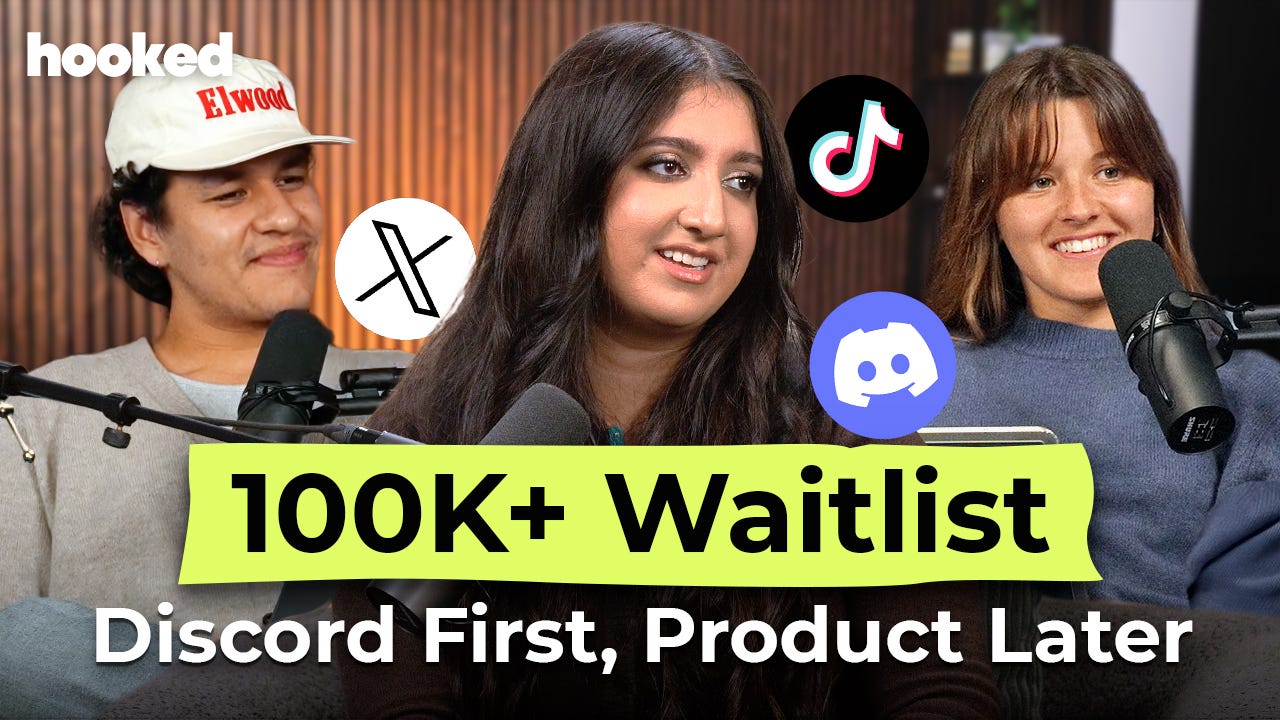
In this episode, we sit down with Zehra Naqvi, founder of Lore, the internet’s home for obsession. Before launching a single feature, Zehra and her team built a waitlist of over 100,000 users, generated 215M+ organic views, and grew a 14,000-person Discord community, all by rallying Gen Z around one shared frustration: the internet is broken for fandom.We get into everything from why TikTok’s algorithm has a “short memory,” the exact strategies behind Lore’s viral TikTok and Twitter moments, why leading with the problem (not the solution) built insane trust, and how their Discord quietly became a cult-like community that now powers the product itself.If you’re a consumer founder, marketer, or anyone thinking deeply about the future of social media, fandom, and community-led growth, this episode is a masterclass in building something people feel emotionally invested in before it even exists.Subscribe for more episodes delivered straight to your inbox00:00 — Going Viral Before LaunchHow Lore went viral on Twitter in its first week and what happens when you move fast on shared frustration.00:11:49 — The Power of Starting With the ProblemWhy Lore’s earliest content focused only on frustration, not features or product demos.00:13:38 — “We Are You” as a Brand StrategyHow shared pain points create trust, camaraderie, and community faster than any feature launch.00:15:00 — Why Most Founders Market Too EarlyThe mistake of pushing solutions before trust, and why Lore avoided it.00:18:42 — The Waitlist Strategy (100K+ Signups)How Lore tested fandoms, rode cultural moments, and scaled organically.00:21:26 — 215M Views Without Hard CTAsWhy curiosity beat conversion tactics, and how to subtlety drive massive signups.00:25:58 — UGC Over InfluencersWhy Lore chose everyday fans over big creators, and why that mattered.00:30:46 — The Discord FlywheelAdding a Discord button to the waitlist → 14,000 members → organic fandom governance.00:31:36 — Letting Users Build the CommunityFandom requests, voting systems, mods, and self-sustaining culture.00:38:19 — The Future of Social MediaLore as the antithesis to curated personas and infinite feeds, and what comes next. This is a public episode. If you would like to discuss this with other subscribers or get access to bonus episodes, visit playkit.substack.com
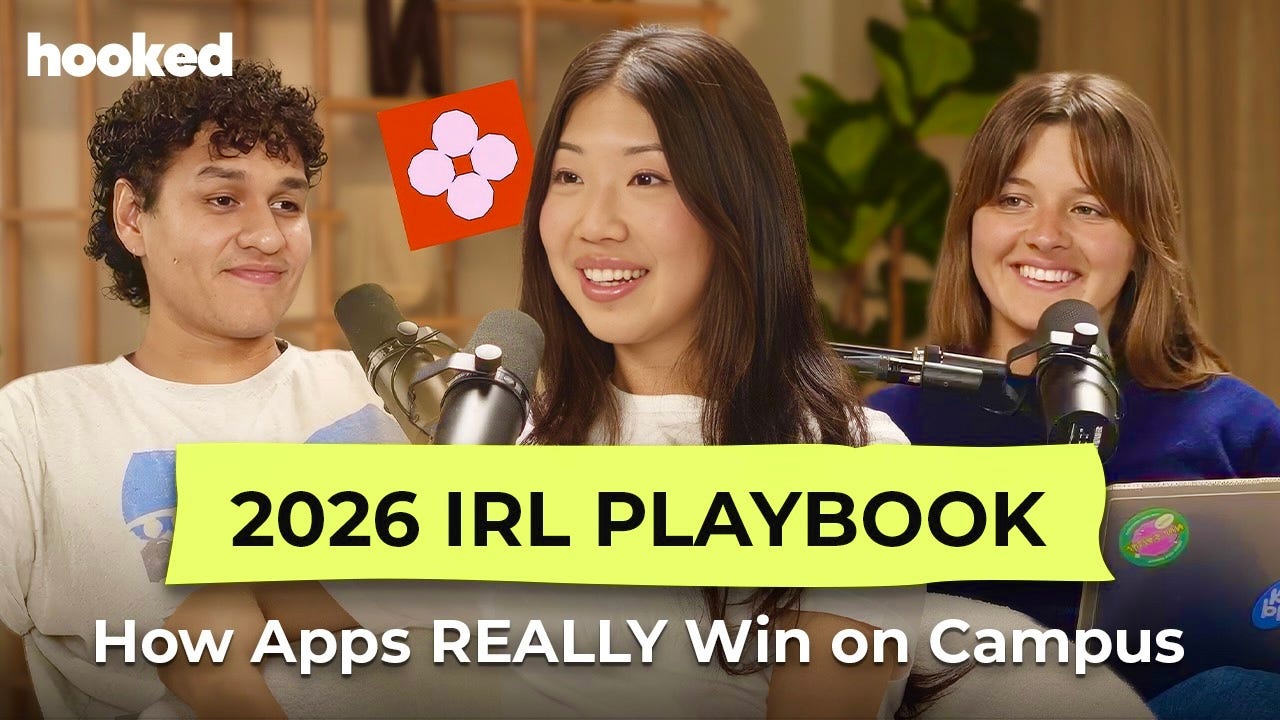
In this episode, we sit down with Lillie, co-founder of Ditto, the app often described as “Pinterest meets your Notes app.” After scaling major skincare brands as a marketer, Lillie pivoted into building consumer social: raising capital, launching Ditto, and now running one of the most ambitious campus ambassador programs in tech.We get into everything from how Ditto is reinventing social media and why Gen Z needs a new way to share online, to the exact playbook behind Ditto’s IRL college launches. Lillie breaks down their three-school pilot, what they learned from literally living on campus for a week, how to build a campus “cult,” and why most brands fail at college marketing.If you’re a consumer founder, a marketer, or anyone building for Gen Z, this episode is a masterclass in IRL activations, student psychology, and modern distribution for consumer apps.00:01:18 — Who Lillie Is & Ditto’s MissionFrom scaling brands → raising money → building a more authentic social app.00:06:20 — What Ditto Actually IsHow a breakup + a Notes app list led to a viral moment and the idea behind Ditto.00:10:02 — Why They Chose TikTok as the First ChannelThe “single-player to multi-player” insight and how TikTok unlocked Ditto’s early users.00:11:39 — Why Campus? Why Now?Identifying Ditto as a “best-used-in-groups” product and the strategy behind going IRL.00:13:15 — Ditto’s Pyramid StrategyTop: TikTok & reachBottom: campus evangelists & tight friend groupsHow the two meet in the middle.00:14:30 — How Ditto Designs Events That Actually ConvertThe 4 pillars of campus strategy: events, ambassadors, guerilla marketing, content.The North Star: create a cult.00:16:15 — Why Most College Events Don’t WorkThe trap of “pretty but useless” activations (free coffee, beer pong, merch) that don’t drive retention.00:17:04 — Product Education: The Secret IngredientHow Ditto used a giant LED screen to display live user lists and create “magic moments.”People competing to get on the screen. Viral content moments. Actual retention.00:19:02 — What Actually Drives Retained UsersWhy small group talks and genuine connection outperform high-budget parties and stunts.00:20:19 — How to Test Campus Events the Right WayPick 3 experiments. Do each one exceptionally well. Then evaluate.00:21:53 — Becoming an Insider: The Ditto HouseWhy Ditto lived on campus for a week: classes, libraries, coffee shops, observing behavior, throwing house parties.Not scalable, but priceless insights.00:24:12 — Lessons From Going All-InHow being physically present built trust, loyalty, and brand obsession — and why other apps failed when they “tried campus.”00:29:42 — Why Most Apps Say “We Tried Campus, It Didn’t Work”Debunking what “trying” actually means — and why most companies quit too early.00:31:04 — If You’re a Founder Starting an Ambassador Program…The 3 steps:* Define your hypothesis* Pick acquisition channels* Run tiny but high-quality experiments00:33:38 — The #1 KPI for Ditto: Build a CultHow they measure brand desire, DMs, applications, referrals, merch-wearing, and UGC.00:34:06 — What’s Changing for Semester TwoScaling from 40 to 300+ ambassadors, shifting from hand-picked to flexible open applications.00:36:01 — The Many Types of AmbassadorsWhy guys are joining, how students spread the app through clubs, Greek life, and fantasy leagues.00:37:38 — Building an Ambassador EngineReferral links, flexible tasks, payouts, and turning ambassadors into community. This is a public episode. If you would like to discuss this with other subscribers or get access to bonus episodes, visit playkit.substack.com

In this episode, we sit down with Mia Mirzayan, NYC-based strategist, content creator, and founder of Creator Vault. Mia has spent the past three years creating organic and paid content for brands like ADIDAS, Banana Republic, Canva, and Haus Labs.We get into everything from landing higher-paying gigs, to what separates top UGC creators from the rest, to the real difference between influencer vs. UGC campaigns. Mia also shares the mindset shifts that helped her build a career in content, and what inspired her to create Creator Vault - the app helping creators earn more, avoid bad brand deals, and make smarter business decisions.If you’re a creator, strategist, brand marketer, or anyone curious about the behind-the-scenes of UGC, this one is full of tactical gems.00:00 — Intro & What We’ll CoverSetting up the episode, what UGC really is, and how Mia got started.00:08:53 — Getting Ghosted by Brands & How to Protect YourselfMia shares her own story of being ghosted and the systems creators can use (Creator Vault, DuPay).00:09:56 — Tactical Advice for New UGC CreatorsWatermarking, submitting fewer videos first, getting partial payment up front.00:14:00–00:20:00 — Creator Vault Deep DiveHow it works, who it’s built for, and how it helps creators avoid bad brand deals.00:29:40 — Pricing: What to Charge for UGCMarket-rate guidance for organic UGC and ad content, usage rights pricing, and how to avoid undercharging.00:35:00 — Influencer vs. UGC CampaignsWhere they overlap, where they differ, and what brands actually want in 2025.00:40:00 — Building a Sustainable Creator CareerMia’s perspective on longevity, repeat clients, and protecting your energy.00:47:38 — Mindset: The Real Reason Creators SucceedMia’s philosophy on belief, daily reps, failing forward, and staying consistent.00:49:11 — Handling Hate Comments & Staying ResilientWhy mindset matters more as you grow, and why “cringe” is part of the job.00:52:00 — Final Advice for UGC CreatorsWhat she wishes she knew earlier, and her #1 tip for getting started. This is a public episode. If you would like to discuss this with other subscribers or get access to bonus episodes, visit playkit.substack.com
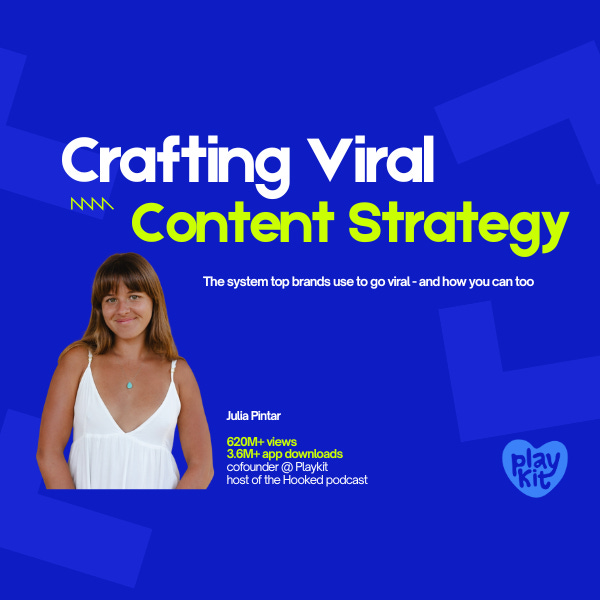
Paid ads are getting more expensive. Consumers are tuning them out.The brands still winning are the ones with a repeatable organic content strategy that turns views into installs.On Wednesday, November 19th, I’m hosting a live session breaking down exactly how to create high-performing viral formats that drive real business outcomes: installs, signups, and sales.You’ll learn:- How to identify and build repeatable content formats- What makes organic content convert (and what doesn’t)- Real examples of formats driving millions of organic views- How to adapt winning formats to your product or nicheIf you’re ready to turn organic content into an actual growth channel, this is your playbook. This is a public episode. If you would like to discuss this with other subscribers or get access to bonus episodes, visit playkit.substack.com
At just 25 years old, Quinn Slocum has built an empire of over 4 million followers across Instagram and TikTok, with zero paid ads.He’s the founder of @BestCelebrations (nearly 3 million) and @Culture (100k+), two of the internet’s most viral and community-driven social pages. In this episode, Quinn shares the exact systems, frameworks, and mindset that took him from editing Vine clips as a teenager to running multi-million-follower brands today.You’ll learn:→ How to grow from 0 → 10K followers→ The “1,000 True Fans” framework that every creator should master→ How to build teams that don’t burn out→ Why defining your niche deeper (not wider) drives sustainable growthThis is one of the most tactical episodes yet, a must-listen for founders, creators, and marketers building long-term audience brands.Timestamps00:00 — Quinn’s background: from Vine editor to brand builder07:00 — The origin of @BestCelebrations and @Culture10:00 — How he grew his first 10K followers12:30 — The early “shoutout-for-shoutout” growth strategy that still works15:00 — Buying and flipping social accounts as a teen18:00 — Why brands plateau (and how to break through it)20:00 — Redefining your niche: what “celebration” really means23:00 — The “1,000 True Fans” framework that changed everything25:00 — Quinn’s 3-step strategy to grow from 0 → 10K followers28:00 — Doing the things that don’t scale (and why it matters)35:00 — Building high-performance social teams that don’t burn out39:00 — Turning down $100K brand deals to protect authenticity45:00 — How to turn followers into business opportunities47:00 — The future of content: community over algorithms This is a public episode. If you would like to discuss this with other subscribers or get access to bonus episodes, visit playkit.substack.com
How do you go from dropping out of college to building an AI engine that hits 100,000 organic views a day on TikTok?In this episode of Hooked, Zuhair Lakhani, founder of DoubleSpeed (backed by a16z’s Speedrun program), joins us to break down the future of AI video content, the creator economy’s next phase, and what happens when AI replaces the influencer.Zuhair reveals how he:• Used Midjourney + ElevenLabs to generate content that made $100K in 30 days• Built a phone farm to automate posts and boost views without ads• How he generated 100k organic views per day on TikTok• Developed a system to warm accounts, test hooks, and scale virality• Turned technical chaos into a business backed by a16zIf you’re building in the creator economy, experimenting with AI tools, or just trying to grow faster online… tune into this episode.Timestamps00:00 – Intro: Who is Zuhair Lakhani?01:00 – From high school side hustles to A16Z-backed founder04:00 – How to “warm” TikTok accounts for algorithm success07:00 – The $100K TikTok Shop experiment (AI content only)09:00 – How AI saved 15+ hours per video10:00 – Scaling content with slideshows and automation12:00 – Getting banned from TikTok Shop and pivoting to software14:00 – How Zuhair landed a growth role at Cosmos17:00 – Why managing real creators is harder than AI personas19:00 – The rise of synthetic influencers22:00 – How DoubleSpeed automates viral UGC content26:00 – Why “AI + human touch” beats fully automated content29:00 – Who should (and shouldn’t) use AI automation tools33:00 – AI vs UGC: What wins long-term?35:00 – Why “faceless creators” will dominate the next wave40:00 – Zuhair’s advice for aspiring creators and founders47:00 – How a restaurant waitlist taught him viral psychology49:00 – Closing thoughts + how to follow Zuhair This is a public episode. If you would like to discuss this with other subscribers or get access to bonus episodes, visit playkit.substack.com
He built three 7-figure brands. Shut one down. Then grew his personal Instagram account from 0 to 150K followers in three months by turning content into a system.In this episode, Caleb Ulffers breaks down the exact playbook founders can use to grow faster through short-form video (even if you’ve never posted before).We talk about gear, process, mindset, and why founder-led content is the most powerful growth channel in the world. If you’ve ever wondered how to start, what to post, or how to make content actually drive sales: this is your episode.🎧 Watch the full thing: hookedpodcast.com⏱️ Timestamps00:00 – Caleb’s background and how he rebuilt post-Haven03:30 – Why short-form content is the new founder moat07:00 – The “Cut 30” system that changed everything11:15 – Why most videos flop (and why that’s okay)13:30 – The real reason consistency beats virality17:00 – Building series and systems that scale20:00 – The inbound power of founder-led content27:00 – Caleb’s gear, setup, and scripting process31:00 – His 90-day playbook for brand growth39:30 – Getting your first sponsorships the right way44:00 – The mindset shift every creator needs This is a public episode. If you would like to discuss this with other subscribers or get access to bonus episodes, visit playkit.substack.com
What if your next marketing campaign didn’t need a single dollar in ad spend?Ben Schaefer, co-founder of Cinque, built a 400-person community in San Diego through authentic experiences (surfing, music, and connection), all grown through organic social. No ads and no agency. Just people who cared.In this episode of Hooked, Ben joins Julia and Nick to break down how he turned one simple idea into a viral movement, and why Gen Z’s scrappy approach to marketing is rewriting every rule in the playbook.🕒 Timestamps00:00 FYP Palm Reading – what Ben’s TikTok feed says about creativity07:40 The new art of editing and why Gen Z storytelling hits differently10:50 From a bank job to building a viral community17:30 The power of posting before you’re ready24:00 How Cinque grew with $0 in ads33:00 Why community converts better than campaigns40:00 Partnerships that double reach and build momentum49:00 Ben’s hot take: LinkedIn is the next big growth channel53:40 Gen Z’s marketing advantage and what brands can learnWhat You’ll Learn• How to turn community into your best growth channel• Why “fake social proof” is a powerful testing tool• How to build hype before you build product• Why Gen Z outperforms big brands at authenticityWatch or listen to the full episode of Hooked now → hookedpodcast.com This is a public episode. If you would like to discuss this with other subscribers or get access to bonus episodes, visit playkit.substack.com
How do you build a tech startup that actually brings people together and then walk away from it to chase your dream?In this episode of Hooked, Playkit co-founders Julia Pintar and Nick Sanchez sit down with Avery Kokka, the 23-year-old co-founder and former CMO of Plots, a venture-backed startup backed by a16z that’s reinventing how Gen Z connects IRL.Avery shares how she turned her passion for live events into a viral growth engine and how she’s now channeling that same creativity into a full-time career as a DJ and artist.Highlights From This Episode:(00:06:00) – The chaotic truth about growing on TikTok as an artist(00:08:15) – How Avery and her team used events to acquire their first 100K+ users(00:14:45) – The college playbook: why LMU’s “boring” nightlife became her unfair advantage(00:18:50) – The secret to competing with bigger startups: relationships and scrappiness(00:22:00) – Julia’s lesson on why giving value always wins (in startups and life)(00:24:30) – The “college page” strategy that took Plots from 0 → 300,000 users(00:32:30) – Knowing when to drop what’s working (and when to pivot)(00:38:40) – “People don’t care about your brand… they care about the humans behind it.”(00:40:10) – How Julia hacked early TikTok growth by adding her face to brand videos(00:45:30) – Do views really equal conversions? The truth about organic attribution(00:53:00) – Avery’s transition from startup life to music and what losing someone taught her about risk(00:55:00) – Why building your life around what you love is the ultimate act of creativityWhat You’ll Learn:• How to build community-first products that grow organically• Why authenticity beats polish every time on social• How real-world experiences can power viral growth• What it takes to transition from tech to creative work• How to think scrappy when you can’t outspend your competition🎧 Listen now on Spotify, Apple Podcasts, or YouTube.Follow Playkit for more conversations with founders, creators, and operators rethinking what growth looks like in 2025. This is a public episode. If you would like to discuss this with other subscribers or get access to bonus episodes, visit playkit.substack.com
This week’s episode is just us (Julia and Nick) answering the top questions we’ve been getting from founders and creators about UGC, virality, and scaling content.From how to find your first creators to how some people are making $10K+ a month filming TikToks, we’re breaking it all down this week.Whether you’re a founder trying to drive installs or a creator trying to land your first brand deal, this one’s for you.Timestamps:0:00 – IntroDMs from founders + creators → today we answer your biggest questions.1:02 – How to find your first creatorsMarketplaces vs. posting your own “I’m hiring” TikTok.3:40 – What is UGC (and how it’s different from influencers/ads)Old UGC vs. new UGC.5:47 – Coaching creators to go viralHooks, iteration, tracking analytics, and teaching them to think like TikTok users.9:57 – What to do after a viral hitWhy you should double down on what worked and mine the comment section for iteration ideas.11:24 – What is a UGC ambassador program?How dozens of creators posting at once creates mini-trends.13:05 – What makes Playkit different from other agenciesFrom Julia’s creator background to a Gen Z team that posts daily.14:56 – How to stand out as a new creatorThe 3 content pillars every personal brand needs.19:25 – How much money UGC creators actually makeFrom $100 a week to $10K/month and why brands are hiring full-time creators at $200–300K salaries.21:32 – Wrap-upDM us your questions for future episodes! This is a public episode. If you would like to discuss this with other subscribers or get access to bonus episodes, visit playkit.substack.com
This week on Hooked, we sit down with Anna Greene, PlayKit’s Head Strategist, crochet YouTuber with nearly 100K subscribers, and the Gen Z marketer behind hundreds of millions of TikTok views.Anna’s journey is anything but traditional: she went from being a teenage photographer working with brands like Vogue, to running a viral crochet channel in high school, to studying computer engineering (before realizing she hated it), to finally leaning into social media and marketing. This path that’s now made her one of the sharpest strategists in UGC.In this episode, Anna shares what it’s like to build authority as a Gen Z creator, how she battles imposter syndrome, why “just post” is lazy advice, and why authentic content always beats perfect aesthetics.If you’re a founder, marketer, or young creative looking to break into content, this conversation is your blueprint.Highlights00:00 – Intro banter & Anna’s first podcast appearance01:00 – Favorite podcasts & crocheting while listening to true crime02:00 – Anna’s role at PlayKit and viral strategy background06:30 – Starting a crochet channel during COVID & going viral on YouTube08:30 – Monetizing crochet tutorials vs. patterns vs. ad revenue10:30 – Why crochet (and “grandma hobbies”) became cool again12:00 – The power of evergreen tutorial content13:30 – Switching from computer engineering to marketing16:00 – Teenage photography business, Vogue features, and early brand work20:00 – First sponsorship deal with Locket & entering the UGC world22:30 – How Julia’s cold DM got Anna onboarded to PlayKit26:00 – Building confidence as a young strategist & battling imposter syndrome31:00 – Why “just do it” is the cure for perfectionism and paralysis33:00 – Being Gen Z as a superpower for marketing38:00 – Why “just post” isn’t enough & the importance of authenticity39:30 – The death of aspirational influencers and rise of relatability42:30 – Why content creators are salespeople (and what that means)44:30 – The “bangs TikTok” story & how the internet reshapes self-image50:00 – The dark side of influence: overinflated presence & mental health risks57:00 – The fleeting nature of influencer fame & burnout cycles01:01:00 – UGC vs. influencer: how to monetize without the downsides01:04:00 – Why UGC works better than polished brand ads01:08:00 – Where content formats are headed & staying ahead of consumer fatigue01:14:00 – How to turn being “chronically online” into a career skill01:18:00 – Anna’s live breakdown of how she’d market a hypothetical app01:30:00 – Relationships, self-belief, and why support systems matter01:34:00 – Anna’s growth after leaving a relationship that held her back01:35:00 – Closing reflections & where to find Anna online This is a public episode. If you would like to discuss this with other subscribers or get access to bonus episodes, visit playkit.substack.com
Alexis Hedley went from posting one viral TikTok in college to managing 200+ creators and millions of views as Playkit’s Campaign Manager.In this episode, she pulls back the curtain on what it actually takes to succeed as a creator or land your first role in the UGC space. From monetization frameworks to horror stories of creator outreach, Alexis shares the tactical insights every founder, brand, and aspiring creator needs to know.What you’ll learn:• How Alexis went from creator → strategist → campaign manager.• The 4 monetization “buckets” every creator should know.• Why you don’t need a huge following to make money.• The right way (and wrong way) to pitch brands.• What creators get wrong about “finding a niche.”• Why startups are the best place to launch a content career.Timestamps:0:00 – Cold open: Alexis on content & monetization0:09 – Intro to Alexis Hedley, Campaign Manager at Playkit2:00 – The For You Page, TikTok Lives & how algorithms influence behavior14:00 – Alexis’ background: small-town California → Ole Miss → first viral TikTok23:00 – Breaking into startups with no experience (and first big lessons)26:00 – The money behind UGC: what creators actually charge30:00 – Creator outreach horror stories & how to stand out35:00 – Why startups are the best way to break into content + taking initiative46:00 – Running her first campaign, making $10K in bonuses, & helping friends quit jobs to create full-time56:30 – How Playkit structures creator pay: weekly payouts + bonuses1:02:00 – Finding your niche: what you love to create vs. consume1:06:00 – The 4 monetization buckets every creator should know1:13:00 – The evolution of UGC: hook + demo → skits → founder-led content1:23:00 – Rapid fire: craziest excuses, proudest moments & final adviceIf you’re a founder or creator who wants to grow your engagement and eventually monetize your accounts, you’re going to love this. Tune into this episode of Hooked on Spotify, Apple, YouTube, or wherever you get your podcasts! This is a public episode. If you would like to discuss this with other subscribers or get access to bonus episodes, visit playkit.substack.com
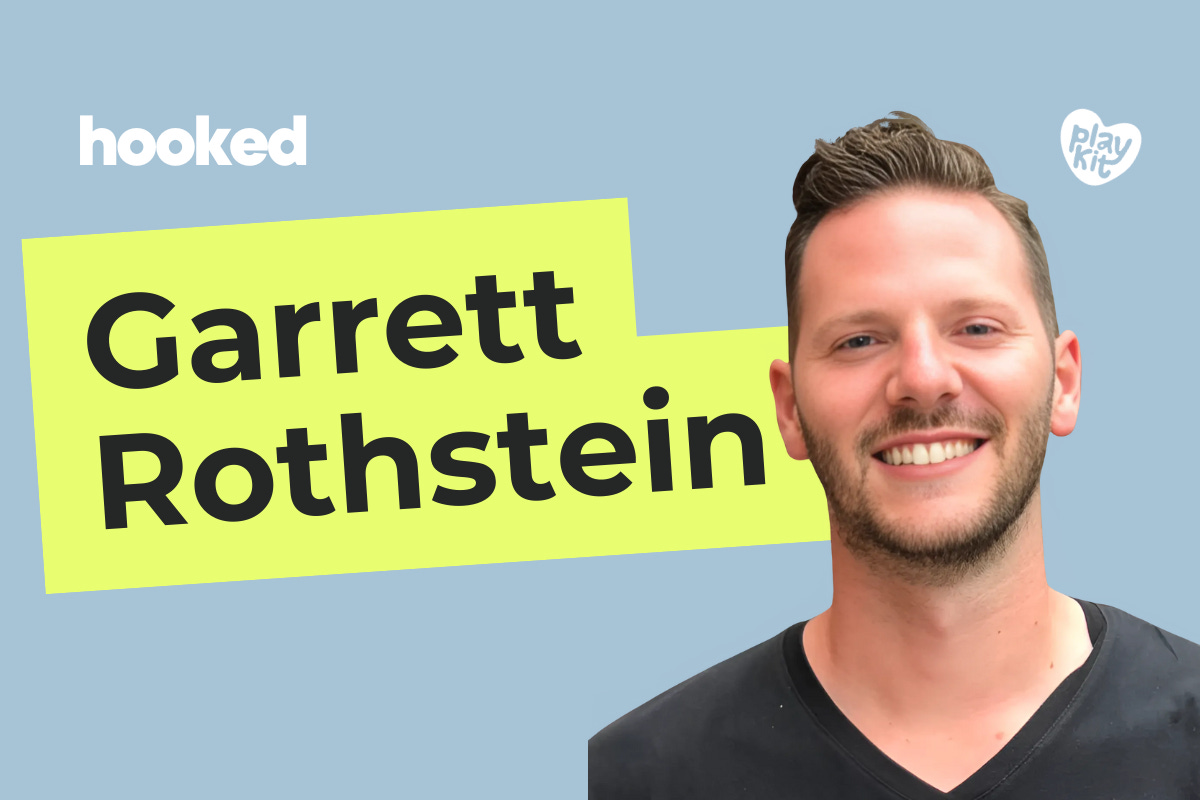
Garrett Rothstein (founder of Queue, ex-Snapchat, Bird, Quibi) shares how he turned TikTok into a growth engine, engineering features for virality, building a captions matrix, and iterating 100+ times before hitting his first breakout video.If you’re a founder, marketer, or creator, this is a masterclass in how to design products and content for distribution.Timestamps:0:00 – Cold open: 100 TikToks before the first viral hit1:15 – Intro: Who is Garrett Rothstein & how Q + Playkit teamed up4:00 – Building Q & engineering the “swipe with a friend” feature for TikTok virality9:20 – The captions + iteration matrix (inspired by MrBeast)12:00 – Why some videos flop & others go viral: hooks, pain points, and couples content19:20 – Triggering comments, planting Easter eggs, and why shares matter most25:30 – The comment section as the new Reddit31:10 – Lessons from Snapchat, Bird, and Quibi36:00 – Gamification, streaks & consumer psychology that drive growth39:00 – Founder life: balancing CEO duties with content creation44:30 – Staying sane: health, habits & mental resilience48:20 – Advice for students + how to get hired as a creator56:30 – The future of AI in content: slop vs. real utility1:07:00 – Rapid fire: biggest flop, consumer psych tricks, daily routinesWhether you’re scaling a startup, running campaigns, or just curious about how virality actually works, this episode will leave you with playbooks you can apply right now.Don’t forget to listen, subscribe, and share Hooked on Spotify, Apple Podcasts, or YouTube to catch every new drop. This is a public episode. If you would like to discuss this with other subscribers or get access to bonus episodes, visit playkit.substack.com
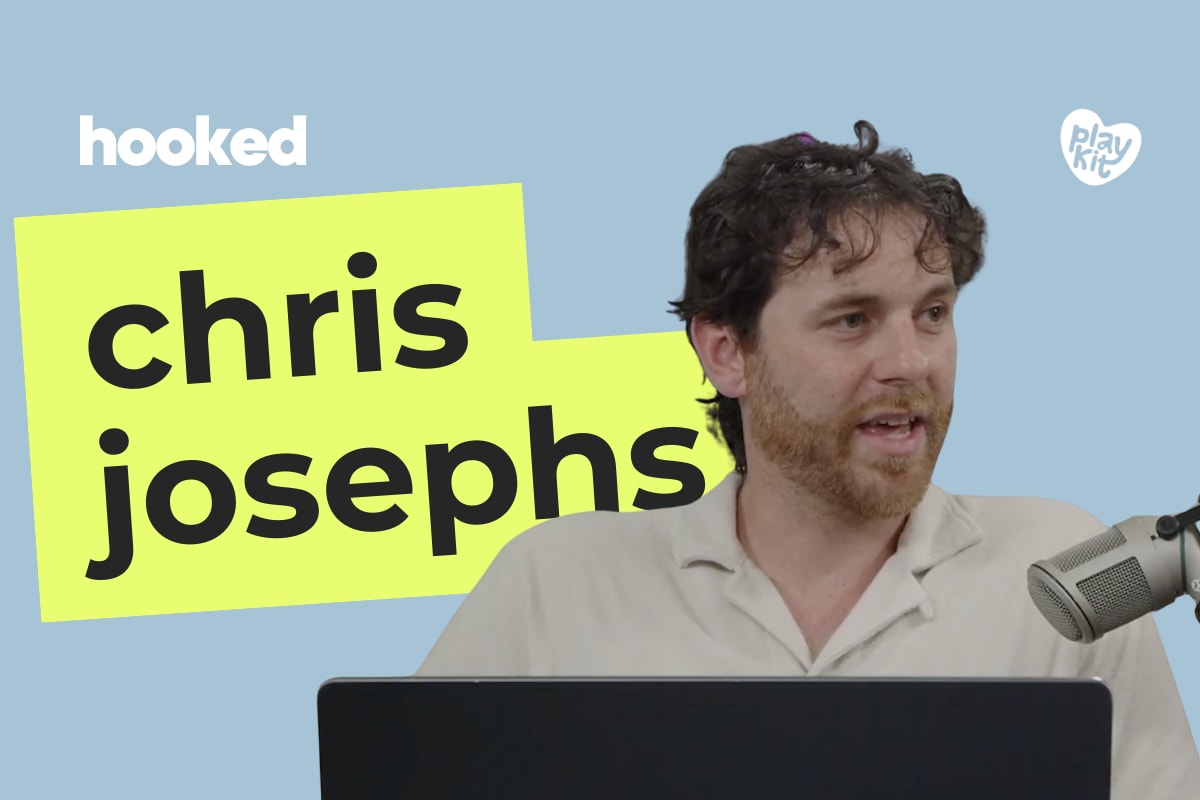
Chris Josephs (founder of Autopilot and the Pelosi Stock Tracker) joins us for a no-BS breakdown of what makes each platform tick, and why creators and brands keep getting it wrong.We cover how Instagram, TikTok, and Twitter actually work, why authenticity always beats polish, and the creator strategies that scale. If you’ve ever felt lost about what to post and where — this episode gives you the playbook.Timestamps:0:00 – Intro: who is Chris Josephs6:00 – Why DMs are still the most underrated growth channel12:00 – The origins of the Pelosi Tracker18:00 – Instagram vs TikTok vs Twitter: what creators miss25:00 – Authenticity vs polish: why raw TikToks win32:00 – How to find the right type of creator for your team41:00 – The right (and wrong) way to use AI in content51:00 – Organic vs paid: where the real growth comes from1:02:00 – The Third Door mindset for creators and founders1:10:00 – Advice for anyone trying to break into startups or contentSubscribe for weekly deep dives with founders, CMOs, and creators on how growth is actually happening right now. This is a public episode. If you would like to discuss this with other subscribers or get access to bonus episodes, visit playkit.substack.com
Comments

Download from Google Play

Download from App Store
 United States