


 Claim Ownership
Holiday History
Subscribed: 0Played: 7
Subscribe

© 2025
Description
An exploration of the history of holidays, designed to give elementary-aged students a fun and useful look at the honest history behind holidays. Help your children expand both their vocabulary and their understanding of the world around them with these audio lessons.
14 Episodes
Reverse
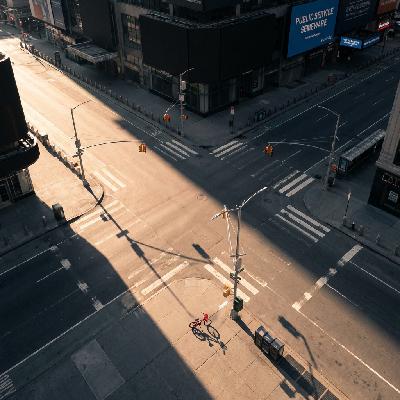
March 2020: playgrounds chained shut, empty streets stretching for miles, and billions of people—sick or healthy—ordered to stay home. It had never happened in human history. Journey from Wuhan's dramatic first lockdown to Italy's fateful decision that would reshape the entire Western world. What made leaders try something so extreme? Learn more at pallascenter.com
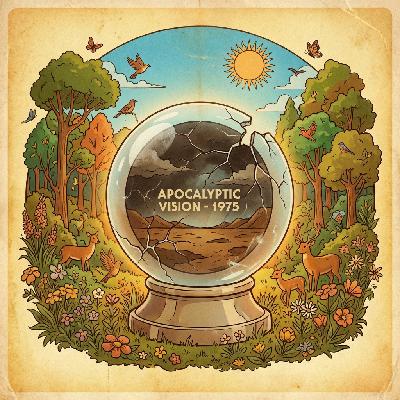
In 1970, a Smithsonian scientist warned that 80% of all animal species would vanish by 1995. A Stanford professor predicted hundreds of millions would starve in the 1970s. Another expert said we'd run out of oil and the planet would freeze 11 degrees colder. None of it happened. This episode explores the dramatic environmental predictions that gripped a generation—and why they were spectacularly wrong. Learn more at pallascenter.com
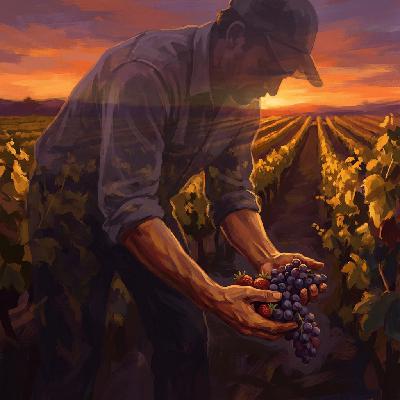
The strawberries in your cereal, the grapes in your jam—who picked them? For most of American history, farmworkers remained invisible. Young Cesar Chavez lived happily on his Arizona ranch, gathering eggs and listening to his grandmother's stories, until the Great Depression swept everything away. Discover how a boy who described himself as "a wild duck with clipped wings" would one day help millions step out of the shadows. Learn more at pallascenter.com
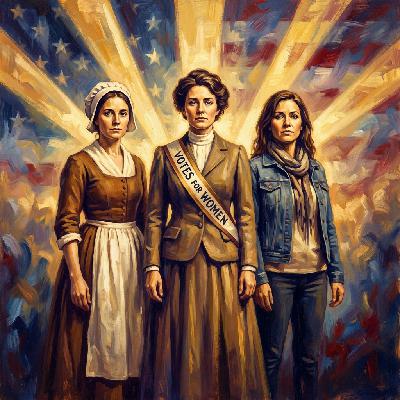
What if getting married meant you legally ceased to exist? In early America, that was reality. Under coverture laws, a wife couldn't own property, control her money, or even claim her own children—the law said she and her husband were one person, and that person was him. Yet women found ways to fight back, from running farms during the Revolution to becoming spies with bounties on their heads. Learn more at pallascenter.com
They had just escaped one king—the last thing America's founders wanted was to create another. In the sweltering summer of 1787, men gathered in Philadelphia to answer an impossible question: how do you build a leader strong enough to govern, but not so powerful he becomes a tyrant? Discover the fierce debates between Federalists and Anti-Federalists that shaped the presidency we know today. Learn more at pallascenter.com
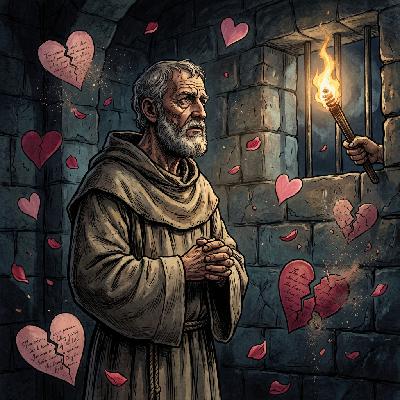
Think Valentine's Day started with a kind priest secretly marrying young lovers? Think again. The real Saint Valentine—actually several men by that name—died as Christian martyrs in ancient Rome, executed for refusing to worship Roman gods. One restored a blind girl's sight; another healed a crippled boy. But neither had anything to do with romance. So how did their story become about love? Learn more at pallascenter.com
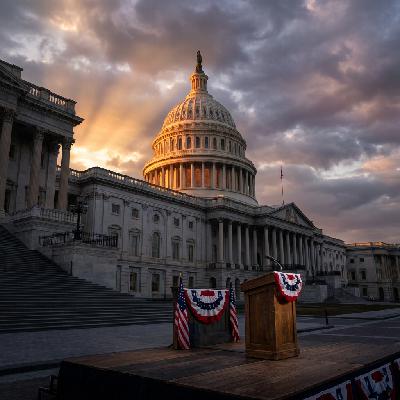
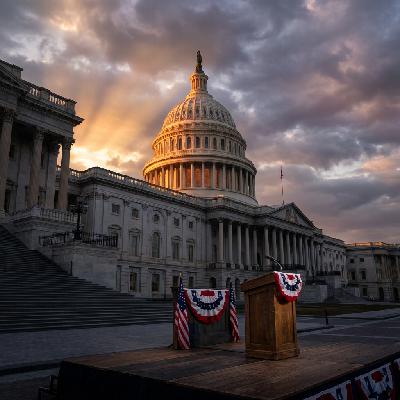
George Washington's first inauguration was supposed to happen on March 4, 1789—but Congress couldn't count the votes in time. When the ceremony finally took place nearly two months late, officials made a startling discovery: they'd forgotten the Bible and had to borrow one from a nearby Masonic lodge. Discover how this improvised, chaotic beginning launched one of democracy's most sacred traditions. Learn more at pallascenter.com
George Washington's first inauguration was supposed to happen on March 4, 1789—but Congress couldn't count the votes in time. When the ceremony finally took place nearly two months late, officials made a startling discovery: they'd forgotten the Bible and had to borrow one from a nearby Masonic lodge. Discover how this improvised, chaotic beginning launched one of democracy's most sacred traditions. Learn more at pallascenter.com
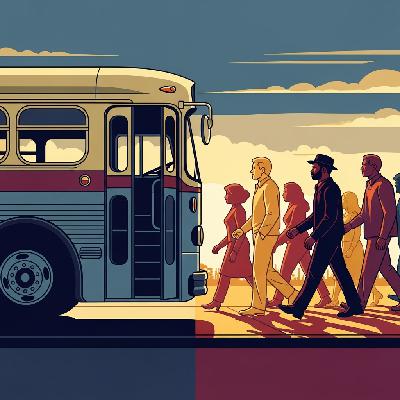
When Martin Luther King Jr. organized the Montgomery Bus Boycott in 1955, he discovered a powerful truth: money talks louder than moral arguments. For 381 days, Black residents walked miles to work rather than ride segregated buses, costing the city $3,000 daily. Even a Birmingham segregationist admitted, 'I'm still a segregationist, but I'm not a fool' when boycotts cost millions. Learn more at pallascenter.com
Why did Americans who just won their freedom immediately worry about their new government? In 1791, fear of tyranny led to ten powerful amendments that still protect your life today—from what you say to who can enter your home. Discover how rights written over 230 years ago defend your freedom to speak your mind, practice your religion, and be treated fairly by the police. Learn more at pallascenter.com.
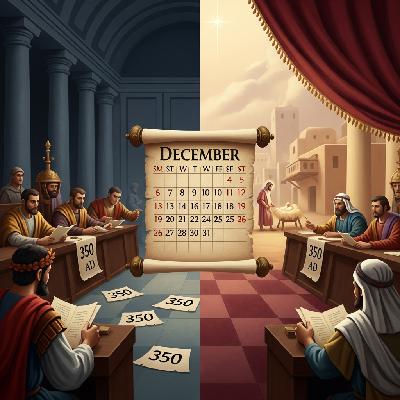
Imagine a world where celebrating your birthday was considered sinful. Early Christians refused to celebrate Jesus's birth for over 300 years, believing only pagans and sinners marked birthdays. Then Emperor Constantine changed everything in 313 AD, turning Christianity into a political tool. Discover why December 25th wasn't chosen for religious reasons at all. Learn more at pallascenter.com/podcast.
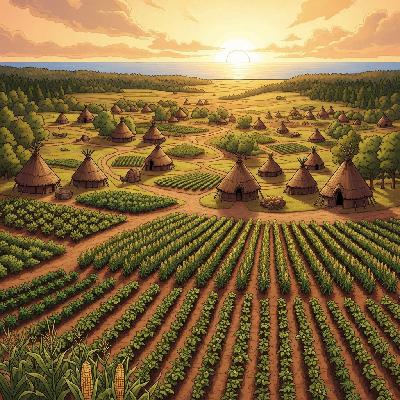
Forget everything you thought you knew about pre-colonial America. When the Pilgrims arrived in 1620, they didn't find wilderness—they discovered a thriving civilization of 40,000 Wampanoag people with roads, organized villages, and revolutionary farming techniques. Subscribe for the full series at pallascenter.com/podcast.
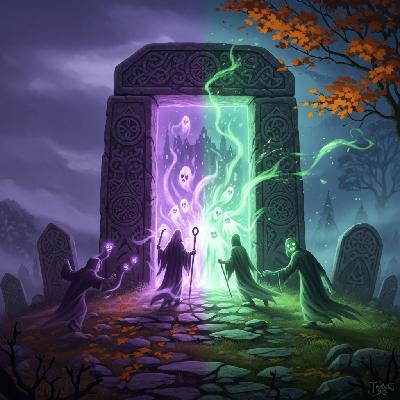
Long before trick-or-treating, Halloween was born from Samhain—an eerie Celtic night when the gates of the "Otherworld," an alternate spiritual realm in Celtic culture, swung open and dangerous spirits crossed into our realm. This wasn't child's play: it was a festival of drunken rebellion where the dead walked among the living, powerful fairy beings threatened humans, and the universe's normal rules simply stopped working. This is where our story of Halloween begins. Learn more at pallascenter.com, and share your thoughts with us at simit@pallascenter.com.
Comments

Download from Google Play

Download from App Store
 United States