


 Claim Ownership
Happy Cats Wellness
Subscribed: 3Played: 12
Subscribe

© Gene Jirlds
Description
Happy Cats Wellness is here to help you keep your cat healthy and happy by providing preventive healthcare information from the most trustworthy sites on the web. Conventional wisdom about caring for cats is mostly wrong, and searching for information on the Internet quickly leads to contradictions and confusion.
We are Pet Preventive Healthcare Coaches, certified by Partners for Healthy Pets, a cooperative program of the American Veterinary Medical Association and the American Animal Hospital Association.
32 Episodes
Reverse
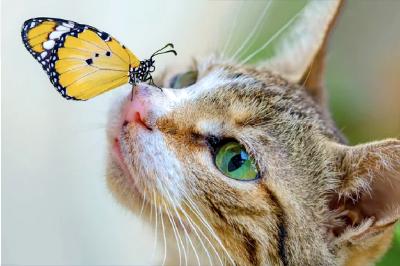
Welcome to Happy Cats Wellness, where we focus on feline preventive health care and helping cats live longer, happier lives through proactive care. In this episode, we offer easy-to-follow steps to help you catch any changes in your cat's behavior that might indicate medical issues.
The purpose of the weekly checklist is to establish a baseline of behavior and perhaps even identify ways your cat differs from what you might expect.
At Happy Cats wellness we share evidence-based preventive healthcare information curated from reliable veterinary sources to help reduce or eliminate chronic stress that often leads to behavior and even medical issues.
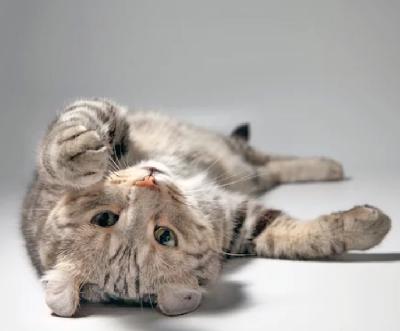
While digital devices do not typically cause permanent eye damage, pets can suffer from visual fatigue and behavioral stress when exposed to screens. Research suggests that predatory frustration in cats and anxiety in dogs are common reactions to on-screen stimuli that they cannot physically interact with. Surprisingly, a pet's health may be most at risk from owner distraction, as human screen time often replaces the social bonding and physical exercise animals require. Ultimately, the source emphasizes that human interaction is far more beneficial for a pet's well-being than any digital entertainment.

This episode outlines a compassionate approach to feline education centered on positive reinforcement and the cat's own timeline. This guide emphasizes that training enhances a pet's mental well-being and simplifies essential tasks like veterinary visits and carrier use. Owners are encouraged to identify individualized rewards, such as specific treats or physical affection, to motivate their cats during short, stress-free sessions. By utilizing consistent cues and precise timing, caretakers can foster a cooperative relationship that reduces anxiety for both the animal and the human. Ultimately, the text advocates for a patient, reward-based philosophy that respects the cat's autonomy while improving its quality of life.
In this episode, we discuss how caregivers can meet an older cat’s instinctive needs—and help prevent stress and behavioral issues—by enriching the environment and encouraging appropriate play. While all cats need veterinary care, a feline-friendly home, and hunting play, senior pets require more specialized enrichment. We also cover how to adapt activities to accommodate limited mobility, arthritis, and sensory loss.
This episode explores the subtle communication methods felines use to express appreciation and love toward their owners. Based on insights from Dr. Julie Hunt, the text highlights eight specific behaviors, such as slow blinking, kneading, and bearing gifts, that signify a cat’s trust. By recognizing the subtle cues, we can better interpret our pets' complex body language and build a deeper, more affectionate bond with their companions.

Regular veterinary checkups are essential for a feline's health, yet many cats experience intense anxiety due to unfamiliar environments and travel routines. Returning home from the veterinary clinic has its own unique challenges. This episode provides strategies to help make medical visits a positive experience for both the pet and the owner.

In this episode, we stress the critical importance of regular veterinary care for cats, highlighting that many felines don't receive the care they need. We discuss the challenges posed by cats' natural ability to hide illness and the stress associated with veterinary visits, which often leads owners to delay or skip appointments.
To address these issues, we introduce two key initiatives: Fear Free Certified Practices and the Cat Friendly Practice® program, both designed to reduce anxiety and create more positive experiences for cats during veterinary care.

This episode is Part 3 of a 3-Part series that emphasizes the need to understand feline behavior and senses to ensure a cat's well-being and reduce stress. We discuss creating a sense of familiarity and security through gradual introductions to new experiences.
We explain calming strategies by focusing on a cat's highly sensitive senses: smell, recommending scent preservation and synthetic pheromones; hearing, advising low noise levels and soothing sounds; touch, suggesting gentle, appropriate petting and whisker-friendly bowls; and sight, encouraging slow movements and providing private retreats.
This episode is intended to equip cat owners with practical tips to cultivate a calm and happy environment for their feline companions.
This episode is Part 2 of a 3-Part series that emphasizes the need to understand feline behavior and senses to ensure a cat's well-being and reduce stress. We discuss creating a sense of familiarity and security through gradual introductions to new experiences.
We explain calming strategies by focusing on a cat's highly sensitive senses: smell, recommending scent preservation and synthetic pheromones; hearing, advising low noise levels and soothing sounds; touch, suggesting gentle, appropriate petting and whisker-friendly bowls; and sight, encouraging slow movements and providing private retreats.
This episode is intended to equip cat owners with practical tips to cultivate a calm and happy environment for their feline companions.
This episode is Part 1 of a 3-Part series that emphasizes the need to understand feline behavior and senses to ensure a cat's well-being and reduce stress. We discuss creating a sense of familiarity and security through gradual introductions to new experiences.
We explain calming strategies by focusing on a cat's highly sensitive senses: smell, recommending scent preservation and synthetic pheromones; hearing, advising low noise levels and soothing sounds; touch, suggesting gentle, appropriate petting and whisker-friendly bowls; and sight, encouraging slow movements and providing private retreats.
This episode is intended to equip cat owners with practical tips to cultivate a calm and happy environment for their feline companions.

When disaster strikes, every second counts. Whether facing hurricanes, wildfires, floods, or other emergencies, the No. 1 instruction for pet owners is to bring your pets with you when evacuating. If you evacuate your home, DO NOT LEAVE YOUR PETS OR ANIMALS BEHIND. It is unlikely for pets or larger animals to survive on their own. Even if they do, you may not be able to find them when you return.
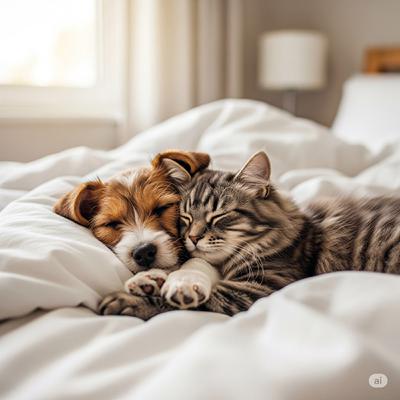
In this episode, we provide guidance on successfully introducing cats and dogs into the same household, emphasizing that thoughtful preparation is essential for fostering harmony.
We highlight the importance of understanding each pet's individual personality and innate traits. We offer practical steps, such as scent-based introductions and closely supervised face-to-face meetings. Success requires patience and advice from your veterinarian to create a stress-free environment where pets can eventually become comfortable, and ideally, even friendly, with one another.
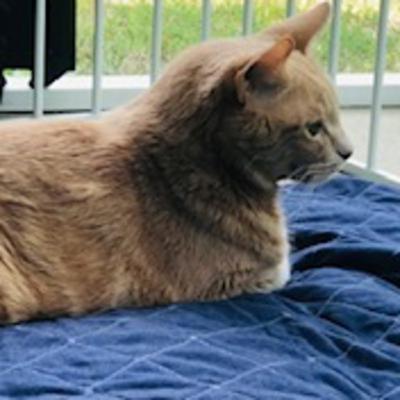
Feline cognitive dysfunction (FCD) is a common age-related decline in cats affecting memory, awareness, and behavior. We emphasize that while FCD can cause issues like inappropriate elimination and disorientation, it's crucial to rule out other treatable medical conditions before attributing changes solely to old age.
The importance of certain identification cannot be overemphasized. Additionally, we provide practical advice for managing FCD symptoms through environmental adjustments, consistent routines, and potential medication, advocating for a mindful and compassionate approach for supporting aging cats.
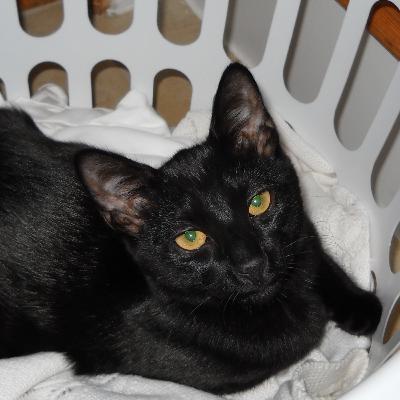
Cats are naturally curious creatures with behaviors that can put them at risk for toxic exposures in the home environment. Their tendency to explore, climb to high places, investigate small spaces, and groom themselves meticulously means they can encounter and ingest dangerous substances that pose little risk to humans.
Understanding the wide range of potential toxins in your home and taking proactive steps to eliminate or secure these hazards is crucial for keeping your feline companion safe and healthy.
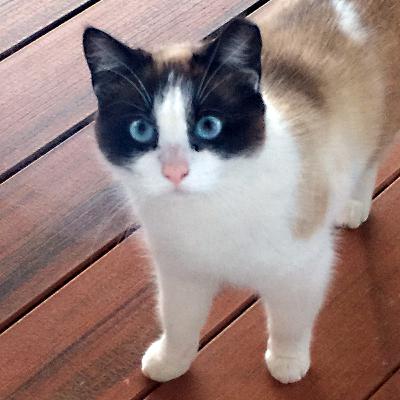
This episode provides comprehensive information on how cats communicate, focusing on vocalizations and body language. We explain common sounds like meowing, purring, hissing, and chirping, detailing the various meanings behind each, ranging from greetings and demands to signs of stress or pain.
Additionally, we discuss how cats use body language, including tail positions, head movements, and even kneading, to express emotions such as happiness, fear, anxiety, and contentment.
Recognizing these communication signals is crucial for strengthening the bond between cats and their human companions. And it helps to identify potential health issues.
Pets often don't show obvious signs of the illness or distress they're experiencing. This episode will help you sense when your pet needs medical attention. There is no sure way for you to always recognize these subtle signs, which makes regular wellness exams with your veterinarian crucial to your pet's health and happiness.
This episode outlines how caretakers can transform their homes into feline havens by prioritizing a cat's psychological and physical requirements. A primary focus is on providing safe retreats, which are private, elevated spaces where a pet can rest without feeling trapped or threatened. Furthermore, we emphasize that food, water, and litter boxes be kept in separate, low-traffic locations. By ensuring individual access to these necessities and encouraging natural predatory play, owners can foster a secure atmosphere in a predictable habitat that honors a cat's instinctual need for safety and autonomy.

This episode offers a comprehensive guide to responsible cat handling, emphasizing both the cat's well-being and human safety. We provide detailed advice on proper interaction techniques, such as understanding feline body language to recognize signs of comfort or stress, and appropriate petting locations.
We highlight safe methods for picking up cats, strongly discouraging outdated practices like scruffing. Preventative measures for aggression are discussed, along with the benefits of environmental enrichment.
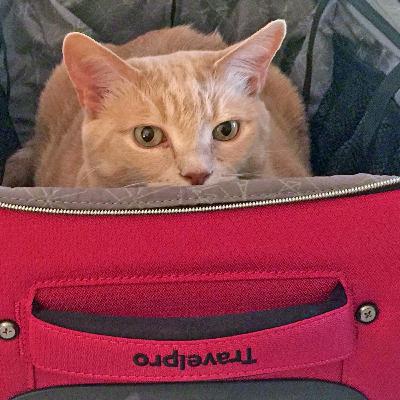
This episode, sourced from the American Veterinary Medical Association, provides a detailed explanation of microchipping pets as a means of identification. It covers how microchips work, including their components and the scanning process, and emphasizes the significant benefits of this technology for reuniting lost animals with their owners.
We also clear up some of the misunderstandings about what the chips do and do not.

Visits to the vet can be stressful for the cat and for you. But there are ways to significantly reduce that stress.
This episode highlights two prominent programs aimed at improving the veterinary experience for companion animals: The Cat Friendly Practice® program, powered by feline veterinarians, focuses specifically on reducing stress for cats during veterinary visits by training staff and optimizing the clinic environment to cater to feline-specific needs and behaviors. Similarly, Fear Free® offers a broader approach, providing science-based strategies to alleviate fear, anxiety, and stress for all animals across various professional settings, including veterinary practices.
Both initiatives emphasize the importance of understanding animal behavior and creating a less traumatic experience to promote better health outcomes and a stronger bond between pets and their caregivers.

Comments

Download from Google Play

Download from App Store
 United States