


 Claim Ownership
Arrested Mobility
Subscribed: 66Played: 992
Subscribe

© 2022 Equitable Cities LLC
Description
Why are Black Americans and other people of color disproportionately victims of overly aggressive police enforcement and brutality while walking, running, riding bicycles, taking public transit, or while driving? This podcast explores the ways in which people of color have had their mobility arrested.
Hosted by Charles T. Brown, the founder and CEO of Equitable Cities LLC—an urban planning, policy, and research firm working at the intersection of transportation, health, and equity. Charles will take you to the streets of Philly, the sidewalks of Seattle, the neighborhoods of Kansas City, and elsewhere around the U.S. In each place, he'll ask: What can we do to change the outcomes when people of color step out their door to exist in the world?
Hosted by Charles T. Brown, the founder and CEO of Equitable Cities LLC—an urban planning, policy, and research firm working at the intersection of transportation, health, and equity. Charles will take you to the streets of Philly, the sidewalks of Seattle, the neighborhoods of Kansas City, and elsewhere around the U.S. In each place, he'll ask: What can we do to change the outcomes when people of color step out their door to exist in the world?
31 Episodes
Reverse

For generations, the dominant public response to violence was punishment and enforcement. But another approach has continued to grow alongside that model: Community Violence Intervention. CVI suggests that the people best positioned to interrupt gun violence are often those with lived experience, deep relationships, and hard-earned credibility in the communities most affected. Sometimes, they're people who were previously in a gang, or been in prison, or lost their family to a shooting. Those folks have more credibility with their community, and more influence to help young men facing elevated risk because of concentrated disinvestment, exclusion, trauma, and limited opportunity. Our guest today is Cedric Hawkins, Safety Manager with the CVI organization, Chicago CRED. Find Chicago CRED at https://www.chicagocred.org/
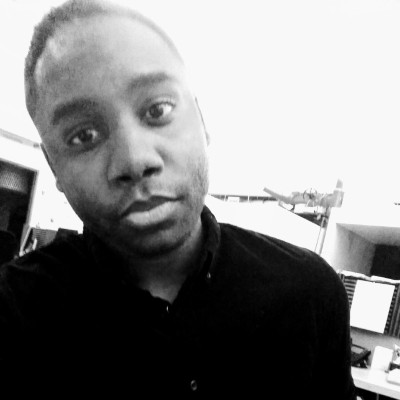
When majority minority neighborhoods become sacrifice zones for pollution, it can fall on community members to stand up and defend their health and wellbeing. Case in point: the nonprofit organization, WE ACT for Environmental Justice, was founded in 1988 to organize the people of West Harlem and protest the construction of the North River Sewage Treatment Plant. Today, WE ACT continues to advocate for environmental justice in Northern Manhattan, and beyond. By centering community outreach, they've managed to include residents into the processes that determine their neighborhood's health. Our guest today is Lonnie Portis, Director of Policy and Legislative Affairs at WE ACT. Find WE ACT at https://weact.org/
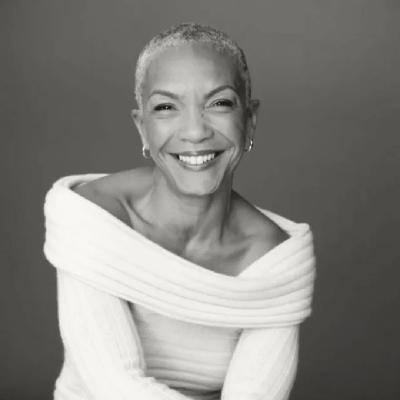
Healthcare is a difficult system to navigate in the United States, no matter who you are. But research shows that Black Americans face unique challenges when seeking medical care. On this episode, Charles T. Brown speaks with Rhonda Smith, Executive Director of the California Black Health Network. This is an organization that advocates for Black Californians of all backgrounds to have quality, equitable access to healthcare. Find California Black Health Network at https://yourcbhn.org/
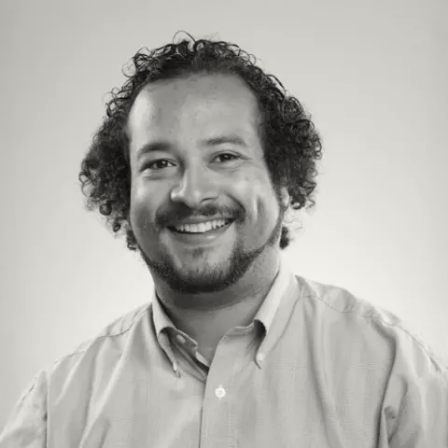
One night in 2014, Renard Monczunski was stranded at a transit center in downtown Detroit. It took three hours for a bus to come. He was angry, but the experience got him thinking about the state of public transit in the city that built the American automobile industry. Renard decided to do something about it. Together with Detroit People's Platform, he built a team of transit riders that have learned to wield power by refusing to stay invisible. It's been years of difficult, often unglamorous work. But today, he's affected real change by making sure that city officials can't ignore the importance of transit justice in Detroit. Find The Detroit People's Platform at detroitpeoplesplatform.org
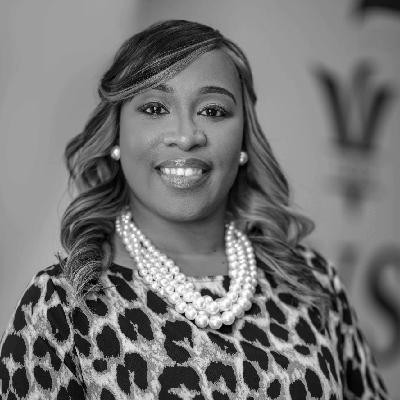
Advancing Beyond in Sports (ABIS) is an advocacy group that addresses sports-specific inequity, particularly for young athletes of color. Their work involves showing students alternate options to consider after their athletic career, and helping athletes secure Name, Image, and Likeness (NIL) deals to build businesses and wealth. Today, Charles T. Brown and his son, Christian Brown, speak with ABIS Chief People Officer, Renae Myles Payne. Find ABIS at https://weareabis.org/
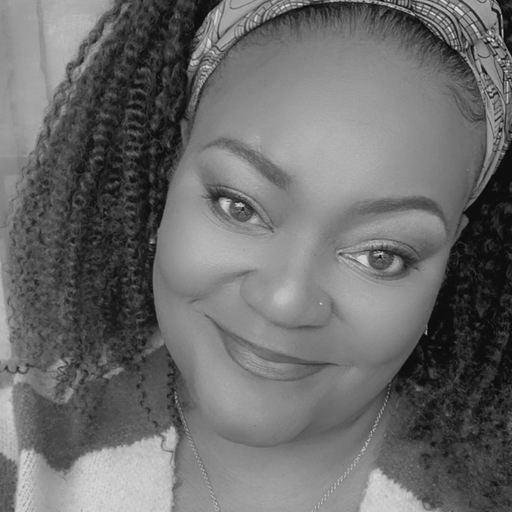
The Center for Cultural Power works with BIPOC communities to amplify authentic stories that counter harmful narratives and build public will for policy change. From supporting Walmart workers to advancing reproductive justice, they've seen firsthand how the right story told at the right time can reshape entire movements. In this episode, Charles T. Brown sits down with Aisha Goss, CEO of the Center for Cultural Power, to explore how narrative strategy creates lasting social change. Find The Center for Cultural Power at https://www.culturalpower.org/
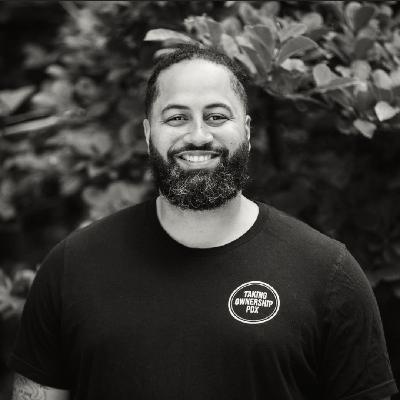
In 2020, shortly after the murder of George Floyd, Portland native Randal Wyatt had an idea. As people asked him how they could be better allies to the Black community, he saw an opportunity to address a critical but often overlooked driver of gentrification: home maintenance. Taking Ownership PDX was born, providing free repairs and renovations for Black homeowners, particularly elderly residents at risk of displacement. Find Taking Ownership PDX at https://takingownershippdx.org/
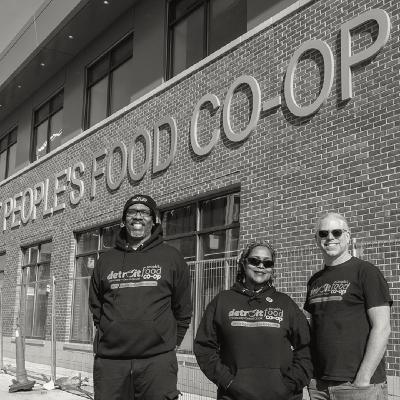
In 2024, the Detroit People's Food Co-op opened its doors in Detroit's North End neighborhood. This full-service grocery store was birthed by the Detroit Black Community Food Sovereignty Network, or DBCFSN. It's an organization that focuses on food justice, land access, and building Black self-determination. Today, we will hear from Gi'anna Shears and Dr. Shakara Tyler Saba, the co-executive directors of the DBCFSN, about their vision for a more equitable food system, why language matters in discussing food access, and how their organization is creating a closed-loop economic ecosystem to serve their community.
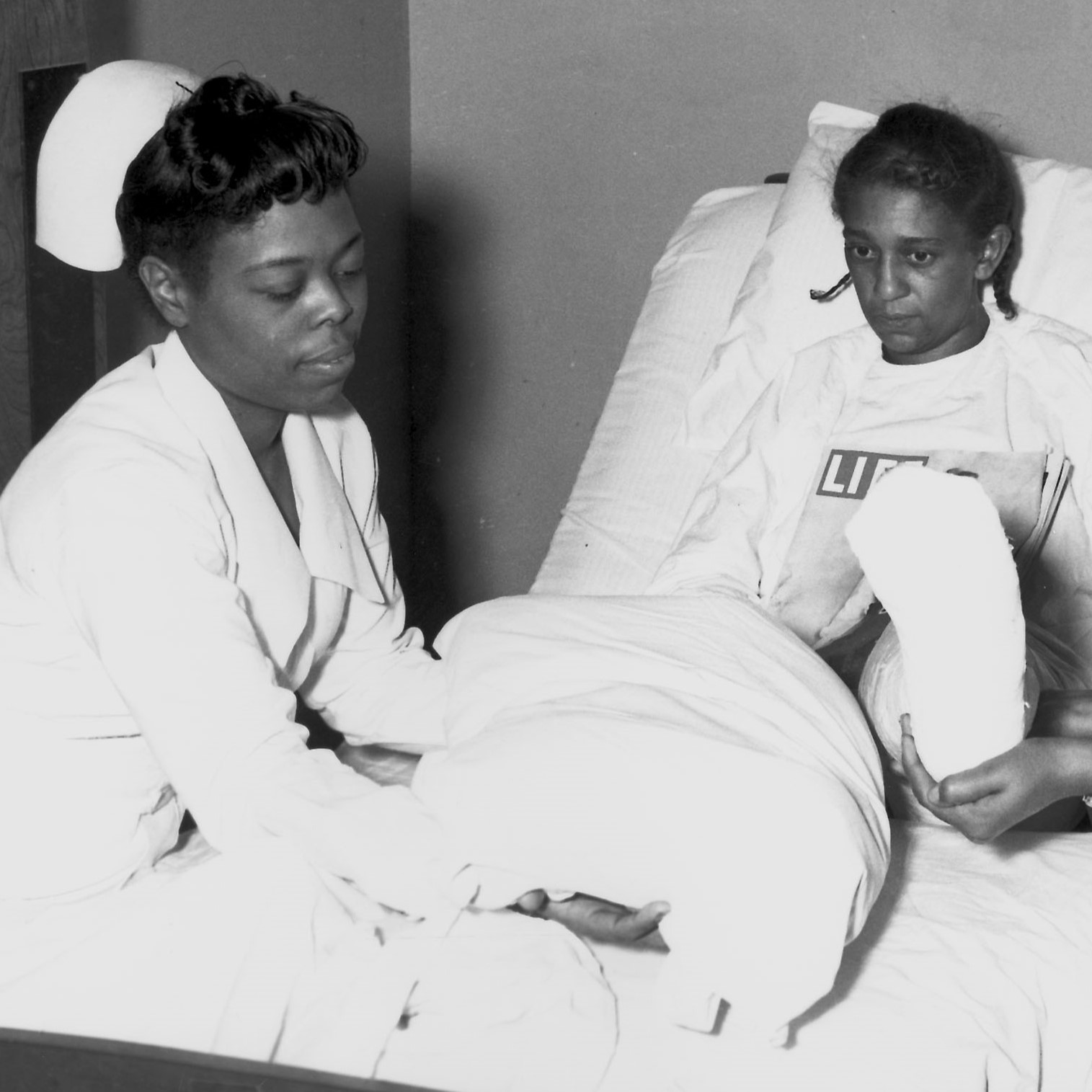
In 1942, the Taborian Hospital opened in Mound Bayou, Mississippi. At a time when most hospitals segregated Black from White patients or turned Black patients away, the Taborian Hospital provided equal treatment and care for all. There is no question that desegregation and the Civil Rights Movement improved access to healthcare for Black Americans. But today, rural hospitals increasingly face closure, and healthcare disparities continue to negatively impact Black Americans. It's worth investigating the history of the Taborian Hospital, and other hospitals that were visited and staffed by Black patients, nurses, and doctors. In this episode, we'll talk to Myrna Smith-Thompson, Dr. Ezelle Sanford III, and Dr. Vanessa Northington Gamble. Special thanks to Lauren Sausser and KFF Health News.
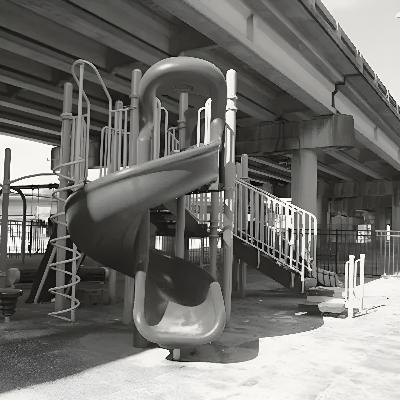
For nearly her entire life, Amy Stelly has lived in the Treme district of New Orleans. Her house is near the Claiborne Expressway, a piece of Interstate-10 that was built through the neighborhood in 1969. The Claiborne Expressway is one of many American highways to divide and deprive Black communities. Not only has this infrastructure damaged these neighborhoods economically and culturally, but it's also dangerous. These highways pollute the environment with high levels of noise and harmful particulate matter. So ever since she was a little girl, Amy Stelly has been determined to do something about the Claiborne Expressway. In this episode, we'll talk to Drew Hawkins, a journalist who originally reported this story for the Gulf States Newsroom.
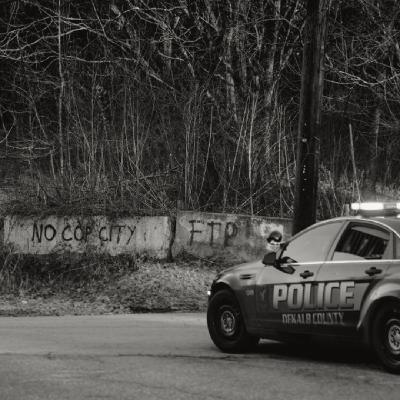
In 2017, Atlanta's city planning department designated four large green spaces as quote "lungs," that were vital for cooling the city. They announced plans to turn one of these lungs, the South River Forest, into an urban park. But four years later, there was a change in plans. The mayor approved a police and firefighter training facility to be built in that park. It's called "The Atlanta Public Safety Training Center," but to some, it has come to be known as "Cop City." There has been a concerted effort to push back against the development of the training center. But what's interesting is that these protestors aren't just anti-police. Many are environmental activists who don't want to see Atlanta's natural climate infrastructure destroyed. They know that the neighborhoods closest to the South River Forest are majority Black, historically redlined, and vulnerable to climate change. For this episode, we spoke to Manaan Donaghoe and Hanna Love, researchers from the Brookings Institution
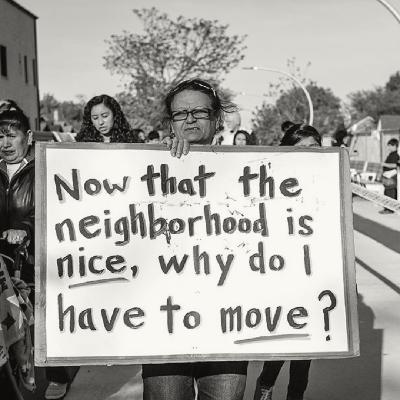
When low income neighborhoods receive new parks and green spaces, it can be a huge win for long-term residents. But greening initiatives can invite what we call "green gentrification." If the rent is cheap and the neighborhood is suddenly more attractive, walkable and bikeable, then it's very likely that wealthier people will start moving in. These are often White people entering predominantly communities of color, where due to their arrival, they begin changing the social and cultural makeup of the area. This transition doesn't come without friction, particularly as it relates to law enforcement's treatment of residents of color. Now, people in all communities have different ideas about what's best for the places they live. Many people living in low-income neighborhoods do want parks, trees and bike lanes. It's just a question of whether these communities can sustain greening without rapid, destructive gentrification and displacement. We spoke to Alessandro Rigolon, associate professor in the Department of City and Metropolitan Planning at the University of Utah. Photo by Tyler Lariviere.
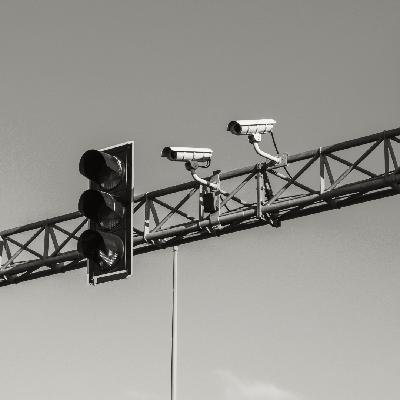
Automated Traffic Enforcement, or ATE, refers to a variety of tools that are used to enforce traffic laws through technology. You usually see them as red light cameras, and speed cameras. But there are also license plate readers, bus lane enforcement cameras, and many more examples. ATE is spreading across the country very fast. There are situations where ATE can reduce speeding, and theoretically it reduces contact between police officers and Black and Brown drivers for traffic stops. But, some believe that ATE can be used to perpetuate discrimination, racism, and abuses of power rather than support equity. We spoke to Priya Sarathy Jones, Deputy Executive Director at the Fines and Fees Justice Center. You can read their report, "Caution: We're Driving the Wrong Way on Automated Traffic Enforcement," here.
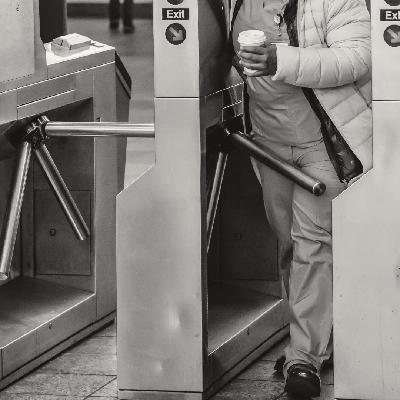
A local bus or train ride usually costs between one and three dollars. But many Americans living in public transportation-dense cities choose to evade paying for transit tickets when possible. They get on the bus through the back door and avoid the driver. And in bigger cities, it's common practice to hop the turnstile on the subway. Fare evasion can cost transit agencies across the country tens, even hundreds of millions of dollars. It affects their ability to provide consistent bus and train service, which in turn affects riders on their way to work, school, home, or wherever they need to go. On the other hand, enforcement of fare evasion has historically been racially targeted. When police stop people for hopping the turnstile, there is a heightened opportunity for violence against riders of color. This method of enforcement also ends up discriminating against people with lower incomes. If cities are going to enforce transit fares, it must be done in an equitable way. We spoke to Ben Brachfeld, a transit reporter for amNewYork; Haleema Bharoocha, Policy Advocate at the Anti Police-Terror Project and author of the article, Op-Ed: Why Is Fare Evasion Punished More Severely than Speeding?; and Dr. Sogand Karbalaieali, a transportation engineer and author of the article Opinion: Fights Over Fare Evasion Are Missing the Point.
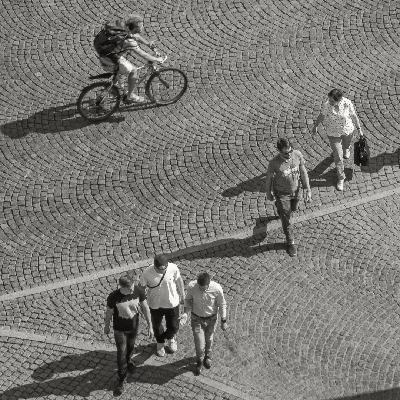
The 15-minute city, or neighborhood, was conceived by Carlos Moreno, a professor and influencer in Paris. It's an area where residents can access everything they need in their life - food, work, school, community gathering places - within 15 minutes of their home. The 15-minute city reduces reliance on cars, improves the quality of life for residents, and makes cities more sustainable and environmentally friendly. In a recent lecture with urban planning students at Rutgers, the State University of New Jersey, Charles spoke to students about the delicate balance required of 15-minute cities, if they are to be adopted in the United States. 15-minute cities might work in Europe, but urban planners face unique challenges when designing American cities and neighborhoods.
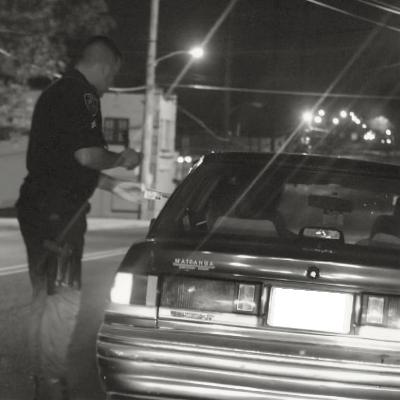
In Central Wisconsin, undocumented immigrants from Latin America make up the majority of the workforce in the dairy industry. Although these undocumented folks are allowed to own and register vehicles, they can't get driver's licenses without legal residency. As a result, police in rural Wisconsin often racially profile drivers of color, knowing that they may not have a license to be on the road. We spoke to Melissa Sanchez, a reporter for ProPublica who inspired this episode with her article, "Wisconsin's Dairy Industry Relies on Undocumented Immigrants, but the State Won't Let Them Legally Drive." We also heard from Tony Gonzalez, founder of the American Hispanic Association, and local dairy farmer Hans Breitenmoser.
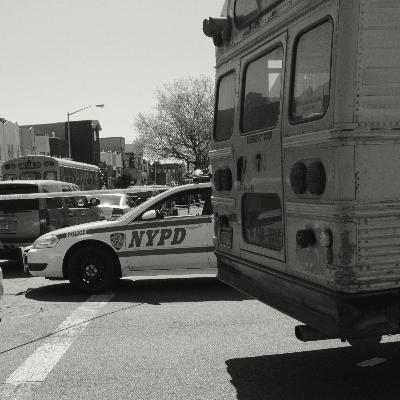
Many Black students live in over-policed, under-funded communities. School should be a safe space for them, a refuge from surveillance and a place to explore. But almost 70% of public high schools and middle schools have police officers on site, and Black students have contact with police more often than White students. When there's police inside the school, and police outside the school, law enforcement is a constant presence in these students' lives. Today, we're talking to Corey Mitchell, a senior reporter at the Center for Public Integrity who co-wrote the article "When schools call police on kids." We'll hear from Dr. DeMarcus Jenkins, an assistant professor in the School of Social Policy and Practice at the University of Pennsylvania. Finally, we'll speak with Amir Whitaker, senior policy counsel with the ACLU of Southern California. Please also consider this list of resources on the topic, compiled by Subini Ancy Annamma, Ph.D: "Education and Criminalization: Do Black Lives Matter in Schools."
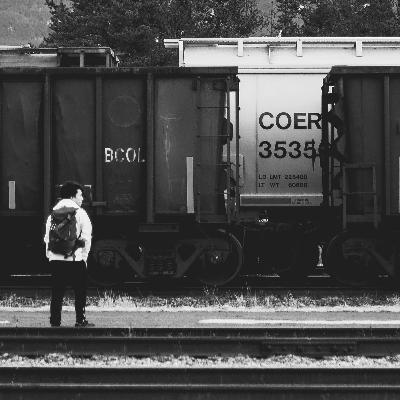
In a majority Black and Latino neighborhood of Hammond, Indiana, children are clambering over and under stopped train cars to get to school. These trains are halted by rail traffic at pedestrian intersections, and there are not a lot of enforceable laws to keep them moving. Blocked crossings can pose an inconvenience, or a deadly obstacle, to Americans of all kinds. But in the United States, we usually find that the people living around train tracks are Black and Brown folks who are living in a state of arrested mobility. In this episode, we'll talk to Topher Sanders, an investigative reporter from ProPublica who co-wrote the article, "As Rail Profits Soar, Blocked Crossings Force Kids to Crawl Under Trains to Get to School." We'll also speak to Akicia Henderson, a mother of three living in Hammond whose home is right by the train tracks.
Thank you all for listening to Season 1 of the podcast. We're happy to announce that Arrested Mobility is returning for Season 2 this July. We'll be covering more major themes in equity, but also diving into current events and injustices – topics like railroads disrupting Black communities, the presence of police officers in schools, food insecurity and food deserts, and much more. This podcast is totally self-funded. So please check out our new Patreon for the podcast - that's the best way to contribute, join our community, and get access to all-new exclusive content. You can find it at Please visit our website, where you can read the Arrested Mobility report and review past episodes, show notes, and transcripts. Let us know what topics we should cover in this upcoming season, or just say hi - you can reach out on Twitter, Instagram and LinkedIn. Thank you so much for your support. Links: https://www.patreon.com/arrestedmobility https://www.arrestedmobility.com https://www.twitter.com/ctbrown1911 https://www.instagram.com/arrestedmobilitypodcast https://www.linkedin.com/in/charlesbrownmpa/
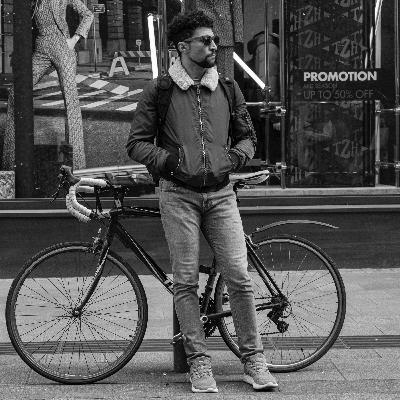
Many states and cities in the US have laws that make it illegal to ride your bicycle on the sidewalk. But, are these laws keeping people safe? Or are they another way that Black Americans and other people of color have had their mobility arrested? Today, we investigate how law enforcement uses cycling infractions to perpetuate systemic racism in under-resourced and underserved communities. We'll talk to Patric McCoy, who was stopped by Chicago police. We also welcome Oboi Reed and Dr. Jesus Barajas to speak about their activism and research. Next month, we'll continue this theme on sidewalk riding by exploring the possibilities and pitfalls of micromobility devices like eScooters and eBike docking stations. We'll also explore the importance of making room for everyone to travel safely, particularly persons with disabilities.


Download from Google Play

Download from App Store
 United States
Not one of better episodes. 1/3 a rehashing of social points, such as over-policing for minor pedestrian and cyclist infractions in communities of color, that you've already artfully addressed. 1/3 normal gentrification issues that NOT implementing more urbanist infrastructure won't make go away: "If we don't put in this bike lane/bus lane, rents won't go up." 1/3 a defeatist attitude towards social parity: measures ABSOLUTELY need to be put into place to ensure EQUAL access to infrastructure.
This is a fantastic opportunity for aspiring entrepreneurs! If you have a solid business plan, securing this funding could be a game-changer. https://stashbookkeeping.com/
This podcast raises important social concerns about unequal treatment and systemic bias affecting mobility of people of color in public spaces. It’s a complex issue shaped by history, policy, and social attitudes. Interestingly, even while relaxing, I sometimes enjoy playing bus simulator ultimate money for fun progression and strategy. Clear discussion helps awareness.https://bussimulatorultimatemodi.com/
This podcast raises important social concerns about unequal treatment and systemic bias affecting mobility of people of color in public spaces. It’s a complex issue shaped by history, policy, and social attitudes. Interestingly, even while relaxing, I sometimes enjoy playing bus simulator ultimate money for fun progression and strategy. Clear discussion helps awareness. link here :https://bussimulatorultimatemodi.com/
Racial bias in policing reflects long-standing social inequalities, profiling practices, and systemic barriers that affect mobility and safety of people of color in public spaces. Discussions like this are important. It’s like searching for clash of clans apk unlimited online—people seek advantages, but fairness and ethical access should always matter in society. here is link:https://clashofclansmodi.com/
Just read about it in an article. Here is the link: https://soakdestinations.com/fifth-water-hot-springs/
To play Minecraft: Java Edition on iPhone or iPad, PojavLauncher iOS is the definitive solution. Unlike Android, iOS requires JIT (Just-In-Time) compilation to achieve playable frame rates, which typically involves sideloading via AltStore or SideStore. It supports major versions and mod loaders like Fabric. For a complete 2026 installation guide, IPA download links, and a walkthrough on enabling JIT without a jailbreak, visit our specialized iOS gaming resource. https://pojavlauncherapk.net/pojavlauncher-for-ios/
To ensure a safe and successful CRU download, you should always source the file directly from the developer, ToastyX, at Monitor Tests. As of February 2026, the current stable version is 1.5.3, which features expanded support for DisplayID and extension blocks. https://customresolutionutility.app/custom-resolution-utility-refresh-rate/
Absolutely! The podcast kept me hooked from start to finish. The discussions were thought-provoking, the production quality was excellent, and every episode offered valuable insights that truly resonate. check more details from here :https://apps.apple.com/us/app/ai-translator-voice-photo/id6755153450
I completely agree! The podcast was engaging, insightful, and well-produced. check out for more informations : https://coinflips.com.au/
While the Zalith Launcher for PC isn't a native Windows application, you can still run this optimized Minecraft: Java Edition launcher using an Android emulator like BlueStacks or LDPlayer. Many players prefer this setup to utilize Zalith's unique UI and built-in mod-downloading features on their desktops. It’s a great way to maintain a consistent gaming environment across both your mobile and PC devices. For a full guide on emulating the Zalith Launcher for PC safely, visit for further podcast details: https://zalithlauncher.net/zalith-launcher-for-pc/.
That podcast was truly exceptional .check out for further details : https://summertimesagamodi.com/
I found this podcast really engaging and full of useful insights. It explains things clearly and keeps the listener interested throughout. If you’d like to explore the topic further and get additional details, you can also visit this resource for more information:https://capcutmodaapk.com/
well, i read about this podcast: check out for more info : https://yuzuemulators.com/
Nice, i listen this podcast, it is quite informative and intersting , you can also check this for more information :https://alightmotionstudio.com/
well, i read about this podcast: check out for more info : https://hillclimbracingmodi.com/
If you love sports games, try the Spike APK Unlimited Money version. This mod apk game gives you unlimited resources, unlocking exciting levels and features for a thrilling volleyball experience with endless customization and fun gameplay. Click here:https://playthespike.com/
A splendid greeting to the innovative team at https://tubemate.lv/! Your platform presents a truly refined solution for video enthusiasts seeking to elevate their digital library. The elegant utility and streamlined accessibility you provide is a remarkable boon for curating content seamlessly. Wishing you continued success in delivering such a premium and user-centric experience.
The podcast was really fascinating, and I’d gladly recommend it. I also discovered a similar blog here: https://tocabocamodi.com/
That podcast was truly captivating, and I’d be happy to recommend it. Additionally, I came across a similar blog here: https://bilibiliapks.com/