


 Claim Ownership
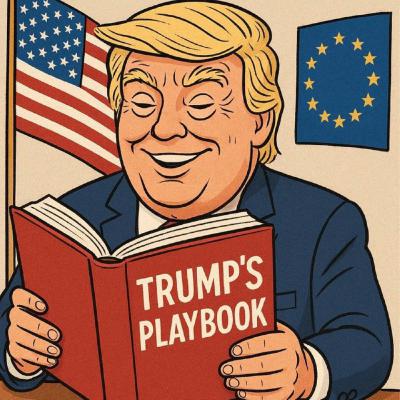
TRUMP'S PLAYBOOK
Subscribed: 0Played: 2
Subscribe

© Boudewijn van Eijck & Joe Gote & Rik Bouman
Description
In this podcast, a Dutch former criminal defense attorney and an American legal specialist dissect the legal, political, and constitutional transformation currently unfolding in the United States under Donald Trump’s influence. We examine how democratic institutions are being tested — and in some cases weakened — as executive power expands toward a more autocratic model.
Each episode breaks down key developments: presidential decrees, controversial policy actions, legal challenges, Supreme Court rulings, and efforts to reshape the justice system, media, and public institutions. We explore the critical question: What is legally allowed, what is unconstitutional, and what is outright illegal?
Through a comparative lens between U.S. and European legal systems, we explain how checks and balances can erode, how autocracies historically emerge, and what signals indicate the tipping point from democracy to authoritarian rule.
This podcast is for listeners who want more than headlines — it’s a legally grounded, politically sharp, fact-based examination of democracy under pressure.
Each episode breaks down key developments: presidential decrees, controversial policy actions, legal challenges, Supreme Court rulings, and efforts to reshape the justice system, media, and public institutions. We explore the critical question: What is legally allowed, what is unconstitutional, and what is outright illegal?
Through a comparative lens between U.S. and European legal systems, we explain how checks and balances can erode, how autocracies historically emerge, and what signals indicate the tipping point from democracy to authoritarian rule.
This podcast is for listeners who want more than headlines — it’s a legally grounded, politically sharp, fact-based examination of democracy under pressure.
13 Episodes
Reverse
This episode delves into the complex legal intricacies surrounding James Comey, the former FBI director, and the implications of his recent indictment. We explore the historical context of Comey's tenure, particularly his controversial decisions during the 2016 presidential election, including the investigation into Hillary Clinton's emails and the subsequent reopening of that investigation just prior to the election. Our discussion elucidates the charges against Comey, which include making false statements to Congress and obstruction of congressional proceedings, and we analyze the significant procedural irregularities alleged in the grand jury process that led to his indictment. Moreover, we reflect on the ramifications of this case within the broader narrative of political retribution and the implications for former President Trump’s administration. As we conclude, we emphasize the potential outcomes of the ongoing appeal and the importance of maintaining the integrity of the judicial process amidst these politically charged proceedings. The discourse presented in this podcast episode delves into the intricate and contentious narrative surrounding James Comey, the former Director of the FBI, amidst the political tumult of the Trump administration. We explore Comey's multifaceted career, from his foundational years as a prosecutor in New York City to his significant appointment by President Obama as FBI Director, a position intended to ensure political independence through a ten-year term. The speakers elucidate Comey's pivotal role during the 2016 presidential election, particularly regarding the investigation into Hillary Clinton's use of a private email server, an inquiry that would ultimately have profound ramifications for both Clinton's campaign and the subsequent political landscape. As the conversation unfolds, we observe the dynamics of power and accountability, particularly in the context of the investigations initiated during Trump's presidency, including the controversial Russian interference inquiry and the subsequent fallout that led to Comey's dismissal by Trump in 2017. The speakers critically assess the implications of these events, framing Comey's actions as those of a dedicated crime fighter adhering to the principles of the Constitution, irrespective of political affiliations, and contrasting this with Trump's expectations of loyalty that reflect a more contentious political ethos. As the discussion progresses, we witness a meticulous examination of the current legal predicaments facing Comey, including the allegations of false statements made to Congress and the accusations of obstructing congressional proceedings. The speakers present a nuanced perspective on the grand jury process, emphasizing the procedural irregularities that have characterized the legal actions against Comey, and the implications of these irregularities for the integrity of the judicial system. They highlight the challenges faced by Comey's defense, particularly in light of the grand jury's findings and the complexities inherent in navigating such high-stakes legal battles. The episode thus serves as a profound exploration of the intersection of law, politics, and ethics, prompting listeners to reflect on the broader implications of accountability in governance and the often tumultuous relationship between political figures and the institutions designed to uphold justice. In concluding this episode, we reflect on the ramifications of the ongoing legal saga involving James Comey and the broader implications for the political landscape in the United States. The speakers express an earnest hope for a resolution that upholds the principles of justice and fairness, while acknowledging the challenges posed by the current political climate. This episode not only provides an in-depth analysis of Comey's case but also invites listeners to engage critically with the themes of power, accountability, and the rule of law that resonate throughout contemporary political discourse.Takeaways:In this episode, we delve into the implications of James Comey's actions during the 2016 election and their ramifications.We examine the concept of loyalty in the context of Comey’s interactions with Donald Trump, particularly regarding constitutional fidelity.The discussion highlights the significance of the grand jury process and its procedural intricacies in criminal indictments.We analyze the allegations against Comey concerning false statements and obstruction during congressional hearings.The investigation into Comey reveals broader themes of political retribution and the complexities of legal accountability.We conclude with reflections on the judicial system's role in maintaining the integrity of legal proceedings amidst political pressures.Companies mentioned in this episode:RheimundJames ComeyHillary ClintonTrumpBidenDemocratic National CommitteePutinLindsey HalliganLetitia JamesMaureen ComeyBill BarrEric Siebert
The salient focus of this podcast episode centers on the deposition of Jack Smith, the former federal prosecutor involved in pivotal cases against former President Trump, specifically those concerning the events of January 6 and the Mar-a-Lago classified documents case. As we delve into the intricacies of these proceedings, we find it imperative for our listeners to grasp the gravity of the allegations leveled against Trump, which Smith articulates with clarity, asserting that the charges stem directly from Trump's actions. Moreover, we explore the broader implications of Smith's testimony before the House of Representatives, wherein he addresses accusations regarding the politicization of the Justice Department under the current administration. Throughout the discourse, we emphasize the significance of maintaining independence within prosecutorial practices, as demonstrated by Smith's resolute stance against any political coercion. Ultimately, this episode serves as an examination of the interplay between law, politics, and the accountability mechanisms at play in contemporary American governance. The current discourse revolves around the intricate legal and political ramifications concerning Jack Smith, the special counsel appointed to investigate former President Donald Trump for alleged misconduct related to the January 6 insurrection and the handling of classified documents. In this episode, we delve deeply into Smith's deposition before the House of Representatives, wherein he articulates the motivations and evidence underlying the charges against Trump. Smith asserts that his decision to pursue these charges was based solely on the substantive evidence collected during the investigation, which he claims firmly establishes Trump's engagement in a criminal conspiracy aimed at undermining the democratic transfer of power. This assertion is critical as it underscores the fundamental principles of the rule of law, which mandate that prosecutorial actions remain impartial and rooted in factual substantiation rather than political expediency. The interview further highlights the contentious political atmosphere surrounding these investigations, particularly the allegations from Republican representatives accusing Smith's office of partisanship in its prosecutorial endeavors. Smith's rebuttals to these claims are both pointed and revealing; he emphasizes the independence of his role as a career prosecutor and refutes any insinuation that his actions were orchestrated to impede Trump’s political aspirations. His clear delineation of the facts serves not only to defend his integrity but also to reinforce the essential notion that justice must prevail irrespective of political affiliations. This episode is essential for understanding the broader implications of Smith's investigations and the ongoing debates surrounding the politicization of legal processes in contemporary America.Companies mentioned in this episode:RaymondMerrick GarlandDepartment of JusticeInternational Criminal CourtCovington and Burling
This podcast episode elucidates the pivotal rulings of the United States Supreme Court in the year 2025, emphasizing their profound implications on the executive actions undertaken by the Trump administration. We commence with a succinct overview of the most salient verdicts, transitioning thereafter to an examination of the legal predicaments faced by former administration officials, Jack Smith and James Comey, who themselves encountered judicial scrutiny. A notable focus rests on the unprecedented utilization of the Supreme Court's emergency docket, which facilitated the rapid adjudication of numerous pressing cases, with a remarkable 25 cases reaching the Court within the year. Of these, the Supreme Court ruled predominantly in favor of the Trump administration, thus underscoring the significant authority held by the current judicial composition. We conclude by reflecting on the broader implications of these judicial decisions within the context of American governance and the rule of law. A salient feature of this podcast episode is its rigorous exploration of the 2025 Supreme Court verdicts, as articulated by the hosts during their insightful discourse. The episode commences with a succinct summary of the significant rulings that have emerged from the Supreme Court, providing listeners with a foundational understanding of the pivotal legal issues at stake. Subsequent discussions reveal the stark differences between the U.S. Supreme Court and the Dutch judicial system, particularly in terms of authority and the procedural mechanisms by which cases ascend to the highest court in the land. The hosts elucidate the complexities inherent in the Supreme Court's decision-making process, particularly the discretionary nature of which cases are selected for review, emphasizing that only a fraction of those petitioned for certiorari actually receive a hearing. In the latter segments of the episode, attention pivots to the unprecedented utilization of the emergency docket in 2025, reflecting the tumultuous political landscape characterized by numerous legal challenges to actions taken by the Trump administration. The hosts detail how this mechanism was employed to expedite the Supreme Court's review of urgent cases, resulting in an extraordinary number of rulings that favored the executive branch. Specifically, of the 25 emergency cases presented, the Court sided with the Trump administration in 21 instances, thus raising crucial questions about the implications of such a ruling pattern on the balance of power and the judiciary's role in safeguarding civil liberties. This critical examination is further enriched by discussions surrounding the broader societal ramifications of these judicial decisions, particularly as they relate to the rule of law and the preservation of democratic principles. As the episode draws to a close, the hosts reflect on the significance of these Supreme Court rulings within the broader context of American governance. The conversation concludes with a contemplative outlook on the judiciary's evolving role in the face of political challenges, fostering a nuanced understanding of the interplay between law and politics in contemporary America. This episode serves not only as a thorough analysis of the Supreme Court’s actions in 2025 but also as an invitation for listeners to engage critically with the ongoing discourse surrounding judicial independence and executive authority.Takeaways:In the realm of U.S. law, the Supreme Court possesses significant authority that supersedes lower court decisions, ensuring uniformity in legal interpretation across the nation.The process through which cases ascend to the Supreme Court is intricate, often requiring numerous procedural steps that can obfuscate justice for the average citizen.During the year 2025, the Supreme Court witnessed an unprecedented influx of emergency applications, reflecting the contentious nature of the political landscape under the Trump administration.A striking majority of the Supreme Court's rulings in 2025 favored the Trump administration, raising concerns about the implications for judicial impartiality and executive power.The Supreme Court's recent decisions underscore the delicate balance between federal authority and individual rights, particularly in cases involving immigration and executive actions.The confirmation process for Supreme Court justices has evolved, now requiring only a simple majority in the Senate, which has profound implications for the political dynamics of judicial appointments.Companies mentioned in this episode:AARPMaduroAmerican Civil Liberties Union
This podcast episode delves into the pressing issue of whether the upcoming midterm elections on November 26 can be canceled by the Trump administration, a notion posited by certain commentators in Dutch newspapers. We thoroughly examine the constitutional framework governing election scheduling, elucidating that such authority resides exclusively with Congress, thereby precluding presidential interference. Furthermore, we reflect upon pivotal Supreme Court verdicts from 2025 that illuminate ongoing electoral challenges, particularly those associated with voting rights and election integrity. The discourse is enriched by listener inquiries, fostering an engaging dialogue that encapsulates contemporary political dynamics. As we navigate these complex topics, we remain steadfast in our commitment to providing a nuanced analysis of the current political landscape. This podcast episode delves into the pressing issue of whether the upcoming midterm elections on November 26 can be canceled by the Trump administration, a notion posited by certain commentators in Dutch newspapers. We thoroughly examine the constitutional framework governing election scheduling, elucidating that such authority resides exclusively with Congress, thereby precluding presidential interference. Furthermore, we reflect upon pivotal Supreme Court verdicts from 2025 that illuminate ongoing electoral challenges, particularly those associated with voting rights and election integrity. The discourse is enriched by listener inquiries, fostering an engaging dialogue that encapsulates contemporary political dynamics. As we navigate these complex topics, we remain steadfast in our commitment to providing a nuanced analysis of the current political landscape. The discourse within this episode intricately examines the impending midterm elections set for November 2026, particularly pondering the provocative question of whether the Trump administration could potentially cancel these elections. The speakers articulate that such a notion is not only impractical but also fundamentally unconstitutional, as the authority to schedule elections resides solely with Congress. This foundational principle of democracy is explored in depth, illuminating the vital role of legislative bodies in maintaining the integrity of electoral processes. Furthermore, the speakers engage in a comprehensive discussion regarding recent executive orders aimed at modifying voting protocols, with a particular focus on mail-in ballots, which have emerged as critical tools for enhancing voter accessibility, especially among historically marginalized groups. Additionally, the episode provides a substantive analysis of recent Supreme Court decisions from 2025, which resonate with the overarching themes of electoral fairness and judicial oversight. The speakers underscore the significance of these rulings in shaping the legal framework governing voting rights, emphasizing the judiciary's critical function in safeguarding electoral integrity against potential executive encroachments. This examination serves to reinforce the essential checks and balances that are indispensable for the preservation of democratic ideals. To further enhance listener engagement, the episode features a segment dedicated to addressing questions from the audience, including an inquiry regarding the political future of J.D. Vance within the Republican Party. The speakers scrutinize Vance's evolution from a previous critic of Trump to a figure within the party's inner circle, revealing the complexities of political opportunism. Through this discussion, the speakers provide a nuanced understanding of the shifting dynamics within the Republican Party as it approaches the consequential midterm elections, ultimately enriching the listener's comprehension of the contemporary political landscape.Takeaways:In this episode, we examine the potential implications of the midterm elections scheduled for November 2026, specifically discussing whether they could be cancelled by the Trump administration as suggested by certain commentators.We provide clarity on the structure of the United States Congress, emphasizing the distinct electoral cycles for the House of Representatives and the Senate, which are pivotal in understanding midterm elections.We address listener inquiries regarding current political affairs, including the role of voting laws and their influence on the electoral process in the context of recent executive actions taken by former President Trump.A thorough analysis is conducted on the recent executive orders issued by Trump, arguing their constitutionality and the judicial responses that have emerged in light of these orders.The discussion includes reflections on historical precedents regarding the timing and conduct of elections during national crises, reinforcing the principle that federal elections have never been postponed in U.S. history.Finally, we speculate on the future political landscape, particularly focusing on the potential successors to Trump within the Republican Party and the implications of their policies on upcoming elections.The discourse within this episode intricately examines the impending midterm elections set for November 2026, particularly pondering the provocative question of whether the Trump administration could potentially cancel these elections. The speakers articulate that such a notion is not only impractical but also fundamentally unconstitutional, as the authority to schedule elections resides solely with Congress. This foundational principle of democracy is explored in depth, illuminating the vital role of legislative bodies in maintaining the integrity of electoral processes. Furthermore, the speakers engage in a comprehensive discussion regarding recent executive orders aimed at modifying voting protocols, with a particular focus on mail-in ballots, which have emerged as critical tools for enhancing voter accessibility, especially among historically marginalized groups. Additionally, the episode provides a substantive analysis of recent Supreme Court decisions from 2025, which resonate with the overarching themes of electoral fairness and judicial oversight. The speakers underscore the significance of these rulings in shaping the legal framework governing voting rights, emphasizing the judiciary's critical function in safeguarding electoral integrity against potential executive encroachments. This examination serves to reinforce the essential checks and balances that are indispensable for the preservation of democratic ideals. To further enhance listener engagement, the episode features a segment dedicated to addressing questions from the audience, including an inquiry regarding the political future of J.D. Vance within the Republican Party. The speakers scrutinize Vance's evolution from a previous critic of Trump to a figure within the party's inner circle, revealing the complexities of political opportunism. Through this discussion, the speakers provide a nuanced understanding of the shifting dynamics within the Republican Party as it approaches the consequential midterm elections, ultimately enriching the listener's comprehension of the contemporary political landscape.Takeaways:In this episode, we examine the potential implications of the midterm elections scheduled for November 2026, specifically discussing whether they could be cancelled by the Trump administration as suggested by certain commentators.We provide clarity on the structure of the United States Congress, emphasizing the distinct electoral cycles for the House of Representatives and the Senate, which are pivotal in understanding midterm elections.We address listener inquiries regarding current political affairs, including the role of voting laws and their influence on the electoral process in the context of recent executive actions taken by former President Trump.A thorough analysis is conducted on the recent executive orders issued by Trump, arguing their constitutionality and the judicial responses that have emerged in light of these orders.The discussion includes reflections on historical precedents regarding the timing and conduct of elections during national crises, reinforcing the principle that federal elections have never been postponed in U.S. history.Finally, we speculate on the future political landscape, particularly focusing on the potential successors to Trump within the Republican Party and the implications of their policies on upcoming elections.Links referenced in this episode:joeandbou@gmail.com
This podcast episode delves into the nuanced implications of recent geopolitical events, particularly focusing on the United States' approach to Greenland and the arrest of Venezuelan leader Nicolás Maduro. We commence with an examination of the strategic significance of Greenland, contemplating its potential role in U.S. national security amidst the evolving Arctic landscape. The discussion transitions to the implications of Maduro's arrest, highlighting the legal and international ramifications of such military operations conducted by U.S. federal agencies. Throughout our dialogue, we scrutinize the motivations behind these actions and the broader context of U.S. foreign policy. Our analysis aims to provide listeners with a comprehensive understanding of these critical issues shaping contemporary international relations. The eighth installment of Trump's PLAYBOOK delves into significant geopolitical events that have recently unfolded, particularly focusing on Greenland and its implications for U.S. foreign policy. The discussion commences with an examination of the contentious proposal by President Trump to acquire Greenland from Denmark, a move that has stirred considerable debate and controversy. The speakers dissect the historical context of this proposal, highlighting the strategic importance of Greenland for military and economic reasons, particularly in light of the melting Arctic and the increasing presence of Russian and Chinese naval forces in the region. The speakers emphasize that while Trump's approach may have been misguided, the underlying questions he raises about sovereignty and territorial control warrant a deeper consideration of U.S. interests in a rapidly changing global landscape. Furthermore, the conversation transitions to a critical analysis of the strained relations between the United States and Canada, exacerbated by Trump's past remarks suggesting that Canada should be the 51st state. The speakers reflect on the historical camaraderie between the two nations and the detrimental effects of Trump's rhetoric and policies, which have led to mistrust and economic tensions. The episode poignantly illustrates how Trump's leadership style has not only affected bilateral relations but has also cast a long shadow over international diplomacy, calling into question the future of U.S.-Canada relations amidst rising global tensions. In addition to Greenland and Canada, the episode also addresses the recent arrest of Venezuelan leader Nicolás Maduro, examining the legality and implications of U.S. intervention in foreign sovereign matters. The speakers discuss the complexities of international law as it pertains to the arrest and extradition of foreign leaders, particularly in the context of U.S. claims of jurisdiction over drug trafficking allegations against Maduro. They engage in a nuanced debate about the balance between U.S. law and international law, ultimately questioning the ethical ramifications of such military operations and the precedents they set for global governance. Through these discussions, the episode provides a comprehensive overview of the intricate interplay between national interests, sovereignty, and international law, reflecting on the challenges that lie ahead for U.S. foreign policy.Takeaways:The episode delves into the complex geopolitical implications surrounding the United States' interest in Greenland, particularly in relation to military strategy and resource acquisition.Discussions reveal a critical examination of President Trump's approach to foreign relations, characterized as both confrontational and strategically opportunistic, yet often misguided.The dialogue highlights the significance of NATO and the United States' role in European defense, questioning Europe's ability to independently ensure its security amidst global tensions.A thorough analysis of the legal ramifications of the recent military operation against Venezuelan President Maduro underscores the tension between U.S. law and international sovereignty.Furthermore, the episode explores the historical context of U.S.-Canada relations, emphasizing the detrimental effects of recent political rhetoric on longstanding alliances.Lastly, the speakers reflect on the enduring challenges of international law, particularly in matters of extradition and the extraterritorial reach of U.S. jurisdiction.Companies mentioned in this episode:ReutersDenmarkNATOVanity Fair
The discourse presented in this seventh episode revolves primarily around the contentious immigration and law enforcement issues currently prevailing in Minnesota, specifically pertaining to the actions of Immigration and Customs Enforcement (ICE). We delve into the complexities of a recent court order that highlights the friction between local authorities and federal agencies regarding the investigation of a fatal incident involving a federal officer. This case illustrates an unprecedented scenario in which the state of Minnesota has taken legal action against federal officials, raising significant concerns about jurisdiction and the preservation of evidence. The dialogue further explores the ramifications of this distrust, particularly the implications for the rule of law when state and federal entities find themselves at odds. As we navigate this intricate legal landscape, we also reflect on historical precedents that underscore the need for independent oversight in such investigations, ultimately questioning the efficacy of current protocols in safeguarding justice. This episode provides an in-depth exploration of the ongoing legal tensions between state and federal authorities in the context of recent ICE operations in Minnesota. The speakers meticulously dissect a recent court order that has emerged, underscoring the rare yet significant legal challenge posed by local authorities against federal agents. The discussion centers on allegations that federal personnel obstructed local law enforcement's investigation into a shooting incident, thereby raising critical concerns about jurisdictional authority and the preservation of evidence. The speakers articulate the gravity of the situation, noting that the actions of federal agents have not only impeded local investigative efforts but have also fostered a climate of mistrust between state and federal entities. As the conversation unfolds, the speakers highlight the broader implications of this confrontation for the rule of law and civil rights. They express their apprehensions regarding the erosion of public trust in governmental institutions, particularly as local authorities find themselves compelled to litigate against federal agencies to ensure accountability. Drawing parallels with established protocols in other jurisdictions, particularly in the Netherlands, the speakers advocate for a more transparent and cooperative model of investigation that prioritizes independence and integrity in cases involving law enforcement. They emphasize that the need for such reforms is more pressing than ever, particularly in light of the divisive political climate surrounding immigration enforcement and police accountability. Furthermore, the speakers reflect on the potential outcomes of the ongoing investigations and the prospects for indictments against the involved federal officers. They articulate the necessity for a robust legal framework that not only respects state sovereignty but also ensures that federal agencies are held accountable for their actions. The episode concludes with a call to action, urging listeners to remain informed and engaged with these pivotal issues that have far-reaching implications for justice and civil liberties in the United States. Through their analysis, the speakers underscore the critical importance of upholding the principles of democracy and accountability in the face of mounting challenges.Takeaways:The podcast episode discusses the unique legal challenges arising from ICE operations in Minnesota, emphasizing the conflict between state and federal authorities.A recent court order highlighted the obstruction faced by local law enforcement when attempting to investigate federal officer-involved shootings.The episode reveals significant mistrust between Minnesota state officials and federal agencies regarding the preservation of evidence in ongoing investigations.Listeners are informed about the implications of federal lawsuits, illustrating the tension between state sovereignty and federal authority in law enforcement.The speakers draw parallels with European protocols for police investigations, contrasting them with the current situation in the United States.The conversation concludes with reflections on the necessity of independent investigations into officer-related fatalities and the broader impact on civil rights.Companies mentioned in this episode:ICEU.S. Department of Homeland SecurityMinnesota Bureau of Criminal ApprehensionHennepin County Attorney's OfficeKristi NoemGregory BovinoFBI
The primary focus of this podcast episode is the examination of Immigration and Customs Enforcement (ICE) and its recent operations in Minnesota, particularly in light of significant current events. We delve into the implications of ICE's actions, which are greatly influenced by the policies instituted during the Trump administration, including the controversial "Protecting the American People Against Invasion" executive order. In this context, we discuss the recent incidents that have raised questions regarding the conduct and efficacy of ICE agents, particularly in relation to the Somali immigrant community. Furthermore, we address the broader consequences of these events, highlighting the complexities surrounding immigration enforcement and its socio-political ramifications. As we transition from discussing current events to the foundational importance of the Constitution in future episodes, we aim to provide our listeners with a comprehensive understanding of the intricate dynamics at play in today's immigration discourse. The podcast episode offers a critical dissection of the contemporary challenges and actions undertaken by ICE, particularly in the context of Minnesota's Somali community. The speakers articulate a sense of urgency in addressing the implications of recent ICE operations, linking them to broader themes of immigration policy and enforcement tactics as shaped by the current political climate. Through a nuanced lens, the dialogue navigates the intersection of law enforcement and community dynamics, highlighting how policies enacted at the federal level resonate in local contexts, thereby affecting the lives of countless individuals. Furthermore, the discussion transitions into a profound examination of ICE's operational framework, particularly focusing on the training and authority bestowed upon its agents. The speakers express grave concerns about the reduction in training duration, contrasting it with the rigorous standards expected of other law enforcement agencies. This critique not only raises alarm over the potential for unprofessional conduct but also underscores the necessity of establishing a robust training regimen that prepares agents to navigate the complexities of their duties. The episode culminates in a call for a more humane and effective approach to immigration enforcement, advocating for policies that respect the dignity of individuals while ensuring national security.Takeaways:In this episode, we discuss the significant role of ICE and its implications for immigration enforcement in the United States.We emphasize the importance of understanding the legal and constitutional framework surrounding immigration policies and practices.The current events in Minnesota necessitated a shift in our discussion focus for this episode.We analyze the controversial actions of ICE and the political context surrounding immigration enforcement under the Trump administration.The episode explores recent incidents involving ICE and their implications for public safety and law enforcement standards.We conclude by highlighting the need for continued discourse on the consequences of ICE's actions and the future of immigration policy in the U.S.Companies mentioned in this episode:ICEDepartment of Homeland SecurityDonald TrumpChristie NomeTim WalshKamala HarrisCustoms and Border Patrol
The influence of political dynamics on pivotal institutions such as the FBI and the Department of Justice is the central theme of our discussion. We delve into the profound transformations that these agencies have undergone, particularly under the leadership of Donald Trump, whose preference for loyalty over constitutional fidelity has instigated significant alterations within their operational frameworks. The episode elucidates the ramifications of replacing career employees with individuals aligned with partisan interests, thereby undermining the impartiality that is essential to the functioning of these institutions. We further examine the implications of vindictive prosecutions and the potential long-lasting detriment to institutional integrity, highlighting the challenges that lie ahead in restoring the foundational principles of justice and accountability. As we navigate through these complex issues, we remain steadfast in our commitment to analyze the evolving landscape of American governance and the rule of law. The discussion centers around the ramifications of the political landscape shaped by former President Donald Trump, specifically focusing on his impact on the institutional integrity of the FBI and the Department of Justice (DOJ). The speakers articulate a profound concern regarding the politicization of these institutions, which were once bastions of impartiality and dedication to the Constitution. They delve into the transformative effects of Trump's administration, highlighting how career positions within these agencies have been supplanted by individuals whose loyalties lie not with the Constitution but with Trump himself. This shift, as they suggest, has resulted in a catastrophic alteration of the operational ethos within the FBI and DOJ, leading to a climate where political allegiance supersedes constitutional duty, thereby undermining the foundational principles of justice and accountability in the United States. As the conversation progresses, the speakers reflect on the implications of these changes, particularly referencing former FBI Director James Comey and the controversies surrounding his tenure. They explore the intricate dynamics of how Comey's actions during the 2016 election, notably concerning the investigation into Hillary Clinton's emails, have been framed within the narrative of political retribution. The discussion provides a nuanced examination of the broader implications of such politicization, suggesting that the integrity of these institutions has been irrevocably damaged, a sentiment underscored by the assertion that the harm inflicted is not merely transient but rather long-lasting, necessitating substantial efforts to restore the operational integrity that once characterized these vital governmental bodies. The dialogue culminates in a discussion on the potential for future reforms and the necessary steps to rectify the damage done. The speakers express a cautious optimism regarding the resilience of the judicial system and the possibility of restoring balance within governmental institutions post-Trump. They emphasize that while the current landscape appears grim, history has shown the capacity for institutions to rebound from periods of political turmoil. The episode concludes with a call to action for vigilance and advocacy in preserving the principles of justice and constitutional fidelity, stressing the importance of maintaining institutional integrity in the face of political challenges. Overall, the episode serves as a sobering reminder of the delicate balance between politics and justice, urging listeners to remain engaged in the ongoing discourse surrounding these critical issues.Companies mentioned in this episode:FBIDOJDepartment of JusticeTrumpJames ComeyHillary ClintonLetitia JamesLindsey HalliganEric SeabergPam BondiMueller
The central theme of this discussion revolves around the manipulation and control of media by the Trump administration, highlighting a significant erosion of journalistic independence in the United States. We examine the ramifications of a starkly divided media landscape, characterized by partisan outlets that serve distinct ideological audiences, thereby undermining a unified standard of objectivity. The conversation delves into the mechanisms through which the government exerts influence over media narratives, including intimidation tactics aimed at silencing dissenting voices and shaping public discourse. Furthermore, we reflect on the historical context of media regulation, particularly the repeal of the fairness doctrine, which has paved the way for the current state of media polarization. As we navigate these complexities, we underscore the pressing need for a reassertion of journalistic integrity to counteract the prevailing climate of suppression and partisanship. The discourse surrounding the media landscape in the United States is increasingly polarized, particularly in relation to the Trump administration's influence. During our conversation in Rotterdam with Joe Gauthay, we explored the dichotomy between media outlets such as Fox News and NBC, representing the red and blue perspectives, respectively. The discussion illuminated the pervasive sentiment that the media is no longer an independent entity, but rather one that is increasingly beholden to political interests and narratives. We examined how this shift might correlate with the broader political climate and the ramifications for journalistic integrity and public discourse. Joe pointed out that while the Project 2025 does not explicitly address media conflicts, it does highlight the control of media messaging, a theme that recurred throughout our analysis. We scrutinized the implications of governmental control over media narratives, particularly how they serve to reinforce partisan agendas rather than uphold objective reporting. This raises profound questions about the future of journalism and the preservation of democratic ideals in the face of such overt manipulation. Further, we delved into the strategies employed by the Trump administration to manage and manipulate media coverage, particularly through intimidation tactics that aim to suppress dissenting voices. We discussed specific instances, such as Trump's lawsuits against major news outlets, which serve not only as a means of personal vindication but as a broader strategy to instill fear within the journalistic community. This pattern of behavior, characterized by relentless attacks and denials, mirrors the teachings of Roy Cohn, Trump's mentor, who espoused aggressive tactics for navigating conflict and criticism. The conversation also touched upon how such a climate affects journalists and their willingness to engage in rigorous reporting, ultimately shaping the narratives that reach the public. The culmination of our discussion raised critical reflections on the role of media in a democratic society and the essential need for independent journalism that can withstand political pressures. As we consider the upcoming elections and the balance of power within the United States, it becomes increasingly vital for media outlets to reclaim their objectivity and uphold the principles of free speech. The ongoing struggle against partisan control has profound implications for the future of democracy, and as we look forward to our next episode, we remain committed to unpacking these complex themes and their significance in our global context.Takeaways:The podcast episode discusses the increasing partisan division within the United States media landscape.It highlights the perception that media independence has diminished significantly during the Trump administration.The speakers analyze how Trump's administration has employed tactics of intimidation against dissenting media outlets.They elucidate upon the historical context of media regulations, tracing changes back to the Reagan administration.The discussion includes the implications of controlling media messaging on public perception and democracy.The episode concludes with concerns about the future of journalistic integrity amidst governmental pressures.Companies mentioned in this episode:Fox NewsNBCNew York TimesGeorge StepanopoulosABCCharlie KirkJimmy KimmelFederal Communications CommissionU.S. Department of Agriculture
The salient point of this podcast episode revolves around the discussion of voter engagement strategies and the implications of Project 2025. We delve into the experiences of canvassing for Kamala Harris in Lancaster County, Pennsylvania, a Republican stronghold, where the complexities of political affiliations and voter motivations became evident. Through a series of door-to-door interactions, we explore the diverse reasons individuals support their respective candidates, shedding light on the broader political landscape. Furthermore, we examine the organizational challenges faced by the Democratic Party compared to their Republican counterparts, particularly in the context of planning for future elections. This episode serves as a critical analysis of the current political milieu and the essential need for strategic foresight in the face of evolving electoral dynamics.The podcast episode offers a profound exploration of the intersection between free speech and political strategy, particularly in light of Project 2025 and its ramifications for First Amendment rights. The dialogue navigates the implications of policies that may inadvertently encroach upon the freedoms traditionally upheld in American democracy. The speaker contemplates the subtleties of censorship as it relates to the broader political discourse, examining how the initiatives proposed in Project 2025 might lead to a chilling effect on free expression, especially among dissenters.In this context, the conversation also reflects on the societal dynamics that shape public opinion and the potential repercussions of silencing dissenting voices. The speaker's insights illustrate the tension between advocating for a unified political agenda and preserving the foundational principles of free speech. By addressing specific instances of political repression and the societal backlash against certain narratives, this episode underscores the delicate balance that must be maintained to foster a healthy democratic environment. By the conclusion of the discussion, listeners are left to ponder the critical question of how future political leaders can navigate these complex issues while remaining true to the democratic ideals that underpin American society.Takeaways: The podcast discusses the significance of Project 2025 and its implications for future elections. We analyze the challenges faced by the Democratic Party in organizing effectively compared to Republicans. The discussion highlights the complexity of voters' motivations, particularly in swing states like Pennsylvania. Through door-to-door campaigning, insights were gained regarding voters' preferences and their reasons for supporting specific candidates. The importance of free speech and its potential infringement in the context of political actions is examined thoroughly. We also evaluate the lack of strong leadership within the Democratic Party and its impact on future elections. Companies mentioned in this episode: Kamala Harris Democratic Party Heritage foundation Gavin Newsom Bashir Josh Shapiro Blinken
The focal point of this podcast episode is the examination of Project 2025, which serves as a comprehensive conservative playbook for the Trump administration. This initiative, initiated by the Heritage Foundation, delineates a series of policies aimed at reshaping the United States' political landscape, particularly in response to the current administration. I engage in a detailed discourse regarding how Project 2025 functions as a strategic framework that underpins the actions and decisions of the Trump presidency. Throughout our dialogue, we elucidate the implications of replacing career employees with political appointees, thereby altering the fabric of governmental operations. As we delve deeper into the intricacies of this playbook, we invite our listeners to consider the broader consequences of such systemic changes on governance and policy implementation.The exploration of Project 2025 within this discourse unveils a meticulously crafted strategy aimed at redefining the contours of American governance through the lens of the Trump administration's objectives. Through my dialogue with Joe, we unpack the multifaceted components of this playbook, which is emblematic of a concerted effort to realign federal policy with conservative ideological tenets. The project, which emerged in the aftermath of the 2020 election, seeks to rectify perceived inadequacies by advocating for the displacement of career bureaucrats in favor of ideologically compatible appointees. This episode elucidates not only the operational mechanics of Project 2025 but also the philosophical underpinnings that drive its implementation. We reflect on the implications of such a shift for the future of democratic governance, particularly as it relates to the preservation of institutional integrity amidst an evolving political landscape. In summarizing our discourse, it is imperative to recognize the potential consequences of these actions on the broader fabric of American democracy, as they signal a transformative moment in the relationship between governance and partisanship.Takeaways: The Project 2025 serves as a foundational conservative playbook for the Trump administration's policy implementation. This initiative, initiated by the Heritage Foundation, aims to reshape government by prioritizing political appointees over career employees. Significant financial resources were allocated, with a budget of $22 million dedicated to the creation of this policy framework. The Project 2025 outlines controversial policies, many of which have sparked intense debate and criticism within political discourse. The playbook encompasses 27 chapters, each detailing specific policies and executive orders intended to guide the administration's actions. One of the primary objectives of Project 2025 is to eliminate career civil servants, replacing them with loyal political appointees. Companies mentioned in this episode: Heritage Foundation Trump administration Ronald Reagan Project 2025 Department of Education Agency for International Development Kamala Harris Steve Bannon
The inaugural episode of Trump's Playbook delves into the contemporary landscape of American politics, examining its intricate dynamics and implications. We initiate our discourse with an exploration of the factors influencing political engagement, particularly in the wake of significant events such as the Dobbs v. Jackson decision. The conversation unfolds as we introduce ourselves, establishing our backgrounds and motivations for creating this podcast, which seeks to illuminate the complexities of American governance and its ripple effects on a global scale, especially in Europe. As a native of Pennsylvania and a seasoned lawyer with extensive experience in legal matters, I share insights into the historical underpinnings of current political phenomena, while my co-host, a Dutch lawyer and filmmaker, offers a unique perspective on how these developments resonate within European contexts. Together, we aim to provide a nuanced understanding of the intersections between U.S. politics and international law, fostering informed dialogue among our listeners.The first episode of Trump's Playbook embarks on an analytical journey through the current landscape of American politics, framed within the personal narratives of its hosts. One host, a seasoned American lawyer with a rich family history rooted in immigration, articulates the profound impact of his heritage on his understanding of contemporary political issues. This personal reflection serves as a conduit for exploring the ramifications of pivotal judicial decisions, particularly those that have implications for civil liberties and democratic governance. The episode underscores the significance of historical context in shaping present-day political realities, inviting listeners to consider how legacies of the past inform the trajectory of the American political system.As the dialogue unfolds, the hosts elucidate their motivations for creating this podcast, expressing a commitment to fostering informed discourse around critical legal and political developments. They address the pressing concerns surrounding the erosion of democratic norms and the impact of recent political actions on the citizenry. By emphasizing the interconnectedness of law and politics, the hosts aim to cultivate a comprehensive understanding of the complexities inherent in the American political landscape, particularly for audiences beyond the United States.This episode not only serves as a foundational introduction to the podcast but also functions as a clarion call for engagement with the pressing issues facing American democracy. The hosts aspire to create a platform for meaningful dialogue, encouraging listeners to reflect on the implications of political decisions and the importance of civic participation. By merging their personal experiences with broader societal themes, the hosts craft a compelling narrative that resonates with the audience, ultimately fostering a deeper appreciation for the intricacies of American political life.Takeaways: In this inaugural episode of Trump's Playbook, we delve into the intricacies of contemporary American politics. The hosts introduce themselves, sharing their backgrounds, which blend American and Dutch experiences in law and life. The discussion emphasizes the importance of understanding the legal ramifications of political developments in the United States. The podcast aims to explore the implications of U.S. politics on Europe, particularly in the context of legal systems and civil rights. Listeners are informed about the personal motivations behind the podcast's creation, including the effects of U.S. policies on diverse families. The dialogue sets the stage for future discussions, highlighting significant topics such as Project 2025 and its broader implications. Companies mentioned in this episode: RTV Reimond Caterpillar Tractor Company A Nation 3M Ernst and Young Aimation Thunderbird Global School of Management Arizona State University
 1
1Joeandbou@gmail.comIn this podcast, a Dutch former criminal defense attorney and an American legal specialist dissect the legal, political, and constitutional transformation currently unfolding in the United States under Donald Trump’s influence. We examine how democratic institutions are being tested — and in some cases weakened — as executive power expands toward a more autocratic model.Each episode breaks down key developments: presidential decrees, controversial policy actions, legal challenges, Supreme Court rulings, and efforts to reshape the justice system, media, and public institutions. We explore the critical question: What is legally allowed, what is unconstitutional, and what is outright illegal?Through a comparative lens between U.S. and European legal systems, we explain how checks and balances can erode, how autocracies historically emerge, and what signals indicate the tipping point from democracy to authoritarian rule.This podcast is for listeners who want more than headlines — it’s a legally grounded, politically sharp, fact-based examination of democracy under pressure.The foundations of the American rule of law have experienced a significant transformation since January 2024, manifesting a subtle yet profound shift in the principles that underpin American democracy. The principles of presidential powers, judicial independence, constitutional norms, and free speech, which have traditionally served as the bedrock of the United States' democratic framework, are now being redefined and, in many instances, undermined. This unsettling evolution, as discussed in the latest installment of our podcast, delineates how the very essence of American democracy is being reshaped in a manner that is both alarming and consequential. In this enlightening discourse, we meticulously dissect the mechanisms through which these changes are occurring. We elucidate the ways in which laws are being manipulated, independent agencies are facing undue pressure, and the sanctity of free speech is being eroded. Such actions have culminated in the transformation of the legal system into a political instrument, utilized for purposes that extend beyond its intended function. Our dialogue also seeks to provide clarity regarding the origins of this new political reality, examining the historical context that has facilitated such a drastic shift. Moreover, we emphasize that the ramifications of these developments are not confined within the borders of the United States; rather, they possess the potential to influence democratic institutions globally. The implications of this transformation necessitate a vigilant examination, as they herald a new era that could redefine the relationship between law and politics on an international scale. As we embark on this exploration, the insights offered by our esteemed guest, Joe Gote, a former American lawyer with extensive experience, will undoubtedly enhance our understanding of these pressing issues. I invite all listeners to engage with this critical conversation, as it provides essential insights into the forces that are currently shaping the United States, particularly in the realm of legal battles, political strategies, and the intricate power dynamics that underpin contemporary headlines.Takeaways: Since January 2024, the foundations of the American rule of law have been shifting quietly and deliberately, impacting the legal landscape significantly. Presidential powers, judicial independence, and constitutional norms are being rewritten, fundamentally altering the principles of American democracy. In our podcast, we expose how laws are being manipulated, independent agencies pressured, and free speech suppressed in a politically charged environment. We delve into the origins of this new political reality and its implications not only for the United States but for global governance as well. Our discussion features insights from Joe Gote, whose extensive legal expertise and historical knowledge illuminate the current challenges facing the rule of law. Listeners will gain an understanding of the complex forces shaping American politics, including legal battles and the underlying strategies at play.
Comments


Download from Google Play

Download from App Store
 United States