


 Claim Ownership
Justice Voices
Subscribed: 15Played: 110
Subscribe

© 2021 Justice Voices
Description
We can do better. Listen and have your eyes opened:
• See criminal justice reality and needed reforms through real-life stories of people with lived experience with crime on both sides of the law.
• Learn about practical solutions for breaking the cycle of crime, achieving healing for victims, and building safer communities.
Hosted by David Risley, former career federal prosecutor and former Director of Public Safety Policy in the Illinois Governor's Office.
Co-hosting many episodes is Lynard Joiner, who went to prison for 17 years in a case prosecuted by Mr. Risley, and who is now Executive Director of Shifting Into New Gear (SING), delivering reentry services and support to people returning to society after release from prison.
What Makes Us Unique
• Unexpected Partnership: The partnership of Mr. Risley and Mr. Joiner, who first met on opposite sides of a federal courtroom on opposite sides of the law, enables listeners to get the real story from both perspectives and demonstrates the power of forgiveness and healing.
• Beyond Theory: We bring you raw, honest stories from people who've lived through incarceration, police our streets, experienced victimization, live in high-crime communities, or work daily in the justice system—paired with concrete examples of cost-effective problem-solving that actually work.
• New Vision of Justice: Instead of legal and social barriers amounting to permanent punishment, we showcase successful reentry programs, community-driven approaches to healing trauma as both a cause and effect of crime, crime prevention, problem-solving courts, and restorative practices that help both victims and offenders rebuild their lives.
Featured Topics
• Life before and inside prison
• Life after prison: challenges, barriers, and successes
• Restorative justice in action
• Effective, community-centered solutions
• Victim healing and offender accountability
• Trauma-informed approaches to crime prevention
• Criminal justice policy reform
Justice Voices is essential listening for concerned citizens, policy-makers, justice professionals, community leaders, and anyone interested in how we can create safer communities by shifting from a punishment approach to justice to a problem-solving approach.
• See criminal justice reality and needed reforms through real-life stories of people with lived experience with crime on both sides of the law.
• Learn about practical solutions for breaking the cycle of crime, achieving healing for victims, and building safer communities.
Hosted by David Risley, former career federal prosecutor and former Director of Public Safety Policy in the Illinois Governor's Office.
Co-hosting many episodes is Lynard Joiner, who went to prison for 17 years in a case prosecuted by Mr. Risley, and who is now Executive Director of Shifting Into New Gear (SING), delivering reentry services and support to people returning to society after release from prison.
What Makes Us Unique
• Unexpected Partnership: The partnership of Mr. Risley and Mr. Joiner, who first met on opposite sides of a federal courtroom on opposite sides of the law, enables listeners to get the real story from both perspectives and demonstrates the power of forgiveness and healing.
• Beyond Theory: We bring you raw, honest stories from people who've lived through incarceration, police our streets, experienced victimization, live in high-crime communities, or work daily in the justice system—paired with concrete examples of cost-effective problem-solving that actually work.
• New Vision of Justice: Instead of legal and social barriers amounting to permanent punishment, we showcase successful reentry programs, community-driven approaches to healing trauma as both a cause and effect of crime, crime prevention, problem-solving courts, and restorative practices that help both victims and offenders rebuild their lives.
Featured Topics
• Life before and inside prison
• Life after prison: challenges, barriers, and successes
• Restorative justice in action
• Effective, community-centered solutions
• Victim healing and offender accountability
• Trauma-informed approaches to crime prevention
• Criminal justice policy reform
Justice Voices is essential listening for concerned citizens, policy-makers, justice professionals, community leaders, and anyone interested in how we can create safer communities by shifting from a punishment approach to justice to a problem-solving approach.
32 Episodes
Reverse
Sonya Massey Called for Help. A Deputy Shot and Killed Her. Here's What Has to Change.Sonya Massey was a mother, a sister, a cousin. She was managing lupus, raising her children, living her life in Springfield, Illinois. In the early hours of July 6, 2024, she called police because she heard banging outside her home. She was alone. One of the responding Sangamon County deputies — Sean Grayson — shot and killed her. He was subsequently convicted of murder.Her cousin Sontae Massey is now Associate Director of the Massey Commission, the body created in her name. He joins Justice Voices alongside Adam White, Massey Commission staff member and expert on Sangamon County's mental health landscape, to make a case that is at once personal and structural: Sonya's death was preventable. And without action, it will happen again.The action in question: a referendum asking Sangamon County voters to approve a half-cent sales tax increase to fund a county 708 Mental Health Board — the kind that 66 of Illinois' 102 counties already have. Sangamon County doesn't.In this episode:Who Sonya Massey was — in her family's wordsWhat the body camera footage reveals about the night she diedWhy both guests say, without any doubt, she would be alive today if a co-responder had been on scene — and what a co-responder actually isWhat a 708 Mental Health Board would do (and what it would not do — it coordinates and funds services, it doesn't deliver them directly)Why Sangamon County's existing providers are siloed, underfunded, and competing against each other for the same grantsThe case for stable core funding over grant dependencyWhat the proposed tax actually covers — and the three major categories it exempts (registered vehicles, medical devices and drugs, groceries and gas)The $4/$7 return: every dollar invested in mental health saves $4 in healthcare costs and $7 in criminal justice costs (Dept. of Health and Human Services)What Winnebago County's mental health board produced: a 60% drop in ER visits, 165 new behavioral health jobs — and voters who just renewed it overwhelminglyWho controls the money — the Board's professional commissioners, not the elected County BoardThe survey data: only 17% of providers call current services adequate; 40% of residents report an unmet need in the past three years; 89% support increased funding; 60% deal with mental health concerns they never discussSontae's warning: this wasn't the first time it happened in Sangamon County — and without structural change, it won't be the lastChapter Markers[00:00] Cold open — "Without a shadow of a doubt, Sonya would still be here today"[01:00] Introduction — Sontae Massey and Adam White[01:30] Who was Sonya Massey?[03:00] The night she died — what led to her killing[07:00] Sean Grayson convicted of murder[07:30] A co-responder would have saved her[08:30] What is a co-responder? — Sontae and Adam[10:00] Why doesn't Sangamon County have one?[10:30] The Massey Commission — formation and calls to action[13:00] Two commissions, one conclusion: we need a mental health board[17:30] What would the board actually do?[18:00] The gaps: schizophrenia, youth, substance abuse, and more[18:30] The funding problem — why grants aren't enough[20:30] $15 million in stable core funding[21:00] The sales tax: what it is and what it isn't[22:00] Three categories exempt from the tax[23:30] Groceries and gas — not taxed; clothing — taxed[24:00] Half a cent on the dollar — what that means in practice[24:30] 95 mental health boards already exist in Illinois — we're the outlier[25:00] Winnebago County: the proof of concept[26:30] The elected County Board won't control the money — the professional commissioners will[27:00] Return on investment — addressing voter skepticism[28:00] $4 in healthcare savings, $7 in criminal justice savings per dollar invested[29:00] The survey data — 17%, 40%, 89%[30:00] Addressing skeptics: the board is professional, not political[33:00] 60% of people deal with mental health concerns they never talk about[34:00] A unanimous vote — Republican and Democrat alike[34:30] "Sonya called for help and received harm" — what happens if this fails?[35:00] Sontae's warning: it will happen again[35:30] Vote yes — how to do it, even as an independentKey Figures & TermsSonya Massey — Springfield, Illinois resident killed by Sangamon County Deputy Sean Grayson. Grayson was subsequently convicted of first-degree murder.Sean Grayson — Former Sangamon County deputy sheriff, convicted of murder in the killing of Sonya Massey.Dawson Farley — Grayson's partner, present at the scene.The Massey Commission — A Sangamon County body created following Sonya's death to identify systemic gaps across law enforcement, mental health, economic equity, and community education. Produced 115–120 calls to action; 26 are prioritized for action this year.Sangamon County Mental Health Commission — A separate temporary body convened by County Board Chairman Andy Van Meter, tasked with designing the structure of a 708 Mental Health Board and recommending a funding mechanism. Recommended a sales tax over a property tax.708 Mental Health Board — A statutory framework under Illinois law allowing counties to fund local mental health services through voter-approved taxation. Currently active in 66 of Illinois' 102 counties, operating 95 boards.Co-responder — A trained mental health professional, such as a licensed clinical social worker, who responds alongside law enforcement to calls involving emotional distress or mental health crisis.Andy Van Meter — Sangamon County Board Chairman who convened the Mental Health Commission following the Massey Commission's recommendation.The Numbers That MatterStat Source | $4 saved in healthcare per $1 invested in mental health | U.S. Dept. of Health and Human Services | $7 saved in criminal justice per $1 invested | U.S. Dept. of Health and Human Services | $38,000–$60,000/year to incarcerate one person using mental health services | National estimate | $2,000–$4,000 per ER visit for a mental health crisis | National estimate | 60% decline in ER visits — Winnebago County after mental health board created | Winnebago County data | 165 behavioral health jobs added — Winnebago County | Winnebago County data | ~$14.7M estimated annual revenue from proposed half-cent sales tax | Sangamon County estimate | 95 mental health boards across 66 of Illinois' 102 counties | Illinois data | 17% of local providers call current mental health services adequate | Sangamon County Mental Health Commission survey | 40% of residents report an unmet mental health need in the past 3 years | Sangamon County Mental Health Commission survey | 89% of residents support increased county funding for mental health | Sangamon County Mental Health Commission survey | 60% of survey respondents deal with mental health concerns they never discuss | Sangamon County Mental Health Commission surveyGuestsSontae Massey is the Associate Director of...
Healing from trauma and helping others heal from trauma in the high crime community of East St. Louis, Illinois, Skyla Pawnell and Gloria Hicks share their powerful stories of transformation from being victims to community healers.
Rickey Brown shares his story of breaking free from an addiction-driven cycle of crime and jail. He graphically describes what it is like to see the world through the eyes of an addict.
Exploitation of women in prison by prison guards--the problem and solutions. Rachelle Conley shares her eye-opening story of being incarcerated nine times to becoming a correctional officer. Rachelle presents a vivid narrative of her challenging childhood, struggles with addiction, and the systemic exploitation and personal obstacles she faced within the prison system.
Restorative justice and justice in healthcare: two aspects of the justice mission of the Faith Coalition for the Common Good in Springfield, Illinois. This episode features a conversation between host David Risley and three guests from the Faith Coalition: Tyshianna Bankhead (executive director); Vanessa Knox (transformational justice chair); and Quonie Barney (transformational justice community organizer).
How can a high crime community turn around and what does it take to make that happen? Deana Perez of Bright Star Community Outreach discusses the TURN model as a big part of the answer.
Pastor Chris Harris speaks about Bright Star Community Outreach, NATAL training, the TURN Center in Bronzeville in south Chicago, and the TURN Model of coalition building to reduce trauma and build safer communities.
Judge Jeff Ford (ret.), a pioneer of problem-solving courts and past president of the Illinois Association of Problem-Solving Courts, provides an inside look into this growing approach to criminal justice and explains his experience with creating and managing problem-solving courts in Champaign County in central Illinois.
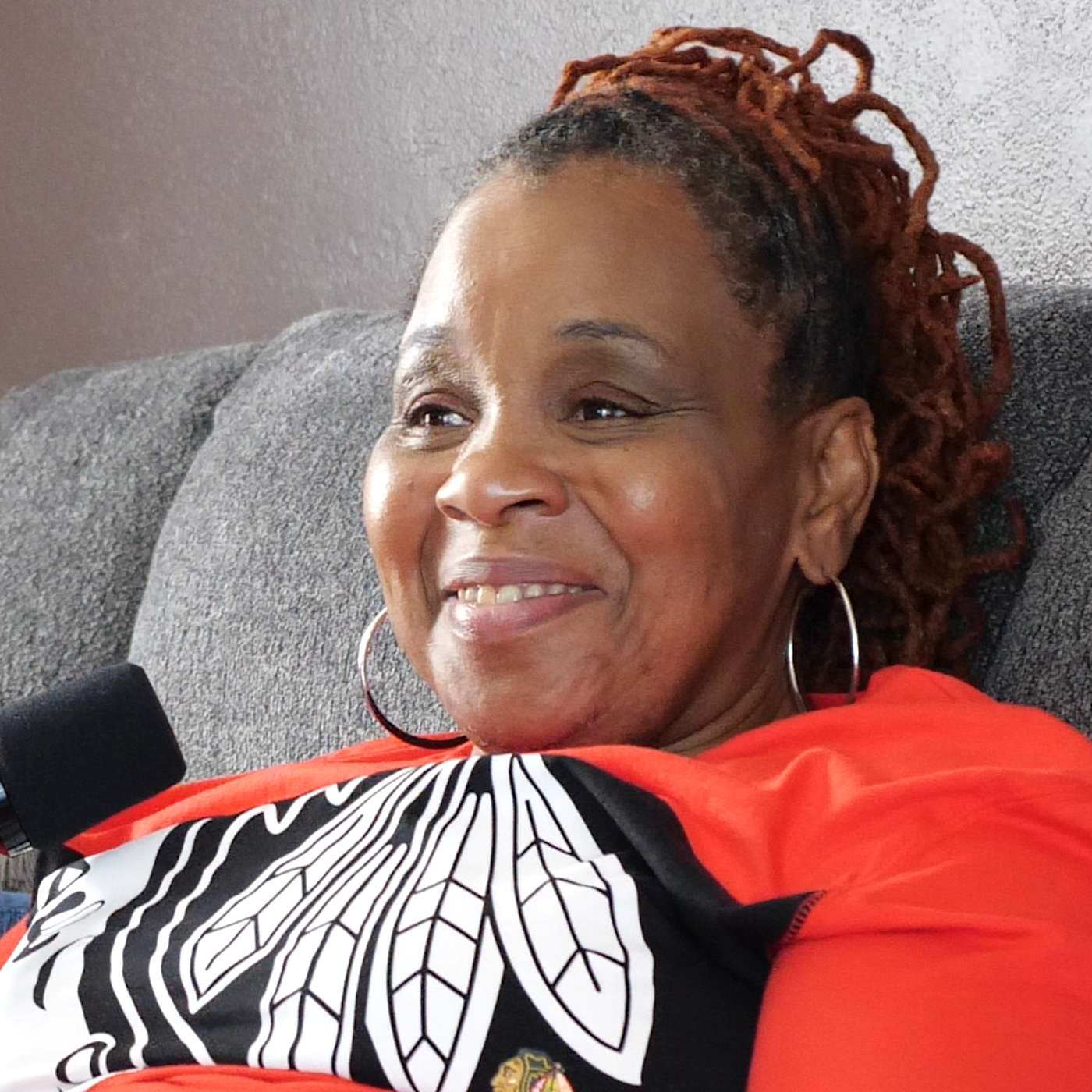
Virgia Brewer. To meet this wonderful woman today, you would have no idea she is a survivor of decades of abuse and trauma, beginning as a sexually exploited child – exploited and abused by family members no less, beginning at age seven. Now she is happy. Hear what made the difference.
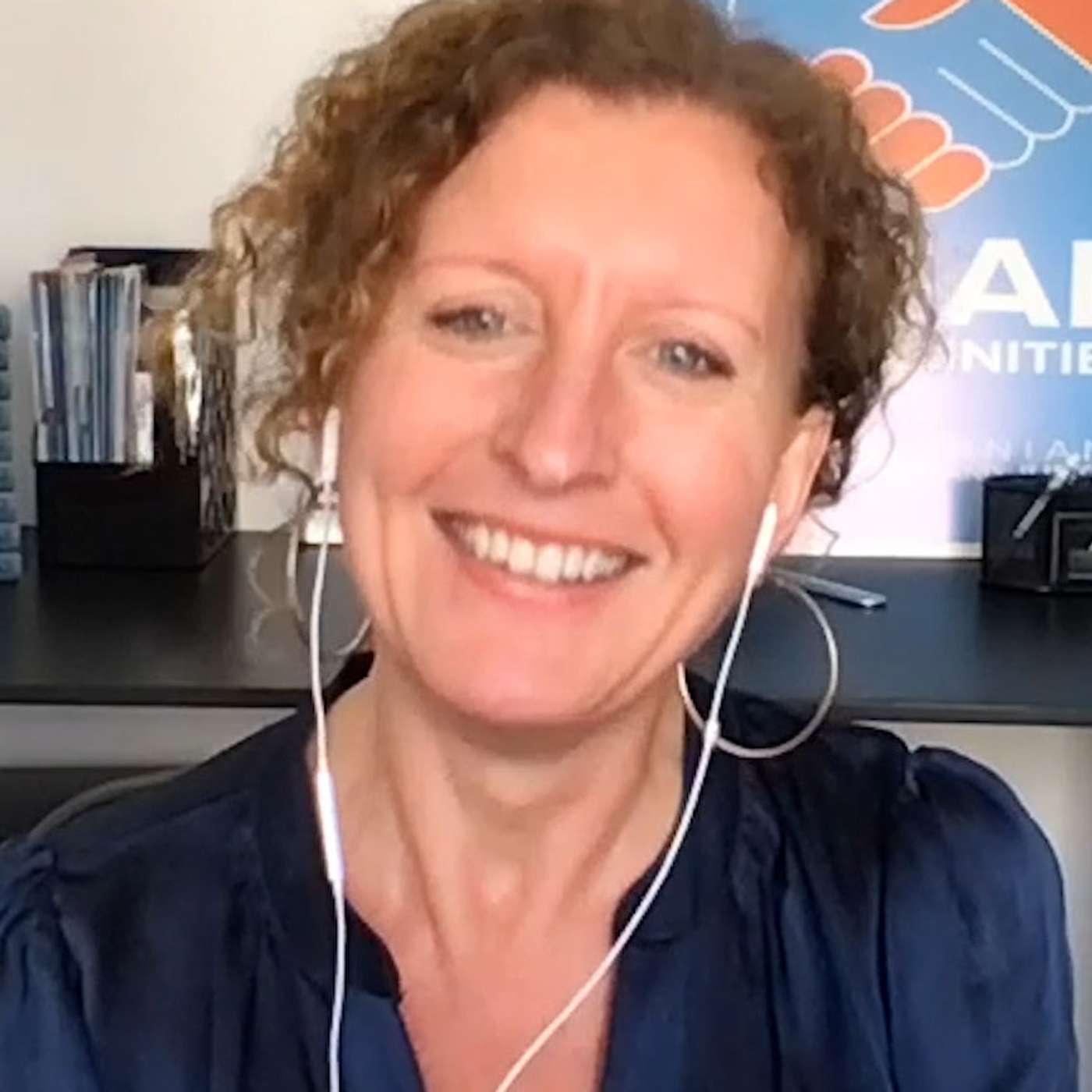
Lenore Anderson discusses the connection between victims' rights and public safety, and how increasing services for victims can reduce crime.
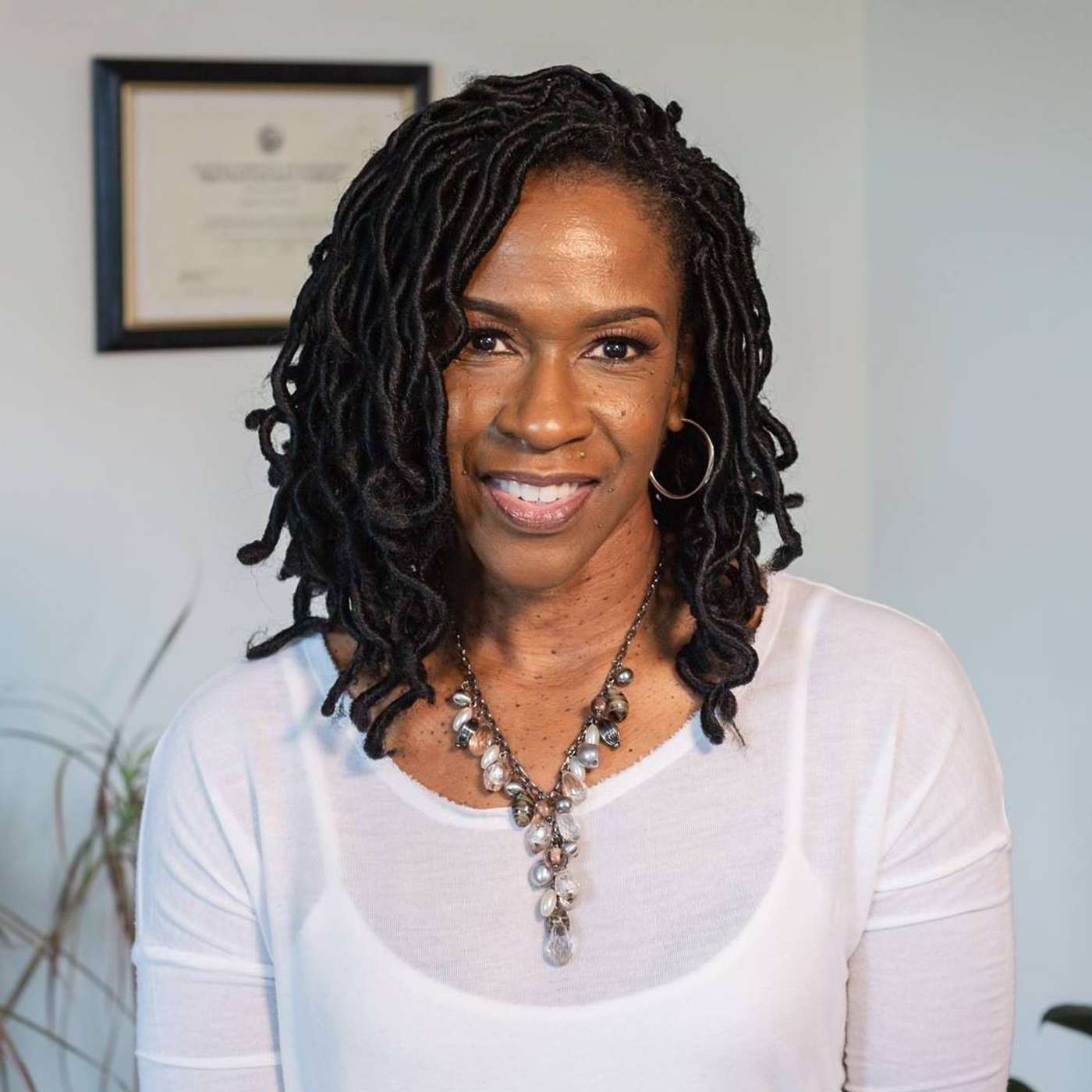
Lisa Daniels: Finding Healing Through Restorative Practices Lisa Daniels transformed her grief into purpose after forgiving her son’s killer. As founder of the Darren B. Easterling Center for Restorative Practices, —named after her son—she embodies the principles of restorative justice and the forgiveness teachings from Jesus’s Sermon on the Mount. Through her powerful story, Lisa […]
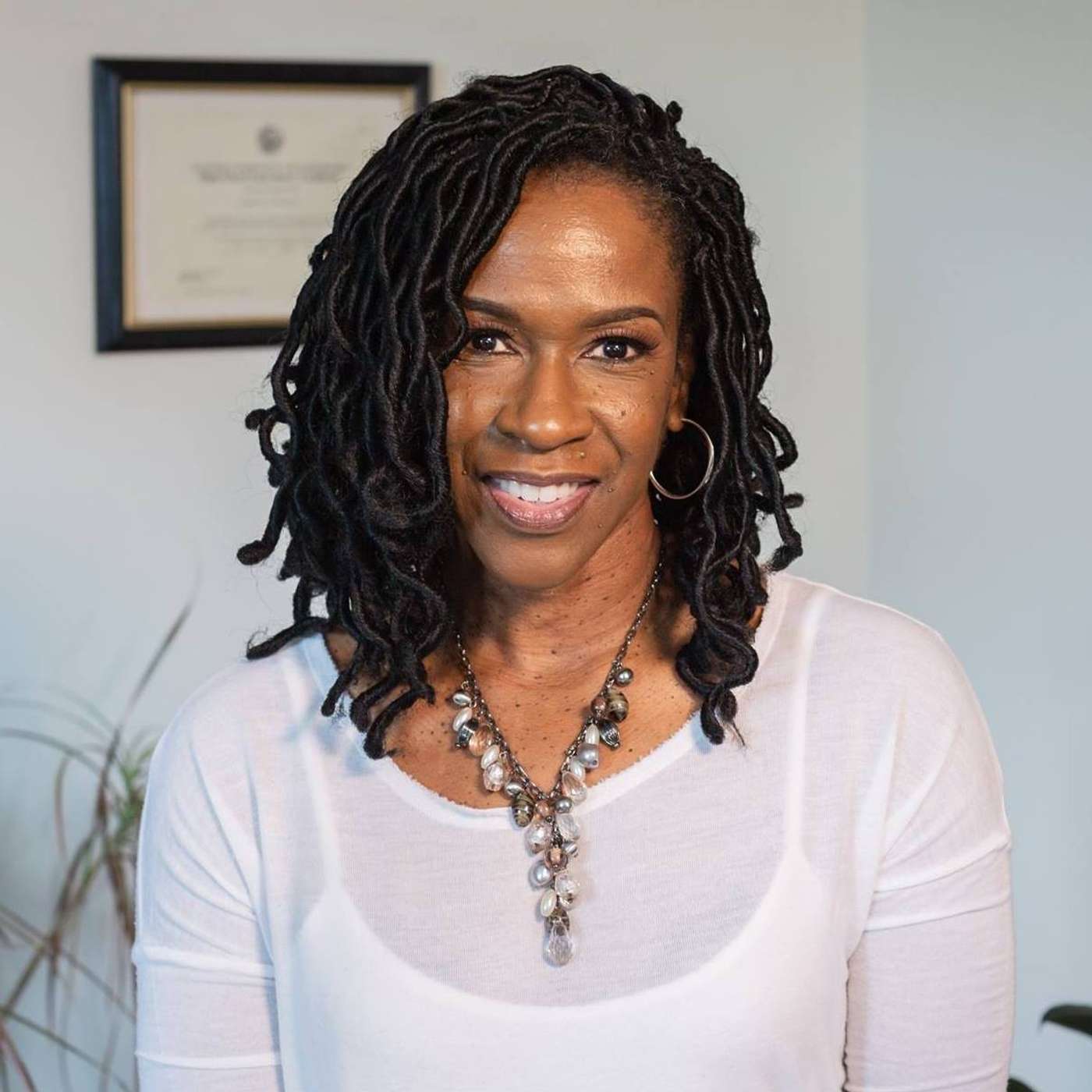
Lisa Daniels lives the principles of restorative justice as a mother who forgave her son's killer and asked for leniency at his sentencing.
On the eve of Christmas, David Risley challenges both the philosophical and moral underpinnings of our prevailing approach to criminal justice and punishment.
Part 2 of Michael Tafolla's story and his message about trauma, violence, transformation, and restorative justice.
Michael Tafolla shares part 1 of his story of childhood trauma from chronic victimization by gang-related gun violence and how as a teenager he became what he feared when he took up the gun, leading him to prison for murder, where he changed his life.
Pastor Jennifer Stephens shares her story of experiencing the trauma of victimization, self-medication with alcohol, jail and prison, support from church and family, reentry to community life after release, barriers faced because of her felony record – amounting to permanent punishment – resource recommendations for formerly incarcerated people in the Chicago area, her path to the ministry in the United Methodist Church, lessons learned, and her concluding message to the public about how to view formerly incarcerated citizens.
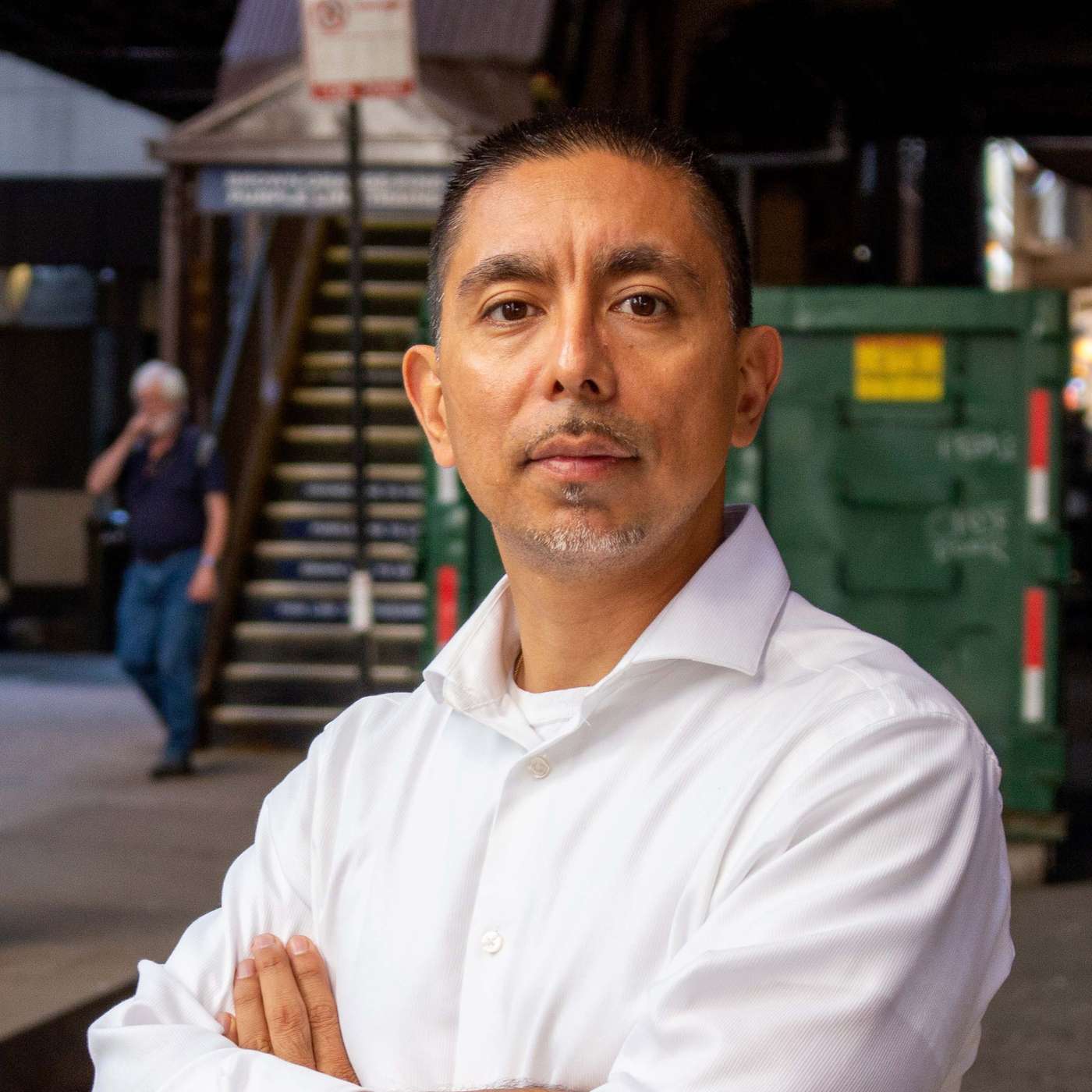
Eddie Bocanegra Video: His Journey from Gang Violence to READI Chicago Eddie Bocanegra grew up in Little Village on Chicago’s west side. His neighborhood felt like a combat zone. At 14, Eddie joined a street gang for protection, identity, belonging, and respect. By 18, he went to prison for a gang-related murder committed in retaliation […]
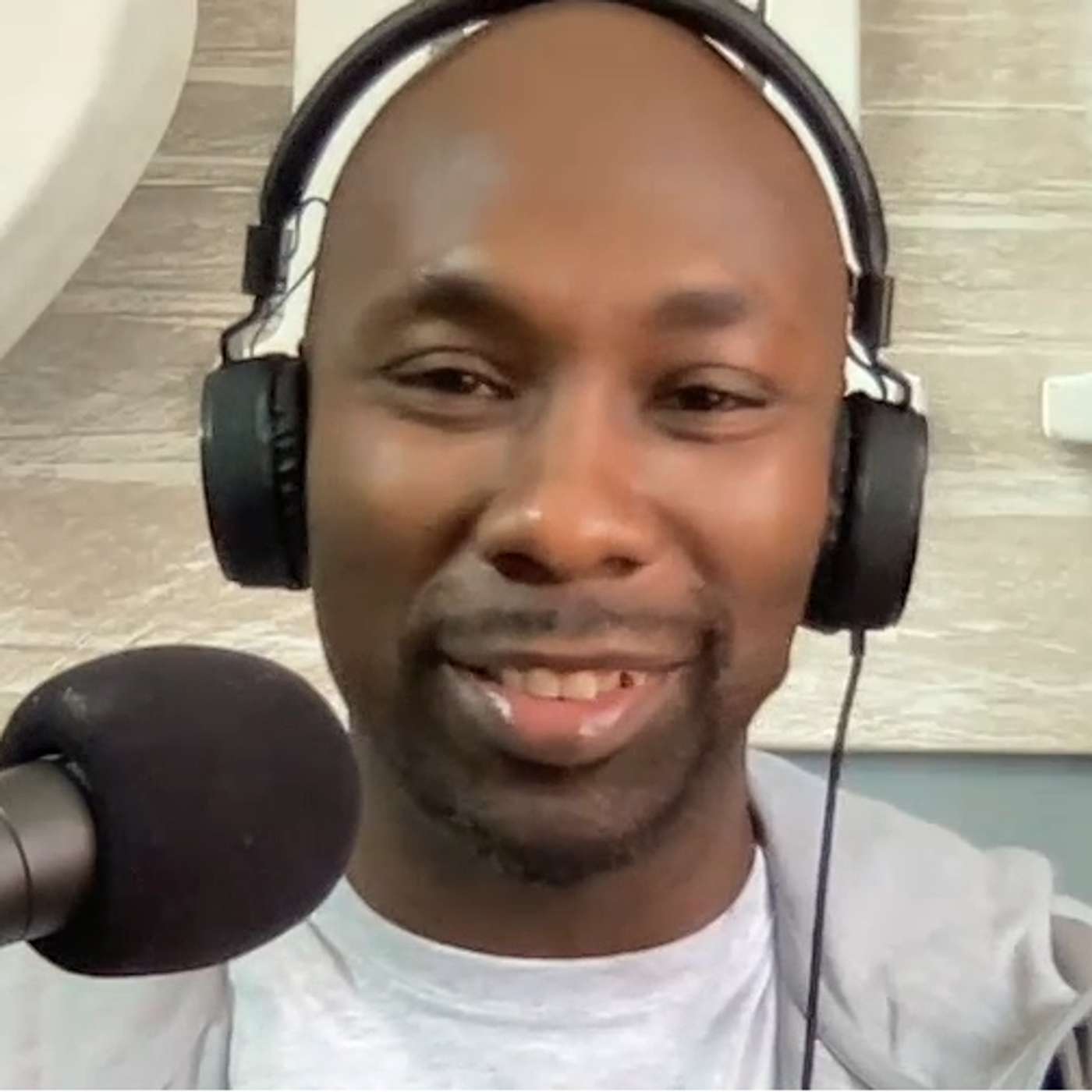
From a public safety policy and justice reform standpoint, this is one of the most important episodes of Justice Voices published to date. Richard Lovett, who prefers to go by the name Reality Allah, is the Reentry Coordinator for READI Chicago and a board member of the Fully Free campaign of Heartland Alliance. After Reality […]
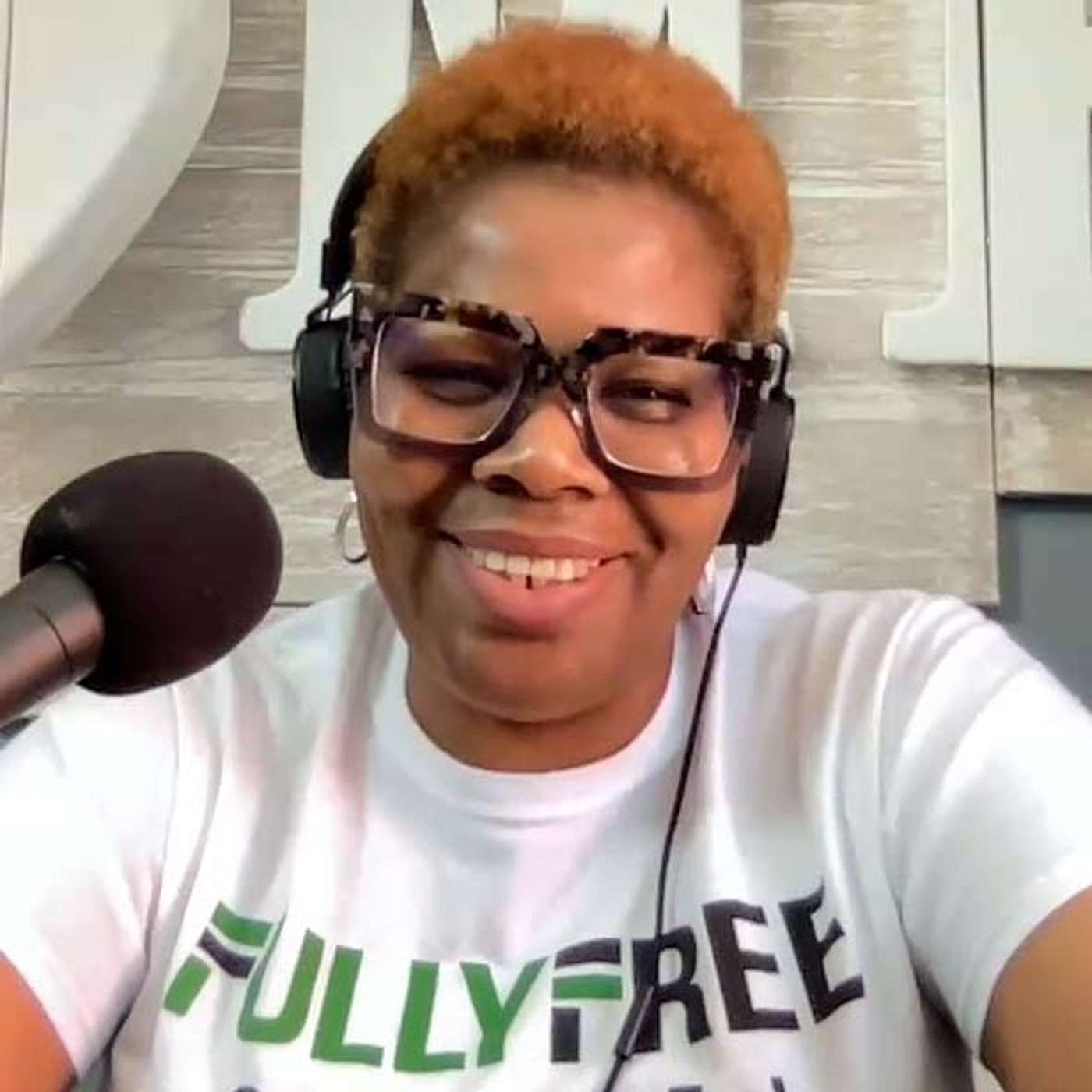
Willette Benford is Board Chair of the Fully Free campaign of Heartland Alliance. In this episode she tells the story of how she was convicted and sentenced to 50 years in prison, developed a transformational relationship with God, worked while in prison to improve her life and the lives of others around her, was released […]
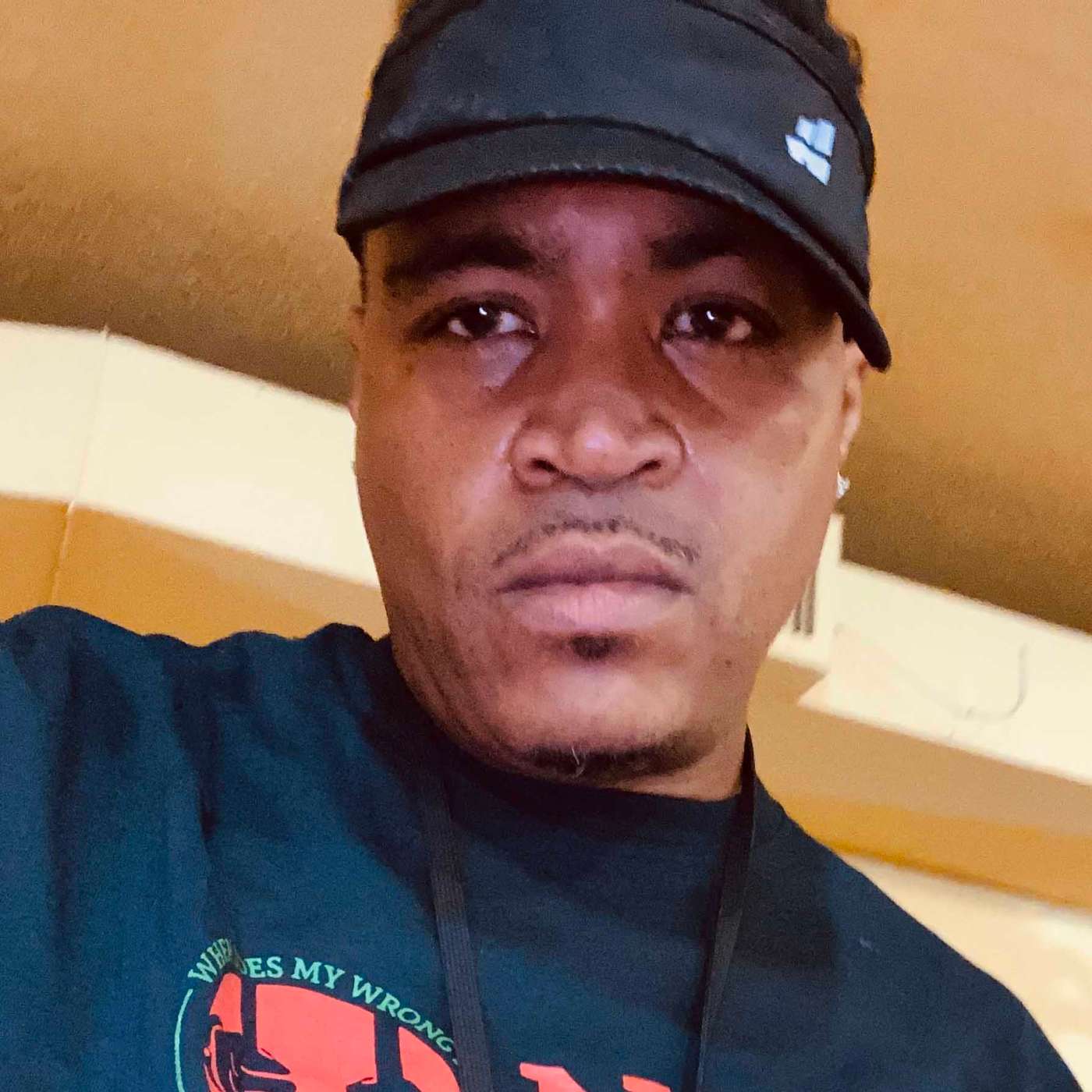
Cedrick Frison shares wisdom gained from the hard lessons of living life on the streets of the west side of Chicago, including the effects of drug use, the trauma of living with violence both at home and on the street, and going to prison nine times before breaking free from that cycle and becoming the […]

Comments

Download from Google Play

Download from App Store
 United States