


 Claim Ownership
Sound Systems
Subscribed: 0Played: 0
Subscribe

© Copyright 2026 Max Bernstein
Description
Unlock the secrets to building a thriving, streamlined music business on Sound Systems, hosted by Max Bernstein, Founder of Relationl.
Max is on a mission: to help the music industry move beyond spreadsheets and disconnected tools. Having founded a record label, festival, and tech platform himself, Max now designs custom, automated operating systems for music companies featured in Billboard and Rolling Stone.
Every episode dives into the day-to-day challenges of music management and operations. Max interviews music moguls and industry executives who are leveraging relational databases and workflow automation to achieve clarity, control, and massive scale.
If you're ready to stop wading through manual effort and start running your business with maximum efficiency and transparency, Sound Systems delivers the blueprint.
Max is on a mission: to help the music industry move beyond spreadsheets and disconnected tools. Having founded a record label, festival, and tech platform himself, Max now designs custom, automated operating systems for music companies featured in Billboard and Rolling Stone.
Every episode dives into the day-to-day challenges of music management and operations. Max interviews music moguls and industry executives who are leveraging relational databases and workflow automation to achieve clarity, control, and massive scale.
If you're ready to stop wading through manual effort and start running your business with maximum efficiency and transparency, Sound Systems delivers the blueprint.
11 Episodes
Reverse
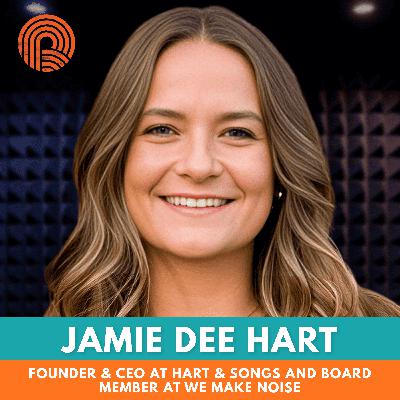
In this episode, host Max Bernstein sits down with Jamie Dee Hart founder of Hart & Songs, a music rights management expert who helps artists, writers, and management teams clean up registrations and collect the royalties they’re owed. Jamie breaks down the real-world consequences of skipping “boring admin” from unclaimed royalties that can expire after a limited retroactive window to situations where someone else claims your work in YouTube Content ID.Together, they walk through what actually needs to happen once a song is finished and released, collecting writer info and IPI numbers, locking in splits, registering songs with PROs and the MLC, setting up YouTube publishing monetization, and making sure sound recording royalties like SoundExchange aren’t missed. They also discuss how independent artists and managers can keep their catalog clean, avoid royalty delays, and be better positioned when opportunities and deals come along.Key Takeaways:Unregistered songs can forfeit past royalties after a limited retroactive windowSplit discrepancies can pause payouts until all parties agree to amendmentsPub admins help collect key royalties you can’t easily collect yourself (incl. YouTube publishing-side)Proper metadata (IPI, publisher info, ISRC) is essential for tracking and matchingManager checklist: PRO + pub admin + YouTube/Content ID coverage + SoundExchange performer setupKey Timestamps:00:00:00 - Jamie’s background in rights management00:04:57 - What artists lose when they don’t register00:07:10 - The retroactive window (why older streams can be gone)00:10:54 - Why a publishing admin is critical00:17:47 - Top-to-bottom workflow: splits, PRO, admin, ISRC00:21:06 - How split disputes delay royalties00:32:35 - YouTube, Music Reports/Peloton, SoundExchange, neighboring rights58:08:07 - Jamie’s 3-month cleanup + training approach01:01:00 - notes.fm and the “catalog health check” ideaFollow our guest, Jamie Dee Hart:LinkedIn: https://www.linkedin.com/in/jamiedhart/Hart & Songs LinkedIn: https://www.linkedin.com/company/hart-and-songs/Hart & Songs Website: https://www.hartandsongs.com/Instagram: https://www.instagram.com/jamiedeehart/?hl=enFollow the Host Max Bernstein:LinkedIn: a...
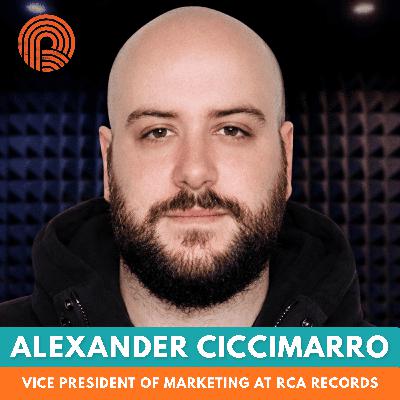
In this episode, host Max Bernstein welcomes Alexander Ciccimarro, Vice President of Marketing at RCA Records, to talk about the evolution of music marketing, artist branding, and the operational systems powering today’s record labels. From orchestrating viral blog-era moments to championing AI-driven label workflows, Alexander unpacks how he navigated a career from mixtape culture to music executive leadership.Together, they explore the critical role of systems design in the modern music business, the future of small, agile record labels, and why the labels of tomorrow will be built on a single source of truth. This episode is essential for marketers, artists, and operators rethinking how the industry can scale human creativity through smart infrastructure.Key Takeaways:How early message boards and viral rap moments launched Alexander into music marketingThe story behind launching Cardi B’s “Bodak Yellow” and other early Atlantic Records winsWhy “Same Plate” focused on fair, profit-sharing deals and the ethos of “Everyone Eats”How AI, no-code tools, and centralized systems are transforming label operationsWhy the future of music will be run by “rainmakers” empowered by lean teams and AIKey Timestamps:00:00 - Introduction to Alexander Ciccimarro04:40 - Hustling between NYC and ATL with Two-9 and Fatman Key13:10 - Launching Same Plate with a mission-driven label model19:00 - Fair deal structures and building the “Everyone Eats” ethos27:00 - Evolving personal branding and leadership in the digital age34:00 - Vision for the future: systems over chaos in label operations41:40 - Why AI won’t replace people, but systems will empower them47:00 - The single source of truth as the foundation of future labels49:00 - Final thoughts on systems, training, and the human-AI bridgeFollow our guest, Alexander Ciccimarro:LinkedIn: https://www.linkedin.com/in/alexander-ciccimarro-4185ba80/RCA Records LinkedIn: https://www.linkedin.com/company/rca-records/RCA Records Website: https://www.rcarecords.com/Follow the Host Max Bernstein:LinkedIn: https://www.linkedin.com/in/mberns01/X:
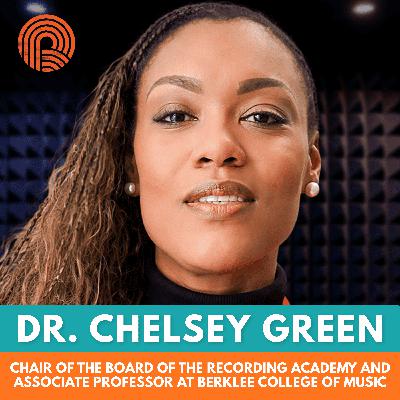
In this episode, host Max Bernstein sits down with Dr. Chelsey Green, a genre-crossing violinist, educator, and now Chair of the Board of Trustees at the Recording Academy. Known for her work as a classical and contemporary musician, Dr. Chelsey shares how a spontaneous open-mic performance led her down a transformative path, from performing with a touring R&B band to shaping the future of the music industry.This episode provides an inside look at what the Recording Academy does beyond the Grammy Awards, encompassing music education, professional development, advocacy, and global outreach. Dr. Chelsey also examines the Academy's stance on AI in music, the impact of peer-voted recognition, and why this moment is critical for community building and connectivity in the industry.Key Takeaways:How Chelsey Green transitioned from classical violinist to Chair of the Recording Academy BoardWhat the Recording Academy really does beyond the Grammy AwardsHow independent artists can submit music and earn nominationsWhy ethical AI and global connection are central to the Academy’s future visionHow creators and industry executives alike can plug into their local Recording Academy chaptersKey Timestamps:00:00 – Introduction to Dr. Chelsey Green02:37 – From open mic surprise to R&B bandleader05:21 – The Recording Academy’s mission beyond the Grammys10:15 – How creators can join and participate15:19 – How Chelsey's Grammy perspective has evolved19:12 – Demystifying the Grammy voting process22:07 – Grammy wins and the independent artist career boost30:36 – The potential and pitfalls of AI in music34:06 – Final thoughts for industry leaders and creatorsFollow our guest, Dr. Chelsey Green:LinkedIn: https://www.linkedin.com/in/drchelseygreen/Website: https://www.chelseygreen.com/, https://www.recordingacademy.com/, https://www.grammy.comInstagram: https://www.instagram.com/drchelseygreen/Facebook: https://www.facebook.com/GreenProjectTGP/Follow the Host Max Bernstein:LinkedIn: https://www.linkedin.com/in/mberns01/li...

In this episode, host Max Bernstein talks with Alessandro Viola, a classically trained percussionist turned low-code systems architect at Warner Classics. Alessandro shares his unique journey from growing up immersed in classical music to building internal software systems that are transforming the way classical record labels operate.He offers a rare look behind the curtain of the classical music industry, discussing how rights management and marketing works in the Classics genre. The conversation also dives deep into the no-code/low-code world, comparing tools like Notion and Airtable, and exploring how tech-savvy creatives can build impactful tools within their companies, often without writing a single line of code.Key Takeaways:How Alessandro transitioned from performer to tech lead at a major labelWhat it means to manage 400+ years of music in the modern recording industryThe role of classical music in today’s streaming and performance landscapeHow Airtable and Notion stack up for internal system building and knowledge managementWhy low-code tools are becoming essential infrastructure across creative industriesKey Timestamps:00:00 - Introduction to Alessandro Viola03:30 - Ownership and public domain of classical music catalogs09:00 - Classical music and pop music crossovers (Rosalía)13:00 - The future of classical music and modern trends17:26 - Building tools with Airtable and no-code platforms at Warner32:36 - setting-up tools with extra functionalities 45:00 - Closing thoughts on the future of low-code/no-code tools like notion and airtableFollow our guest, Alessandro Viola:Alessandro’s LinkedIn: https://www.linkedin.com/in/ale-viola/ Warner Music Group’s LinkedIn: https://www.linkedin.com/company/warner-music-group/ Warner Music Group Website: https://www.wmg.com/ Follow the Host Max Bernstein:LinkedIn: https://www.linkedin.com/in/mberns01/X: https://x.com/relationlcoFollow RELATIONL:Website: https://www.relationl.co/LinkedIn: https://www.linkedin.com/company/relationl/li...
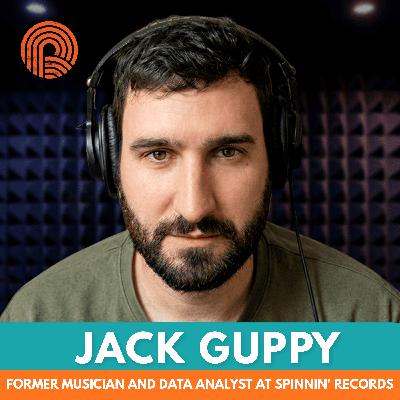
In this episode, host Max Bernstein talks to Jack Guppy, a former musician turned data analyst at Spinnin' Records. Jack’s journey from producing music in his bedroom to working with one of the most recognized dance labels in the world is both fascinating and insightful. Jack shares how his early passion for computer science and music production eventually led him to discover a career in data analytics.At Spinnin', Jack works on streamlining A&R processes using data tools, scraping Spotify and TikTok data to discover new trends and artists. He explains how AI is helping uncover opportunities in the music business, but also stresses the importance of human creativity in driving innovation in the industry. Jack gives listeners a behind-the-scenes look at how the music business has evolved in the digital age and offers tips for creatives on how to adapt, persevere, and thrive in an ever-changing landscape.Key Takeaways:Jack’s career transition from a recording artist to a data analyst at Spinnin’ RecordsThe role of data analytics in discovering emerging music trends and artistsHow AI is shaping the future of music production, but the enduring importance of human creativityJack’s experiences working with major dance music labels and how they balance agility with major-label infrastructureThe story behind Jack’s friend's success with "Wellerman" and its viral rise on TikTokPractical advice for aspiring creatives on navigating the music industry and the power of persistence and reinventionKey Timestamps:[00:00] – Jack’s unique transition from creative music to data analytics[01:00] – Advice for creatives looking to break into the music industry[02:25] – Jack’s career evolution from artist to business degree holder[06:15] – Opportunities and experimentation at Spinnin' Records[10:50] – what big break means to Jack[19:58] – Airtable’s influence on team collaboration and data management[23:51] – The future of AI in music discovery and production[27:21] – AI’s role in solving problems and creating opportunities[31:10] – Final thoughts on balancing AI and human creativity[36:46] – The importance of iterating and adapting to find success[37:53] – Success compounds over time through growth and learningFollow our guest, Jack Guppy:LinkedIn: https://www.linkedin.com/in/jackguppy/Spinnin' Records LinkedIn: https://www.linkedin.com/company/spinnin-records/Spinnin' Records website:
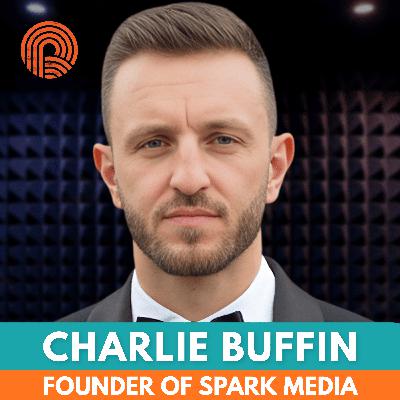
In this episode, Max Bernstein sits down with Charlie Buffin, founder of Spark Media, for a conversation that spans the explosive rise of influencer marketing, the business of digital creators, and launching an animated YouTube IP with global impact. Charlie shares his journey from a college entrepreneur managing teenage creators during the Musical.ly era to becoming a multi-platform creator agency leader and children’s content executive. He discusses how Spark Media supports brands and creators alike with end-to-end campaign services, why creator autonomy is non-negotiable, and how his Nigeria-based animation team helped build OmoBerry, a kids' edutainment YouTube channel that just crossed a billion views.Charlie also opens up about entrepreneurship, risk-taking, the importance of long-term thinking, and the core value that drives all his ventures: kindness. This is a masterclass in scaling creator businesses while staying grounded in values and vision.Key TakeawaysThe Evolution from Musical.ly to TikTok: How Charlie spotted early signals of TikTok’s potential and built Spark Media into a premier creator agency.Creator-Led Campaigns Drive Results: Why letting creators lead content strategy yields more authentic and effective brand integrations.Case Study: Skechers on TikTok: Behind-the-scenes of one of Spark’s most successful influencer campaigns during COVID.Building OmoBerry from Scratch: How Charlie co-founded a billion-view kids’ YouTube channel with a Nigerian animation team.Real Talk on Entrepreneurship: Lessons on risk, patience, and trusting your gut from someone who’s never had a boss.Key Timestamps00:00 – "Welcome to the show! Today, Charlie Buffin shares how he helped grow Addison Rae and Charli D'Amelio's TikTok accounts to 200K followers in just weeks."02:20 – The early days of Musical.ly and working with young influencers.08:05 – Spark Media now manages a diverse roster of 50 creators across platforms.16:00 – How aspiring creators can still break through if they’re creative.19:43 – Revenue through YouTube AdSense and merchandise for Omo Berry.25:50 – The importance of kindness in building long-term success.33:50 – Final thoughts on building a business and compounding skills.34:44 – Best way to get in touch with Charlie.Follow Our Guest, Charlie BuffinCharlie’s LinkedIn: https://www.linkedin.com/in/charlesbuffin/Charlie’s X: https://x.com/charlie_buffinLinkedIn Spark Media: https://www.linkedin.com/company/sparkmediala/OmoBerry -
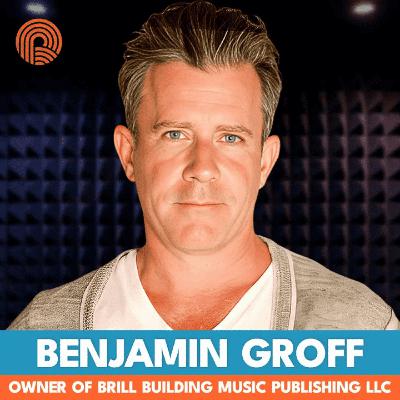
In this episode, Max Bernstein sits down with Benjamin Groff, a music publishing veteran with over 30 years of experience and owner of BRILL BUILDING MUSIC PUBLISHING LLC, to discuss his journey through the music industry, the changing landscape of music publishing, and how aspiring artists and songwriters can make their mark. Benjamin shares insights from his time at major companies such as BMG, EMI, and Kobalt, where he helped shape the modern music publishing landscape.He talks about the importance of discovering raw talent, the challenges of staying relevant in a fast-changing industry, and how his publishing company, Brill Building, is helping the next generation of artists. Benjamin also offers a candid take on the current state of songwriting and provides valuable advice for artists looking to succeed in today’s market, whether they use TikTok or stick to traditional methods.Key TakeawaysThe Kobalt Revolution: How Kobalt Music Publishing disrupted the industry with transparency and technology, and how Benjamin played a key role in its early success.Spotting Raw Talent: Benjamin discusses how he identifies the potential in songwriters and artists, even before they become household names.Adapting to Industry Changes: The impact of evolving production styles and how great songs can remain timeless despite changing musical tastes.The State of Songwriting Today: Why Benjamin believes the caliber of songwriting today doesn’t match previous decades and the challenges facing modern songwriters.Independent Artists and Publishing: Why independent artists are thriving in today’s music business, and how to build a career without relying on major record labels.Key Timestamps[00:00] – Introduction to Benjamin Groff and his early career[02:00] – How Kobalt Music Publishing revolutionized the industry[05:20] – Why Benjamin left Kobalt to start Brill Building[06:55] – The risks Benjamin took with his first big signing and how it paid off[09:30] – How Benjamin identifies talent and what he looks for in a great song[11:55] – The evolution of music and why some songs remain timeless[14:30] – The state of modern songwriting and how quality has changed[16:12] – How independent artists can succeed without a record deal[20:43] – Benjamin’s book Sign Yourself and advice for songwriters[25:40] – Closing thoughts on the future of music publishing and mentorshipFollow Our Guest, Benjamin GroffBenjamin’s Website: https://www.brillbuilding.com/aboutLinkedIn: https://www.linkedin.com/in/benjamin-groff/ span...

In this episode, Max Bernstein talks to Matthew Hoffman, Founder of Trusted Advisor, a membership group connecting professionals in music, entertainment, and sports. Matthew discusses the evolution of his business, which started in 2020 amid the pandemic, and how he’s built a thriving community of advisors who work closely with high-profile clients. He shares his journey from architecture to entrepreneurship, and how Trusted Advisor focuses on creating valuable relationships in a low-pressure, resource-driven environment.Key TakeawaysThe origin story of Trusted Advisor and its growth from a small networking group to an international presenceThe role of business managers, accountants, and attorneys in the entertainment industry and how they work togetherWhy Trusted Advisor prioritizes a membership model over sponsorship-driven eventsThe value of personal connections and how the community benefits from in-person eventsFuture expansion plans for Trusted Advisor, including growth into the Middle East and further international developmentKey Timestamps[00:00] – Introduction: Meet Matthew Hoffman, Founder of Trusted Advisor[01:03] – The founding of Trusted Advisor during the pandemic and early growth[02:46] – The importance of business managers and advisors in entertainment and sports[05:00] – Why Trusted Advisor doesn’t rely on sponsorship-driven events[07:00] – The success of trusted in-person networking events and summits[09:50] – Handling the challenges of event planning and unexpected hiccups[13:04] – The benefits of a digital network for members to stay connected[22:21] – Expanding internationally: Growth in the UK, Switzerland, and the Middle East[25:43] – The role of partnerships and the membership model in Trusted Advisor’s success[29:30] – How to connect Trusted Advisor Follow our guest, Matthew Hoffman:LinkedIn: https://www.linkedin.com/in/matthewdavidhoffman/Company’s LinkedIn: https://www.linkedin.com/in/matthewdavidhoffman/Website: http://trustedadvisor.la/Follow the Host Max Bernstein:LinkedIn: https://www.linkedin.com/in/mberns01/X: https://x.com/relationlco Follow RELATIONL:Website: https://www.relationl.co/LinkedIn: https://www.linkedin.com/company/relationl/Instagram: https://www.instagram.com/relationlco/
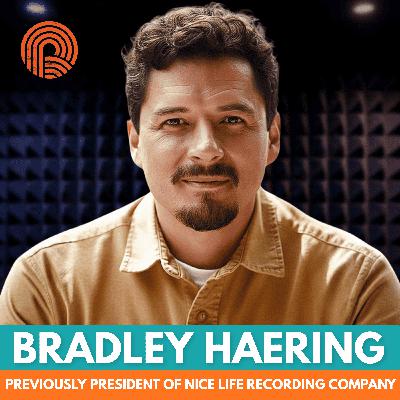
In this episode, host Max Bernstein interviews Bradley Haering, former President of Nice Life of Nice Life Recording Company. Bradley shares his journey from shoe store employee to label exec, discussing his pivotal role in Lizzo's breakthrough and his vision for a more individualized and sustainable approach to artist development. He also explores the evolving landscape of social media, particularly TikTok, and the need for record labels to adapt to each artist's unique needs.Key Topics:Early Career and the Start of Nice Life: Bradley’s journey from working in retail to A&R, and eventually helping to launch the record label Nice Life.Lizzo’s Rise to Fame: How Nice Life signed Lizzo and how live performances, streaming platforms, and viral social media shaped her breakthrough moment.Artist Development & Mental Health: The importance of mental health support in artist development and Bradley’s plans to integrate therapy into the music industry.Social Media and TikTok’s Role in Music Promotion: How TikTok has become a crucial tool for artists to promote their work and connect with fans in a new way.The Need for an Artist-Centered Label: Bradley’s vision of a label model that prioritizes mental health, individualized artist development, and long-term success.Future of the Music Industry: The potential impact of AI and other tech advancements on the music business and the importance of focusing on human-centered artist development.Episode Highlights and Timestamps:00:00 – Introduction: Success, goals, and unmet expectations00:10 – Who Bradley Haering is and his career background01:40 – How Bradley met Ricky Reed and the origin story02:51 – Becoming employee #1 at Nice Life and early label experience03:46 – Lizzo’s early challenges with streaming and playlists05:00 – The “Truth Hurts” breakthrough and Netflix sync moment06:00 – Viral moments and Lizzo’s rise through social media07:00 – Lizzo’s early adoption of TikTok and creator mindset08:52 – Why Bradley left Nice Life and his views on artist pressure10:43 – Merging artist development with mental health support11:30 – Bradley’s journey to becoming an LMFT18:30 – His vision for a new, artist-centered label model23:45 – Why a record label (not management) fits his vision24:54 – Closing thoughts and future plansFollow our guest, Bradley Haering:LinkedIn: https://www.linkedin.com/in/bradleyhaering/ Follow the Host Max Bernstein:LinkedIn: https://www.linkedin.com/in/mberns01/X: https://x.com/relationlcoFollow RELATIONL:Website: https://www.relationl.co/LinkedIn: https://www.linkedin.com/company/relationl/Instagram: https://www.instagram.com/relationlco/
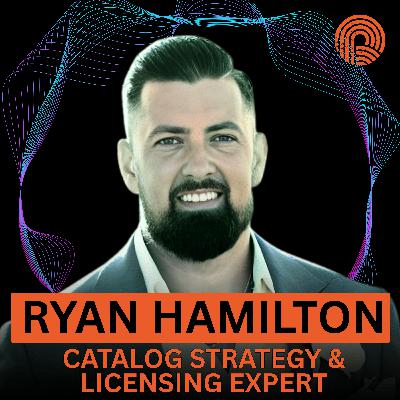
In this episode, host Max Bernstein interviews Ryan Hamilton, Founder of Catalog Management Services, who discusses his transition to working for himself in the dynamic world of music tech and catalog optimization. With nearly 20 years in the music business, from A&R and Live Nation to publishing, Ryan offers an insider's perspective on managing client acquisition and creative work, the value proposition of working in the music tech community, and the intricacies of music licensing for digital platforms. He unpacks his job description, which involves digital strategy and ensuring rightsholders (publishers and labels) get top-notch royalties and fair deals. 🔑 Key Topics:Self-Employment Balance: Juggling client acquisition/business development with providing creative value for current clients.Music Tech's Role: Ryan's "digital strategy" work grows revenue streams by clearing songs for platforms (gaming, e-learning, Spotify) and protecting clients' interests.Digital Licensing: Compulsory platforms like Spotify are handled by the MLC; platforms like TikTok or Facebook/Instagram require direct deal negotiation with advances.Frontline vs. Backline Catalogs: Frontline involves new release support and marketing; backline (acquired catalogs) focuses on optimization, as no catalog is "passive".Metadata Failure: The industry's biggest mistake is the lack of a centralized, one-fix-all metadata solution.Independent Artist Checklist: Register your works by getting a PRO license (ASCAP or BMI) and registering with the Mechanical Licensing Collective (MLC).⌛ Episode Highlights and Timestamps:[00:00] - Trailer and introduction[02:43] - Ryan's 20-year career trajectory in the music business.[04:12] - Explaining the job: Clearing catalogs and protecting rightsholders on new platforms.[05:08] - Client split between publishing and sound recording (masters).[06:57] - Negotiation for non-compulsory platforms like TikTok, Facebook, and Instagram.[08:24] - Advice to a tech founder on licensing strategy.[12:52] - Deal size threshold: From zero to "multiple six-figure deals".[14:09] - The difference between working with the frontline (timely releases) and the backline (acquired catalogs).[16:43] - Selling a catalog: Strategic vs. non-strategic (private equity) buyers.[23:04] - Strategy when a song has a cultural moment/goes viral (e.g., Fleetwood Mac/Ocean Spray).[28:20] - Are private equity companies making money on catalog investment? Yes, with...
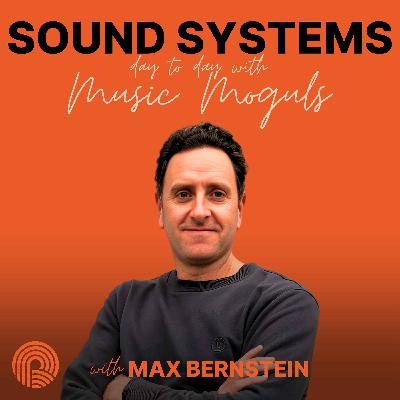
Ready to ditch spreadsheets and run your music business like a machine? Join Max Bernstein, founder of Relationl, as he talks with the industry’s biggest operators about the systems, automation, and workflows powering today’s top music companies.From behind-the-scenes management challenges to the cutting-edge systems driving Billboard- and Rolling Stone–featured companies, Sound Systems will show you how today’s top teams are achieving clarity, control, and unprecedented scale.Fast insights. Real tools. Smarter operations.If you're ready to shed manual chaos and operate with true efficiency and transparency, stay tuned — Sound Systems is your blueprint for building the music business of the future.Coming soon to your favourite podcast platform!
Comments


Download from Google Play

Download from App Store
 United States