


Hacks and Hobbies with Junaid Ahmed
Subscribed: 22Played: 7,638
Subscribe

© Junaid Ahmed
Description
Hacks & Hobbies is where passions turn into profit stories.
Host Junaid Ahmed interviews entrepreneurs, creators, and builders who are turning what they love into real momentum—income, confidence, community, and impact. Expect practical takeaways on podcasting, video content, home studios, personal branding, systems, and mindset—so your next idea doesn’t stay “someday.”
If you’re building something (a show, a brand, a business, a better version of yourself), you’ll feel at home here.
🎙 Wanna be a guest? Apply on PodMatch: https://www.podmatch.com/member/hacksandhobbies
📖 Home Studio resources: https://homestudiobook.com
🔗 LI: https://linkedin.com/in/superjunaid
732 Episodes
Reverse
He survived hurricanes, built a system in his backyard — and then built a company that took on the solar incumbents.
In this raw, curiosity-driven conversation James Showalter explains how necessity, grit and obsessive customer focus turned a DIY garage project into a hardware and battery empire that scaled to tens of millions without VC. Expect candid stories about broken batteries, brutal permitting, value-driven pricing, and the moment he decided to build a “Solar Home Depot.”
James unpacks practical technical lessons, the human side of selling resilience, and the strategic playbook he used to scale with tight cash, multiple “exit doors,” and a relentless obsession with transparency. If you want to understand how everyday homeowners can actually win against the power company — and why batteries matter more than you think — this episode is a field guide.
Key takeaways:
How blackout-driven curiosity evolved into a repeatable business model for resilient home energy.
Why upgradeability, batteries and honest pricing beat flashy sales tactics every time.
The procurement and risk-management tricks James used to scale to $70M without VC.
Why whole-home battery backup changes the value equation of residential solar.
The regulatory and permitting bottlenecks that block adoption — and practical workarounds.
Timestamps:
00:00 — Intro: How hurricanes shaped a founder’s obsession
01:53 — The spark: First DIY systems and early tech mistakes
05:14 — Doubling capacity: panels vs. batteries — what actually moved the needle
08:59 — From hobby to business: the moment neighbors became customers
12:04 — Breaking industry norms: building a transparent “Solar Home Depot”
16:51 — Scaling without VC: cash discipline, exit doors and procurement plays
23:39 — Why batteries matter: whole-home backup vs. day-only solar
Guest links:
LinkedIn (James Showalter):
https://www.linkedin.com/in/james-showalter-9a0599156/
SEO & distribution notes (optional to include with episode):Use keywords: James Showalter, Signature Solar, EG4, Solar76, DIY solar, battery backup, residential energy independence, solar permitting, solar procurement. Suggested episode description for platforms: “James Showalter explains how hurricane survival led to building a solar hardware business that prioritizes transparency, batteries, and real resilience — scaled to millions without VC.”
Learn more about your ad choices. Visit megaphone.fm/adchoices
From telemarketing to shaping New York Times bestsellers — Tom Freiling’s publishing journey is a lesson in curiosity, grit and human storytelling.
In this episode Tom pulls back the curtain on 30+ years in publishing, the shift from bookstore gatekeepers to Amazon-era discoverability struggles, and why the rise of AI makes the uniquely human elements of a book more valuable than ever.
Tom shares hard-won operational lessons (how a bootstrap mindset scales), the mistakes that make self-published books “dead on arrival,” and practical frameworks for coaches, founders and creators who want to turn lived experience into a book that actually sells.
Five key takeaways
The bookstore era vs. the Amazon era: discoverability changed — best‑seller lists and reviews now act as gatekeepers.
Bootstrapping shapes smarter decisions: founders without outside capital often make fewer costly mistakes.
Common rookie error: one small oversight in writing, packaging or distribution can make a book DOA.
AI is accelerating book production, but readers detect the lack of genuine human voice — inject your story, imperfections and point of view.
Break a book into bite-sized chunks and always write with the reader’s problem/solution in mind, not just your life story.
Timestamps
0:00 — Intro: How Tom’s accidental telemarketing job became a 30‑year publishing career3:30 — The Viktor Frankl lesson: why concise, meaningful books win readers’ hearts8:00 — Then vs. now: bookstores as gatekeepers and the Amazon discovery problem12:35 — Building to acquisition: first‑mover advantage + bootstrap discipline17:00 — Common first‑time author mistakes that kill book launches (DOA books)22:45 — Print on demand vs. large runs: logistics when a book unexpectedly sells out23:50 — AI and authorship: spotting AI manuscripts, why human stories still matter31:25 — Practical starter steps: breaking the book into chunks and focusing on reader outcomes
Guest links
Website: https://freilingagency.com
Recommended reading mentioned
Viktor Frankl — Man’s Search for Meaning
SEO & diary-style pitch (one-liner for socials) A raw, curiosity-driven conversation with Tom Freiling — from selling books by phone to shepherding bestseller authors — about why AI will flood the market, and why the human story is now the competitive advantage every author needs.
Learn more about your ad choices. Visit megaphone.fm/adchoices
What if everything you’ve been taught about social media growth is wrong?
In this episode, returning guest Dan Schinder — founder of Drum Talk TV, a global media brand reaching over 100 million people a year organically — breaks down how he did it without ads, SEO tricks, or jumping on every “trending” hack.
From celebrating 10+ years of Drum Talk TV and launching a virtual membership playground for music fans, to dismantling the “hashtag hustle” and exposing how most creators are just copying the herd, Dan shares a radically simple but deeply disciplined approach to content, community, and long-term brand building.
If you’ve ever felt exhausted by algorithms, confused about what to post, or pressured to follow every new social media “rule,” this conversation will reset how you think about marketing, audience growth, and creating content that actually converts.
In this episode, you’ll learn:
How Drum Talk TV still reaches ~100M people a year organically across platforms
Why video is still king—and the only thing that really matters in the first 10 seconds
The hashtag strategy almost everyone gets wrong (and how Dan “brands” hashtags to win)
How to turn social media from a shouting match into a community engine
The content ratio Dan uses: 70–80% community, 20–30% promotion—and why it works in any niche
Timestamps
[0:00:27] Dan returns: from pro drummer to global media brandHow Drum Talk TV went from an idea to a worldwide platform and what’s changed since his first appearance.
[0:03:31] Reaching 100M people a year — with zero ad spendDan explains how Drum Talk TV still “crushes it” despite algorithm changes and without paying for traffic.
[0:04:16] Inside the Drum Talk TV membership “virtual playground”The 3D virtual theaters, live stream concerts, fan Q&As, and why he built a platform away from social media chaos.
[0:07:35] TikTok, logos, and when AI gets it wrongWhy TikTok keeps flagging Drum Talk TV content and how that’s shaping their platform decisions.
[0:08:45] The evolution of video: from 3‑minute rules to 15‑second hooksHow Facebook’s monetization rules changed, why shorter marketing videos now work, and what stayed the same.
[0:10:25] “Video is still king” — and what actually drives viewsDan reveals what truly matters more than hashtags, trends, or algorithms when it comes to watch time.
[0:10:51] The brutal truth about hashtags and the “herd mentality”Why “trending” hashtags don’t help you, how to brand your own hashtags, and how that changed Drum Talk TV’s searchability.
[0:17:48] Depth over vanity: building real action from contentJunaid shares his beekeeping story as a perfect example of niche content leading to real-world action.
[0:25:27] Escaping the herd: succeeding beyond “monkey see, monkey do”Dan’s framework for creating content that gives value, builds brand love, and actually sells—without spamming.
[0:27:55] Community content for any business (even a pooper‑scooper company)How to find endless “community-building” content ideas for car dealerships, nurseries, and the toughest niches.
[0:31:21] Why spammy outreach fails and real marketing winsA candid look at spam on LinkedIn, email, and why most people refuse to truly learn marketing.
Key Takeaways (DOAC‑style, curiosity‑driven)
You don’t need ads to grow big. Drum Talk TV reaches about 100 million people a year organically by focusing on content, not spend.
Hashtags are not what you think. Dan argues most people are playing the “hashtag hustle” wrong and shows how branded hashtags make your content discoverable and measurable.
Short vs. long video isn’t the real question. The first 10 seconds of your video matter more than length, format, or platform if you want real watch time.
Stop posting like a walking billboard. Dan recommends 70–80% community-building content and only 20–30% promotional—or your audience will tune you out.
Think like a human, not a marketer. From car dealerships to pooper scooper services, the brands that win are the ones that teach, entertain and help first, then sell.
Guest Links – Dan Schinder
Drum Talk TV Membership (Virtual Playground):https://drumtalktvbrilliance.comUse code DTTVBDANFREE (all caps) for 1 free year of the first premium level (no strings attached, as mentioned in the episode).
Drum Talk TV (Main Brand):Likely via Facebook & other platforms — search “Drum Talk TV” on:
Facebook
YouTube
Instagram
X (Twitter)
Dan Schinder on LinkedIn:Search “Dan Schinder Drum Talk TV” on LinkedIn to connect with him and see more of his content and training.
Instagram (Brand):Search “Drum Talk TV” on Instagram for curated drummer and music content, event coverage, and show clips.
Learn more about your ad choices. Visit megaphone.fm/adchoices

What happens when a shy finance kid, terrified to go on camera, commits to doing 30,000 interviews?
In this raw and inspiring conversation, Adam Torres, co-founder of Mission Matters and host of a top 2.5% global podcast, reveals how he went from managing millions in assets as a financial advisor to building one of the most prolific interview catalogs in modern media. He shares the divine moment that pushed him out of a safe 14-year finance career, the flood that destroyed his hard-earned licenses in one night, and why he believes the next generation of creators has more leverage than Oprah, Johnny Carson, or Howard Stern ever did.
If you’ve ever felt called to start a podcast, write a book, or simply tell your story—but doubted your talent, credentials, or confidence—this episode will challenge your excuses and give you a concrete, numbers-driven way to think about your impact and legacy as a creator.
You’ll learn:
How a “$5 product” (a book) accidentally changed Adam’s entire life and career
Why he believes story is one of the most underused business assets in the world
The divine flood moment that made him throw his licenses in the trash and go all-in on media
The 30,000-interview rule he discovered from studying Oprah, Carson, Letterman & Larry King
Why modern creators have a distribution advantage over every media great in history
Timestamps
[00:01:18] From shy finance kid to media founderAdam explains his 14-year career in finance, how a mentor forced him to “write a book,” and why he massively underestimated the power of story and communication.
[00:03:20] The first book that changed everythingHow speaking a book into a recorder, getting it transcribed, and publishing it led to a 400-author publishing company and over 6,000 interviews.
[00:04:20] “I was the world’s worst podcaster”Adam shares why he didn’t use his real name at first, did 1,500 audio-only interviews before ever going on camera, and why he wants everyone to “get in the game.”
[00:06:41] The divine flood that ended a 14-year finance careerThe night Adam prayed for direction, woke up with water on the floor, found all his degrees and licenses destroyed—and decided to throw them out and go all in on Mission Matters.
[00:09:18] A different kind of “good”: why media felt like a callingThe contrast between helping people with money and helping people with transformational stories—and why the second kind of impact felt “uncommon” and undeniable.
[00:12:44] Mission, faith, and the cost of choosing the harder shipTalking about God, trust, and why pursuing media felt insane to everyone around him—yet made the most sense to him spiritually and strategically.
[00:15:00] The 30,000 interview rule (and why you now have the advantage)What Adam learned from studying Oprah, Johnny Carson, David Letterman, Larry King and others—and why today’s creators can surpass them because of public, searchable distribution.
[00:18:31] Rapid fire: the one hobby, one book, and two dream guestsAdam’s biggest regret (not starting podcasting sooner), the entrepreneurial book that could have saved him millions, and the two artists he would love to interview.
Key Takeaways
Story is an asset, not a luxury. Adam went from dismissing books as “$5 products” to realizing that one book could build a publishing company, a podcast network, and an entire media brand.
You don’t need to start polished—you need to start. He was so afraid of being bad that he used a different name and stayed off camera for 1,500+ interviews… and still built a top 2.5% podcast by sheer volume and persistence.
Faith + evidence can redirect an entire career. A single flooded apartment, ruined licenses, and a prayer for clarity pushed Adam to leave a stable, well-paid finance career for an uncertain media path.
Volume creates mastery and leverage. By aiming for 30,000 interviews, Adam treats interviews like reps in the gym—believing that volume across decades will create one of the largest public catalogs in entertainment history.
Modern creators have a historic advantage. Unlike legacy hosts whose archives are locked behind networks and paywalls, today’s podcasters can own and publicly distribute every piece of content, compounding reach over time.
Guest Links
IG: https://www.instagram.com/askadamtorres
LinkedIn: https://www.linkedin.com/in/adamtorres8/Tiktok: https://www.tiktok.com/@askadamtorresFacebook: https://www.facebook.com/MissionMattersBusinessWebsite: https://missionmatters.com/YouTube: https://www.youtube.com/@MissionMattersBusinessX: https://x.com/askadamtorresAmazon: https://www.amazon.com/stores/author/B01MZ6GIJ0?ccs_id=7a72aea5-381a-4eec-a19b-e4422c041c31
Learn more about your ad choices. Visit megaphone.fm/adchoices

He built a cutting‑edge healthtech company at MIT. Then, in one brutal week, he lost his company, his relationship, and turned 30 — and walked away from everything.
In this episode, Junaid sits down with David Schafran, an MIT‑trained entrepreneur who traded boardrooms and burnout for salsa, soul, and full‑body healing in Medellín, Colombia. David went from building smartphone‑based eye diagnostics to building transformational dance immersion retreats for founders, high performers, and “two‑left‑feet” beginners.
David explains why success without emotional fulfillment is a trap, how salsa became his therapy when nothing else worked, and why immersion — not dabbling — is what truly rewires your internal state. If you’ve ever felt numb, overworked, or disconnected from your own joy, this conversation will challenge what you think “work,” “play,” and “healing” are supposed to look like.
In this episode, you’ll learn:
How an MIT startup founder hit emotional rock bottom and found healing through dance in Colombia
Why dance is a “feeling art first, visual art second” — and what that teaches us about authenticity
How continuous immersion (not a weekend hobby) can permanently shift your identity and inner state
Why high performers and tech professionals are starving for real human connection in an AI-driven world
Practical ways to start dancing — even if you think you have “two left feet” and have never moved to music in your life
Timestamps
00:00 – From Hacks & Hobbies to Healing JourneysJunaid introduces David, the MIT entrepreneur who walked away from startups into salsa and soul.
01:27 – MIT Startups, Eye Care, and the Cost of Ignoring JoyDavid shares his first company, smartphone eye diagnostics, and the subtle burnout he didn’t see coming.
03:13 – From Helping Others to Forgetting HimselfHow a mission to empower others left David emotionally empty — and why mindset and feelings matter more than any product.
04:59 – What Dance Gave Him That Business Never CouldThe emotional honesty of salsa, why dance is for your inner world not the audience, and how it balances the “bureaucracy of business.”
08:00 – AI, Empathy, and the Crisis of Human ConnectionJunaid and David on AI’s surprising empathy… and why physical presence, touch, and real-world connection still matter more than ever.
11:12 – One Week That Changed Everything: Breakup, Exit, 30Leaving his company, ending a relationship, turning 30 — and why Medellín, salsa, and immersion became David’s therapy.
16:00 – Inside a Salsa Immersion in MedellínWhat actually happens in David’s week‑long dance retreats: one‑on‑one training, cultural experiences, support, and transformation.
20:52 – “I Have Two Left Feet” and Other Lies We Tell OurselvesDavid dismantles the myth that dance is only for the “naturally talented” and explains how anyone can build confidence on the dance floor.
23:46 – Practice, Environment, and Becoming a Different PersonWhy the right teachers, loving community, and daily repetition can completely rewrite your identity and emotional reality.
Guest Links
somoloco.cominstagram.com/dancesomoloco
Learn more about your ad choices. Visit megaphone.fm/adchoices

If you feel successful on paper but numb inside, this conversation is your wake-up call.
In this episode, Junaid sits down (for part two) with David Schafran, founder of Somo Loco salsa immersions, to explore how dance, emotion, and embodiment can completely transform the way you lead, sell, and show up in your life.
David shares how Latin partner dance became the missing piece that made him feel whole as a founder — unblocking his emotions, deepening his relationships, and turning “sales” into genuine human connection. They dive into why burnout is a silent killer for entrepreneurs, why presence is the ultimate business skill, and how a week of dancing in places like Medellín can create a lifetime of ROI in your leadership, relationships, and inner aliveness.
If you’ve ever felt like a “zombie” in your own company, this episode shows you a completely different way to live and work.
5 Big Takeaways
Dance as emotional therapy: How salsa helped David cultivate EQ, prevent burnout, and feel whole as a person.
Partner dance = real-time leadership training: Why reading subtle cues, responding in the moment, and “improvising together” are the same skills great founders and salespeople use.
Sales as human connection, not a script: How truly listening, making people feel seen, and being someone others want to be around becomes your unfair advantage.
Embodiment beats automation: Why deep emotional presence is the one thing AI cannot replicate — and how to protect your career by developing this “human edge.”
The ROI of a dance immersion: Why taking 1–2 weeks to dance in Barcelona or Medellín can be life-changing for burned-out founders, lonely high-achievers, and anyone who wants to feel more alive.
Timestamps
[00:01:05] The missing piece: how dance made David feel whole as a founder
[00:02:32] Partner dance, presence, and reading people like a pro
[00:04:04] From scripts to souls: using dance to transform your sales game
[00:07:00] “If you’re blocked emotionally, you can’t connect”: why EQ is your moat against AI
[00:08:37] The real ROI of taking 1–2 weeks off to dance in Medellín or Barcelona
[00:10:56] Embodiment, burnout, and building relational skills that last a lifetime
[00:13:03] Zombies, dreams, and the moment David realised he wanted to “wake people up”
[00:18:10] Movement is medicine: why getting back into your body changes everything
Guest Links – David Schafran / Somo Loco
Website (Dance Immersions & Salsa Retreats): https://somoloco.com
Instagram: https://instagram.com/dancesomoloco
Whether you’re burnt out, curious, or just ready to feel alive again, this episode stands alone as a complete guide to why dance and embodiment might be the most underrated “business strategy” of your life.
Learn more about your ad choices. Visit megaphone.fm/adchoices

Most podcasters are one email away from losing everything they’ve built — and they don’t even know it.
In this episode, Junaid sits down with Gordon Firemark, the industry’s go-to “Podcast Lawyer” and veteran entertainment & media attorney, to reveal the uncomfortable legal truths creators avoid until it’s too late. If you’ve ever thought, “They use it on radio, so I can use it on my podcast, right?” — this conversation is your wake-up call.
Gordon breaks down the quiet legal risks hiding in your music choices, guest interviews, brand name, contracts, and AI tools. You’ll learn why “I paid for it, so I own it” is often a dangerous lie, how one podcaster with 13+ years of content nearly lost his show title, and why a simple guest release might be the most powerful protection you’re not using. This is the legal foundation every creator, podcaster, and digital entrepreneur wishes they’d had from day one.
You don’t need fear. You need clarity — and this episode gives it to you.
Podcasting is not radio – the rules for music, guests, and distribution are completely different and far more permanent.
Paying does not equal owning – without a written contract, your editor, designer, or contractor may legally own your content.
Your guest can be a co-owner of your episode unless you have a clear guest release or agreement in place.
Trademarks are time-sensitive – waiting to register your show name can leave you blocked by newcomers who file before you.
AI raises the stakes – voice and video cloning make well-drafted releases and clear boundaries more critical than ever.
5 Key Takeaways
Timestamps
[00:00] The “Podcast Lawyer” and the biggest lie podcasters tell themselves
[02:06] “They do it on radio, so I can do it too”… why that thinking is dangerous
[07:00] Who really owns your podcast? The hard truth about contractors and IP
[09:55] The trademark horror story: 13 years of podcasting… nearly lost overnight
[15:33] Should you start an LLC, trademark, or file copyright first?
[20:31] Do you really need a guest release form? Gordon’s unfiltered answer
[22:20] Deepfakes, AI, and cloning your guests: where the legal line is drawn
Guest Links
Gordon Firemark – The Podcast Lawyer
Website (Hub): https://gordonfiremark.com
Free Podcast Guest Release: https://perfectpodcastrelease.com
Podcast Legal Forms & Templates: https://podcastlawforms.com
Instagram: https://instagram.com/gordonfiremark
Social (general): handle @gfiremark on most platforms
Learn more about your ad choices. Visit megaphone.fm/adchoices

Most creators are one wrong clip, one lazy reaction video, or one AI mistake away from a legal nightmare.
In this episode of Hacks and Hobbies, Junaid sits down with Gordon Firemark – “The Podcast Lawyer” – to expose the legal blind spots that threaten podcasters, YouTubers, coaches, and online creators every single day.
From “fair use” myths and reaction videos, to trademarks, LLCs, and the hidden risks of AI tools, Gordon explains—plainly and practically—how to protect your content, your brand, and your future. If you’ve ever wondered, “Can I use this song?” or “Is my show name really mine?” or “What happens if AI gets it wrong in my content?” this conversation is your legal wake-up call.
You’ll walk away with a mini legal startup kit for creators: the 4–5 pillars that turn your “little show” into a truly protected business.
Fair use is not a vibe – it’s a legal test. Most music and “lazy reaction” content is not fair use, and platforms are getting more aggressive at flagging it.
Trending sounds are only safe where they live. TikTok/Instagram licenses usually do not cover you when you repost that same clip on YouTube or in your podcast feed.
Your brand name is an asset, not an afterthought. Distinctive names + proper trademark searches + registration = long-term protection for your show and business.
AI can’t own copyright – and it can get you sued. Outputs from AI aren’t protectable by you, may contain unlicensed material, and can cause defamation or infringement if you don’t fact-check.
Treat your podcast like a business from day one. Entity choice, contracts with collaborators, IP protection, and clear monetization agreements are what separate fragile hobbies from durable, defensible brands.
5 Key Takeaways
Timestamps
[00:01:01] The #1 copyright mistake every creator makesWhy “I just used a short clip” and “but it’s fair use” are the most dangerous assumptions in podcasting and YouTube.
[00:02:18] Reaction videos, fair use… and lazy content lawsuitsGordon breaks down the Ethan Klein / h3h3 precedent and why “watch me watch this” streams are being legally challenged.
[00:04:02] TikTok sounds, cross-posting, and the invisible licensesWhen trending audio is covered, when it isn’t, and why posting the same content across platforms can quietly expose you.
Guest Links – Gordon Firemark
linkedin.com/in/gfiremark
Websites
firemark.com (Other)
entertainmentlawupdate.com (Other)
theatreproduceracademy.com (Other)
Learn more about your ad choices. Visit megaphone.fm/adchoices
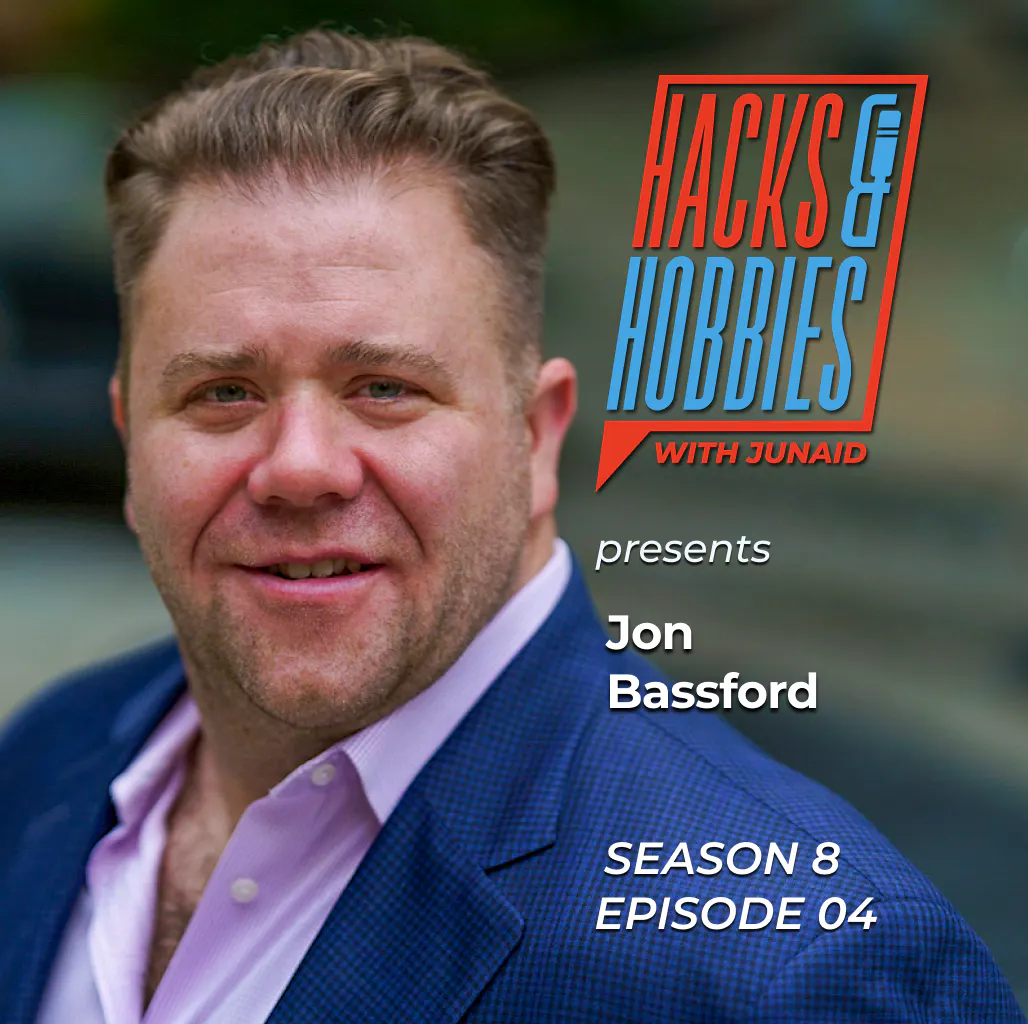
What if the question you’re not asking is costing your company millions?
In this episode of Hacks and Hobbies, Junaid sits down with Jon Bassford – an operational change agent and former COO who helped lead a $7M nonprofit out of a downward spiral, 20% revenue growth, and 500% programming growth… all starting from one simple question: “Where is this written?”
Jon reveals how curiosity is not a soft skill – it’s an operational strategy. From uncovering broken systems buried in conference manuals to turning every team member into a daily “auditor” of their own work, Jon shows how leaders can build cultures where people don’t just do their jobs… they improve them. If you’re a founder, operator, or leader who wants sustainable growth, deeper engagement, and a culture that actually thinks – this episode is your roadmap.
5 Big Takeaways
Curiosity is an operational weapon – Jon shows how a single curious question unlocked 20% revenue growth and 500% more programming.
95% of your day is on autopilot – and why that’s dangerous for strategy, innovation, and culture if left unchecked.
Make improvement part of the job description – how to turn every employee into a micro-innovator, not just a task executor.
Culture starts with how you treat people, not what you write in manuals – why knowing what your team loves to do leads to fewer errors, higher engagement, and longer retention.
Small reflections create big transformations – the 5–10 minute habit Jon recommends to compound efficiency and impact over time.
Timestamps
00:00 – The question that changed a $7M nonprofitHow Jon’s discomfort with “this isn’t written anywhere” exposed a buried process and transformed an entire organization.
02:42 – Why 95% of your thoughts are on autopilot (and what that does to your business)Jon breaks down subconscious habits, SOPs, and how comfort quietly kills innovation.
04:51 – Turning curiosity into company strategyThe simple shift: making “improve your job” a formal part of everyone’s role.
06:04 – Building psychological safety for real feedbackWhy one-on-ones, genuine interest, and understanding what people love to do change everything.
Guest Links
jonbassford.comhttps://www.instagram.com/jon_bassfordhttps://www.youtube.com/@JonBassford
Learn more about your ad choices. Visit megaphone.fm/adchoices

What if the stories you tell yourself are the biggest thing holding you back?
In this episode of Hacks and Hobbies, Junaid Ahmed sits down with Jon Bassford, a former lawyer turned nonprofit founder, startup scaler, and organizational strategist, whose superpower is curiosity. Jon shares how being “the inquisitive kid who always sat with the adults” turned into a career of challenging the status quo, rebuilding cultures from the inside out, and helping leaders create teams that feel safe enough to innovate.
This conversation dives deep into psychological safety, ego, fear, and the silent stories that run our lives and our companies. From Google’s Project Aristotle to meditation, mindset work, and the book that helped Jon dismantle his shame, this episode is about what really changes when leaders stop pretending to have all the answers—and start getting genuinely curious.
Curiosity as a superpower – How Jon discovered that curiosity was his core advantage and used it to transform organizations rather than just “do his job.”
Beyond your stories – Why the limiting beliefs and inner narratives you carry are often the real constraints on your business and leadership.
Psychological safety drives innovation – What Google’s Project Aristotle revealed about high-performing teams, and why trust and safety beat raw talent.
Leaders must speak last – A simple but uncomfortable shift for CEOs that unlocks honest feedback, better decisions, and real innovation.
Mindfulness and mindset as daily practice – How books, meditation, and continual learning helped Jon dismantle self-doubt and create a new reality.
5 Key Takeaways
Timestamps
[00:00] Curiosity as a Superpower – Jon’s unconventional path from law school to launching nonprofits and scaling startups.
[01:54] Challenging the Status Quo – How being “the curious kid” turned into a career of rethinking how organizations work.
[03:09] Moving Beyond Your Stories – Redefining your life by rewriting limiting beliefs and internal narratives.
[04:18] Curiosity, Safety, and Innovation – Google’s Project Aristotle and why psychological safety is the real competitive advantage.
[07:59] Ego, Comfort, and Speaking Last – The leadership habits that kill curiosity—and the simple shift that changes the whole room.
Guest Links
jonbassford.comhttps://www.instagram.com/jon_bassfordhttps://www.youtube.com/@JonBassford
Learn more about your ad choices. Visit megaphone.fm/adchoices

Most coaches, consultants, and creatives are quietly terrified of saying their prices out loud. In this episode, Junaid sits down with Robin Waite — best-selling author, founder of Fearless Business, and pricing strategist for coaches and freelancers — to dismantle the “underselling epidemic” that keeps brilliant entrepreneurs broke and burned out.
Robin reveals how childhood money stories, “charge by the hour” thinking, and fear of rejection trap us in low-ticket offers… and how a few brave pricing decisions completely transformed his own agency from £500 logos to £18,000 days. He shares the exact mindset and mechanics behind value-based pricing, why higher-paying clients really do behave differently, and three tactical moves you can implement this week to raise your revenue without more hustle or more clients.
If you’ve ever frozen when a client asks, “So… how much do you charge?”, this conversation will change the way you see your worth, your offers, and your business model.
5 Big Takeaways
Your money blueprint is old—and it’s running your business. Childhood arguments about money quietly dictate how confidently (or timidly) you price today.
Pricing is a lever, not a number. Robin’s shift from hourly billing to a productized, one-day branding workshop tripled his fee overnight — and then 36x’ed it.
Intellect vs. intuition in pricing. Start with the math (income goal ÷ capacity), then use your emotional “tells” to find the real stretch price your heart knows you’re worth.
High-paying clients really are better. When Robin raised his care plan prices 5x, 40% of clients left—but revenue jumped 2.5x and support requests dropped 80%.
Three moves for this week. Raise your prices ~30%, introduce simple upsells, and add a back-end recurring offer so you’re not constantly chasing new clients.
Timestamps
[00:00] The underselling epidemic: why brilliant people charge too little
[01:39] Your money blueprint: how childhood arguments shape your prices today
[03:59] From £500 logos to £18,000 days: the one decision that changed everything
[09:36] The six-figure equation: reverse-engineering your prices from your income goal
[14:32] Pitching past your comfort zone: building belief by saying the scary number
[16:07] Why higher-paying clients complain less and stay longer
[21:45] Three pricing plays you can implement this week to raise your revenue
Guest Links – Robin Waite
Website: https://www.robinwaite.com/YouTube: https://www.youtube.com/RobinMWaiteLinkedIn: https://linkedin.com/in/RobinMWaite
Learn more about your ad choices. Visit megaphone.fm/adchoices

What if one podcast interview could replace four and a half years of marketing?
In this powerful conversation, business coach and author Robin Waite reveals how he built a six-figure coaching practice not through funnels, ads, or endless content—but through partnerships, patience, and radical alignment. After burning out from posting “a squillion times” on social media and following every marketing guru’s playbook, Robin walked away from the noise and doubled down on three simple assets: speaking, podcasts, and books.
He breaks down how one appearance on Ali Abdaal’s Deep Dive brought him over 3,000 leads, £250,000+ ($300,000) in revenue, and more clients than four and a half years of social media ever did. Robin explains the real mechanics behind high-leverage partnerships, why helping other people’s teams can be your secret backdoor into powerful rooms, and how solopreneurs can build trust-based ecosystems without playing the “tit for tat” game. This episode is a masterclass in value-led networking, authentic positioning, and building a business that doesn’t burn you out.
In this episode, you’ll learn:
How Robin went from burnt-out marketer to building a six-figure coaching practice with fewer clients and more freedom
The exact partnership strategy that turned one podcast appearance into 3,000 leads and £250k in revenue
Why instant gratification marketing (likes, comments, shares) keeps solopreneurs broke and exhausted
How to build trust and access with big creators by supporting their teams first
The inner work of figuring out who you are so your brand, pricing, and partnerships finally align
Key Takeaways
Fewer clients, more revenue: Robin’s philosophy is to double your revenue with half the clients—fewer sales calls, less marketing, more depth and delivery.
The power of one podcast: A single appearance on Ali Abdaal’s Deep Dive generated 3,000 leads and roughly £250,000 in business, outperforming years of scattered social media.
Activity ≠ results: Four and a half years of content and paid support for social media generated the same number of email subscribers as one well-placed, deeply aligned podcast interview.
Partnerships over platforms: Robin intentionally built relationships with creators like Ali Abdaal, Simon Squibb, Chris Do, and Daniel Priestley, focusing on values alignment and adding genuine value—not chasing clout.
Timestamps
00:01:12 – Burnout from doing “everything right” in marketingRobin shares how repurposed content, ads, and posting nonstop across platforms left him exhausted and underwhelmed by the results.
00:03:37 – The 3 marketing strategies that actually workedSpeaking on stages, podcast interviews, and books—the only channels Robin consistently saw real ROI from over nine years.
00:04:46 – How one partnership changed everythingThe behind-the-scenes story of how Robin built a relationship with Ali Abdaal, offered to coach his team for free, and got invited onto Deep Dive.
00:05:38 – 3,000 leads from one interview: the numbers revealed1,500 leads in 90 days, 3,000 over a year, hundreds of signed books shipped worldwide, and roughly £250k in revenue from a single podcast.
Guest Links
Website: https://www.robinwaite.com/YouTube: https://www.youtube.com/RobinMWaiteLinkedIn: https://linkedin.com/in/RobinMWaite
Learn more about your ad choices. Visit megaphone.fm/adchoices

What if the most creative version of you never has to quit their day job?
In this episode, Junaid sits down with Kate Volman – CEO of Floyd Coaching, host of Create For No Reason and Lead With Culture, and author of “Do What You Love: A Guide to Living Your Creative Life Without Leaving Your Job.”
Kate shares how a chamber of commerce job in her 20s unexpectedly rewired her idea of work, purpose, and creativity. She reveals why not every passion should be monetized, how to protect your creative practice while leading a company, and why waiting for “inspiration” is the biggest lie that keeps creatives stuck.
If you’ve ever thought, “I’ll be creative when I finally leave my job” or “I can’t start until I know how to make money from this,” this conversation will challenge everything. You’ll learn to think in terms of ROI vs. ROC (Return on Creating), build discipline like a writer, and surround yourself with the kind of creative friends who refuse to let you stay small.
You don’t need permission. You need a practice. This episode shows you how.
5 Key Takeaways
You don’t have to quit to create – Kate built a deeply creative life alongside full-time roles by following curiosity into side projects like local morning shows and early YouTube experiments.
Not every passion should be monetized – turning everything into a business can kill the joy; sometimes the real payoff is energy, meaning, and connection, not revenue.
ROI vs. ROC (Return on Creating) – when you make time to create “for no reason,” you gain confidence, momentum, and vitality that compound across every part of your life and career.
Discipline beats inspiration – Kate writes using word-count goals and scheduled sessions, not feelings; inspiration usually shows up after you start, not before.
Community and accountability are creative superpowers – from Zoom writing rooms to weekly check-ins with friends and coaches, having people who expect you to show up can be the difference between “one day” and “it’s done.”
Timestamps
[0:00:00] The unlikely creative CEO – Junaid introduces Kate Volman and why her work speaks directly to people who crave creativity but want to keep their careers.
[0:01:59] When your life doesn’t match the plan – Kate’s early job at a chamber of commerce, discovering entrepreneurship, and how being around CEOs changed everything.
[0:06:19] Do you really have to quit your job to be creative? – The origin story of her book and why she believes you can lead, work, and still fiercely protect your creative life.
[0:08:23] The trap of monetizing every passion – Why turning every hobby into “content” or a side-hustle can destroy joy, and what it really means to “create for no reason.”
Guest Links – Kate Volman
www.KateVolman.comhttps://www.instagram.com/katevolmanhttps://www.youtube.com/katevolmanmedia
Learn more about your ad choices. Visit megaphone.fm/adchoices

What if your most powerful leadership skill isn’t strategy or execution – but creativity?
In this episode, Junaid sits back down with creative leadership coach and CEO Kate Volman to unpack a radically human approach to leading teams, building culture, and reigniting your own creative spark. This is part two of their conversation, but it stands alone as a deep dive into why people feel stuck at work, how culture kills creativity, and what leaders can do to bring it back to life.
From corporate burnout to Avengers actors walking away from billion-dollar franchises, Kate shows how a lack of empathy, recognition, and humanity quietly destroys teams. She then flips the script and walks through practical ways to build a culture where people feel seen, appreciated, and genuinely excited to contribute. Whether you’re a CEO, a manager, or a solo creator, this conversation will challenge how you think about work, creativity, and what people really come to your company for.
In this episode, you’ll learn:
Why every person is creative (even if they’ve been told they’re “not the creative type”)
How great leaders build cultures where people feel safe to experiment, fail, and share ideas
The hidden reason people quit jobs (and why it’s almost never “just the money”)
A simple 10-minute habit anyone can use to reignite their creative life
How bringing your real personality into work deepens trust, connection, and opportunity
Timestamps
[00:00:00] Creative leadership: everyone is an artistJunaid and Kate open part two by redefining leadership through creativity and Kate’s belief that every person is creative in their own way.
[00:02:54] When teams lose their sparkWhy people stop creating at work, and how culture, expectations, and leadership either crush or cultivate innovation.
[00:05:01] Talent wars, tech, and why people really moveJunaid reflects on the AI talent shift and how creativity and meaningful work pull great people from one company to another.
[00:09:21] “Treat people like people”: dreams, not job titlesKate shares the core idea from The Dream Manager and explains why employees come to work for their own dreams, not just the company’s mission.
5 Key Takeaways
Creative leadership is human leadership.Creativity isn’t just for artists – it shows up in how you solve problems, communicate, parent, and lead. Great leaders activate the creativity already inside their people.
Culture is the container for innovation.When expectations are clear, people feel safe to speak up, make mistakes, and be supported (not micromanaged), creativity and innovation naturally thrive.
People don’t quit companies, they quit feeling unseen.Lack of recognition and empathy – from Hollywood studios to big corporates – silently pushes talented people out. A simple “I see what you do, and I appreciate you” can change everything.
Your team works for their dreams, not just your mission.Employees show up because they believe your organization will help them buy a home, raise their kids well, travel, and build the life they want. Leaders who care about those dreams build loyalty.
Creativity can start in 10 minutes.You don’t need a sabbatical or a studio. Pick one activity that brings you joy – writing, playing guitar, doodling, cooking – and do it for 10 minutes. The spark comes after you start, not before.
Guest Links – Kate Volman
www.KateVolman.comhttps://www.instagram.com/katevolmanhttps://www.youtube.com/katevolmanmedia
Learn more about your ad choices. Visit megaphone.fm/adchoices

You can have the house, the car, the titles… and still wake up numb.
In this intimate conversation, third-generation entrepreneur and systems strategist Jennifer Bennett reveals how she went from “doing everything right” in real estate — high-ranking roles, multiple states, accolades, and a thriving career — to realizing the hustle model was quietly destroying her joy, her presence as a mom, and her sense of purpose.
Jennifer unpacks the real cost of high-performance culture, why so many entrepreneurs are silently burning out behind “success,” and how she and her mom created Get Desky — a movement designed to help overwhelmed founders stop carrying their business on their backs and start building with clarity, systems, and soul.
If you’ve ever wondered why having “everything on paper” still doesn’t feel like enough — or how to grow a business without sacrificing your marriage, your kids, or yourself — this episode is your invitation to redefine what success actually means.
Key Takeaways:
How Jennifer’s earliest barroom hustle as a child revealed her natural entrepreneurial instincts
The hidden education she got in real estate: becoming a connector, not just a salesperson
The exact moment she realised the hustle model was numbing her life, even when everything looked perfect
Why moms are the most underestimated workforce in business — and how Get Desky taps that potential
How she’s building an incubator that supports healthy businesses and healthy marriages at the same time
Timestamps
00:00 – The tension between growth and freedomJunaid introduces Jennifer and sets up the real question: what if success costs too much?
01:32 – A little girl in a bar who asked for $1, not a quarterJennifer’s first entrepreneurial memory and what it taught her about self-worth and asking for more.
03:53 – Lost in college, found in real estateLeaving school, stumbling into leasing, and discovering she loved explaining — not just selling.
07:25 – 16 years at the top… and the invisible costClimbing to executive roles, leading 300 agents, juggling motherhood solo while her husband traveled.
08:20 – The hotel room moment: “I had everything… and felt nothing”The post-COVID awakening where Jennifer realised success without a spark isn’t success at all.
10:30 – Why moms are the most untapped strategic workforce on the planetHow Get Desky began by hiring stay-at-home moms and what Jennifer saw that others missed.
14:45 – Building businesses that don’t destroy marriagesGenerational entrepreneurship, divorce statistics, and why Jennifer shifted from admin work to a soul-led incubator.
17:04 – Making the world better beyond labelsJennifer’s deeper mission: supporting teen and young moms, and choosing humanity over division.
Guest Links
jen.getdesky.comFacebook: https://www.facebook.com/jengbenLinkedIn: https://www.linkedin.com/in/jenbennettceoInstagram: https://www.instagram.com/jengbennett/
Learn more about your ad choices. Visit megaphone.fm/adchoices

What if scaling your business didn’t cost you your family, your sanity, or your soul?
In this powerful part two, productivity strategist and founder of Get Desky, Jennifer Bennett, returns to dissect the how behind true entrepreneurial freedom. She shares how leaders can design their days, build teams they trust, and create systems that protect what matters most—family, health, and impact.
From hiring before you feel ready, to stopping the “spaghetti bowl” of chaotic delegation, to raising entrepreneurial kids who see more than one path in life, this conversation feels like a masterclass in both strategy and humanity. If you’re scaling on paper but silently drowning in decision fatigue, this episode is your permission slip to stop doing it alone—and start building a business that actually serves your life.
5 Big Takeaways
Freedom isn’t just revenue – it’s time with family, doing work that lights you up, and serving the people you’re called to help.
You don’t need to scale like everyone else – soulful scaling starts with your deepest desires, not someone else’s playbook.
If you’re overwhelmed, you waited too long to get help – and if help isn’t working, it’s either training, culture, or the wrong person.
The “spaghetti bowl” of tasks destroys teams – without SOPs and clear systems, delegation turns into chaos and resentment.
Curiosity is a legacy system – modeling entrepreneurship, networking, and questioning the “one path” narrative can change your kids’ lives.
Timestamps
00:00 – Redefining Freedom for FoundersWhat freedom really means for Jennifer’s clients: time, joy, and impact—without losing the business.
02:27 – Soulful Scaling vs. Hustle ScalingWhy you don’t have to scale like everyone else, and how Jennifer’s family-first values shape her business model.
04:30 – Raising Entrepreneurial Kids in the Real WorldBringing her daughter to events, learning networking, pricing, and marketing through selling bookmarks.
06:36 – Leading Teams with SoulHow understanding someone’s “why” helps you inspire, motivate, and build a culture that actually supports people.
08:53 – When High Performers Secretly DrownA message to the founder who’s crushing revenue but stuck in decision fatigue and silent overwhelm.
10:58 – The Spaghetti Bowl of Bad DelegationWhy throwing every hated task at a new hire without SOPs leads to chaos, fractures, and broken communication.
14:33 – Fishing, Horses & the Systems We Wish We Had SoonerJennifer’s surprising hobbies, how she connects them to presence, and the system she’d give her 10-year-old self.
Guest Links
jen.getdesky.comFacebook: https://www.facebook.com/jengbenLinkedIn: https://www.linkedin.com/in/jenbennettceoInstagram: https://www.instagram.com/jengbennett/
Learn more about your ad choices. Visit megaphone.fm/adchoices

Most founders are obsessed with “new customers” and blind to the fortune sitting in their existing list.
In this episode of Hacks and Hobbies, Junaid sits down with Nikita Vakhrushev, founder of Aspect Agency and retention specialist for over 100+ direct-to-consumer brands, to expose the hidden systems that turn casual buyers into lifelong customers. If you’ve ever felt guilty about “not emailing your list enough” or wondered why your campaigns don’t translate into real revenue, this conversation will flip the way you think about email, SMS, and retention forever.
Nikita breaks down why “set it and forget it” is killing your profitability, the real difference between campaigns and lifecycle marketing, and how to think about retention as a revenue engine, not a “nice-to-have” side project. From customer psychology and buyer journeys to plain-text emails that quietly print money, this episode is a roadmap for founders who are ready to stop leaking profit and start building a brand people return to again and again.
Retention is a system, not a sequence – your emails, SMS, logistics, and customer service all sit inside one “bucket” that either keeps customers… or leaks them.
“Set it and forget it” is a myth – even your best automations must be tested, reordered, and optimized through constant A/B testing and experimentation.
Lifecycle beats campaigns – top brands map messaging to where the customer is in their journey: unaware, problem-aware, solution-aware, company-aware, and product-aware.
Design is great, but plain text quietly wins – personal, text-only emails often outperform designed newsletters because they feel human and deliver better.
The future of agencies is data, not headcount – AI will write copy and design emails; the agencies that win will be those with the deepest, cleanest performance data.
5 Key Takeaways
Timestamps
[00:00] The Real Cost of Ignoring RetentionWhy brands are leaving $200–400k a year on the table by neglecting email and SMS.
[03:44] The Death of “Set It and Forget It”Nikita explains why automations must be actively maintained, tested, and reordered to keep revenue growing.
[08:24] Campaigns vs. Lifecycle: The Shift That Changes EverythingHow understanding customer awareness stages (from unaware to company-aware) transforms your retention strategy.
[11:25] Designing a Customer Journey That Actually ConvertsFrom welcome flows to abandonment sequences: building belief in your brand step by step.
[15:53] The Anatomy of a Great Retention SystemThe people, processes, and platforms you need: strategist, designer, copywriter, and why Klaviyo dominates Shopify stores.
[23:01] Metrics That Actually Pay the BillsWhy open rates and CTR don’t matter if they don’t translate into revenue, LTV, and dollars-per-subscriber.
[31:17] AI, Agencies, and the Future of RetentionHow AI will reshape agencies into data centers—and what smart brands should be doing right now to future-proof.
[33:35] Overwhelmed? Do This One Thing This WeekNikita’s simple, plain-text email play any founder can send to generate revenue immediately.
Guest Links
Website:https://aspektagency.com/Social Media Links:instagram.com/nikitavakhrushvlinkedin.com/in/nikita-vtwitter.com/nikitavakhrushvyoutube.com/@nikitavakhrushevtv
Learn more about your ad choices. Visit megaphone.fm/adchoices
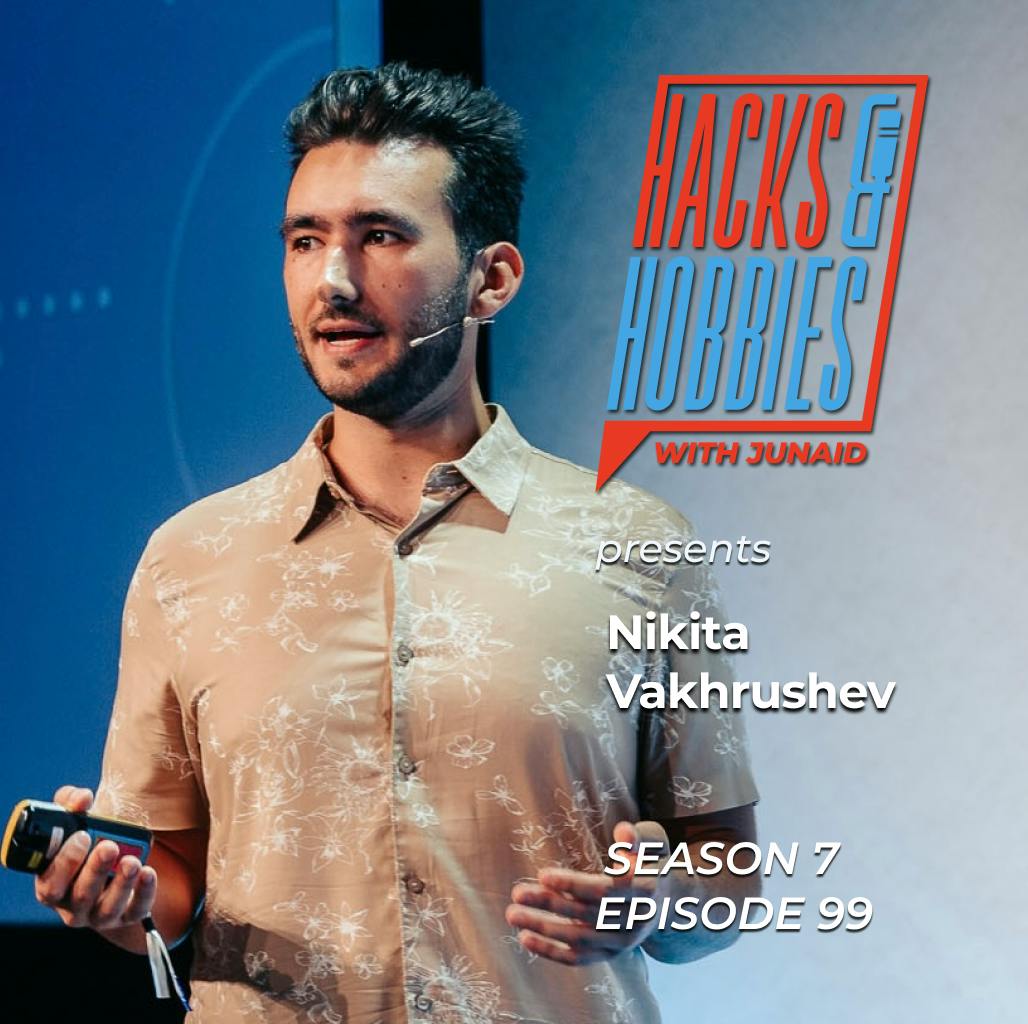
Most brands think they need more traffic. Nikita says they’re already sitting on a goldmine.
In this episode, email & SMS strategist Nikita Vakhrushev, founder of Aspect, breaks down how direct-to-consumer brands are quietly leaving $200,000–$400,000 a year on the table by ignoring the “boring” retention channels: email and SMS. After helping over 100 DTC brands and turning broken automations into $40,000/month profit engines, Nikita reveals why the real leverage isn’t in your next ad campaign—it’s in how you follow up.
Junaid and Nikita go deep into the exact flows, systems, and mindset shifts that separate brands who coast from brands who compound. If you’ve ever wondered why your Klaviyo is “set up” but not really printing money, this episode is your wake-up call.
In this episode, you’ll learn:
How Nikita turned a failing email setup into $40k/month in just a few months
The core email & SMS flows every brand needs (and how most are set up wrong)
Why constant discounting destroys your brand and your margins
How to prepare for Black Friday/Cyber Monday like it’s the Super Bowl of retention
What a real retention flywheel looks like when email, SMS, and paid traffic finally work together
Timestamps
[00:00] The email guy who never planned to run an email agencyHow Nikita went from running his own Shopify store to building Aspect, an email & SMS agency for DTC brands.
[04:41] The $1k to $40k/month turnaround: rebuilding a broken backendThe “Good, Clean Love” case study that proved the pivot to email/SMS was a 7-figure decision.
[07:31] Where the missing $200k–$400k a year is really hidingNikita breaks down the silent killers in most accounts: bad timing, weak follow-up, and unoptimized list growth.
[11:46] The non-negotiable flows every brand must have (but most mess up)From welcome flows to four layers of abandonment and post-purchase—Nikita maps the essential retention spine.
[16:27] The first system to build for a $50k/month brand with zero retentionWhy list growth and a “mystery offer” opt-in beat clever design and complex funnels.
[20:41] Proactive vs. passive brands: who actually wins with agenciesThe behavioral difference between brands that explode and those that stagnate, even with the same strategy.
[22:59] The dangerous myth: more sales ≠ more profitHow constant discounting trains your customers to never pay full price and slowly kills your margins.
Key Takeaways
Your email list is “owned land” — and most brands are farming it like a hobby garden. Nikita argues that while ads live on rented land, email and SMS are where you build durable, compounding revenue.
One case study changed everything: rebuilding a client’s automations took them from “a couple hundred dollars” to ~$40,000/month in email revenue, purely from their existing list.
Flows matter more than blasts. Welcome, abandonment (site, product, cart, checkout), post-purchase, cross-sell, win-back, and sunset flows form the backbone of serious retention. Most brands “have” them—but set up in a way that quietly loses money.
Discounting is a trap. Constant sales don’t just crush margins; they rewire your customers to only buy on discount and to treat the “sale price” as the real price. Value-driven, objection-crushing emails win long term.
Black Friday/Cyber Monday is a system, not an event. The best brands start in July, test through Q3, warm their list, run VIP presales, and turn Q4 into the make-or-break recovery quarter—with email doing the heavy lifting.
Guest Links
Website:https://aspektagency.com/Social Media Links:instagram.com/nikitavakhrushvlinkedin.com/in/nikita-vtwitter.com/nikitavakhrushvyoutube.com/@nikitavakhrushevtv
Learn more about your ad choices. Visit megaphone.fm/adchoices

Are your stories changing lives—or quietly causing harm?
In this powerful conversation, nonprofit messaging strategist Maria Bryan returns to go deeper into trauma‑informed storytelling—and why every marketer, nonprofit leader, and creator needs to rethink how they collect and share stories. If you’ve ever shared a client story, testimonial, or case study “for the cause,” this episode will challenge you—in the best possible way.
Maria explains how to move from well‑meaning to well‑practiced: embedding safety, consent, and dignity into every stage of your storytelling workflow. From fundraising campaigns to podcast interviews, she breaks down practical steps to reduce harm, protect the people behind the stories, and protect yourself from vicarious trauma. Whether you’re a nonprofit leader, creative, or solo podcaster, you’ll walk away with a new lens on your work—and a clear path to doing it more ethically and sustainably.
5 Key Takeaways
Why trauma-informed storytelling matters even if you’re “just” a marketer, podcaster, or creative—and how stories can unintentionally retraumatize the very people you want to help.
How to audit your storytelling workflow from “we need a story” to “the story is live,” and where to build in more safety, agency, and consent.
The danger of relying on simple checklists—and how to use them wisely without missing hidden risks, like revealing locations or sensitive details.
How to recognize and prevent vicarious trauma as a storyteller, interviewer, or host who regularly holds space for hard stories.
Practical tools for teams, contractors, and solopreneurs, including training, onboarding assets, and free resources to start your trauma-informed journey today.
Timestamps
[00:00] Why trauma-informed storytelling can’t be done in a silo
[01:17] From “we need a story” to “it’s live”: auditing your storytelling workflow
[03:21] Building safety and agency into interviews (and why 20 minutes isn’t enough)
[05:00] Checklists, AI, and internal trainings: creating a trauma-informed culture
[07:09] Spotting red flags and story risks beyond the obvious “don’ts”
[09:45] Onboarding freelancers and partners into trauma-informed practices
[10:29] Vicarious trauma: why storytellers must protect their own nervous system
[12:23] Ethical self-storytelling and honoring your own trauma
[12:53] Free toolkit, trainings, and the Storytelling Circle for ongoing support
[13:50] Maria’s final message: why storytellers are world-changers
Guest Links – Maria Bryan
Website & Free Trauma-Informed Storytelling Toolkit:https://www.mariabryan.com
Learn more about your ad choices. Visit megaphone.fm/adchoices

What if the way you tell stories is quietly harming the very people you want to help?
In this episode, Junaid Ahmed sits down with Maria Bryan, a trauma-informed storytelling trainer and host of the When Bearing Witness podcast. Maria has trained thousands of nonprofit leaders, fundraisers, and storytellers to share stories that inspire change without exploitation, re-traumatization, or stripping people of their dignity.
Together they unpack how traditional nonprofit and marketing storytelling—especially “success stories” and testimonials—can unintentionally cause deep harm, and what it really looks like to tell stories rooted in safety, consent, and agency. From rethinking “we need hundreds of stories a year” to creating harm repair plans and no-questions-asked takedown policies, this conversation is a blueprint for anyone who interviews, fundraises, or shares lived-experience stories.
In this episode, you’ll learn:
How trauma-informed storytelling radically differs from traditional marketing and fundraising stories
Why telling fewer stories, more slowly and more thoughtfully, can actually increase impact and trust
The subtle ways nonprofits and podcasters accidentally remove safety and agency from story owners
Practical steps to make interviews, testimonials, and campaigns ethically and emotionally safer
How to design organizational systems, consent processes, and harm repair plans that respect story owners for years after publication
Key Timestamps
[0:00:22] – What is trauma-informed storytelling?Maria explains how nonprofit stories can help or harm, and why traditional “impact stories” need a complete rethink.
[0:03:35] – The hidden cost of telling hundreds of stories a yearWhy nonstop demand for “fresh stories” can burn trust, re-open wounds, and what to do instead.
[0:05:46] – Safety & agency: two pillars everyone forgetsConcrete examples of how organizations unintentionally strip choice, autonomy, and safety from story owners.
5 Big Takeaways
Trauma-informed storytelling starts with who the story is for and who it belongs to.Story owners are often people who’ve experienced housing insecurity, violence, addiction, or other hardship. Asking them to revisit their worst moments for a campaign is not neutral—it has emotional and physical consequences.
Volume is the enemy of care.Nonprofits conditioned to believe they need “dozens or hundreds of fresh stories a year” often ignore trauma-informed processes. Slowing down, repurposing content, and using anonymous or composite stories can protect people while still raising money.
Safety and agency are non-negotiable.From sharing clear goals for the story, to offering choices about interview format, location, and interviewer identity, every step should be designed to give back control to the story owner.
Consent is not a one-time signature—it’s an ongoing relationship.Story owners should know where their story will appear, how it may be reused, and have the ability to review, correct, or retract. A no-questions-asked takedown policy is a hallmark of ethical storytelling.
Being trauma-informed is a journey, not a checklist.Organizations and agencies must build systems: story readiness checks, multi-person review, cultural and health literacy review, and harm repair plans for when (not if) mistakes are made.
Guest Link – Maria Bryan
https://www.mariabryan.com/
Learn more about your ad choices. Visit megaphone.fm/adchoices

Comments

Download from Google Play

Download from App Store
 United States