


 Claim Ownership
The Psychedelic Scene Podcast
Subscribed: 0Played: 82
Subscribe

© 2025 Psychedelic Scene Magaine
Description
The Psychedelic Scene Podcast celebrates, shares, and publicizes psychedelic music, art, and culture to bring together a global psychedelic community.
29 Episodes
Reverse
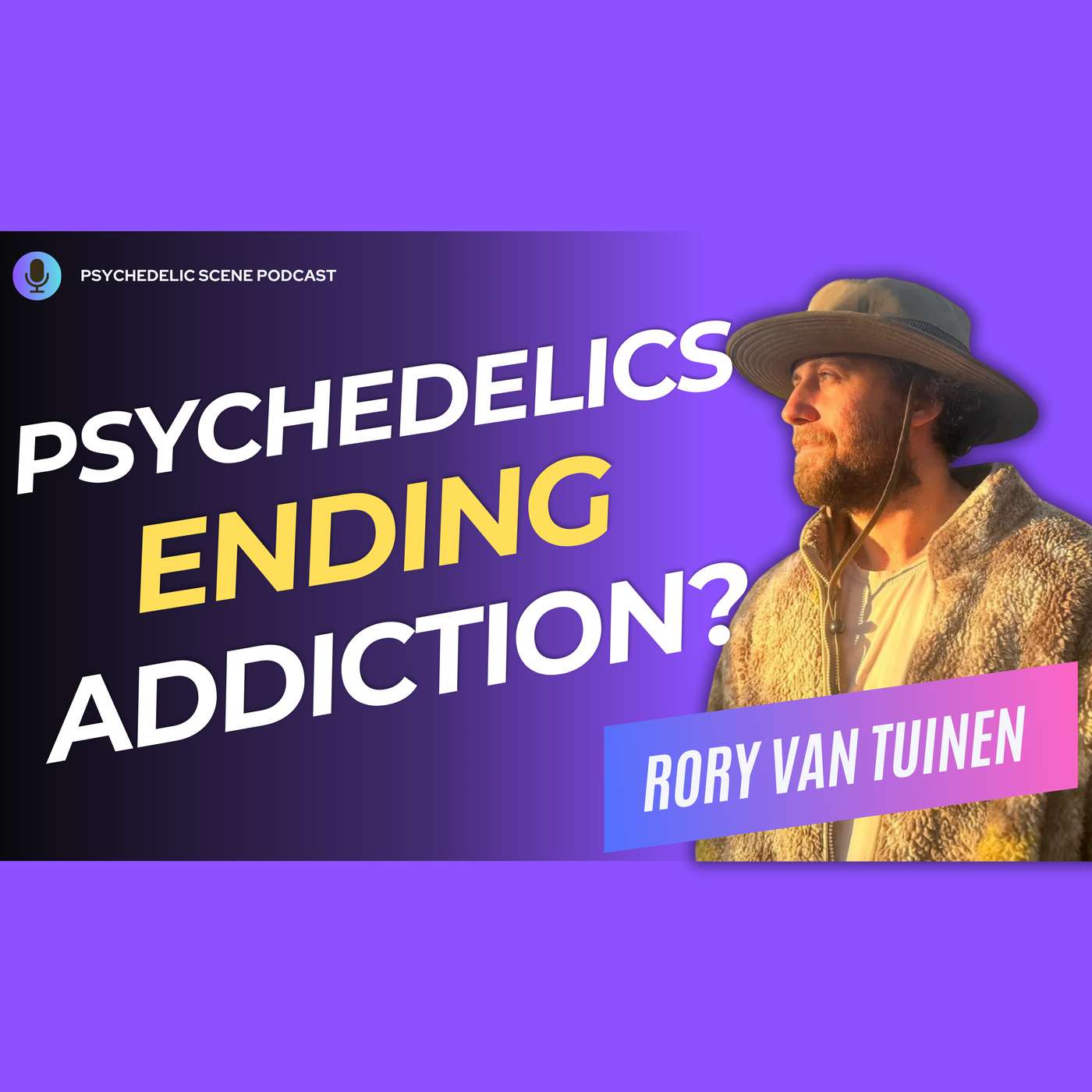
What happens when a psychedelic takes away the thing you’ve been using to cope, but you still haven’t learned how to live without it?Rory Van Tuinen spent years addicted to opioids, including heroin and methadone, before a series of experiences with ayahuasca, ibogaine, and psilocybin changed his relationship with addiction.But his recovery wasn’t a straight line.In this episode, Rory shares how ayahuasca initially helped him stop using heroin, why he later relapsed, and what happened when he traveled to Mexico for ibogaine treatment. We talk about what the 12-hour ibogaine experience was actually like, the difficult “gray day” that followed, and the surprising challenge of realizing that his physical need for opioids had changed while the psychological patterns underneath his addiction were still there.Rory also shares how psilocybin later became another part of his recovery and why integration became essential to understanding what the psychedelics had changed.This is a conversation about addiction, trauma, psychedelics, relapse, and something we don’t talk about nearly enough: what happens after the medicine works.Rory is the author of Awakening the Heart: Reclaiming Identity After Addiction and co-founder of Cultivating Connections Vermont.This episode discusses opioid addiction, overdose, suicide, and psychedelic use. It is intended for educational purposes and is not medical advice.

Can healing change the way people use power?In this episode of The Psychedelic Scene Podcast, Jill Sitnick sits down with psychedelic facilitator and award-winning author Diana Colleen to discuss the ideas behind her novel, They Could Be Saviors. Together, they explore whether unresolved trauma may shape how people pursue wealth, power, and control, and why healing might lead to greater connection, empathy, and responsibility. Diana also shares her own journey from profound childhood trauma and suicidality to psychedelic-assisted therapy, becoming a facilitator, and eventually writing fiction inspired by questions of consciousness, healing, and social change. In this episode, we discuss:• Diana's personal healing journey• The inspiration behind They Could Be Saviors • Why trauma doesn't discriminate by income or status • The important difference between psychedelic therapy and simply having a psychedelic experience • How mindset and integration influence therapeutic outcomes • Why stories can help us explore difficult conversations about power, connection, and humanity Whether you're interested in psychedelic-assisted therapy, trauma recovery, or thoughtful conversations about leadership and human behavior, this episode offers a unique perspective on how healing may influence the way we relate to ourselves and the world around us.📖 Learn more about Diana and download her free discussion guide: https://dianacolleenauthor.com
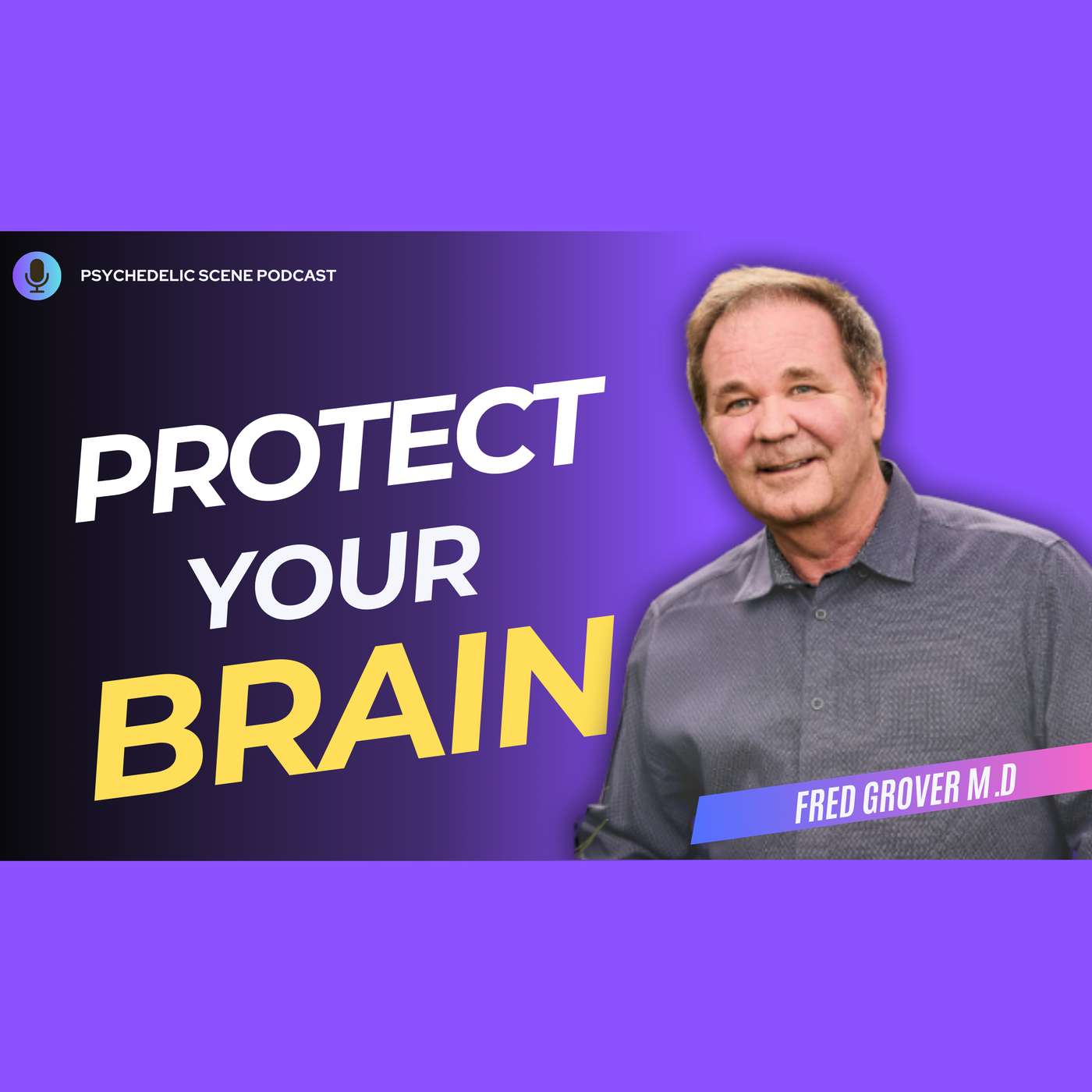
What happens in the brain during and after a psychedelic experience?In this episode, Jill sits down with physician Fred Grover, MD, to explore neuroplasticity, BDNF, trauma recovery, brain health, aging, and emerging research surrounding psychedelic therapies.Together, they discuss the relationship between emotional healing and cognitive health, why integration matters, and how lifestyle factors like exercise, nutrition, sleep, hormones, and connection may work alongside emerging therapeutic approaches.Fred's socials:https://psychedelicsforbrainhealth.comhttps://fredgrover.com

In this episode of the Psychedelic Scene Podcast, we take a grounded, educational look at psilocybin experiences and why results can vary so widely.This conversation covers what most people overlook: preparation, sourcing, integration, and the role of structure in creating lasting change.If you’ve been curious about this space, or trying to understand why some experiences lead to meaningful shifts while others don’t, this episode offers a clear, practical perspective.We also explore:Why preparation matters more than expectedThe difference between a tool and a solutionWhat integration actually looks like in real lifeHow to think about readiness and timingThis is not about hype. It’s about understanding the full process.Sophia Ellowen is a psilocybin therapy facilitator and the founder of Psilence, a private one-on-one psilocybin therapy practice based in Nuevo Vallarta, Mexico. Her work focuses on helping individuals navigate trauma, depression, anxiety, and personal transformation through carefully facilitated psilocybin sessions, with a deep commitment to veteran mental health through the Healing for Heroes Fund. She writes and publishes extensively on psilocybin science, safety, and integration.👉 https://psilenceceremony.com

This episode explores how hormonal cycles and stress systems may shape women’s emotional experiences. We discuss emerging conversations around mental flexibility, mood changes, and why women’s health has historically been under-researched. This is a grounded, educational discussion focused on awareness and context.http://www.jenniferchesak.com https://www.instagram.com/jenchesak/ https://www.jenchesak.bsky.social https://twitter.com/jenchesak https://www.threads.com/jenchesak https://www.tiktok.com/jenchesak https://www.facebook.com/jenchesak https://www.linkedin.com/in/jenniferchesak/

Comments

Download from Google Play

Download from App Store
 United States