


 Claim Ownership
Philosophy for Better Humans.
Subscribed: 0Played: 6
Subscribe

© Joseph Caster 2025
Description
If you want to build character, deepen your thinking, and understand yourself, this show gives you the ideas to do it — one episode at a time.
38 Episodes
Reverse
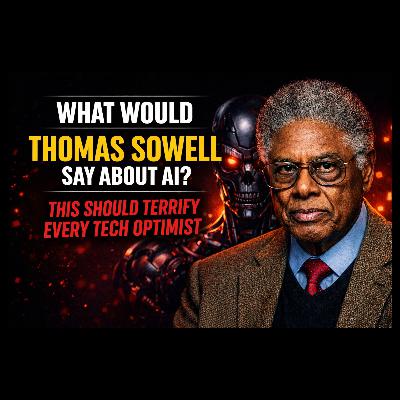
Since 1964, America has handed more and more decision-making power to experts, institutions, and centralized systems — and Thomas Sowell spent 60 years documenting exactly how that goes wrong. Now, artificial intelligence is the most powerful centralized decision-making system ever built. And almost nobody is asking the questions Sowell would demand we ask.In this episode of Philosophy for Better Humans, we apply the complete intellectual framework of Thomas Sowell — one of the greatest economists and social thinkers of the 20th century — to the AI revolution reshaping every corner of your life right now.This is not a politics episode. This is not a tech episode. This is a wisdom episode. And it may be the most important thing you hear before the algorithm decides your career, your finances, your information, and your future.What You Will Discover in This Episode:Why Sowell's Knowledge Problem — developed in his masterwork Knowledge and Decisions — reveals a fatal structural flaw in how AI systems are built and deployed. Why the AI industry is the most powerful version of what Sowell called the Anointed — credentialed, well-intentioned, largely unaccountable experts imposing their vision on billions of people who had no say in the matter. How Stage One Thinking, Sowell's most accessible and devastating concept from Basic Economics, explains why AI policy keeps failing the people it claims to help. How the Conflict of Visions — the constrained versus unconstrained view of human nature from his 1987 book A Conflict of Visions — maps with eerie precision onto the divide between AI optimists and AI doomers. The three questions Sowell used to destroy bad policy arguments — Compared to what? At what cost? What hard evidence do you have? — and how to apply them to every AI headline you read. Why real accountability in AI requires consequences, not principles documents. And ten specific, practical ways to protect your own judgment, your own knowledge, and your own autonomy in a world that is rapidly outsourcing human decision-making to machines.Key Topics Covered:Thomas Sowell Basic Economics explained, Thomas Sowell Knowledge and Decisions AI, Thomas Sowell Intellectuals and Society tech industry, Vision of the Anointed Silicon Valley, AI regulation unintended consequences, AI bias algorithmic discrimination, AI accountability frameworks, AI hiring tools discrimination, AI criminal justice recidivism tools, AI content recommendation radicalization, Sowell constrained vision unconstrained vision, dispersed knowledge artificial intelligence, AI governance regulatory capture, Stage One Thinking AI policy, tacit knowledge machine learning limits, AI ethics problems 2025 2026, should you trust AI decisions, philosophy of technology, Thomas Sowell quotes, Thomas Sowell philosophy.Why This Matters Right Now:Agentic AI systems are making autonomous decisions without human oversight. AI hiring tools are screening millions of job applicants. AI recommendation engines are shaping what billions of people believe. AI systems are influencing sentencing, lending, healthcare, and education. And the people building the guardrails are the same people who built the systems. Thomas Sowell saw this structure — expert authority without accountability — repeat itself across every domain of policy for six decades. He documented how it always ends. This episode is the framework you need before the algorithm decides your life.Perfect For: Anyone thinking seriously about AI and its impact on society. Fans of Thomas Sowell, Milton Friedman, Friedrich Hayek, and free market philosophy. People who feel uneasy about AI but cannot articulate exactly why. Leaders and entrepreneurs navigating AI adoption in their organizations. Students of economics, philosophy, political science, and technology ethics. Anyone who loved our previous episodes on Hayek and Friedman and wants to go deeper.
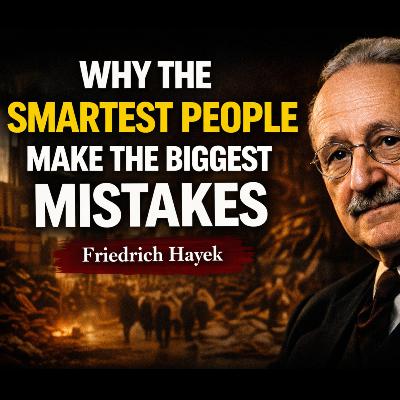
In 1959, MIT's brightest minds tried to plan the Soviet economy with computers. 30 years later: 70 million dead. Why do brilliant people create catastrophic disasters?[MAIN DESCRIPTION]In this episode of Philosophy for Better Humans, we explore one of the most uncomfortable truths in history: The smartest people often make the worst mistakes. Not despite their intelligence—but BECAUSE of it.Nobel Prize-winning economist Friedrich Hayek spent his life warning about "The Fatal Conceit"—the dangerous belief that human beings are smart enough to centrally plan economies, societies, and civilizations. His insights are more urgent than ever as experts demand control over AI, climate policy, information, and your personal choices.🔥 What You'll Discover:Why MIT economists tried to design the Soviet economy (and failed catastrophically)The "Knowledge Problem" that makes central planning impossible—no matter how much data you haveHow The Road to Serfdom explains why economic planning inevitably destroys freedomWhy the most sophisticated systems (language, cities, markets) have NO designerThe psychology of why intellectuals are attracted to socialism and comprehensive plansWhat "scientism" is and why treating society like a physics experiment kills millionsHow Hayek's warnings apply to AI governance, COVID policy, and climate regulation TODAY📊 Key Topics Covered:✅ The Fatal Conceit - Why intelligence without humility is catastrophic✅ The Knowledge Problem - Why no one can know enough to plan society✅ Spontaneous Order - How complexity emerges without conscious design✅ The Road to Serfdom - Why planning leads to tyranny✅ Intellectuals and Socialism - Why smart people support failed systems✅ Scientism - When science becomes dangerous pseudo-religion✅ Soviet economic planning failures and famines✅ The Holodomor - 7 million dead from "expert" wheat planning✅ Public housing disasters (Pruitt-Igoe, Brasília, Soviet blocks)✅ Jane Jacobs vs. Robert Moses - Wisdom beats expertise✅ COVID-19 policy failures and expert overconfidence✅ AI regulation debate and the limits of expert control✅ Climate policy and the dangers of comprehensive planning✅ Why markets solve problems experts can't even see💡 Why This Matters NOW:Right now, the smartest people in the world want to:Control AI development "for our safety"Reorganize the global economy around climateRegulate information to fight "misinformation"Mandate health behaviors based on "expert consensus"Redesign capitalism, education, and society itselfThey're absolutely certain they know enough to do this. Hayek would say: That certainty is the problem. This episode will show you why—with historical examples that should terrify you and contemporary parallels you can't ignore.🎯 Perfect For:Anyone concerned about government overreach and expert authorityEntrepreneurs and business leaders who deal with bureaucracyPeople skeptical of central planning and comprehensive solutionsThose interested in Austrian economics and classical liberalismAnyone worried about AI regulation and tech governanceStudents of political philosophy and economic theoryFans of free market thinkers like Milton Friedman, Thomas Sowell, Ludwig von MisesAnyone who wants to understand why smart people supported communismCritical thinkers questioning COVID policies, climate mandates, and expert consensusParents fighting standardized education and one-size-fits-all systems
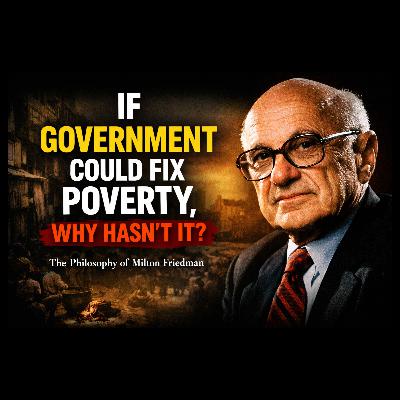
Since 1964, America has spent over $30 TRILLION fighting poverty—yet poverty rates remain unchanged. Nobel economist Milton Friedman knew why, and his answer will shock you.[MAIN DESCRIPTION]In this episode of Philosophy for Better Humans, we dive deep into one of the most controversial economic minds of the 20th century: Milton Friedman. Why did the War on Poverty fail? How do welfare programs trap people instead of helping them? And what does this mean for our future as AI threatens millions of jobs?🔥 What You'll Discover:Why $30 trillion in anti-poverty spending hasn't reduced poverty rates since 1967The "welfare cliff" that punishes poor people for working (effective tax rates over 100%)How public housing projects like Pruitt-Igoe became government-backed ghettosMilton Friedman's radical solution: The Negative Income Tax (precursor to Universal Basic Income)The moral case for free markets vs. government interventionWhy good intentions often create terrible outcomesHow to apply Friedman's philosophy to modern problems like AI automation📊 Key Topics Covered: ✅ War on Poverty - Why 60 years of government programs failed ✅ Welfare trap economics and poverty cliffs ✅ Public housing failures (Robert Taylor Homes, Pruitt-Igoe) ✅ Negative Income Tax explained simply ✅ Free market capitalism vs. socialism debate ✅ Universal Basic Income and the future of work ✅ AI automation and technological unemployment ✅ Economic freedom and political freedom ✅ Unintended consequences of government policy ✅ Real solutions to poverty that actually work💡 Why This Matters NOW: As we face the biggest economic transformation in history—AI and automation threatening to replace millions of jobs—Friedman's insights are more relevant than ever. Should we implement Universal Basic Income? Will robots create mass unemployment? Can government solve these problems, or will it make them worse?This isn't just economic theory. This is about YOUR future, YOUR freedom, and YOUR ability to build a better life.🎯 Perfect For:Anyone interested in economics, philosophy, or politicsEntrepreneurs and business ownersPeople concerned about poverty and inequalityThose curious about Universal Basic Income (UBI)Anyone worried about AI taking their jobFans of free market economics or libertarian philosophyStudents of Milton Friedman, Friedrich Hayek, Thomas SowellAnyone who wants to understand why government programs often fail🧠 About Milton Friedman: Nobel Prize-winning economist, advisor to presidents, and champion of economic freedom. Friedman's ideas shaped policy worldwide through his books "Capitalism and Freedom" and "Free to Choose." Love him or hate him, you can't understand modern economics without understanding his philosophy.This episode will challenge everything you thought you knew about poverty, welfare, and the role of government in society.🔔 SUBSCRIBE to Philosophy for Better Humans for more deep dives into the ideas that shape our world!
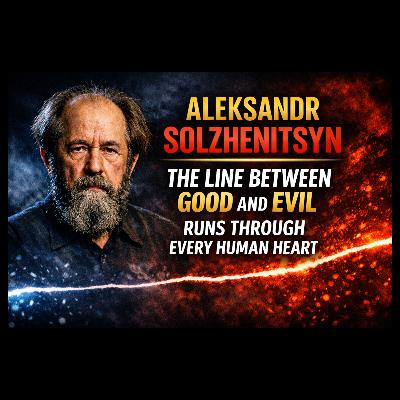
Aleksandr SolzhenitsynTarget Keywords: Aleksandr Solzhenitsyn, The Gulag Archipelago, Live Not By Lies, Stoicism, Moral Philosophy, Personal Responsibility, Truth.Description:What happens to the human soul when it is stripped of everything?In this episode, we dive into the life and philosophy of Aleksandr Solzhenitsyn, the man who survived the Soviet Gulags to deliver a message that still shakes the world today: "Live Not By Lies." > Most people blame "the system" for their problems, but Solzhenitsyn discovered a terrifying truth while lying on rotting prison straw: the line between good and evil doesn't run between political parties or nations—it runs through every human heart.In this episode, you will learn:Why small, "harmless" lies are the most dangerous thing you can do.How to take radical responsibility for your own life.Why comfort makes us shallow and how suffering can actually refine us.How one person choosing the truth can shake an entire empire.Timestamps: 0:00 - The 4 words that changed history 2:15 - From Soldier to Prisoner: The birth of a conscience 8:40 - The Gulag as a moral laboratory 12:13 - Practical Philosophy: Live Not By Lies 18:52 - Why suffering is a school for the soul 22:33 - The line through every heart 32:50 - 4 Pillars of a better human 43:50 - Final RecapSubscribe to Philosophy For Better Humans for weekly deep dives into the minds that shaped humanity.
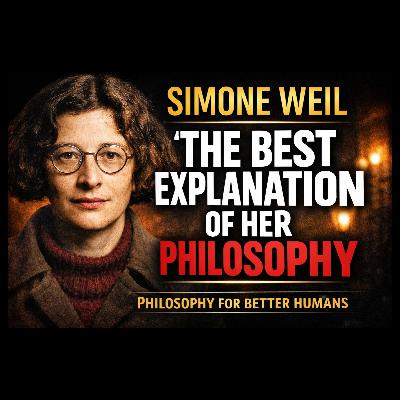
Simone WeilTarget Keywords: Simone Weil, Gravity and Grace, Mindfulness, Attention, Modern Anxiety, Philosophy of Love, Self-Improvement, Mental Clarity.Description:Are you living your life on "autopilot"?Simone Weil was a philosopher, activist, and mystic who believed that two forces rule our lives: Gravity and Grace. Gravity is the downward pull of our ego, our impulses, and our habit of reacting without thinking. Grace is the silent force that lifts us up—but it can only enter when we learn the rarest skill in the modern world: Attention.In an age of digital confetti and constant outrage, Weil’s philosophy is a radical toolkit for reclaiming your mind and your heart.In this episode, we explore:Gravity: Why we are addicted to outrage and ego-protection.Grace: How to find clarity in a world designed to distract you.The Art of Attention: Why truly "seeing" someone is the highest form of love.The Slow Yes: How to stop overcommitting and start living with integrity.Timestamps: 0:00 - The woman who lived her philosophy 3:21 - Gravity vs. Grace: The two forces of the universe 6:02 - Why your ego is like physical gravity 10:35 - How to let Grace into your life 14:24 - Why Attention is the same thing as prayer 18:52 - Seeing the person behind the label 27:32 - The sacrifice of clarity 37:37 - Summary: How to practice Grace todayIf you're feeling overwhelmed by the noise of modern life, this episode is your guide to finding the silence that saves.
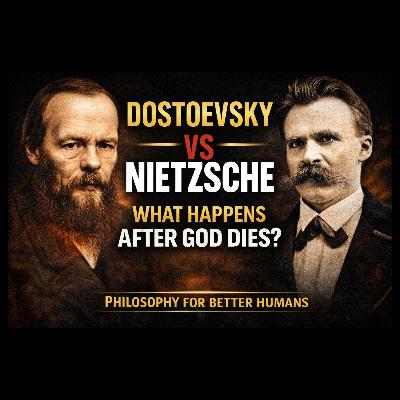
What happens to humanity after God dies? Over a century ago, Friedrich Nietzsche and Fyodor Dostoevsky stood at the same historical crossroads—and saw the same crisis coming. Meaning was collapsing. Faith was eroding. Moral certainty was dissolving.But they gave radically different answers to the same terrifying question.Nietzsche believed humanity would have to become strong enough to create its own meaning—to rise beyond good and evil through power, will, and self-overcoming. Dostoevsky believed that without transcendent meaning, humans wouldn’t rise at all—they would fracture, justify cruelty, and destroy one another in the name of ideology.In this long-form episode of Philosophy for Better Humans, Joey Caster walks you through:What Nietzsche really meant by “God is dead”Why Dostoevsky warned that “everything becomes permissible”How power, meaning, and morality collide in the modern worldWhy anxiety, nihilism, and identity crises are exploding todayAnd what this 19th-century debate reveals about your life right nowThis is not an academic lecture. It’s a cinematic, emotionally grounded exploration of meaning, suffering, strength, love, and responsibility—and why the future of civilization may depend on how we answer this question.🎧 Listen if you’ve ever asked:“Why does modern life feel empty?”“Can we really create our own meaning?”“Is compassion weakness—or the deepest form of strength?”“What actually holds a society together?”📌 Listen to the full episode 🎙️ Philosophy for Better Humans Hosted by Joey CasterKeywords / SEO Tags: Nietzsche vs Dostoevsky, God is dead meaning, philosophy podcast, existentialism explained, nihilism modern life, meaning of suffering, philosophy for beginners, moral philosophy, power vs compassion, Friedrich Nietzsche philosophy, Dostoevsky philosophy, long form philosophy podcast
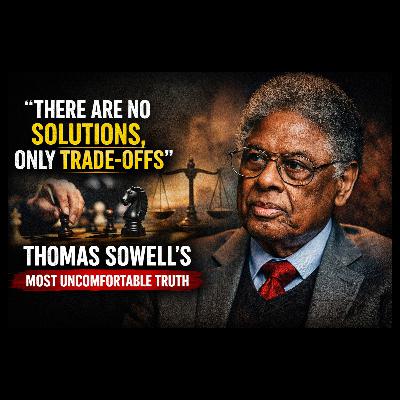
Here is a high-converting, SEO-optimized description for this episode, tailored for platforms like Apple Podcasts, Spotify, and YouTube.Episode Title"There Are No Solutions, Only Trade-Offs": Thomas Sowell’s Most Uncomfortable TruthEpisode SummaryWhat if the "solutions" you are chasing—in politics, in your career, and in your love life—are actually making things worse? In this cinematic deep-dive, narrator Joey Caster walks you through the mind of legendary economist Thomas Sowell to reveal the one concept that explains why good intentions so often lead to disastrous results. From the rubble of rent-controlled cities to the existential risks of Artificial Intelligence, we explore why maturity means accepting that there are no solutions—only trade-offs.Show Notes & Key TakeawaysIn a culture obsessed with "fixing" everything, Thomas Sowell offers a sobering, liberating reality check. We dismantle the Unconstrained Vision (the utopian belief that we can engineer a perfect world) and replace it with the Constrained Vision (the tragic realization that we must choose what to sacrifice).In this episode, you will learn:The River Paradox: Why the "hero" who tries to save everyone often destroys the bridge.The Architecture of Ruin: How Rent Control destroyed housing markets more effectively than bombing, and why the War on Poverty dismantled the nuclear family.The 1948 Mystery: The shocking data showing why black teen unemployment was lower in Jim Crow America than it is today.Modern Battlefields: Applying Sowell’s lens to 2026 crises:AI vs. Safety: The existential gamble of the "Accelerationists."The Anxious Generation: How "Safetyism" traded broken bones for broken minds.Modern Dating: Why algorithms and the "Paradox of Choice" are keeping you single.Ozempic & The Body: The biological trade-off between weight loss and the loss of pleasure.The Philosophy of the Camera: How the technical constraints of photography explain the limits of the human condition.Featured Thinkers & Concepts:Thomas Sowell (A Conflict of Visions, The Vision of the Anointed)Jonathan Haidt (The Anxious Generation)Barry Schwartz (The Paradox of Choice)Reinhold Niebuhr (The Irony of American History)The McNamara FallacyMemorable Quote: "The tragedy is not that we have to choose. The tragedy is believing we don't."Listen to this if: You are tired of empty political promises, you are struggling with perfectionism in your own life, or you want to understand the hidden mechanics of how the world actually works.SEO Keywords / TagsThomas Sowell, Economics, Philosophy, Personal Growth, Unconstrained Vision, Social Justice, AI Ethics, Modern Dating, Mental Health, Rent Control, Minimum Wage, Libertarian Philosophy, Stoicism, Realism, History, The Anxious Generation, Decision Making.
Power, Systems & Modern Life | Why Incentives Matter More Than IntentionsWhy do well-intentioned policies so often lead to disastrous outcomes?In this episode of Philosophy for Better Humans, Joey Caster takes you on a deep, non-partisan philosophical journey through power, systems, and unintended consequences—and why incentives shape behavior more than intentions ever could.Drawing on history’s greatest thinkers—Friedrich Hayek, Edmund Burke, G.K. Chesterton, Karl Marx, Hannah Arendt, Thomas Sowell, and more—this episode explores how compassionate ideas, centralized planning, and market forces can quietly produce outcomes no one intended.We examine real historical case studies like:Prohibition in the United StatesThe Great Leap Forward in ChinaUrban renewal and welfare systemsFinancial incentives behind the 2008 crisisAnd connect them to modern life, including:Social media algorithms and outrage cultureESG metrics and moral signalingAI alignment and incentive designCorporate culture and performance metricsThis episode is not about left vs right. It’s about how systems actually work—and how good people can unknowingly participate in harmful outcomes when incentives are misaligned.If you’re interested in:Political philosophy without partisan baitIncentives vs intentionsPower, systems, and modern societyEthics, capitalism, progressivism, and technologyThinking clearly in a complex worldThis episode is for you.🎧 Listen, reflect, and share with someone who values truth over slogans. Subscribe for more long-form philosophical conversations on becoming better humans.📌 CHAPTER KEYWORDSpower and systems unintended consequences incentives vs intentions political philosophy podcast capitalism and progressivism philosophy of power AI ethics and incentives social media algorithms ESG criticism philosophy for better humans

Should ICE Deport Illegal Immigrants? | A Deep Philosophical Debate 🎙️ Philosophy for Better Humans | Narrated by Charles Sebastian WhitbyWhat happens when the law and compassion collide? In this powerful, long-form episode, we explore the deeply human and controversial question: Should U.S. Immigration and Customs Enforcement (ICE) arrest and deport undocumented immigrants? With vivid storytelling, philosophical insight, and emotional depth, narrator Charles Sebastian Whitby guides you through the moral and legal crossroads that define one of America’s most divisive issues.You’ll journey through: – Heart-wrenching real stories from immigrants, ICE agents, and American families – A philosophical showdown: Socrates vs. Dr. Martin Luther King Jr. on justice and law – Ethical frameworks from modern thinkers like Joseph Carens, Michael Walzer, and David Miller – The rule of law vs. the cry for mercy – National security, fairness, and the human cost of enforcement – Real-world policy implications and personal reflectionsThis isn’t a political rant — it’s a timeless, soul-stirring debate that invites you to pause, reflect, and engage. Whether you lean left, right, or somewhere in between, this episode offers a space for deeper understanding, critical thought, and meaningful conversation.🔔 Subscribe to the channel for more philosophical deep dives that make us all better humans. 💬 Share your thoughts in the comments — What do YOU believe justice looks like in this debate?👉 Listen now and explore the law not just as a system… but as a reflection of who we are.#PhilosophyForBetterHumans #ImmigrationDebate #ICE #Ethics #PhilosophyPodcast #Justice #UndocumentedImmigrants #LawAndMorality #BetterHumans
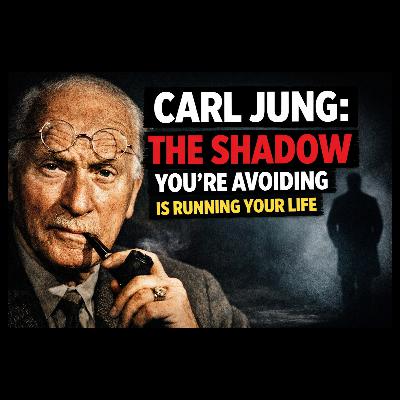
In this episode of Philosophy for Better Humans, we dive deep into the psychology and philosophy of Carl Jung — one of the most influential and misunderstood thinkers of the modern age.Why do we judge others so harshly? Why do we sabotage ourselves right when things are going well? Why do we feel divided, restless, or empty even when life looks “successful” from the outside?Jung believed the answer lies in the Shadow — the hidden parts of ourselves we repress, deny, or refuse to face. And he warned that what we don’t make conscious doesn’t disappear… it controls us.In this long-form episode, we explore: • Jung’s theory of the Shadow Self and how it secretly runs our behavior • Projection — why the traits you hate most in others may live inside you • Individuation — Jung’s idea of becoming whole instead of perfect • The Collective Unconscious and the ancient patterns shaping modern life • Why ignoring your shadow makes you dangerous — personally and socially • How Jung’s ideas apply today to relationships, leadership, technology, AI, and meaning • Practical ways to integrate your shadow without destroying your lifeThis episode isn’t about positivity or self-esteem. It’s about self-knowledge, responsibility, and becoming a more conscious human being in an unconscious world.If you’ve ever felt like: – You don’t fully understand yourself – You keep repeating the same emotional patterns – You’re “doing everything right” but still feel lost – Modern life feels empty, chaotic, or dividedThis episode is for you.🎙️ Narrated by Joey Caster 🎧 Philosophy for Better HumansSubscribe for long-form conversations on psychology, meaning, culture, and becoming whole — not perfect.
Soft Totalitarianism: Control Without Chains | Philosophy for Better HumansWe’re told we’re freer than ever. No dictators. No chains. No prison camps.So why does it feel harder to speak honestly?In this episode of Philosophy for Better Humans, we explore soft totalitarianism — a modern form of control that doesn’t rely on force, but on comfort, fear of exclusion, social pressure, and algorithmic influence.Drawing from the warnings of Hannah Arendt, Aldous Huxley, Alexis de Tocqueville, Aleksandr Solzhenitsyn, and Václav Havel, this episode reveals how freedom can quietly erode inside democratic societies — not through violence, but through conformity, distraction, and moral outsourcing.We discuss: • What soft totalitarianism actually is (and why it’s so effective) • How social pressure replaces censorship • Why people self-censor long before they’re told to • The role of technology, AI, media, and bureaucracy • How language is used to shape thought • Why good people become instruments of control • What “living in truth” means today • How to resist without becoming extreme or bitterThis episode isn’t about left vs right. It’s about truth vs comfort. Courage vs convenience. Freedom vs illusion.If you’ve ever felt pressure to stay silent, to edit yourself, or to go along just to get along — this episode is for you.🎙️ Hosted by Joey Caster 📘 Podcast: Philosophy for Better HumansListen with intention. Share with someone you trust.🔍 Tags / Keywords soft totalitarianism, philosophy podcast, freedom of speech, social pressure, modern tyranny, AI and control, Hannah Arendt, Aldous Huxley, Solzhenitsyn, Vaclav Havel, cultural conformity, censorship without censorship, psychology of power, moral courage, free thinking, Philosophy for Better Humans

What happens when democratic socialism meets free-market realism?In this long-form episode of Philosophy for Better Humans, we explore one of the most important ideological clashes of our time: Zohran Mamdani vs Thomas Sowell.Two thinkers. Two worldviews. One fundamental question:How should a society balance justice, freedom, and responsibility?🎙️ In This Episode, We Explore:Zohran Mamdani’s democratic socialist vision for housing, wages, public services, and economic justiceThomas Sowell’s critiques of government intervention, redistribution, and centralized powerRent control vs market housingMinimum wage laws vs job creationGovernment-run services vs free marketsTaxing the wealthy vs economic incentivesRights as guarantees vs rights as freedomsThis episode is not a debate and does not tell you what to think.Instead, it walks you carefully through both philosophies, using real-world examples, historical insight, and clear reasoning—so you can decide for yourself.🧠 Why This Matters Right NowAs cities face rising costs, inequality, automation, and political polarization, these ideas are no longer theoretical. They shape:Housing affordabilityWages and workTaxes and public servicesFreedom, dignity, and opportunityUnderstanding these competing visions helps us think more clearly—and disagree more humanely.⏱️ Episode Structure:Philosophical foundations of Mamdani and SowellFive socialist ideas and Sowell’s critiquesFive free-market ideas and Mamdani’s critiquesReal-life applications in work, leadership, technology, and everyday lifeA balanced, reflective conclusion on how to disagree without fear or violence🎧 About the PodcastPhilosophy for Better Humans is a long-form podcast exploring the ideas that shape our world—without shouting, tribalism, or cheap outrage.If you enjoy deep conversations similar to:The Diary of a CEOJoe Rogan Experience (long-form idea exploration)Philosophical and economic deep divesYou’ll feel right at home here.🔔 If You Found This Episode Valuable:👍 Like the video 📩 Share it with someone who disagrees with you (respectfully) 🔔 Subscribe for future long-form philosophy episodes🏷️ Keywords / Topics:Zohran Mamdani Thomas Sowell Socialism vs Capitalism Democratic Socialism Free Market Economics Economic Philosophy Political Philosophy Rent Control Minimum Wage Debate Taxation and Inequality Government vs Free Markets Philosophy Podcast Long-Form Podcast Ideas That Shape Society
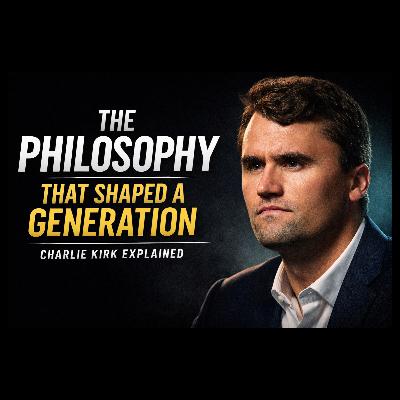
What happens when certainty meets chaos? Why do some philosophies resonate so deeply with a generation searching for meaning?In this long-form episode of Philosophy for Better Humans, we take a deep, thoughtful exploration of the philosophy, ideas, and worldview of Charlie Kirk — not as a headline, not as a caricature, but as a serious philosophical force that shaped millions of young minds.This episode is not about outrage or tribalism. It is about ideas.We examine:The philosophical foundations behind Kirk’s worldviewMoral realism, natural law, responsibility, and orderWhy his ideas resonated so strongly with young peopleThe psychological appeal of certainty in an age of confusionWhere critics raised legitimate concerns — and where accusations lacked meritHow disagreement must be met with dialogue, not fearWhy open conversation is essential for a healthy societyIn the final section, we reflect carefully on how Kirk’s death intensified an urgent cultural question:Can we still disagree without violence?This episode is narrated in a cinematic, story-driven style by Charles Sebastian Whitby — blending philosophy, psychology, history, and real-world insight to help listeners think more clearly, speak more honestly, and live more intentionally.This is not a political endorsement. It is a philosophical examination.🎙️ Philosophy for Better Humans is a long-form podcast dedicated to exploring big ideas, moral clarity, and the habits of thought that help us become wiser, stronger, and more humane people.If you value: • Free thought • Open dialogue • Intellectual honesty • Civil disagreement • Deep philosophy without shoutingThen this episode is for you.🧠 Topics CoveredCharlie Kirk philosophy Moral realism explained Free speech and open dialogue Political violence and discourse Conservatism and youth culture Philosophy of responsibility Natural law philosophy Meaning in modern society Civil disagreement Ideas vs ideology🎧 Listen. Reflect. Share.If this episode challenged you or clarified something you’ve been wrestling with, consider sharing it with someone you trust.Subscribe for more long-form conversations that go deeper than headlines.Philosophy for Better Humans — because thinking well is a moral act.
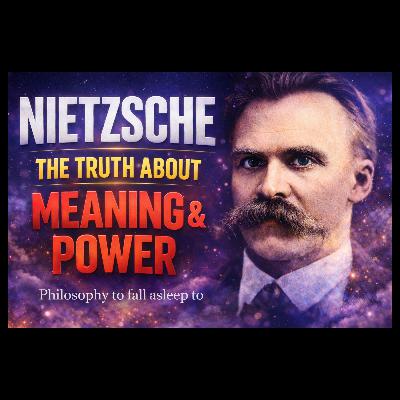
What if Friedrich Nietzsche wasn’t the dark, nihilistic philosopher you were warned about—but one of humanity’s greatest guides to meaning, courage, and self-overcoming?In this deep, cinematic long-form episode of Philosophy for Better Humans, we explore the complete philosophy of Friedrich Nietzsche—his biggest ideas, his most misunderstood concepts, and why modern philosophers, psychologists, and cultural thinkers still return to him today.This episode walks through Nietzsche’s core ideas, including:The death of God and the crisis of meaningNihilism and how to overcome itThe will to power (and what it really means)Master vs. slave morality and resentment cultureThe Übermensch as an ideal of self-overcomingEternal recurrence as a psychological test of your lifeAmor fati — learning to love your fateTruth, perspectivism, and powerWhy Nietzsche was misused by the Nazis and misunderstood by pop cultureHow thinkers like Foucault, Deleuze, Paglia, and Jordan Peterson engage with NietzscheHow Nietzsche’s ideas apply to modern life, identity, technology, AI, and personal growthTold as a fireside conversation with a wise philosophical guide, this episode blends storytelling, psychology, history, and timeless insight—designed to be both intellectually rich and emotionally grounding.🎧 Perfect for listening while falling asleep This episode is intentionally paced with a calm, reflective tone, making it ideal for:Falling asleep to philosophyLate-night listeningDeep focus or quiet reflectionLong drives or background listeningIf you enjoy philosophy while you sleep, thoughtful long-form content, or deep conversations about meaning, suffering, and becoming a better human—this episode was made for you.🔔 Subscribe for more long-form philosophy episodes 👍 Like & share if this helped you see Nietzsche—and yourself—more clearly🧠 Philosophy for Better Humans Where timeless ideas meet the struggles of modern life.
The Surprising Psychology Behind True Personal GrowthSEO Description:What if everything you’ve been told about self-improvement is wrong?In this powerful, cinematic episode of Philosophy for Better Humans, narrator Charles Sebastian Whitby guides you through the hidden truth behind genuine personal growth. This isn’t about morning routines or hustle culture. It’s about confronting your deepest discomforts, embracing vulnerability, and stripping away illusions to become who you were truly meant to be.Blending timeless philosophy with cutting-edge psychology, this episode explores the works of Viktor Frankl, Carl Jung, the Stoics, Joseph Campbell, and modern neuroscience to reveal why real transformation comes not from adding more—but from letting go. With vivid storytelling, emotional depth, and soul-stirring metaphors, this long-form audio experience is designed to help you reflect, reset, and reconnect with what matters most.🎧 Perfect for deep thinkers, creatives, and seekers—and calming enough to listen while falling asleep.Whether you're facing burnout, struggling with direction, or simply ready to grow beyond the surface, this episode will challenge and inspire you to begin your real journey.Keywords: true personal growth, psychology of self-improvement, Viktor Frankl meaning, Jungian shadow, Stoic resilience, philosophy podcast sleep, long-form podcast personal development, Joseph Campbell hero’s journey, Philosophy for Better Humans
Episode Title: Thomas Sowell and the Conflict of Visions: Why We See the World So Different. Description:Why do intelligent, well-meaning people disagree so deeply about justice, equality, and progress? In this cinematic episode of Philosophy for Better Humans, narrator Charles Sebastian Whitby explores the groundbreaking ideas of economist and philosopher Thomas Sowell. Drawing from A Conflict of Visions, The Vision of the Anointed, and Intellectuals and Society, this episode unpacks the two worldviews—constrained and unconstrained—that shape our politics, culture wars, identity debates, and personal lives.Whether you lean left or right, Sowell’s framework offers profound insight into modern polarization, identity politics, AI ethics, education reform, and leadership. This deeply human, story-rich episode is perfect for listeners seeking clarity, wisdom, and practical tools to navigate today’s divided world.Keywords: Thomas Sowell philosophy, A Conflict of Visions summary, constrained vs unconstrained vision, modern polarization, identity politics debate, Sowell podcast, conservative vs progressive worldview, political psychology, Vision of the Anointed, philosophy podcast, Charles Sebastian Whitby
Jordan Peterson: The Responsibility Revolution Why does Jordan Peterson say that meaning isn’t found in happiness… but in responsibility? In this episode of Philosophy for Better Humans, we explore the core philosophy behind Peterson’s work: the belief that taking responsibility — for your life, your habits, your future, and your character — is the path to strength, purpose, and self-respect. We break down why this idea resonates with millions of people today, especially those searching for direction, clarity, and a sense of identity in a chaotic world. This episode looks beyond the headlines and controversies. We focus on the ideas: discipline, meaning, sacrifice, personal truth, order vs. chaos, and the quiet revolution that begins when you decide to carry a heavier load. If you want to rebuild yourself… If you want to aim higher… If you want to stop feeling lost and start feeling responsible… This episode will speak directly to your soul. ✨ What You’ll Learn in This Episode Peterson’s core concept: responsibility as the antidote to chaos Why meaning is earned, not found The psychological importance of order, discipline, and daily structure How taking ownership builds confidence and competence Why avoiding responsibility leads to anxiety, resentment, and purposelessness The connection between truth-telling and personal strength How small daily improvements reshape your identity Practical ways to take responsibility for your life starting today Jordan Peterson podcast, Jordan Peterson philosophy, Jordan Peterson responsibility, self-improvement podcast, meaning and purpose, discipline and mindset, take responsibility for your life, personal growth for men, how to improve your life, Philosophy for Better Humans, betterment podcast, psychological growth tools, Jordan Peterson analysis, identity and responsibility. 💬 If this episode inspired you: ✓ Like the video ✓ Subscribe for weekly philosophy deep dives ✓ Drop a comment on how taking responsibility has changed your life 🎙 About the Podcast: Philosophy for Better Humans A weekly exploration of the world’s greatest thinkers — from philosophers to psychologists to world leaders — revealing how their ideas can help you build character, meaning, and a more intentional life.
Aristotle and the Revival of Virtue in a Fractured Society What does it mean to live a good life—and why does no one seem to teach it anymore?In this cinematic episode, Charles Sebastian Whitby guides listeners through the enduring wisdom of Aristotle’s philosophy of virtue and ethics. Drawing from Nicomachean Ethics, Politics, and Metaphysics, this episode shows how Aristotle believed that character, not wealth or pleasure, was the key to human flourishing.We explore how virtue was once the bedrock of education—and how its disappearance has contributed to today’s moral confusion, tribalism, and aimlessness.Through vivid storytelling, modern examples, and commentary from thinkers like Alasdair MacIntyre and Martha Nussbaum, this is a journey into Aristotle’s belief that we are not just meant to live… but to become better humans.Topics Covered: – What Aristotle believed about happiness, virtue, and human potential – The “Golden Mean” and the power of habit – Why character education disappeared from schools – How we lost our cultural compass—and how we might reclaim it – A blueprint for personal and societal renewal through virtue
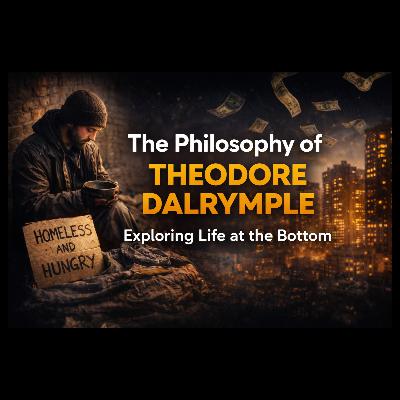
Theodore Dalrymple — Life at the Bottom: The Worldview That Shapes DestinyIn this episode, we explore the provocative and powerful ideas of Theodore Dalrymple, a physician and writer who spent decades working with people living on society’s margins. Dalrymple argues that poverty today is not only financial—it’s philosophical. The stories we tell about our lives can limit us or liberate us.We examine:how language shapes agencywhy responsibility can feel painful but freeingwhat discipline offers the human spirithow compassion and accountability must work togetherhow meaning is built through structure, sacrifice, and commitmentThis is not an episode about blame. It’s an episode about dignity, authorship, and the fragile but powerful possibility of change.New episodes drop regularly. Follow Philosophy for Better Humans on Spotify to stay inspired and challenged.
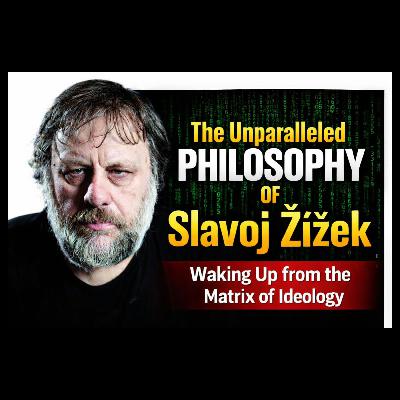
Do you ever feel like you’re awake… but something still isn’t real?In this episode of Philosophy for Better Humans, narrator Charles Sebastian Whitby takes you deep into the thought of Slavoj Žižek, the philosopher who insists that ideology is not what we believe — but what gives structure to belief itself.Together we explore:the illusions that protect usthe pain of confronting the Realwhy we repeat habits we hatethe invisible audience shaping our choicescapitalism’s cage disguised as playgroundthe digital world’s capture of desirehow to live awake without becoming cold or hopelessThis is not philosophy as abstraction — but philosophy as liberation. By the end, you’ll understand not only how ideology works… but how to walk through the world with clearer eyes and a freer heart.If you’re looking for growth, depth, and an honest confrontation with meaning — press play.✨ ThemesSelf understanding | freedom | awareness | ideology | modern life | technology | meaning | growth | change | awakening💬 Reflection PromptWhat unexamined story shapes your life — and who would you be without it?❤️ If this moved youFollow, rate, and share with someone who’s ready to wake up.

Comments

Download from Google Play

Download from App Store
 United States