


 Claim Ownership
Faithonomics
Subscribed: 0Played: 0
Subscribe

© Copyright 2025 All rights reserved.
Description
Faithonomics explores what it means to run a business that truly honors God. Through candid conversations with Christian CEOs and marketplace leaders, we unpack how faith shapes culture, decisions, and success, showing that eternal impact and excellence can go hand in hand.
16 Episodes
Reverse

In this episode Joe Reed, from Exponent Group, joins the Todd & Dan to discuss building tools and practices that help faith-driven leaders measure real impact in communities. He explains how Pulse started as a need for real-time, actionable missional metrics beyond annual reports and how it helps nonprofits and businesses track leading indicators and direct resources where they’re needed.
Joe emphasizes the importance of culture-setting and spiritual formation before focusing on quantitative outcomes, and describes working with investors like Eagle Venture to provide spiritual direction and community for entrepreneurs to prevent burnout and strengthen leadership. He also introduces SolveLine, a missional outsourced operations program based in Africa that provides virtual assistants and operations teams while funding job training and community development.
The conversation covers practical advice for CEOs who want to make their teams more missional, how to measure qualitative changes over time, examples of community impact, and the value of partnership and community for leaders. The episode closes with a prayer and links to exponentgroup.org and solveline.pro for listeners who want to learn more or get involved.
This episode mixes light football banter with deep conversation about the Tebow Group and Tim Tebow Foundation. Hosts, Dan and Todd, discuss a documentary called "Redemption," divided college football loyalties, and the personal stories behind the team.
Tommy explains how the Tebow Group (the business arm) and the Tim Tebow Foundation (the nonprofit arm) work together to fuel and amplify faith, hope, and love. He shares how for-profit companies and investments support ministry work and provide sustainable funding for global efforts.
The conversation highlights how technology—especially AI and pattern recognition—is being used to fight human trafficking, with more than 20 companies in the portfolio working on detection, training healthcare workers, and building tools for law enforcement.
Tommy also describes leadership practices: clear mission and values, regular anonymous culture surveys, communication check-ins, building trustworthy teams, and scheduled replenishment time to avoid burnout. He shares lessons from past business failures, the importance of a support network, and encourages leaders to seek help when in crisis.
The episode closes with practical contact information for the Tebow Group and a prayer for listeners who may be struggling, emphasizing identity in God, the need for community, and hope for recovery and purpose.
Hosts Dan, and Todd, talk with Anthony Smith, founder of Dynamic Results, about preparing small, "non-sexy" businesses for sale. Anthony shares his path from Napa Auto Parts and Amazon to founding an M&A boutique, then outlines five essential areas to prepare: clean up financials and separate tax vs managerial accounting; create strategic plans and document KPIs/SOPs; understand buyer types (strategic, private equity, family, ESOP) and choose who aligns with your values; develop a capable management team or successor so the business can run without you; and plan for life after the sale.
The episode covers valuation basics (EBITDA multiples, enterprise value), typical broker fee structures and timelines (often 6–12 months), and creative exit options like seller financing, ESOPs, and partial sales. Anthony emphasizes honest self-assessment—don’t confuse a job with a sellable enterprise—and encourages owners to start planning early, protect their business values through transition, and consider faith-aligned buyers if stewardship matters. The conversation closes with a prayer for sellers to find purpose beyond the sale and practical contact details for Anthony.
In this episode Pete Gall joins the hosts to explore how a clear identity in Christ reshapes how we live at work, at home, and in prayer. Pete traces his own journey from advertising to ministry and brand strategy, and explains why identity is given, not manufactured.
They unpack the "three marriages"—work, home, and self—and describe how prayer and pulpit provide clarity, conviction, and zeal. Pete introduces three core wounds (abandonment, humiliation, rejection) that map to three work temperaments (builder, operator, architect) and shows how these wounds drive extractive behavior unless healed by Christ-centered identity.
Listeners get practical steps: diagnose your default wound by answering whether your optimism looks to the past, present, or future; craft an ethos/telos identity statement; set clear boundaries so you serve the right people in the right way; and move from extraction to blessing in business and relationships.
The episode closes with a pastoral prayer and an invitation to go deeper through Pete’s Centurion Response identity work for leaders seeking to live out their kingdom calling with clarity and courage.
Animation legend Butch Hartman joins the podcast to tell his story: growing up drawing cartoons, training at CalArts, working across studios, and creating hits like Fairly OddParents and Danny Phantom. He shares how he became a Christian around 2000 and how his faith reshaped his leadership, storytelling, and daily work in Hollywood.
Butch explains why he left Nickelodeon in 2018 to start Butch Hartman Studios and launch faith-driven projects like The Garden Cartoon and the movie The Greatest Thing Ever. He discusses the need for high-quality, family-friendly content, the changing media landscape, and the business and spiritual principles that guide his studio—balancing profitability, ministry, and creative excellence.
The episode also covers practical leadership and innovation advice: build strong teams, stay humble, pray and journal, be the first in and last out, and focus on making great products. Butch closes with a prayer for entrepreneurs and details on how listeners can connect or support his work (askbutchhartman@gmail.com, ButchHartman on social, and garden-cartoon.com).
In this episode Wade McGuinn shares the 40-year story of McGuinn Homes — a company that grew from building one house at a time to becoming South Carolina’s largest privately held builder by volume. Wade describes how faith shaped his leadership through triumphs, two bankruptcies, and the 2008 financial crisis, and how the company learned to lead from a place of calling rather than mere ambition.
Wade explains practical steps they’ve taken to make ministry core to the business: hiring chaplains, instituting intentional weekly one-on-ones to disciple employees, developing succession plans, and even creating a C-suite chief spiritual officer. He also recounts learning from other builders (like Beedenbaugh) about building community for customers and the measurable business benefits of investing in people.
The conversation covers wisdom about allowing people to “sit in the full weight of grace,” recognizing when to bring the bottom up for someone, and the importance of listening, humility, and mentorship. Wade ties spiritual principles to practical outcomes — showing that loving and discipling employees can improve culture, retention, reputation, and financial performance.
The episode closes with a prayer and an invitation for leaders to consider simple first steps — schedule regular one-on-ones, seek alignment, and let faith shape decisions — while trusting God with the results.
In this episode Pete Ochs shares his journey from farm kid and banker to founder of a family-owned manufacturing group and the creator of Seat King — a business that operates inside maximum and medium security prisons. He explains how a need for labor grew into a larger mission to build economic, social, and spiritual capital for incarcerated men.
Pete describes the private industry model inside Kansas prisons, how inmates are paid, and how performance-based bonuses and training incentives increased productivity and responsibility. He highlights life-changing programs like a three-year seminary delivered on Kindles, vocational and parenting courses, and community-building events that restore dignity and family connections.
The conversation covers powerful results: dramatically lower recidivism among participants, large-scale wages paid to inmates, and unexpected generosity from inside the prison culture. Pete also reflects on stewardship, leadership transition to his son, founding Enterprise Stewardship to help other businesses create triple-bottom-line impact, and lessons learned from selling companies and pursuing significance over success.
The episode closes with a prayer and a call to risk faith, time, and money for kingdom impact, plus practical encouragement for business leaders to steward their companies in ways that honor God, serve people, and deliver excellent results.
In this episode Alex Melvin, third-generation owner and CEO of Rural King, joins the hosts for a candid conversation that begins with a backyard chicken story and grows into a deep discussion about faith, leadership, and stewardship.
Alex shares his personal journey to Christ — a life-changing moment in 2018 while reading Luke 12 — and how that relationship reshaped his priorities, marriage, and struggles with addiction and comparison. He explains how learning to wait for God’s peace changed the way he makes decisions.
The conversation covers concrete ways faith shaped the business: the RK Cares foundation, a company-wide chaplaincy program, the Harvest of Hope concert, renewed focus on associates and community, and thoughtful growth plans (including stores coming to the South). Alex also lays out Rural King’s six areas of differentiation: price, product categories, merchandising, brand, customer experience (popcorn, live chicks, dogs in stores), and services.
Practical advice for leaders: avoid comparison, seek wise counsel, learn to hear God’s timing, and distinguish true risk from fear-driven risk. The episode closes with a short prayer and encouragement for leaders who want to steward their business for eternal impact.
In this episode, Pat and Kyle Quill share the 30-year story of Carolina HVAC Electrical — from Pat’s start after Navy nuclear service, through early struggles and a bankruptcy he chose to repay, to the company’s growth into a faith-driven, 25-employee business. They describe humble beginnings (a Mitsubishi Mighty Max and used appliances), lessons learned from failure, and how faith shaped decisions about honesty, generosity, and community.
Kyle reflects on growing up in the business, joining full-time, and the sometimes messy transition into leadership. Pat and Kyle explain the 2017 ownership handover, the 51% decision-making arrangement, and how humility, grit, and consistency built trust across generations.
The episode highlights how the company practices business-as-ministry through chaplaincy programs, partnerships with the FCA, mission trips with Jamaica Relief Ministries, and local community support. They give practical advice for multigenerational businesses: Gen 1 should avoid selfishness and protect family relationships; Gen 2 should earn trust, add value, and show humility.
The conversation closes with prayers for wisdom, humility, and unity for founders and their successors, and a challenge to view business as a stewardship and a platform for the gospel.

In this episode Danielle Waugh, a C12 chair from West Michigan, shares personal stories and practical lessons about integrating faith and work. She opens with a lighthearted backyard-chicken moment that led to discovering her hens were laying, then moves into deeper examples of how businesses can serve the Kingdom in simple, tangible ways.
Danielle describes the "buffalo culture"—a leadership approach that encourages teams to face storms together rather than retreating—and illustrates it with real member stories, including marriage restoration and community impact. She shares vivid examples: a peach grower partnering with a food rescue to feed children, a virtual admin who discovered new purpose and spiritual growth, and a body-shop owner creating space for faith that led to lives changed.
The conversation addresses common barriers leaders face in bringing faith into the workplace—fear, ignorance, and legal concerns—and offers practical steps: start small, find accountability, and create protocols so faith can be expressed responsibly. The episode closes with a prayer based on Ephesians 3:20, encouraging listeners to step forward and trust God to do immeasurably more.
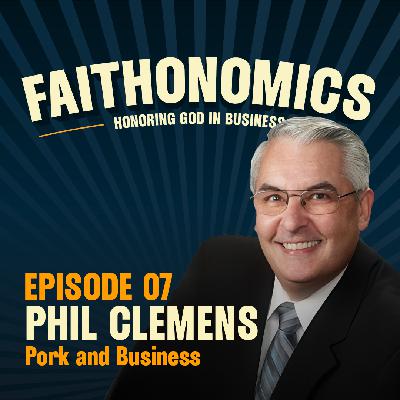
In this episode Phil Clemens, former CEO of Clemens Food Group, shares the story of a 130-year family business that processes 27,000 hogs a day and employs about 6,000 people. Phil explains how the company shifted from a "family business" to a "business family," and why that mindset change saved the company and preserved family relationships.
Phil introduces the simple core values that guide their decisions—ethics, integrity, and stewardship—and explains the "three hats" framework (family, ownership, employee) for knowing which role to wear in different settings. He covers practical governance steps the family took: independent boards, voting trusts for shareholder control, and strict qualifications for family members who want careers in the company.
The conversation dives into succession planning, including mandatory retirement, emergency and natural succession (the A/B/C plan), and the importance of training internal leaders or bringing in outside CEOs when culture needs change. Phil also discusses compensation fairness, the separation of W-2 (employee) pay and K-1 (owner) returns, and how the faith-forward mission influences culture and frontline employees.
Listeners will get concrete advice on family employment policies, how to have honest conversations about roles, and stewardship principles for long-term financial and cultural health. The episode closes with Phil’s reflections on purpose, legacy, and serving others through business.
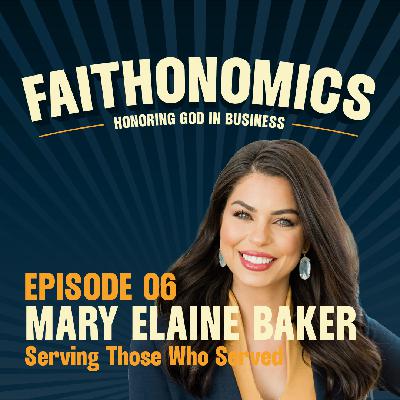
In this episode Mary Lane Baker, co-founder and integrator of VA USA, shares her journey from public school teacher to building a virtual assistant company that creates remote jobs for military families. She explains how personal experience with military life and the need for flexible, meaningful work inspired the company’s mission.
Mary Lane describes how she and her husband turned a personal transformation into a business that pairs trained virtual assistants with faith- and purpose-driven companies, focusing on trust, process, and relationships rather than transactional task work.
She discusses practical strategies for building trust and accountability on remote teams—intentional onboarding, weekly meetings led by the assistant, time tracking with notes, proactive check-ins, and measuring engagement through simple scorecards.
The episode also covers VA USA’s unique people-first practices: creating an outreach ambassador role, integrating chaplaincy for virtual care, offering nontraditional benefits like financial coaching and marriage scholarships, and using care packages to show up in hard times.
Mary Lane talks candidly about the difficulties of rapid growth, the decision to downsize to protect values, and how spiritual surrender helped them realign. She closes with stories of impact—improved wellbeing for military families and team members who connected with faith—and a prayer for courage to take the next steps in building humane, values-driven workplaces.
In this episode, Ron Blue (founder of Blue & Co., Blue Trust, National Christian Foundation, Kingdom Advisors, and the Ron Blue Institute) walks through his journey from Wall Street accountant to faith-driven financial leader. He shares pivotal moments—becoming a Christian, choosing mission over money, building organizations designed to outlast their founders, and the practical financial planning that enabled huge generosity. Ron explains why stewardship starts with the question “Who owns it?” and how biblical financial principles produce better giving, stronger succession planning, and healthier churches. He also highlights concrete wins: faith-driven advisors, Christian trust services, university programs teaching biblical finance, and tools pastors can use to teach stewardship.
Why listen: if you’re a business owner or CEO trying to honor God in your work, you’ll get practical leadership advice (hire for heart, plan succession, stay mission-driven), stewardship frameworks (the 4-H tool), and inspiration on integrating faith and finances across churches and institutions.
Resources mentioned: Master Your Money (recommended book), the 4-H tool for pastors, Blue Trust, National Christian Foundation, Kingdom Advisors.
Listen and get challenged to lead with a heart for mission and to steward resources for kingdom impact.
Join hosts Dan and Todd as they chat with Luke Van Wyk — a former family-business owner turned C12 chair — about the journey from farming to manufacturing, leading a multi-decade business, navigating family dynamics, and ultimately stepping into faith-led leadership. Luke shares candid stories about scaling an equipment manufacturing company, adopting EOS and peer forums (Vistage), stewarding an ESOP sale, and answering a calling to launch C12 in Central Iowa.
Hear practical lessons on integrating faith, family, and work (not just balancing them), using Scripture and prayer in business decisions, and the power of community and discernment for Christian CEOs. Luke also contrasts C12’s curriculum and holistic care with other peer groups, and gives real examples of how leaders have seen transformation in their marriages, businesses, and personal faith.
If you lead a business or want to bring your faith into your work in a meaningful, excellent way, this episode offers honest encouragement, frameworks for discernment, and inspiring stewardship stories.
Timothy Coors, co-CEO of CoorsTech, discusses leading a century-old family business across global markets. He covers co-CEO dynamics, translating core values across cultures, operational focus in semiconductor and defense industries, and the role of workplace chaplaincy in honoring faith within business.
The episode offers practical advice for leaders who want to integrate faith and excellence in their organizations, emphasizing long-term thinking, intentional values work, and starting small with programs like chaplaincy.
Mark Whittaker shares his journey from Ivy League scientist and rising Fortune 500 executive involved in price‑fixing to whistleblower, prison conversion, and decades of leading faith‑at‑work initiatives.
He discusses the role his wife played in your journey (and prison sentence), Chuck Colson’s mentorship, and how T‑Factor and chaplaincy transformed culture, retention, and purpose at Coca‑Cola Consolidated.
Comments


Download from Google Play

Download from App Store
 United States