


 Claim Ownership
The Logan Fields Podcast
Subscribed: 0Played: 0
Subscribe

© Logan Fields
Description
The Logan Fields Podcast is where sharp minds connect for unfiltered conversations on business, money, and personal growth. Hosted by Logan Fields—founder of The App Guys and builder of multi-million-dollar apps—the show features entrepreneurs and industry leaders sharing real stories, hard lessons, and big wins over the signature culinary touch of Logan’s in-house chef.
14 Episodes
Reverse
In this powerful episode of the Logan Fields Podcast, Logan Fields sits down with Jondhi Harrell, founder of The Center for Returning Citizens in Philadelphia, for a conversation that is raw, honest, and deeply instructive. This is not just a story about prison. It’s a story about identity, leadership, responsibility, and what real redemption looks like when it’s lived out in public.Jondhi spent 25 years in federal prison for bank robbery and weapons charges. At one point, he was an active bank robber building a business on stolen money. Today, he leads a nonprofit effort that feeds more than 70,000 people a year across Philadelphia. The contrast is staggering — but the transformation is even more compelling.Logan doesn’t avoid the hard questions. They talk about incarceration, fatherhood, self-respect, gang structures inside federal prison, and what it actually takes to survive — and thrive — during nearly two decades behind bars. Jondhi shares how mentorship under Dr. Mutulu Shakur helped him build discipline, structure, and a philosophy rooted in service. Instead of wasting time, he committed to education, leadership, and community building even while incarcerated.But this episode is not just about the past. It’s about what happens after prison.Through The Center for Returning Citizens, Jondhi now focuses on:Food distribution and food rescue across PhiladelphiaReentry programs built on accountability and relationship repairConflict resolution programs inside local schoolsYouth engagement through service and community leadershipYou’ll hear how his organization operates differently than traditional food banks. Instead of handing out bags, they create what feels like an outdoor market — allowing people to choose their food with dignity. Instead of charity, the emphasis is on community. Instead of labels like “ex-con,” they use the term returning citizens.One of the most compelling parts of the conversation centers on mindset. Jondhi explains that reentry is not just about getting a job or housing. It’s about rebuilding identity. It’s about forgiving yourself before expecting forgiveness from others. It’s about confronting reality instead of romanticizing the past. As he puts it, you must “put in work” every single day.Logan brings his signature curiosity and grounded perspective, challenging assumptions around race, leadership, and responsibility while creating space for nuance. Together, they explore themes like:The psychology of long-term incarcerationRestoring self-respect after public failureThe economics of food insecurityBlack leadership in community resource distributionThe tension between punishment and redemptionThe conversation also addresses a practical challenge: after feeding tens of thousands of people annually, Jondhi’s organization is now raising $300,000 to $400,000 to secure warehouse space, expand distribution capacity, and scale partnerships with farms and manufacturers. Growth requires infrastructure — and infrastructure requires capital.This episode is a masterclass in personal accountability, systems thinking, and grassroots leadership. It challenges simplistic narratives about crime and punishment while highlighting the power of disciplined transformation. Whether you care about criminal justice reform, nonprofit leadership, community building, or personal development, this conversation delivers substance.If this episode resonates with you, make sure to subscribe to the Logan Fields Podcast on your preferred platform. Share it with someone who needs to hear a real story about change. You can learn more about Logan Fields, his work in technology and innovation, and past episodes at LoganFields.com. To support or learn more about The Center for Returning Citizens, search their organization online and explore ways to get involved.Leadership isn’t theory. It’s lived. And this episode proves it.
In this episode of the Logan Fields Podcast, Logan Fields, Founder and CEO of The App Guys, sits down with producer and entrepreneur Megan Mayes for a candid, behind-the-scenes conversation about the real business of filmmaking. From indie passion projects to $500,000 commercial shoots, this episode explores what it actually takes to build a production company, manage creative talent, and survive in a high-risk, high-stakes industry.Megan shares her unconventional path into film, starting with childhood movie projects alongside her brother, later attending NYU, and eventually taking the leap to produce her own independent film. What began as artistic curiosity evolved into a disciplined pursuit of mastery. She breaks down how she moved from bartending in New York to producing narrative films and eventually carving out a profitable niche in commercial production.Logan, coming from the world of startups and software, pushes into the business mechanics behind the glamour. The result is a fascinating contrast between creative instinct and data-driven strategy. Together, they unpack how indie filmmakers approach risk differently than studios, why most big-budget films rely on a volume strategy, and how independent projects demand deeper intentionality and care.You’ll hear an unfiltered discussion about:The difference between indie films and studio productionsHow commercial production budgets actually workManaging cash flow, deposits, and net-90 payment termsDealing with high-profile talent and unpredictable personalitiesWhy many films never get releasedThe realities of set life, long shoot days, and leadership under pressureOne of the most compelling threads in the conversation is the tension between art and economics. Megan explains why she resists writing stories purely for budget constraints, while Logan challenges the industry’s traditional cash flow structure. The conversation moves fluidly between philosophy and practicality, revealing what it really means to operate as both an artist and a CEO.They also dive into leadership. What happens when a primary actor threatens to walk off set? How do you protect crew morale when tensions rise? Megan shares a powerful story about navigating conflict with empathy while maintaining authority. It’s a masterclass in composure and persuasion.Beyond film sets and financial models, the episode explores personal growth. Megan discusses coaching, mastery, and why she believes understanding every department on set makes her a stronger producer. Logan draws parallels to building elite teams inside a tech company, emphasizing that whether you’re shipping software or shooting a feature film, culture and clarity win.You’ll also hear lighter moments, including rapid-fire questions, stories of broken noses, favorite films like The Father, and reflections on storytelling as a tool for empathy. At its core, this episode is about building something meaningful in an industry that doesn’t guarantee outcomes.If you’re an entrepreneur, creative professional, filmmaker, or startup founder, this conversation offers rare insight into:Scaling a service-based businessBalancing creative vision with profitabilityStructuring production companies for long-term growthSurviving volatility in media and entertainmentTurning passion projects into sustainable careersThis is more than a film discussion. It’s a deep dive into risk tolerance, strategic thinking, and the courage required to create at a high level.To stay connected with Logan Fields, visit LoganFields.com and TheAppGuys.com. Follow Logan on LinkedIn for insights on technology, entrepreneurship, and leadership. If you enjoyed this episode, subscribe to the Logan Fields Podcast, leave a review, and share it with someone building in the creative or startup world. Your support helps amplify conversations with founders, innovators, and creators shaping the future.
In this episode of the Logan Fields Podcast, Logan Fields sits down with Clifton Prescod, a world-renowned celebrity and entertainment campaign photographer whose work has shaped global film, television, and streaming launches. From Emmy-winning projects to photographing the most recognizable faces in culture, Clifton’s career is a masterclass in patience, positioning, and long-term creative leverage.Clifton opens up about his unconventional path, starting with years of unpaid work, deep apprenticeship, and relentless skill-building before ever earning his first dollar. Rather than chasing shortcuts, he focused on mastering craft, building trust, and understanding how creative excellence intersects with business strategy. That long-game mindset ultimately led him to work on major campaigns for networks like Netflix, NBC, and Peacock, and to earn multiple Emmys as part of elite production teams.The conversation goes beyond photography. Logan and Clifton explore what it really takes to operate at the highest levels of entertainment without losing your identity. They unpack how Clifton differentiates himself in a crowded industry, why he rejects the title of “celebrity photographer,” and how creating a consistent on-set experience has become one of his greatest competitive advantages. This episode is as much about human psychology and relationship management as it is about cameras and lighting.Clifton also shares the story behind his next chapter: the launch of a luxury eyewear brand designed with the same intentionality he brings to his photography. Drawing from his background in industrial design, global manufacturing partnerships in Japan, and a sharp understanding of status branding, he explains why pricing high, embracing scarcity, and obsessing over detail are non-negotiable. This isn’t merch. It’s a collectible, heirloom product built for cultural placement and long-term brand equity.Throughout the episode, Logan Fields challenges Clifton on pricing power, investor dynamics, and how founders should think about signaling value in premium markets. The two dive into lessons from luxury brands, the dangers of over-accessibility, and why not every customer is meant to be yours. The discussion also touches on faith, pressure, ego management, and how to stay grounded while working with high-profile talent.Key topics explored include:Building a creative career through apprenticeship, patience, and repetitionHow to earn trust with celebrities and executives under extreme time pressureTurning artistic skill into business leverage and pricing powerDesigning and launching a luxury product with cultural relevanceManaging high-profile relationships with discretion and confidenceThe mindset shift from artist to founder without losing creative integrityThis episode is especially relevant for founders, creatives, designers, and operators who want to build something meaningful without chasing trends or validation. Clifton’s story reinforces that real momentum is built quietly, over time, through disciplined execution and thoughtful positioning.If you enjoyed this conversation, make sure to subscribe to the Logan Fields Podcast on your preferred platform so you never miss an episode. Share this episode with a friend who’s building in the creative or startup world, and leave a review to help the show reach more listeners. You can follow Logan Fields across social platforms for updates, behind-the-scenes insights, and upcoming guests, and stay connected as the podcast continues to explore the intersection of technology, creativity, and modern entrepreneurship.
In this episode of the Logan Fields Podcast, Josh Halpern, CEO of Big Chicken and Chief Business and Brand Officer at Craveworthy Brands, joins Logan Fields for a wide-ranging conversation on what it actually takes to scale restaurants, protect legacy, and build brands that last. From partnering with Shaquille O’Neal to growing a portfolio that now exceeds $400M in system-wide revenue without venture capital, Josh breaks down the operator mindset behind sustainable growth.The discussion starts with the origin of Big Chicken, a brand rooted in Shaq’s family history and built as a legacy play rather than a celebrity endorsement. Josh explains why star power might drive first-time traffic, but only disciplined operations, food quality, and guest experience keep people coming back. The stakes are higher when a brand is tied directly to a person’s reputation, and Josh shares what it means to protect that at scale.Logan and Josh dig deep into why Craveworthy Brands doesn’t operate like traditional private equity, even though it acquires and scales multiple restaurant concepts. Instead of financial engineering, the focus is on hands-on operations, supply chain mastery, and empowering founders who want to grow without losing what made their brands special in the first place. This operator-led approach shows up everywhere, from menu design to labor strategy to how franchises are supported day to day.A major theme of the episode is the difference between entrepreneurs and franchise operators, and why franchising isn’t for everyone. Josh is candid about why many independent restaurants fail, what founders underestimate about unit economics, and how small decisions, like napkins, sauces, or training systems, can make or break margins at scale. The conversation also explores how technology, data, and AI-driven training are reshaping hospitality without losing the human element that makes great restaurants work.Throughout the episode, Josh shares stories from his time working with Anheuser-Busch, insights from Bar Rescuealongside John Taffer, and lessons learned from managing complex supply chains where one weak link can collapse an entire operation. The result is a grounded, behind-the-scenes look at the restaurant industry that goes far beyond the food.Key topics covered in this episode include:Building Big Chicken with Shaq as a legacy brand, not a celebrity gimmickScaling to hundreds of millions in revenue without VC or private equity backingWhy operations, supply chain, and training matter more than hypeThe real economics of franchising and when it does or doesn’t make senseHow guest experience, data, and AI-driven training intersect in modern hospitalityLessons from Bar Rescue, brand turnarounds, and multi-concept growthThis conversation is essential listening for founders, operators, investors, and anyone curious about how brands scale in the real world, where execution beats theory and presence beats spreadsheets alone. Josh’s perspective blends heart, discipline, and clarity, offering insights that apply far beyond restaurants.If you enjoyed this episode, make sure to subscribe to the Logan Fields Podcast for more conversations with builders, operators, and leaders shaping the future of business. You can follow Logan Fields on LinkedIn and visit TheAppGuys.com or LoganFields.com for more content. Share this episode with someone building a brand, leave a review on your favorite podcast platform, and let us know who you want to hear on the show next.
In this episode of The Logan Fields Podcast, we sit down with Jamie Tompkins—an Emmy award-winning journalist, former Seattle news anchor, chief of staff for one of the country’s most high-profile police departments, and now the host of the Respectfu11y podcast. With over 20 years in broadcast journalism and a career that spans coast to coast, Jamie brings a wealth of insight on storytelling, leadership, and navigating major career transitions with purpose.From covering national tragedies to crafting deeply human narratives that shape public policy, Jamie has built a career on amplifying the voices of others. But as you’ll hear, she’s not just a storyteller—she’s a strategist with a deep understanding of how emotion, timing, and structure can move audiences and create lasting impact.We dive into the true cost and power of storytelling in journalism—what it takes to report on trauma without losing yourself, how to develop stories that resonate without sensationalizing, and the ways Jamie’s work has helped shape legislation like the Death with Dignity Act in Washington. She shares the behind-the-scenes process of covering heartbreaking stories, including one that earned her an Emmy and national attention.Key topics explored in this episode include:What separates great storytellers from average reportersHow Jamie crafted award-winning narratives rooted in compassion and clarityWhy storytelling is essential in business, leadership, and crisis communicationThe transition from broadcast journalism to serving as Chief of Staff at the Seattle Police DepartmentRebuilding public trust and reshaping the brand narrative of law enforcement post-2020Jamie’s mindset when making high-stakes career pivots and choosing purpose over prestigeWe also talk about the power of emotional intelligence, the importance of being selective about who you work with, and the mental health challenges faced by journalists and first responders alike. Jamie pulls back the curtain on newsroom culture, explaining how anchors balance on-air pressure, viewer expectations, and the pursuit of excellence—all while navigating tight deadlines and live technical failures.This conversation is a masterclass in intentional storytelling, resilience, and what it means to lead with both strategy and soul. Whether you're a startup founder, content creator, executive, or creative professional, Jamie’s perspective on how to shape stories that drive action is invaluable.If you’ve ever wondered how to translate the art of storytelling into your brand, leadership style, or mission-driven work, this episode is a must-listen.Takeaways you won’t want to miss:The importance of choosing theme and structure in high-impact storiesHow to “land the plane” and create content that leaves a lasting emotional imprintPractical parallels between news reporting and business messagingWhy Jamie believes communication is the most underutilized asset in leadershipTo hear more from Jamie, check out her show Respectfu11y on YouTube and follow her on Instagram @jamietompkinsnews.To stay connected with The Logan Fields Podcast, visit loganfields.com or follow Logan on Instagram and LinkedIn. If this episode resonated with you, share it with someone who needs to hear it—and don’t forget to leave a review. Your feedback helps us keep bringing powerful conversations to the surface.Want to dive deeper into the world of tech, entrepreneurship, and creative strategy? Visit theappguys.com to learn more about Logan’s work and the vision behind this show.
What happens when a self-described artist, not a salesman builds a podcast that reaches over 60,000 subscribers—without chasing trends, shortcuts, or viral gimmicks? In this episode of The Logan Fields Podcast, we sit down with Luis Guzman, host of I'm Not a Salesman and sales director of a high-performing fencing company, to talk about what it really takes to grow something meaningful in today’s attention economy.Luis brings a unique blend of raw hustle, deep empathy, and real-life entrepreneurial grit to the table. From selling football jerseys out of his car at 15 to helping scale a family-owned fencing company into a regional powerhouse, Luis has always been driven by value—not vanity. He opens up about the origin of his podcast, what drives his content strategy, and how he's helping listeners across the country shift from surviving to thriving.We get into the heart of what separates meaningful content from noise: real stories, real impact, and real connections. Luis shares some of the incredible stories from his podcast—including guests who went from homelessness to business ownership—and reflects on the responsibility that comes with an expanding platform.In this conversation, we dive into:The inspiration behind I'm Not a Salesman and how a casual phone call sparked the entire ideaWhy Luis believes the most powerful stories come from people who started at “negative”What it's like balancing sales leadership in a growing business while building a media brandHow storytelling and sincerity have been his most powerful marketing toolsThe difference between people who start with opportunity vs. those who fight for every inchWhy integrity and trust remain Luis’s highest values—in sales, content, and personal lifeWe also talk watches, steaks, bourbon, and cigars—but not just for fun. These moments of lifestyle reflect a larger theme throughout the episode: how intentional living and quiet confidence show up in the lives of people who are truly doing the work.Whether you’re a new podcaster trying to find your voice, a business leader growing your team, or someone stuck between creative ambition and practical responsibilities, this episode is a reminder that growth doesn’t always look flashy—and it shouldn’t.You’ll also hear Luis break down:The importance of showing up, even when the audience is smallHow to build trust with guests, clients, and listeners alikeHis approach to mentorship, leadership, and building a values-first brandWhy being “just a good person” is underrated in both life and businessThroughout the episode, there’s a sense of gratitude, clarity, and grounded ambition that sets Luis apart from the average entrepreneur story. He’s not chasing a trend—he’s building a movement.“When you have a moment to sit, sit.” That quote—shared toward the end of the episode—captures Luis’s entire ethos. This conversation is not about hacks or hustle culture. It’s about building something that lasts, staying close to your purpose, and remembering the “why” even as the numbers climb.Connect with Luis GuzmanYou can follow Luis on Instagram and TikTok under @ImNotASalesman. New episodes of I'm Not a Salesman drop every two weeks on YouTube and major audio platforms. Search artistnotasalesman to find his show and subscribe.Enjoyed this episode?We’d love to hear your thoughts. Subscribe to The Logan Fields Podcast on your favorite platform, leave a review, or share this episode with someone who needs a boost of clarity and motivation.You can also connect with Logan directly through the studio’s Instagram or inquire about booking an episode at Flexwork Studios.Let’s keep the conversation going.
What if your nightly routine could be hacked with a two-ounce drink—no melatonin, no grogginess, and no crash? In this episode of The Logan Fields Podcast, we sit down with entrepreneur Neil Mehta, best known for creating one of the world’s healthiest condoms—and now making waves in the wellness space with his new sleep supplement brand, Nox.Neil walks us through his unlikely journey, from public health grad to FDA-approved product founder, and why he’s always gravitated toward “taboo” categories. First, it was sexual wellness—designing a vegan, ultra-thin, non-toxic condom that could compete with global legacy brands. Now, he’s turning his attention to an equally under-discussed need: deep, restorative sleep.Created without melatonin or dependency-inducing ingredients, Nox is a clean, functional sleep shot that’s being tested by athletes, high performers, and everyday consumers who are tired of bad sleep—and worse side effects.In this wide-ranging conversation, Neil shares:The origin story of Nox and how a casual sample from a physician friend turned into a promising wellness brandWhat it took to bootstrap a product launch with just $10K, avoiding investors to stay lean and creativeWhy melatonin dependency is misunderstood, and how Nox’s ingredients work differently to support the body’s natural rhythmsEarly feedback from testers using wearables like the Oura Ring and Apple Watch to track measurable improvements in deep sleepHis marketing strategy focused on micro-influencers, smart pre-sales, and education-first content to drive interest and trustNeil also talks about his experience with the FDA during his first startup, why he believes in slow, sustainable growth, and how his upbringing (and martial arts background) shaped his approach to business.In his own words: “We didn’t build Nox to sedate you. We built it to help you truly recover.”Whether you're a founder building a DTC brand, a biohacker looking to improve sleep quality, or just someone who’s burned out on caffeine and melatonin, this episode offers sharp insights and actionable takeaways from someone who’s actually in the trenches.Key Topics Include:Breaking into the functional beverage space with a product people actually feelThe pros and cons of building in a highly regulated categoryWhy “taboo” industries are often where the biggest innovation livesHow Neil validates his product using data-driven feedback loops from real customersWhy consumer education—not shock value—is the long game in wellness brandingWant to try Nox or learn more?Visit www.drinknox.com to join the waitlist or sign up for early access. You can also follow Neil on Instagram at @neil_x_m for updates, behind-the-scenes startup content, and launch announcements.If you enjoyed this conversation, subscribe to The Logan Fields Podcast on your favorite platform and leave a review. It’s the best way to support the show and helps us keep bringing you honest, insightful interviews with the entrepreneurs shaping tomorrow’s wellness, tech, and creator economy.For media, guest bookings, or partnership opportunities, head to loganfields.com to connect directly with the team.
What does it really take to build a multi-six-figure business from vending machines—and then turn that success into millions of views online? In this episode of The Logan Fields Podcast, we sit down with Donald Luxama, one of the most fascinating entrepreneurs in the vending industry and a powerhouse content creator whose business savvy and integrity are reshaping what success looks like for Gen Z entrepreneurs.Donald, now 25, started his first vending machine hustle back in college. He wasn’t chasing passion—he was chasing access. With a smart take on how to leverage what’s readily available instead of romanticizing "passion projects," Donald lays out how he turned a couple of combo machines and meal swipes into a scalable business with real cash flow. But vending was just the beginning. His content documenting that journey now reaches hundreds of thousands, and his viral marketing playbook has become its own revenue engine.In this no-fluff conversation, Donald shares how he used consistency, failure, and high-volume testing to build both a physical and digital business empire. Whether you're looking to build a side hustle, grow your brand on social, or figure out how to monetize attention without losing your values, this episode delivers.In this episode, we cover:How Donald went from selling wristbands in high school to owning dozens of vending machines nationwideWhy buying vending machines with locations is key—and the top 3 rules for choosing a profitable oneThe psychology of content formats, virality, and what actually moves the algorithmWhy “volume beats luck” and how Donald uses that mindset to scale both business and contentThe power of integrity in entrepreneurship—and why Donald turned down five-figure deals that didn’t align with his valuesWhy most people fail when trying to follow their passion (and what to do instead)Donald also breaks down how he uses frameworks like “driving for dollars” and “vending machine takeovers” to identify underperforming locations and flip them for profit. His playbook isn't just tactical—it’s mindset-driven. He’s built his brand around consistency, community, and clarity—and it shows in how he educates, engages, and elevates others in the space.Other highlights include:The AI vending machines you’ve probably never heard ofWhy seclusion, long hours, and foot traffic are the holy trinity of vending successHow he went from 3,000 to 700,000 followers using just 12 high-performing videosWhy fake content might win short-term, but authenticity builds long-term trustHow he uses podcasting and media to scale impact and legacy—not just incomeWhether you're a startup founder, solo content creator, or side hustle explorer, this conversation offers a masterclass in turning real-world business into digital leverage—without selling out.Want more from Donald Luxama?Find him on Instagram at @thenerdy14, or search Donald Luxama across TikTok, YouTube, and Facebook for smart, tactical content that actually helps you get started in vending or content creation. His social channels are loaded with free game, practical frameworks, and behind-the-scenes looks at the vending business model.Connect with the show:If you enjoyed this episode, share it with someone building a side hustle or struggling to grow on social. Subscribe to The Logan Fields Podcast wherever you listen to podcasts and leave a review—it helps more listeners discover inspiring entrepreneurs like Donald. For episode updates, behind-the-scenes clips, and bonus content, follow us on Instagram and LinkedIn or visit loganfields.com/podcast.Want to record your own podcast in a premium New Jersey studio? Learn more about Flexwork Studios at flexworkstudios.com—your all-in-one home for podcast production, content days, and digital growth.
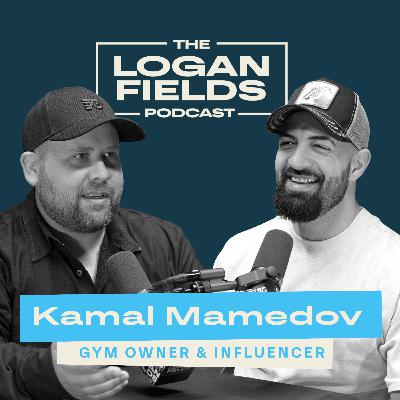
What does it actually take to go viral—not once, but over and over again? And how do you turn that momentum into a business?In this episode of The Logan Fields Podcast, we sit down with Kamal Mamedov—the UK-based entrepreneur behind Fortitude Fitness and the viral content agency Content Club. Kamal isn’t just another influencer with a few big hits. He’s built a full-blown media engine with tens of millions of monthly views, a thriving gym business, and a growing list of brand sponsorships. If you’re a content creator, business owner, or aspiring entrepreneur looking to understand how viral content, smart testing, and strategic brand deals intersect, this episode is packed with practical gold.We dive into Kamal’s story—starting from launching a gym with friends, to pivoting into content creation, to eventually building a creative agency that helps others engineer virality. What makes his journey especially unique is how methodical he is. Kamal doesn’t leave success up to chance. He’s tested over 17 edits of a single video just to dial in the version that earned over a million views. In a world obsessed with quick hits, he’s playing the long game—and winning.In this episode, we cover:How Kamal used his gym as a content incubatorThe anatomy of a viral short-form video (and why most people miss the mark)Why testing 10–20 versions of a video is normal at Content ClubThe role of curiosity hooks and rapid visual pacingHow editing just the music or caption can be the tipping pointWhy your first five edits will probably flop—and why that’s okayThe psychology behind audience retention and satisfying endingsKamal’s sponsorship strategy: from free gear to paid retainersHow to approach high-ticket content sponsorships as a B2B founderWhat sets Kamal apart is his ability to blend data-driven decisions with human instinct. He’s not just making videos for views—he’s designing performers that earn repeat attention. You’ll hear how he crafts social content frameworks, approaches editing like a scientist, and creates micro-moments that stick in the viewer’s memory long after the scroll.We also get into the real math of virality. Kamal shares the benchmarks he uses when working with clients, including what platforms to test on, what view counts matter across TikTok vs. Instagram vs. YouTube Shorts, and how to gauge whether a video is a hit—or just a spark.For creators or founders juggling multiple ventures, Kamal’s story is also a lesson in smart leverage. His gym, media agency, and personal brand don’t compete for attention—they feed each other. From locking in a Fiji Water sponsorship to getting strangers involved in spontaneous video bits, he’s mastered the art of turning everyday moments into shareable assets.We also get tactical about content strategy for high-income founders, including:Why B2B service businesses should think beyond educational contentWhen to blend entertainment into your personal brandHow to balance authority-building with personality-driven storytellingThe break-even point where sponsorships start to make financial senseIf you’ve ever wondered how to monetize your personality, build recurring reach, or use content as a lead generation tool for your actual business, this conversation will reframe how you think about audience, attention, and amplification.Kamal doesn’t hold back, and neither do we.Enjoying the episode? Here’s how to stay connected:Subscribe to The Logan Fields Podcast on your favorite platform for weekly interviews with creators, founders, and experts pushing boundaries in media and business.Follow Logan Fields on social media for behind-the-scenes clips, episode previews, and real-time insights on content strategy.Whether you're building a brand, scaling a show, or just getting started, this episode is a deep dive into the mindset, tactics, and real-world metrics that actually move the needle.
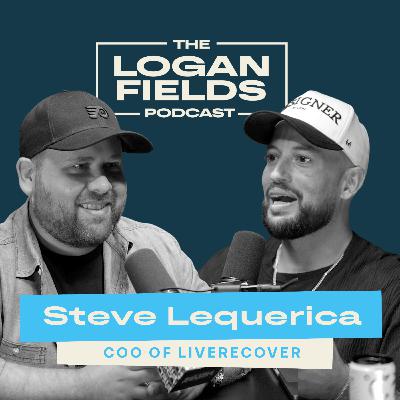
Steve Lequerica is not your average SaaS exec. As CEO of LiveRecover, he’s helped over 4,000 brands unlock revenue they didn’t even know they were leaving on the table. In this high-energy, insight-packed episode of the Logan Fields Podcast, we dig deep into how human-first text messaging is changing the game for ecommerce, why loyalty in business is still a competitive advantage, and how lean, scrappy startups can punch way above their weight.Forget the AI hype for a moment—LiveRecover is bringing the human element back into ecommerce sales, quite literally. Their secret? Real people texting real customers who abandon checkout, filling a critical gap where traditional automations fall short. Steve breaks down the legal frameworks that make it all possible, and shares how brands can turn missed opportunities into profitable, trackable wins—without touching their existing automations.If you're an ecommerce operator, founder, or digital marketer, this episode is your playbook. Steve doesn’t just talk theory—he gets tactical about customer engagement, brand retention, and how to build a business that scales without losing its soul. And if you’re thinking human-led sales is too slow or too expensive, think again. He shows how LiveRecover can be installed in 10 minutes and pay for itself—often in the first few days.We also get personal. Steve opens up about the loyalty that’s driven his career decisions, what it means to stay in the trenches when a company hits turbulence, and how golf became his therapy after years of startup grind. You’ll hear a raw, unfiltered take on what it really means to be a modern founder, why speed and serendipity win over perfection, and how to tell when it’s time to pivot vs. double down.Some of the most valuable insights include:The key differences between peer-to-peer SMS and traditional marketing messagesWhy LiveRecover’s fully human-led model legally unlocks a larger customer baseHow to improve conversion rates without increasing ad spendThe overlooked value of post-sale support in increasing lifetime valueWhat makes the best ecommerce products perform in 2025's crowded marketWe also get into the lifestyle side of business—how to manage stress, how to spot aligned partners, and why vibes actually matter in both restaurants and startups. Steve’s outlook on real estate investing, bootstrapping vs. raising capital, and how to move fast without breaking your foundation offers refreshing clarity for anyone building something from scratch.Whether you’re scaling a SaaS company, running a Shopify store, or building your first funnel, this episode is a must-listen. It blends real-world case studies with hard-earned wisdom, wrapped in the kind of banter and insight you only get when two founders sit down with zero filters and a lot of skin in the game.Connect with us:Want to learn more about Steve Lequerica or try out LiveRecover? You can reach him at steve@liverecover.com or connect with him on Twitter at @SteveLEC30.For behind-the-scenes content, upcoming guests, and extended clips, follow The Logan Fields Podcast wherever you stream your shows. To reach the show, collaborate, or book a guest appearance, head over to loganfieldspodcast.comor message us directly on our platforms.Thank you for tuning in—subscribe, share, and stay curious.
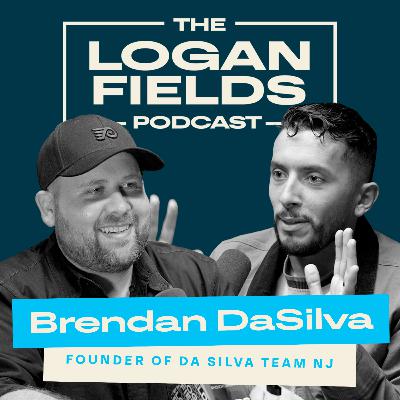
What does it take to build wealth, scale a real estate business, and find peace—all without losing your mind in the process? In this raw and unfiltered episode of The Logan Fields Podcast, we sit down with Brendan de Silva, founder of the DE SILVA Team, to unpack the highs, lows, and gritty in-betweens of building a real estate empire from scratch.Known for flipping hundreds of homes, scaling a brokerage from 130 to over 220 sales in a single year, and creating a rental portfolio that cash flows over $15K/month, Brendan brings a rare mix of tactical brilliance, spiritual depth, and entrepreneurial intensity. But this isn’t just another episode about real estate—this is a masterclass in mindset, financial trauma, leadership, and faith.Whether you’re a founder with capital to deploy, a real estate investor questioning your next move, or a high-income entrepreneur wrestling with burnout, this episode gives you real answers.Brendan breaks down why he actively warns against Airbnb and short-term rentals for busy entrepreneurs—and how these seemingly sexy ventures are actually operational nightmares. He explains why small multifamily properties and REITs are often smarter and more scalable options for seasoned founders. We dive into how he leveraged his sales business into millions in real estate equity—and the emotional chaos that came with it. Despite significant cash flow and assets, Brendan opens up about how he still struggled with financial anxiety and a scarcity mindset, proving that income doesn’t fix inner wounds.One of the most powerful parts of this episode is Brendan’s journey from hustling 90-hour weeks out of fear to leading a team with confidence and abundance. He shares how a single failed assistant hire (who even tried to sue him) forced him to rethink delegation, trust, and how he scaled. He also breaks down his current approach to building community, deepening his faith, and maintaining high standards in both business and life. We also get real about status, legacy, and what it means to be a leader in your family, your company, and your community.You'll learn how to use structured journaling questions to avoid “dumb tax” decisions, why physical health matters more for your mind than your lifespan, and how to build a life that isn't just profitable—but peaceful. Brendan also reveals how masterminds, spiritual accountability, and being in proximity to people “ahead” of him changed everything—from deal flow to mindset.Some highlights include:When real estate makes sense—and when it doesn’t—for 7-figure entrepreneursThe real reason Airbnb isn’t passive income—it’s hospitality, not investingHow growing up broke wires your brain—and how to reprogram itWhy a stable business should feel like a spouse, not a one-night standThe story of a $1,000-per-person dinner that made his mom cry—and why it matteredHow he balances business, marriage, fatherhood, and community without burning outThis episode isn’t about hacks—it’s about building a philosophy that sustains your success. It’s about shifting from fear-based hustle to abundance-driven leadership. And it’s packed with hard-won insights from someone who’s been in the trenches and came out with clarity.Enjoying the episode? Here’s how to stay connected:Follow the show for weekly episodes with founders, creators, and visionaries who blend strategy and soulLeave a rating or review to help more people find powerful conversations like thisShare this episode with a friend who's scaling a business or healing their relationship with successWant to connect with Logan or apply to be a guest? Visit loganfields.com/podcastFor behind-the-scenes drops, insights, and guest updates, follow the podcast and turn on notificationsThanks for listening to The Logan Fields Podcast—where real business meets real life. Let’s keep building.
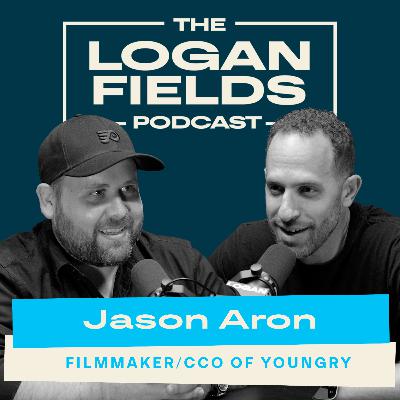
What does it take to build a career at the intersection of creativity, travel, and viral content? In this unforgettable episode of The Logan Fields Podcast, we sit down with Jason Aron—an award-winning documentarian, film director, producer, and co-founder of youngry. Known for his boundary-pushing work in entertainment and his offbeat obsession with airline status (yes, he really flew to Singapore just for Delta miles), Jason brings a rare mix of storytelling, strategy, and pure hustle to the mic.From his early days crowdfunding his first documentary to running full-scale productions for The Jonas Brothers, Jason’s journey is equal parts inspiring and insightful. But this isn’t just about filmmaking—it's about systems thinking, attention hacking, and what it really means to build something people care about. Whether you're in production, marketing, or just want to understand how people go viral by not trying too hard, this episode has layers.Jason walks us through:How he crowdfunded his first film and why most people fail at itWhat it’s like directing high-pressure events like the Mayweather vs. McGregor press tourWhy he never drinks coffee—and what keeps him running during back-to-back productionsThe real perks of Delta Diamond and why loyalty programs matter for business ownersHow he edits high-performing TikToks in under five minutesWhat creators get wrong about social media—and how to fix itHis personal systems for staying efficient, creative, and relevant in a noisy worldHere’s just a taste of what you’ll learn in this conversation:Filmmaking & ProductionThe biggest gear mistakes new creators makeWhy most viral content isn’t high-production—and why that’s a good thingThe one question he asks before every shoot to ensure it connectsTravel & Life DesignWhat it’s like to reach Delta’s unpublished 360 status—and the absurd trip that got him thereHow to leverage loyalty programs for personal and professional winsThe underappreciated value of airport lounges, elite rental car perks, and hotel upgradesSocial Media & Marketing PsychologyWhy watch time, not views, is the metric that actually mattersThe subtle psychology behind on-screen text, audio timing, and video pacingHis biggest TikTok win: 13 million views on a five-second clip and what it taught himJason doesn’t just talk about virality—he lives it. You’ll hear firsthand how he captures attention in the wild, what he looks for in a shoot, and how consistency, not perfection, drives momentum. He shares how he helps his girlfriend, a pro pickleball player, build her online presence while juggling a demanding production career. And yes, we even get into his love of sushi, spicy mayo, and production snacks—because every high-performer has their rituals.Whether you're building a brand, scaling a podcast, or just want better systems for creating with consistency, this episode gives you the mindset and tools to level up.Enjoying this episode? Here's how to stay connected:Follow the show for weekly episodes with creators, founders, and media professionalsLeave a rating or review—it helps more people discover conversations like thisShare this episode with a friend who’s into content, storytelling, or creative strategyWant to connect with Logan or inquire about being on the show? Visit loganfields.com/podcastFor behind-the-scenes clips, production tips, and special guest drops, follow the podcast on your favorite platform and turn on notificationsThanks for listening to The Logan Fields Podcast—where creative work meets real-world strategy. Let’s keep building.
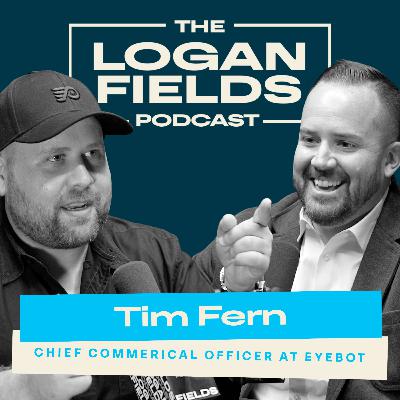
What does it take to lead hardware startups in markets that don’t even know they need you yet? In this episode of The Logan Fields Podcast, we sit down with Tim Fern, Chief Commercial Officer at Ibot and former global sales leader for Meta’s Oculus division, to talk about the wild reality of building billion-dollar companies—without the luxury of consumer awareness or infinite funding.Tim brings a rare blend of strategic clarity and real-world experience. Before joining Ibot, he spent six years at Meta helping scale Oculus from an experimental product to a multi-billion-dollar retail business. He knows what it means to sell the future, and he’s refreshingly honest about what that really takes—internally, operationally, and emotionally.We talk about everything from the grit behind market education to why it’s not always best to chase a customer who's already looking for what you're selling. Tim shares what it’s like to work on projects that require deep conviction, how to keep a team motivated when traction takes time, and what’s fundamentally different about building hardware versus software in today’s venture landscape.If you’ve ever wondered how startup execs think about product-market fit when they’re inventing a whole new market—or what it feels like to go from Meta to a lean 18-person team—this is an episode you don’t want to miss.In this episode, Tim covers:His role in Oculus’s global expansion and what it taught him about early adopter psychologyThe strategy behind Ibot and why vision care is the next frontier in health techWhy “telling the customer what they want” sometimes works better than listeningThe VC shift from burn-to-scale to lean growth and how that impacts hardware innovationHow to build relationships in enterprise sales without relying on outbound noiseWhat makes a founding team worth betting on—and why technical skill isn’t enoughWhy small teams of experts can outperform large, well-funded competitorsHis take on stock options, down rounds, and what equity really means in early-stage venturesAlong the way, Tim also opens up about his sneaker obsession (85 pairs and counting), what it’s like to log 250,000+ air miles a year, and the best ways to get attention without selling your soul. We also dig into the psychology of risk, what it feels like to start over after working for a tech giant, and why solving a real problem—not just building something cool—is what separates hobbyists from high-growth entrepreneurs.This is a conversation for anyone who’s serious about building. Whether you’re launching a startup, raising capital, trying to land your first enterprise deal, or just want to understand what it really takes to create something game-changing, Tim delivers insight without the fluff.Want to go deeper? Here’s how to engage with the show:Subscribe to The Logan Fields Podcast on your favorite streaming platform so you never miss an episodeConnect with Logan Fields on social or visit loganfieldspodcast.com to explore past episodesReach out to Tim Fern on LinkedIn or follow his work at Ibot to see how vision care is being redefinedIf you enjoyed this episode, share it with a friend or founder who’s in the trenches right now—we’re here to fuel the buildersLeave a review if this episode gave you something to think about. It helps more people find the podcast and gives us fuel to keep goingThanks for listening to The Logan Fields Podcast, where ambition meets clarity and real talk gets the mic. We’ll see you next time.
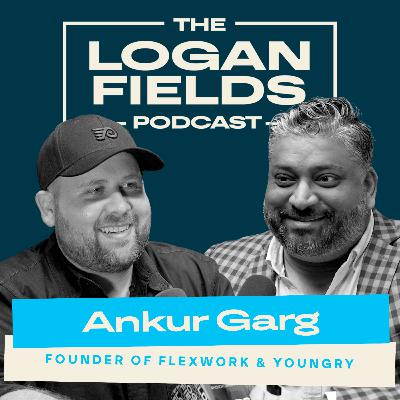
What happens when the guy behind one of the most talked-about supplement brands of the 2010s sits down to talk influence, fallout, and full-circle success?In this episode, host Logan Fields welcomes Ankur K Garg—the original architect behind Shredz, the founder of Youngry, and the visionary behind Flexwork Studios—for an unfiltered conversation about what it really takes to build lasting brands, powerful relationships, and multi-million-dollar momentum.From early experiments in social media to managing thousands of influencers before “influencer marketing” was even a phrase, Ankur’s journey is packed with insights most people never hear. He opens up about the meteoric rise of Shredz, how he navigated the Fyre Festival chaos (yes, he was there—sort of), and what it means to own your mistakes while protecting your reputation and your people.If you’ve ever wondered what was really going on behind the scenes of the fitness industry’s golden era—or how to pivot after controversy without losing your credibility—this episode delivers.We talk about:How Ankur helped invent influencer marketing and reverse-engineered social growth using niche accountsWhat really happened with the Fyre Festival—and why he feared being name-dropped in the Netflix docsThe difference between hype and substance when building brands with staying powerHow Shredz scaled into a global phenomenon with airport-level name recognitionWhy some influencers made six figures a month (and others didn’t)How to repair broken relationships and why Ankur tracks “karmic debts” in a personal spreadsheetHis secret test for vetting business partners—and why most people fail itBut the conversation goes deeper than strategy. Ankur shares how he built relationship capital over two decades, what fuels his obsession with team culture, and why he believes in showing up for his people—whether that’s writing a check to fix someone’s mistake or building a podcast studio that feels more like a lifestyle brand than a rental space.We also dive into the rise of Flexwork Studios, the New Jersey-based podcasting hub redefining premium content creation. From hourly rentals to full-service production packages, Ankur explains why Flexwork is a natural extension of everything he’s learned: take care of your team, make it beautiful, and treat the details like they matter.If you’re in marketing, this is required listening. Ankur breaks down why most agencies are struggling in 2025, how they get messaging wrong, and why blindly relying on AI tools (even this one) is sabotaging brands. His insights on market fit, creative strategy, and building real human trust are refreshingly blunt—and incredibly useful.About Ankur Garg:Serial entrepreneur, culture builder, and brand strategist, Ankur has built and exited companies, managed over 2,000 influencers, and continues to shape the future of podcasting and content creation through his work at Youngry and Flexwork Studios.Want more? Here’s how to stay connected:Follow Ankur Garg on Instagram, LinkedIn, and everywhere else: @ankurkgargExplore Flexwork Studios at https://flexworkstudios.com to see rental options, production packages, and upcoming availabilityCheck out Youngry for full-service marketing, strategy, and brand growth at https://youngry.comFollow Logan Fields for more interviews with the builders, creators, and disruptors shaping tomorrow’s brandsIf you enjoyed this episode, leave a review, subscribe, and share it with someone who’s building something real. It helps more than you know—and lets us keep bringing you conversations that don’t just inspire, but actually inform.Thanks for tuning in. See you next episode.The App Guys will build your software or app in 100 days or less!Apply to work with us here: https://www.theappguys.com
Comments


Download from Google Play

Download from App Store
 United States