


 Claim Ownership
Air Crash Chronicles
Subscribed: 7Played: 190
Subscribe

© Copyright Air Crash Chronicles
Description
Air Crash Chronicles is a podcast that takes you inside the world of aviation disasters.
Each episode breaks down a real plane crash—what happened, why it happened, and how investigators uncovered the truth.
We explore cockpit audio, black box data, engineering failures, human factors, weather conditions, and the chain of events that led to each tragedy.
This podcast is designed for aviation enthusiasts, curious minds, and anyone who wants to understand how modern air travel becomes safer through every accident investigation.
With clear storytelling, deep research, and verified sources, Air Crash Chronicles brings you gripping, immersive episodes that reveal the hidden lessons behind the world’s most shocking air disasters.
So climb into the cockpit for an experience you won’t soon forget.
You can listen and download our episodes for free on more than 10 different platforms:
https://linktr.ee/Air_Crash_Chronicles
Produced by Podcai Studio:
https://www.podcaistudio.com/
Each episode breaks down a real plane crash—what happened, why it happened, and how investigators uncovered the truth.
We explore cockpit audio, black box data, engineering failures, human factors, weather conditions, and the chain of events that led to each tragedy.
This podcast is designed for aviation enthusiasts, curious minds, and anyone who wants to understand how modern air travel becomes safer through every accident investigation.
With clear storytelling, deep research, and verified sources, Air Crash Chronicles brings you gripping, immersive episodes that reveal the hidden lessons behind the world’s most shocking air disasters.
So climb into the cockpit for an experience you won’t soon forget.
You can listen and download our episodes for free on more than 10 different platforms:
https://linktr.ee/Air_Crash_Chronicles
Produced by Podcai Studio:
https://www.podcaistudio.com/
98 Episodes
Reverse
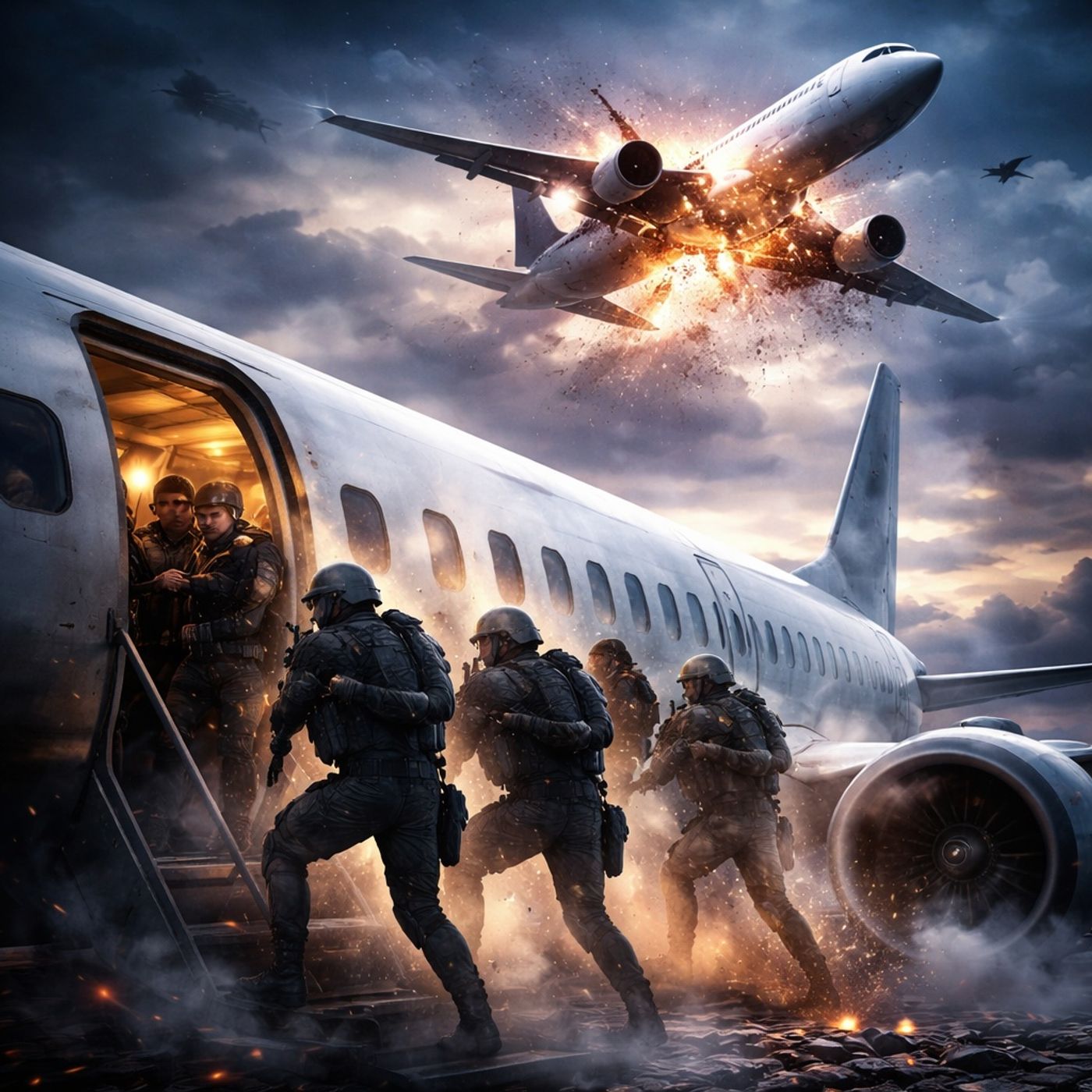
This episode explores two dramatic aviation tragedies that reveal how moments of crisis in the skies can reshape the future of global air safety.The first story follows a tense hijacking in which armed militants seize control of a passenger aircraft with a terrifying objective. As the plane moves across multiple locations, authorities slowly realize the scale of the threat and the devastating target the attackers intend to destroy. After hours of uncertainty and fear among the passengers and crew, elite special forces launch a daring assault on the aircraft once it reaches the ground. In a rapid and intense operation, they storm the plane, confronting the hijackers and ultimately preventing a catastrophic act that could have caused massive destruction.The second story takes place years later in the night skies over Europe, where two aircraft approach the same airspace under routine conditions. What should have been a normal flight turns into a fatal chain of events when the aircraft crews receive conflicting information. Automated safety systems warn the pilots to maneuver in opposite directions, while instructions from air traffic control create confusion at a critical moment. Within seconds, the aircraft collide mid-air, resulting in a devastating loss of life.Beyond the immediate tragedy, the disaster leaves deep emotional scars. Families and survivors struggle to cope with the grief and unanswered questions that follow such an unimaginable event. One grieving father, overwhelmed by the loss of his family, later seeks out the controller involved in the incident, leading to another tragic outcome born from profound sorrow.Together, these stories show how aviation disasters often become turning points. Each event forces the world to confront weaknesses in safety systems, communication, and crisis management, ultimately driving major changes designed to prevent similar tragedies in the future.You can listen and download our episodes for free on more than 10 different platforms:https://linktr.ee/Air_Crash_ChroniclesProduced by Podcai Studio:https://www.podcaistudio.com/
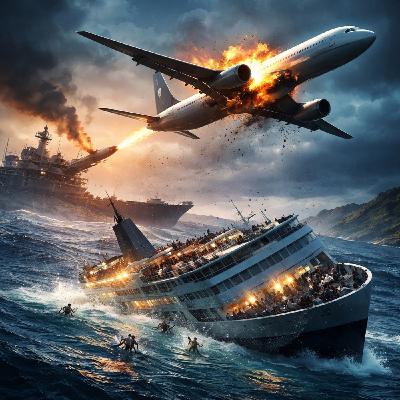
This episode tells the story of two devastating tragedies at sea and in the sky, where a deadly combination of technology, pressure, and human error led to catastrophic loss of life.In the first case, a tense military confrontation unfolds in the Persian Gulf when a naval crew, operating in a high-stress combat environment, begins tracking what they believe to be an approaching hostile aircraft. Radar signals, confusing data, and the fear of an imminent attack push the crew toward a fatal decision. Within moments, a missile is launched at what is later revealed to be a civilian passenger plane, turning a routine commercial flight into a horrifying disaster.The episode then shifts to the Aegean Sea, where a passenger ferry carrying hundreds of people travels through waters filled with well-known hazards. On the bridge, critical safety procedures are neglected as the vessel continues forward on autopilot without proper supervision. When the ship strikes a rocky formation, the impact alone is not what seals its fate. Instead, a series of overlooked safety measures—especially unsecured watertight doors—allows water to rush inside, causing the ferry to sink with terrifying speed.Together, these stories reveal a powerful lesson: catastrophic disasters rarely happen because of a single failure. Instead, they emerge when human judgment, technological systems, and stressful circumstances collide, turning manageable situations into irreversible tragedies.You can listen and download our episodes for free on more than 10 different platforms:https://linktr.ee/Air_Crash_ChroniclesProduced by Podcai Studio:https://www.podcaistudio.com/
These accounts detail several major aviation disasters caused by technical failures, human error, and design flaws. They include Aero Peru 603, where leftover maintenance tape blocked critical instruments; Japan Airlines 123, which suffered catastrophic structural failure from a faulty bulkhead repair; Korean Air 801, which crashed into a hillside in Guam during a storm; and the Charkhi Dadri mid-air collision, caused in part by language barriers.Air Inter 148 is also examined, showing how a confusing autopilot interface and missing ground proximity warnings led to a controlled flight into terrain. Together, these incidents highlight how small mistakes and systemic issues can combine to produce devastating, fatal outcomes.You can listen and download our episodes for free on more than 10 different platforms:https://linktr.ee/Air_Crash_ChroniclesProduced by Podcai Studio:https://www.podcaistudio.com/
These accounts detail several aviation emergencies caused by technical failures and human error. Air Transat Flight 236 ran out of fuel due to a maintenance mistake and pilot oversight, yet glided to safety. Air France Flight 358 experienced a runway overrun during a severe storm in Toronto, but a miraculous evacuation saved many lives.China Airlines Flight 611 suffered a catastrophic mid-air breakup from a decades-old improper structural repair, while Crossair Flight 3597 crashed due to pilot incompetence and unaddressed professional failings. Together, these incidents highlight the vital importance of strict maintenance, clear communication, and adherence to safety protocols in aviation.You can listen and download our episodes for free on more than 10 different platforms:https://linktr.ee/Air_Crash_ChroniclesProduced by Podcai Studio:https://www.podcaistudio.com/
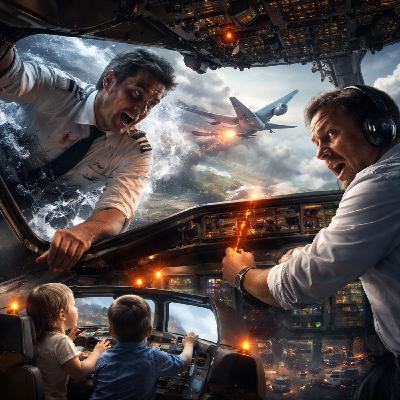
A British Airways pilot is ejected from the cockpit mid-flight when an improperly installed windscreen blows out. In another incident, an Aeroflot captain allows his children to handle the controls, accidentally disabling the autopilot and causing a crash.Other accidents involve pilots suffering from spatial disorientation and incompetence, leading to fatal outcomes. Investigations reveal systemic maintenance flaws and gaps in training, showing how minor errors can escalate into disasters. Some crews survive against the odds, while others tragically lose their lives.You can listen and download our episodes for free on more than 10 different platforms:https://linktr.ee/Air_Crash_ChroniclesProduced by Podcai Studio:https://www.podcaistudio.com/
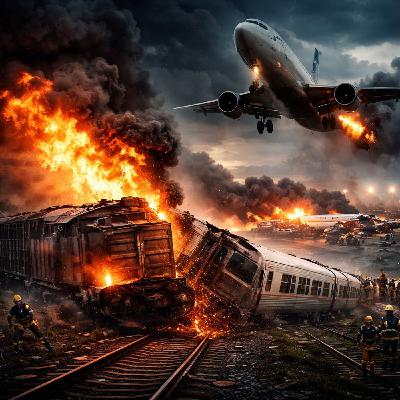
A massive freight train ignored signals and collided with a passenger rail in 1986, killing 23 people due to crew fatigue and lax safety practices. In aviation, DC-10 cargo door failures led to both miraculous and tragic outcomes, including a crash in Paris that claimed 346 lives, exposing ignored design defects.Other accidents include a runway fire where toxic smoke caused more deaths than flames, and a crash landing caused by rare ice accumulation in a jet’s fuel system. These events illustrate how human error, mechanical flaws, and oversight failures can combine to produce catastrophic consequences.You can listen and download our episodes for free on more than 10 different platforms:https://linktr.ee/Air_Crash_ChroniclesProduced by Podcai Studio:https://www.podcaistudio.com/
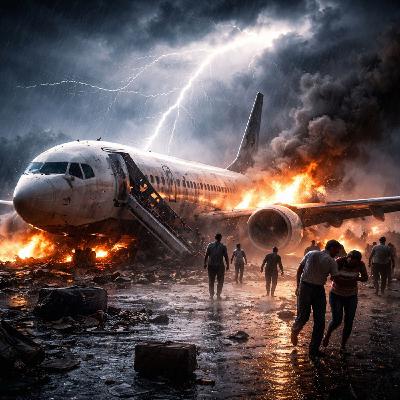
American Airlines Flight 1420, Air France Flight 358, and Southern Airways Flight 242 all suffered catastrophic accidents where severe weather combined with critical human errors. Failures like not deploying ground spoilers or misreading radar data, often worsened by corporate pressure and pilot fatigue, led crews into dangerous thunderstorms.Survivors’ accounts and investigations reveal how these tragedies prompted improvements in emergency evacuations and weather-tracking technology. The incidents underscore the unpredictable power of nature and the vital importance of adhering to strict safety protocols in aviation.You can listen and download our episodes for free on more than 10 different platforms:https://linktr.ee/Air_Crash_ChroniclesProduced by Podcai Studio:https://www.podcaistudio.com/
A DHL cargo plane in Baghdad survives a surface-to-air missile strike despite losing all hydraulic controls. In contrast, Helios Airways Flight 522 crashes after a single pressurization switch is left in the wrong position, causing the crew to succumb to hypoxia.Adam Air Flight 574 spirals into a fatal dive due to spatial disorientation and poor maintenance, while Continental Connection Flight 3407 crashes because of pilot fatigue and improper stall recovery. These incidents highlight the crucial importance of pilot training, cockpit discipline, and advanced safety technology in preventing aviation disasters.You can listen and download our episodes for free on more than 10 different platforms:https://linktr.ee/Air_Crash_ChroniclesProduced by Podcai Studio:https://www.podcaistudio.com/
TAM Airlines Flight 3054 crashed in Brazil when a treacherous runway and pilot confusion over thrust reverser procedures caused the plane to collide with a building. Korean Air Flight 8509 plunged after takeoff from London due to a malfunctioning navigation instrument, with cultural hierarchy preventing the junior crew from correcting the captain’s mistakes.Investigations using black boxes and flight simulations uncovered the chain of events behind both accidents. These tragedies led to critical safety reforms in airport infrastructure and crew communication protocols worldwide.You can listen and download our episodes for free on more than 10 different platforms:https://linktr.ee/Air_Crash_ChroniclesProduced by Podcai Studio:https://www.podcaistudio.com/
TAM Airlines Flight 3054 overshot the runway in São Paulo during heavy rain after landing with one thrust lever not set correctly, causing one engine to push forward while the other tried to slow the plane. The asymmetric thrust, poor runway conditions, and a lack of adequate braking support prevented deceleration, and the aircraft ran off the end of the runway into buildings. West Caribbean Airways Flight 708 climbed to cruising altitude but encountered weather and engine performance issues. As the autopilot maintained altitude with decreasing airspeed, the aircraft entered a stall that the crew did not recognize or recover from in time. The plane lost control and crashed in rural Venezuela. In both cases, investigations found that environmental conditions combined with pilot error and decision-making under stress contributed to the tragedies, underscoring how crucial situational awareness, proper procedures, and robust training are in aviation safety.You can listen and download our episodes for free on more than 10 different platforms:https://linktr.ee/Air_Crash_ChroniclesProduced by Podcai Studio:https://www.podcaistudio.com/
Taca Flight 110 experienced a dual engine failure after heavy hail struck the aircraft, forcing the pilot to execute a dead-stick landing on a narrow grass levee, successfully saving everyone on board. Investigations led to engine design changes to improve resistance to water and ice ingestion.The Linate Airport disaster occurred when a Scandinavian Airlines jet collided with a private Cessna in thick fog on the runway. Contributing factors included poor taxiway markings, deactivated sensors, and the lack of ground radar, making the collision unavoidable.Both incidents highlight how thorough investigations of technical failures and human factors can drive global aviation safety reforms.You can listen and download our episodes for free on more than 10 different platforms:https://linktr.ee/Air_Crash_ChroniclesProduced by Podcai Studio:https://www.podcaistudio.com/
Continental Express Flight 2574 crashed after maintenance crews failed to replace critical screws on the horizontal stabilizer during a shift change, causing the aircraft to break apart mid-flight. The disaster revealed the deadly consequences of poor communication and documentation in airline maintenance.Pacific Southwest Airlines Flight 1771 involved a mass murder-suicide by a disgruntled former employee, who smuggled a firearm on board, killed the crew, and intentionally crashed the plane.Both tragedies demonstrate how procedural oversights and security gaps can have catastrophic effects, prompting major reforms in aviation safety and investigative practices.You can listen and download our episodes for free on more than 10 different platforms:https://linktr.ee/Air_Crash_ChroniclesProduced by Podcai Studio:https://www.podcaistudio.com/
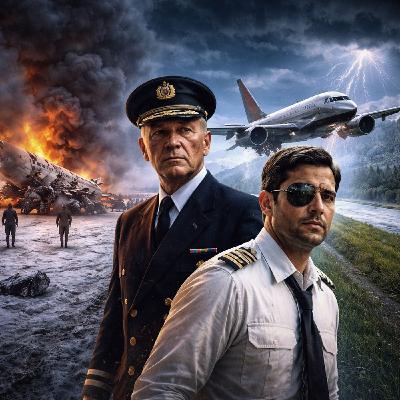
The 1958 Munich air disaster claimed much of the Manchester United football team when the aircraft crashed during takeoff. Investigations later confirmed that runway slush, rather than wing ice, was the primary cause, and Captain James Thain spent years defending his actions.Decades later, TACA Flight 110 suffered a dual engine failure after flying through a severe thunderstorm near New Orleans. Captain Carlos Dardano, despite having only one eye, executed a remarkable dead-stick landing on a narrow grass levee, saving everyone aboard. Investigations revealed a critical engine design flaw in handling hail during low-power descents.Both events led to essential safety improvements and demonstrated the extreme pressure pilots face during life-threatening emergencies.You can listen and download our episodes for free on more than 10 different platforms:https://linktr.ee/Air_Crash_ChroniclesProduced by Podcai Studio:https://www.podcaistudio.com/
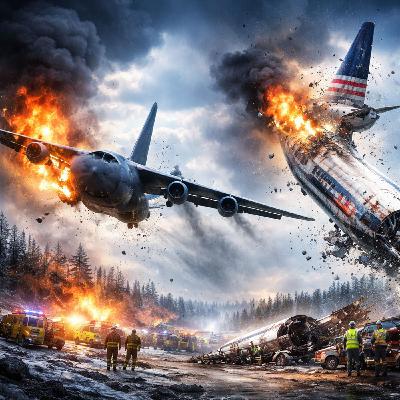
Arrow Air Flight 1285 crashed in 1985, killing 248 US soldiers. Investigators debated whether atmospheric icing or a terrorist explosion caused the disaster, but the official report blamed wing contamination and excessive weight. A dissenting minority fueled lasting controversy, prompting changes in Canadian aviation safety oversight.Continental Express Flight 2574 broke apart in 1991 due to a missing leading edge on the tail, traced to human error and lapses in maintenance documentation during a shift change.Both incidents show how minor procedural mistakes and environmental factors can combine to produce catastrophic outcomes, and they highlight how accident investigations evolved to include organizational safety culture alongside technical analysis.You can listen and download our episodes for free on more than 10 different platforms:https://linktr.ee/Air_Crash_ChroniclesProduced by Podcai Studio:https://www.podcaistudio.com/
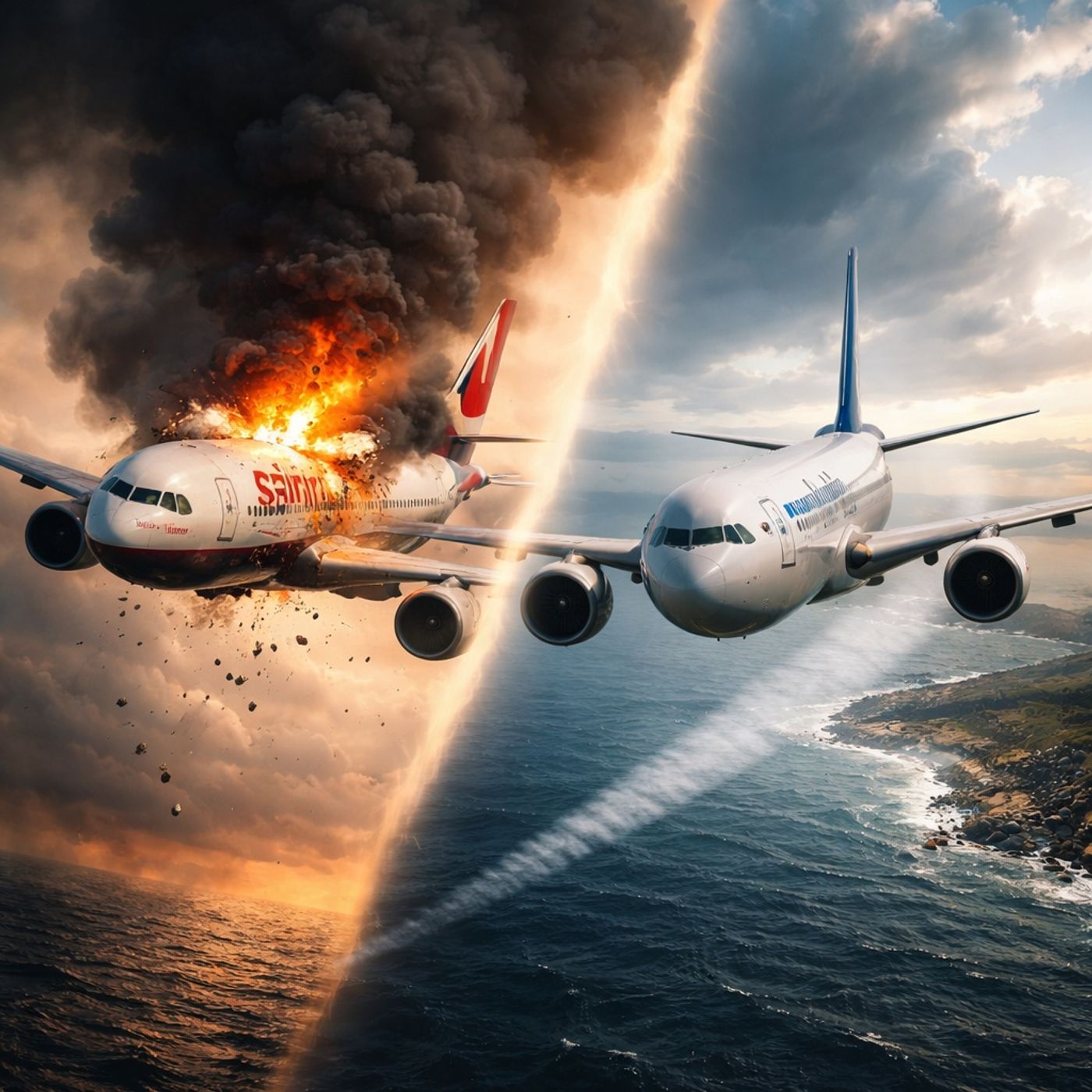
Swissair Flight 111 crashed off the coast of Canada after a fire, caused by faulty wiring and flammable insulation, led to total systems failure. In contrast, Air Transat Flight 236 suffered a massive fuel leak from maintenance errors but managed the longest passenger jet glide in history, safely reaching land.Both incidents underscore the importance of strict cockpit procedures, the risks of relying solely on automated systems, and prompted industry-wide safety reforms. They highlight how narrow the line can be between disaster and survival when unexpected technical failures occur at high altitudes.You can listen and download our episodes for free on more than 10 different platforms:https://linktr.ee/Air_Crash_ChroniclesProduced by Podcai Studio:https://www.podcaistudio.com/
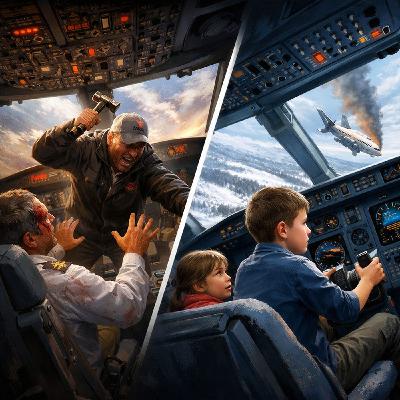
FedEx Flight 705 faced a deliberate hijacking in 1994 when an off-duty employee attacked the crew with hammers and a spear gun in a suicide attempt to crash the plane for insurance. Despite severe injuries, the pilots performed extreme aerial maneuvers to subdue the attacker and land safely.In the same year, Aeroflot Flight 593 crashed in Siberia after a pilot allowed his children to sit at the controls. One child’s movements partially disengaged the autopilot, triggering stalls and dives that the crew could not recover from.These incidents underscore the critical importance of cockpit security and illustrate how human error can interact dangerously with automated flight systems.You can listen and download our episodes for free on more than 10 different platforms:https://linktr.ee/Air_Crash_ChroniclesProduced by Podcai Studio:https://www.podcaistudio.com/
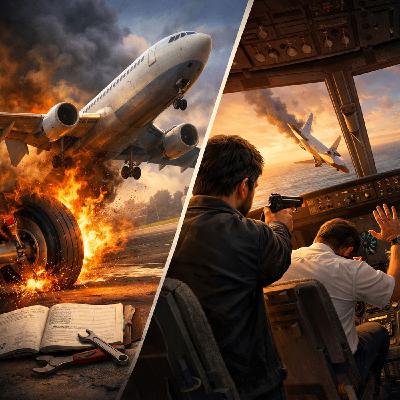
Nigeria Airways Flight 2120 crashed in 1991 when underinflated tires ignited during takeoff, causing total hydraulic failure and killing all 261 people on board. Investigators found that maintenance logs had been falsified to conceal shortcuts taken to meet tight schedules.In 1987, Pacific Southwest Airlines Flight 1771 ended in tragedy when a disgruntled former employee smuggled a weapon on board, murdered the crew, and intentionally crashed the plane.Both incidents show how negligent maintenance and security lapses can lead to catastrophic outcomes, prompting major reforms in aviation safety and industry regulations.You can listen and download our episodes for free on more than 10 different platforms:https://linktr.ee/Air_Crash_ChroniclesProduced by Podcai Studio:https://www.podcaistudio.com/

Alaska Airlines Flight 261 crashed after a stripped jack screw caused catastrophic control failure, with maintenance negligence and faulty repair procedures contributing to the disaster. The crew perished due to a lack of design redundancy in the aircraft.In contrast, Air Transat Flight 236 suffered a ruptured fuel line from maintenance errors, yet the pilots managed a record-breaking emergency glide to safety despite confusing computerized warnings.Both incidents highlight how small errors in maintenance can escalate into life-or-death situations, underscoring the need for strict regulation, careful oversight, and the courage to report safety issues.You can listen and download our episodes for free on more than 10 different platforms:https://linktr.ee/Air_Crash_ChroniclesProduced by Podcai Studio:https://www.podcaistudio.com/
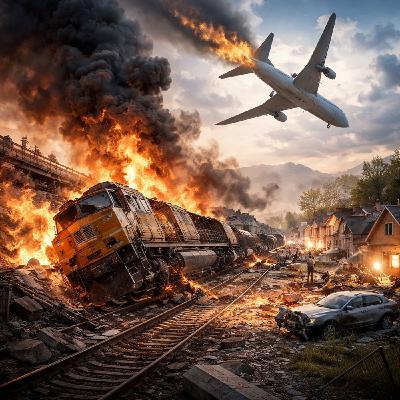
In 1989, a runaway freight train in San Bernardino destroyed a neighborhood after inaccurate weight calculations and insufficient braking power caused it to derail. The disaster was worsened weeks later when a damaged pipeline exploded during cleanup.Aeroflot Flight 593 crashed in Siberia after the pilot allowed his teenage son to handle the controls. A partial autopilot disconnection went unnoticed, triggering an unrecoverable stall that killed everyone on board.Both tragedies show how small errors and unfamiliar technology can combine to produce catastrophic loss of life.You can listen and download our episodes for free on more than 10 different platforms:https://linktr.ee/Air_Crash_ChroniclesProduced by Podcai Studio:https://www.podcaistudio.com/
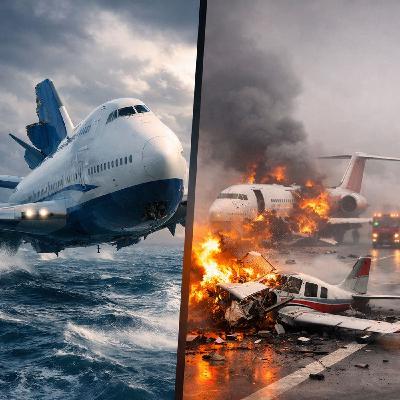
A Boeing 747 experienced a critical rudder malfunction over the Bering Sea, but the crew’s expert manual flying and teamwork allowed everyone on board to survive.In contrast, a deadly runway collision at Milan’s Linate Airport between an MD-87 and a Cessna during heavy fog killed 118 people. Poor signage, deactivated safety alarms, and the absence of ground radar contributed to the disaster.These cases contrast a successful emergency recovery with a preventable tragedy caused by organizational failures.You can listen and download our episodes for free on more than 10 different platforms:https://linktr.ee/Air_Crash_ChroniclesProduced by Podcai Studio:https://www.podcaistudio.com/

Comments

Download from Google Play

Download from App Store
 United States